Can an Alternator Drain a Battery? How to Diagnose and Fix It Fast
Can an alternator drain a battery? Yes, a faulty alternator can drain your car battery in several ways.
It may stop charging while running or draw current when the engine is off. This causes your 12-volt battery to lose power steadily.
One problem is bad diodes in the alternator. They allow reverse current. This current drains the battery overnight.
Another is a regulator fault that leaves the alternator drawing power without running. Checking your battery voltage after stopping the engine can help spot this problem early.
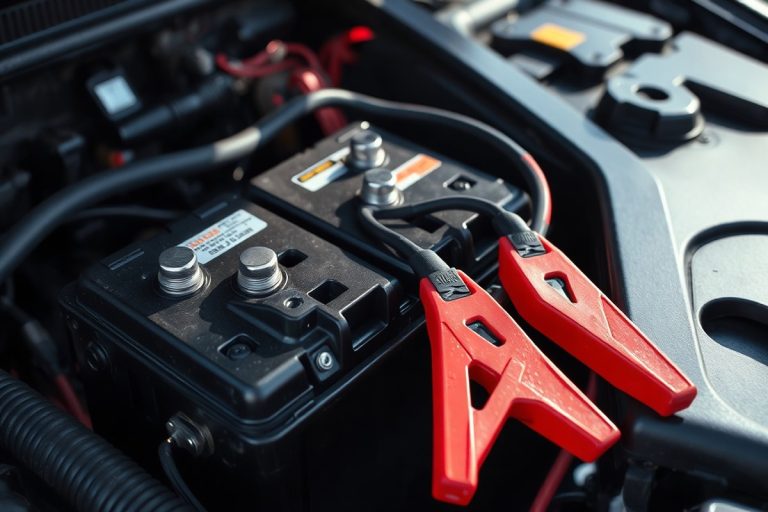
Start by measuring the voltage at the battery terminals when the car is off. The reading is low when it’s below 12.
Check your battery then.4 volts or keeps dropping, your alternator may be the culprit. Regular alternator belt inspections also help since a worn belt reduces charging efficiency.
Key Takeaways
- Measure battery voltage with the car off; below 12.4 volts signals a problem.
- Watch for voltages under 13.7 volts while running; that means weak charging.
- Test for current draw after engine shutdown to catch overnight battery drain.
- Check alternator diodes for reverse current causing battery discharge.
- Inspect the alternator belt every 50,000 to 100,000 miles for wear and tear.
- Replacing an alternator without resetting the battery management system risks damage.
Can an Alternator Actually Drain a Car Battery?
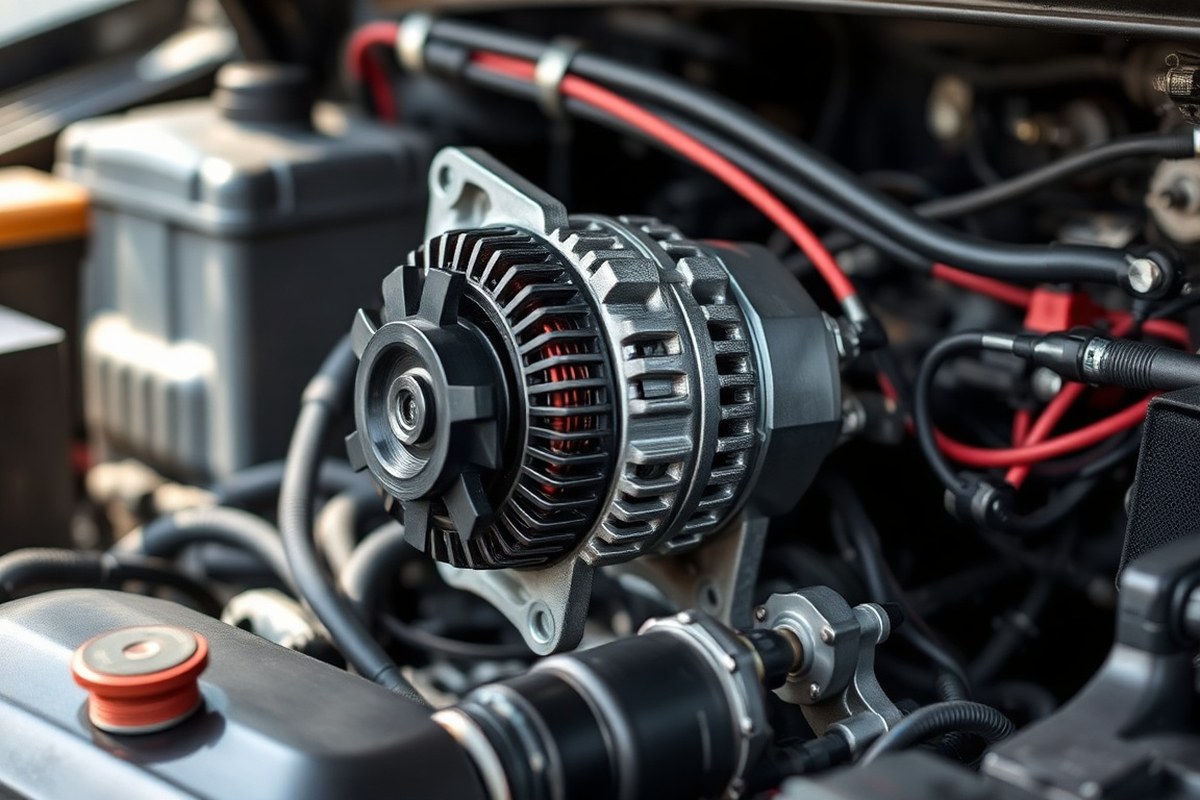
Your car’s alternator normally charges the battery while the engine runs. It also powers electrical systems like lights and radio during driving. When the engine is off, the alternator stops working and doesn’t draw power from the battery.
A fault in the alternator can cause battery drain even when the engine is off. This happens if bad diodes in the alternator allow current to flow backward into the battery. Another cause is a regulator problem.
It makes the alternator draw power all night. This drains the battery overnight.
When the alternator doesn’t produce enough current, the battery supplies extra power. This stress discharges the battery faster and can leave it weak or dead. Testing for abnormal voltage or parasitic current helps confirm if the alternator is draining your battery.
How the Alternator and Battery Work Together in Your Vehicle
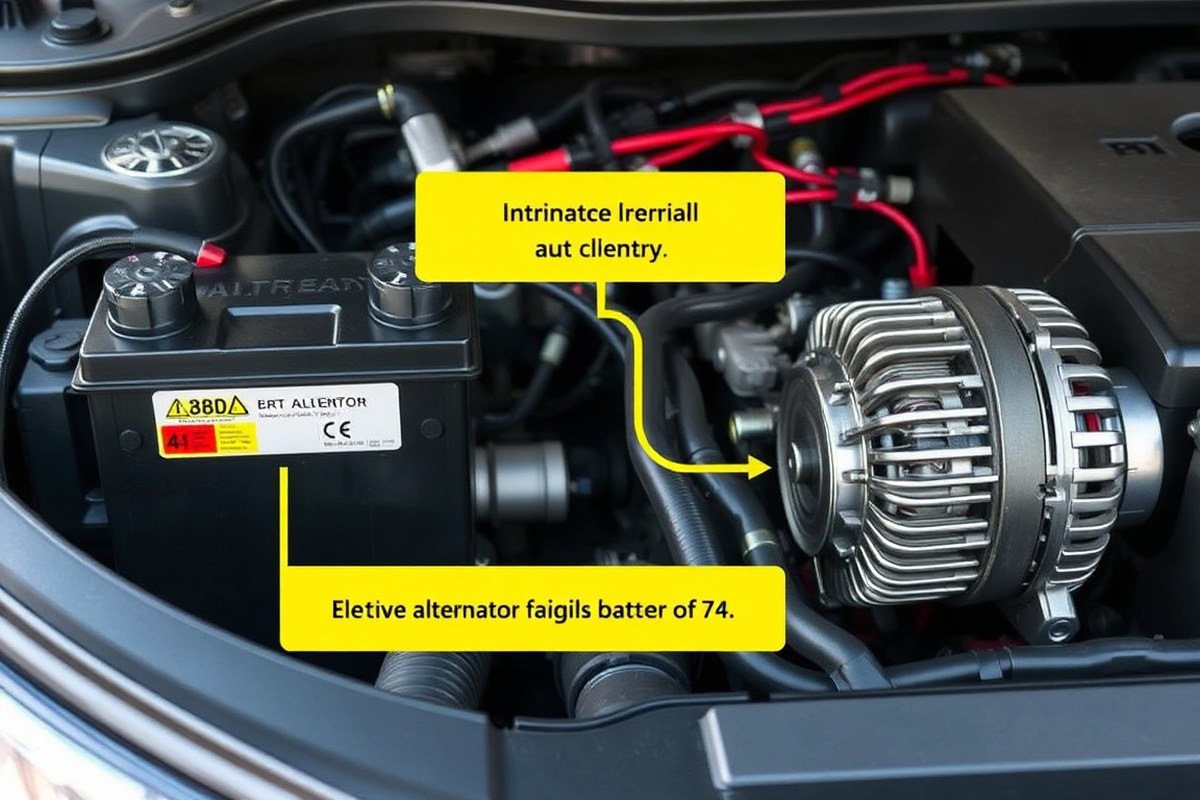
Your car’s battery stores electrical energy to start the engine and power accessories when it’s off. The alternator charges the battery by using engine power.
It turns mechanical energy into electricity while the engine runs. This system ensures the battery stays charged and your car’s electrical needs are met continuously.
Battery voltage sits between 12.4 and 12.7 volts when the engine is off and the battery is healthy. Once you start the engine, the alternator raises voltage to about 13.8 to 14.6 volts. This higher voltage charges the battery and powers the electrical system at the same time.
The battery depends on the alternator because it can’t recharge itself while the engine is off. Running a radio, lights, or other components draws power from the battery. When the engine starts again, the alternator recharges the battery to prepare for the next start.
Voltage below 13 volts at the battery means poor charging. The alternator may not charge correctly.
Overvoltage above 15 volts is also a bad sign and can damage the battery. The alternator’s voltage regulator keeps output steady within the ideal range to avoid these problems.
The alternator’s role matters because without it, the battery would quickly drain. You’d need frequent jump-starts or replacements. A good charging system keeps your car running reliably.
It supplies enough power to electrical parts. It also prevents the battery from draining.
Check your battery voltage both with the engine off and running to spot alternator problems early.
Common Symptoms Indicating Alternator-Related Battery Drain
Alternator problems cause noticeable symptoms that can drain your battery over time. These signs include dimming headlights, strange noises, slow engine starts, and dashboard warning lights. Spotting these early helps prevent a dead battery and costly repairs.
Electrical Symptoms Like Dim Lights and Warning Lights
Dim headlights or interior lights often point to alternator issues. When the alternator fails to charge properly, lights flicker or get noticeably weaker, especially at idle. You may also see a battery or alternator warning light on the dashboard.
Other electrical glitches like flickering dashboard gauges or a malfunctioning radio can hint at alternator trouble. This happens because your alternator isn’t providing enough electrical power to run these systems steadily.
- Dimming or flickering headlights
- Battery-shaped warning light on dashboard
- Unstable interior or dashboard lighting
- Radio or power windows randomly cut out
- Intermittent failure of electrical accessories
Noticing these symptoms means your alternator might be drawing more battery power than it’s restoring. This imbalance slowly drains the battery even while driving.
Mechanical Symptoms Such as Belt Noise or Engine Stalling
A worn or loose alternator belt can worsen battery drain problems. When the belt slips, the alternator won’t make enough electricity.
It may also cause a squealing noise at engine start. Inspect around the alternator pulley for this sound or visible belt wear.
Your engine may stall or hesitate due to low electrical power when the alternator fails. For example, the engine might start but then quickly die. This happens because the battery alone can’t keep up without proper charging.
- Squealing or chirping belt noise near alternator
- Engine stalling shortly after start
- Frequent engine hesitation or misfires
- Alternator pulley wobbling or unusual vibration
- Burning rubber smell near engine bay
Ignoring these mechanical signs could lead to total battery failure and leave you stranded. Watch for these to catch alternator-related issues early.
Battery Symptoms Including Frequent Dead Starts and Slow Cranking
Alternator problems often make your battery feel weak by not recharging it fully. This results in slow or labored engine cranking when you try to start the car. It may take several attempts or even a jump-start to get the engine running.
Repeated dead batteries right after charging signal that the alternator might have a problem. The battery warning light might come on during startup or while driving. These are clear signs your alternator isn’t keeping the battery charged as it should.
- Slow engine crank on startup
- Needing frequent jump-starts
- Battery warning light stays on or flashes
- Car struggles to start after short drives
- Battery voltage dropping below about 12 volts at rest
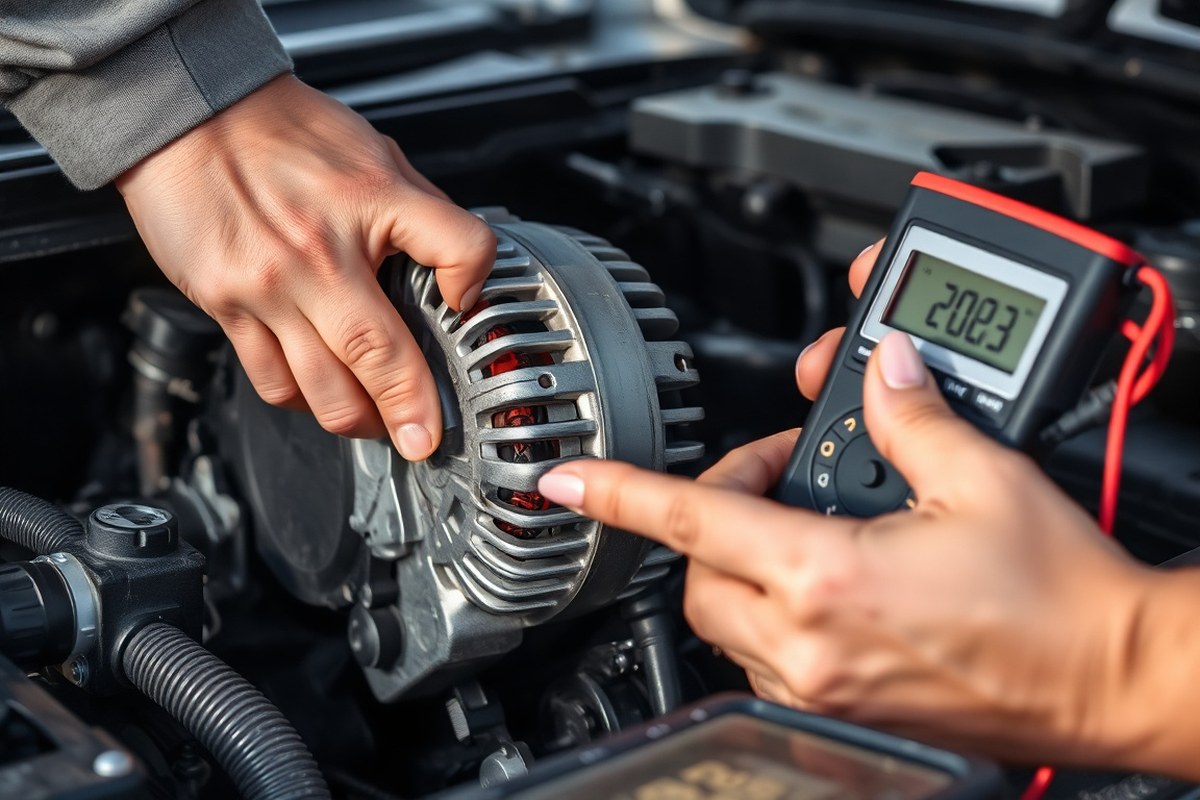
Checking battery voltage with a multimeter helps confirm if the alternator isn’t charging. A healthy alternator keeps voltage between roughly 13.5 and 14.5 volts while running.
Testing Methods to Identify Alternator-Driven Battery Drain
You can check your alternator by testing voltage output and current draw. Also, test the diodes. These checks show if your battery drains from the alternator.
Each test tells you a different part of the story. Use simple tools like a multimeter to get accurate results.
Performing a Voltage Output Test on the Alternator
The voltage output test shows if the alternator charges the battery properly. A healthy alternator provides between 13.5 and 14.6 volts at idle.
Low voltage means undercharging. High voltage can indicate a bad regulator or loose belt.
Follow these steps to check the alternator’s charging voltage safely:
- Turn off your vehicle and connect a digital multimeter across the battery terminals.
- Check the resting voltage. It should be around 12.4 to 12.7 volts if fully charged.
- Start the engine and let it idle.
- Measure the voltage at the battery again with the engine running.
- Look for a reading between 13.5 and 14.6 volts.
- Turn on electrical accessories to see if voltage holds steady.
- Turn off the engine and disconnect the multimeter.
The voltage should be at least 13 volts to charge properly. Lower voltage means the alternator might not be working right.5 volts, the alternator might not be supplying enough charge. Above 14.6 volts could mean the regulator is faulty and overcharging.
Conducting a Parasitic Current Draw Test
A parasitic draw test measures how much current your car uses when off. Normally, it should be less than 1 amp. A higher draw can mean the alternator or diodes are leaking current and draining the battery.
Use this checklist to carry out a parasitic draw test:
- Turn off ignition and all accessories.
- Disconnect the negative battery cable.
- Set a multimeter to the ampere (A) setting for DC current.
- Connect the meter leads between the negative battery post and negative cable.
- Wait a few minutes for the vehicle to enter sleep mode.
- Observe the current reading; it should be under 1 amp for most cars.
- Unplug the alternator connector and watch if the draw drops significantly.
- Reconnect everything once testing is complete.
When the current drops after unplugging the alternator, it could be the cause. The diodes inside might be faulty and causing this drain. A continuous large draw means extra current is leaking somewhere else.
Inspecting Alternator Diodes and Regulator Functions
The diodes inside the alternator prevent current from flowing backward into the battery. Bad diodes cause a current leak, slowly draining your battery while the car is off. Testing for AC ripple voltage helps find bad diodes.
To check diode function, use these steps:
- Start the engine and set your multimeter to AC voltage (millivolt range).
- Measure voltage at battery terminals while engine is running.
- Look for low AC ripple (usually a few millivolts).
- Detect high AC ripple; it suggests bad alternator diodes.
- Check for unstable voltage readings that could indicate regulator failure.
High AC ripple often means the alternator needs repair or replacement. Faulty regulators can cause overcharging or undercharging, worsening battery problems.
Using Professional Diagnostic Tools for Accurate Results
Professional mechanics use advanced diagnostic tools that quickly check your alternator and battery systems. These tools measure voltage, current, and resistance more precisely. They also record data for further analysis.
They might use a scan tool to read trouble codes and graph voltage changes during testing. This method helps pinpoint alternator faults such as diode failure or regulator issues. Using professional gear ensures no underlying problems get missed.
Your tests can be unclear or the problem can stay. In that case, visit a mechanic for a professional check. Costs for professional diagnostics range widely but often justify the accurate diagnosis they provide.
Key Alternator Fault Types That Cause Battery Drain
The alternator has parts that can fail and cause battery drain. Diode failure inside the alternator often leads to current leaking back into the battery. This leak happens even when the engine is off, slowly draining the battery over time.
The voltage regulator controls the charging level sent to the battery. A faulty regulator can let the battery overcharge or undercharge. Both conditions stress the battery and can cause it to lose capacity or drain completely.
The alternator belt is another key factor. A worn or loose belt makes the alternator spin slower. It can’t generate enough electricity.
This causes the battery to charge poorly. The battery will drain over time. Old belts near 50,000 to 100,000 miles wear out faster.
| Alternator Fault | What Happens | Signs to Check |
|---|---|---|
| Diode Failure | Current leaks back, draining battery | Battery drains overnight, flickering battery light |
| Voltage Regulator Fault | Over or undercharging battery | Battery warning light flickers with headlights on |
| Worn Alternator Belt | Reduced alternator output | Low voltage output below 13.8 volts, belt wear visible |
| Faulty Wiring | Irregular current flow causing drain | Diagnostic tests show wiring shorts or faults |
Keeping an eye on the alternator belt condition saves headaches. A belt near or past 50,000 miles often loses tension or cracks. Check it visually and by hand for looseness or wear.
Test your alternator output at idle. Battery voltage below 13 volts means the alternator isn’t charging properly.8 volts, your battery isn’t charging properly.
Faulty wiring or damaged connectors inside the alternator can also cause drain. They may cause intermittent or continuous battery drain depending on the connection. Always inspect wiring carefully during maintenance or troubleshooting.
How to Differentiate a Bad Battery from a Failing Alternator
Both a bad battery and a failing alternator can cause starting and charging problems. You can tell the difference by checking voltage, current, and how the alternator charges under load. These tests highlight which component is causing trouble.
Testing Battery Voltage and Cold Cranking Amps
Start by measuring the battery’s resting voltage with a multimeter. A healthy battery at rest should read about 12.6 volts. The voltage reading below 12 is a sign of a weak battery.4 volts, the battery might be weak or sulfated.
Check the cold cranking amps (CCA) using a conductance tester. A battery loses 20% or more of its CCA after just three days of sitting. Your battery struggles to crank the engine if its CCA is much lower than rated.
Comparing Charging System Voltage During Engine Running
Turn on the engine and check the voltage again at the battery terminals. The voltage should rise to about 13.8 to 14.4 volts if the alternator is charging correctly. Readings below 13 volts usually mean the alternator isn’t keeping the battery charged.
Look for signs of voltage drop or fluctuations while the engine runs. A failing alternator might cause the voltage to drop too low.
This can drain the battery over time. Wiring errors can cause similar results, so double-check connections.
Using Alternator Load and Leakage Tests
Set the engine speed near 1500 RPM. Then check AC volts across battery terminals with a multimeter.
The ripple voltage from the alternator should be under 0.5 volts AC. Higher ripple means the alternator diodes might be failing and causing battery drain.
Run a load test on the battery while the engine is off. This tests if the battery can hold a charge and deliver power under starting load. The battery is bad if it fails this test, no matter the alternator’s condition.
- Check resting battery voltage: should be ~12.6 volts
- Measure cold cranking amps: compare with battery rating
- Test charging voltage at 1500 RPM: expect 13.8-14.4 volts
- Perform ripple test for diode faults: under 0.5 volts AC
- Run a battery load test: verify starting current delivery
- Inspect wiring and connections for shorts or breaks
- Note signs of sulfation causing voltage and CCA drop
Battery sulfation causes a permanent drop in capacity and voltage. A sulfated battery struggles during cranking and feeds back poor voltage readings. Testing with a battery conductance tester spots sulfation quickly.
Follow these tests step by step. Low resting voltage and CCA but good alternator voltage while running means the battery is bad.
If the battery is good but charging voltage is too low, the alternator needs repair or replacement. Leakage and diode tests catch hidden alternator faults draining the battery slowly.
Preventing Alternator-Induced Battery Drain: Maintenance Tips
Keep your alternator and battery in good shape by inspecting belts and connections. Check the alternator belt for cracks or fraying every 6,000 miles. Also, check the belt’s tension twice a year.
Keep the belt tight but not too tight. A loose or worn belt can cause the alternator to undercharge the battery, leading to drain. Check for corrosion on battery terminals at the alternator.
Look for loose wires, especially after wet weather or winter. Clean or tighten connections as needed.
Driving habits can affect how well your alternator charges the battery. Short trips under 10 minutes can prevent the battery from fully recharging. Drive at highway speeds at least once a week for 20 minutes.
This helps the alternator recharge the battery fully. Short trips may not give enough recharge. Using heaters or headlights with the engine off can drain the battery.
This happens slowly over time. Avoid leaving electrical accessories on when parked.
- Inspect alternator belt tension and condition every 6,000 miles or twice yearly
- Clean and tighten battery and alternator connections monthly
- Avoid short trips under 10 minutes to allow full battery recharge
- Use a battery tender for long vehicle storage or infrequent use
- Limit electrical accessories when the engine is off to prevent drain
- Listen for odd noises from the alternator that suggest internal wear
- Replace belts showing visible cracking or glazing immediately
Simple checks often prevent expensive repairs. Fixing a bad belt may cost under $50. But replacing an alternator can run $300 or more.
Good results mean no warning lights and a battery voltage reading of about 13.5 to 14.5 volts while the engine runs. If you ignore these tasks, the engine may crank slowly.
Electrical glitches often signal a failing alternator or drained battery. Fix these signs early to avoid breakdowns.
When to Seek Professional Help for Alternator and Battery Issues
Stop doing DIY repairs and call a mechanic if your battery drains repeatedly after charging. This often means the alternator or its diode pack needs replacing. Also, urgent repairs are needed if your car won’t start or electrical components act oddly.
Pay attention if the battery won’t hold a charge. Headlights dim while the engine runs.
Watch for warning lights on the dashboard. These signs show the alternator might be failing to charge the battery properly.
Finding a qualified mechanic is key for alternator problems. Look for certified auto repair shops with good reviews.
Ask if they use tools to test alternator output. Check if they measure parasitic drains above 50 milliamps (mA).
- Battery drains even after jump-starting or charging
- Dashboard battery or alternator warning light stays on
- Headlights or interior lights dim or flicker when idling
- Car struggles to start or stalls while driving
- Visible corrosion or damage on alternator or wiring
- DIY checks don’t fix the drainage issue
- Mechanic offers thorough parasitic draw diagnosis
Skilled mechanics will run tests like voltage output and resistance checks. They can spot wiring shorts or faulty diodes causing drain. Repairs might cost between $300 and $600 depending on parts and labor.
Replacing an alternator yourself may save money but risks errors. A pro ensures proper installation and prevents further electrical issues. Good repair means your battery stays strong and your car starts reliably every time.
Don’t leave a battery that dies frequently unchecked. It could cause a breakdown in unsafe spots.
Calculating Battery Capacity Loss from Alternator Drain
A typical car battery holds about 50 amp-hours (Ah). Your alternator causing 1 amp of parasitic draw drains 24 Ah daily. That means almost half the battery’s charge can drain overnight from just a 1 amp draw.
Normal parasitic current usually ranges under 50 milliamps (0.05 amps). Anything above this level signals a concern.
1 amp is 20 times more than usual current draw. This high level wears out the battery fast.
To estimate how long a battery lasts with a drain, divide battery capacity by draw. With a 50 Ah battery and 1 amp draw, you get 50 hours.
Divide 50 by 1 to find this. This shows the battery could fully drain in about two days if the car sits unused.
Now, if the draw is 0.1 amps, the battery lasts 50 ÷ 0.1 = 500 hours, which equals roughly 21 days. This level can still reduce battery life but at a slower rate.
You can test parasitic draw with an ammeter connected in series to the battery. It measures how many amps the battery loses when the car is off. A reading above 50 milliamps means check for electrical faults draining your battery.
Leakage through a faulty alternator regulator or diode can cause excessive current draw. You might see an AC ripple on your meter.
This indicates current leaks back into the battery. This situation can kill the battery if ignored.
For perspective, a parasitic draw of 0.5 amps drains 12 Ah in 24 hours, cutting the battery life by about 25%. Over weeks, this reduces battery capacity, causing weak starts or dead batteries. Fixing the source of this draw can save costly battery replacements.
Your First Steps to Fix Alternator-Related Battery Drain
Follow these simple steps to check and fix the alternator and battery issue. Each step helps you see if the problem gets better or stays the same.
- Day 1: Inspect your battery terminals for corrosion or loose connections. Clean and tighten them if needed. Your car starts better now. The problem was likely the connections.
- Day 2: Use a multimeter to measure your battery voltage with the engine off and on. Look for voltage under 12.4 volts off or below 13.5 volts running. These readings show if your alternator or battery needs attention.
- Day 3: Check the alternator belt for cracks or loosening. Replace or adjust it if damaged. A tight, smooth belt helps the alternator charge properly.
- Day 4: Test your battery with a battery tester. You can buy one at any auto shop. This tells if the battery holds a charge well or not.
- Day 5: Perform a parasitic draw test overnight using a multimeter. Watch for current over 50 milliamps, which means something drains power when the car is off.
- Day 6: If tests show alternator problems, replace the alternator or its voltage regulator. After replacement, check for normal voltage (13.5 to 14.5 volts) at the battery with the engine running.
- Week 2: Drive your car every day for 30 minutes. This lets the alternator fully recharge the battery. Problems still happen. You need a professional to check your car.
Frequently Asked Questions
Can a Failing Alternator Cause My Car Battery to Die Overnight?
Yes, a failing alternator can drain your battery overnight. It draws current when the engine is off. This causes your battery to lose power fast.
This slow drain happens if bad diodes let power flow backward. A faulty regulator can also cause this issue. Both let power run back into the battery.
Is a Battery Drain Always Caused by a Bad Alternator?
No, not always. Battery drain can result from other electrical issues or old battery cells. Testing the alternator helps find problems with it.
Also check for accessories left on that use power. Short trips too often can lower battery charge.
How Does a Bad Diode in the Alternator Drain the Battery?
A bad diode lets battery power flow back into the alternator. This happens when the engine is off. It causes your battery to lose power.
It creates a constant drain that wears down your battery even without use. Inspect your alternator’s diodes during diagnostics.
Can a High Electrical Load Cause the Alternator to Drain the Battery?
Yes, excessive electrical load can strain the alternator and affect battery charging. Running many accessories can make the alternator work harder.
Faulty wiring also adds strain to the alternator. This reduces its ability to keep the battery charged.
Does Driving Short Distances Affect Alternator and Battery Performance?
Frequent short drives don’t give the alternator enough time to recharge the battery fully. This can lead to slow battery drain and eventual battery problems. Longer trips help maintain battery charge and reduce alternator stress.
Wrapping Up
An alternator can drain a battery if it malfunctions. But proper steps help you find out.
Start with simple checks like battery voltage and belt condition. Take action early to keep your car reliable and avoid being stranded.