Is Sleet Dangerous to Drive? Complete Safety Guide with Expert Tips
Is sleet dangerous to drive? Yes, sleet creates slippery, icy road surfaces that reduce tire grip.
It quickly forms a hard, frozen crust that makes controlling your car tough. You should treat roads covered in sleet like ice patches and slow down immediately.
Sleet is different from snow or freezing rain. It forms hard, pellet-like pieces. These pellets bounce before they freeze on the ground.
This makes the surface uneven and hard to predict. Watch bridges closely, these freeze first and create extra risk when sleet hits.
Always prepare your vehicle before driving in sleet by checking tires and windshield visibility. Sites like the Federal Highway Administration warn nearly one-fifth of winter crashes happen on icy surfaces. Planning ahead and making sure you have good traction makes all the difference.
Key Takeaways
- Drive slowly and increase your following distance on sleet-covered roads.
- Check and equip your car with quality winter tires for better traction.
- Use a heated windshield washer fluid to keep your view clear in sleet.
- Avoid sudden braking; let your ABS system control the stopping process.
- Be extra cautious on bridges and overpasses, as they freeze faster.
- Do not rely solely on 4WD or AWD to prevent slipping on sleet.
Is Sleet Dangerous to Drive on and Why?
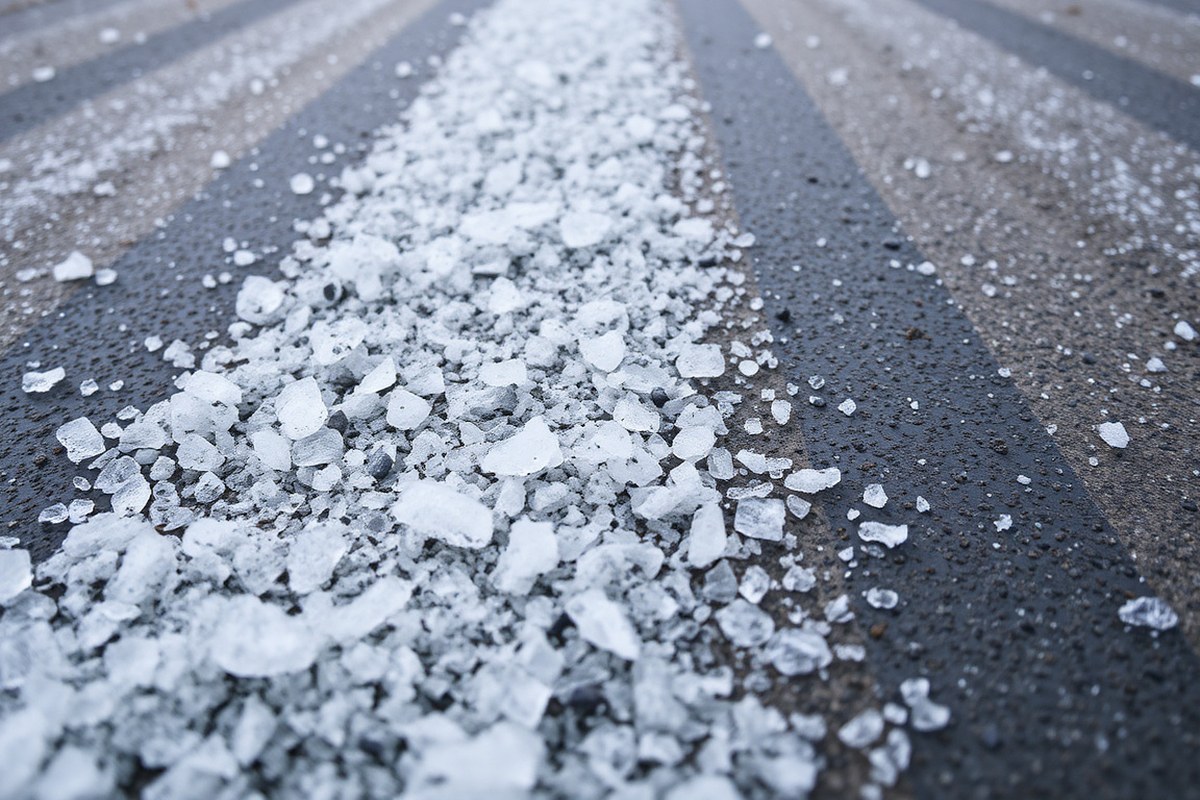
Sleet forms when raindrops freeze into hard pellets before hitting the ground. These ice pellets bounce and scatter unpredictably as they land. This behavior makes roads very slippery and uneven, which your tires may struggle to grip.
Sleet-covered roads have very poor traction. Hard pellets act like ball bearings under tires. They make it hard for your tires to grip.
Unlike snow that settles, sleet doesn’t form a consistent layer. The road surface becomes irregular and uneven.
This causes your car to lose contact with the road. Skidding becomes much more likely in these spots.
Sleet can also create patches of black ice. Ice pellets can melt slightly on pavement. Then, they freeze again creating a thin ice layer.
This ice layer is transparent and hard to see. Black ice is very hard to see and extremely dangerous because it offers almost no traction.
Driving on sleet demand slow, steady control to avoid sudden sliding. Any quick steering, braking, or accelerating can lead to loss of control. This makes sleet more dangerous than regular snow because conditions can change abruptly across short distances.
The problem worsens below freezing, from 28°F to 32°F. Sleet partially melts in this range. It forms slick, slippery patches on the road.
Roads look wet but behave like ice, misleading many drivers. Paying close attention to weather updates at these temperatures helps you stay prepared.
Sleet pellets scatter unevenly on roads. This can hide potholes or debris beneath them. You might hit hazards you can’t see.
That adds another hazard, causing unexpected jolts or loss of control. Increasing your following distance and reducing speed gives you more reaction time.
The key point is sleet is very dangerous. Traction is poor and unpredictable. Icy patches can also be hidden under pellets.
Always treat roads slick with sleet as if they were glazed with ice. Keeping your speed low and avoiding sudden moves reduces risk significantly in these tricky conditions.
How Sleet Differs from Snow and Freezing Rain
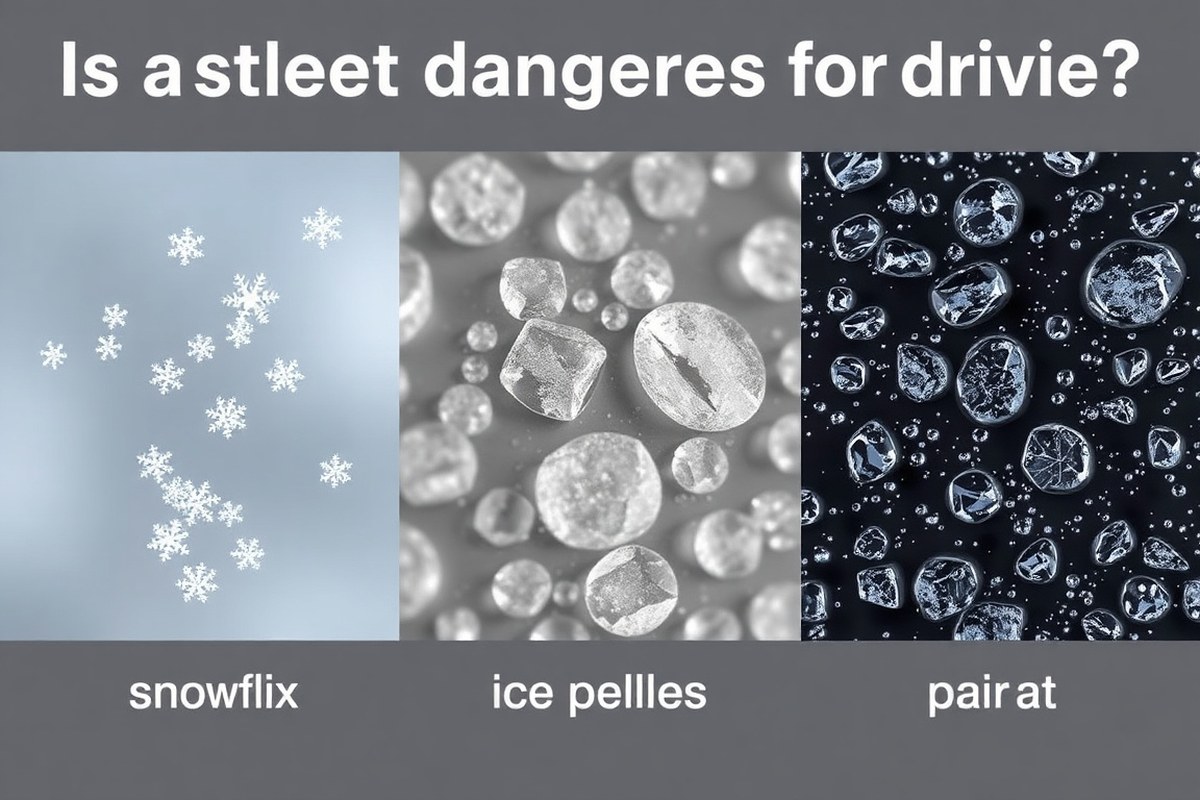
Sleet is different from snow and freezing rain in how it forms and behaves on roads. It starts as rain but freezes into small ice pellets before hitting the ground.
Snow falls as soft, fluffy flakes that usually pile up more slowly. Freezing rain falls as liquid rain but freezes instantly on contact with surfaces.
This difference makes roads slicker under sleet than light snow. Snow offers some grip when it’s fresh, but sleet turns streets icy and compact. Freezing rain is often the worst type of winter precipitation.
It forms clear layers of ice. These layers can trap vehicles and cause crashes.
| Precipitation Type | Formation | Road Surface | Driving Hazard Level |
|---|---|---|---|
| Snow | Ice crystals form in clouds, fall as flakes | Soft to compacted snow, relatively grippy | Moderate hazard, worsens with accumulation |
| Sleet | Rain refreezes into ice pellets mid-air | Hard pellets create slick, icy roads | High hazard, slicker than snow |
| Freezing Rain | Rain freezes on contact with cold surfaces | Glossy ice coating on roads and objects | Severe hazard, most slippery and dangerous |
The type of precipitation affects your driving approach a lot. Sleet can feel like sharp tiny beads hitting your windshield.
Roads might look wet but become nearly as slick as an ice rink. Snow is easier to spot and often gives some natural traction.
Slow down more than usual when sleet starts, since roads rapidly lose traction.
Because sleet turns roads icy quicker than fresh snow, even experienced drivers may slip. Drive cautiously and watch for patches that look wet but are really ice.
Freezing rain builds thicker ice layers that can last hours. Sleet coverage often changes quickly.
Why Bridges and Overpasses Are Extra Risky in Sleet
Bridges and overpasses freeze faster and stay slippery longer than regular roads during sleet. This happens because these structures cool down on all sides, which causes ice to form quickly. Sleet creates a thin, icy layer that makes them extra dangerous to drive on.
How Bridges and Overpasses Lose Heat Faster
Bridges and overpasses are exposed to air both above and below their surfaces. This exposure lets cold air chill them from all sides, unlike roads resting on the ground. As a result, their surfaces can drop below freezing faster and freeze sleet sooner.
The air circulating around the structure removes heat more quickly. So these areas cool down even when nearby roads stay warmer. Sleet particles can turn into ice on bridges before roads.
Bridges cool faster than regular roads. This causes ice on bridges first.
The Impact of Sleet on Bridge Surfaces
Sleet falls as small pellets that bounce and break on impact. On bridges, these pellets quickly freeze into a slick, hard crust after landing. Passing cars crush this crust down.
It creates a thin ice layer. It feels like glass under your tires.
This icy sheet makes traction poor. Drivers might think the surface is dry or only slightly wet. But it’s actually very slippery.
Ice lasts longer on bridges. Their thin deck doesn’t hold warmth well. Roads hold heat longer than bridges.
Comparing Bridges to Regular Roads in Sleet Conditions
Roads freeze below 32°F (0°C). They stay cold longer if the ground is frozen. This keeps ice in place on roads.
Bridges, however, can reach freezing temperature even when air nearby is just above freezing. This leads to earlier and longer-lasting ice formation on bridges.
Sleet that melts slightly on roads can refreeze into black ice as temperatures drop overnight. Ice on bridges is often thicker. It stays hours after sleet stops.
This makes bridges more slippery longer. This ongoing hazard catches many drivers off guard.
How Long Sleet Affects Bridge Safety
The icy layer from sleet on bridges can last for hours, especially during cold, calm weather. Air temperatures below freezing after sleet keeps bridges icy.
Bridges can stay icy well into the day. This means you might face slippery conditions during your morning commute.
Salt works slower on bridges. Their surfaces are colder and thinner. Deicing chemicals take longer to melt ice here.
Even treated bridges can stay icy longer than roads. So caution is critical until surfaces dry and warm up.
Driving Tips for Sleet on Bridges and Overpasses
Slow down and give yourself extra space when crossing bridges in sleet. These areas can surprise you with sudden patches of ice. Use gentle braking and avoid sharp steering to keep control over your vehicle.
Turn on your headlights to spot icy patches earlier. Your ABS helps on icy roads. Use smooth, steady brake pressure.
Avoid pumping the brakes rapidly. Treat bridges and overpasses like potential ice traps during sleet seasons.
Preparing Your Vehicle for Driving in Sleet Conditions
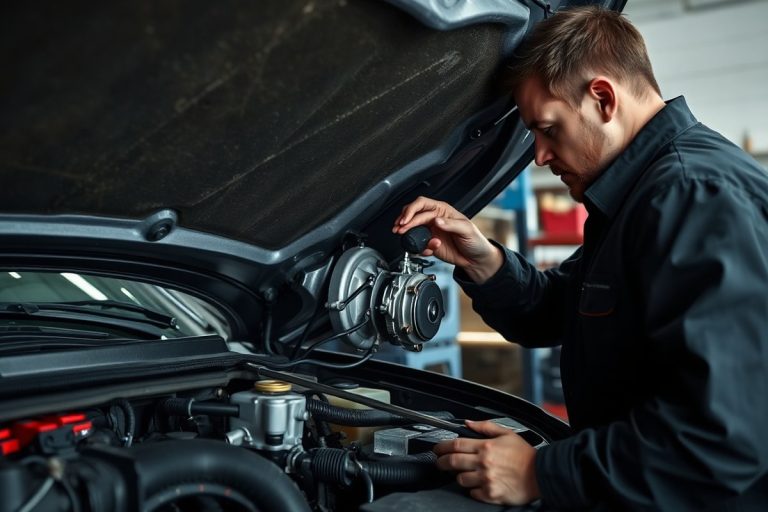
Preparing your vehicle for sleet means checking key parts to stay safe. Focus on tires, brakes, lights, and wipers so they work well in slippery conditions. Having the right gear and maintenance helps you avoid accidents and control issues.
Tire Type and Condition for Sleet Driving
Tires matter most on slick, sleet-covered roads. Winter tires or all-season tires with good tread can grip better. Aim for at least 6/32 inch tread depth to keep traction strong on icy surfaces.
Check your tires for cracks or uneven wear. Low tire pressure reduces grip.
So keep pressure at the level in your owner’s manual. Proper tires help you stop and turn more safely in sleet.
Checking and Testing Anti-Lock Brakes
Anti-lock braking systems (ABS) help prevent wheel lockup when braking hard. This control keeps your steering responsive on slippery sleet-covered roads.
Test ABS before winter by pressing the brake in a safe spot. You should feel a pulsing in the pedal.
Do not pump the brakes in an ABS vehicle. Steady pressure works best to let the system keep traction. ABS reduces slipping but doesn’t stop skids if you brake too hard or suddenly.
Essential Winter Vehicle Maintenance Steps
Before sleet hits, inspect your vehicle thoroughly. Clean snow, ice, and debris off the roof, lights, and windows. This keeps visibility good and prevents ice from flying off your car.
Check windshield wipers and fluid to clear sleet buildup quickly. Make sure your battery is strong, around 12.4 volts or more, since cold affects starting power. Replace old wipers and test lights regularly.
Safety Equipment to Carry for Winter Driving
Carrying winter gear makes sleet driving safer in emergencies. Pack items that improve traction and visibility. Also help if you get stuck or stranded.
- Snow brush and ice scraper
- Tire chains or traction mats
- Spare tire and jack in good condition
- Flashlight with fresh batteries
- Blankets and warm clothing
- Portable phone charger
Keep this equipment in your car during winter months. Having tools ready saves time and reduces risks in sleet storms or sudden stops.
Routine Inspections to Keep Your Vehicle Ready
Check brakes, tires, and fluid levels every few weeks during winter. Sleet can hide damage or leaks that worsen if ignored. Fix small problems early to avoid failures when roads get icy.
Schedule a winter tune-up if you haven’t had one in the past 12 months. Professionals can spot issues not obvious to you. A well-maintained vehicle handles sleet much better.
Best Driving Techniques to Stay Safe on Sleet-Covered Roads
Driving on sleet-covered roads takes patience and careful moves. Sleet makes roads slick and visibility poor. You need to slow down.
Give yourself plenty of space to react. Watch the traffic around you closely.
Here are some simple steps to help you stay safe while driving in sleet. Follow these closely and adjust to road conditions as needed.
- Slow your speed. Drive well below the speed limit. Around 20 to 30 mph is safer on slick roads. It helps you keep control and shortens stopping distance.
- Keep a bigger following distance. Stay at least four to six seconds behind the car in front of you. This doubles or triples your safe distance on dry roads. It gives you more time to brake gently. Keep a bigger gap than usual.
- Use smooth steering motions. Avoid sudden turns or sharp lane changes. Small, gentle corrections help prevent skids on packed sleet.
- Brake gently. Apply slow, steady pressure on the brake pedal. Pump brakes lightly if your car doesn’t have ABS to avoid locking wheels.
- Turn on your headlights. Low beams improve your visibility and make your car easier to see by others.
- Clear all windows before driving. Defrost and use windshield wipers often to get rid of sleet buildup. Keep your windshield washer fluid filled with antifreeze formula.
- Stay alert and avoid distractions. You must be ready to react as road conditions can change fast.
Keep following distance longer than usual, at least double what you use on dry roads. This helps prevent crashes when sleet reduces traction.
What to Do If Sleet Starts While You Are Driving
Sleet can start suddenly and make roads slick very fast. It reduces traction and visibility, so you must act quickly to stay safe. Slowing down and controlling your vehicle carefully can prevent a crash.
Don’t panic or slam the brakes when your car slides on sleet. Instead, steer gently in the direction you want to go to regain control. Overcorrecting or sudden moves can make the slide worse.
Follow these steps if sleet starts while you’re driving or if your car begins to slide:
- Slow down gradually. Ease off the gas and gently apply the brakes if needed. Sudden speed changes increase your risk of losing control.
- Turn on your headlights. Low beams help other drivers see you better in sleet and poor visibility conditions.
- Maintain a larger following distance. Give yourself at least four seconds more space than usual between vehicles. This gives you more time to stop.
- Keep both hands on the wheel and avoid sudden steering. Smooth, small steering adjustments are key to correcting a slide safely.
- Steer in the direction of the skid when your car slides.For example, if the back slides right, steer right gently. Keep steering until you get control back.
- Do not slam on the brakes or accelerate during a skid. Braking hard makes the slide worse. Apply steady pressure on the brake if your vehicle has ABS.
- Find a safe spot to pull over.Use your turn signal and slow down safely. Pull over when safe until the sleet stops or lessens.
Taking these steps costs nothing and only takes a few seconds but makes a big difference. Poor choices like panicking or braking hard during a slide can lead to accidents. Calm, steady actions give you the best chance of staying safe.
Keep an emergency kit in your car for winter trips. It should include items like blankets, a flashlight, and a fully charged phone charger. Being prepared can help if you get stuck in sleet or freezing conditions.
Essential Emergency Supplies for Driving in Sleet
Driving in sleet can lead to unexpected delays or getting stuck. An emergency kit helps keep you safe and comfortable until help arrives. Basic supplies like blankets and water help you stay warm and hydrated if you get stranded.
Car batteries can drain faster in cold, wet conditions like sleet. Using the heater or headlights for long periods without the engine running worsens this. Make sure your car battery is in good shape and carry jumper cables just in case.
- Warm blankets or sleeping bags to retain heat
- Bottled water and non-perishable snacks for hydration and energy
- Flashlight with extra batteries for visibility in the dark
- Jumper cables to restart a dead battery
- Gloves and a sturdy ice scraper for clearing windows
- Small shovel to dig out snow or sleet around tires
- Basic first-aid kit for minor injuries
Keep the flashlight and charging cables accessible inside your car. Wrap blankets in waterproof bags to prevent them from getting wet. Jumper cables should be checked regularly to ensure they still work.
Using a small portable power bank can help recharge essential devices. For longer trips in sleet, consider a power station. The EcoFlow TITAN 5000 Plus is a good choice.
It helps keep your devices charged safely. It keeps your phone, flashlight, and other small appliances running without draining your car battery.
When to Cancel or Delay Driving in Sleet and How to Decide
Driving during sleet can be risky, so consider cancelling trips if conditions look bad. Postpone trips when the sleet is heavy or the roads are covered with ice. This avoids accidents and stress from losing control on slippery surfaces.
Check local weather alerts before you head out. A Winter Weather Advisory means travel may be inconvenient or dangerous.
Use apps or websites from the National Weather Service to get real-time updates. Pay attention to warnings about road conditions and temperature changes near freezing points.
Look for visible signs before deciding to drive. Seeing ice on roads, bridges, or overpasses is a good reason to delay. Roads might look wet.
But a thin layer of ice can cause your tires to lose grip. Also, heavy sleet combined with poor visibility hurts your reaction time.
Use this rule: when the temperature is near 32°F (0°C), beware. Avoid driving if sleet is ongoing or expected. Only go out if it’s essential.
Roads freeze faster around this temperature, making traction difficult. Sleet mixed with freezing rain makes slipping much more likely.
This raises your chances of losing control on the road. Be very careful in these conditions.
Make sure your vehicle is ready and know your limits. AWD or 4WD helps but doesn’t guarantee safety on icy roads. Unsure about road slickness?
Choose to stay home or use other travel options. Early morning and late night usually have lower temperatures, increasing black ice risk.
Before you drive, check live radar and road reports from official sources. Use them to see if sleet conditions are too dangerous to drive in.
Why AWD and 4WD Vehicles Still Need Caution in Sleet
All-wheel drive (AWD) and four-wheel drive (4WD) vehicles offer better traction than two-wheel-drive cars. But they don’t make driving in sleet safe by themselves.
You can still lose control because these systems don’t improve braking or steering on slippery roads. They help get you moving but don’t erase the risks sleet brings.
How AWD and 4WD Systems Work Differently
AWD cars send power to all four wheels continuously or automatically when needed. This setup helps maintain grip on slippery surfaces by adjusting power between wheels. 4WD systems usually work only when needed.
They are made for off-road or tough conditions. They help mostly on rough terrain.
4WD often locks front and rear axles together for maximum traction. It’s great for climbing or deep snow but can cause handling issues on slick pavement. AWD is usually better for everyday winter roads because it offers smoother power shifts.
Limitations of AWD/4WD in Icy Conditions
AWD and 4WD don’t improve your vehicle’s ability to stop quickly on ice or sleet. They only help with acceleration and avoiding wheel spin. You still need good tires and to slow down to keep control stopping or turning.
These systems don’t prevent sliding when braking hard or turning sharply. Hard sleet can create ice patches that make even AWD vehicles slide. Drivers with AWD or 4WD can get too confident.
They might take corners too fast. They also may follow too closely.
Practical Driving Adjustments with AWD/4WD in Sleet
Drive slower and keep extra space between cars, even in AWD or 4WD vehicles. Smooth, gentle steering and braking reduce chances of losing control. Avoid sudden moves since AWD improves power delivery, not overall traction.
Winter tires improve safety much more than AWD or 4WD. They give your car better grip in snow and ice. Don’t rely on AWD or 4WD alone.
Winter tires can cost around $500 for a set but improve grip significantly on sleet-covered roads. Clearing ice and sleet from all windows before driving helps visibility in tricky weather.
Step-by-Step Action Plan for Driving Safely in Sleet
Use this plan to prepare and adjust your driving when sleet conditions hit. Take each step to reduce your risk gradually and stay alert.
- Before driving: Check the weather forecast for sleet warnings to plan trips. Postpone travel if sleet is heavy or expected to worsen.
- Before you start: Clear your entire vehicle of ice and sleet to improve visibility. Test windshield wipers and defrosters to ensure they work well.
- At trip start: Engage low gears and turn on your headlights for better control and visibility. Watch for slippery spots especially on bridges and overpasses.
- During driving: Keep a greater following distance, at least double normal space. Drive slowly and avoid sudden stops or sharp turns to prevent skidding.
- If sleet begins: Find a safe spot to pull over and wait if conditions worsen. Use emergency flashers to stay visible to others.
- Emergency preparedness: Carry supplies like blankets, water, and a charged phone. Confirm your gas tank is above half to avoid running out in delays.
- After sleet stops: Watch for black ice as temperatures drop. Keep driving cautiously until roads fully clear and dry.
Frequently Asked Questions
Can I Use Cruise Control When Driving in Sleet?
You should avoid using cruise control on sleet-covered roads. It can stop quick reactions to slippery spots. This makes control hard.
Your vehicle may slide, and you will struggle to fix it. Stay in full control by manually managing your speed and braking.
How Does Sleet Affect Tire Traction Compared to Dry Roads?
Sleet significantly reduces tire traction compared to dry pavement. The icy pellets create a slick surface, making it easier to lose grip. Using tires with good tread depth and possibly winter tires helps maintain traction in these conditions.
Is It Safer to Drive in Sleet During Daylight or Nighttime?
Daylight driving in sleet is generally safer because you can see road conditions better. At night, reduced visibility adds to the dangers sleet already brings. Headlights and reduced speed are important anytime, but daylight offers a clear advantage.
Can Running Out of Windshield Washer Fluid Be More Dangerous in Sleet?
Yes, running out of washer fluid during sleet can be risky. Sleet can quickly dirty your windshield, reducing visibility. Keep plenty of fluid rated for winter conditions to keep your windshield clear.
Does Sleet Increase the Risk of Accidents at Intersections?
Yes, intersections become more dangerous in sleet due to uneven ice patches. Braking and turning are harder, increasing the risk of sliding. Approach intersections slowly and cautiously to reduce accident chances.
Wrapping Up
Sleet makes driving tricky and demands extra care every time. Don’t rush; slow down and keep your vehicle ready for sudden changes. Check local weather before heading out to stay safe every trip.