Can I Drive with a Punctured Tyre – What You Need to Know Before Driving
Can I drive with a punctured tyre? Usually, it’s best to avoid driving on a flat.
Driving even a short distance can damage the tyre and wheel further. Immediate stop and safe parking are your first steps.
When the puncture is minor and in the center, a tyre sealant may work. These tools can let you drive up to 50 or 100 miles at a low speed. Still, you should keep it under 50 mph and head straight to a garage.
Slow leaks and sudden punctures feel different but both mean trouble for safety. Sidewall damage or holes larger than 6 mm usually mean the tyre needs replacement. Recognize a flat by changes in steering or a constant alert from your tyre pressure monitor.
Key Takeaways
- Stop driving immediately when you notice a punctured tyre to prevent further damage.
- Use tyre sealant or an inflation kit only for minor central punctures. Use it to reach a garage safely and quickly.
- Do not exceed 50 miles and 50 mph after using a tyre inflation kit or sealant.
- Check tyre pressure cold, before driving more than 2 miles, to detect slow leaks.
- Tyres with sidewall damage or holes bigger than 6 mm generally must be replaced, not repaired.
- When foam sealant was applied, fix or change the tyre within 100 miles.
Can You Safely Drive with a Punctured Tyre?
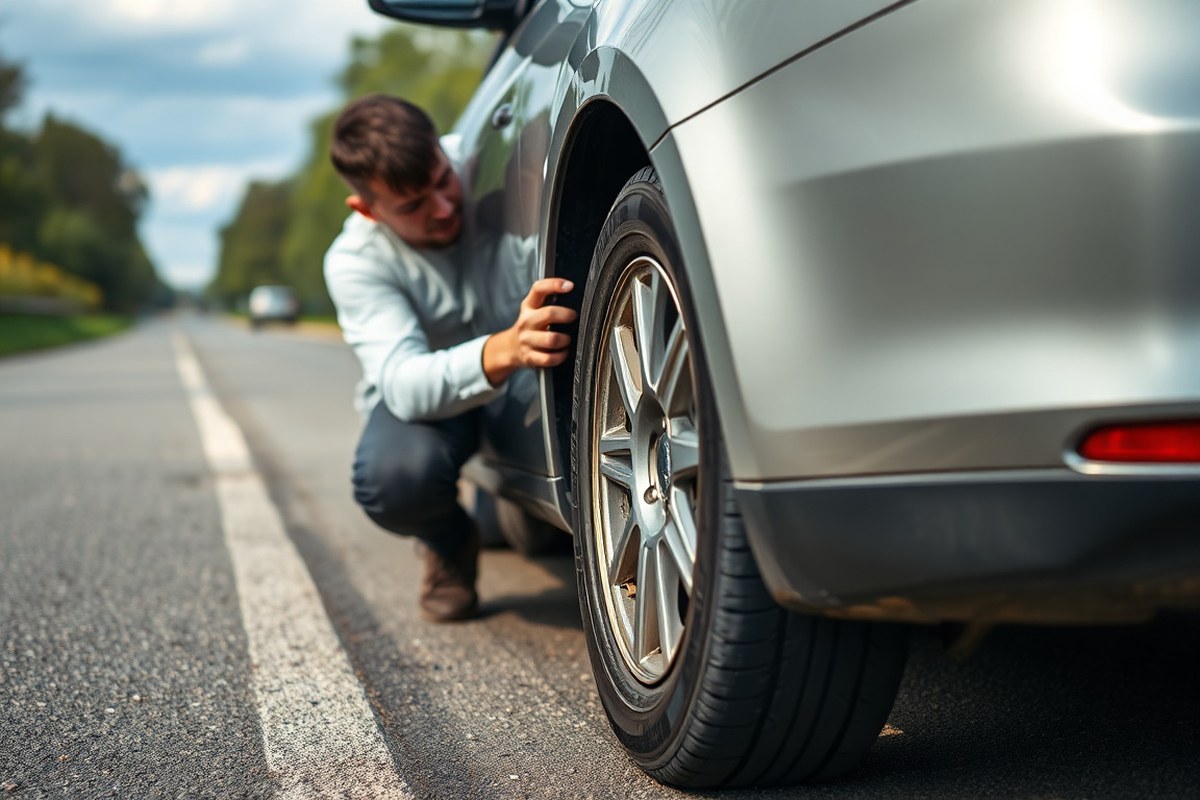
No, it is not safe to drive with a punctured tyre. Stop and pull over immediately when you see the tyre losing air. Do not keep driving on a flat tyre.
Find a safe spot to park as soon as you can. Driving on a punctured tyre risks losing control, which can lead to accidents.
You can drive a short distance if the tyre is slowly losing air. Only do this if the tyre still holds its shape. Drive carefully and watch the tyre closely.
Keep your speed under 20 mph while heading to a safe place. Drive straight to a repair shop or a secure location. Avoid sharp turns and quick stops.
Using the tyre this way is only for emergencies. Do not rely on it for regular driving. Get the tyre fixed or replaced as soon as possible.
Run-flat tyres are an exception. Run-flat tyres let you drive up to 50 miles after a puncture. The maximum speed is about 50 mph during this time.
This lets you reach a repair shop safely. After driving on a damaged run-flat, you often need to replace the tyre. Have a professional inspect it before continued use.
Don’t assume the tyre is fine just because it runs. You can’t just repair and keep using it normally.
Stop at once if your tyre looks flat or loses air quickly. Use a spare tyre or call for roadside help right away. For slow leaks, drive slowly no more than a mile or two to safety.
Driving further on a punctured tyre often causes more damage. It can ruin the tyre beyond repair and bend or crack the wheel, increasing repair costs.
Avoid driving on it unless absolutely necessary. Act quickly to fix or replace the tyre.
How Far and How Fast Can You Drive After a Puncture?

After a tyre puncture, you should drive only a short distance at low speed. Most manufacturers say you can drive up to 50 miles at no more than 50 mph. This lets you reach a repair shop or a safe spot without risking serious damage.
Tyre type changes these limits. Run-flat tyres often allow up to 50 miles too. But you should keep your speed under 55 mph.
Using a tyre sealant kit can help you drive 50 to 100 miles. But only if the puncture is small and on the tread. Spare wheels vary based on size and type, so check your vehicle handbook.
Driving farther or faster can ruin the tyre and the wheel. When a tyre is fully flat, the rubber can break off, exposing the metal rim. This damage usually means you must replace the tyre, costing much more than a repair.
| Option | Distance You Can Cover | Recommended Maximum Speed | Best For |
|---|---|---|---|
| Driving short distance on flat | A few hundred metres | Very low speed | Reaching a lay-by or safe spot |
| Sealant or inflation kit | 50, 100 miles | Up to 50 mph | Minor punctures with no sidewall damage |
| Spare wheel | Until next garage | Follow vehicle manual | Cars with full-size or space-saver spare |
| Run-flat tyre | Up to 50 miles | Up to 55 mph (lower is better) | Vehicles fitted with run-flats |
For example, if your tyre loses air while driving, slow down. Keep your speed at 50 mph or less on a regular tyre. Plan to drive no more than 50 miles to a garage.
This way, you avoid costly tyre or wheel damage. Sealant kits help only with small tread punctures and no sidewall cuts.
Many tyre repairs cost between $30 and $50. Repair shops will assess if the tyre damage is fixable, focusing on the tread area. Avoid driving long distances on a fully flat tyre to prevent extra costs.
Always check your vehicle handbook for specific speed and distance limits after a puncture.
Why Driving with a Punctured Tyre Is Risky
When your tyre punctures, the air pressure falls quickly or slowly. This loss makes your vehicle much harder to control, especially during turns or emergency stops. The tyre can also flex more, causing unpredictable steering and increasing accident risk.
Driving on a punctured tyre puts the wheel rim at risk. Without enough air to cushion the ride, the rim hits the road directly. This hit changes the rim’s shape.
It leads to vibration problems. It also causes the tyre to lose air seal.
The suspension system also suffers. Tyres absorb shocks and bumps to protect suspension parts. A flat tyre lets shocks hit suspension parts directly.
This causes wear. Repairs can get expensive over time. Brake performance can worsen too, making stopping distances longer.
A puncture can quickly turn into a blowout, especially at higher speeds. A blowout means the tyre loses all air at once. It happens suddenly.
This often causes you to lose control. This event can cause serious crashes because the vehicle may swerve or skid unexpectedly.
Driving even a short way on a punctured tyre damages it inside. Low air pressure makes the tyre heat up. This can ruin it and cause costly replacement, often $100 or more.
Sometimes the tyre holds pressure for a while, and driving feels normal. Despite this, you risk hidden damage to the tyre’s structure and wheel components.
Stop and check the tyre right away. It’s safer than risking more road driving.
When a tyre loses air slowly, you can often drive a few miles. Use this chance to reach a repair shop. Keep speeds low, avoid sharp turns, and stop often to check pressure.
These steps reduce damage risks but don’t eliminate them. Always prepare to pull over as soon as you notice handling changes.
Differences Between Slow Leaks and Sudden Punctures
You may face two main types of punctures: slow leaks and sudden punctures. Slow leaks lose air gradually, while sudden punctures cause an instant flat tire. Knowing the difference helps you decide how to respond safely and quickly.
Characteristics of Slow Leaks
Slow leaks happen when something small, like a nail, pokes the tire. It doesn’t cause air loss all at once. The air leaks out slowly over time.
The tire pressure drops over hours or days. You might not notice the change right away without checking.
These leaks often come from the tread area, where they’re easier to repair. Temperature changes or rough roads can make the leak worse over time. A slow leak can turn into a sudden flat if ignored.
Signs of Sudden Punctures
A sudden puncture usually happens when you hit sharp debris or a pothole hard. You’ll feel a loud pop or a thud, followed by quick loss of tire pressure. The car may pull to one side or feel unstable right away.
Immediate inspection is important with a sudden puncture. You should look for obvious puncture marks, cracks, or bulges on the tire surface within minutes. Driving on a tire like this is risky and can cause more damage.
Driving Advice for Each Type
For slow leaks, check your tire pressure weekly with a gauge. Spotting a drop of more than 2 psi in one day means you should repair it fast.
Don’t wait to fix the tire. You can drive short distances with slow leaks but avoid high speeds or long trips.
Sudden punctures require you to stop driving immediately. You can’t safely change the tire yourself, so call roadside assistance.
They can help you stay safe. Driving on a flat or rapidly leaking tire damages the wheel and risks an accident.
- Slow leaks develop gradually, often unnoticed for days
- Sudden punctures happen instantly with obvious noise or feeling
- Slow leaks usually come from tread, sudden ones can hit sidewalls
- Checking pressure weekly helps catch slow leaks early
- Drive cautiously on slow leaks, stop immediately on sudden punctures
- Use a tire pressure gauge for quick checks anytime
- Keep a spare tire and tools ready for emergencies
Always inspect your tires after any unusual road noise or impact. Regular checks reduce the chance of unexpected punctures turning into dangerous situations. Slow leaks give you time to plan, but sudden punctures demand urgent action.
How Puncture Location Affects Repairability and Safety
Puncture location on a tyre strongly affects how safely and easily it can be repaired. Fixing damage in the tread area is usually possible.
But sidewall or shoulder damage usually means replacement is necessary. Driving safety immediately depends on where the puncture is and how big the damage is.
Tread Punctures and Repair Guidelines
Punctures located in the centre three-quarters of the tread are often repairable. Small holes, like those from nails under 6 mm, can usually be plugged or patched safely. Repair shops check that the hole is away from the edges.
They also make sure it’s inside the legal tread depth. The minimum legal tread depth is at least 1 Mm.6 mm.
Stopping quickly after a tread puncture helps prevent internal damage that can ruin the tyre irreparably. Avoid driving far on an underinflated tyre. Don’t go at high speeds when it’s low.
Doing so risks turning a simple repair into a full replacement. Expect a tyre repair to cost between $20 and $40, far less than a new tyre.
Shoulder Punctures and Restrictions
The tyre shoulder is the area between the tread and the sidewall. Damage here is tricky because it’s closer to the sidewall and under higher stress during turns. Many repair experts don’t recommend fixing shoulder punctures.
This area flexes more than others on the tyre. The patch or plug may weaken over time.
Repairs here, even if done, are considered temporary. Some tyre repair shops refuse them due to safety and legal concerns. Get a temporary fix only for short-term use.
Replace the tyre as soon as you can. This avoids the risk of a blowout.
Sidewall Punctures and Replacement Needs
Sidewall damage, such as cuts, holes larger than 4 mm, or rips, cannot be repaired. The sidewall lacks the fabric layers the tread has.
So patches won’t hold safely here. You must replace the tyre to maintain safety and legal compliance.
Driving on a sidewall puncture can cause sudden failure. The sidewall supports your vehicle’s weight and absorbs impacts. Damage here weakens the tyre badly.
The UK’s Highway Code requires tyres to be roadworthy at all times. Sidewall defects violate this and may lead to fines. Replacement tyres typically cost from $80 to over $150 depending on size.
Never attempt to repair sidewall damage yourself or rely on temporary fixes. Professional replacement is necessary.
Recognizing a Punctured Tyre Before and During Driving
Spotting a punctured tyre early helps you avoid bigger trouble on the road. Look for signs before driving and watch how your car feels while you drive. Use a pressure gauge and your car’s warning lights to catch trouble fast.
Pre-Drive Tyre Inspection Steps
Check your tyres before every trip, especially if you drive daily. Look closely for sharp objects or damage that might cause air to leak. Run through these steps to make sure your tyres are safe.
- Stand back and look at each tyre for obvious punctures or cuts.
- Inspect the tread surface and sidewalls carefully for nails or sharp debris.
- Check tyre tread depth; low tread may hide punctures more easily.
- Press the tyre sidewalls to feel for soft spots or bulges.
- Use a tyre pressure gauge to measure the air pressure in each tyre.
- Compare the reading to the recommended pressure on your vehicle’s door placard.
- Check the spare tyre as part of this regular inspection routine.
- Fix low-pressure issues before driving more than two miles to get an accurate reading.
Monitoring During Driving
Pay attention to how your car handles while on the road. Notice any pulling to one side or strange vibrations. These signs often show up when a tyre slowly loses air.
Listen for unusual sounds like flapping or thumping. These noises can mean a tyre is going flat. Slow leaks won’t always trigger warning lights right away, so stay alert.
Using Pressure Gauges and Warning Systems
Check tyre pressure monthly using a reliable gauge, before driving at all. Cold tyres give you the most accurate pressure reading. Warm tyres after driving can raise pressure and mislead you.
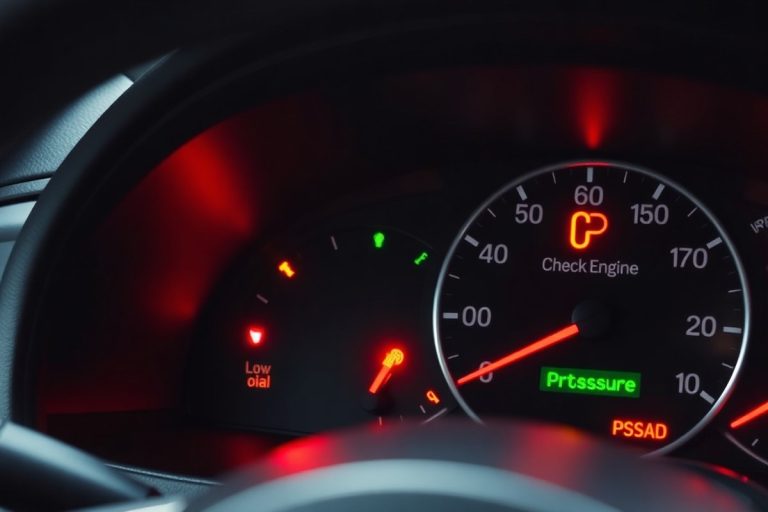
Your car’s tyre pressure monitoring system (TPMS) warns of rapid pressure loss. Still, slow leaks might slip past the sensors for days. If you see a warning light, stop safely to inspect or measure pressure manually.
Immediate Actions to Take When a Puncture Occurs
Stopping safely after a puncture prevents further damage and keeps you safe. Avoid sudden movements and watch for traffic before pulling over. Pick a spot away from bends, narrow roads, or busy intersections.
Don’t keep driving if your tyre loses air fast. Continuing can damage the rim or cause you to lose control.
Use your spare tyre if you know how and it’s in good condition. Otherwise, call roadside assistance.
Decide to fix the tyre yourself or call for help. A full-size spare is best.
But some cars only have a temporary repair kit, which works for small punctures only. Waiting for a professional is safer when you are unsure.
- Signal and slow down gradually. Use your turn signal to alert other drivers before moving over.
- Find a safe spot to stop. Aim for a wide shoulder, parking lot, or low-traffic area.
- Turn on your hazard lights. This warns others your car is stopped due to an emergency.
- Inspect the tyre carefully. Check for nails, cuts, or deflation signs before deciding what to do.
- Assess your spare tyre or repair kit. Know if your spare is full-sized or a limited-use donut tyre.
- Change the tyre if you can do it safely and properly. Use the jack, wrench, and follow the instructions in your owner’s manual.
- Call for professional help if unsure or unsafe. Roadside assistance can arrive in 30 to 60 minutes in many areas.
- Secure your vehicle and tools before continuing your trip. Check the spare tyre pressure and tighten the lug nuts after a short drive.
When a Punctured Tyre Can Be Repaired or Must Be Replaced
Tyres with small punctures in the tread area can usually be repaired. The hole must be smaller than 1/4 inch (6 mm). It should not be close to the sidewall.
Also, avoid the shoulder area. A fully passing nail or screw through the tread may still be fixed. This applies only when there’s no other damage.
Repairs typically involve plugging or patching the tyre from the inside. This method seals the hole and restores some strength. A professional repair costs between $10 and $30 depending on the shop and tyre size.
Doing it quickly helps avoid further damage. Driving on a flat tyre makes repair harder or impossible.
| Puncture Type | Repair Allowed | Cost Range | Replacement Required |
|---|---|---|---|
| Small tread puncture < 1/4 inch | Yes | $10 – $30 | No |
| Sidewall puncture or tear | No | N/A | Yes |
| Damage from kerb strike or large cut | No | N/A | Yes |
| Large tread puncture > 1/4 inch | No | N/A | Usually yes |
Tyres that have damage on the sidewall or large tears should be replaced. The sidewall flexes while driving, so it cannot safely hold a patch or plug.
Repairs there are illegal in many states and can cause blowouts. Kerb strikes often cause hidden damage making replacement safer.
Another case requiring replacement is big holes in the tread over 1/4 inch wide. These weaken the tyre too much for a good repair.
The same applies if the puncture area shows cracking or bulging after injury. Repair shops will inspect the tyre’s internal condition before deciding.
Driving on a tyre after foam sealant use means getting a professional check within 100 miles.
Repair shops clean, inspect, and remove debris from the tyre before fixing. They patch or plug from the inside to maintain pressure and strength. Good repairs last thousands of miles.
But pushing it too far risks a sudden loss of air. Notice vibration or wobble after repair? You should have it rechecked quickly.
Tyre replacement costs vary from $50 to over $200 depending on brand and size. High-performance or specialty tyres cost more. Never try roadside repairs on sidewall damage or large holes.
Quick repair keeps costs low and safety high. But replacing unsafe tyres is the smart choice.
Special Cases: Run-Flat Tyres and Temporary Repair Kits
Run-flat tyres let you keep driving after a puncture. They have stronger sidewalls that support the car’s weight even with no air inside. You can drive at reduced speed, usually up to 50 mph.
This is for about 50 miles. It helps you reach a safe place or repair shop.
Don’t exceed these limits. Driving faster or farther risks damaging the tyre or wheel, leading to bigger repair costs. After installing run-flat tyres, you may need special wheels.
You might also need pressure sensors. These help monitor tyre health properly.
Tyre sealant kits come as a quick fix for small punctures in the tread. They usually have a canister with foam sealant. The kit includes an inflator.
It pumps the tyre back up. Use these kits only for minor punctures.
For example, a nail in the tread area. Do not use it on the sidewall.
To use a sealant kit, screw the hose onto the valve stem after removing the cap. Then press the button to inject the sealant while inflating the tyre. This creates a temporary patch inside the tyre.
It seals leaks and reinflates enough. You can drive cautiously afterward.
These kits let you drive about 3 to 5 miles. You should keep speeds under 30 mph. Always drive slowly with these kits.
This distance is meant to let you reach a tyre shop or bring the car home. Don’t use sealant if the puncture is large.
Also avoid if the tyre is heavily damaged. It will not seal properly then.
Keep in mind sealants can make proper repairs harder later. Mechanics often want to replace the tyre rather than fix one with sealant inside.
Run-flat tyres cost around $150 to $300 each. Sealant kits are cheaper but offer only very short-term help.
Check the tyre pressure immediately if your run-flat tyre loses pressure. Drive slowly to a service centre even if it feels okay.
Using a sealant kit means you must stop soon. Get a professional check as it can’t fix internal damage.
Quick-Start Action Plan for a Punctured Tyre
Follow these steps right after you notice a puncture. They help you stay safe and protect your vehicle.
- Immediate Stop: Pull over to a safe spot off the road. Check the tyre for visible damage.
- Inspect Tyre: Check if the tyre is completely flat or just losing air. Look closely for any soft spots or bulges. A fully flat tyre means no driving.
- Use Temporary Fix: If you have a run-flat tyre or repair kit, apply it. Confirm the tyre holds air afterward.
- Drive Slowly: If the tyre has some air, drive under 30 mph. Keep your drive short, less than a mile if you can.
- Get Help: Call roadside assistance or have someone bring a spare tyre. Don’t keep driving on a puncture.
- Replace or Repair: Once home or at a shop, have the tyre evaluated. Repair only if puncture location and condition allow.
- Check Tyre Pressure: Always maintain proper pressure after repair. Use a gauge to confirm the right level.
- Plan Tyre Care: Schedule regular tyre checks to catch slow leaks early. This prevents sudden punctures later.
Frequently Asked Questions
Can I Drive with a Punctured Tyre Temporarily to Reach a Safe Spot?
You can drive very slowly for a short distance to get off the road. Use hazard lights and stop as soon as it feels unsafe. This helps prevent accidents and further tyre damage.
Should I Check Tyre Pressure Immediately After Feeling a Flat?
Yes, check tyre pressure right away using a gauge or tyre pressure monitoring system. It confirms if the tyre is losing air and lets you decide the next step. A quick check prevents driving on a dangerously underinflated tyre.
Does a Punctured Spare Tyre Mean I Need Roadside Assistance?
You can safely use the spare tyre if it’s fully inflated. It also needs to be in good condition. Always check before using it.
Still, call for professional help to fix or replace the damaged tyre as soon as possible. Relying long-term on a spare isn’t recommended.
Can a Punctured Tyre Cause Uneven Car Handling Even If Pressure Is Okay?
Yes, some punctures cause subtle air loss making steering unstable before pressure drops significantly. Notice any odd steering or vibrations? Get your tyres inspected.
This helps stop bigger problems. Early detection keeps driving safer.
Is It Legal to Drive with a Punctured Tyre in Most States?
Laws vary by state, but most ban driving on flat tyres for safety reasons. Driving on a damaged tyre can result in fines or penalties. Always check local regulations and avoid driving unless absolutely necessary.
Wrapping Up
Driving on a punctured tyre is unsafe and should only be done briefly with caution. Stop and fix the issue as soon as you can. Keep a tyre repair kit or know emergency numbers to handle this quickly next time.