How Long Will a Rebuilt Transmission Last? A Complete Guide to Lifespan and Care
Wondering how long will a rebuilt transmission last? On average, rebuilt transmissions last about 30,000 to 50,000 miles. When done right, they can last as long as the original.
Proper maintenance helps them reach 120,000 to 200,000 miles. Keeping up with care is key for their lifespan.
The key is quality work combined with regular upkeep. Changing your transmission fluid and filter every 30,000 to 50,000 miles helps protect the rebuilt parts. Without proper care, that lifespan will drop quickly.
Avoid rough driving habits during the break-in period. Give the transmission time to settle, and watch for early signs of trouble. This simple attention can save you from costly repairs later on.
Key Takeaways
- Change transmission fluid and filter every 30,000 to 50,000 miles after rebuild.
- Choose a rebuilder with a strong reputation and quality parts.
- Drive gently during the first few hundred miles to break in the rebuild.
- Watch for slipping, rough shifts, or strange noises as warning signs.
- Follow the rebuilder’s maintenance recommendations exactly to extend life.
- Do not tow heavy loads until the transmission is fully broken in.
How Long Does a Rebuilt Transmission Typically Last?
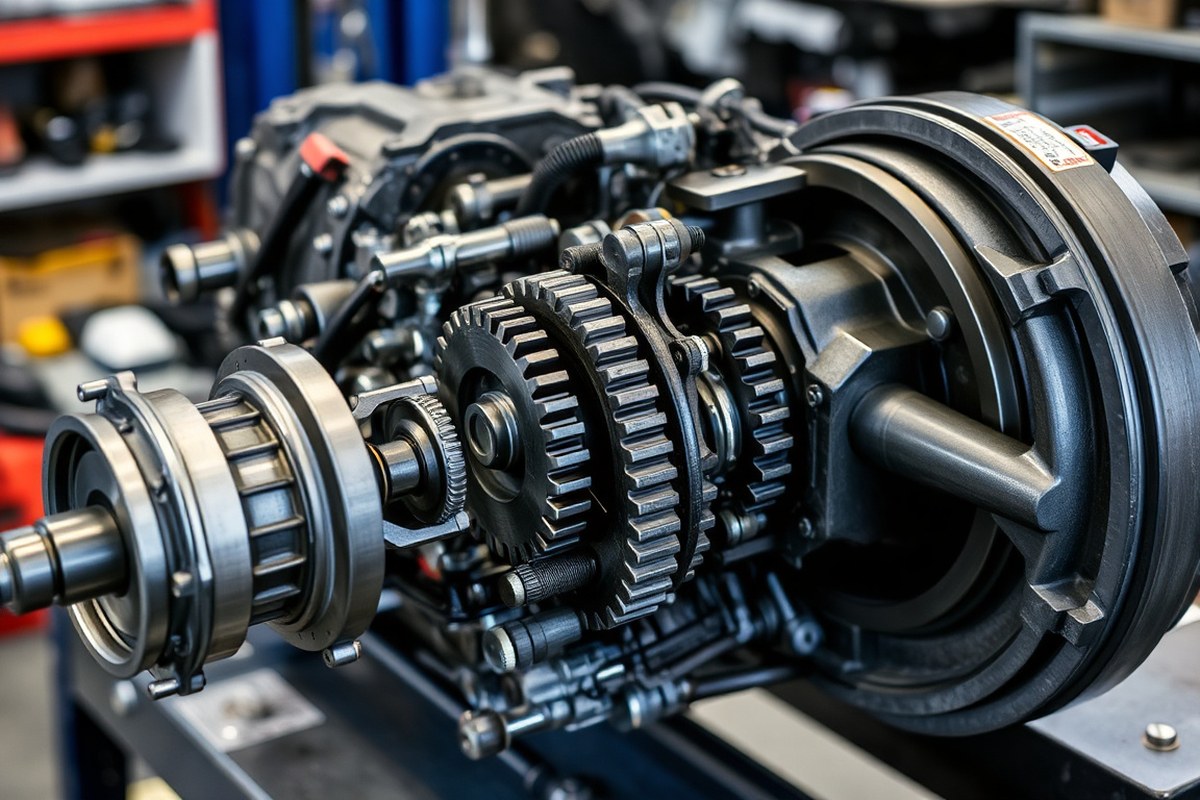
A rebuilt transmission typically lasts between 30,000 and 100,000 miles. This range depends heavily on how well the rebuild was done and the parts used.
For example, a basic rebuild might get you 30,000 to 50,000 miles. A high-quality job can push beyond 100,000 miles.
Experienced technicians using top components often deliver rebuilt transmissions lasting as long as new ones. That means you can expect 120,000 to 200,000 miles if you keep up with maintenance. You should change your fluid and filter every 30,000 to 50,000 miles.
Doing this regularly helps your transmission last longer. It’s key for hitting high mileage goals.
Expect a newly rebuilt transmission to last several years under normal driving conditions. For instance, many drivers report 50,000 to 100,000 miles before seeing any issues. With excellent care, some transmissions go over 150,000 miles, matching the lifespan of factory-new transmissions.
Key Factors That Determine Transmission Rebuild Longevity
The quality of parts and the rebuild process directly shape how long a rebuilt transmission lasts. Using genuine or high-quality aftermarket parts avoids early wear and failure. A rebuild should include a full teardown and inspection.
Replace all worn or weak parts. Upgrade components as needed.
This often means spending extra time and money. But it prevents small defects from causing bigger problems down the road.
The previous condition of the transmission also matters. Rebuilding a unit with extensive metal wear or hidden damage raises the chance of early failure. A thorough technician checks for cracks, scoring, or heat damage before reassembly.
Damaged parts get replaced to ensure reliability. They do not get reused.
Proper installation is another key factor. Even the best parts fail if the transmission isn’t assembled or installed correctly. Fit pieces exactly as specified.
Torque bolts to factory specs. Use the right fluid type and fill level. Poor installation causes leaks, slippage, and premature wear, cutting lifespan dramatically.
Driving conditions speed up wear in various ways. Hard acceleration, frequent towing, or stop-and-go city traffic build heat and stress internal parts faster. Hotter temperatures in the transmission fluid accelerate fluid breakdown.
Keep your transmission cool with a proper cooler. Use a radiator extension if needed. This lowers risk and extends life.
Always follow the rebuild shop’s break-in instructions closely to avoid burning out new parts early.
Each of these factors interacts. Quality parts get wasted if installed poorly or driven hard without breaks.
Skilled rebuilders take time to test each unit after assembly. They also recommend maintenance schedules, like changing fluid every 30,000 miles, to preserve your rebuilt transmission.
How Driving Habits Impact Rebuilt Transmission Life
Your driving habits can make a big difference in how long your rebuilt transmission lasts. Aggressive driving and constant heavy loads wear down parts inside the transmission faster. The heat from towing or hauling heavy loads also breaks down transmission fluid quicker, causing damage.
Towing heavy trailers or carrying loads that are too heavy puts extra strain on the transmission. This can lead to overheating, causing seals and clutches to wear or fail early. Stop-and-go traffic stresses your transmission.
It shifts much more often. This increases wear on internal parts.
High RPM driving or sudden acceleration forces the transmission to work harder. This raises operating temperatures and causes faster wear on gears and bands. Driving gently can extend your rebuilt transmission’s life by 30-50%, according to vehicle maintenance experts.
- Use a lower gear when towing to reduce transmission strain.
- Avoid rapid acceleration and sudden stops.
- Let your vehicle warm up fully before driving in cold weather.
- Monitor transmission temperature gauges if your vehicle has them.
- Don’t exceed your vehicle’s towing or payload limits.
- Regularly check and change transmission fluid to prevent overheating.
- Shift smoothly and avoid riding the brake in stop-and-go traffic.
Following these tips means less heat buildup and fewer mechanical stresses. Transmission fluid that stays cooler lasts longer, keeping parts lubricated and clean. You’ll notice smoother shifts and fewer slipping or jerking sensations when you drive with care.
Driving habits matter a lot after a rebuild because fresh parts need proper care to last. Overloading or chasing redlines burns parts out quicker. Taking it slow and steady helps protect your investment and can prevent early transmission failure.
Tow often? You should install an auxiliary transmission cooler. It helps manage heat and keeps your transmission working well.
Essential Maintenance Tasks After a Transmission Rebuild
Keeping your rebuilt transmission in good shape means regular care. Changing the fluid, replacing the filter, and checking for leaks help it run smoothly. These steps prevent early wear and costly repairs later.
Transmission Fluid Type Recommendations
Use the fluid type your mechanic or owner’s manual recommends. Most rebuilt transmissions need specific automatic transmission fluid (ATF). Using the wrong fluid can damage seals and gears.
For example, many newer vehicles call for synthetic ATF with a specific rating like Dexron VI. Trucks and older models might need a different kind, like Mercon.
Always buy quality fluids from trusted brands to avoid contamination. Check the fluid color regularly: clean ATF is usually bright red or pink. Dark or burnt-smelling fluid signals it needs changing sooner.
Routine Service Interval Guidelines
Change your transmission fluid and filter every 30,000 to 60,000 miles. Your driving style and vehicle type can affect this. Heavy loads or towing might require more frequent changes.
Regular flushing isn’t always necessary. Many experts recommend just draining and refilling to protect the rebuilt parts.
Each fluid change takes about 30 to 45 minutes if you do it. Getting it done at a shop usually costs around $100.
Before a long trip, check the fluid level and condition. This quick step can catch leaks or low fluid before problems start. Schedule a full service if you notice a drop in performance like slipping or rough shifts.
Visual and Performance Inspection Tips
Look under your vehicle for fresh fluid spots, especially near the transmission pan and cooler lines. Transmission fluid leaks can appear as red or brown puddles. Catch leaks early to avoid transmission failure.
Listen for unusual noises or watch for delayed shifting after the rebuild. These signs might mean an issue with the rebuild or low fluid. Check the fluid level with the engine warm and running in park or neutral.
Inspection checklist:
- Check fluid color and smell for freshness
- Look for leaks on the transmission pan and lines
- Feel for smooth shifting during driving
- Listen for grinding or whining noises
- Confirm fluid level matches manufacturer’s specs
- Inspect for loose or damaged transmission mounts
- Review transmission performance after cold starts
These simple checks can save you time and money. Early spotting of leaks and performance issues keeps your rebuilt transmission running longer.
Warranty Options and What They Mean for You
Rebuilt transmissions usually come with warranties that last from 12 to 36 months. These warranties cover defects in workmanship and parts to protect you from early failures. Warranty length and terms vary by rebuilder and the type of rebuild done.
Understanding warranty coverage helps you avoid costly repairs if issues pop up early. It also tells you what maintenance and use rules to follow to keep the warranty valid. Most shops require proof of regular fluid changes and proper vehicle use to honor the warranty.
Here’s a comparison of warranty options from well-known transmission rebuilders. This table lists how long coverage lasts and which transmission parts are included.
| Provider | Warranty Duration | Coverage |
|---|---|---|
| Jasper (remanufactured) | 3 years or 100,000 miles | Parts and labor |
| AAMCO (rebuilt/remanufactured) | Coverage periods range from 12 months or 12,000 miles to 36 months or 100,000 miles. | Parts and labor |
| AAMCO (used/pre-owned) | 90 days | Limited coverage |
| Waterloo Transmissions (remanufactured) | 3 years or 100,000 miles | Nationwide coverage |
Warranties often void if you skip scheduled fluid changes or use the wrong type. Using the vehicle for racing, towing beyond limits, or clear abuse also voids coverage. Always save receipts for maintenance, and stick to the rebuilder’s care instructions.
Some rebuilt transmissions might last from 75,000 to over 150,000 miles if you maintain them properly. Warranty coverage helps you worry less about the transmission.
Regular checks still matter. Watch for leaks or slipping to catch problems early.
Keep all maintenance records and follow your rebuilder’s instructions closely to avoid voiding your warranty.
Signs Your Rebuilt Transmission Might Be Failing Early
You might notice noises or shifting issues soon after your transmission rebuild. Gentle slipping during the first 500 miles can be normal.
But grinding or clunking sounds are warning signs. A flashing transmission warning light also means you should act quickly.
Check if your vehicle hesitates or struggles when changing gears. Rough or delayed shifting might show internal damage or incorrect assembly.
Normal break-in symptoms usually smooth out after a week of driving. If problems keep happening beyond that, it’s time to get help.
Here are common signs you should watch closely:
- Loud grinding, clunking, or whining noises
- Flashing or steady transmission warning lights
- Hard, delayed, or slipping shifts lasting more than a week
- Transmission fluid leaks or burnt smell
- Vehicle stalls or fails to move in gear
- Poor acceleration despite proper gear shifts
Next, schedule a professional transmission diagnostic if these signs appear. Shops use special scanning tools to read error codes and gauge fluid pressure. A thorough early check can cost between $100 and $200.
But it’s cheaper than another full rebuild. Diagnostics also help confirm if the issue is related to the rebuild or something else.
Routine checks during break-in are also smart. Look under the car for leaks and smell the transmission fluid. Fresh fluid usually smells clean or slightly sweet.
Burnt odors may mean overheated parts or contamination. Catching these problems early keeps minor fixes cheap and avoids total transmission failure.
How to Choose a Quality Transmission Rebuilder
Choosing a quality transmission rebuilder means checking their experience, parts, and reputation carefully. These ensure your rebuilt transmission lasts longer and works reliably. Knowing what questions to ask and what to look for makes a big difference.
Check Certifications and Experience
The best rebuilders have ASE-certified technicians and decades of experience. Certification shows they passed tough tests for automotive repair skills. For example, shops with 50 or more years in business often handle complex rebuilds better.
Ask how many transmissions they’ve rebuilt and how long their team has worked together. A team with thousands of rebuilds under their belt usually means fewer mistakes. Experience lowers the chance of early failure after the job.
Ask About Parts and Process
High-quality parts make your transmission last. Request details about the brands and specs of the parts they use. OEM or remanufactured parts meet factory quality standards.
They usually cost more. These parts perform better than cheap replacements.
Find out exactly what steps the rebuild takes. Do they replace all worn seals, gaskets, and bearings?
Do they test each unit on a dynamometer to check shifting and leaks before installation? Reliable rebuilders include thorough cleaning, precise assembly, and testing.
- Use OEM or high-grade remanufactured parts
- Replace major wear items like clutches, seals, and bearings
- Perform detailed inspection and cleaning
- Run a full post-rebuild test on a stand
- Adjust valves and pressures to factory specs
- Provide maintenance advice tailored to your vehicle
Knowing the process helps you avoid repair shops that cut corners. A good rebuild often takes several days. It may cost $2,500 to $4,000.
The price depends on parts and labor. Don’t choose the cheapest option if it risks poor quality.
Read Customer Reviews and Warranty Terms
Look up recent reviews from other vehicle owners about the rebuilder’s work and customer service. Consistent positive reviews about smooth shifting and durability show they get it right. Beware of many complaints about early failures or poor communication.
Check the warranty coverage closely. A solid warranty covers parts and labor for at least 3 years or 36,000 miles.
Some shops offer longer warranties for remanufactured transmissions with stricter parts standards. Clear terms and no hidden costs protect you if problems arise.
Comparing Rebuilt, Remanufactured, and New Transmissions
Choosing between rebuilt, remanufactured, or new transmissions depends on your budget. You also need to think about how long you want it to last. These two things matter the most when deciding.
A rebuilt transmission usually costs less but might not last as long. Remanufactured units include more extensive repairs and tend to be more reliable and durable. New transmissions offer the best lifespan but come at the highest price.
Remanufactured transmissions typically last between 100,000 and 150,000 miles with good maintenance. Rebuilt transmissions may offer fewer miles, often depending on the quality of the rebuild work. New transmissions usually last over 150,000 miles.
But they often cost two to three times more than rebuilt ones. That price difference can be a big factor.
| Type | Cost Range | Typical Lifespan (Miles) | Pros | Cons |
|---|---|---|---|---|
| Rebuilt | $1,000 – $2,500 | 50,000 – 100,000 | Lower cost; faster turnaround | Variable quality; shorter lifespan |
| Remanufactured | $1,500 – $3,500 | 100,000 – 150,000+ | More thorough repairs; better reliability | Higher cost than rebuilt; may still vary |
| New | $3,000 – $6,000+ | 150,000+ | Longest life; factory warranty | Highest cost; longer wait times |
A rebuilt transmission often depends on the skill of the mechanic. Only replacing worn parts might cause the transmission to fail sooner. It won’t last as long as a full rebuild.
Remanufactured transmissions undergo stricter testing and part replacement. That extra work usually means fewer surprises down the road.
New transmissions are the most reliable but cost the most upfront. You might save money long term by avoiding repairs or early failures. The best value depends on your vehicle’s age and miles.
Also, consider how long you plan to keep your vehicle. These things affect your choice.
Ask exactly what parts the rebuilder replaces and tests before buying any transmission.
Post-Rebuild Care: Break-In and Avoiding Common Mistakes
Proper care right after a transmission rebuild sets the stage for long life. Taking small but specific steps in the first 50 miles helps the new parts settle gently. Avoiding common mistakes prevents early failure and costly repairs.
Step 1: Initial Idle and Fluid Warm-Up
Start by warming the transmission fluid before driving. This helps the fluid flow and lubricate all parts evenly, reducing wear.
Keep the engine running at idle for about 5 to 10 minutes. Watch the temperature gauge to make sure it doesn’t rise too quickly.
Step 2: Gentle Driving and Shift Awareness
Drive slowly and avoid high speeds during the first 50 miles. Stay off highways and don’t tackle any hills or heavy loads.
Pay attention to shifts; they should feel smooth and timely. Avoid rapid acceleration or sudden stops that can stress the new clutch plates and bands.
Step 3: Scheduled Fluid Checks and Adjustments
Check or replace the transmission fluid after the first 500 miles. New rebuild parts can shed tiny metal pieces that fluid can carry away.
Check your fluid level every 1,000 miles during the first few thousand. Watch the fluid condition closely in that same time. Adjust fluid level as needed per the rebuild shop’s instructions.
Common Mistakes and How to Avoid Them
Rushing to highway speeds early causes unnecessary heat and wear. Stick strictly to gentle driving rules for the first 50 miles.
Skipping the fluid change after 500 miles lets metal debris build up. Follow your rebuild shop’s advice on fluid changes and checks to keep the transmission clean.
Ignoring shift issues can lead to bigger problems. Shifts feel odd or rough? Have a pro check the transmission soon.
- Idle the engine with transmission fluid at normal temperature for 5 to 10 minutes.
- Drive at low speeds only, below highway speeds, for 50 miles.
- Avoid hills or towing to keep load light during break-in.
- Shift smoothly without sudden acceleration or heavy braking.
- Check transmission fluid level and condition after the first 500 miles.
- Change or top off fluid as recommended by your rebuild service.
- Monitor for unusual noises or shifts and consult a shop if needed.
- Maintain gentle driving habits for at least the first 1,000 miles.
Your First Month After a Transmission Rebuild: Step-by-Step Plan
Follow this plan to protect your rebuilt transmission and catch problems early. Each step keeps your rebuild in good shape and on track.
- Right after installation: Check the transmission fluid level and clarity. Clear, full fluid means the rebuild went well.
- First 3 days: Drive gently with no hard shifts or fast starts. Smooth driving lets the parts settle without strain.
- First week: Inspect fluid again for leaks or metal shavings. No leaks and clean fluid keep you safe from damage.
- Weeks 2 to 4: Gradually increase driving intensity but avoid towing or hilly routes. This builds strength without stress.
- End of month: Change transmission fluid and filter if your mechanic recommends it. Fresh fluid extends transmission life.
- Month 1 ongoing: Monitor shifting smoothness and note unusual noises. Early signs prevent major repairs if caught fast.
Frequently Asked Questions
How Long Can a Rebuilt Transmission Last with Perfect Care?
A well-maintained rebuilt transmission often runs between 120,000 and 200,000 miles. Using good parts and keeping up with service helps hit that range.
Does the Type of Vehicle Affect Rebuilt Transmission Life?
Yes, heavier vehicles or those used for towing often wear rebuilt transmissions faster. This means a rebuild might last less than average in tough conditions.
Are Rebuilt Transmissions Reliable for Daily Driving?
Rebuilt transmissions are generally reliable for daily driving if installed and maintained properly. Consistent fluid changes and smooth driving help keep them running well.
Will Rebuilt Transmissions Perform Like New Ones?
They can perform close to new if high-quality parts are used and the rebuild is thorough. Some minor differences might exist, but the drive quality is often very good.
Can Incorrect Transmission Fluid Shorten Rebuild Life?
Using wrong or contaminated fluid can damage rebuilt transmissions quickly. Always use the manufacturer’s recommended fluid type and change it regularly.
Final Thoughts
A rebuilt transmission can last many years with the right care. Start with gentle driving, regular fluid checks, and timely maintenance. Listen to your vehicle and act early if anything feels off.