How Long Do CVT Transmissions Last? A Complete Guide with Brand Lifespans
How long do CVT transmissions last? Many can reach between 100,000 and 150,000 miles. Some well-maintained ones even pass 200,000 miles without trouble.
The lifespan depends heavily on regular transmission fluid changes and gentle driving habits. Avoiding heavy loads, towing, and rapid acceleration also helps extend CVT life. Watch the transmission fluid closely since degraded fluid causes faster wear on components.
Newer CVTs generally last longer than older designs, often lasting 7 to 12 years. Brands such as Honda and Toyota tend to use more reliable CVT technology, improving durability. Consistent maintenance and cautious driving together boost how long a CVT keeps working well.
Ignoring service intervals or pushing the car hard can shorten a CVT’s lifespan significantly. Replacing the fluid at recommended intervals often means the difference between failure at 100,000 miles and making it past 200,000. Regular inspections for leaks or slipping symptoms catch problems early.
Key Takeaways
- Change CVT fluid on schedule to prevent transmission wear.
- Drive smoothly without hard accelerations or towing heavy loads.
- Check fluid color and smell regularly for early signs of issues.
- Avoid overheating by not running the engine hard in traffic or hills.
- Older CVTs usually have shorter lifespans than modern ones.
- Honda and Toyota CVTs typically last longer than average with care.
How Long Do CVT Transmissions Typically Last?

Most CVT transmissions last between 100,000 and 150,000 miles. This lifespan generally translates to about 7 to 12 years of regular driving. Some well-maintained CVTs can go beyond 200,000 miles, especially in newer models.
This range is shorter than traditional automatics. Those transmissions last about 150,000 to 200,000 miles. They usually need major work only after that.
For example, Toyota’s CVTs often last up to 250,000 miles under normal use. Subaru’s typically last around 120,000 to 150,000 miles. Older CVTs or those from less reliable brands may wear out faster.
How long your CVT lasts depends on how you drive and maintain it. Heat, load, and fluid condition directly impact wear and tear.
Without proper care, a CVT could start showing problems before 100,000 miles. With good maintenance, you might see 8 to 15 years out of your transmission.
What Factors Most Affect CVT Transmission Lifespan?
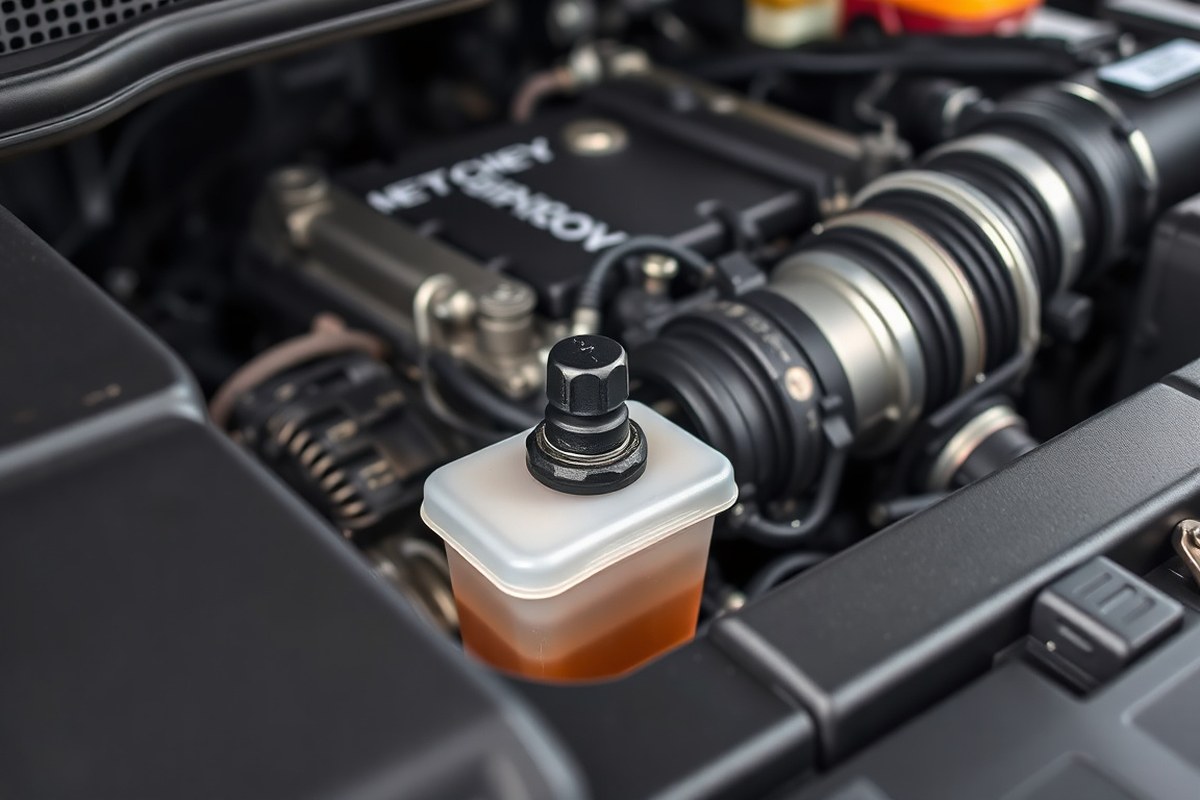
Heat greatly affects how long a CVT transmission lasts. High temperatures can cause the transmission fluid to break down faster. Overheated fluid can’t lubricate or cool the inside parts well.
This causes belts and pulleys to wear out faster. Hot fluid wears down these components quickly. This damage shortens the CVT’s life and may cost thousands in repairs.
Driving style also changes how quickly a CVT wears out. Hard accelerations, frequent stop-and-go traffic, or speeding create high stress and heat inside the transmission.
Smooth, steady driving at moderate speeds reduces strain and heat buildup, helping the CVT last longer. Extra caution around hills and traffic jams makes a big difference.
CVTs are not made for heavy loads like towing trailers or boats. Towing puts a lot of torque on the transmission belt and pulleys.
This extra stress causes overheating and mechanical wear much faster. Using a vehicle’s CVT for towing can easily cut its life well below average.
Transmission fluid needs to stay clean to work well. It helps keep the CVT parts moving smoothly and cool. Over time, the fluid breaks down and should be replaced.
Most car makers suggest changing CVT fluid between 30,000 and 60,000 miles in tough driving. For regular driving, change it every 60,000 to 100,000 miles.
- Change CVT fluid every 30,000, 60,000 miles under heavy use or towing.
- Drive gently, avoiding rapid acceleration and heavy braking.
- Prevent overheating by using proper gears and taking breaks on long hills.
- Avoid towing with a CVT unless the manufacturer says it’s allowed.
- Have a professional check the transmission fluid condition regularly.
- Watch the transmission temperature with a scan tool if possible.
Never ignore flickering or harsh shifts, as these signs can indicate excessive heat or fluid problems.
You can expect a CVT to last 100,000 to 150,000 miles with average care. Following the list and avoiding heavy loads makes a big difference.
Cooling matters just as much as changing the fluid, so don’t overlook routine checks. Driving habits combined with regular fluid service deliver the longest life from your CVT.
How Maintenance Extends CVT Transmission Life
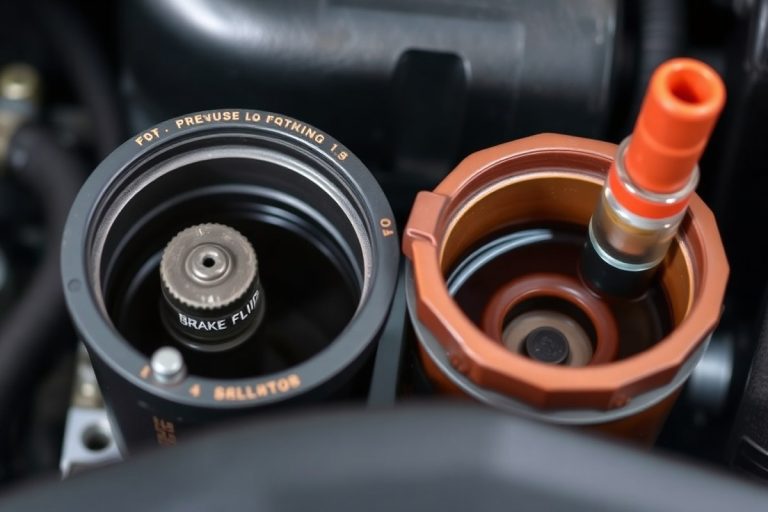
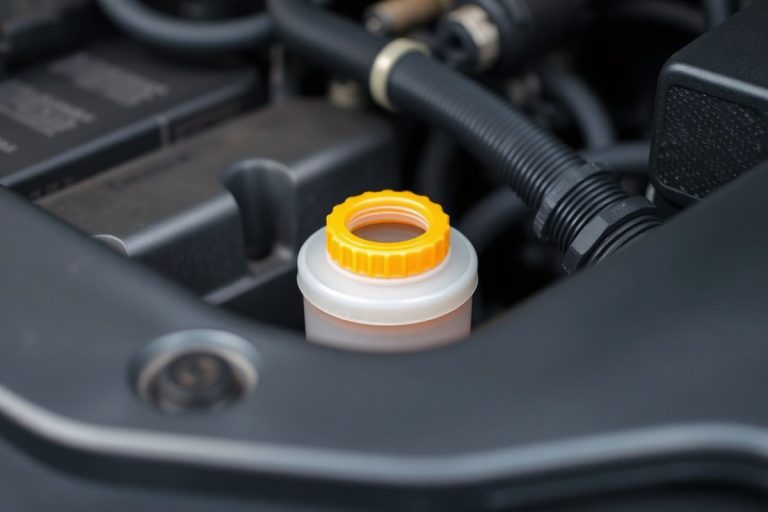
Regular servicing of your CVT transmission is key to lasting performance. The most important maintenance step is changing the CVT fluid on schedule. Using the right fluid helps your transmission last longer.
Watch for early warning signs too. This can keep your transmission running past 150,000 miles.
Recommended CVT Fluid Change Intervals
Most manufacturers suggest changing CVT fluid between 30,000 and 60,000 miles. Some brands, like Subaru, allow up to 100,000 miles.
But many repair experts recommend a shorter interval around 30,000 to 40,000 miles. Check your owner’s manual for the exact interval your vehicle needs.
Using the fluid specified by the automaker is critical. The wrong CVT fluid can cause damage or early wear. Always stick to OEM or approved fluids to protect your transmission.
Signs Your CVT Fluid Needs Replacement
Cloudy, dark, or burnt-smelling fluid signals it’s time to change your CVT fluid. You might notice whining noises or erratic shifts. These symptoms often come weeks or months before serious transmission damage.
Also pay attention if your transmission overheats during heavy loads or hot weather. Dirty or worn fluid loses its ability to cool and lubricate important parts. Replacing fluid promptly can prevent belt and pulley damage.
Maintenance Actions to Prevent Early Failure
Following these maintenance steps improves your CVT’s lifespan. The goal is to keep fluid clean, avoid overheating, and catch minor issues early.
You don’t need special tools. But you should follow a checklist every 30,000 to 60,000 miles.
- Check your owner’s manual for the exact CVT fluid type and interval.
- Replace CVT fluid regularly as recommended, typically every 30,000 to 60,000 miles.
- Use only OEM or factory-approved CVT fluid for changes.
- Monitor transmission temperature, especially in hot climates or towing situations.
- Avoid aggressive driving like fast acceleration and sudden stops to reduce belt stress.
- Allow your vehicle to warm up before driving hard to protect fluid performance.
- Address any shift hesitation, noise, or slipping symptoms promptly with a mechanic.
- Consider installing a transmission cooler if your driving includes heavy loads or heat.
Following these steps will often extend CVT life to 150,000 to 200,000 miles or more. Neglecting fluid changes greatly raises failure risk, often before 80,000 miles. Simple care prevents costly repairs and keeps your car reliable.
Which Car Brands Have the Most Reliable CVTs?
Japanese car brands lead the pack for CVT reliability, but each has its quirks. Toyota and Honda CVTs often last beyond 150,000 miles with solid durability. Subaru and Nissan CVTs perform well but may need more care to reach the same lifespan.
Toyota CVT Lifespan and Features
Toyota CVTs usually last longer than many others on the market. Most drivers see between 150,000 and 250,000 miles before troubles start. Keeping your Toyota CVT well cared for helps it run much longer.
These transmissions use smooth, efficient designs that keep heat and wear low. Toyota’s reputation for reliability extends to their CVTs, though they still require regular fluid changes. Toyota CVTs generally avoid the costly failures seen in some rivals.
Honda’s CVT Reliability Insights
Honda CVTs also hold a strong reliability reputation, often rivaling Toyota’s. Most Honda CVTs last at least 150,000 miles with proper fluid maintenance. They balance smooth operation with strong materials to reduce wear.
Honda’s designs have evolved to handle typical driving stresses well. Many Honda cars use CVT units that rarely break down early. Regular maintenance keeps these transmissions running smoothly for years.
Avoid skipping service to prevent early CVT problems. Their lifespan usually falls into the typical to extended range of 100,000 to 200,000 miles.
Subaru and Nissan CVT Comparison
Subaru’s Lineartronic CVTs are known for durability and are often more strong than other belt-and-pulley styles. These transmissions excel in moderate climates and everyday driving but may degrade quicker in harsh conditions. Subaru CVTs typically last over 100,000 miles when maintained well.
Nissan has made its CVTs better over the years. Older Nissan models had some reliability problems with their CVTs. Improvements have reduced but not fully removed these issues.
Early Nissan CVTs sometimes failed between 60,000 and 100,000 miles. More recent versions are more reliable, lasting 100,000 to 150,000 miles with careful upkeep.
Nissan’s toroidal CVT design provides high torque handling, but repair costs can be high. Always check service records when buying a used Nissan with a CVT.
This helps avoid unexpected transmission failures later on. Look especially for regular maintenance and past repairs.
Here’s a quick look at the CVT reliability and expected lifespan among these brands:
| Car Brand | Typical CVT Lifespan (miles) | Notes on Reliability | Replacement Cost Range |
|---|---|---|---|
| Toyota | 150,000, 250,000 | Strong reliability, well-engineered, needs regular fluid changes | $3,000, $5,000 |
| Honda | 150,000, 200,000 | Durable, smooth operation, improved designs over time | $3,000, $5,000 |
| Subaru | 100,000, 180,000+ | Lineartronic CVTs are strong but sensitive to heat | $3,000, $5,000 |
| Nissan | 60,000, 150,000+ | Early models prone to issues, newer models more reliable | $3,000, $5,000 |
| Mitsubishi | 100,000, 150,000 | Less common but generally reliable when maintained | $3,000, $5,000 |
Choosing a Toyota or Honda CVT usually means fewer surprises and longer service. Subaru generally holds up well, while Nissan requires more attention, especially on older models. All CVTs cost roughly the same to replace, making good maintenance important to avoid those bills.
What Are the Warning Signs of CVT Failure?
You can notice several warning signs when your CVT transmission is starting to fail. These signs usually show up as changes in how your car feels or sounds while driving. Catching these early can save you money.
Fix small issues fast. Small problems don’t turn into big ones.
Common symptoms include unusual noises, strange smells, and performance hiccups. A whining or droning noise is a common sign. It means worn bearings or a belt problem.
These happen inside the transmission. Shuddering during acceleration can hint at belt slippage or internal wear. High engine RPMs without a matching increase in speed suggests transmission slipping.
Here’s a checklist of warning signs to watch for:
- Shuddering or juddering when accelerating
- High engine RPM without speed gain
- Delayed or rough engagement in gear
- Whining or droning noises from the transmission
- Burning smell, indicating possible overheating
- Transmission warning light on the dashboard
- Car enters limp mode and loses power
Any of these symptoms call for a professional diagnosis. These signs alone don’t always mean the CVT must be replaced. Other systems can cause similar problems.
So a clean fault code scan and a transmission inspection are the best next steps. Most repair shops charge $100 to $200 for a diagnostic check.
Act quickly if you notice odd noises or smells. Early repairs often prevent complete transmission failure.
The sooner you get a professional to examine the transmission, the better. For newer vehicles, early detection may mean replacing a belt or adjusting fluid levels. Older CVTs, especially those with over 75,000 miles, might need more extensive repairs or even rebuilding.
Knowing the symptoms helps you avoid driving with a bad CVT. It can break down suddenly. Repairs then cost a lot.
How Much Does CVT Replacement or Repair Cost?
Replacing a CVT typically costs between $3,000 and $6,500 for most vehicles. Costs vary by car type, repair shop, and region. Some luxury or large SUVs may exceed $7,500, especially when dealer services are used.
Smaller repairs cost less. A fluid flush or filter service runs $150 to $350.
Fixing or replacing components like the valve body can reach $600 to $1,400. These repairs usually extend the transmission life before a full replacement is needed.
| Service Type | Typical Cost (USD) |
|---|---|
| Fluid flush and filter service | $150 – $350 |
| Valve body repair or replacement | $600 – $1,400 |
| Specialist CVT rebuild | $2,000 – $3,500 |
| New or remanufactured CVT replacement | $3,500 – $6,500 |
| Replacement on problem-prone models | $4,000 – $8,000+ |
Rebuilding a CVT costs $2,000 to $3,500 but is less common. Most shops replace the whole unit instead.
Getting a remanufactured CVT can lower parts costs to about $2,000 to $3,500 before installation. Used or imported units may cost $600 to $1,500 for parts but come with higher risk.
Dealer replacements usually charge $4,000 to $8,000. Independent shops might do it for $3,000 to $5,500.
Early repairs keep costs down and prevent total failure. Waiting too long can push you into the highest price bracket for a full replacement.
Are All CVT Types Equally Durable?
Are All CVT Types Equally Durable?
Different CVT designs affect how long they last and how well they perform. Traditional belt-and-pulley CVTs can wear out faster than other types. Hybrid electronic CVTs often offer better durability thanks to their unique design.
Belt-and-Pulley CVTs Explained
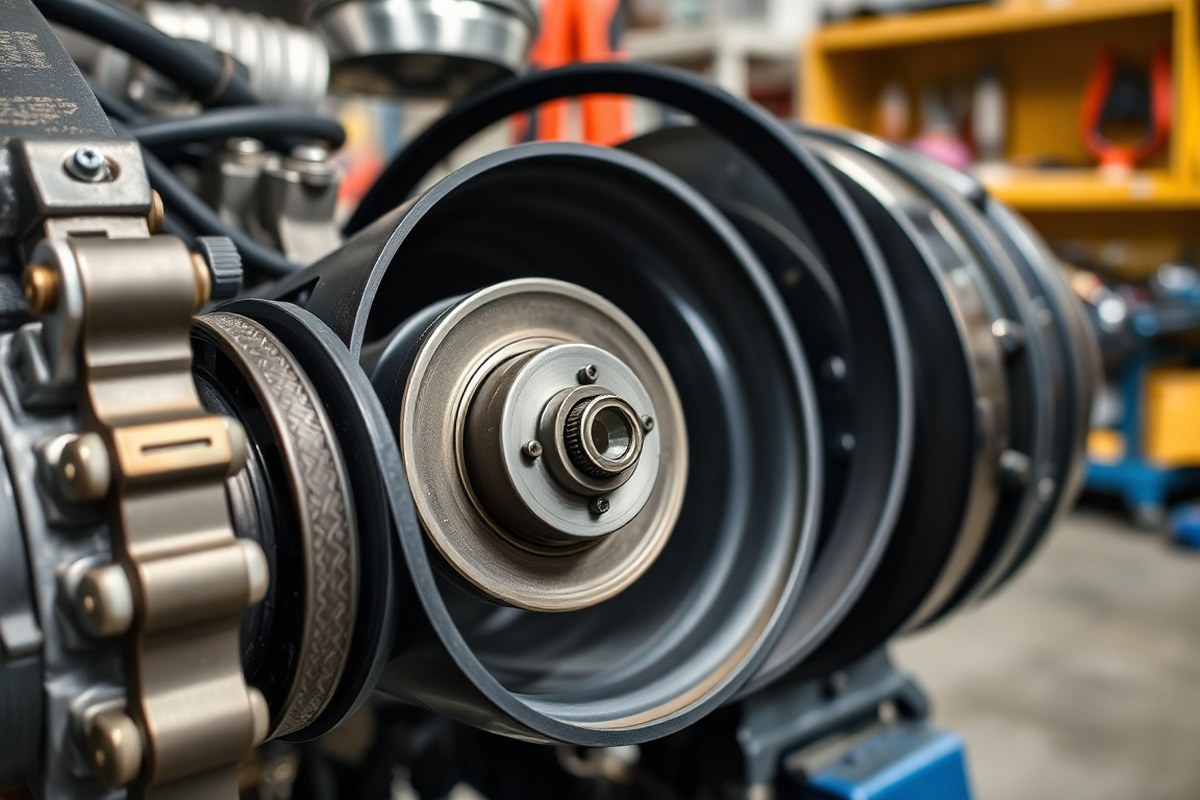
This type uses a metal belt running between variable-diameter pulleys. The belt moves smoothly to change gear ratios, giving steady acceleration and better fuel economy. They usually cost less but can wear out between 80,000 and 100,000 miles.
Heat and friction wear down belt-and-pulley CVTs faster than other transmissions. Problems arise if oil isn’t clean or is low, which increases friction and belt wear. Regular fluid changes are key to keeping these CVTs running well.
Chain-Driven CVT Advantages and Drawbacks
Chain-driven CVTs replace the belt with a metal chain, making them stronger. They tolerate more load, so trucks and SUVs sometimes use them.
Chains usually last longer, about 100,000 to 150,000 miles. But can be noisier and cost more.
Despite their toughness, chain-driven CVTs can fail if the chain or pulleys wear unevenly. Poor maintenance or aggressive driving speeds wear parts and reduce lifespan. Checking and changing transmission fluid prevents many common problems.
Electronic CVTs in Hybrid Vehicles
Hybrid eCVTs use a planetary gear set controlled by electronics rather than belts or chains. Toyota’s hybrid CVTs can last over 300,000 miles due to this durable design. These transmissions handle varying power from the engine and electric motor smoothly.
The sealed system in hybrid eCVTs needs less frequent fluid changes than traditional types. This reduces maintenance errors that often cause failures. Still, any transmission’s longevity depends on following the exact service schedule the manufacturer sets.
How Driving Habits Impact CVT Longevity
Hard acceleration puts extra stress on the CVT’s belt and pulleys. This causes more heat and faster wear. Avoid sudden throttle pushes and launch your car gently to help the transmission last longer.
City driving is tougher on CVTs than highway miles. Frequent stop-and-go creates constant belt clamping and heat.
Highway driving keeps the CVT at steady speeds and lower temperatures. That means less wear overall and longer life.
Towing heavy loads or hauling extra weight also stresses the CVT. It forces the transmission to work harder and produce more heat.
This speeds up wear and lowers lifespan. Save your CVT by not exceeding tow limits and unloading unnecessary cargo.
- Use gentle acceleration instead of rapid throttle changes
- Avoid long idling, especially in hot weather
- Keep steady speeds on highways when possible
- Limit towing or heavy hauling loads
- Reduce high-speed hill climbs or pulls
- Follow factory recommended service intervals closely
Long hot idling increases transmission fluid temperature and causes faster belt wear. Turn off your engine if stopped for over a few minutes.
Use a cruise control on highways to maintain steady throttle input and avoid rapid changes. Your CVT’s lifespan can roughly double with these habits.
Never tow more than your vehicle’s specified limit to protect the CVT from damage.
When to Repair, Replace, or Upgrade Your CVT
A noisy CVT often needs a repair first, not a full replacement. Noise can come from worn belt pulleys or low transmission fluid.
Check fluid level and condition; if dirty or burnt, a fluid change may help. The noise continuing means a mechanic should check the belt and pulleys.
Rebuilt CVTs work well when the transmission isn’t completely worn down. This choice suits vehicles under 100,000 miles showing some transmission wear. It works only if there is no severe damage to the transmission.
A rebuilt transmission swaps out just the worn parts. It costs about half of a brand-new CVT.
The price usually falls between $3,000 and $4,000. It saves money but may not last as long as a brand-new transmission.
Major damage usually calls for a full transmission replacement or upgrade. Common signs include slipping, jerking, or trouble shifting gears.
New or upgraded CVTs can boost reliability for long-term car owners. Replacing the transmission ranges from $4,000 to $6,000 but cuts down on frequent repairs.
Age and mileage matter for deciding repairs. A CVT over 150,000 miles with frequent problems may cost more to fix repeatedly.
At that point, replacement is often smarter. For cars under 75,000 miles, repairing minor issues tends to extend life at less cost.
Watch out for quick fixes on serious CVT problems. Repairing severe slider or pulley damage only delays full failure.
Multiple error codes from the transmission control unit often mean it’s safer to replace it. Reliable diagnostics help spot when repairs won’t last.
Every situation differs by car model and driving history. Cold-weather wear or towing heavy loads shortens CVT life.
Repairs may also depend on warranty coverage. Dealers sometimes offer longer warranties on rebuilt units, which affects your choice.
Your Step-by-Step CVT Care Plan
Follow this plan to keep your CVT running smoothly and extend its lifespan. Check each step’s outcome to stay on track.
- Right now: Check your owner’s manual for CVT fluid type and change interval. Using correct fluid protects your transmission.
- Within the first week: Schedule a CVT fluid change if overdue or unknown. Fresh fluid reduces wear and heat.
- Every 6 months: Inspect for leaks, unusual noises, or shifting issues. Early checks catch problems before serious damage.
- Ongoing: Adjust your driving to avoid hard acceleration and towing heavy loads. Gentle driving eases stress on your CVT.
- Every 30,000 miles: Repeat CVT fluid change and have a qualified mechanic inspect the transmission. Regular servicing keeps parts healthy.
- If warning signs appear: Get a diagnostic check immediately. Don’t ignore noises or slipping, as they can mean serious failure.
- Before high-mileage milestones: Consider a professional CVT inspection around 60,000 miles. Preventive care helps avoid costly repairs.
- Every year: Update yourself on recalls or service bulletins for your car’s CVT model. Fixes from the maker can improve reliability.
Frequently Asked Questions
Can CVT Transmissions Fail Suddenly Without Warning?
CVT transmissions can fail suddenly, but usually show warning signs first. Watch for slipping, strange noises, or delayed gear response to catch issues early.
Does Using Synthetic CVT Fluid Improve Transmission Lifespan?
Using synthetic CVT fluid often helps extend transmission life by reducing wear. Always follow the vehicle maker’s fluid recommendation for best results and avoid damage.
Is It Safe to Tow with a Vehicle That Has a CVT?
Most vehicles with CVTs aren’t designed for heavy towing. Towing beyond limits can overheat and damage the CVT. Check your owner’s manual for specific towing guidelines.
How Does Extreme Cold Weather Affect CVT Longevity?
Cold weather can thicken CVT fluid, causing delayed engagement and wear. Warming the vehicle before driving helps protect the transmission under cold conditions.
Can Software Updates Improve CVT Performance and Durability?
Software updates can improve CVT shifting and protect it from damage. Check with your dealer for available transmission control updates to ensure optimal operation.
Key Points to Remember
CVT transmissions usually last between 100,000 and 150,000 miles if cared for properly. Start by following your manufacturer’s fluid schedule today. Keeping an eye out for trouble signs helps protect your investment long term.