How to Tell If Your Battery or Alternator Is Bad: 9 Proven Strategies
You can check a battery or alternator by watching for clear problems. A bad battery often causes a weak charge or no engine start. A failing alternator lets the car start but then lose power or have dim lights.
Check your battery age first since most last only 3 to 5 years. The battery probably needs changing if it’s old or loses power fast. Testing voltage with a multimeter is a fast way to see which part is failing.
Start by measuring battery voltage when the engine is off. It should be about 12.6 volts. Measure the voltage with the engine running.
It should reach about 14 volts. This shows the alternator is working properly. This simple test helps you avoid swapping parts without fixing the real problem.
Key Takeaways
- Battery voltage near 12.6 volts means it’s healthy with the engine off.
- Engine running voltage between 13.8 and 14.4 volts shows a good alternator.
- Car that starts but dies soon after jump-starting likely has a bad alternator.
- Battery older than 3 to 5 years needs closer checking or replacement.
- Growling or whining engine noises can indicate an alternator, not battery, problem.
- Low battery voltage after jump-start means the battery still can’t hold charge.
1. How to Quickly Identify a Bad Battery or Alternator
A quick sign of a bad battery is your car struggling to start. Your lights and electronics work fine when the engine is off. That usually means the battery holds some charge.
But it can’t deliver enough power to crank the engine. Conversely, your car might start but then die shortly after.
Or the headlights dim when idling. This likely means the alternator is the issue.
Try a jump-start to see what happens. A car that starts easily after a jump but dies soon after indicates a bad alternator. Your car keeps running fine.
This means the battery probably just needed a boost. This test only takes some time to do. It can save you from buying the wrong part.
Another quick check is measuring battery voltage with a multimeter. A healthy battery reads about 12.6 volts when the engine is off. It shows less voltage.
That means the battery may be weak or dead. While the engine runs, voltage should read between 13.7 and 14.7 volts. Lower readings point toward an alternator problem.
Listening for noise also helps. A bad alternator may make growling or whirring sounds from your engine bay. This happens due to internal damage or a slipping belt.
A failing battery won’t make any noise at all. Pay attention to accessories too.
Your power windows or headlights struggle while the engine runs. This often suggests a dying alternator.
Bad battery cables, weak grounds, or a worn belt can mimic alternator and battery problems. This can cause wrong guesses about the parts. Checking these connections for corrosion or looseness costs almost nothing and takes just a few minutes.
You notice trouble with these parts. Fix them first before replacing your battery or alternator.
For most drivers, these quick observations provide enough clues. Start with checking if the car keeps running after a jump-start and measure voltage next. You feel uncertain about the problem.
Have a technician test both parts. This prevents unnecessary expenses, as alternator replacements typically cost more than battery swaps.
2. Understanding the Battery and Alternator Functions
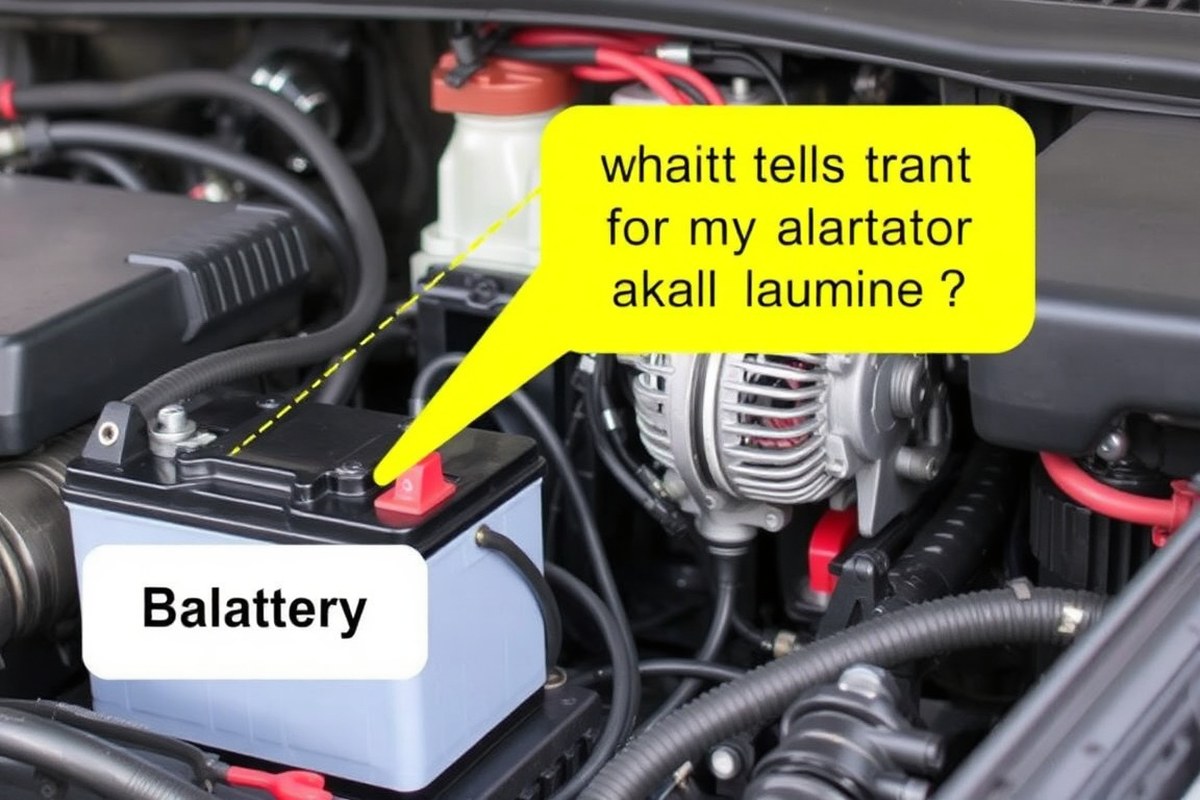
Your battery and alternator work together to power your vehicle. The battery starts the engine and runs electronics when the engine is off. The alternator charges the battery and powers electronics while the engine runs.
What the Battery Does
The battery holds electrical energy to start your car. It delivers a strong burst of power to the starter motor. This powers the engine to turn over and begin running.
When the engine is off, the battery powers accessories like lights and radio. The typical resting voltage is about 12.6 volts. Starting gets tough when the voltage falls below this level.
How the Alternator Works
The alternator runs once the engine turns on. It converts mechanical energy from the engine into electrical energy. This energy recharges the battery and runs almost all vehicle electronics.
Alternators typically produce between 13.8 and 14.4 volts while running. This higher voltage charges the battery.
It powers essentials like headlights and ignition. It also runs the air conditioning.
Why You Need Both Battery and Alternator
Battery and alternator play different but connected roles. The battery starts the engine and supplies power without running engine. The alternator keeps the battery charged and the electrical system powered while driving.
One fails, and the other soon shows problems. For example, a bad alternator may let the battery drain, causing a dead battery. A weak battery makes the alternator work harder, risking alternator damage.
How Problems Mimic Each Other
It’s common to confuse battery and alternator problems because symptoms overlap. Both can cause slow starts, dim lights, or stalling. That makes it tricky to spot the exact issue without tests.
A jumpstart can get your car running if the battery is weak. But if the alternator is bad, the car may stall shortly after. Checking voltage with a multimeter can help distinguish the problem.
Comparing Battery and Alternator Roles
The battery stores and releases energy in short bursts for starting. The alternator provides steady electrical power when the engine runs. Both must work correctly for reliable vehicle operation.
For example, a good battery shows about 12.6 volts at rest. A healthy alternator keeps charging between 13.8 and 14.4 volts. Any reading outside these ranges hints at an issue needing attention.
Use a multimeter to check battery voltage with the engine off and alternator voltage while running. The difference helps you pinpoint the problem.
3. Symptoms Exclusive to a Bad Battery
The battery’s age heavily influences how it fails and how it shows problems. Car batteries typically last 3 to 5 years. After that, their ability to hold a charge drops significantly.
A battery that struggles to start the engine shows early failure signs. These signs appear more in cold weather. Age often causes this problem.
Look for these symptoms that usually point only to a bad battery. They happen during starts and while the car is off, not just when running. These signs mean the battery has trouble holding or delivering power.
The alternator affects power only while the engine runs. This helps tell the difference.
- Slow or labored engine cranking during start-up
- Electrical accessories working fine only after a jump-start
- Repeated need to jump-start the vehicle, especially if stored overnight
- Corroded or swollen battery case
- Visible cracks or leaks on the battery housing
- Check battery voltage with a multimeter: below 12.4 volts when off
- Dashboard battery light off once the engine is running normally
Physical battery damage like bulging or leaking acid signals a bad battery. The battery case looks deformed or cracked.
This often happens with overheating or freezing conditions. Internal damage reduces the battery’s power and can cause permanent failure.
Try testing battery voltage when the car is off. A healthy battery shows about 12.6 volts or more. Below 12.4 volts means it can’t keep a full charge.
Monitor this after a full night without driving. Voltage dropping continually means the battery is dying. Replace it soon.
4. Symptoms Exclusive to a Bad Alternator
You’ll often notice warning signs that point directly to a failing alternator. The battery light on your dashboard may flicker or brighten. It can also dim repeatedly.
This happens as the alternator struggles to keep voltage steady. This light isn’t exclusive to alternators. Headlights or interior lights may suddenly dim.
Your electric accessories might act weak. This usually means the alternator has a problem.
Sounds can reveal a lot about alternator health. A grinding or whining noise often means the alternator bearings are worn out.
Sometimes, a loose alternator belt will make a squealing noise when starting your car or accelerating. These noises indicate mechanical issues that reduce the alternator’s ability to charge the battery properly.
Smells can also warn you about an alternator problem. A burning rubber smell might come from a slipping or over-tightened belt. More serious is a sharp electrical or burning wire odor.
This means the alternator’s wiring is overheating or failing. It raises the risk of electrical damage. It can even cause a fire.
- Dashboard battery light flickering or blinking on its own
- Headlights and dashboard lights dim or brighten inconsistently
- Power windows, radio, or other electric accessories slow or stop working
- Grinding or whining noises from the engine bay
- Squealing noise from the alternator belt area
- Burning rubber or electrical burning smells near the engine
Electrical accessories may work fine at first but then lose power as the alternator’s voltage falls. This can happen while you’re driving, causing the engine to stall or car to lose power.
Watch how your accessories work under load. This shows if the alternator can meet your car’s electrical needs.
Checking these signs regularly helps catch alternator failure early. Fixing a bad alternator normally costs between $300 and $600, including parts and labor. Since belt tension and cable connections affect the alternator’s function, don’t forget to inspect those too.
Installing the alternator correctly is important. It prevents belt wear or damaged parts. This avoids new problems soon after a repair.
5. Testing Voltage to Differentiate Battery and Alternator Issues
Checking voltage helps figure out if the battery or alternator causes trouble. You measure resting voltage with the engine off and charging voltage while it runs. These numbers let you know which part might be faulty.
Measuring Battery Voltage with Engine Off
Resting battery voltage shows the battery’s health when the car is off. A fully charged 12-volt battery should read about 12.6 volts. Anything under 12.4 volts means the battery is partly drained and may need attention.
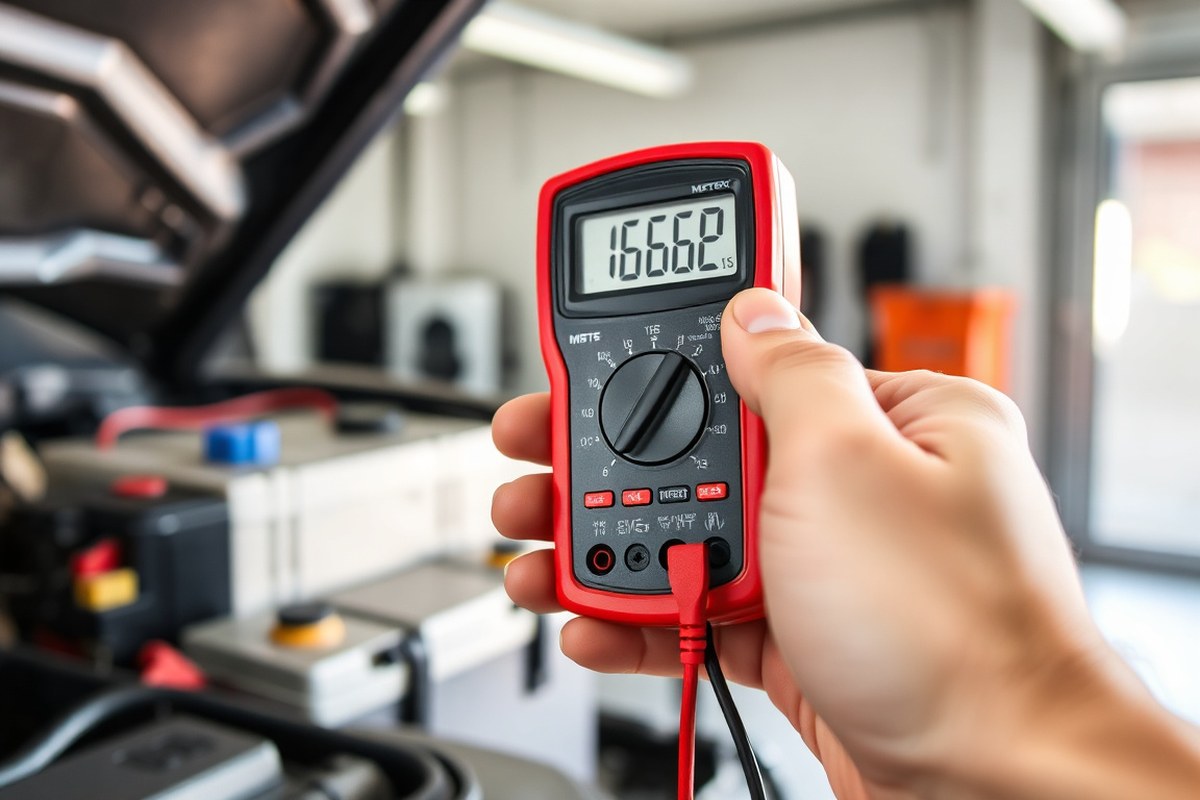
Use a digital multimeter to check voltage safely and accurately. Let the battery sit unused for at least 30 minutes before testing. This removes surface charge and gives a true reading.
- Turn off your car and remove the keys.
- Set your multimeter to DC voltage and a 20V scale.
- Connect the red probe to the battery’s positive terminal.
- Attach the black probe to the negative terminal.
- Read and note the voltage displayed on the meter.
- Compare it to 12.6 volts for a healthy, full battery.
- Repeat the test after charging or jump-starting if voltage is low.
Always test the battery resting voltage before trying to start the engine.
Measuring Alternator Voltage While Engine Is Running
Alternator voltage checks if the charging system works when the engine runs. Normal output is about 14.2 to 14.7 volts across most cars. Lower or unstable voltage means the alternator or charging components are failing.
Measure voltage with the engine at idle. Keep cables clear of moving parts and never touch terminals with metal objects. This test also shows if the battery is getting charged correctly.
- Start the engine and let it idle.
- Set your multimeter to DC voltage, 20V scale again.
- Place red probe on the battery’s positive terminal.
- Place black probe on the negative terminal.
- Check the voltage reading; it should be between 14.2 and 14.7 volts.
- Increase engine speed slightly and observe if voltage remains stable.
- Note any voltage drop below 13.5 volts or fluctuations.
Keep hands and tools clear of belts and fans during this voltage test.
Interpreting Voltage Test Results
A resting battery voltage below 12.4 volts but normal charging voltage means the battery likely needs replacing. The alternator delivers the proper voltage, but the battery cannot hold a charge. This often shows as slow starts and dim lights when off.
If alternator voltage reading is low or erratic with the engine running, the charging system or alternator likely has a problem. You may see warning lights and electrical issues despite a good battery voltage at rest. This test separates battery failure from charging system faults.
6. Inspecting Battery Condition, Cables, Grounds, and Belts
Open your hood and check the battery’s top for corrosion. White, green, or blue crusty build-up on terminals or cable clamps often blocks power flow. Corrosion on the terminal or cables needs cleaning or replacing.
It can cause starting problems. Fix this promptly to avoid troubles.
Now, check battery cables and grounding points. Wiggle each cable end to see if it moves or feels loose.
Look for frayed or cracked insulation, which causes poor electrical contact. Ground wires should connect tightly to clean, unpainted metal on the car frame to work properly.
Check the alternator belt next. This belt spins the alternator pulley to charge the battery. A cracked, shiny, or loose belt should be tightened or replaced.
Check if more than half an inch moves with light thumb pressure. Fix it quickly. A slipping belt stops the alternator from charging fully, causing electrical problems or a dead battery.
- Look for crusty corrosion on battery terminals and cable clamps
- Check cable ends are tight and insulation isn’t cracked or frayed
- Verify ground cables attach securely to clean metal surfaces
- Inspect alternator belt for cracks, glazing, or looseness
- Press belt to measure tension; too loose or too tight can cause problems
- Replace any parts showing damage or wear beyond light surface dirt
Corrosion cleaning only takes about 10 minutes with a brush and baking soda mix. Replace damaged cables to avoid unexpected power loss. Tightening or changing the alternator belt costs about $10 for parts.
Doing it yourself may add $50 if you need tools. Buying parts costs less than paying a mechanic. Worn belts can overheat and sometimes smell like burning rubber before failing.
Properly tight and intact belts maintain charging and prevent noise or overheating. Cable and ground checks are simple but stop many starting problems before you spend on parts. Loose cables and dirty grounds often seem like alternator failure.
They cause similar symptoms but aren’t the real problem. Check these first before replacing parts.
7. Using Jump-Start Behavior and Driving Tests as Clues
When you jump-start your car and it starts, it may die after removing the cables. This usually means your alternator is the problem. The alternator supplies power to your car while it runs and charges the battery.
The battery drains when the alternator can’t keep up. Then the engine will stop.
Your car might fail to start with jumper cables because of a bad starter. The starter cranks the engine to get it going. A faulty starter won’t turn the engine over no matter how much charge the battery has.
Running accessories like headlights, radio, and dashboard lights can give clues about your alternator’s health. Dim or flickering lights while running show your alternator may not charge the battery. When these accessories run smoothly and lights stay bright, the alternator is likely working fine.
To test, connect jumper cables from a friend’s running car to your battery. Wait a minute or two and then try starting your car.
Your car running after disconnecting cables means the alternator is charging a weak battery. Your car dying right after disconnecting cables means you likely need a new alternator.
It usually costs $40 to $120 for a jump-start if you call roadside help. Doing it yourself needs jumper cables or a jump box costing about $20 to $100.
Afterward, drive for at least 20 minutes to let the alternator recharge the battery. But watch for dimming lights or stalling.
Many people miss signs when accessories act up while driving. Pay attention to your dashboard lights or audio volume.
A sudden car stall means try jump-starting again to check alternator issues. Getting this checked early can stop you from getting stuck on the road.
8. When to Call a Professional for Diagnosis and Repair
Knowing when to call a professional matters if you want a reliable fix. You might not know if the battery or alternator is bad.
Experts are your best option for a clear diagnosis. Alternators usually need a mechanic since they’re not easy to fix yourself.
Signs Indicating Professional Evaluation
Frequent battery drains or a car that won’t start after multiple jump starts are red flags. Dimming lights and flickering dashboard gauges can also signal alternator issues.
Voltage tests may not give clear answers at times. Visiting a shop makes sense then.
Strange noises from under the hood show a possible problem. Burning smells can mean failing wiring or alternator. Check these signs quickly.
A professional can spot these signs fast with the right tools. Remember, guessing at these parts can lead to unnecessary costs or risks.
Common Diagnostic Procedures
Auto shops usually start with a load test on your battery. This checks if it holds charge under pressure. They decide next steps from there.
They also use a voltmeter to check alternator output while the engine runs, looking for 13.5 to 14.5 volts. This test shows whether the alternator is properly charging the battery.
Mechanics might inspect the belts, cables, and connections to rule out simple causes of failure. Some use scan tools to detect error codes about charging system problems. These steps usually take 30 to 60 minutes.
Repair and Replacement Cost Ranges
Batteries generally cost between $70 and $200 for replacement, varying by size and brand. Installation may be free at auto parts stores when you buy the battery there. Alternator repairs are more expensive since parts and labor add up quickly.
Replacing an alternator usually runs $300 to $700 or more, depending on the car model. The price covers parts costing $150 or more. Labor usually takes one to two hours total.
Both add up to your cost. Shops often warranty their work, giving you some peace of mind.
| Service | Typical Cost | Time Needed | Notes |
|---|---|---|---|
| Battery Load Test | Free at most auto parts stores | 10 to 20 minutes | Quick check if battery holds charge under load |
| Alternator Output Test | Usually part of diagnostic fee | 20 to 30 minutes | Measures voltage while engine runs (13.5-14.5 V expected) |
| Battery Replacement | $70 to $200 | 15 to 30 minutes | Price depends on battery size and brand |
| Alternator Replacement | $300 to $700+ | 1 to 2 hours | Includes parts and labor, cost varies by vehicle |
Diagnosing charging problems at home without proper tools often fails. You might spend money fixing the wrong part. Getting professional help saves you cash.
9. Avoiding Common Mistakes When Diagnosing Battery or Alternator Problems
One big mistake is ignoring the condition of battery cables and connections. Dirty, loose, or corroded cables can cause trouble. They create false signs of a dead battery.
Sometimes it looks like a bad alternator instead. Always check battery terminals for corrosion and tighten clamps before testing the battery or alternator.
Another slip-up happens when symptoms get mixed up. A failing battery can dim your car’s lights. A bad alternator can cause the same issue.
Both make your car struggle to start. It’s better to measure voltage with a multimeter rather than guessing. Start the engine and check if voltage reads about 13.5 to 14.5 volts, this means the alternator is charging correctly.
Sometimes people replace the battery when the alternator is the real issue. Or the alternator gets swapped out although the battery is just old or weak. Think about how old your battery is before buying new parts.
Most last between 3 and 5 years. Check if it still holds a charge well. This saves money by avoiding unnecessary replacements.
- Inspect battery cables for corrosion or looseness
- Check battery age and charge capacity first
- Use a multimeter to test voltage at battery terminals
- Look for leaks or fluid damage around the alternator
- Observe if symptoms show only with the engine running
- Don’t rely solely on warning lights to diagnose
Check for coolant, oil, or water leaking into the alternator’s case. Fluids cause damage and sudden failure, leading you to misidentify the problem.
After cleaning connections and verifying voltage, test the battery with a load tester if available. This helps confirm if the battery can really hold power under stress.
Fixing your car can cost some money. A new battery usually costs between $50 and $120. Replacing an alternator is pricier, about $200 to $500.
Taking time to test both parts accurately prevents spending more than needed. Following these steps keeps you from being stuck with the wrong part and future breakdowns.
Step-by-Step Action Plan to Check Your Battery and Alternator
Follow these steps to find out if your battery or alternator is causing your car trouble. You can do most of this with simple tools and careful observation.
- Before you start: Check for obvious issues like loose battery cables and worn belts. Tighten cables and replace belts if needed. When these fix the problem, you’re done.
- Day 1: Measure your battery’s voltage with a multimeter. A healthy battery shows about 12.6 volts when off. Lower voltage suggests a bad battery.
- Day 1: Start the engine and check voltage again. You should see 13.5 to 14.5 volts if the alternator is working. Lower or higher readings point to alternator issues.
- Day 2: Try jump-starting the car. The battery likely needs replacement if it runs fine after the jump but dies soon.
- Day 2: Drive the car for 20 minutes. The alternator might be bad if the battery light stays on or electrical functions fail.
- Day 3: Inspect the battery for corrosion or swelling. Clean terminals carefully or consider replacing the battery if damaged.
- Day 3: If tests still confuse you, call a professional mechanic. They can do deeper tests like load testing for the battery and alternator output checks.
Frequently Asked Questions
How Can I Tell If the Alternator or Battery Is Causing a Dimming Light Problem?
Your lights dimming while driving usually means the alternator is failing. A bad battery usually won’t cause lights to dim once the engine runs. Drive with accessories on; struggling windows and headlights point to a bad alternator.
Why Does My Car Battery Die Right After Jump-Starting?
Your battery dying quickly after a jump-start suggests the alternator isn’t charging. A healthy alternator keeps the battery charged while driving. Check the alternator voltage output with a multimeter.
Will a Faulty Alternator Affect My Radio and Dashboard Lights?
Yes, a bad alternator can cause radio and dashboard lights to flicker or go out. These accessories need constant power while the car runs. A battery issue won’t cause these symptoms once the engine starts.
Can Corroded Battery Terminals Mimic Alternator Problems?
Corroded battery terminals can cause starting and electrical issues similar to alternator failure. Cleaning the terminals can fix the problem without replacing parts. Always inspect terminals before testing battery or alternator.
Is a Growling Noise More Likely from a Bad Alternator or Battery?
Growling noises come from a failing alternator, not a battery. The alternator bearings can wear out and make these sounds. Your battery making no noise points to a problem with the alternator.
Final Thoughts
Your battery or alternator often shows clear signs when you check carefully. Use these steps to narrow down the problem quickly. Take your car to a trusted mechanic for a full diagnosis if the issue continues.