How Long Can You Drive on a Flat Tyre? Safe Distance and Speed Guide
How long can you drive on a flat tyre? You should only drive 1 to 2 miles at very low speeds. This lets you get to a safe spot without causing more damage.
Don’t go faster than 5 to 10 miles per hour. Driving faster puts more strain on the tyre and rim. It can wreck both quickly, making repairs much costlier.
Even slow driving can cause damage to your wheel’s metal parts. The rim may bend or crack, especially if you drive on rough roads. Fixing rims usually costs more than fixing tyres.
Run-flat tyres can extend this distance up to 50 miles at 50 mph. But with normal tyres, keep it short and slow to avoid big damage.
Key Takeaways
- Drive no more than 1.5 miles on a flat tyre to avoid heavy damage.
- Keep your speed under 20 mph when driving with a flat tyre.
- Normal tyres can get destroyed after about 3 miles on a flat.
- Run-flat tyres allow up to 50 miles at 50 mph after losing pressure.
- Avoid quick stops or sharp turns while driving on a flat tyre.
- Press the accelerator gently to reduce stress on the wheels and tyres.
How Far Can You Safely Drive on a Flat Tyre?
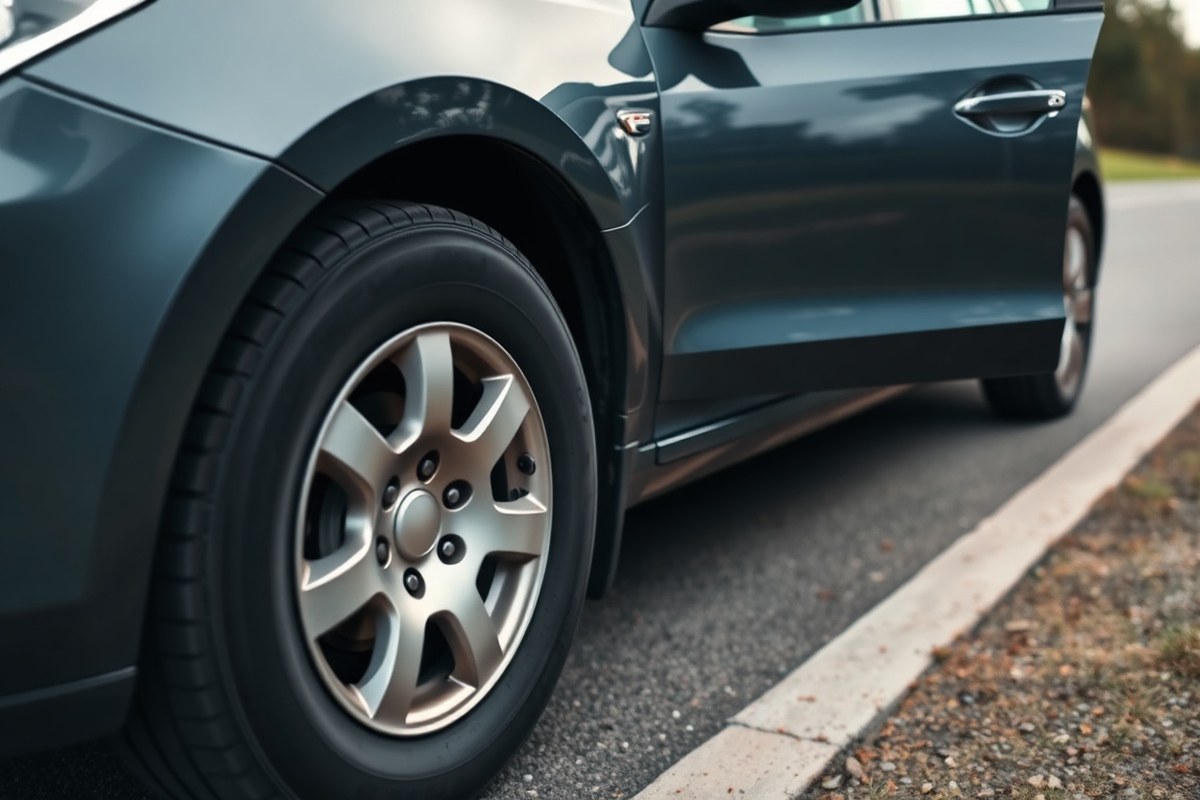
You should never drive more than 1 to 2 miles on a completely flat tyre. Keep your speed low, around 5 to 10 mph. This avoids damage to the tyre sidewall.
It also protects the wheel rim. This short distance lets you reach a safe spot. Stop there to fix the tyre or call for help.
Driving faster or farther risks serious damage. Tyre and wheel damage can cost hundreds to fix. Running a flat tyre at just 20 mph can ruin the sidewall.
It can also bend the rim. Pull off the road right away. Use your spare tyre or call roadside assistance.
On a motorway emergency, drive no more than half a mile. Keep speed at 5 mph to reach the hard shoulder safely. If the tyre has low pressure but isn’t flat, you can drive a few miles.
Keep your speed about 15 mph. Still, taking it slow is best to avoid a blowout or added damage.
Run-flat tyres allow longer, faster travel after a puncture, but standard tyres do not. Only run-flats let you drive up to 50 miles at 50 mph safely. After that, replace them.
Without run-flat tyres, don’t go beyond 1 to 2 miles at low speed on a flat. That limit helps avoid damage.
Drive on a flat tyre only as a last resort. Go at walking speed and for the shortest distance possible.
Stop quickly and drive slowly. Getting help fast will save money and keep you safe on the road.
What Happens to Your Tyre and Wheel When Driving Flat?
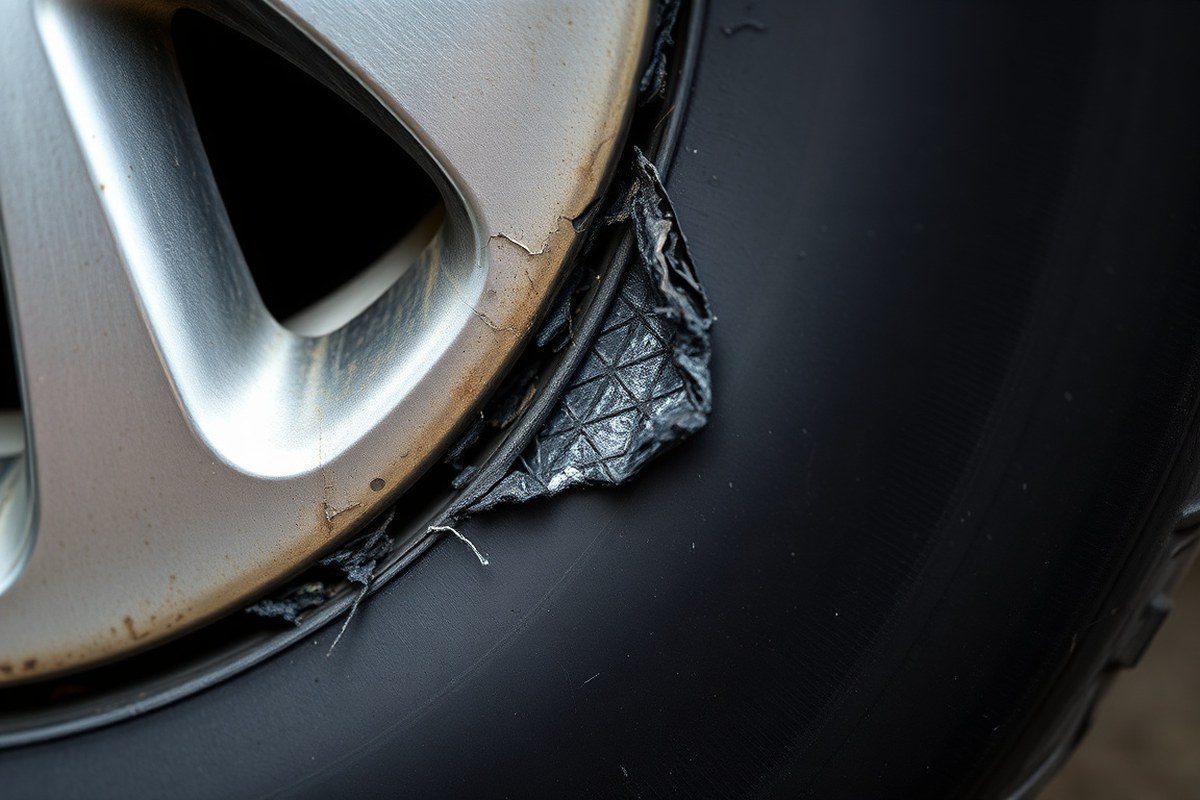
Driving on a flat tyre causes serious damage fast. The tyre’s sidewalls collapse without air support.
This breaks the internal structure, making the tyre impossible to repair. Driving just 5 miles this way usually ruins the tyre beyond repair.
The rim also suffers. When the tyre deflates completely, the rim touches the road surface.
This contact bends or dents the rim, which can cost £80 or more to fix. Some damage might force a full wheel replacement, raising costs high.
Damage doesn’t stop there. The wheel’s impact affects brake components, alignment, and suspension.
Continued driving risks harm to steering parts, too. Repairing these parts can easily push your bill over £200, depending on the vehicle.
Avoid repairs when your tyre’s tread or sidewall cracks or tears. Those damages mean the tyre can no longer safely hold air.
Driving on this type of damage is dangerous and can cause sudden blowouts. You should replace the tyre as soon as possible to stay safe.
Try to stop your car on flat, firm ground if you get a flat. Drive slowly and straight if you must move.
This helps avoid rim scratches or warping. Avoid sharp turns or bumps that worsen wheel damage.
Driving on a flat tyre turns small punctures into costly tyre and wheel replacements fast.
How Run-Flat Tyres and Spares Affect Driving Distance
Run-flat tyres let you drive up to about 50 miles at 50 mph after a puncture. Compact spares, or donuts, also have limits: usually 50 miles and 55 mph maximum. Regular tyres without special features should not be driven on flat.
They need immediate attention. Use a spare tyre instead.
Run-Flat Tyre Distance and Speed Limits
Run-flat tyres maintain shape when punctured, letting you drive short distances without air. You can typically drive up to 50 miles at speeds below 50 mph after a puncture.
These tyres let you reach a service station. They are not for long-term use when flat.
Costs can be higher with run-flat tyres. But they reduce risk by avoiding immediate roadside changes.
Check your car’s manual for exact distance and speed limits on your run-flats. Driving faster or farther risks damaging the wheel and makes repairs more expensive.
Spare Tyre (Donut) Limitations
Compact spares, or donuts, are small and lightweight for emergency use only. Most let you drive about 50 miles at up to 55 mph.
This helps you reach repair or home. These tyres are not designed for long trips or high speeds.
Donuts can cause uneven handling and faster wear if used beyond limits. Always check your owner’s manual for your car’s specific spare tyre instructions.
Driving faster than 55 mph or more than 50 miles risks damage. Both tyre and rim can get harmed.
Regular Tyres and Inflator Kits
Regular tyres should never be driven flat. Running on a flat tyre risks wheel damage and unsafe driving conditions. The best choice is a spare or professional help immediately after a puncture.
Many vehicles now include emergency tyre inflator kits instead of spares. These kits let you temporarily seal small punctures and inflate the tyre.
After using the kit, drive slowly for a short distance. Check your manual for specific advice.
The table below shows distance and speed limits for tyre types. It covers run-flat, spares, and regular tyres.
| Tyre Type | Approximate Max Distance | Speed Limit | Usage Notes |
|---|---|---|---|
| Run-flat Tyres | Up to 50 miles | Up to 50 mph | Safe for short emergency drives post-puncture |
| Compact Spare (Donut) | About 50 miles | Up to 55 mph | Temporary use; check owner’s manual limits |
| Regular Tyres (Flat) | 0 miles | 0 mph | Do not drive; risk of damage and unsafe handling |
| Emergency Inflate Kits | Short distance only | Low speed recommended | Seal and inflate puncture temporarily; drive carefully to garage |
The table shows why run-flats and compact spares both top out around 50 miles. But with different speed limits.
Kits work only for minor punctures. Normal tyres can’t safely carry you once fully flat.
Factors That Influence How Long You Can Drive on a Flat
The distance you can drive on a flat tyre depends on a few things. Your vehicle’s weight, how fast you’re going, and the road surface all matter. These factors affect how long the tyre lasts while flat.
Heavier vehicles press more force on the tyre, which causes faster damage. Driving fast makes the tyre’s sidewall flex more, increasing the chance of a permanent tear.
The tyre condition before the flat also matters. Older tyres or ones with worn tread weaken quickly under stress. Cracks, bulges, or bubbles on the sidewall means the tyre is unsafe.
Do not drive on it, even for a short distance. It is best to replace the tyre right away.
- Keep your speed below 20 mph to reduce damage.
- Avoid rough or uneven road surfaces that strain the tyre.
- Unload extra weight if possible to lessen pressure on the tyre.
- Check the tyre’s tread depth; under 3/32 inch is unsafe.
- Stop immediately if you smell rubber burning or see smoke.
- Drive slowly and carefully to keep control and prevent wheel damage.
Low tyre pressure, like 15 to 25 PSI, harms handling and safety. Cold weather can lower pressure further, so watch your tyre’s feel while driving.
The National Highway Traffic Safety Administration reports that tire-related crashes caused hundreds of deaths in 2024. This shows the need to act quickly and drive carefully after a flat.
Driving on a flat tyre for too long risks ruining the wheel and tyre permanently. The sidewall will fold under your vehicle’s mass, often before 1.5 miles or about 100 km.
Slow speeds, light loads, and smooth roads might stretch this slightly. But safety always comes first.
Step-by-Step: How to Drive Safely on a Flat Tyre
Drive as gently and slowly as possible to protect your wheel and tire. Find a safe spot to stop or switch to a spare quickly. Avoid sharp turns and hard braking to keep control and reduce damage.
Find a Safe Place to Stop or Pull Over
Choose a wide shoulder or a parking lot far from moving traffic. Switch on your hazard lights to warn others nearby. Stopping in a secure spot reduces accident risks and eases tire changes.
Try to avoid stopping on hills or curves where visibility is limited. A flat, straight spot offers better safety and room to work. Should no safe spot appear close, contact roadside help instead.
Maintain Low Speed and Smooth Acceleration
Drive under 20 mph if you must move on a flat. Keeping your speed low limits damage to the wheel and suspension. Accelerate slowly and avoid sudden gas or brake use to keep the vehicle stable.
Shifting smoothly helps control the car and saves your rim. Use gentle pressure on pedals even on flat roads to reduce chances of spinning or sliding. A completely flat tire means you should stop fast, but carefully.
Avoid Sharp Turns and Rough Surfaces
Steer gently and keep the wheel as straight as possible. Sharp turns increase the risk of the tire separating from the rim. Stay off potholes, debris, gravel, or rough roads to prevent further damage.
Driving on smooth asphalt helps the flat tire hold up longer. Avoid curbs or sudden movements that could grind the rim or rip the tire. Slowing down over bumps gives you more control and protects your wheel.
Prepare to Change or Call for Assistance
Before you stop, check if you have a usable spare tire and tools. Consult your owner’s manual for proper jack and tire-change steps.
Missing spare or tools? Reach out to roadside assistance for aid.
Changing a tire safely takes 10 to 15 minutes for most drivers. Wear reflective gear if you have it and set up warning triangles if possible. Stay alert and work quickly to keep clear of moving traffic.
- Pull over at the first safe and visible spot on the roadside.
- Turn on hazard lights to warn other drivers.
- Drive slowly if you need to move to a safer place.
- Keep the steering wheel straight and avoid sharp turns.
- Avoid bumps, rough ground, and curbs while driving.
- Prepare to switch to a spare tire or call for help.
- Follow your manual’s instructions when changing the tire.
- Wear safety gear and keep clear of traffic during changes.
Don’t try to drive far on a flat if you can stop safely somewhere close.
Damage Timeline: What Happens Mile-by-Mile on a Flat
Driving on a flat tyre causes damage fast, even in just a few miles. The tyre’s sidewall weakens immediately, and the rim risk begins as distance increases. The speed keeps everything worse or better, depending on how slowly you go.
Mile 0, Immediate Effects and Decision Time
The moment your tyre goes flat, the sidewall loses strength right away. This reduces your control when steering or braking. At this point, slowing down and stopping quickly is your best move.
Heat and stress start building on the rubber once the tyre is flat. Driving on a flat, even for a short distance, causes damage. It can turn a small puncture into a big, costly problem.
Avoid driving normally on a flat tyre. Decision time is critical as damage starts instantly.
Up to 0.5 Miles, Gentle Driving Window
You can drive about half a mile slowly without harming your rim. Keep speeds under 15 to 20 miles per hour and press the accelerator lightly. This cautious approach limits damage to the tyre’s rubber and keeps the metal wheel safe.
Maintaining low speed here slows heat build-up. The tyre’s sidewall weakens more with every mile.
But half a mile at low speed keeps damage minimal. Stop and change the tyre or call for help within this window.
1 To 2 Miles, Damage Acceleration
After about a mile on a flat, tyre damage speeds up exponentially. Sidewall tearing and rubber shredding increase greatly over this distance. The rim can get dents, scratches, or bends easily.
This happens because the tyre no longer protects the wheel well. Damage to the rim cost extra to fix.
Damage to the rim often begins between 1 and 2 miles at low speed. Stress can crack or warp the metal, costing $100 to $300 to repair or replace. Tyres usually need a complete replacement between $150 and $250.
Beyond 2 Miles, Critical Risk Phase
Driving more than 2 miles on a flat almost guarantees serious damage. The tyre is destroyed, no longer holding air or supporting the vehicle. Rim damage nearly always occurs at this stage, with costly repair bills following.
Higher speeds worsen damage, raising the risk of a blowout. Every extra mile beyond 2 miles increases damage exponentially and can cause loss of control. Stopping as soon as possible avoids bigger repairs and safety hazards.
The table below shows how fast damage happens on flats. It also lists repair costs tied to the damage timeline. This helps you understand what each delay costs.
| Distance Driven on Flat | Damage | Repair Costs |
|---|---|---|
| 0 miles | Immediate sidewall weakening, reduced control | Minimal, unless continued driving |
| Up to 0.5 miles | Tyre rubber stressed but rim usually safe | Possible tyre repair or replacement only |
| 1 to 2 miles | Tyre shredded, rim risk begins (dents, bends) | $150, $250 tyre; $100, $300 rim repair/replacement |
| 3 miles or more | Tyre destroyed, rim damaged seriously | Full tyre and wheel replacement cost |
Following speed limits under 15-20 mph helps limit this damage timeline. Slower driving keeps heat and stress down on flat tyres and rims. Exceeding this speed quickens damage, raising repair costs and safety risks.
How to Respond Immediately After Noticing a Flat Tyre
Feel the wobble or hear the thumping sound first. Pull over right away to a safe spot off the road. Use your signal and turn on hazard lights to warn other drivers.
Stay inside the car if the area isn’t safe to walk around. You must exit, but stand well away from traffic lanes. These actions stop accidents and keep you visible.
Before fixing or changing the tyre, check if you have a spare and the right tools. The flat happened on a busy road or at night.
Call roadside help instead. Trying repairs in unsafe spots risks injury and more car damage.
- Pull over to a firm, level area away from traffic
- Turn on hazard lights immediately to alert others
- Apply the parking brake and leave the car in park (or neutral for manual)
- Check your vehicle owner’s manual for tyre change instructions
- Only attempt changing the tyre if it’s safe and you have a spare and jack
- You feel unsafe or unsure. Call roadside assistance without delay.
Using a tyre repair kit is an option. Only use it if your car supports it. You also need to have the kit with you.
Follow the product steps carefully and only drive a short distance to a tyre shop afterward. Solidly replacing the damaged tyre with a spare gets you back on the road safely.
Remember, driving on a flat damages your wheel and suspension quickly. It costs more than changing the tyre or getting a simple patch done. Your safety and vehicle condition depend on acting fast and smart.
When to Call Roadside Assistance Instead of Driving
Driving on a shredded tire or when the wheel is exposed is too risky. Stop immediately if your car feels unstable or won’t stop safely. Call roadside assistance or emergency help right away to avoid serious damage or accidents.
Don’t change a tire if you don’t know how. Don’t use a flat or damaged spare tire either. Avoid driving if you are in a dangerous spot.
Narrow shoulders or near fast-moving traffic are unsafe. Stay out of harm’s way to stay safe. Calling for help is better than driving on a flat.
Roadside help usually arrives in 30 to 60 minutes. Time can be longer due to traffic or weather. Signing up for a service like AAA or Firestone Roadside Assistance means you get 24/7 help.
They can patch your tire on the spot. If needed, they will tow your car to a shop.
Stop driving if the tire is shredded or the wheel shows. Also stop if the car feels unstable. Also stop if you can’t safely pull off the road or fix the problem yourself.
Call professional help after stopping. It costs more now but saves time and money later.
Don’t drive on a flat tire or damaged spare. Also avoid driving if your location feels unsafe. Call roadside help immediately.
Common Mistakes When Driving on a Flat Tyre and How to Avoid Them
Driving fast on a flat tyre is risky and common. It can cause the tyre to shred quickly, risking a loss of control. Slow down immediately to prevent accidents and further damage.
Many drivers rely on tyre sealants hoping for a quick fix. These products can hold air temporarily but are not a long-term solution.
Avoid driving long distances just because you used sealant. It usually lasts for a few miles at best.
Rim damage often happens when people keep driving on a flat or ignore the warning signs. The rim can bend or crack after just a short distance without air. You can avoid costly repairs by stopping as soon as you feel the tyre is flat.
Here are common mistakes and how to fix them:
- Driving at high speeds instead of slowing down, reduce speed to 20 mph or less
- Using tyre sealant as a long-term fix, drive only short distances after applying sealant
- Ignoring tyre pressure warnings, check tyre pressure regularly and act quickly
- Continuing to drive on a flat tyre, pull over safely to change or call for help
- You should always carry a spare tyre in your vehicle. Learn how to change your spare tyre before you need it. Knowing this can save you time and trouble on the road.
- Not checking the tyre after repairing, inspect for leaks or damage to avoid repeat flats
Letting a professional inspect the tyre and rim after a flat saves money. Notice vibration, wobbling, or noises after driving on a flat. Stop your vehicle right away.
Driving further can damage your car more. Repair costs rise quickly if the rim or suspension parts get damaged.
Always make your way to the closest garage once the tyre is refilled or fixed. Driving further on a compromised tyre or rim increases risk and repair bills. Taking a few extra minutes to check the tyre pressure saves headaches later.
Quick-Start Action Plan: What to Do When You Get a Flat Tyre
Follow these steps to stay safe and protect your vehicle right after a tyre goes flat.
- Immediately: Pull over to a safe, flat spot away from traffic. This stops further damage and keeps you safe.
- Within 5 minutes: Turn on your hazard lights. This warns other drivers you’re stopped.
- Within 10 minutes: Check the tyre to confirm it’s flat. Look for visible damage or deflation to plan your next move.
- Within 15 minutes: Decide if you can safely change the tyre using your spare. This depends on your comfort and the road conditions.
- Not sure what to do: Call roadside assistance for help. Wait inside your locked vehicle if it feels unsafe outside.
- Before driving on a flat: Slow down to under 20 mph. Drive less than 1 mile only. This limits wheel and tyre damage.
- After changing the tyre or getting help: Check your spare and tyre for safety. Make sure everything is ready to drive.
Frequently Asked Questions
How Long Can I Drive on a Flat Tyre Before It’s Fully Damaged?
You can drive up to 2 miles at a very slow speed. Keep your speed between 5 and 10 mph.
This helps you reach a safe place without much risk. Driving longer risks ruining the tyre beyond repair.
Is It Safe to Drive on a Flat Tyre to Get Home?
Driving far on a flat tyre is unsafe. Only move to a safe spot nearby.
Avoid going long distances to prevent more damage. Even a short drive can worsen damage and hurt your car’s wheel.
How Quickly Does a Flat Tyre Get Ruined If I Keep Driving?
A flat tyre starts to fail immediately and can be destroyed within a mile or two. The sidewalls and inner liner get damaged fast with continued driving.
Can I Use a Spare Tyre If My Regular Tyre Is Flat?
Yes, using a spare tyre lets you drive longer distances safely until you fix the original. Make sure your spare is inflated and designed for temporary use.
Do Run-Flat Tyres Let Me Drive Further on a Flat?
Run-flat tyres let you drive about 50 miles at speeds up to 50 mph. These tyres shield your wheel from serious harm. They help you get to a repair shop without extra trouble.
Final Thoughts
Driving on a flat tyre should be as brief as possible to avoid serious damage. Pull over safely and either change the tyre or call for help. Taking quick, careful action protects you and your vehicle.