How Many Miles Can a Cherokee Jeep Last? Complete Guide to Max Mileage
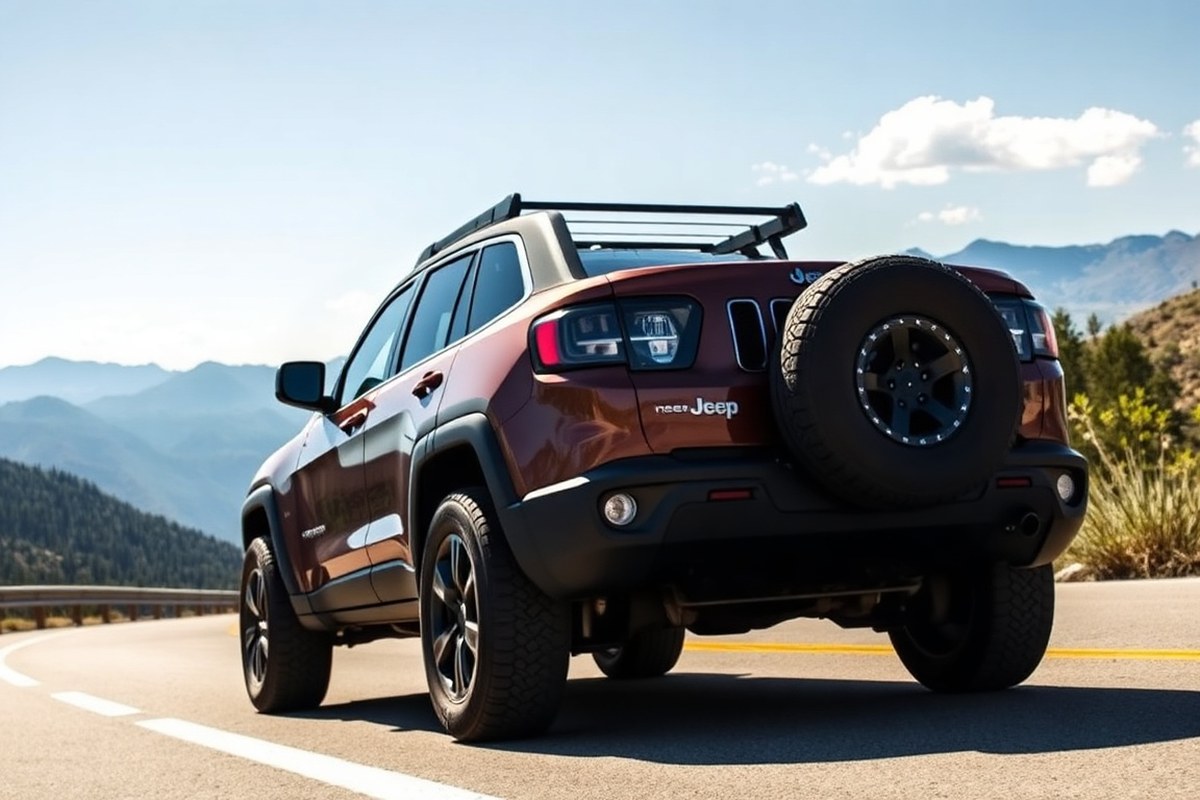
How many miles can a Cherokee Jeep last is a common question among buyers and owners. Typically, a well-maintained Jeep Cherokee lasts between 150,000 and 200,000 miles. Some even push beyond 250,000 miles with proper care and attention.
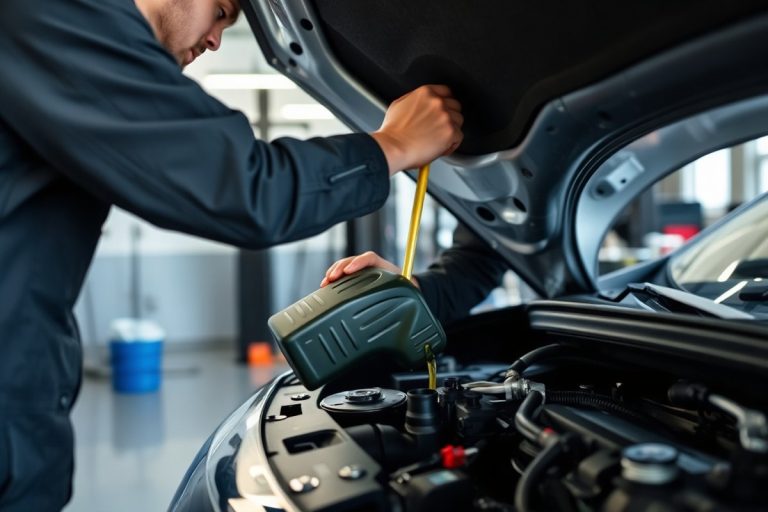
Changing the oil every 5,000 to 7,500 miles keeps your engine healthy. Missing these changes may cause engine damage and costly fixes. Also, checking fluids and filters during service catches problems early.
Driving habits play a big role in Jeep longevity. Avoiding sudden acceleration and heavy towing protects the transmission and brakes. Keeping your SUV clean and rust-free also helps prevent long-term damage.
Routine inspections of suspension and tires improve safety and performance. Fixing minor problems before they grow keeps your Cherokee on the road longer. Following these tips can extend the life of your Jeep by years.
Key Takeaways
- A well-maintained Jeep Cherokee typically lasts 150,000 to 200,000 miles.
- Changing oil every 5,000 to 7,500 miles helps engines last longer. It protects your Jeep’s engine from early wear.
- Proper driving habits reduce strain and prevent premature wear.
- Fix small mechanical problems early to avoid bigger repairs later.
- Some Cherokee models can reach over 250,000 miles with careful care.
- Avoid severe off-road use to protect vehicle components from damage.
How Many Miles Does a Jeep Cherokee Typically Last?
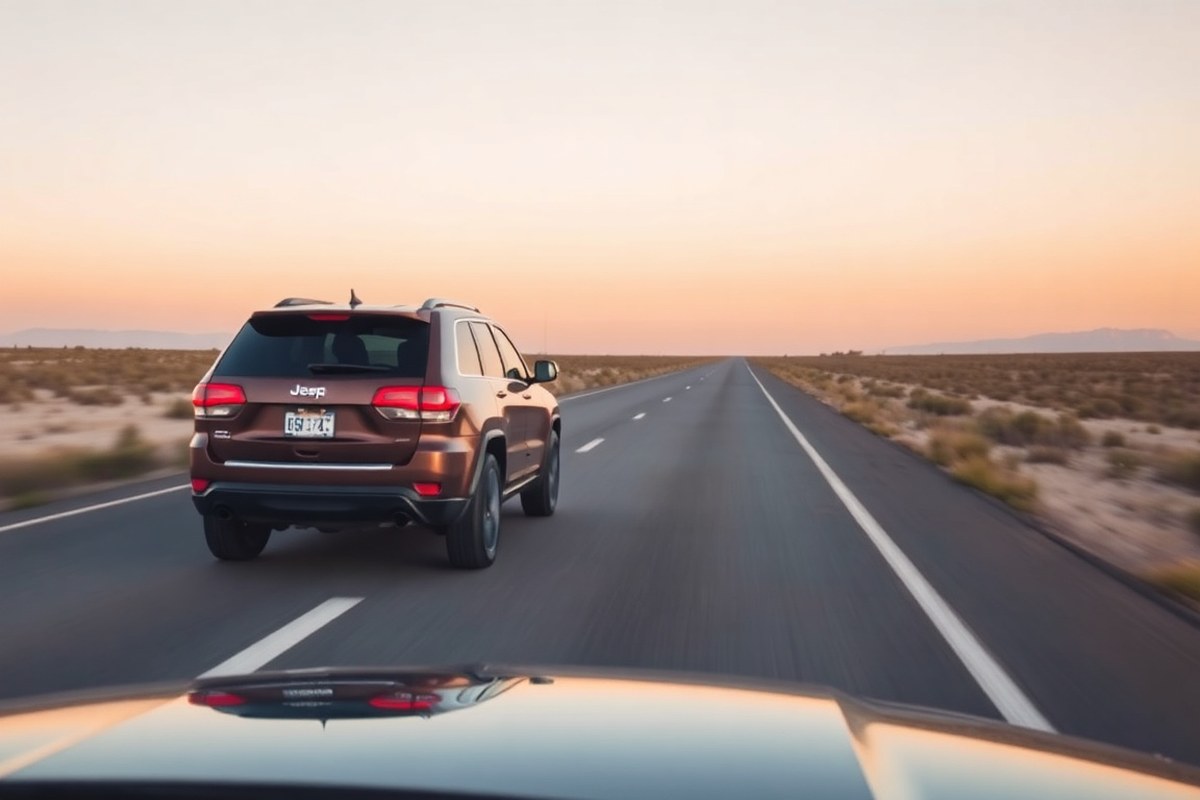
A Jeep Cherokee can last around 150,000 to 200,000 miles with good care. Many owners see their vehicles reach 200,000 miles by following regular maintenance. Some models, kept well, have even gone over 250,000 miles easily.
Your Cherokee’s lifespan mostly depends on how well you maintain it and your driving habits. Regular oil changes, timely repairs, and addressing minor issues early can keep it running strong.
Some owners report driving beyond 300,000 miles. This often happens after fixing or swapping key parts.
Most Cherokees stay reliable through 150,000 to 200,000 miles if you follow the maintenance schedule. After hitting 200,000 miles, expect more frequent repairs due to wear and tear. Despite that, many Cherokees remain roadworthy well into the 250,000 to 300,000-mile range with proper upkeep.
Which Jeep Cherokee Model Years Last the Longest?
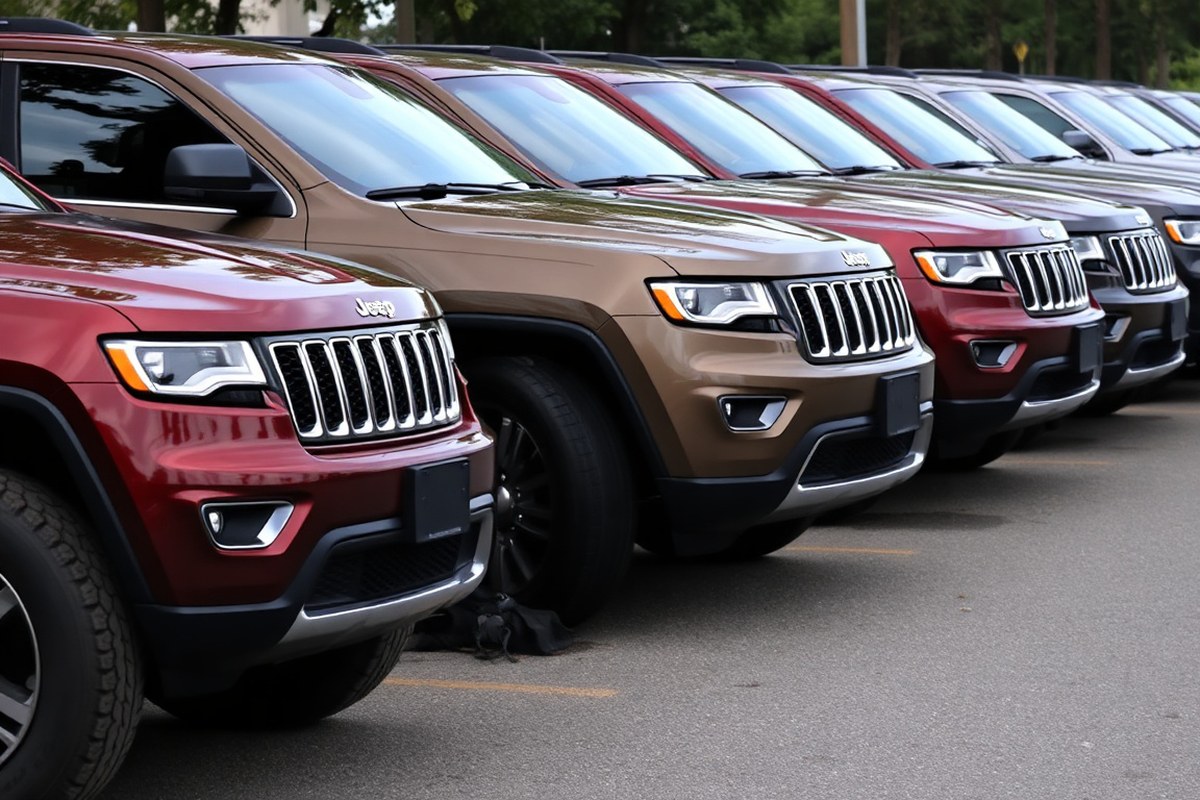
Older Jeep Cherokee XJ models tend to last the longest, often surpassing 200,000 miles. Modern Cherokees with the 3.6L Pentastar engine also offer good longevity but usually close to 150,000 to 200,000 miles. Diesel-powered Cherokees generally outlast gasoline versions, reaching 250,000 miles with proper care.
XJ Generation Durability Highlights
The XJ Cherokee, made between 1984 and 2001, is known for its rugged build and reliability. Many XJs surpass 300,000 miles when owners keep up with regular maintenance. This generation often appeals to enthusiasts who want a long-lasting, durable SUV.
Its simple design means fewer electronics and less chance of complex failures. Owners who change oil often and swap fluids see better engine life.
Regular care keeps these vehicles running longer. It helps avoid costly problems down the road.
Modern 3.2L Pentastar Engine Performance
Newer Cherokees often use the 3.2L Pentastar V6 engine, a modern option known for solid reliability. This engine typically reaches 150,000 to 200,000 miles under good maintenance routines. It balances power and fuel efficiency while lasting a respectable time.
Changing the oil every 5,000 to 7,500 miles keeps the engine safe. Skipping these changes leads to wear and lowers engine reliability. You can extend your engine’s life by keeping this schedule.
Known Issues by Model Year Range
Early Cherokees tend to have fewer electronics that might fail. But some have rust and suspension wear problems after high mileage. Between 2002 and 2013, Jeep Cherokee added new tech and engines.
These years sometimes face problems with transmissions and electrical parts. Check these systems carefully on those models. Newer models after 2014 face fewer mechanical issues but still depend on care and maintenance.
Diesel engine Cherokees often reach higher mileage, close to 250,000 miles. Gasoline engines usually max out around 200,000 miles if serviced well. Keep an eye on service history when buying Cherokee models in any range.
| Model | Engine Type | Estimated Average Mileage |
|---|---|---|
| Jeep Cherokee XJ (1984-2001) | Gasoline | 300,000+ miles |
| Jeep Cherokee (Newer Models) | 3.2L Pentastar V6 Gasoline | 150,000-200,000 miles |
| Jeep Cherokee Diesel | Diesel | 250,000 miles |
Knowing your Cherokee’s engine type and model year helps predict its lifespan. Well-kept older XJs can last much longer than some newer models with different engines. Diesel options offer extra life but require specific care.
Routine upkeep prevents major engine problems. You should change oil between 5,000 and 7,500 miles to maintain it. Keeping up with maintenance helps you avoid expensive repairs.
Maintenance Schedule to Maximize Cherokee Lifespan
Following a strict maintenance schedule helps your Jeep Cherokee last longer and run smoothly. Key tasks like oil changes, fluid checks, and brake inspections protect important parts from wear. Sticking to recommended intervals can prevent costly repairs and keep you driving safely for many miles.
Oil & Filter Change Frequency
Change your Cherokee’s oil every 5,000 to 7,500 miles or every 6 months, whichever comes first. Driving off-road or in harsh conditions may require more frequent changes around 5,000 miles. Fresh oil keeps the engine lubricated, prevents leaks, and stops dirt from damaging engine parts.
Use the right oil grade specified in your owner’s manual. An oil and filter change usually costs between $40 and $70 at most service shops. Changing oil on time keeps your engine running efficiently and avoids sludge build-up that harms performance.
Transmission & Fluid Service Intervals
Check your transmission fluid every 30,000 miles, especially in older Cherokees with a 9-speed automatic transmission. Dirty or low fluid can cause transmission slipping and early failure. Transmission fluid changes generally cost around $150 to $250 but extend the transmission’s life.
Coolant replacement should happen every 60,000 miles to stop overheating and engine damage. Brake system inspections are necessary every 10,000 miles to detect worn pads and leaks early. These simple checks avoid breakdowns and costly repairs later on.
Timing Belt, Spark Plugs, and Brake Checks
Replace the timing belt if your Cherokee’s manual recommends it, typically around 60,000 to 100,000 miles. A snapped timing belt can cause severe engine damage. Spark plugs usually need changing every 60,000 to 100,000 miles to keep your engine firing properly.
Regular brake inspections help spot pad wear, rotor issues, and leaks before failure occurs. Signs of bad brakes include squealing sounds or a soft pedal. Proper brake care adds to your safety and prevents more expensive repairs down the road.
- Oil & filter changes every 5,000 to 7,500 miles
- Transmission fluid checks and changes every 30,000 miles
- Coolant flush and replacement every 60,000 miles
- Brake inspections every 10,000 miles
- Timing belt replacement between 60,000 and 100,000 miles
- Spark plug replacement around 60,000 to 100,000 miles
- Tire rotation every 6,000 miles for even wear
High-mileage Cherokees need more frequent fluid checks to catch leaks early. Watch for transmission slipping or rough shifts, especially beyond 100,000 miles. Tires and brakes wear out faster when you go off-road.
Check them more often. Also, inspect them frequently if carrying heavy loads.
How Driving Habits Affect Jeep Cherokee Longevity
Highway driving generally helps your Jeep Cherokee last longer. Steady speeds reduce engine strain and brake wear. The engine runs cooler and oil circulates better on highways, cutting down on wear.
City driving causes more stop-and-go, which stresses brakes and the transmission. Frequent idling and quick acceleration wear parts faster. Your Cherokee’s fuel consumption also rises in city traffic, raising costs and engine heat.
Off-roading strains your Jeep differently. Rocks, mud, and uneven ground test suspension, tires, and drivetrain. Jeep Cherokees handle off-road driving well.
Constant hard use still wears shocks and CV joints faster. These parts need attention to avoid bigger problems.
Driving gently extends your Cherokee’s life the most. Smooth acceleration and braking lowers stress on the engine and brakes. Don’t overload or tow beyond your Jeep’s limits.
This prevents transmission damage. Repairing the transmission can cost thousands.
Use the right gear in steep or rough terrain to avoid overworking the engine. Lower RPMs mean less heat and wear. After off-roading, clean the undercarriage and check for damage or leaks to catch problems early.
Skipping bad habits like riding brakes downhill or aggressive acceleration saves money on repairs. This attention to driving style affects your Cherokee’s lifespan more than you might think. A healthy Jeep driven gently lasts longer.
Rough driving wears out parts faster. Even with more miles, gentle use beats harsh use.
Common Mechanical Issues and Their Impact on Mileage
Transmission failures and engine leaks are common problems that can reduce a Jeep Cherokee’s lifespan. Transmission problems usually start between 60,000 and 100,000 miles. You may notice gear slipping or hard shifts.
In some cases, the transmission can fail completely. Repairing these issues can cost $1,500 to $3,000.
This depends on your warranty or if a recall applies. Without coverage, expect to pay more.
Engine leaks, especially oil leaks, typically show up by 80,000 miles. They can lead to overheating or engine stalling, which damages internal parts and increases repair bills. Ignoring leaks risks more severe engine damage and potentially losing hundreds of miles of vehicle life.
- Transmission fluid leaks or software glitches in newer models may cause shifting problems.
- Engine stalling and overheating often indicate severe wear or missed maintenance.
- Electrical problems with the Totally Integrated Power Module (TIPM) can cause engine seizure.
- Oil leaks are usually small at first but can soon lead to bigger engine issues.
- Transmission failures can sometimes be addressed early by fluid changes and software updates.
Most affected models include 2012 and 2014 Cherokees, where transmission teardown or engine repairs become common. Repairs often need 10 to 20 hours of labor. Parts costs might approach what your Jeep is worth.
This makes fixing the issue expensive. Watch for hard shifts or fluid leaks early on. Catching problems soon helps control repair costs.
It can also delay when you replace your Jeep. Repairs can last another 30,000 miles if done promptly.
Watch for transmission warning signs and oil leaks early; catching them saves thousands later.
Failing to fix electrical issues can immobilize your Jeep completely. Symptoms like flickering lights or sudden stalling should not be ignored, even without official recalls. Most repairs take a few hours but require a skilled mechanic familiar with Jeep systems.
Fix mechanical problems promptly to avoid bigger issues down the road. Your Cherokee can last past 150,000 miles with good care. Proper repairs help keep it running longer.
Signs Your Jeep Cherokee Is Nearing Its Limit
Watch for frequent engine misfires or difficulty starting. These signs can mean worn spark plugs or deeper engine trouble.
Early detection helps avoid costly breakdowns. So check the engine light and listen for unusual noises often.
Transmission slipping or delayed shifting points to problems too. Your Cherokee hesitating to go into gear or shifting roughly suggests low or damaged transmission fluid.
Changing the fluid every 30,000 to 60,000 miles can reduce risk. But persistent issues mean professional inspection.
Leaking fluids under your Cherokee suggest trouble in the cooling, transmission, or engine systems. Look under the vehicle for green, red, or brown puddles. These leaks reduce important fluid levels and can cause severe mechanical failure if ignored.
Decreased fuel efficiency often signals engine or transmission wear. You might notice you fill up more often without driving differently.
Check the air filter, spark plugs, and tire pressure first. No improvements may mean it’s time to check your engine’s condition more closely.
Excessive exhaust smoke is another warning. White or blue smoke can mean burning oil or coolant inside the engine.
Black smoke suggests a rich fuel mix or injector trouble. Address these immediately to prevent major engine damage.
When repairs pile up, or repair costs near the vehicle’s value, think about replacement. Repair bills for transmission or engine rebuilds often exceed $2,000 or more. Consider your budget, how much longer the Cherokee has good parts, and your daily needs.
Keep a maintenance log to notice changes over time. Sudden drops in performance, odd smells, or strange vibrations require prompt attention. Catching issues early extends your Jeep’s reliable life and helps avoid emergency repairs.
Evaluating High Mileage Cherokee: Should You Buy One?
Buying a Jeep Cherokee with over 150,000 miles can work if you check its history closely. Look for detailed maintenance records showing regular oil changes, brake service, and coolant flushes. These records prove the previous owner cared for the vehicle, which helps predict future reliability.
Next, get a trusted mechanic to inspect the Cherokee. Ask them to check the engine, transmission, frame, and suspension for wear or damage. Have them test drive it and listen for unusual noises, like knocking or grinding.
Expect to spend around $100 to $200 for a thorough inspection. But it’s worth avoiding costly surprises.
Check for red flags such as oil leaks, rust in key areas, and uneven tire wear. Also, watch for a rough idle or difficulty shifting gears while driving. These signs mean the vehicle will need work soon.
Repairs could get expensive fast. High-mileage models are especially costly.
Focus on the engine’s condition. Simple, well-maintained engines can reach 300,000 miles or more. The Cherokee’s engine having a replaced timing belt or chain is a good sign.
It means the engine can last longer. Without these, expect costly repairs in the near future.
Use this rule: buy only with solid maintenance records. Also, get a mechanic’s clean bill of health. Both are needed.
This rule saves money in the long run by avoiding vehicles that need major repairs soon. Failing either check means you should think twice before buying.
Remember, a Cherokee can last 15 to 20 years with good care. Older models or those with incomplete histories might not make it that far without expensive fixes. You need to invest in repairs for high-mileage Cherokees.
This will help them last like newer ones. Be ready for this.
Practical Tips to Extend Your Jeep Cherokee’s Mileage
You can keep your Jeep Cherokee running after 200,000 miles. Just follow a daily care routine. Pay attention to small maintenance tasks regularly.
Consistent tire rotations, fluid checks, and smart driving habits make a big difference. Prepare your Cherokee for weather changes to avoid common wear and tear.
Regular Fluid & Tire Maintenance
Fluids keep your Cherokee running smoothly and protect internal parts. Check engine oil, transmission fluid, and coolant every month or before long trips. Changing fluids on schedule costs about $100 to $150 but can save thousands in engine repairs.
Rotating tires every 6,000 to 8,000 miles promotes even wear and extends their life. Getting this service done at a shop costs about $20 to $50. You can also do it yourself using basic tools.
Both options work well. Tires that wear evenly help maintain your SUV’s handling and fuel economy.
- Change engine oil and filter every 5,000 to 7,500 miles.
- Check transmission fluid level and color monthly.
- Inspect coolant level before and after winter.
- Tire rotation every 6,000 to 8,000 miles helps even out tread wear. This keeps your tires lasting longer and driving safe. Regular rotations protect your investment.
- Keep tire pressure at manufacturer’s recommended levels.
Ignoring fluid levels can cause costly engine or transmission damage.
Along with fluids, inspect brakes and windshield wipers every few months. Worn brakes and poor visibility increase risks and wear on your Cherokee. Replacing brake pads usually costs $150 to $300 per axle but prevents bigger issues.
Gentle Driving and Avoiding Overload
Hard acceleration, sudden stops, and heavy loads strain your Cherokee’s engine, brakes, and suspension. Drive smoothly and accelerate gradually to reduce wear on parts. Keep an eye on your cargo weight and avoid towing beyond your Cherokee’s limits.
Overloading the SUV can cause premature failure in the suspension system and brakes. Follow the owner’s manual for maximum cargo and towing capacities. Balancing weight inside the vehicle also helps control and reduces tire wear.
Hauling heavy loads regularly speeds up suspension and brake problems.
Keep your speed steady, especially on highways. High speeds raise engine temperature and tire wear. Slower, consistent speeds improve fuel efficiency and lower mechanical stress.
Seasonal Preparations for Harsh Conditions
Winter weather can cause rust and affect your Cherokee’s battery and fluids. Before cold sets in, switch to winter-rated oil and check your antifreeze strength. Clear off snow and ice promptly to prevent corrosion and damage to rubber seals.
Summer heat demands extra attention to cooling systems and tire pressure. Check radiator hoses and top off coolant before the hot months.
Heat causes tire pressure to rise. So monitor and adjust it regularly to avoid blowouts.
- Use winter-grade oil and antifreeze in cold months.
- Clear snow and ice from your Jeep daily in winter.
- Check battery health before winter seasons.
- Inspect and replace worn windshield wipers for rain and snow.
- Monitor coolant and radiator hoses in hot weather.
- Adjust tire pressure as temperatures fluctuate.
Missing seasonal checks can lead to rust, overheating, or battery failure.
Also, wash your Jeep frequently in winter to remove road salt. Salt buildup accelerates rust on the frame and undercarriage. Using a spray-on rust inhibitor yearly extends the body’s life significantly.
When Repairs Become Too Costly: Knowing When to Replace
Look at the repair costs compared to your Jeep Cherokee’s current value. When repairs add up to half your Jeep’s resale value, consider a replacement. Think about stopping repairs if costs keep climbing.
This usually means it’s time to move on. Say your Cherokee’s worth $5,000.
Spending over $2,500 on quick repairs isn’t smart. That’s usually a sign to rethink repairs.
Also notice how often your Cherokee needs repairs. Fixing small issues is normal. Visiting the shop every few weeks means costly repairs.
Your Jeep’s value is dropping fast. This can cost more than it’s worth. Frequent breakdowns mean you spend more time and money fixing it than driving it safely.
Focus on safety, too. Major problems with brakes, suspension, or engine can put you at risk. Repairs that don’t bring reliable performance again are no good.
Or those that fail quickly mean trouble. It’s safer to replace your vehicle then. A Cherokee with bad brakes or a shaky engine is risky.
Don’t put your safety on the line. Time to think about a new vehicle.
To decide clearly, make a repair log with dates and costs. Write down each fix and how much it costs. After the next few repairs, total the amounts.
Compare this to the Jeep’s resale price from sites like Kelley Blue Book. When repair costs near or pass half the Jeep’s value, plan to switch.
This keeps you ahead of expensive surprises. Don’t wait too long.
Keep in mind your budget and how much you drive. Using your Cherokee daily makes high repair costs worse. These can cause stress and inconvenience quickly.
Watch your spending carefully if that’s the case. In that case, replacing earlier saves money in the long run. Driving the Jeep less or keeping it as a project changes things.
You can stretch out repairs longer. This approach works if you don’t need it every day.
Some repairs can extend the Jeep’s life without costing a fortune. But watch out for surprise damage or big engine or transmission repairs.
Those often cost thousands and don’t always fix the root cause. At that point, buying a newer model or other vehicle will likely serve you better.
Sometimes selling the Jeep before a big repair is smarter. That way you can avoid losing more money. Think of repairs like investments.
You want a return, something that keeps your Jeep running years longer. Repairs don’t improve your Jeep? Then it’s smarter to replace it.
Holding onto it won’t save money or trouble. Time for a switch.
Step-by-Step Action Plan to Boost Your Jeep Cherokee’s Life
Follow this simple plan to help your Cherokee last longer and perform better. Each step helps catch problems early and keeps your Jeep running strong.
- Week 1: Check your owner’s manual and write down your Cherokee’s maintenance schedule. Knowing the exact service intervals helps you stay on track.
- Week 2: Inspect all fluid levels, especially oil and coolant. Top them up or change as needed. Clean fluids reduce wear and prevent engine damage.
- Month 1: Rotate your tires and check for even wear signs. This improves handling and extends tire life.
- Month 3: Get a brake inspection. Healthy brakes are important and help avoid expensive repairs down the road.
- Every 6 months: Check belts, hoses, and filters for cracks or clogs. Replace any worn parts to prevent breakdowns.
- After 1 year or 12,000 miles: Schedule a full service including spark plugs and air filters. This keeps your engine efficient and smooth.
- Continuously: Avoid harsh driving habits like rapid acceleration. Smoother driving lowers stress on your Cherokee’s parts and improves mileage.
Frequently Asked Questions
How Many Miles Can a Jeep Cherokee Last with Average Use?
A Jeep Cherokee can last 200,000 to 300,000 miles with care and upkeep. How you drive and maintain it often decides if you hit those numbers. Good habits will help your Cherokee run many miles without problems.
What Maintenance Tips Help a Jeep Cherokee Surpass 200,000 Miles?
Change oil every 5,000 to 7,500 miles to keep the engine fit. Regularly check your brakes, tires, and fluid levels for safety. Doing this helps you avoid expensive repairs later on your Cherokee.
Can a Jeep Cherokee Last Beyond 250,000 Miles?
Yes, some well-maintained Cherokee models have surpassed 250,000 miles. Routine care and addressing small issues early make this possible.
How Do Environmental Conditions Affect Jeep Cherokee Lifespan?
Harsh weather, salty roads, and extreme heat accelerate wear and rust. Protect your Jeep with regular washes and rust-proofing if you live in tough climates.
Should I Expect Different Longevity from Various Jeep Cherokee Model Years?
Older models might last less due to wear and outdated technology. Newer models often have better durability and parts availability, improving lifespan.
The Bottom Line
Your Jeep Cherokee can last well beyond 150,000 miles with proper care. Start by following the maintenance checklists and drive gently each day. That’s the best way to keep your Cherokee reliable and ready for every road ahead.