What Style of Driving Causes Increased Risk to Everyone: A Complete Guide with Effective Prevention
Aggressive or competitive driving raises danger for everyone on the road. Sudden lane shifts, tailgating, and speeding are part of this. These unsafe actions threaten drivers and passengers alike.
Running red lights, ignoring stop signs, and weaving through traffic also increase risks. These habits reduce reaction time and cause unpredictable situations. They can lead to serious crashes and injuries.
Aggressive driving often combines with distracted or angry driving, raising crash chances even more. Avoiding these behaviors helps keep roads safer for everyone. Focus on steady control and patience behind the wheel.
Watch out for drivers who rush or show road rage. Staying calm and alert can prevent conflicts and crashes. Slow down and give space to aggressive drivers to reduce your risk.
Key Takeaways
- Aggressive driving, like speeding and tailgating, greatly increases crash risk.
- Distracted driving is illegal in most states and leads to serious accidents.
- Keeping calm and patient behind the wheel reduces road dangers.
- Giving space to aggressive drivers lowers your chance of a crash.
- Slow, smooth driving helps prevent common driver errors.
- Watch for angry or reckless drivers to avoid potential conflicts.
What Driving Styles Increase Risk for Everyone on the Road?
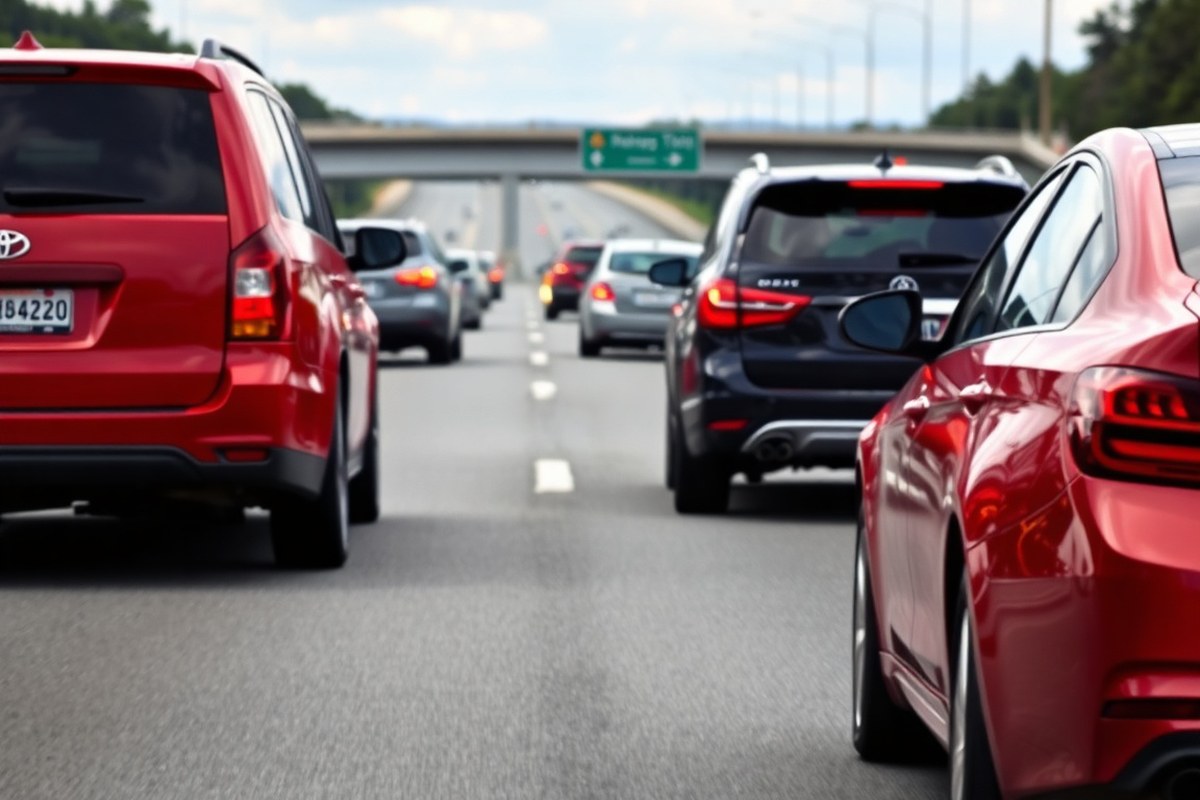
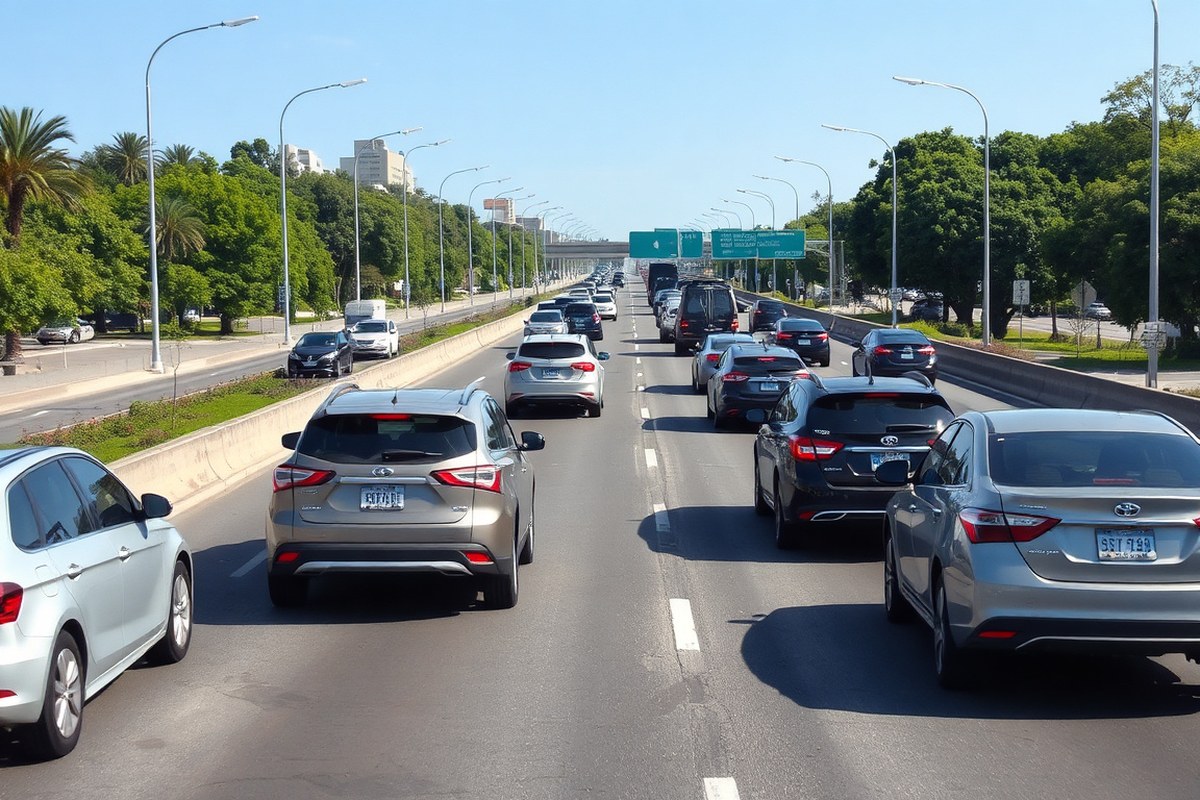
Driving aggressively raises risks for everyone on the road nearby. Speeding, tailgating, lane weaving, and road rage all harm safety. These habits cut down reaction time and boost crash chances for others.
Aggressive driving breaks safety rules to push ahead or speed up. Drivers who battle for space often face sudden stops or crashes. This hostile approach can provoke road rage, raising stress and distraction.
Aggressive driving is dangerous daily on highways, city streets, and during commutes. It causes unpredictable traffic flow and more accidents than inattentive or distracted driving alone. Drivers who often behave aggressively risk their lives daily.
They also put other people’s safety at high risk. This behavior creates dangerous road moments all the time.
Competitive driving involves constant pressure to overtake and be first, which compromises safety. Defensive driving, on the other hand, means anticipating hazards and giving others space. Following speed limits, maintaining safe distances, and avoiding sudden moves reduces risks for all road users.
Choosing defensive driving takes focus and patience but lowers the odds of crashes significantly. It costs you some time and calmness but adds years to your driving career and safety. Aggressive drivers pay more for car fixes and insurance each year.
They also face steeper legal penalties for causing harm. These drivers end up with bigger expenses in many ways.
Teen drivers are especially vulnerable when they adopt aggressive styles. Lack of experience combined with risk-taking makes crashes more likely and often deadly. Graduated licensing systems aim to curb this by limiting high-risk situations until teens build skills systematically.
Technology like automatic braking and lane warnings helps reduce dangers linked to aggressive driving. These tools detect unsafe moves and alert drivers before crashes happen. Still, the best defense is for drivers themselves to stay patient and respect traffic rules.
Road safety depends on everyone choosing responsible driving styles instead of competition. Aggressive driving spreads risk across entire communities, raising costs in medical bills and lost work time. Changing your driving style helps keep you safer on the road.
It also protects other drivers, passengers, and pedestrians around you. Safer driving benefits everyone sharing the streets.
Key Risky Driving Behaviors That improve Crash Likelihood
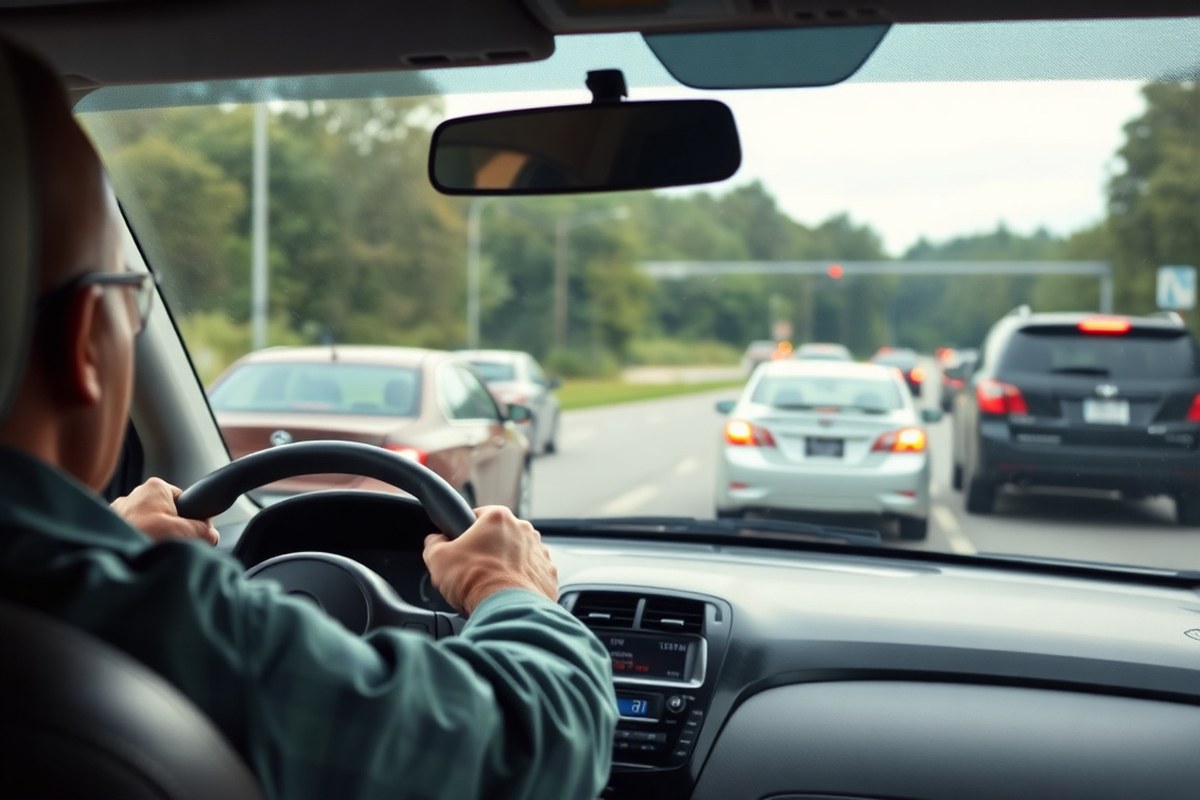
Aggressive and reckless driving behaviors greatly increase accident risks for everyone. Speeding ten or more mph over the limit quadruples your fatal crash risk. Tailgating, or following less than three seconds behind, makes rear-end collisions five times more likely.
Speeding shortens the time to react to hazards. Tailgating removes the safety space needed to brake safely.
Lane weaving, or sudden lane changes without signaling, confuses other drivers and raises crash chances. These actions cut down the reaction time others have to avoid collisions.
- Speeding over 10 mph above the limit quadruples fatal crash risk
- Tailgating under 3 seconds behind raises rear-end collisions fivefold
- Distracted driving slows reaction time by up to 50%
- Texting or adjusting GPS increases crash likelihood 23 times
- Aggressive lane changes disrupt traffic flow and cause side impacts
Distracted driving includes texting, eating, or adjusting controls. It can increase crash chances 23 times over normal driving. Your reaction time can get up to four times longer.
This causes dangerous delays in braking. It also slows steering away from hazards. Even quick glances at your phone slow responses and risk collisions.
Keep your eyes on the road and hands on the wheel. Distractions can cost lives.
Reckless driving often involves thrill-seeking and breaking traffic rules on purpose. People acting this way may score lower on agreeableness. They also show less self-control.
This link relates to riskier habits. These choices don’t just harm the reckless driver, they create hazards for all road users.
Differences Between Aggressive, Reckless, Angry, and Anxious Driving
The four main risky driving styles are aggressive, reckless, angry, and anxious driving. Each style shows different behaviors and personality traits on the road. These differences matter because they affect how likely a driver is to cause accidents.
Aggressive Driving Characteristics
Aggressive driving includes speeding, tailgating, and frequent lane changes. This style shows impatience and a desire to dominate the road.
Men, especially younger ones, use this style more than women do. This makes it common among young male drivers.
This style raises risk by increasing conflict chances with other drivers. Quick reactions to perceived slights or road slowdowns push drivers toward unsafe moves. Many states see aggressive driving as a traffic violation.
Penalties range from $200 to $500. Repeat offenders might lose their license.
Reckless Driving Traits
Reckless driving means ignoring traffic laws like running red lights or speeding dangerously. It involves poor judgment about risks and driving too fast for conditions.
Older drivers tend to be less reckless. Younger, especially male drivers, are more prone to this style.
Reckless driving adds risk due to slower perception-reaction times and riskier vehicle control choices. It combines how drivers react, handle their cars, and underestimate hazards. This style often leads to serious crashes because it pushes limits on speed and safety.
Anxious and Angry Driving Styles
Anxious driving comes from fear or nervousness behind the wheel. Anxious drivers may drive too slowly or hesitate excessively. This style might lead to fewer miles driven, as some anxious drivers avoid driving when possible.
Angry driving includes road rage, shouting, and aggressive gestures but differs from general aggressive driving. This style comes from frustration and can escalate unsafe actions fast.
Both styles increase risk. But anxiety raises crash chances by hesitation, while anger increases confrontations.
| Driving Style | Key Traits | Common Personality | More Common In | Effect on Risk |
|---|---|---|---|---|
| Aggressive | Speeding, tailgating, lane changes | Impatient, dominating | Young men | High risk from conflicts |
| Reckless | Ignoring signals, speeding too fast | Risk-taking, poor judgment | Younger drivers | High risk due to poor control |
| Anxious | Hesitation, driving slowly | Nervous, cautious | Less clear; avoid driving | Risk from hesitation |
| Angry | Road rage, aggressive gestures | Frustrated, impulsive | Men more than women | Risk from aggressive acts |
How Driver Error and Distraction Contribute to Road Crashes
Distracted driving draws your attention away from the road, raising crash risk sharply. Texting, fiddling with the radio, or using a phone distracts you. These actions make it harder to spot hazards fast.
Staying focused helps you notice danger quickly. When your focus diverts, reaction times slow and the chance of a crash grows.
Driver errors cause many crashes. Studies show about 94% of fatal crashes involve mistakes by drivers. These errors play a major role in accidents.
Fatigue, a common error, impairs judgment and slows responses just like distraction. Tired drivers often miss important signs.
They also may not react well in emergencies. This can lead to serious crashes.
Driving while fatigued is as dangerous as drunk driving. It impacts your steering, attention, and ability to make quick decisions.
You might nod off without warning, especially during long drives or night shifts. The risk increases when combined with distractions or poor road conditions.
Distracted and fatigued driving can be prevented by staying focused and taking breaks. Plan rest stops every two hours or 100 miles on long trips. Stop driving right away if you feel drowsy.
Drowsiness reduces your focus and reaction time. Pull over safely and rest before continuing. Using hands-free devices helps but doesn’t fully remove distraction risks.
Most states ban texting and handheld phone use while driving. These laws aim to reduce distraction-related crashes. Following them helps improve road safety.
Penalties reach up to $1,500 fines and even jail for causing injury. These rules encourage drivers to keep their eyes on the road and hands on the wheel.
Public education and defensive driving courses help reduce crashes linked to distraction and fatigue. They teach drivers how to recognize signs of drowsiness and avoid multi-tasking behind the wheel. Following these steps lowers risks and keeps everyone safer on the road.
Legal Penalties and Enforcement for Dangerous Driving Styles
Driving aggressively, recklessly, or while distracted can lead to serious legal trouble. Typical penalties include steep fines, license suspensions, or even jail time depending on the offense’s severity. For example, speeding or tailgating can carry fines ranging from $100 to over $1,000.
License suspensions often happen after repeat or serious violations. Aggressive or distracted driving that causes a crash usually triggers them. Suspensions can last from several months up to one year.
Younger and novice drivers often face longer suspensions. Jail time is possible if reckless driving causes injury or death. Sentences depend on each state’s laws.
Law enforcement uses traffic stops, checkpoints, and cameras to catch offenders. These strategies encourage safer driving by increasing the chance of being caught and fined.
Many states ban hand-held phone use while driving. First offense fines usually range from $100 to $500.
Enforced penalties discourage risky behavior but work best combined with education. Drivers tend to correct habits when they face consistent consequences and clear rules. However, inconsistent enforcement or low fines may reduce the deterrent effect and let dangerous habits continue.
Know your local driving laws to avoid trouble. Don’t tailgate or use your phone while driving.
Repeat offenders, especially teens, face stricter penalties under graduated licensing rules. These punishments aim to reduce crashes and protect everyone sharing the road.
Stay focused on the road and obey speed limits. This helps you avoid fines and losing your license.
How Graduated Driver Licensing Reduces Risk Among Teens
Graduated driver licensing (GDL) reduces teen crash risks by easing new drivers into full driving privileges. GDL includes stages: the learner’s permit, intermediate license, and full license. Each stage sets limits that help teens build skills and drive more safely.
Learner’s Permit Stage Requirements
The learner’s permit requires supervised driving, which builds important skills before driving alone. It often mandates a set number of practice hours, usually 30 to 50, spread over months. This hands-on training teaches teens basic vehicle control.
They also learn traffic rules from an experienced adult. This helps prepare them for safe driving alone.
Night driving might be banned or limited during this stage. Also, using mobile devices while driving is usually prohibited. These rules reduce distractions and risky conditions while teens gain experience behind the wheel.
Intermediate License Restrictions
After earning the learner’s permit, teens enter an intermediate stage with several key limits. These include restrictions on nighttime driving and passenger numbers to reduce risk factors. For example, many states limit teen drivers from 10 p.m. To 5 a.m. And allow only one non-family passenger under age 21.
These settings lower crash risks by limiting complex driving situations and distractions. The Insurance Institute for Highway Safety reports these rules help. They cut teen crash rates by 20 to 40 percent.
This shows how important rules are for safety. Teens learn to manage driving solo in safer, simpler settings.
Full License with Continued Safety Requirements
Full licensure usually comes after 12 to 18 months of intermediate driving. Though teens can drive without passenger or curfew limits, some states keep safety requirements.
These include mandatory seat belt use and no alcohol laws for teen drivers. Some states use technology like in-car monitoring devices to encourage safe driving.
Continued education and monitoring help maintain safe habits and lower crash risks. The focus shifts from restrictions to promoting responsible choices as teens gain more experience. Parents and insurers may also require proof of safe driving before dropping supervision or coverage conditions.
Steps to navigate GDL stages effectively:
- Apply for a learner’s permit and complete required knowledge tests.
- Log the mandated practice driving hours with a qualified adult.
- Follow all restrictions during the permit stage, like no night driving.
- Take the driving skills test to get the intermediate license.
- Observe passenger and nighttime driving limits during the intermediate period.
- Complete any required driver education classes or defensive driving courses.
- Maintain a clean driving record to qualify for a full license.
- Continue practicing safe driving habits even after full licensure.
Recognizing and Responding to Aggressive or Reckless Drivers
Spotting aggressive or reckless drivers early helps you stay safe. Watch how others behave and give yourself space. Knowing how to respond lowers the chance of crashes and road rage.
Common Warning Signs of Aggressive Driving
Aggressive drivers often speed well above the limit and tailgate closely. They may weave between lanes and cut off other vehicles without signaling. Watch for sudden braking or flashing headlights to rush others.
Drivers who slam their brakes or honk repeatedly might lose control of their temper. They often exceed speed limits by 10 to 20 mph, pushing other drivers to react fast. You might notice angry gestures or yelling out the window.
Competitive driving like trying to beat traffic or ignoring signs is a red flag. These drivers treat the road like a race, raising risks for everyone near them. Stay alert for aggressive moves around intersections or merges.
Safe Distance and Avoidance Strategies
Keep a comfortable distance by leaving at least three seconds behind any suspect vehicle. This gives you time to react if they brake suddenly or swerve. In bad weather, add more space since stopping distances increase.
Slow down slightly and avoid matching the aggressive driver’s speed or actions. Try to change lanes safely or take the next exit if you feel unsafe. Don’t make eye contact or respond with hand gestures as this can escalate tension.
Use your mirrors often to track aggressive drivers’ movements but don’t fixate on them. Stay calm and focused ahead, watching other traffic hazards too. Let aggressive drivers pass instead of blocking or confronting them.
Reporting Dangerous Drivers to Authorities
You see a driver risking others’ safety often. Call the police using the non-emergency number.
Provide the vehicle’s make, model, color, and license plate if possible. Include the location, direction, and behavior you observed.
Don’t follow or record the driver while driving. It can distract you. This distraction can cause accidents.
Use your phone only after you stop or when safely parked. Reporting helps local law enforcement respond to ongoing threats.
Some states offer apps or hotlines specifically for reporting road hazards and reckless driving. Check your state’s transportation department website for those tools. Sharing detailed info can prevent crashes and protect other drivers.
How Vehicle Safety Technologies Help Mitigate Driving Risks
Advanced driver assistance systems (ADAS) reduce risks caused by aggressive driving. These technologies warn you if you follow too closely or drift out of your lane. They can slow or stop your car automatically to avoid crashes, especially rear-end collisions.
Automatic emergency braking (AEB) helps prevent most rear-end crashes. It senses when you approach a slower vehicle too fast and applies brakes quickly. This technology reduces crashes by up to 50%, according to various safety studies.
Lane departure warnings alert you when your car moves out of its lane without signaling. This lowers the chance of side collisions, commonly seen in aggressive or distracted driving. Adaptive cruise control keeps a safe distance from cars ahead.
It adjusts speed smoothly to avoid sudden braking. This helps maintain safety on the road.
These features come standard on many new cars. They usually add $500 to $2,000 extra on mid-range vehicles. The price depends on the car model.
Older cars might need aftermarket kits, which often cost $300 to $800 plus professional installation. Keep in mind that these systems need clear sensors and cameras to work properly. So dirt and weather can reduce their performance.
Benefits show when drivers stay alert while using ADAS. Treat these systems as support, not as replacements for focus. Always keep your attention on the road.
Overreliance or ignoring warnings can lead to accidents, especially in complex, fast-changing traffic. ADAS often performs best on highways where steady speeds allow sensors to track surrounding cars easily.
Never rely solely on automatic braking; keep a safe following distance and stay alert.
Practical Tips for Parents to Prevent Teen Reckless Driving
Practical Tips for Parents to Prevent Teen Reckless Driving
You can help your teen learn safe driving by setting clear rules and example. Talk openly about the dangers of reckless driving, like speeding or tailgating. Share real stories or news reports to make risks feel real and immediate.
Using technology can make supervision easier without riding along every time. Devices track your teen’s speed and braking habits. They give facts, not guesses.
You get clear driving info. Some apps send alerts when your teen drives late at night or outside allowed areas.
Different situations call for specific steps. Review local laws before your teen drives at night. Set strict curfew limits too.
Explain these rules clearly. When your teen drives with friends, explain the extra distractions and remind them to keep focus. Practice driving in daylight first, then move to tougher conditions like rain or highway driving.
- Set a teen driving contract that spells out rules and consequences.
- Start with short trips on quiet streets to build skills and confidence.
- Use GPS tracking or driving apps that alert about speeding or harsh stops.
- Agree on no phones or distractions while driving.
- Schedule regular talks to discuss driving experiences and concerns.
- Gradually add more challenging driving situations to build ability.
- Model calm and focused driving so your teen learns by watching.
Good results show when your teen respects limits and drives more safely over time. Talk to your teen right away if they hide driving info or break rules. Tracking apps or devices usually cost $50 to $200 upfront.
They often charge about $10 monthly too. This is a small price to help avoid accidents and save lives.
Ongoing communication matters as much as monitoring tools. Use calm, supportive language so your teen feels comfortable sharing tricky moments.
Praise improvements to encourage good habits. This builds trust and encourages your teen to drive safely over time.
Step-by-Step Action Plan to Drive Safer and Reduce Risks
Start making safer choices behind the wheel today with these clear steps. Each one helps lower risks for you and everyone else.
- Before your next drive: Check your mood. If you feel angry or stressed, take five minutes to calm down. A clear head means safer driving.
- Day 1: Practice keeping a safe following distance. Use the “3-second rule” as a minimum. You’ll know it works when you have more time to react.
- Week 1: Avoid distractions like texting or eating. Turn your phone on Do Not Disturb. Notice how much focus improves on the road.
- Week 2: Watch your speed closely. Use cruise control if available. You’ll feel more in control and reduce crash chances.
- Week 3: Learn to recognize signs of aggressive or reckless drivers near you. Keep distance, avoid eye contact, and stay calm. See how you feel safer and less stressed.
- Month 1: Share with family or friends your safe driving goals. Ask them to help remind you. You’ll find extra support helps you stick with good habits.
- Every drive: Check your vehicle safety features before starting. Check brakes, mirrors, and alerts. These small checks improve your overall safety.
Frequently Asked Questions
What Style of Driving Causes Increased Risk to Everyone?
The driving style that raises risk for everyone is aggressive or competitive driving. It includes behaviors like speeding and tailgating that put all road users in danger. Avoidance and calm driving reduce overall crash chances.
Where Can Learners Find Reliable Help for the 2026 Defensive Driving Course Final Exam?
The best place to find answers is official course materials. These materials include practice tests linked to the course provider. Check these sources to study effectively.
Avoid unverified websites with test answers as they may be outdated or inaccurate. Studying official guides builds safer habits too.
What Common Questions Trip People Up on the Driving Theory Test?
Many fail questions about right-of-way rules, hazard perception, and safe following distance. These topics challenge new drivers because they require predicting others’ actions. Focus practice on road scenarios to improve test performance and real-world safety.
What Does Subconscious Driving Mean, and Why Is It Risky?
Subconscious driving is when you operate the car on autopilot, like zoning out. It leads to delayed reactions and missed hazards. Staying mentally alert and practicing mindfulness behind the wheel lowers this risk.
Which Type of Aggressive Driving Happens Most Often?
Tailgating is the most common form of aggressive driving. It pressures drivers to speed or brake suddenly, increasing crash risks for everyone. Keeping a safe distance helps avoid tense situations and accidents.
Final Thoughts
Risky driving styles put everyone’s safety in danger. Stay calm, focused, and respectful on the road to protect yourself and others. Begin with one safer habit now and build from there.