Can I Drive My RV to Work? Clear Rules and Practical Tips
Can I drive my RV to work? It depends on your RV’s size and weight.
Most RVs under 26,000 pounds don’t need a special license. You can drive these just like a regular car.
Larger RVs usually need a special license or permit to drive. Each state sets its own limits for RVs heavier than 26,000 pounds or longer than 45 feet. It’s essential to check your RV’s weight before driving it to work.
Check your driver’s license and RV specs to avoid fines or legal trouble. Larger RVs may face road restrictions or limited parking in cities. Employers might also set rules for parking big vehicles near work.
Plan your route and parking options in advance. This helps make your daily RV commute easier and less stressful on busy days.
Key Takeaways
- Drive RVs under 26,000 pounds with a standard driver’s license (Class C).
- Get a Class A or B license if your RV weighs 26,000+ pounds.
- Check state laws; Hawaii and DC require CDL for heavier motorhomes.
- RVs longer than 45 feet might need a CDL, especially in Wisconsin.
- Look at your RV’s gross vehicle weight rating (GVWR) to know license needs.
- Consider parking limits near work before commuting with a large RV.
Can You Drive Your RV to Work Legally?
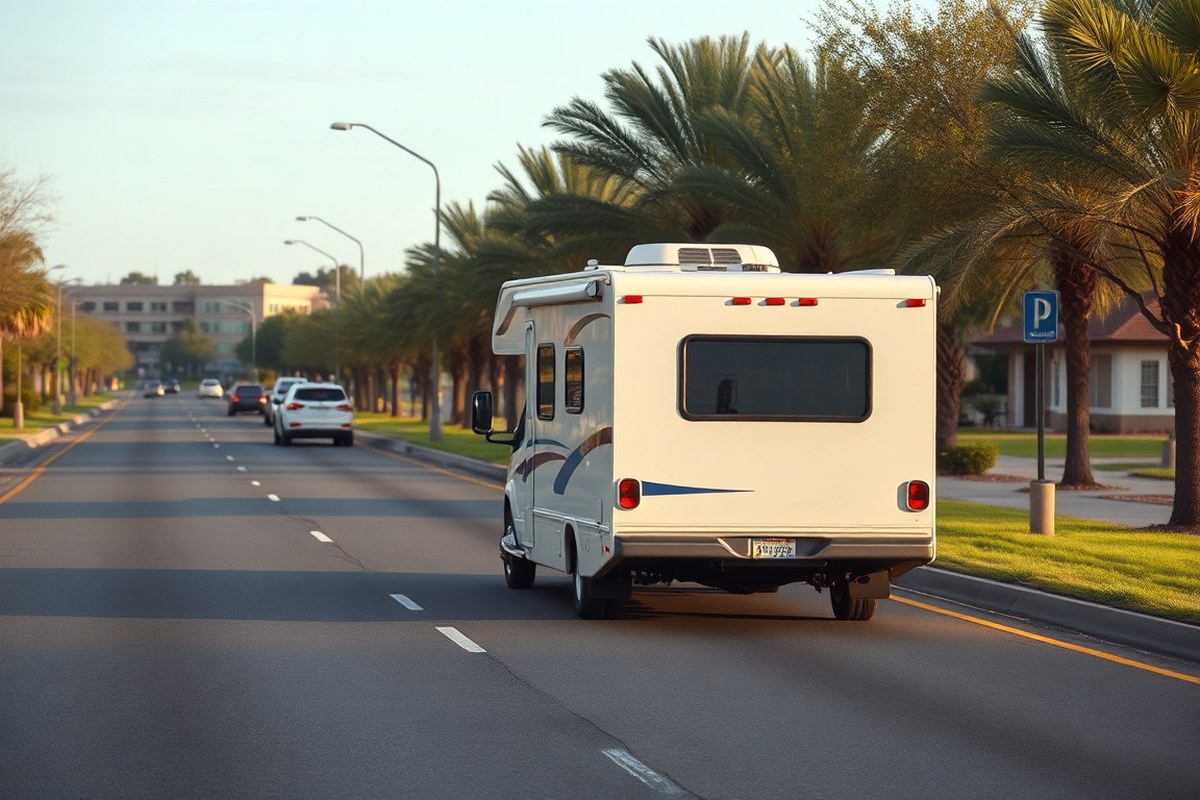
You can legally drive your RV to work daily as long as it meets basic rules. Most RVs weigh less than 26,000 pounds. So a standard driver’s license lets you operate them for personal use.
Class B and Class C RVs usually fit this category. They don’t need a special license.
Heavy RVs like Class A motorhomes sometimes weigh over 26,000 pounds. They can also be longer than 45 feet. Some states require a commercial driver’s license for these vehicles.
Others ask for a special non-commercial RV license. Maryland, for example, requires a special driver’s license for RVs over 26,000 pounds.
Check your RV’s weight and length first. Your vehicle needs only your regular Class C license if it is under 26,000 pounds and shorter than 45 feet. When your RV is larger or heavier, check your state’s rules.
See if you need a commercial or special license. This step prevents fines or legal trouble during your commute.
What License Is Required to Drive Your RV to Work?
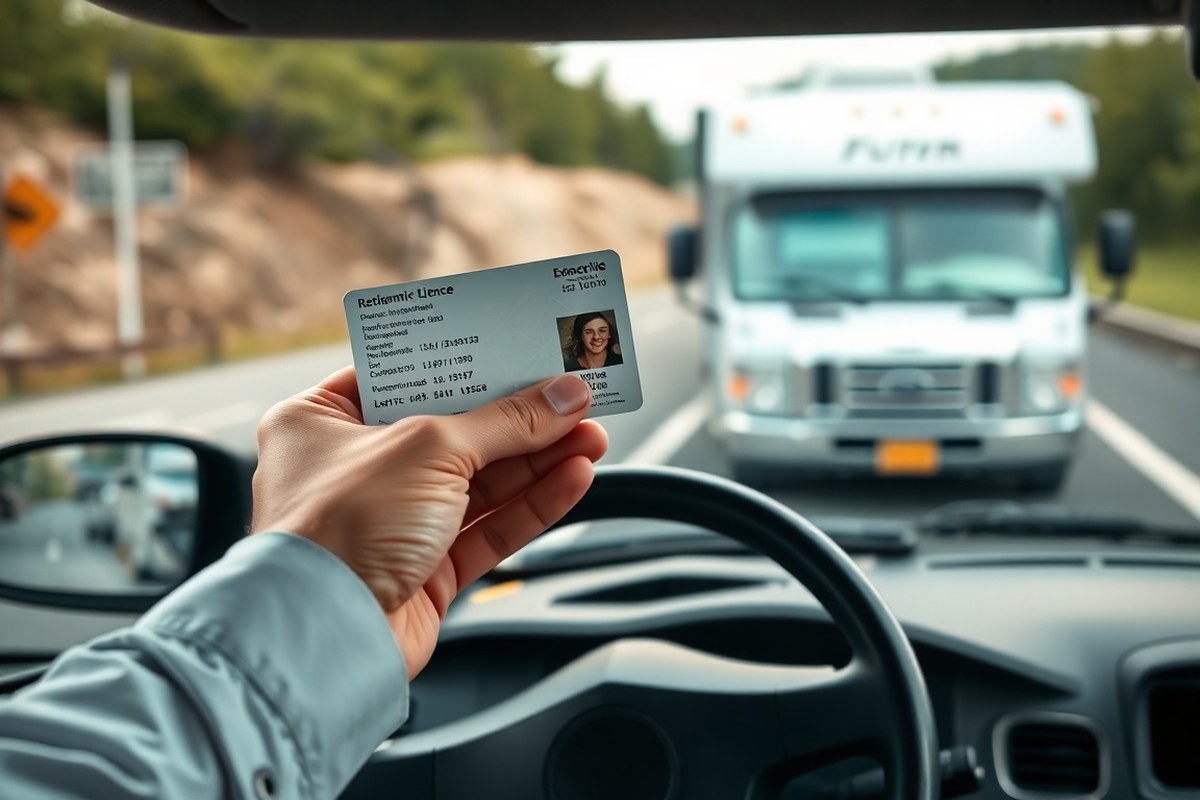
Driving your RV to work requires the right driver’s license based on its size and weight. Most standard licenses allow you to drive smaller RVs. However, heavier and longer RVs often need special non-commercial or commercial licenses.
A non-commercial Class A license lets you drive heavy vehicle combos. These weigh over 26,000 pounds combined. It’s for big RV setups.
This includes a Class G trailer weighing more than 10,000 pounds. This license works for many large RV arrangements. It’s not a commercial license.
The non-commercial Class B lets you drive one vehicle over 26,000 pounds. For example, California requires it if your RV is that heavy or longer than 40 feet. This license differs from a commercial driver’s license.
Class C non-commercial licenses vary by state. For instance, Wyoming requires a non-commercial Class C for RVs over 26,000 pounds.
Unlike commercial Class C licenses, non-commercial ones don’t require you to haul passengers or hazardous materials. This license usually covers smaller RVs or those within specific weight limits.
A commercial driver’s license (CDL) is generally not required for personal RV use. The Federal Motor Carrier Safety Administration does not require a CDL for recreational use. This applies when the RV is not for business.
So, you can drive for personal use without a CDL. However, some states like Wisconsin require a CDL if your RV exceeds 45 feet in length. Other states may have similar rules, especially if you tow heavy trailers.
Some states add unique requirements. South Carolina demands a Class E license for all RVs over 26,000 pounds. It’s best to check your specific state’s rules since weight and length thresholds vary.
Your RV plus trailer might weigh more than 26,000 pounds. Then, you could need a non-commercial Class F license. It’s a different requirement from the usual.
Check your RV’s GVWR and your state’s license classes before driving. Laws can vary widely.
Non-commercial Class A is for combos over 26,000 pounds. Class B covers single heavy vehicles over 26,000 pounds. Class C usually covers mid-sized RVs.
Class F often applies to combos over 26,000 pounds with towing. The CDL is mainly for commercial use or oversized RVs in some states.
How State Laws Affect Your Ability to Drive an RV to Work
Most states let you drive an RV to work without a special license. This applies if the RV weighs under 26,000 pounds. The rule is mainly about the vehicle’s weight limit.
Above that weight, specific license rules kick in, varying from state to state. Some states have unique exceptions based on length or vehicle type. So check your local rules before you hit the road.
States with Special License Requirements
Several states require a special license if your RV’s weight goes over 26,000 pounds. This means you need a Class B or similar license to drive heavier rigs legally.
Rules change if you’re towing a trailer. They also differ for larger motorhomes like a Class A. You should check specific rules for your vehicle type.
Common states with such requirements include California, Maryland, North Carolina, and Nevada. Each requires non-commercial Class B or similar licenses for personal RVs that exceed the weight limit. Michigan mandates a recreational endorsement for towing specific trailers like fifth wheels.
| State | Licensing Requirement |
|---|---|
| California | Class B license for vehicles over 26,000 pounds |
| Maryland | Class B license for vehicles over 26,000 pounds |
| Michigan | Recreational endorsement for towing a fifth wheel |
| North Carolina | Class B for vehicles over 26,000 pounds |
| Nevada | Class B for vehicles over 26,000 pounds |
Drivers with lighter RVs usually only need a regular driver’s license. Make sure your license matches the state where you’re registered or where you primarily drive.
Unique Length or Weight Exceptions by State
Length limits rarely affect licensing. But some states do factor RV size into their rules.
Motorhomes over 40 feet long might trigger a need for special permits or endorsements. However, the main focus remains on weight.
Few states have special rules for some Class A RVs. These rules depend on the RV’s length or home state.
Not all Class A RVs follow the same license laws. Some places differentiate between commercial and non-commercial vehicles, offering exemptions for personal RVs below particular thresholds.
The exact weight that triggers a special license usually centers around 26,000 pounds. But you may find small variations or extra requirements for towing. Length rarely causes licensing issues alone but may affect parking and road use.
How to Verify Your State’s RV Licensing Laws
Start by visiting your state’s Department of Motor Vehicles (DMV) website. Most states list driver’s license classes and weight limits for RVs there. Some DMVs even offer specific RV or recreational vehicle licensing sections to clarify exceptions.
Call or email your DMV if the website isn’t clear or up to date. Laws change, so relying on the most current information avoids fines or licensing issues. Checking before buying or driving your RV to work saves time and headaches.
Keep a copy of your RV’s weight and registration paperwork handy. It helps when you speak to DMV officials or check for local ordinances. Many states offer PDFs or charts with specific RV rules.
You can download and save these for quick access. They make checking local laws easier.
How RV Size and Weight Determine Your Driving Eligibility
Your RV’s size and weight decide what license you need. Vehicles under 26,000 pounds usually require just a standard driver’s license. Larger or heavier RVs trigger special license rules that vary by state.
Weight Thresholds Impacting License Class
The gross vehicle weight rating (GVWR) is key for license rules. Your RV under 26,001 pounds needs a Class C non-commercial license. Heavier vehicles need a Class B or Class A non-commercial commercial driver’s license (CDL).
A single vehicle over 26,000 pounds requires a Class B CDL. Towing a trailer over 10,000 pounds with combined weight above 26,000 pounds requires a Class A CDL. Check your RV’s placard to find the exact GVWR number before driving to work.
Length Limits That Affect Your License Needs
Some states add length limits to licensing rules. Usually, a length limit starts around 40 to 45 feet for private RV driving. You might need a special endorsement or CDL if your RV or combo exceeds that weight.
Length matters because long vehicles need extra skill to drive safely. Your state’s DMV website will show if length triggers special license needs. This is common for Class A motorhomes and fifth-wheel trailers combined length.
Calculating Combined Vehicle and Trailer Weights
Licensing rules consider combined weights of your RV and trailer. The gross combined weight rating (GCWR) is the total weight allowed for both. For example, a 22,000-pound motorhome towing a 7,000-pound trailer totals 29,000 pounds.
That weight calls for a Class A CDL. The total is over 26,000 pounds.
The trailer weighs more than 10,000 pounds. Trailers under 10,000 pounds may only need a Class B CDL for your motorhome.
Always add up your vehicle and trailer weights before commuting. This keeps you legal and safe on the road while driving your RV to work.
| License Type | Weight and Length Limits | Trailer Weight Consideration |
|---|---|---|
| Class C Non-Commercial | GVWR under 26,001 pounds | Towed trailer with combined GVWR under 26,001 pounds |
| Class B Non-Commercial CDL | Single vehicle over 26,000 pounds | Towing a trailer under 10,000 pounds GVWR |
| Class A Non-Commercial CDL | Combined vehicle and trailer over 26,000 pounds GVWR | Towed trailer over 10,000 pounds GVWR |
| Length Restrictions (varies by state) | Typically 40 to 45 feet triggers extra licensing | May require CDL regardless of weight |
Use your RV’s GVWR placard and trailer specs to find exact weights. Remember, the individual and combined weights affect which license you need. Length limits or state rules could add more license requirements beyond weight.
Preparing Your RV for Daily Commuting to Work
Check your RV’s tires, brakes, lights, and fluids weekly before commuting. These parts wear faster on daily trips.
Make sure tires have proper air pressure and no cracks. Replace worn brake pads promptly to avoid failure on busy roads.
Secure all loose items inside your RV to prevent damage or injury. Use straps, bins, or netting to keep things from shifting during stops. This also keeps your workspace organized and safer while driving.
- Inspect tire pressure and look for wear or damage
- Test all exterior lights for function
- Top off engine oil, coolant, and windshield washer fluid
- Use bungee cords and storage boxes to secure items inside
- Check mirrors and adjust for tight urban traffic
- Plan parking spots with enough clearance and turn radius
- Keep emergency supplies and safety triangles accessible
Driving your RV daily means adjusting to tight traffic and parking. Practice tight turns and reversing in safe areas to gain confidence. Scout your work parking spot on a non-workday to check for size and clearance issues.
Always do a quick walk-around before each trip to spot leaks or hazards early.
Keep your RV clean inside and out to help visibility and comfort on work drives. A clean windshield and mirrors reduce glare. Inside, a clutter-free cabin lowers distractions and stress during rush hour.
Regular maintenance might cost $100 to $300 monthly, depending on mileage and parts. Budgeting this keeps your RV reliable and safe for daily use. Skipping these checks often leads to breakdowns and costly repairs later.
Optimizing Power and Internet for Working from Your RV at Work
Reliable internet and power are key to working efficiently from your RV at work. Choosing the right setup depends on your location, work needs, and RV size. Options like mobile hotspots, Starlink, solar panels, and generators each offer clear pros and cons.
Internet Options: WiFi, Mobile Hotspots, and Starlink
You can connect to the internet by using available WiFi networks. But public WiFi often lacks the speed and security your work demands. Mobile hotspots turn cellular signals into WiFi for private use.
Speeds can reach up to 1 Gbps download. This depends on your carrier, data plan, and router like Netgear Nighthawk M1.
Starlink uses satellites to provide internet almost anywhere, which helps when there’s no cellular service. Installing a satellite dish on or near your RV is required. The cost is about $110 per month plus a setup fee.
Starlink usually gives more consistent speeds than public WiFi. Weather and obstructions can still affect its signal.
Power Sources: Solar, Generators, and Shore Power
Power is important to keep your laptop and devices running all day. Shore power plugs you into external electricity at your workplace.
It provides steady power without noise or emissions. However, not all workplaces accommodate RV plugs.
Solar panels like the EcoFlow 400W are quiet and clean. They fit well on smaller RVs and vans. Solar panels produce power only during daylight hours.
Pair them with battery generators for cloudy or night use. Portable battery packs provide hours of power without noise. But cost between $1,000 and $2,000 depending on capacity.
Gas-powered generators offer strong continuous power but can be noisy and may face restrictions near workplaces. Using a generator usually costs about $0.50 per hour in fuel and needs routine maintenance. Consider local laws and noise rules before relying on one for work.
Recommended Workstation Setups Inside an RV
Setting up a dedicated workspace improves comfort and productivity. Position your desk near windows for natural light and to reduce screen glare. Make sure your seating supports good posture to avoid fatigue during long workdays.
Mount your router or hotspot on a MiMo antenna. These antennas improve cellular reception in up to 80% of cases.
Use a power management system to charge devices automatically. It switches between shore power, solar, and batteries.
Plan cable management and storage for your accessories to avoid clutter. Adjustable lighting helps maintain focus in your RV office. Noise-cancelling headphones reduce distractions in this mobile space.
Common Licensing Mistakes and How to Avoid Them
Many people think their regular car license works for any RV. This is true only if the RV weighs under 26,001 pounds GVWR. Above that, you might need a commercial driver’s license, or CDL.
Check your vehicle’s weight on the door jamb or registration. This helps avoid fines from driving without the right license.
Expired or wrong licenses cause trouble fast. Always renew your license before it expires. You can find renewal dates on your card or state DMV website.
Visit your local DMV when you have the wrong license class. They can guide you to upgrade or swap your license as needed.
Getting stopped by police can feel stressful when driving an RV to work. Stay calm and provide your license, registration, and insurance immediately. Explain politely your license isn’t correct.
Say you know the rules. Mention you’re working on fixing it. This shows cooperation and might reduce fines.
- Confirm your RV’s GVWR to know which license you need
- Check license expiration date at least one month before it expires
- Carry current registration and insurance documents when driving
- Bring proof when upgrading your license. This could be medical cards or training certificates.
- Know your state’s DMV process for license upgrades or renewals
- Politely cooperate with law enforcement for safer stops
Not having the right license can lead to tickets. Fines can reach several hundred dollars. Some states also add points to your driving record.
Fixing licensing errors usually takes a DMV visit and possibly a written or driving test. It’s best to handle this before you commute to avoid legal risks.
License requirements depend on your home state, not where you drive the RV. Always follow your state’s rules.
This prevents problems during routine traffic stops or accidents. Confirming your license status with your DMV helps avoid surprises on the road.
Insurance Considerations When Driving Your RV to Work
Most standard RV insurance policies cover recreation use, not daily commuting. Driving your RV to work regularly may need special insurance. Insurance companies often require a specific endorsement or policy change.
Check with your insurer before you start your commute. Always tell your insurer you plan to commute with your RV.
This helps avoid denied claims in case of an accident. Being upfront keeps your coverage valid.
Using an RV over 26,000 pounds for commuting might need commercial insurance. Check your RV’s weight to know if this applies to you. Commercial insurance covers heavier vehicles used for work transport.
Commercial insurance covers work-related liabilities, including damage during job duties. Commercial insurance for your RV costs more than personal coverage.
Prices usually start at several hundred dollars per year. The final cost depends on your RV’s size and how you use it.
Coverage options should include liability, physical damage, and uninsured motorist protections. Liability insurance covers injury or property damage you cause. Physical damage insurance pays for repairs if your RV gets damaged in accidents, storms, or theft.
Start by reviewing your RV policy for any commuting restrictions. Next, check if your coverage fits your work travel plans. This ensures you have the right protection on the road.
Next, contact your insurer explaining your daily work use. Ask if you need an endorsement or an upgrade to commercial coverage.
Costs vary widely based on your RV’s value, weight, and location. For example, larger RVs almost always need more expensive coverage due to higher replacement costs. Also, tell your insurer if you tow heavy work equipment.
They need to know to adjust your coverage properly. Some insurers require adding a commercial truck or trailer policy for towing.
Do not assume your personal auto insurance covers your RV as a commuter vehicle. Many personal policies exclude RVs used as primary transport or work vehicles. Bundling your RV commercial insurance with home or auto insurance may lower costs.
Ask your insurer about discounts when combining policies. This can save you money every year.
A solid coverage plan should protect you from financial risk while commuting. Check that your liability limits are high enough for your needs. Usually, this means at least $100,000 per person and $300,000 per accident.
Higher limits protect you from big financial losses. Physical damage coverage depends on your RV’s value. Full coverage is strongly recommended if you depend on your RV daily.
Telling your insurer upfront about daily commuting avoids surprises after a claim. You can check your policy declarations page for exact coverages and limits. Shop around with specialized RV insurance providers to compare quotes and coverage options for work-related use.
Never drive your RV to work without confirming your insurance covers regular commuting. Otherwise, accidents might not be covered.
Safety and Practical Tips for Driving and Parking an RV at Work
Driving a large RV like a Class A motorhome to work means extra care. These rigs can reach up to 40 feet long, making tight turns and narrow streets tricky. Always plan extra time to maneuver in traffic and make slow, deliberate turns.
When parking your RV at work, space matters a lot. Most workplaces don’t have spots designed for large vehicles.
Before you leave home, check your employer’s parking rules. Some places require prior approval or assign specific spots for oversized vehicles.
To park efficiently near work, follow these steps:
- Scout your parking lot for wide lanes and end spots.
- Use a spot near the edge or away from busy traffic.
- Back into spots for easier exit and safer departures.
- Use mirrors and a spotter if possible to avoid obstacles.
- Keep clear of fire lanes, handicapped spots, and reserved areas.
- Double-check clearance height to avoid low branches or signs.
- Carry a traffic cone or wheel chocks for extra safety.
Daily commuting in an RV needs specific safety steps. Give yourself plenty of following distance; these vehicles take longer to stop.
Watch blind spots carefully, since mirrors can’t cover all angles. Signal lane changes early to alert other drivers.
Legal considerations are important for workplace parking. Your RV might require special permits in some areas, especially if it weighs over 26,000 pounds.
Contact your state DMV or your employer’s facilities manager to confirm any restrictions. Ignoring these rules can lead to fines or towing.
Practice helps you get comfortable with your RV’s size and weight. Take time before starting daily commutes to drive and park near your workplace during off-hours. This reduces stress and lowers the risk of damage or accidents on busy mornings.
Your First 30 Days: A Quick-Start Plan for Driving Your RV to Work
Follow these steps to get your RV commute set up safely and legally. Check each one to avoid common pitfalls.
- Before you start: Verify your driver’s license class fits your RV’s size and weight. Confirm this by reviewing your state DMV rules and your license.
- Day 1: Inspect your RV’s mechanical condition and safety gear. Test brakes, lights, and tires to make sure all work well.
- Week 1: Plan your route including parking options near work. Check traffic patterns and try a dry run before your first commute.
- Week 2: Set up power and internet tools in your RV. Test your laptop connection and charging to avoid disruptions during work.
- Week 3: Inform your insurance company of your daily commute usage. Confirm your policy covers work-related driving in an RV.
- Week 4: Review local parking laws at your workplace. Look for signs and ask about RV parking to avoid tickets or towing.
- After 30 days: Evaluate your commute experience. Note any issues with timing, parking, or driving safety to adjust your plan.
Frequently Asked Questions
Can I Use My Personal Vehicle Registration to Drive My RV to Work?
No, you must register your RV separately for road use. Using car registration for an RV is not enough.
It won’t cover the RV’s size or weight. This can cause fines or insurance problems.
Is It Typically Allowed to Park an RV at the Workplace During Work Hours?
It depends on company policy and local rules. Some workplaces allow it, but check ahead for parking rules and size restrictions.
Can I Drive My RV with a Regular Motorcycle License?
No, a motorcycle license does not cover RV driving. You need at least a standard driver’s license appropriate for the RV’s weight.
Does Weather Affect the Safety of Driving an RV to Work Daily?
Yes, weather like rain or snow makes RV driving riskier. Allow extra time and drive cautiously on icy or wet roads.
Are RV Commuters Required to Do Special Vehicle Inspections?
Many states require inspections for larger RVs or commercial plates. Regular safety checks keep your RV roadworthy and legal during work commutes.
Before You Go
Driving your RV to work is legal if you meet license, safety, and local rules. Start by checking your license class and planning your route carefully. Take the first step now by confirming your license status with the DMV.