What Happens If You Don’t Get an Oil Change: 9 Key Facts to Know
Engine oil degrades and collects dirt over time. This reduces its ability to protect engine parts. Skipping oil changes can cause overheating, lower performance, or engine failure.
Changing your oil regularly keeps your engine clean and lubricated. It helps remove dirt, metal bits, and sludge that build up over time.
The first thing to watch for is how your engine sounds and runs. Any rough or noisy running can signal old oil needs changing.
Not all oil is the same. So how often you change it depends on your vehicle and oil type.
Check your owner’s manual for the recommended miles or time between changes. Waiting too long after this puts your engine at serious risk of damage.
Key Takeaways
- Most engine oils need replacement between 3,000 and 5,000 miles. Check your owner’s manual for specific intervals. Regular changes keep your engine running smoothly.
- Synthetic oils allow longer intervals, typically 7,500 to 10,000 miles.
- Drive no more than 2,000 miles past your oil change limit.
- Clean your engine before changing oil to extend oil life slightly.
- Dirty oil causes sludge buildup, harming engine parts and performance.
- Listen for rough engine noises indicating oil needs immediate changing.
What Happens If You Don’t Get an Oil Change to Your Engine?
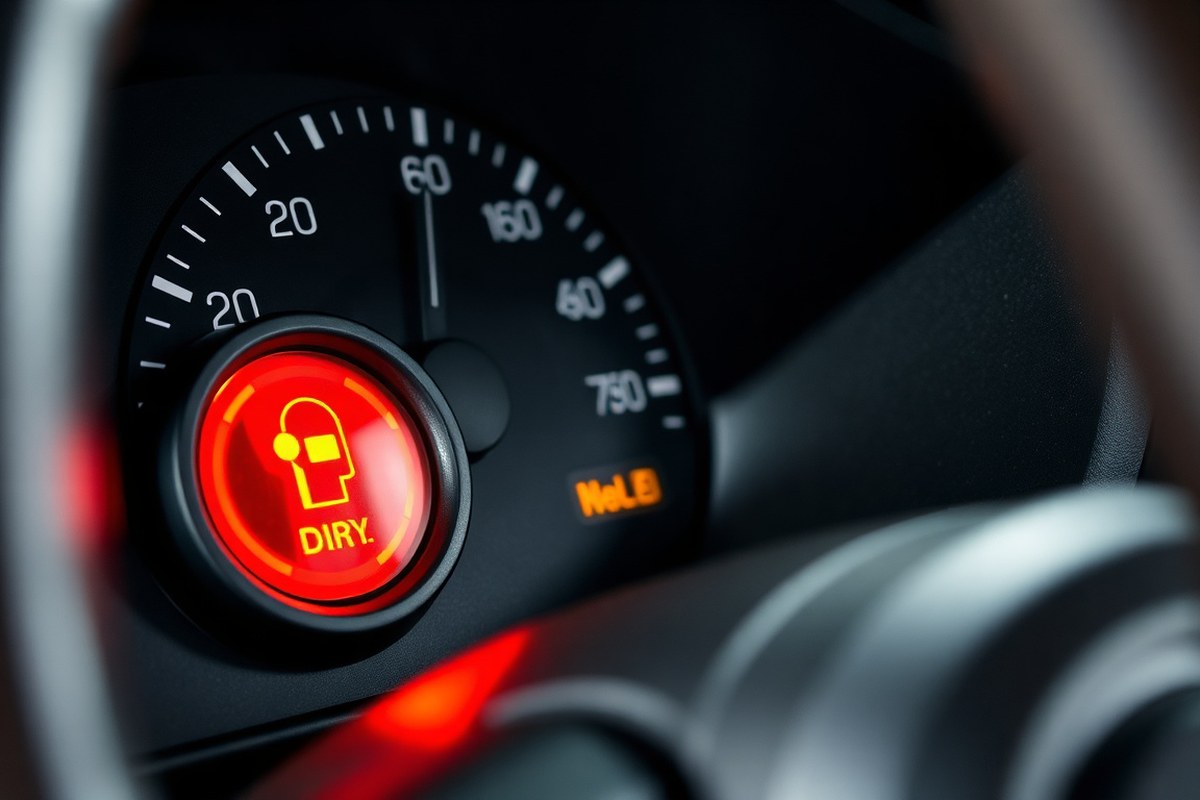
Not changing your oil causes your engine to lose its main protector against heat and friction. Oil keeps engine parts coated and cool. Without fresh oil, metal parts rub harder, creating excess heat and wear.
The oil gets dirty and thick over time, turning into sludge that clogs tiny passages. This buildup restricts oil flow, causing poor lubrication in the engine’s moving parts. When parts like pistons and bearings aren’t lubricated well, they wear faster and risk permanent damage.
As heat and friction grow, the engine struggles to work smoothly. You’ll likely notice sluggish performance and worse fuel efficiency. Sludge blocks cooling spots.
This causes engine overheating and warps parts. It can also blow gaskets and lead to costly repairs.
Skipping oil changes often leads to total engine failure. The damage can get so severe that the engine seizes or stops working altogether. Repairing or replacing the engine can cost thousands.
Routine oil changes usually cost between $45 and $90. They cost much less than major repairs.
Dirty or old oil also makes your engine work harder, raising stress inside critical areas. Parts slide against each other with more friction, causing fast wear. Engines demanding turbocharged oil are even more vulnerable to damage without clean oil.
Sticking to your oil change schedule prevents this damage. Clean oil flows well, protects surfaces, and keeps your engine cool. That reduces overheating risk.
It also extends your engine’s life. This saves you money and avoids future trouble.
How Engine Oil Works and Why Clean Oil Matters
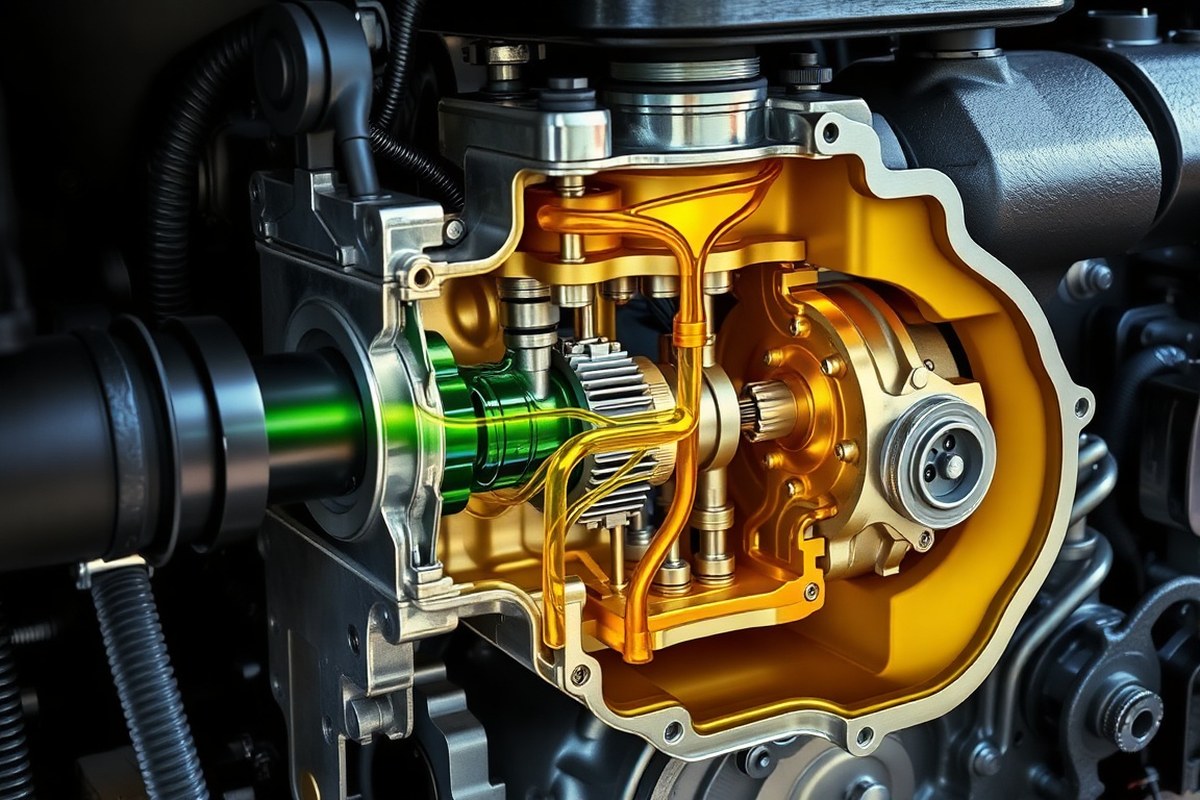
Engine oil keeps your engine parts moving smoothly. It cools key components. It also cleans out debris.
Clean oil maintains these roles effectively, protecting your engine from damage. Without fresh oil, your engine faces wear, overheating, and buildup that harm its life.
Lubrication: Reducing Friction and Wear
Your engine has many metal parts moving fast and close together. Oil forms a thin layer between these surfaces to stop them from rubbing directly. This reduces friction, which lowers wear and prevents metal parts from grinding against each other.
Without proper lubrication, these parts heat up and wear out quickly. This can cause the engine to seize or fail entirely. Changing oil before recommended miles is important.
Regular oil usually needs change every 3,000 to 5,000 miles. This helps protect the engine.
Cooling: Carrying Heat Away from Engine Parts
Oil does more than lotion your engine; it also carries heat away. High temperatures build up as your engine runs, especially around pistons and valves. Fresh oil absorbs this heat and distributes it to cooler areas, helping regulate engine temperature.
Oil that breaks down or gets dirty loses its cooling power. This can lead to overheating, warping parts, and a loss of engine power. Clean oil keeps temperatures stable and prevents damage during your drives.
Cleaning: Removing Dirt and Engine Debris
Engine oil contains detergents and dispersants that pick up dirt, metal particles, and carbon deposits. These additives trap debris and move it to the oil filter, preventing buildup inside your engine. This process helps your engine run cleaner and last longer.
When oil isn’t changed, these contaminants accumulate and can clog engine passages. That leads to poor performance and increased wear. The oil filter is usually replaced with the oil to remove this buildup effectively.
Oil Additives: How They Protect Your Engine
Motor oil is more than just base oil. It contains additives like detergents, anti-wear agents, and corrosion inhibitors.
Detergents clean engine parts and prevent sludge buildup. Anti-wear additives form a protective barrier on metal surfaces.
Corrosion inhibitors stop rust caused by moisture inside the engine. Over time, these additives wear out, reducing oil quality. Follow your vehicle’s oil change schedule.
Check the manufacturer’s recommendation or oil type. This keeps your engine healthy.
Types of Oil and How They Affect Engine Protection
Conventional oil generally requires changes every 3,000 to 5,000 miles. Synthetic oil lasts longer than regular oil. It can go 7,500 to 10,000 miles between changes.
It resists breakdown and keeps additives working. High-quality synthetic blends provide good protection under harsh conditions.
Choosing the right oil helps maintain lubrication, cooling, and cleaning efficiency. Check your owner’s manual for recommended oil types and change schedules. Proper oil keeps your engine healthy, reduces repairs, and protects warranties.
Always follow the oil change schedule on your owner’s manual to avoid costly engine damage.
Stages of Oil Degradation and How Damage Progresses
Engine oil breaks down through clear stages, each adding risk to your engine. It starts losing its protective additives and collecting contaminants. Damage builds over time, leading to friction, sludge, and overheating.
Stage 1: Additive Breakdown and Contamination
Fresh oil contains additives that fight corrosion, reduce friction, and keep the engine clean. These additives weaken as oil heats up and circulates, usually within 3,000 to 5,000 miles. Contaminants like dirt, fuel, and metal particles mix into the oil, reducing its ability to protect.
Heat speeds up this breakdown. The engine’s temperature often reaches 200°F or more while running.
This causes the oil’s molecules to break down faster, making it thinner or sludgy. As additives fade, oil starts losing its lubrication power and antioxidant properties.
Stage 2: Sludge Formation and Increased Friction
After additives break down, thick deposits called engine sludge begin forming. Sludge looks like black, sticky residue inside your engine. It clogs oil passages and blocks oil flow, stopping important parts from getting enough lubrication.
With poor lubrication, friction climbs sharply. Moving parts like pistons and bearings scrape against each other instead of gliding smoothly. This adds wear and tear to your engine’s critical components, accelerating damage over time.
Stopping sludge buildup requires timely oil changes and oil filter replacements. This removes old oil and contaminants before they thicken. Follow these steps to keep oil flowing well and avoid sludge problems:
- Check your vehicle’s oil level and condition on the dipstick.
- Change the oil based on your car’s recommended mileage or time interval.
- Replace the oil filter every oil change to catch new debris.
- Use oil that meets your engine’s specifications for type and grade.
- Avoid extending oil change intervals beyond 3,000 to 7,500 miles depending on oil type and driving.
- Keep the engine running temperature in check to prevent overheating.
Stage 3: Overheating and Engine Wear
When oil turns to sludge, it can no longer carry heat away from engine parts. This causes engine temperature to climb, sometimes over 250°F in hot conditions. Overheating warps metal parts, causing warping and cracking.
Increased heat and friction cause parts like crankshafts, valves, and pistons to wear prematurely. Over time, this can lead to blown head gaskets or even engine seizure. If the oil stays old and thick, you risk costly engine damage and replacement rather than a simple oil change.
Warning Signs That Your Oil Needs Changing Immediately
Dirty or old oil no longer protects your engine properly. Pull out the dipstick to check the oil. Wipe it on a clean cloth clean.
Look at the oil to see its color and level. Fresh oil looks amber or light brown. Old oil appears dark and grimy or may have metal flecks.
Engine noises can signal oil problems too. A knocking or ticking sound suggests the oil isn’t lubricating parts well. You might smell burning oil when it overheats.
Look for oil drips under the car. Drips can mean a leak needs fixing.
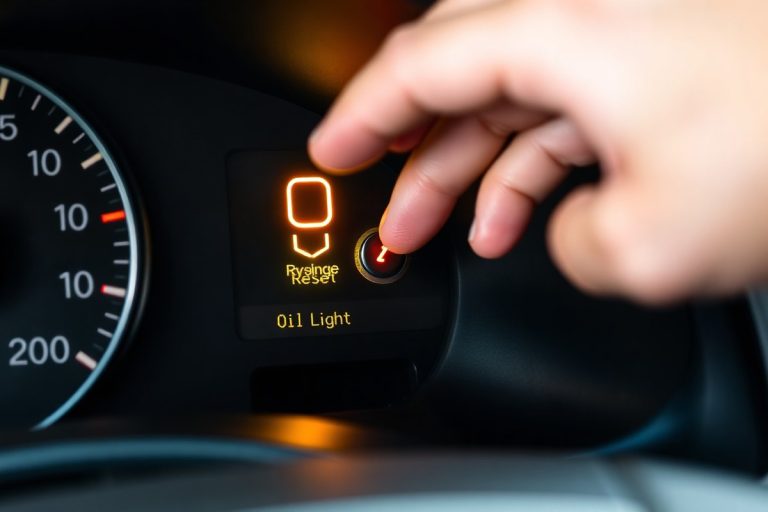
Most modern cars have an oil warning light on the dashboard. This light comes on when oil pressure is low. It also lights if oil quality drops.
Both mean you should check your oil soon. Never ignore this warning, drive straight to a service shop.
Here’s a checklist to spot urgent oil change needs:
- Oil on the dipstick is dark and thick instead of clear.
- Dashboard oil warning or oil change reminder light is illuminated.
- Engine makes knocking, ticking, or unusual sounds during idle or acceleration.
- Noticeable oil smell or smoke inside or near the vehicle’s exhaust.
- Oil level decreases rapidly or you see fresh oil stains on the ground.
- Engine overheats or runs rough without obvious causes.
- Change oil after 3,000 to 5,000 miles with regular oil. Synthetic oil lasts 5,000 to 10,000 miles. Check your car’s guide for the right interval.
Clean oil runs smoother and keeps the engine cooler. Dirty oil reduces efficiency and causes wear faster. Spot these symptoms?
Don’t wait to check your oil. Acting fast can prevent serious engine damage. Even a quick oil change costing about $40 to $75 can save costly repairs later.
Some cars alert you early about oil health using internal sensors. Check your owner’s manual for specific oil life monitor info. Stick to the oil change schedule your car maker gives.
It helps keep your engine healthy and saves money. Regular changes avoid costly repairs later.
How Often Should You Change Your Oil Based on Oil Type and Driving?
Oil change intervals depend mainly on your oil type and driving style. Regular oil usually calls for a change every 3,000 to 5,000 miles. Synthetic oil often lasts longer, up to 7,500 miles or sometimes more.
Your car’s manual is your best source for oil change intervals. Manufacturers set these based on your engine’s needs and oil quality. Always follow their recommendations for best results.
Severe driving conditions cut these intervals dramatically. Frequent short trips, dusty roads, heavy towing, and lots of idling wear out oil faster. These situations need more frequent oil changes.
Your oil breaks down quicker under these conditions. In these cases, expect to change oil about twice as often as normal recommendations.
| Oil Type | Recommended Change Interval (Miles) | Typical Change Interval (Months) | Notes |
|---|---|---|---|
| Conventional (Regular) | 3,000, 5,000 | 3-6 | Needs more frequent changes, especially in old cars |
| Synthetic Blend | 5,000, 7,000 | 6 | Lasts longer than regular laps but varies by brand |
| Full Synthetic | 7,500, 10,000+ | 6-12 | Best for newer engines and severe use, follows factory guide |
| Under Severe Driving Conditions | 50% of normal interval | Varies | Includes towing, dusty or extremely hot/cold climates |
Extending oil changes beyond the recommended interval is possible with synthetic oils. However, you should check your vehicle’s oil level and color regularly.
Look for dark, gritty oil or dashboard warnings. Ignoring these signs raises risks of engine wear or damage.
Stick to your car’s manual but adjust if your driving is tough on the engine.
You can check your oil’s condition yourself. Doing this during regular maintenance helps adjust oil change timing. This can make your schedule longer or shorter safely.
Change your oil if it looks dirty or smells burnt. Also, change it every six months to protect your engine.
This is better than changing it just by mileage. This balance ensures both money saved and safer engine operation.
Why Turbocharged Engines Are More Vulnerable Without Oil Changes
Turbocharged engines run hotter and spin faster than normal engines. Turbo engines need cleaner oil more often. The turbo spins on tiny bearings.
These bearings need constant lubrication to work right. Old oil breaks down and loses its ability to protect these fast-moving parts.
When you skip oil changes, sludge and deposits can build up in the turbo’s oil passages. This blocks oil flow and causes the turbo bearings to wear out quickly.
Without proper lubrication, the turbo can seize or develop cracks from overheating. These problems usually start quietly but lead to big failures.
Turbo repairs cost between $1,000 and $2,500, which is much higher than regular maintenance. Neglecting oil changes risks this expensive repair.
Changing your oil at the intervals the manufacturer recommends helps avoid these costs. Regular oil and filter changes flush out dirt and keep the oil’s protective qualities intact.
Turbos also depend on oil to cool metal parts. Poor oil quality means they run hotter and wear faster. Replacing a turbo is not just pricey.
It often requires removing other engine components, which ups labor costs too. Regular oil changes cost between $30 and $70.
This is cheap compared to a turbo rebuild. It helps keep the turbo in good shape.
Some turbo engines need synthetic oil, which handles heat better and lasts longer. Using the right oil type and following the service schedule helps keep the turbo healthy. Towing or driving hard puts extra strain on the turbo.
You should change oil more often to protect it. This keeps your engine safe longer.
Good oil care prevents turbo failure, protects engine performance, and keeps fuel costs down. Dirty oil forces the turbo to work harder and reduces efficiency.
Expect better gas mileage and a smoother ride when you maintain your oil well. You avoid the shock of a costly turbo repair and keep your car running strong longer.
Financial Impact: Comparing Oil Change Costs vs Repair Bills
A typical oil change usually costs between $20 and $100. The price depends on your car type, oil type, and where you get it done. Choosing synthetic oil costs more.
It usually lasts longer, though. That can save you money over time.
Skipping oil changes can quickly lead to serious engine damage. Repairs can cost hundreds or even thousands of dollars. Engine replacement is one of the most expensive fixes and can cost several thousand dollars.
| Service | Typical Cost | Key Details |
|---|---|---|
| Conventional Oil Change | $20 – $50 | Needs changing every 3,000 to 5,000 miles |
| Synthetic Oil Change | $40 – $100 | Lasts 7,500 to 10,000 miles before change |
| Engine Repair | $500 – $4,000+ | Results from severe wear due to skipped oil changes |
| Engine Replacement | $3,000 – $7,000+ | Costliest option when ignoring oil maintenance |
Regular oil changes protect your engine and prevent costly repairs. They keep your car running smoothly and help you avoid major bills.
Using synthetic oil may be pricier upfront. But it stretches intervals and lowers overall costs.
Besides engine damage, neglecting oil changes can strain other vehicle parts. This can lead to even more repairs. Keeping up with oil changes extends your car’s life and helps maintain its resale value.
Common Mistakes About Oil Changes and How to Avoid Them
Topping off engine oil is a common mistake many drivers make. Adding oil without changing it won’t remove dirt or sludge trapped in the old oil. Over time, that dirty oil harms engine parts and lowers performance.
Using the wrong oil type also causes engine problems. Your owner’s manual shows the right oil viscosity for your engine. It lists examples like 5W-30.
The choice depends on your engine design and climate. Using too thick or thin oil reduces lubrication and speeds up wear.
- Never just top off oil; schedule full oil changes regularly.
- Always replace the oil filter with every oil change.
- Use the exact oil type recommended by your vehicle’s manual.
- Do not delay after your oil change light comes on.
- Taking too long can cause pistons to break from friction.
- Choose oil type based on climate and driving to fit change intervals.
- Visit a trusted auto shop or mechanic for proper service.
Ignoring the oil change light can cause serious damage fast. The light signals your oil is too low or degraded. Waiting longer lets friction increase, wearing down pistons and cylinders until engine failure occurs.
Every oil change should include a new oil filter. The filter traps tiny particles that oil picks up from your engine. Old filters clog up, so reused filters let dirt back into your fresh oil.
Ignoring the oil change light can be very costly. Engine repairs cost thousands more than a simple oil change. Getting oil changed on time saves money.
Step-by-Step Guide to a Proper Oil Change Including Filter Replacement
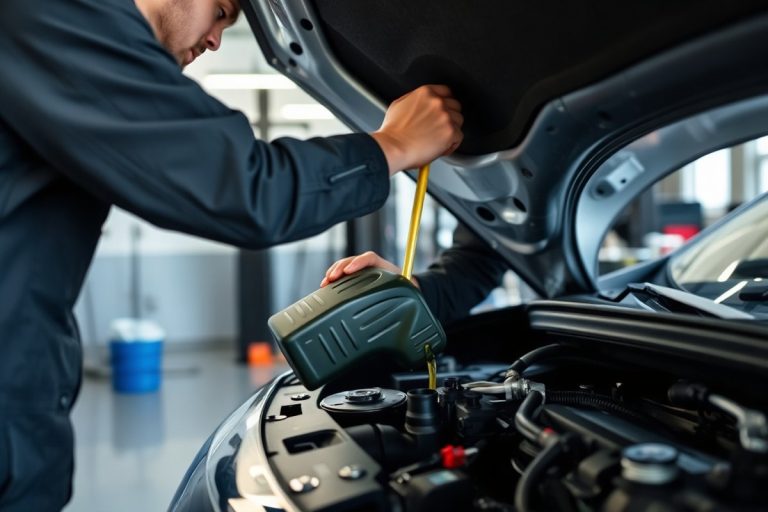
Changing your car’s oil properly keeps the engine running smoothly and prevents damage. You need to drain the old oil, replace the filter, and add fresh oil safely. The oil filter traps dirt, so changing it with the oil ensures clean circulation.
Preparing Your Workspace and Materials
Find a flat, stable place with enough light to work comfortably. You’ll need engine oil, a new oil filter, a drain pan, a wrench, and gloves. Wearing old clothes helps because oil can get messy and stain fabrics.
Check your vehicle’s manual for the right oil type and filter. Have rags or paper towels ready to wipe spills. Also, consider having ramps or jack stands to safely lift the car if needed.
Draining Old Oil and Replacing the Filter
Warm up the engine for a few minutes before you start. Warm oil drains faster and carries more impurities out. Then, turn off the engine and wait about 10 minutes for hot oil to settle.
Place the drain pan under the oil drain plug. Use a wrench to unscrew the plug carefully, oil will flow out.
Remove the old oil filter next; twisting counterclockwise usually works. Be ready for more oil to spill when the filter comes off.
- Loosen the oil drain plug and let the old oil drain completely.
- Remove the old oil filter with an oil filter wrench or by hand.
- Apply a bit of new oil to the rubber seal of the new filter.
- Screw in the new oil filter by hand until snug, don’t overtighten.
- Clean the drain plug and reinstall it tightly with the wrench.
Refilling Oil and Checking Levels
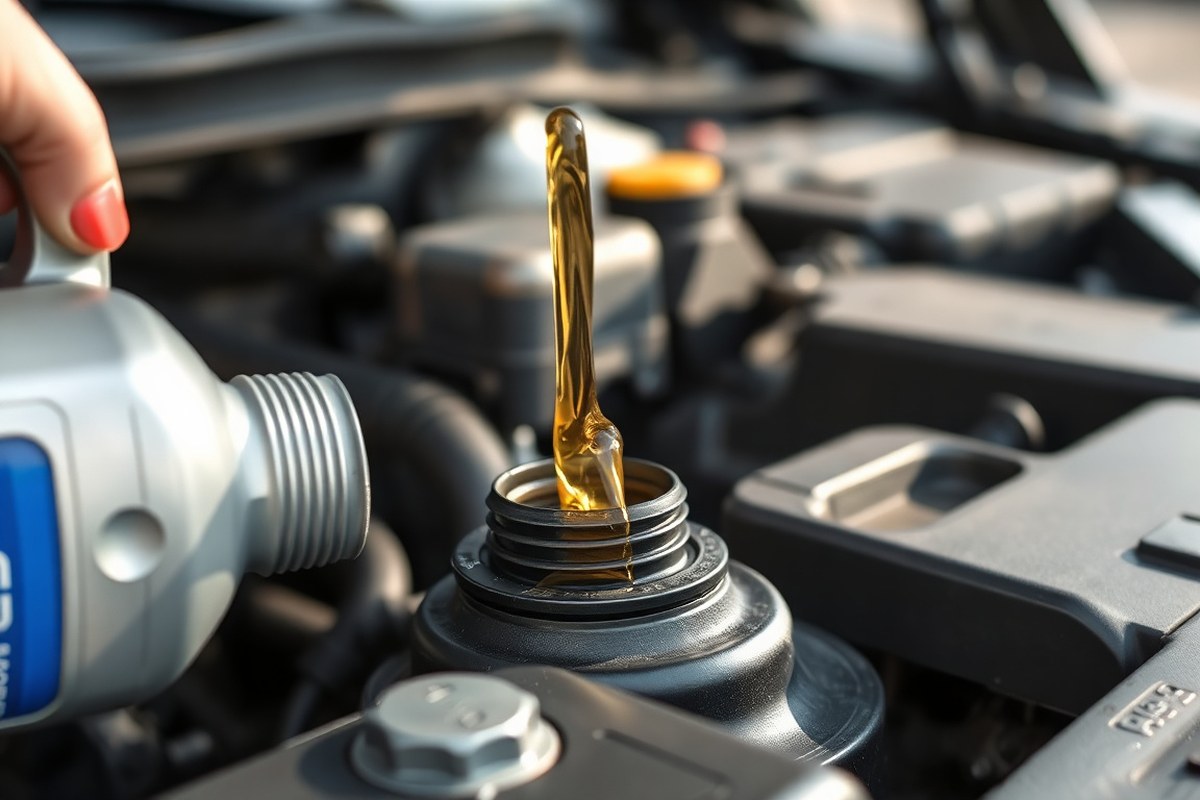
Open the hood and find the oil filler cap. Pour in the right amount of fresh oil using a funnel, to avoid spills.
Use the manual to confirm the correct oil quantity. It’s usually between 4 to 6 quarts for most cars.
Wait a few minutes for the oil to settle. Then pull out the dipstick. Check the oil level on the dipstick carefully.
Wipe the dipstick clean, reinsert it fully, then pull it out again. The oil should be between the minimum and maximum marks.
Start the engine and let it run for a minute. Shut it off and recheck the oil level with the dipstick. Add more oil if needed but don’t overfill, it can harm the engine.
Don’t change oil yourself if your warranty has special rules. Also avoid it if you can’t lift your car safely.
Call a professional if you struggle with tools or the right disposal of old oil. Services like Jiffy Lube offer quick oil changes, but call ahead to confirm availability.
Step-by-Step Action Plan to Keep Your Engine Healthy
Follow these simple steps to keep your oil fresh and your engine running smoothly. Check each step to make sure your oil change routine is on track.
- Before You Drive Regularly: Check your oil level and color with the dipstick. Clear or light amber oil means good condition.
- Every 3,000 to 5,000 Miles: Change your oil regularly. Use the right oil for your car. Fresh oil should flow smoothly and be clean-looking in the dipstick check.
- Every Month: Look for any oil leaks under the car or a burning smell. No leaks or smells mean your seals and oil system are working well.
- After Changing Oil: Reset your oil change reminder light or app notification. This keeps you on the right schedule.
- Every 6 Months: Replace the oil filter to prevent particles from circulating. A new filter ensures clean oil flows through the engine.
- Every 12 Months or 7,500 Miles: Inspect the turbocharger (if you have one). It should run quietly without smoke or noise.
- After Heavy or Harsh Driving: Change oil sooner after towing. Also change if you drive in dust or stop-and-go traffic. Check that oil looks fresh and engine runs smoothly.
Frequently Asked Questions
How Long Can You Drive Without Changing Oil Before Serious Damage?
You can drive up to 2,000 miles over before serious damage risks rise. But pushing past that increases dirt buildup and wear in your engine parts. It’s best to stick to recommended intervals.
Can Old Oil Cause Your Engine to Overheat?
Yes, old oil loses its ability to cool the engine properly. This causes overheating, which can warp engine components. Regular oil changes help maintain proper engine temperature.
Does Skipping Oil Changes Affect Fuel Efficiency?
Yes, dirty oil causes your engine to work harder, lowering fuel efficiency. Changing oil keeps the engine running smoothly and saves you money on gas.
Will Not Changing Oil Cause Visible Smoke from the Exhaust?
It can cause dark or blue smoke due to burning dirty oil. This smoke signals severe engine problems that need immediate attention.
Can Old Oil Damage Turbochargers Specially?
Yes, old oil fails to lubricate turbochargers properly, risking costly damage. Turbo engines require timely oil changes to protect their sensitive parts.
The Bottom Line
Skipping oil changes risks serious engine damage and costly repairs. Changing oil on time keeps your engine cool and parts protected. Start by checking your oil today and set reminders for regular changes.