Where Should You Be Alert While Driving: 9 Critical Zones and Tips
Where should you be alert while driving? The answer is in zones with the highest risk of accidents.
Key spots include intersections, merging lanes, and areas next to pedestrians. These places demand your full attention because risks come fast and close.
Pay extra attention near school zones and construction areas where unexpected hazards appear. Watch for children, workers, and sudden lane changes. Drivers often slow down or stop suddenly in these spots, so stay ready.
Mirrors and your peripheral vision are your best tools to stay aware. Keep checking your rearview and side mirrors every few seconds. This habit helps you spot danger early and react faster, especially in busy traffic.
Besides location, weather and lighting affect your alertness too. Dark or rainy conditions shrink your view and slow reaction time. Adjust your speed and watch your surroundings carefully to stay safe.
Key Takeaways
- Focus extra on intersections where many crashes happen suddenly.
- Use mirrors and side glances to cover your blind spots regularly.
- Slow down and extend following distance in rain or at night.
- Look 20 to 30 seconds ahead, not just at the car before you.
- Spot merging traffic early by scanning entry ramps and side lanes.
- Stay alert around pedestrians, especially near schools and crosswalks.
Primary Road Zones Requiring Maximum Alertness
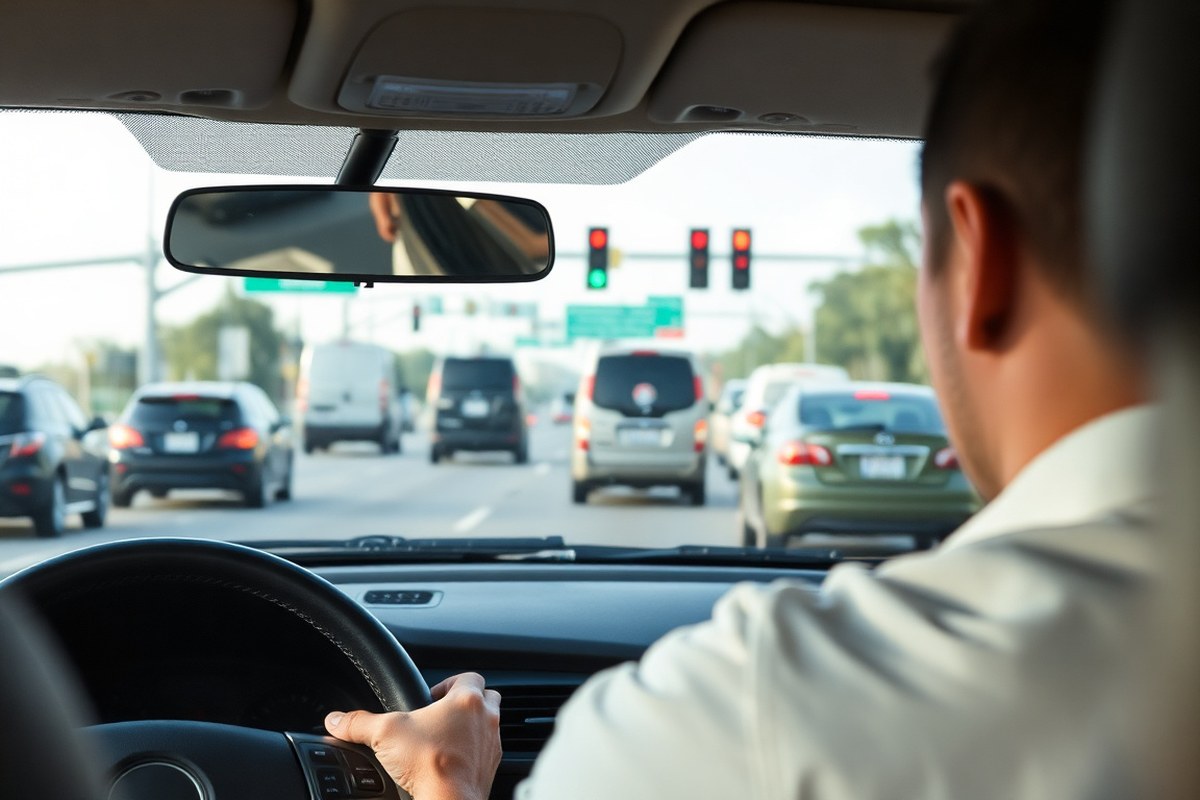
You must watch certain road zones extra closely to stay safe. Intersections are key places where many crashes occur. Cars come from different directions, and signals or signs may be confusing or missed.
Merges and on-ramps are tricky too. You need to judge the speed and distance of other cars quickly. Blind spots make this harder, since you can’t see all vehicles in your mirrors.
School zones and construction areas need more attention because people and workers are close by. You might need to slow down or stop suddenly. Wet or icy roads add danger by making stopping harder.
- Check intersections for vehicles, bikes, and pedestrians before crossing.
- Use your turn signals early when merging or changing lanes.
- Look over your shoulder to cover blind spots every time.
- Slow down and expect the unexpected in school and construction zones.
- Stay alert for animals or debris at night or in bad weather.
- Keep extra space between cars on slippery roads.
Being alert in these zones helps you react fast to hazards. Look well ahead and scan side to side often. This takes practice and focus but reduces surprises dramatically.
Missing hazards in these areas leads to sudden braking or swerving, raising crash risks. You lose time to react if distracted or tired.
Staying alert costs just attention and a little extra scanning time. It pays back by avoiding crashes and danger.
How to Use Mirrors and Peripheral Vision for Safer Driving
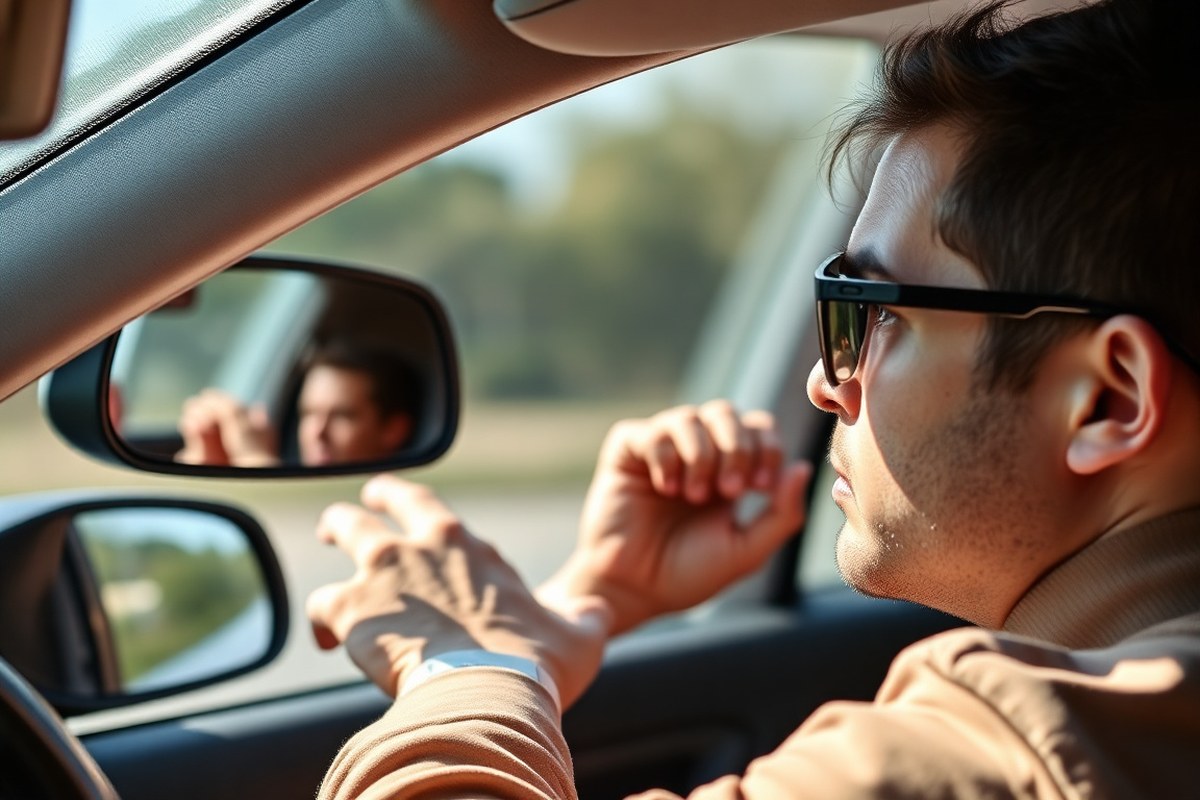
Use your mirrors and peripheral vision actively to stay alert while driving. Check your mirrors every 5 to 8 seconds. Always do a quick shoulder check to cover blind spots before changing lanes or turning.
Optimal Frequency for Mirror Checks
Looking in your mirrors often helps you notice cars, bikes, or pedestrians around you. Aim to check them about every 5 to 8 seconds. This keeps you aware of traffic that might approach or change suddenly.
Also, check your mirrors before slowing down, stopping, or turning. This gives you time to react if other vehicles are close behind or beside you. Constant mirror checks reduce surprises when you need to act fast.
Use this script while driving:
- Look at rearview mirror to see traffic behind.
- Glance at left side mirror for vehicles beside you.
- Check right side mirror for cars approaching on that side.
- Repeat this cycle every 5 to 8 seconds.
- Before lane changes, glance again at mirrors.
- Always finish with a quick shoulder check to catch blind spots.
Techniques to Cover Blind Spots Safely
Blind spots are areas your mirrors don’t show, usually just beside and behind your car. You must physically turn your head to check these areas. This shoulder check fills the gap mirrors leave.
Here’s a checklist to cover blind spots properly:
- Signal your intent to change lanes or turn.
- Look in the mirror on the side you plan to move toward.
- Turn your head quickly over your shoulder to check the blind spot.
- Confirm no vehicles, bikes, or pedestrians are there.
- Proceed with your maneuver only if the blind spot is clear.
Skipping this check can cause accidents. Some drivers wrongly trust mirrors alone. Adding the shoulder check gives full awareness of your surroundings.
Always do a quick shoulder check before you change lanes.
Using Peripheral Vision to Detect Movement
Peripheral vision is your ability to see things happening to your sides without turning your head. It helps catch hazards like pedestrians stepping into the road or cars approaching quickly. You can use it to spot movement early.
Keep your eyes moving rather than staring straight ahead. This scanning routine activates your peripheral sight. It lets you observe traffic signals, brake lights, and hazards at a glance.
Here’s how to use peripheral vision in driving:
- Keep your head up and eyes relaxed while looking forward.
- Notice changes in color or movement to your sides.
- Shift your glance to the area where you sense movement.
- Use mirrors to confirm what you saw peripherally.
Activate peripheral vision by scanning continuously to catch side hazards early and stay safer.
Why Intersections and Merging Areas Demand Heightened Focus
Intersections and merging lanes need your full attention because they bring many risks. You face crossing traffic, sudden stops, pedestrians, cyclists, and aggressive drivers. Knowing how to act and what to watch can reduce accidents and delays.
Risks at Intersections
Intersections are dangerous because cars come from many directions, sometimes with unclear right of way. You must watch traffic lights, stop signs, and pedestrian signals carefully. Missed signals can cause expensive collisions or injuries.
Look out for pedestrians and cyclists who may cross unexpectedly. Narrow lanes and double-parked trucks add complexity.
Stop fully at red lights and stop signs, and wait your turn. Avoid rushing or guessing when it’s unsafe to go.
How to Decide at Intersections
Stop completely at stop signs. Check left, right, and left again before going.
At a green light, look both ways for any cars running red or turning suddenly. Slow down as you approach and be ready to stop.
When turning, watch for pedestrians crossing and obey signals. Don’t block intersections, especially in heavy traffic, or you’ll cause gridlock. Always signal your turns early so other drivers know your plans.
Managing Merging in Heavy Traffic
Merging areas demand good timing and patience. Try to merge early, not at the last second, to keep traffic flowing smoothly. Early merging lets drivers adjust speed and distance safely.
Use your mirrors and check blind spots before merging. Signal at least three seconds ahead before changing lanes, especially in heavy traffic. Avoid weaving between lanes, which confuses other drivers and raises crash risk.
Reading Warning Signs and Signals
Pay close attention to all traffic signs showing turns, speed changes, or lane rules. Watch brake lights on cars ahead; sudden braking means something is wrong up front. Spot erratic driving like drifting or speeding, so you can react early.
Pedestrian crossing signs or flashing beacons mean watch for people stepping off curbs. Slow down near schools or busy shopping areas where pedestrians and cyclists mix with cars. These signs warn you to prepare for sudden stops or hazards.
When to Hold Back or Stop
Don’t merge or change lanes in heavy traffic or low visibility, like fog or rain. It’s safer to wait until traffic thins or conditions improve. Trying to force a merge can lead to crashes or road rage.
Stop driving if you feel drowsy or notice drifting off your lane. Pull off at the next safe spot to rest. Staying alert saves you from missing signals or reacting too late to sudden dangers.
Adjusting Alertness for Different Weather and Lighting Conditions
Low visibility from fog, rain, or night changes where you should focus your alertness. It narrows your sight and reaction time. You must track fewer zones, but you watch closer in those areas.
Fog demands low-beam headlights to prevent light from bouncing back at you. Use the white edge lines for guidance instead of focusing far ahead. Slow your speed to match visibility, or you risk missing hazards in time.
Rain and snow reduce both visibility and traction. Turn on your headlights even if the daytime is dull or gray.
Increase your following distance to 5 to 6 seconds, compared to 3 seconds in clear conditions. This buffer helps prevent rear-end collisions on slippery roads.
At night, the biggest threat is reduced visibility and possible drowsiness. Only use high beams on dark, empty roads with no oncoming vehicles.
Dim your lights when approaching others or in fog. High beams scatter off moisture particles and worsen visibility.
Staying alert means actively scanning your surroundings. Sweep your eyes side to side.
Check mirrors often to stay aware of the road. Pay special attention to areas where poor visibility merges with potential hazards, like curves or intersections.
Here’s a table comparing alertness challenges and your best actions for common conditions:
| Condition | Visibility | Best Headlight Use | Following Distance | Alertness Focus |
|---|---|---|---|---|
| Fog | Low, scattered light | Use low beams only | 5-6 seconds | Watch road edges and lines |
| Rain/Snow | Reduced by precipitation | Headlights on low or auto | 5-6 seconds | Monitor brake lights ahead |
| Night | Very low without lights | Use high beams on empty road | 3-6 seconds | Scan all zones actively |
Adjusting your alert zones and how you use lights can make a big difference. Poor decisions mean slower reaction and missed hazards. Proper habits lower crash risks, especially during bad weather and night driving.
Recognizing Fatigue and Drowsiness to Avoid Dangerous Driving
Feeling tired behind the wheel grows slowly, making it easy to miss early signs. These signs include yawning repeatedly, heavy eyelids, and trouble keeping your head up. You might also blink more often or have wandering thoughts instead of focusing on the road.
Experts say sleeping five hours or less before driving is risky. Your chance of crashing equals that of drunk driving. Don’t drive if you’re that tired.
Most adults need at least seven hours of sleep for safe driving. Teens require even more sleep, about eight to ten hours.
Sleep helps your focus and reaction time. You should avoid driving late at night if you feel tired or didn’t get enough rest.
Quick energy boosts help, but they don’t replace sleep. A few simple actions can help you recover alertness during a drive:
- Stretch your legs outside the car to improve circulation
- Drink water or a caffeinated beverage, like coffee
- Take a short 15 to 20-minute nap in a safe, parked spot
- Open a window for fresh air to counteract drowsiness
- Listen to upbeat music or engage in conversation if you have a passenger
Tiredness affects your reaction times and focus. Pulling over for breaks every two hours during long drives helps prevent dangerous fatigue. Avoid silence by turning off distractions like mobile phones to stay sharp and fully aware.
Drowsiness can be dangerous. Stop driving and rest if your tricks don’t work. Your safety depends on staying alert.
Never try to “push through” drowsiness while driving; stop and rest immediately.
Recognizing tiredness means catching it early, which reduces crash risks. It takes planning your sleep and ride times to avoid tired spells. Safe driving needs enough rest before you start.
Also, pay attention to how your body feels during the trip. Both matter for staying safe on the road.
Safe Following Distances and How They Impact Alertness
Keeping a safe following distance gives you more time to see hazards ahead. At normal speeds on dry roads, a 3-second gap behind the car ahead is recommended. This distance lets you react calmly and stop smoothly if traffic suddenly slows down.
In bad weather like rain, snow, or fog, slow down. You need more space so you can see better. This helps your car stop safely on slick roads.
Experts say increase your following distance to 5 or 6 seconds under these conditions. This space helps you brake safely without hitting the car ahead.
Roads can be slippery, so this gap protects you. It lowers the chance of a crash.
The right following distance also helps keep your attention sharp. When you have space, you can watch further ahead and spot dangers early. Driving too close makes you nervous and cuts your reaction time.
This makes it harder to watch the road clearly. Keeping space helps you stay calm and alert.
You can calculate a safe following distance with a simple step-by-step method. This rule works for any speed or weather condition.
It helps you keep a steady and safe distance behind others. You avoid sudden braking and crashes this way.
- Pick a fixed point on the road ahead, like a sign or tree.
- Watch the car in front pass that point completely.
- Say “one thousand one, one thousand two, one thousand three” slowly. This timing lets you judge the distance behind the vehicle in front well. Only move when you finish saying the full count.
- Check your position: You should pass the same point only after you finish counting.
- Increase your count to 5 or 6 seconds if weather is wet, snowy, or foggy.
- Slow down if you find you can’t keep the proper distance safely.
- Maintain this gap even if another car cuts in front of you. Drop back to keep your count time.
For example, driving 60 mph, three seconds give you about 264 feet of space. In rain, you should aim for five seconds, about 440 feet, to stop safely. This means keeping extra car lengths between you and the car ahead.
Your brakes get more time to stop your car safely. It lowers the risk of accidents in traffic.
Not keeping enough distance costs your focus and reaction speed. Tailgating narrows your vision, reduces reaction time, and boosts stress. It makes you less aware of road changes and increases accident risk, especially in tricky conditions.
Mental and Emotional Factors That Affect Driving Alertness
Stress and strong emotions pull your attention away from the road. Feeling angry, sad, or anxious can slow down your reactions. These feelings cloud your judgment and make it harder to spot hazards quickly.
To manage stress while driving, take deep, slow breaths every few minutes. Try inhaling for four seconds, holding for four, then exhaling for four. This calms your nerves and sharpens your focus without losing time on the road.
Anger flares up, picture a calm place or say, “Stay calm.”” This mental reset helps break the cycle of distraction. For upset feelings, listening to soft, soothing music works better than loud or fast songs.
Distractions from phones cause many accidents. Put your phone out of reach before starting your trip. Turn the sound off.
Use Do Not Disturb mode. This stops distracting notifications.
Eating or fiddling with controls can also divert your eyes and hands. Plan stops to eat or adjust settings. This keeps your focus where it should be: on driving.
Sometimes, quick mental exercises help reset your attention. Blink slowly three times or shift your gaze briefly to roadside objects. These small actions refresh your awareness without stopping the car.
Stress and emotions demand different responses. You are rushing or late. Next time, leave earlier to avoid stress.
Rushing raises stress and mistakes on the road. You feel tired or upset.
Pull over safely. Take five minutes to relax.
Emotional distractions are tricky because they don’t look like physical dangers. Still, they reduce your ability to drive safely as much as texting or eating. Catching these feelings early lets you act before your driving gets risky.
Technological Aids to Help Maintain Driver Awareness
Driver alertness is helped by several technologies designed to warn and assist the driver. AI dashcams use cameras to spot unsafe actions like phone use, drowsiness, or lane drift. They send alerts right inside your car immediately.
These alerts help you refocus on driving. You can also pull over safely if you’re tired.
Alerts for lane departure and forward collisions also help prevent accidents. These systems have sensors that watch your car’s position. They detect if you drift from your lane.
They also sense if you get too close to another vehicle. They alert the driver with sounds or flashes, encouraging corrections before a crash happens.
Here’s a table comparing common driver alertness technologies. It shows what each does and how they work. This helps you find the tech that fits your needs.
It explains what each technology is and how it works. It shows typical costs and how failures can happen. Failures occur mainly if the tech is not used properly.
| Technology | How It Works | Typical Cost | Benefits | Limitations |
|---|---|---|---|---|
| AI Driver-Facing Camera | Monitors driver behavior using AI, alerts for distraction or drowsiness | $200-$400 for standalone; often built-in on newer vehicles | Real-time warnings to refocus or safely stop | May give false alerts if lighting is poor or unusual movements occur |
| Lane Departure Warning | Detects lane markings; alerts if vehicle drifts without signaling | Typically included in driver assist packages or $250-$500 add-on | Reduces unintended lane drifting at highway speeds | Less effective in bad weather, faded lane markings, or sharp turns |
| Forward Collision Warning | Uses radar or cameras to detect vehicle ahead; warns if closing too fast | Often bundled with emergency braking systems; $300-$700 range | Helps avoid rear-end collisions by prompting early braking | Limited in heavy traffic, poor visibility, or very sudden stops |
Costs vary depending on whether these features come standard or need aftermarket installation. Good use means paying attention to alerts and acting on them right away. Ignoring warnings or relying on them too much can still lead to accidents.
Driver-facing cameras are unique because they focus on your behavior, not just the road. AI alerts nudge you to stop distractions like looking at your phone. They spot fatigue signs, a cause of 20% of accidents.
This comes from a study on driver tiredness. Spotting fatigue can help prevent these accidents.
Always respond immediately to alerts; they can prevent crashes before you notice danger.
When and How to Take Breaks to Sustain Driving Alertness
To stay alert during long drives, take breaks every two hours. Breaks should last about 15 minutes to refresh your focus. Combining a short nap with caffeine can also help regain alertness effectively.
Recommended Break Frequency and Duration
Driving for extended periods without a break reduces your attention and reaction time. Plan to stop every two hours or after driving about 100 to 120 miles. Fifteen-minute breaks allow your mind and body to reset without losing too much travel time.
During these breaks, step out of the car to stretch and walk around. Physical movement improves blood flow and warms up muscles, helping reduce tiredness. This also lessens the chance of stiffness or discomfort once you resume driving.
Effective Nap Strategies for Drivers
Short naps of 15 to 20 minutes can significantly boost alertness when you feel drowsy. Longer naps risk making you groggy or cutting into your schedule more than necessary. Avoid napping for more than 30 minutes unless you can afford extra rest time.
Timing a nap just before or during a planned break works best. Park safely off the road in a quiet spot to minimize disturbances. Set an alarm so you don’t oversleep and lose focus.
Using Caffeine to Boost Alertness Safely
Caffeine takes 20 to 30 minutes to kick in. So it pairs well with rest breaks.
Drinking a cup of coffee before your nap lets it start working while you rest. Avoid relying on caffeine alone since it won’t fully prevent fatigue.
Don’t consume caffeine too late in your trip if you plan to sleep soon after arriving. It can interfere with your ability to rest properly once you reach your destination. Drinking caffeine early in your journey maximizes its alertness benefits.
Here’s a safe and effective way to use breaks, naps, and caffeine during long drives:
- Plan to stop every two hours for a 15-minute break.
- Park safely off the road before resting or napping.
- Drink a cup of coffee or caffeinated drink when you stop.
- Take a 15- to 20-minute nap immediately after drinking caffeine.
- Set an alarm to avoid oversleeping and losing time.
- Walk and stretch during the rest of the break.
- Resume driving once fully awake and refreshed.
Your Step-by-Step Alertness Boost Plan
Use this plan to build habits that keep you alert on the road. Notice how easier it is to spot risks and react fast.
- Before you drive: Check mirrors and adjust them to cover blind spots. You’ll know you’re ready when you see wide areas behind without moving your head much.
- First week: Practice scanning intersections and merging lanes with extra care. Track your success by feeling more confident in spotting oncoming or side traffic early.
- Week 2: Adjust your speed and following distance based on weather and light conditions. Notice if you stay calm and avoid sudden braking.
- After 2 weeks: Monitor your fatigue levels during typical drives. When you feel tired, stop and take a break before driving on.
- Week 3: Use technology like lane assist or alert systems if your car has them. But stay focused on the road. Confirm it helped when your focus doesn’t waver as much.
- After 3 weeks: Be aware of your emotional state before driving. When upset or distracted, wait to feel calm before you drive.
- Monthly checkup: Review your alertness habits. See if you notice hazards earlier than before or avoid close calls better.
Frequently Asked Questions
Where Should You Be Extra Cautious During Night Driving?
Be most cautious at poorly lit roads and intersections. Darkness reduces visibility, so watch for pedestrians, animals, and unexpected obstacles carefully.
How Does Driving in Heavy Traffic Affect Where You Should Stay Alert?
Heavy traffic means you must stay alert in all lanes and blind spots. Congestion increases sudden stops and lane changes, so anticipate other drivers’ actions closely.
Should You Be More Alert Near Schools and Playgrounds?
Yes, always be extra alert around schools and playgrounds. Children may unexpectedly cross, so slow down and watch for crossing guards or signals.
What Parts of Rural Roads Require High Alertness?
Pay close attention to curves, hills, and narrow shoulders on rural roads. Wildlife crossings and farm vehicles also increase hazards, needing constant focus.
Does Construction Affect Where You Should Focus Your Driving Attention?
Construction zones demand heightened alertness due to shifting lanes and workers nearby. Reduce speed and follow signs closely to react to sudden changes.
Wrapping Up
Staying alert means staying safer every time you drive. Focus on key spots like intersections and adjust for your condition. Start today by checking your mirrors before you pull out.