When Did Power Steering Come Out? A Complete Guide to Its History and Evolution
The first power steering patent was filed in 1876. However, it didn’t make much impact at that time. Chrysler changed that in 1951 by adding power steering to their Imperial car.
Chrysler’s Hydraguide system was the first widely available assisted steering. Early attempts had issues, so it took decades to find a reliable setup.
Watch for leaks and strange noises from the pump. Repairing a pump can cost between $500 and $900.
Power steering made driving easier and safer. Some sports cars, like the Alfa Romeo 4C, skip power steering to keep a direct feel. The shift from hydraulic to electric steering shows how car tech keeps improving your drive.
Key Takeaways
- The first power steering patent was filed in 1876 by an inventor named Fitts.
- In 1951, Chrysler was the first to sell power steering widely. They added it to the Imperial model. This was a new step for car technology.
- Early power steering systems had reliability problems and needed 25 more years to improve.
- The 1951 Chrysler Hydraguide system made power steering widely available to drivers.
- Replacing a power steering pump typically costs $500 to $900 today.
- Some vehicles, like the Alfa Romeo 4C, still don’t use power steering assistance.
When Was Power Steering First Invented and Commercialized?

Power steering was first invented in 1926 by Francis W. Davis, an engineer who created the first practical hydraulic power steering system. He started early designs in the 1920s. He aimed to lower steering effort.
This helped with heavy vehicles. However, these initial versions did not see widespread commercial use for many years.
The first production car to offer power steering came in 1951. Chrysler Corporation introduced a system called “Hydraguide” on the Chrysler Imperial that year. This was the first passenger car with power steering.
It left the factory as an option. It made heavy cars easier to drive.
By 1953, power steering became somewhat popular. Over one million cars had it nationwide. This showed a shift in car steering tech.
Early on, it helped drivers handle bigger vehicles with less effort. The early 1950s release made power steering common.
It marks when power steering became widespread. This changed many cars and driving styles.
Early Patents and Prototypes Before Mass Production
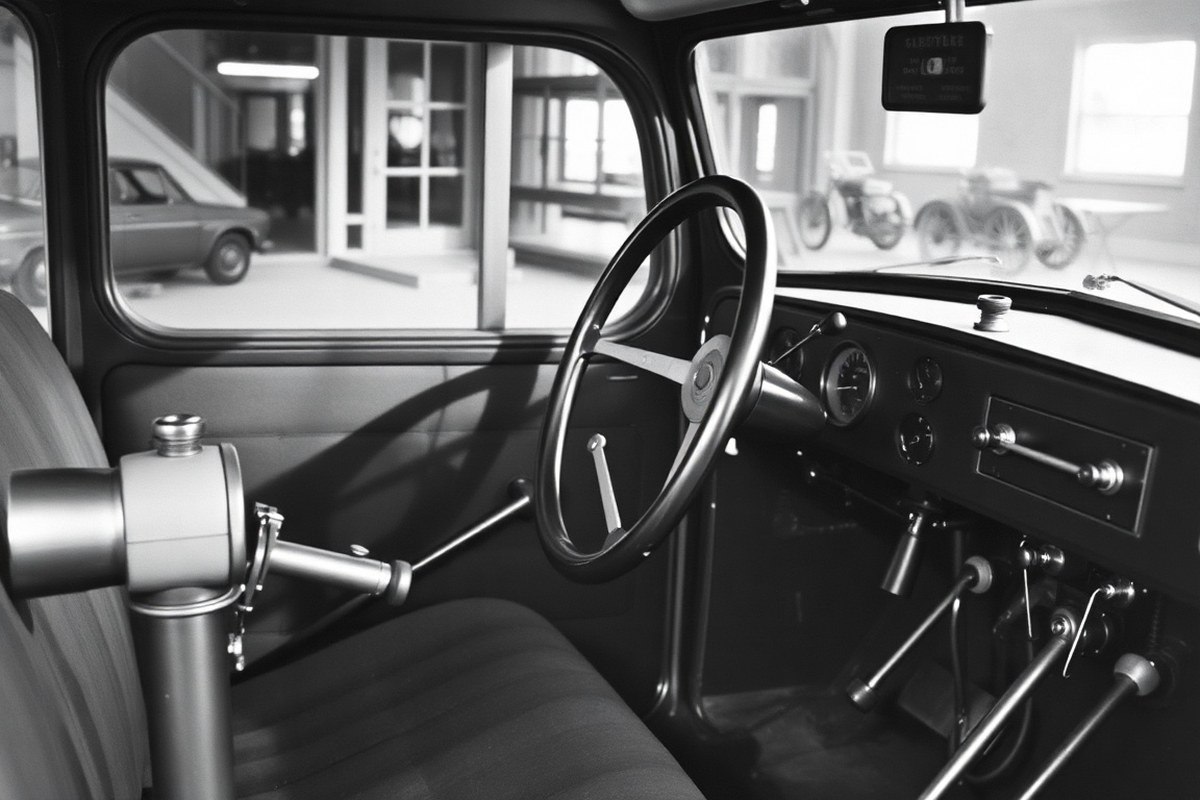
Early patents for power steering date back to the 1800s. However, a practical hydraulic system did not appear until the 1920s. Francis Davis built one of the first prototypes around 1926.
He filed many patents in the 1930s and early 1940s. These patents covered his work on power steering ideas. His patents covered key parts like the hydraulic pump and control valves needed for power assistance.
Before mass production, these prototypes helped show how power steering could ease the driver’s effort. Davis’s system used hydraulic pressure to reduce the strength needed to turn the wheel.
Several inventors also contributed smaller ideas. But they lacked a complete, working package ready for cars.
The real breakthrough came after World War II. By the late 1940s, companies started testing hydraulic power steering in luxury cars. Chrysler grabbed the opportunity after Davis’s patents expired.
They launched the first mass-produced system on the 1951 Imperial, calling it “Hydraguide.” This system made turning easier and brought power steering to everyday drivers.
Another early effort came from Robert Bosch GmbH in Germany around 1926. Their version was among the first to use hydraulic assist.
These early systems were complex and costly, which delayed widespread adoption. The tradeoff was better driving comfort versus the expense and maintenance they needed.
Steering wheels needed many turns to park or corner before power steering. It was hard to turn the wheel in tight spots. Drivers had to use more effort without power help.
Early prototypes showed this could change. However, making reliable, affordable systems took years of refining pumps, fluid systems, and gearboxes. Only in the 1950s did these ideas become practical and popular.
Keep in mind that early hydraulic systems need regular fluid checks and flushes to stay effective.
How Chrysler Revolutionized Power Steering In 1951
Chrysler’s Hydraguide system, launched in 1951, was the first commercially successful power steering system. Hydraulic pressure helped the driver turn the wheel easily. This reduced effort and improved control.
The system made steering lighter at low speeds. It suited luxury cars like the Chrysler Imperial.
The 1951 Chrysler Imperial showed off this new steering technology. It was a high-end production car. Before this, power steering was rarely seen in passenger cars.
Chrysler’s system allowed the car to have quicker steering ratios without needing heavy, difficult turns. Drivers found it easier to handle, especially during parking or slow maneuvers.
Chrysler’s innovation pushed the rest of the auto industry to develop their own power steering systems. General Motors soon followed, helping power steering spread beyond luxury models.
By 1956, about one-quarter of American cars offered power steering as an option. This rapid adoption shows how Hydraguide influenced other manufacturers to improve driver comfort and control quickly.
The Hydraguide used a pump driven by the engine. It sent fluid pressure to a piston linked to steering. That piston boosted the driver’s input force, making the wheel easier to turn.
However, power steering pumps can wear out over time. Replacing a pump today usually costs between $500 and $900 to avoid bigger system damage.
Initially, Chrysler’s hydraulic system balanced steering feel with assistance well. It isolated the steering from road shocks and reduced driver fatigue. While some early electric power steering later felt numb, Hydraguide kept a natural response.
This balance showed why Chrysler’s design helped drivers a lot. It set a new power steering standard.
Development and Spread of Hydraulic Power Steering Systems
Hydraulic power steering uses fluid pressure to reduce the effort needed to steer. Automakers like GM, Ford, and Chrysler adopted this system by the 1950s and 60s. It directs fluid to help you turn the wheel.
This makes steering easier at low speeds. The system reduces effort while parking or maneuvering.
Core Components of Hydraulic Power Steering
A hydraulic pump runs off the engine to keep fluid pressure steady. This pump links to a fluid reservoir and steering gear with a valve. Turning the wheel moves the valve, sending fluid to help turn the wheels.
The steering gear might use a rack and pinion or recirculating ball. The fluid force from the pump moves the gear. This movement turns the vehicle’s wheels.
The hydraulic fluid acts as the medium transferring power from the pump to the steering gear. This design relieves much of the physical effort normally needed to turn the wheels.
How Hydraulic Fluid Assists Steering
Turning the steering wheel changes the position of a rotary control valve inside the steering box. This valve lets pressurized hydraulic fluid flow to one side of a piston or cylinder. The fluid pressure pushes the piston, which helps move the wheels in the wheel’s turning direction.
The system increases the driver’s steering power depending on how much the wheel turns. When driving slowly or stopped, the pump needs to work harder. It boosts fluid pressure to help you steer.
This keeps steering smooth even at low speeds. This action greatly eases steering in tight maneuvers and parking, reducing driver fatigue.
Common Maintenance Needs
Checking power steering fluid regularly is key to keeping the system working properly. Low fluid levels cause the steering to become stiff and can damage the pump over time. Fluid leaks or contaminated fluid may also cause whining noises or jerky steering.
Most maintenance involves topping off the fluid and fixing any leaks in hoses or seals. Automakers often specified unique fluid formulas, so using the correct type protects system components. Routine fluid changes can prevent dirt buildup inside the system and extend its lifespan.
Limitations of Hydraulic Systems
The pump always drains some engine power, even when steering assistance isn’t needed. This lowers fuel efficiency compared to newer electric power steering systems. Hoses and seals may leak, and fluid can get contaminated, requiring ongoing maintenance.
Hydraulic steering also adds weight and complexity to the vehicle compared to simpler electronic systems. Automakers tried to improve system efficiency with better pump designs and fluid formulas over time. Eventually, electric power steering began replacing hydraulic systems from the 1980s onward.
Transition to Electric Power Steering and Electro-Hydraulic Systems
Electric power steering (EPS) started in the late 1980s. It helped drivers without a constantly running hydraulic pump. This made steering easier and more efficient.
Suzuki’s 1988 Cervo was the first mass-produced car to feature EPS. Electro-hydraulic power steering (EHPS) mixes hydraulic and electric systems.
It acts as a middle ground between the two technologies. This gave drivers a new steering option.
First Electric Power Steering Systems
The Suzuki Cervo in 1988 introduced the first electric power steering in a mass-produced passenger car. EHPS used an electric motor to help with steering. It removed the need for a traditional hydraulic pump.
This saved some engine power. Early EPS mostly showed up in small or economy cars.
These cars had simpler designs and lower costs. That made EPS easier to add.
First EPS versions saved fuel compared to hydraulic pumps. Hydraulic pumps run all the time, even when not steering. EPS only uses power when needed.
Automakers started gradually adding EPS to mid-level and luxury cars throughout the 1990s and 2000s. The direct electric motor assist also allowed for more precise, programmable steering feel.
Differences Between Electro-Hydraulic and Fully Electric
EHPS uses an electric motor to run a hydraulic pump. It keeps the old power steering rack and fluid. This system saves fuel but adds some complexity.
Pure EPS replaces hydraulic parts with an electric motor alone. The motor sits on the steering column or rack. This system needs no hydraulic fluid.
This reduces weight and improves efficiency because the motor only runs when steering input occurs. EPS systems also integrate more easily with electronic driver aids.
Automakers favored EHPS during the 1990s and early 2000s. It bridged old hydraulic rigs and new electric models. EHPS was a good transition step.
Today, EPS dominates in most new vehicles. EHPS remains less common but still used in some models needing a hydraulic component.
Benefits of Electric Power Steering
Electric power steering improves fuel economy by eliminating the always-on hydraulic pump. This can save a few percentage points in fuel use, helping meet modern efficiency goals. EPS also reduces mechanical complexity and lowers maintenance costs without fluid changes.
Electric assist lets makers tune steering feel and effort. It changes response depending on how fast you drive. This makes steering more adaptable.
At low speeds, steering gets more help for tight turns. On highways, steering feels firmer and more stable.
This balance aids driving comfort and control. EPS is also essential for automated driving features because computers must control the steering precisely.
However, EPS systems rely on electronics and sensors. So failures can feel different from hydraulic problems. When EPS loses power, steering suddenly feels much harder.
This change catches drivers off guard sometimes. It needs care during power loss.
Check for warning lights or unusual steering effort after repairs. EPS failures often trigger dashboard alerts.
How Quickly and Widely Power Steering Became Common in Cars
Power steering spread quickly from luxury cars to mainstream vehicles after its 1950s debut. At first, big brands like Cadillac and Lincoln featured it as an expensive upgrade.
This made sense since large, heavy cars demand more steering effort. So power steering’s benefits showed up best there.
By 1960, over 3.5 million cars in the U.S. Had power steering. The system grew popular throughout the 1950s and 1960s. Buick and Pontiac added power steering to their mid-range models in the 1960s.
This shift made power steering more common and not just a luxury. Many buyers found it a desirable option on their cars.
During the 1960s, the technology became affordable enough for widespread use. It helped drivers steer more easily while improving how quickly a car responds to wheel turns. More comfort and better control made power steering a selling point for most new cars.
By the late 1970s, power steering had become standard on almost all new vehicles. Mid- to high-end models led this change.
But soon nearly every car included it as a regular feature. That reflected advances in design and lower system costs.
Year by year, here’s a timeline of power steering’s growth in U.S. Cars:
1951, Chrysler introduces widely available hydraulic power steering in luxury cars
1960, Over 3.5 million vehicles fitted with power steering nationwide
1960s, Mid-range models from Buick and Pontiac adopt power steering
Late 1970s, Power steering standard on nearly all new cars
Power Steering’s Impact on Driving Safety, Comfort, and Fuel Economy
Power steering lowers the effort you need to turn the wheel. It makes steering easier at low speeds, like parking or tight turns. This reduces driver fatigue and lets you focus better on the road.
Power steering boosts safety by providing smoother control. You can react faster during emergencies because your hands don’t strain to steer. Stable steering reduces the risk of losing control, especially on slippery roads or rough surfaces.
Older hydraulic power steering pumps run nonstop with the engine on. This constant operation uses engine power, lowering your fuel economy. So, it can reduce gas mileage by a few percent compared to manual steering.
Electric power steering only uses energy when you turn the wheel. This saves fuel by avoiding constant pump use. Plus, it doesn’t need hydraulic fluid, cutting down on maintenance costs and leaks.
Some modern power steering setups combine hydraulic and electric parts. These hybrid systems boost fuel savings and improve steering feel. However, fully hydraulic systems still cost more fuel and require regular fluid checks.
Power steering also helps carmakers include more comfort and safety features. Electric assists enable systems like lane keeping and parking aids. These features improve how easily you control your vehicle on busy roads.
The effort saved by power steering feels most noticeable during slow-speed maneuvers. It avoids the stiff steering wheel feel common in older cars. This comfort factor is why most modern vehicles come standard with power steering.
Examples of Modern Vehicles Without Power Steering Assistance
Very few cars today come without power steering. The Alfa Romeo 4C is one well-known example that uses manual steering. This choice suits its lightweight design and focus on raw driving feel.
High-performance cars sometimes drop power steering to maintain direct wheel control. This avoids the slight delay power assist can introduce. Drivers who prefer a firm, connected steering experience may choose these cars.
Manual steering feels much heavier, especially when parking or moving slowly. Without power assist, turning the wheel takes more strength. It challenges most drivers during tight turns or slow maneuvers.
| Steering Type | Feel | Best Use |
|---|---|---|
| Manual Steering | Heavy, direct feedback | Lightweight sports cars, driving enthusiasts |
| Hydraulic Power Steering | Smoother, easier at low speed | Most cars, better comfort in city driving |
| Electric Power Steering (EPS) | Adjustable, efficient, precise | Modern vehicles, better fuel economy |
Manual steering means you directly control wheel movement without help. It provides sharper feedback but requires more effort. This tradeoff suits some sports cars that prioritize feel over comfort.
The Alfa Romeo 4C sticks to manual steering to keep weight down. This approach improves responsiveness but reduces ease in tight spaces. Drivers must exert more physical effort, which can tire them over long drives.
Power steering makes slow-speed maneuvers like parking far easier. Hydraulic systems deliver strong assist at low speeds. Electric systems alter assistance based on your speed for better control.
Manual steering can quickly tire your arms during frequent slow turns. So plan accordingly if driving such cars often.
The Future of Power Steering Technology and Innovations
Power steering technology is moving toward smarter, more efficient systems driven by electronics. Innovations focus on fully electronic controls. They integrate with autonomous driving systems.
They replace hydraulic parts with lighter electric versions. The next wave of steering tech will improve both driver control and vehicle automation.
Autonomous Vehicle Steering Advances
Self-driving cars use electric power steering to control wheel direction without driver input. This precise motor control lets vehicles steer smoothly based on sensors and software commands. Autonomy demands accurate and reliable steering systems to safely handle complex traffic situations.
EPS does not use hydraulic fluids. It avoids mechanical linkages. This makes it ideal for autonomous driving controls.
The electric motor can instantly adjust steering force and angle. This helps the car safely maneuver in tight spots.
It also works at high-speed highway lanes. No human aid is needed for these moves.
Innovations in Electric Steering Motors
New electric steering motors have become smaller and more powerful. They reduce the system’s overall weight and improve fuel economy by cutting mechanical losses. Lighter motors also free up space for other components in the vehicle.
Variable assist in EPS systems adjusts the steering feel. It changes based on speed, road, and driving style. Drivers get a tailored steering experience.
This customisation helps maintain driver comfort and vehicle stability. Advanced sensors detect these conditions to adjust the motor’s torque automatically.
Potential for Steer-by-Wire Systems
Steer-by-wire removes the physical connection between the steering wheel and the tires. It uses electronic signals alone to control steering direction. This can reduce mechanical complexity and allow new cabin designs without steering columns.
Lexus launched a steer-by-wire system in 2023 with its RZ 450e model. This technology still faces hurdles like fail-safe backups and securing the electronic links against interference. But it shows promise for flexible and responsive steering setups in future cars.
How to Understand and Explore Power Steering Today
Use this quick plan to get a grip on power steering tech. Follow each step to see how different systems work and affect your drive.
- Today: Check your car’s manual or specs to identify its power steering type. Confirm it’s hydraulic, electric, or electro-hydraulic.
- This week: Drive your car in different settings. Notice steering effort during parking and highway cruising to feel system benefits.
- Next week: Research the maintenance needs of your steering system online or from a mechanic. Look for typical issues and costs.
- Within a month: Test drive a vehicle with a different power steering system type if possible. Compare the steering feel and responsiveness.
- Immediate: Join an online forum or group focused on your car model and power steering tech. Ask questions and share impressions.
- After one month: Think about your driving style and preferences. Decide if you want to upgrade to a vehicle with newer steering tech soon.
- Keep an eye on new power steering innovations. Steer-by-wire systems appear in many new car models. These might shape your future car choices.
Frequently Asked Questions
When Did Power Steering First Become Available in Cars?
Power steering first appeared commercially in 1951 with Chrysler’s Imperial. This model introduced the first mass-produced, practical system that made steering easier for drivers.
What Made Chrysler’s 1951 Power Steering System Special?
Chrysler’s 1951 Hydraguide system was the first widely used hydraulic power steering. It improved steering effort significantly and set a new standard for comfort in driving.
How Long Did It Take for Power Steering to Become Common in Most Vehicles?
Power steering became common in most cars by the late 1960s and 1970s. It steadily spread as more manufacturers added the system to improve driver comfort.
Were There Any Power Steering Inventions Before Chrysler’s 1951 System?
Yes, the first power steering patent was filed in 1876 by Fitts, and early prototypes existed. But these were not practical or widely used like Chrysler’s system.
What Is the Future Outlook for Power Steering Technology Beyond Today?
Power steering will likely become more electric and integrated with driver assistance systems. New tech aims to improve efficiency, safety, and vehicle handling over time.
Final Thoughts
Power steering started in the 1920s but changed a lot over time. Electric systems are now common and improve comfort and fuel use. Try experiencing different steering types to find what suits your ride best.