What Does Burning Coolant Smell Like? A Complete Guide with Causes and Fixes
What does burning coolant smell like? It usually smells like sweet maple syrup, but burnt and thicker.
This smell comes from leaked coolant that touches hot engine parts or the exhaust system. You might notice it when you park or after driving, especially if there’s a leak.
Burning coolant smells different than oil or fuel smells. Oil smells sharp and acrid, while fuel is more chemical and strong.
The sweet syrup scent is a clear sign of coolant, so don’t ignore it. You should check your coolant level and look for puddles under your car.
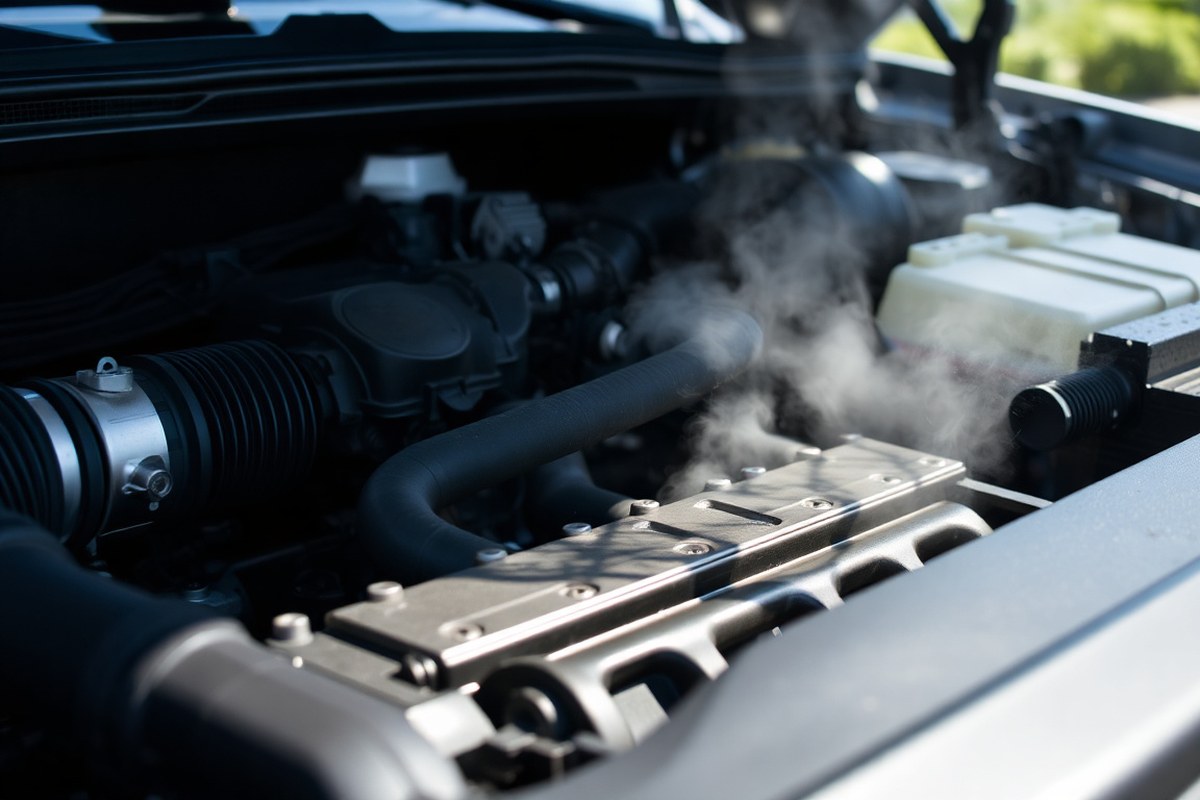
The best first step is opening your hood. Look for wet spots or white steam under the hood. Check carefully around the engine and hoses.
Avoid driving much to prevent engine damage if coolant is leaking. Catching this early helps save on costly repairs and keeps your car running safe.
Key Takeaways
- Burning coolant smells like sweet burnt syrup or maple.
- Coolant leaks cause the smell when fluid hits hot parts.
- Check coolant levels regularly to catch leaks early.
- Look under the car for green, pink, or orange puddles.
- Don’t confuse coolant smell with oil or gas odors.
- Stop driving if you see steam or smell burning coolant.
What Does Burning Coolant Smell Like?

The smell of burning coolant is distinct and usually sweet. It often reminds people of burnt syrup. This smell happens when the coolant leaks onto hot engine parts and burns off.
Coolant contains ethylene glycol, which gives it that syrupy, sweet scent. When it burns or vaporizes on the engine, the air carries this smell around your car. You might notice it inside the cabin or near the engine bay.
This sweetness stands out compared to other car smells like burning oil or rubber. A syrupy or sweet smell while driving usually means coolant leaks or overheats. It’s a sign to check the cooling system soon.
Burning coolant smell can also come from inside the engine, especially with a blown head gasket. In that case, the smell might appear at the tail pipe. You’ll sometimes see unexplained coolant loss and steam near the engine as well.
The syrupy smell matters because it helps you identify coolant problems early. Ignoring it can lead to engine overheating or serious damage. Catching the smell early helps you fix leaks.
You can replace gaskets too. This prevents bigger problems later.
How to Tell Burning Coolant Apart from Other Car Smells
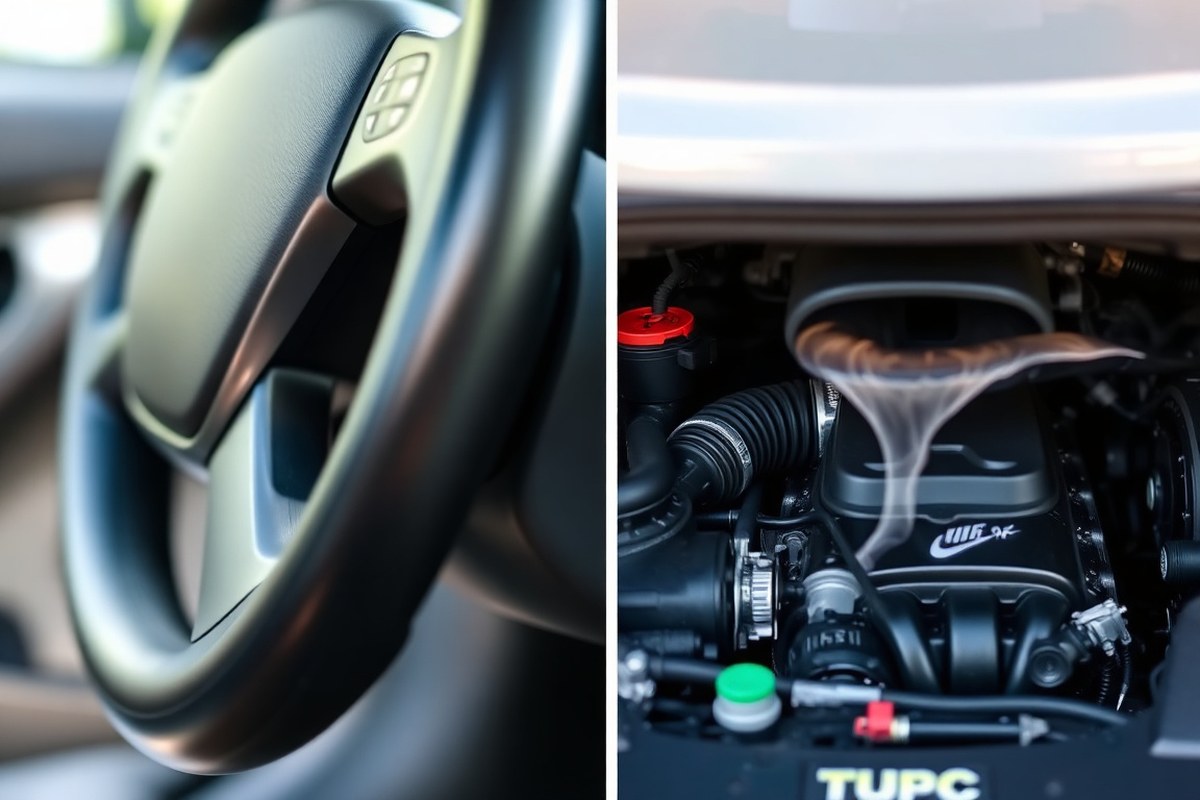
Burning coolant has a distinct sweet, syrup-like smell, different from other car odors. It often smells like burnt maple syrup because antifreeze contains ethylene glycol. You usually notice this smell stronger inside the car.
It gets worse when the heater is on. The heater core leaks spread the scent through cabin air.
Burning oil has a sharp, acrid scent that smells like burnt grease or motor oil. It’s less sweet and more harsh compared to coolant.
Check for oil leaks on hot engine parts if your car smells like burning oil. You might also see smoke from the tailpipe or notice engine performance issues alongside the smell.
Burning rubber smell comes from slipping serpentine belts or damaged hoses. It smells like burnt plastic or charred rubber. The smell feels thicker than the coolant scent.
The coolant smell is lighter and sweet. This smell shows up right after driving the car. Belts heat up quickly then slip or overheat.
Electrical burning smells sharp and acrid like burning plastic or wire insulation. This odor is often more intense and chemical-like compared to coolant.
Look for melting plastics or flickering dashboard lights if you smell electrical burning. This smell is urgent and can indicate wiring shorts or component failures that need quick attention.
Exhaust smells are usually sulfurous, stinky, or like rotten eggs. Sometimes head gasket failure lets coolant leak into the combustion chamber. This causes coolant to mix with exhaust gases.
This gives a sweet but smoky exhaust smell and may produce white smoke from the tailpipe. Check oil and coolant levels if you suspect this issue.
Start outside the car to identify these smells accurately. Wave your hand near the engine bay after driving. Check for visible leaks or smoke.
Then, step inside the cabin and turn on the heater to see if the smell intensifies. Use the car’s oil and coolant level checks to find cross-contamination, which can alter smells.
Distinguishing these odors early helps protect your engine and electrical system from serious damage. A mistaken or ignored battery or wiring smell can cause fires. Confusing oil or rubber for coolant may delay needed repairs, leading to overheating or engine damage.
Never ignore a burning electrical smell; disconnect the battery and get professional help immediately.
Common Causes of Burning Coolant Smell
Burning coolant smells usually come from engine overheating, coolant leaks, or a bad head gasket. These issues let coolant leak or mix with engine parts.
This causes the sweet or chemical smell you notice. Fixing the root cause fast helps avoid serious engine damage and costly repairs.
Overheating Engine and Its Impact
When the engine overheats, coolant can boil and produce a burning smell. Overheating happens if the coolant level drops or the cooling system stops working right. Too much heat damages engine parts and pushes coolant to leak or vaporize.
Overheating may come from a stuck thermostat, broken water pump, or clogged radiator. These problems stop coolant from flowing properly and make the engine run too hot. The higher temperature burns coolant on hot engine surfaces, creating that burnt odor.
Cooling System Leaks and Damaged Hoses
Coolant leaks happen when hoses, clamps, or gaskets fail. Coolant escaping onto hot engine parts creates the burning smell you detect. Leaks also lower coolant levels, raising the risk of overheating and more damage.
- Loose or cracked hose clamps
- Cracked or damaged radiator
- Faulty thermostat housing gasket
- Water pump gasket leaks
- Worn cylinder head coolant flange
Small leaks might drip coolant slowly onto the exhaust manifold or engine block. These leaks cause a sweet, burnt smell that gets worse as the coolant burns. You will also notice dropping coolant levels or puddles under the car.
Faulty or Blown Head Gasket Effects
A blown head gasket often causes coolant to leak inside the engine cylinders. This lets coolant burn alongside the fuel, creating a sharp, sweet smell mixed with exhaust fumes. It can also pressurize and contaminate the cooling system, worsening the smell.
You may see milky or brownish-yellow residue on the dipstick. Coolant might disappear with no obvious leaks. Coolant mixing with engine oil means bad gasket damage.
You need professional repair right away. Ignoring this can lead to engine overheating and expensive damage.
Signs That Confirm Your Car Is Burning Coolant
Signs like steam, sweet smells, and coolant changes signal burning coolant. Watch for smoke from the engine, strange odors, or falling coolant levels. Your car may also show dashboard warnings or white exhaust smoke.
Steam or Smoke from Under the Hood
Steam coming from under the hood usually means coolant is leaking or overheating. Sometimes, white smoke from the exhaust points to coolant entering the combustion chamber. You might also notice a black smoke, which can mean burned coolant mixed with fuel.
Pay close attention if the temperature gauge climbs above normal. Steam or smoke and rising heat signals an urgent problem. Stop driving soon to avoid serious engine damage.
Sweet Smell Inside and Outside the Vehicle
A sweet or chemical smell in your car usually means coolant leaking. It might be burning or dripping somewhere. Keep an eye out for wet spots or stains.
The smell can be faint or strong and smell like antifreeze liquid. This scent happens because most coolants contain ethylene glycol, which has a sweet odor.
Smelling this scent often means you should inspect for leaks. Look beneath your car for puddles or drips. Keep an eye on your ventilation system too.
Sometimes air vents carry the smell inside. Do not ignore electrical or burning smells from the dash, as those point to different issues.
Coolant Level and Color Changes
Check the coolant reservoir regularly to spot drops in fluid levels. A shrinking coolant level can mean a leak or that coolant is burning inside the engine. Look for puddles or colored fluid underneath your vehicle.
Coolants come in green, yellow, red, pink, or blue colors. Watch for changes in color or cloudiness. Dirty or discolored coolant suggests contamination or internal damage.
- Check coolant levels with the engine cold for accurate reading
- Inspect the coolant reservoir for cracks or leaks
- Look under the car for colored fluid puddles
- Observe exhaust for white smoke indicating coolant burn
- Watch the temperature gauge; anything above normal is risky
- Notice any sweet odor inside or around the vehicle
- Listen for strange engine noises like knocking or overheating sounds
By following these checks, you can catch burning coolant problems earlier. This helps avoid breakdowns and costly repairs. Acting quickly matters when the signs start showing.
Safe Steps to Identify and Inspect Burning Coolant Smell
Stop driving to find the source of the burning coolant smell. Check the engine carefully. Do this as soon as possible.
Look for any leaks, damaged hoses, or unusual steam while keeping safety in mind. Using simple tools and a step-by-step approach helps confirm if coolant is leaking or burning.
Pull over and Turn Off the Engine Safely
Pull over safely to the slow lane or a parking spot. Do this right after noticing the smell.
Turn off the engine right away to prevent overheating or worse damage. Use your hazard lights to warn other drivers if you are on a busy road.
Avoid driving if the engine temperature rises above normal, since this can cause serious harm. Getting off the road quickly reduces risk and lets you inspect the problem safely.
Allow Engine to Cool Before Inspection
Let the engine cool down for 20 to 30 minutes first. Avoid opening the hood before it cools. Hot parts can reach 650 to 750 degrees Fahrenheit.
These can burn you or hide coolant leaks. Opening the coolant reservoir or radiator cap while hot can also spray hot fluid unpredictably.
Cool engines let you inspect without hurting yourself or causing more damage to seals and parts. Wear gloves and eye protection just in case some coolant splashes unexpectedly.
Perform Visual and Smell Checks Around Engine Bay
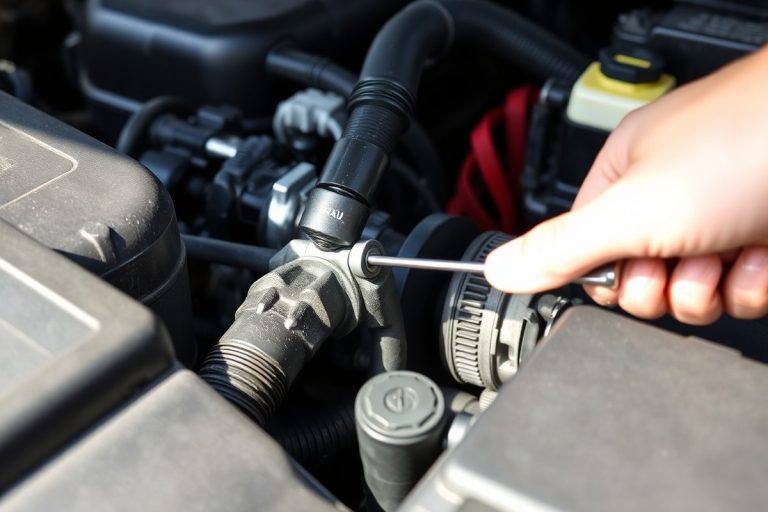
Check hoses, clamps, and the engine block for moisture or crusty spots. Smell near the coolant reservoir and engine cover. Look around the radiator cap and engine sides for clues.
Coolant leaks often leave colored residue, orange, green, or pink, depending on type. Also watch for steam or drips after the engine has cooled down.
Check Coolant Reservoir and Radiator Condition
Inspect the coolant reservoir’s fluid level and appearance when the engine is cold. Low levels or a cloudy, rusty, or oily look indicate problems. Only open the radiator cap when the engine is cool.
Check the coolant level inside. See if the color looks normal.
Coolant with a burnt smell or an unusual color signals breakdown and leakage. Look for cracks or corrosion on the radiator body, as these can cause slow leaks also.
Use Test Kits or Equipment to Confirm Leaks
Use a pressure test kit to check for leaks. Apply moderate pressure. Watch if the pressure drops during the test.
Add UV dye fluid to the coolant reservoir to find leaks. Use a UV light to spot tough leaks clearly. Some stores rent or sell these kits for about $20 to $50.
These tools help pinpoint leaks from hoses, clamps, or the radiator without guesswork. Use an infrared temperature gun to find hot spots on the engine. These hot spots may come from leaking coolant burning off.
- Find a safe place to pull over and turn off the engine.
- Wait 20, 30 minutes to let the engine cool completely.
- Open the hood carefully, wearing gloves and glasses.
- Look for wet spots or colored stains near hoses and radiator.
- Check coolant levels in the reservoir and radiator with cool engine.
- Smell around the engine bay for the distinct sweet or acrid coolant odor.
- Use pressure test or UV dye kits if you suspect hidden leaks.
- Do not drive until you identify and fix the source of the smell.
Never open the coolant reservoir or radiator cap when the engine is hot. This can release pressurized hot fluid and cause serious burns.
When Burning Coolant Indicates a Serious Problem
A burning coolant smell that lingers after driving or parking can mean serious engine trouble. Thick white smoke from your exhaust and a smell likely mean a blown head gasket.
The gasket fails and lets coolant leak into the combustion chambers. Coolant burns with fuel, causing the smell and smoke.
Coolant touching hot engine parts or exhaust makes a sweet, syrupy smell with steam. This isn’t just unpleasant; it means your engine’s cooling system is compromised. Coolant can no longer keep the engine temperature stable, risking overheating and severe engine damage.
Delaying repairs when you notice these signs risks making the problem worse. Small leaks can become large cracks in the cylinder head or block, requiring expensive engine rebuilds.
In some cases, overheating or coolant leaks near electrical parts might even cause fires. Prompt attention can save thousands of dollars in repairs.
Mechanics look for white exhaust smoke to check for a blown gasket. They also test for exhaust gases in the coolant.
A simple pressure test or chemical test can reveal gas leaks in the cooling system. These tests identify exactly where the coolant is escaping inside the engine, which guides repairs.
Fixing a blown head gasket can cost from $1,000 to over $2,000, depending on your car. Repair means taking off and replacing the head gasket.
They clean the engine block and swap damaged parts. This job takes several hours and needs a professional with specialized tools and experience.
Driving without fixing the cause of burning coolant will damage your engine quickly. The smell means harmful leaks and overheating are ongoing. Addressing the problem early prevents complete engine failure and keeps you safe on the road.
Repair Options and Typical Costs for Burning Coolant Issues
Fixing a burning coolant smell often starts with locating the leak. Common spots include hoses, radiator, or water pump seals. Small leaks from hoses can sometimes be patched quickly and affordably.
Radiator replacement is a typical repair and costs can vary. Expect prices between $300 and $900 depending on your vehicle make and model. A water pump replacement often runs $300 to $750, including parts and labor.
| Repair Type | What It Fixes | Typical Cost Range |
|---|---|---|
| Hose Repair or Replacement | Minor leaks or cracks in coolant hoses | $50 to $150 |
| Radiator Replacement | Leaking or damaged radiator core | $300 to $900 |
| Water Pump Replacement | Failed water pump seals or bearings | $300 to $750 |
| Head Gasket Replacement | Severe coolant leaks causing engine overheating | $1,000 to $2,000+ |
| Thermostat Replacement | Temperature regulation issues causing coolant problems | $150 to $300 |
Replacing a head gasket is one of the costliest repairs related to coolant leaks. This repair often becomes necessary if engine overheating damages the gasket. Prices may climb over $2,000 for some vehicles.
Minor leaks sometimes receive temporary fixes like sealants. However, it’s safer to let a mechanic check them promptly. Catching leaks early prevents engine damage and bigger bills.
How to Prevent Burning Coolant Smells in Your Vehicle
Regular maintenance keeps your cooling system healthy and prevents burning coolant smells. Check coolant levels monthly, especially before long trips or hot weather.
Coolant should be flushed and replaced every 2 to 5 years, following the vehicle manufacturer’s schedule. Using the right coolant type prevents chemical reactions that cause smells and leaks.
Proper mixing is key. Many coolants need a 50/50 mix of antifreeze and water to protect against freezing and overheating. Use distilled water to avoid minerals that clog the system.
Always pour coolant into a cool engine to avoid burns or damage. Avoid topping off with just water, which dilutes the coolant’s effectiveness.
Watch for signs before the smell appears. Early warnings are frequent overheating and visible leaks under your car. You might also see a low coolant level on the reservoir.
Also note any steam or puddles that look like bright green, orange, or pink fluid. Catching these signs early can help you fix leaks before the burning smell starts.
- Check radiator and hoses for cracks or wet spots every few months
- Flush the radiator and replace coolant as your owner’s manual suggests
- Use a 50/50 mix of antifreeze and distilled water
- Inspect the coolant reservoir cap for tight sealing
- Look for overheating signs: temperature gauge rising or heater blowing hot air
- Keep an eye on puddles or drips with bright colors under the vehicle
- Schedule periodic professional cooling system pressure tests
Doing these steps usually costs between $100 and $150 for a coolant flush at most shops. DIY coolant changes might save money but take about an hour. You need to dispose of the old coolant properly afterward.
Good results show stable engine temperature and no leaks or odors. Poor maintenance risks overheating, damage to engine parts, and costly repairs.
Never open the radiator cap while the engine is hot. Pressurized coolant can spray and cause severe burns.
When to Call a Mechanic for Burning Coolant Smell
Any strong or continuous burning coolant smell means you should stop driving. Pull over safely as soon as possible to avoid engine damage or fire risk.
Notice smoke, warning lights, or poor engine running? Stop driving immediately.
A faint smell after parking means you should check the coolant level. Low coolant can mean a leak, which a mechanic should inspect. Never ignore a burning smell from your car.
Coolant leaks can hit hot parts. This may lead to more damage quickly.
When you call a mechanic, explain what you smell and when it happens. Mention if you see leaks or smoke, too. Mention any dashboard warning lights or changes in how your car drives.
This helps the mechanic decide if the repair is urgent. They also bring the right tools and parts.
Getting a mechanic to check coolant leaks usually costs between $100 and $150. Fixes like hose replacement or flushing the system can add $200 to $500.
Costs depend on your car and damage size. Quick professional checks prevent bigger bills later.
Driving with a burning coolant smell poses risks. Coolant leaks can cause overheating and engine failure.
The smell could also come from electrical shorts. They need fast repair to stop fire or breakdown risks.
Decide based on the smell’s strength, presence of smoke, and your car’s warning lights. Weak, occasional smells may let you do a simple coolant check at home first. Strong or constant smells, changes in performance, or smoke mean call a mechanic immediately.
Step-by-Step Action Plan for Handling Burning Coolant Smell
Follow these clear steps to spot and deal with burning coolant in your car. Each step helps you fix the problem safely and know when it’s resolved.
- Before You Drive: Check your coolant level using the reservoir. Check the level. Fill it to the marked line if low. Recheck after 24 hours. No drop means no leaks.
- After a Short Drive: Look under your car for fresh puddles. Coolant leaks often show as green, orange, or pink liquid. No puddles mean no active leak.
- During the Next Drive: Notice if the burning sweet smell returns or if the engine overheats. Stop driving if you notice it. This helps avoid damage.
- Within 1 Day: Open the hood once the engine cools. Look for steam or dripping near hoses. Check around the radiator cap too. Visible leaks or steam confirm coolant issues.
- Within 2 Days: Look inside the car near the heater core. Check for foggy windows. Also check if the carpet feels wet. These signs indicate coolant is leaking inside.
- After Inspection: If signs persist or you smell burning coolant often, book a mechanic’s appointment. A pro diagnosis catches hidden or serious problems.
- After Repair: Monitor the coolant smell and engine temperature for a week. Your repair worked well if no symptoms come back.
Frequently Asked Questions
How Do I Tell If I Am Burning Coolant?
You might smell a sweet, syrupy odor from your engine or exhaust. White smoke from the tailpipe, especially on startup, also points to burning coolant inside the engine.
What Does a Blown Head Gasket Smell Like?
It often smells like burnt coolant or sweet syrup near the engine or exhaust. This smell comes from coolant leaking into the combustion chamber and burning.
Is It Normal to Smell Burnt Coolant?
No, a burning coolant smell usually means a leak or overheating. It signals a cooling system issue that needs quick attention to prevent costly engine damage.
What Does Coolant Smell Like in Exhaust?
Coolant in exhaust smells sweet and syrupy, often with white smoke. It usually means coolant is burning inside the engine, often from a blown head gasket.
Can My Car Smell Like Coolant Without a Blown Head Gasket?
Yes, sometimes intake gasket failure causes a similar smell without oil and coolant mixing. This is less common but still requires inspection by a mechanic.
Key Points to Remember
Burning coolant smells sweet and sharp, like antifreeze heating up. Acting quickly helps prevent costly engine damage. Start by checking coolant levels and watching for leaks today.