What Does Battery Acid Taste Like? A Complete Guide to Its Unique Sour Flavor
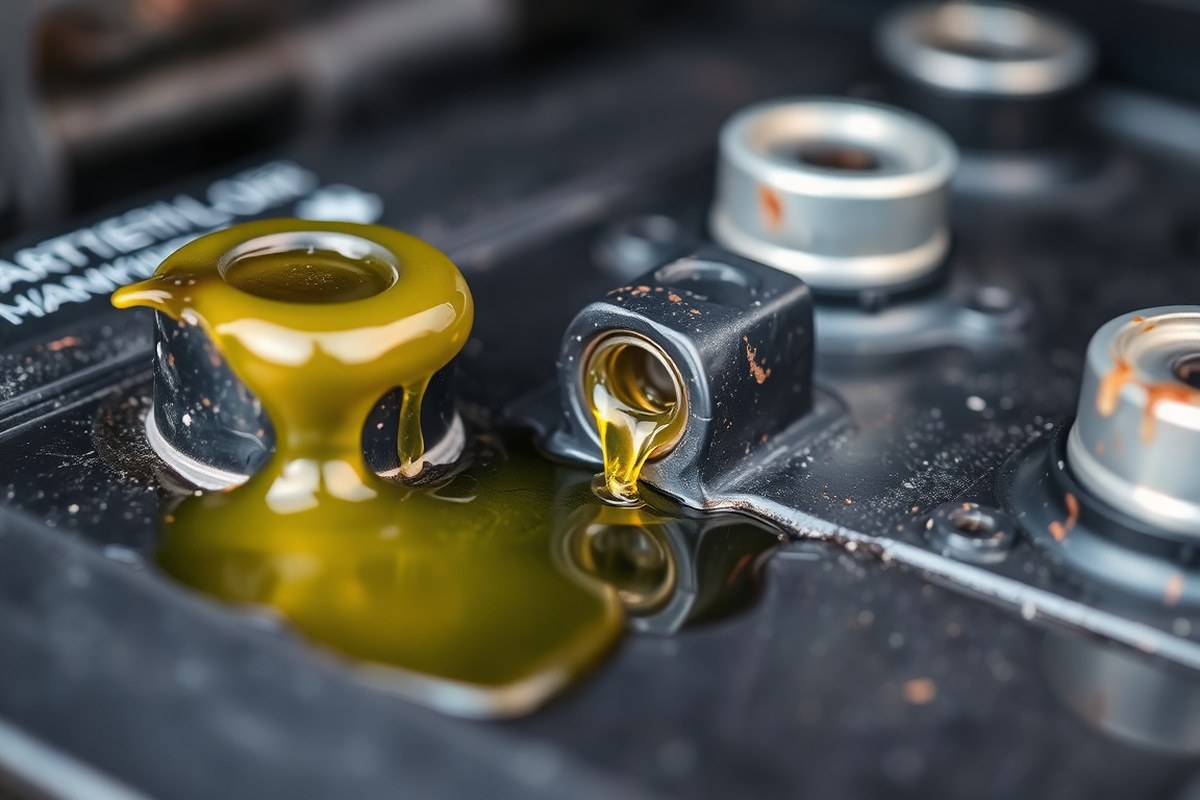
What does battery acid taste like? It has a sharp sour and metallic flavor.
This taste comes from its strong acidity and the chemicals in it. Battery acid is usually sulfuric acid diluted with water between 30% and 50% concentration.
Because of its high acidity, battery acid tastes much sourer than vinegar or lemon juice. It also leaves a distinct metallic aftertaste that lingers on the tongue. This flavor is harsh and bitter, unlike any edible acid.
Tasting battery acid is dangerous. It can severely hurt your mouth and internal organs.
Rinse your skin or mouth with fresh water right away if exposed. Avoid any direct contact, as the acid can burn tissue quickly and cause lasting damage.
Always use gloves and protective gear when handling car or industrial batteries to prevent exposure. These safety measures help reduce serious injury risks.
Key Takeaways
- Battery acid tastes intensely sour and leaves a metallic aftertaste.
- Its sharp flavor is due to sulfuric acid diluted to 30%-50%.
- Battery acid is about ten times more acidic than lemon juice.
- Never taste or lick battery acid; it can cause severe chemical burns.
- Flush your skin or mouth with plenty of water fast.
- The acid damages taste buds and mouth tissue on contact.
What Does Battery Acid Taste Like Compared to Common Acids?
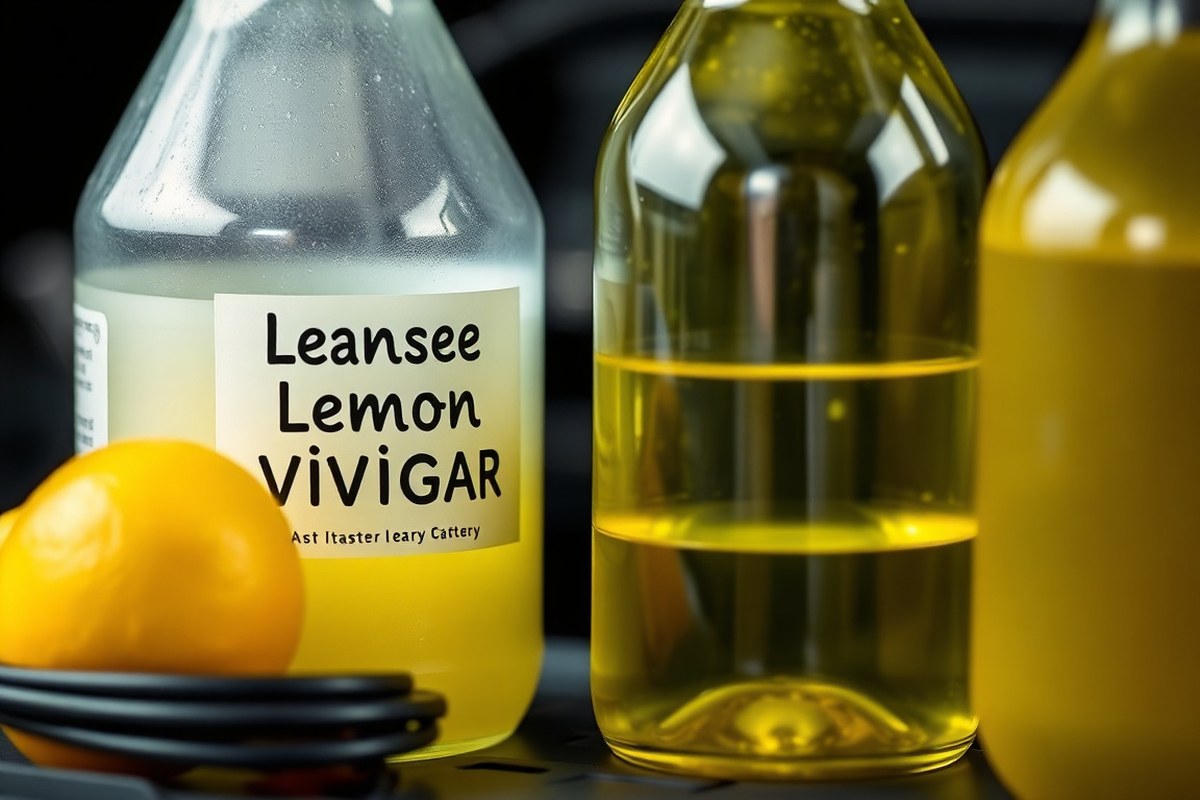
Battery acid tastes extremely sour and sharp, similar to lemon juice or vinegar. However, it is much more intense and harsh than these common acidic foods. The strong sourness comes from sulfuric acid inside the liquid.
This acid is much stronger than those in household products. That strength makes the taste very sharp.
The taste also has a bitter, metallic side. This note is not common in lemon or vinegar. It makes the flavor harsher.
This bitter, harsh flavor signals the corrosive and dangerous nature of battery acid. The acid’s pH level around 1.A pH of 0 means it is about ten times more acidic.
This is stronger than lemon juice or vinegar. It explains the stronger effect on your taste buds.
People sometimes compare the sensation of battery acid to sour energy drinks or highly acidic juices. These drinks copy the sour sharpness well. They do not have the harsh metal bitterness battery acid has.
They are also not toxic like battery acid. The bitter metal taste paired with extreme sourness creates a flavor unlike anything edible or safe.
Why Does Battery Acid Have a Strong Sour and Metallic Flavor?
Battery acid tastes strongly sour and metallic. This comes from sulfuric acid. Metals in the battery also affect the taste.
Sulfuric acid gives it the sharp sourness, while metals add a bitter, metallic flavor. These chemical elements activate specific taste receptors on your tongue, causing the distinct sensations.
Sulfuric Acid Creates the Sour Sensation
Sulfuric acid makes up 15% to 35% of battery acid. It is a very strong acid. It releases hydrogen ions when diluted with water, which activate your sour taste receptors.
The sharp, tangy feeling is like vinegar or lemon juice. It is much stronger than those.
The sour taste warns you that a substance is acidic and potentially harmful. With battery acid, the sourness signals extreme corrosiveness. That’s why it immediately feels harsh and unpleasant on your tongue.
Metallic Compounds Produce Bitter and Metallic Flavors
Battery acid often contains lead or other metals from the battery’s components. These metals dissolve slightly in the acid and interact with your taste buds. This creates a bitter, metallic flavor you might notice alongside the sourness.
This metallic taste comes from the way metal ions bind with proteins in your saliva. It can also feel “sharp,” making the acid taste even less pleasant. Different battery types sometimes have subtle changes in this metallic note.
How Battery Acid Stimulates Taste Buds
Battery acid activates sour taste buds by releasing free hydrogen ions. These ions cause your tongue’s cells to send signals of acidity to your brain. The metallic ions add a separate bitterness signal that mixes with the sourness.
This dual action explains why battery acid’s flavor is harsh and complex. Your tongue reacts to both acidity and metal-related bitterness at once, creating a strong, sharp taste.
Additional Sensations Beyond Taste
Besides taste, battery acid causes a tingling or burning sensation on the tongue. This happens because sulfuric acid is corrosive and irritates nerve endings. Metallic ions can add to this feeling.
They may make your mouth numb or tingly. This lasts for a short time.
These sensations warn you the acid is harmful. Never swallow it or let it touch your mouth tissue. The tingling is an early sign of acid damage beginning.
Variations in Taste Among Battery Types
Battery acid in lead-acid batteries is usually stronger. It has a sharper sour and metallic flavor.
Other types, like lithium-ion or nickel-cadmium batteries, might have weaker acid and slightly different metals. This changes the intensity of sourness and metallic notes.
For example, lithium-ion battery acid can have a faint sweet or chemical smell and taste. Nickel-cadmium acids may smell faintly ammonia-like, affecting the tongue’s sensations subtly. The general sour and metallic profile remains but varies by battery chemistry.
Never taste or touch battery acid. It’s highly corrosive and toxic even in small amounts.
How Acidic Is Battery Acid Compared to Household Substances?
Battery acid is mostly sulfuric acid diluted with water. Its concentration ranges between 30 and 50 percent. This makes it far stronger than common household acids like vinegar and lemon juice.
The acidity in substances is measured using the pH scale. It runs from 0 to 14.
Lower values mean stronger acids and more hydrogen ions. Battery acid’s pH can be around 0.8 to 1, making it extremely acidic.
| Substance | Type of Acid | Typical Concentration | Approximate pH |
|---|---|---|---|
| Battery Acid (Lead-Acid Battery) | Sulfuric Acid (H₂SO₄) | 30-50% | 0.8 – 1 |
| Lemon Juice | Citric Acid | 0.5 – 1.0% | 2 – 3 |
| Vinegar | Acetic Acid | 4 – 8% | 2 – 3 |
| Stomach Acid | Hydrochloric Acid | Approx. 0.5% | 1 – 3 |
Household acids like lemon juice and vinegar have pHs between 2 and 3. They taste sour but are much less corrosive. Battery acid’s stronger acidity makes it far more dangerous to touch or taste.
The sulfuric acid in batteries drives the chemical reactions for electric power. This strength causes a harsh, stinging taste if tasted accidentally.
The taste resembles vinegar or lemon juice. But it is far more intense and hazardous.
What Happens If You Accidentally Taste or Ingest Battery Acid?
Accidentally tasting or swallowing battery acid is very dangerous. Battery acid contains strong corrosive chemicals that can harm your mouth, throat, and stomach. Immediate action and medical attention are essential to reduce serious injury.
Immediate First Aid Steps for Ingestion
After swallowing battery acid, quick steps can help reduce damage but won’t replace professional care. Do not induce vomiting or drink anything acidic or alcoholic. Instead, your first goal is to dilute the acid and avoid further harm.
- Rinse your mouth thoroughly with plain water without swallowing it.
- Drink small sips of water or milk to dilute the acid and soothe the throat.
- Avoid giving anything to drink if the person is unconscious or having trouble swallowing.
- Do not induce vomiting, as this can cause more burns to the esophagus.
- Remove any contaminated clothing to prevent skin contact.
- Use baking soda dissolved in water to help neutralize mouth acid.
- Seek medical help immediately after these initial steps.
Symptoms to Watch for Post-Ingestion
Battery acid ingestion can cause burning pain in your mouth and throat within seconds to minutes. You might notice swelling, difficulty swallowing, or a burning sensation in your chest. Nausea, vomiting, or stomach pain can appear quickly, showing internal injuries.
Breathing might become shallow or noisy if your airways swell. Watch closely for increased drooling, hoarse voice, or chest tightness. Internal bleeding and shock are serious symptoms needing urgent care.
When and How to Seek Emergency Medical Help
Call emergency services or go to the ER immediately if you think someone ingested battery acid. Medical staff should start evaluation and treatment quickly.
The faster they act, the better your chances of avoiding severe damage. Mention the acid type and amount ingested if known.
Medical professionals may perform X-rays to check for internal burns or blockages. Treatments often include pain relief, fluids, and sometimes surgery to remove damaged tissue. Don’t wait for symptoms to get worse before getting help.
How Does Battery Acid Affect Taste Buds and Mouth Tissue?
Battery acid is highly corrosive and can severely harm your taste buds and mouth tissues. This acid stimulates the sour receptors on your taste buds but quickly causes a burning sensation. The acid damages your tongue by eating its protective layer.
This also harms the inside of your mouth. The damage can cause lasting pain or sensitivity.
When battery acid touches your mouth, it irritates and burns the soft tissues. This reaction can lead to redness, swelling, and even sores. The damage may last several hours or longer, depending on the acid amount and exposure time.
The taste buds can become temporarily numbed or damaged from the acid. Your ability to taste other flavors may change. This can last for a few hours or up to a day.
The damage slows down your taste recovery. The soreness and inflammation slow down healing. Accidental swallowing worsens the harm inside your throat.
Never taste battery acid or put batteries in your mouth. The acid is corrosive and causes serious oral injuries. The effects can last a long time.
Rinsing your mouth immediately with cold water can help wash away some acid and soothe burning. Do not swallow battery acid or try to neutralize it. Household items may cause dangerous chemical reactions.
Avoid making the situation worse. Seek medical care quickly for pain or lasting mouth damage.
Persistent symptoms mean professional help is needed. Do not wait to get treatment.
Do Different Types of Battery Acid Taste Different?
Battery acid varies in taste and smell depending on the type of battery. Most people describe the taste as sour and sharp.
But each battery has a distinct profile. Lead-acid batteries contain sulfuric acid, which has a strong, intense sourness with a metallic tang.
Lithium-ion batteries hold electrolyte solutions that are less acidic. These solutions might smell a bit like acetic acid. The scent is usually faint and subtle.
These acids are generally less sharp in taste but may carry a chemical or solvent-like odor. Nickel-cadmium batteries use alkaline solutions in their design.
These solutions taste bitter and less sour than sulfuric acid. Alkaline solutions have a different chemical makeup.
| Battery Type | Main Acid or Electrolyte | Taste Description | Odor Characteristics |
|---|---|---|---|
| Lead-Acid | Sulfuric Acid | Strong, intense sourness with metallic tang | Sharp, pungent, sometimes musty if old |
| Lithium-Ion | Organic Electrolyte with lithium salts | Milder sourness, chemical solvent-like taste | Faint acetic acid odor when fresh |
| Nickel-Cadmium (NiCd) | Alkaline Electrolyte (Potassium hydroxide) | Bitter, less sour than sulfuric acid | Less pungent, slight chemical smell |
| Alkaline | Potassium Hydroxide | Bitter, caustic, not sour | Odorless or faint chemical odor |
The differences in taste and smell matter mostly to assess leaks or damage. Lead-acid batteries carry the strongest and most recognizable sour taste. As batteries age, their odor and taste may change, signaling corrosion or leaks.
You can often tell a battery type by its scent. Fresh lead-acid acid smells sharp.
Lithium-ion acids tend to have a faint vinegar-like smell. These details help you identify the battery condition safely.
Why Does Placing a 9 Volt Battery on Your Tongue Cause a Tingling Sensation?
Touching a 9-volt battery to your tongue causes a tingling feeling because of an electrical reaction. The battery passes a small electric current through your saliva. Saliva is salty and lets electricity flow easily.
This is why the current travels well. This current activates your nerve endings, creating the tingling or slight burning sensation.
The sensation is not from battery acid itself but the electric current the battery produces. Battery acid inside a 9-volt battery helps generate electricity.
But it is sealed away and doesn’t touch your tongue during this test. Your taste buds sense the electrical flow, which feels unusual and sometimes sharp.
Battery acid’s taste changes when diluted. Concentrated battery acid feels very sour and sharp. When mixed with water or saliva, its acidity drops.
This makes the taste less sharp but still bad. The taste stays unpleasant despite the dilution.
The sulfur in battery acid creates a strong odor. Its acidic strength causes a metallic and bitter taste.
How to Safely Handle and Respond to Battery Acid Exposure?
Battery acid is highly corrosive and dangerous. Always avoid direct contact and follow safety steps for spills or skin exposure.
Protective Gear to Use Around Battery Acid
Wear chemical-resistant gloves whenever you handle batteries or suspect acid leaks. Gloves prevent acid burns and skin irritation.
Protect your eyes with safety goggles or a face shield. Battery acid splashes can cause severe eye damage and blindness.
Wear long sleeves and pants to cover your skin fully. Use closed-toe shoes to avoid acid getting on your feet.
Step-By-Step Neutralization and Clean-Up Process
Neutralizing battery acid quickly stops its corrosive effect. Baking soda mixed with water is the safest neutralizer for spills. Follow these steps to clean a battery acid spill safely:
- Put on heavy-duty gloves and eye protection before starting.
- Mix one tablespoon of baking soda into one cup of water.
- Slowly pour the baking soda solution onto the spill to neutralize acid.
- Wait until fizzing or bubbling stops, indicating neutralization.
- Carefully wipe up the neutralized spill with absorbent cloth or paper towels.
- Dispose of waste in a sealed plastic bag according to local hazardous waste rules.
- Wash the cleaned area with water and soap after removing the acid residues.
Never use water alone on battery acid spills. It can spread the acid and worsen damage.
Emergency First Aid for Skin and Eye Contact
If battery acid touches your skin, rinse the area immediately with plenty of cold water. Continue rinsing for at least 15 minutes.
Remove any contaminated clothing carefully to avoid spreading acid. Avoid rubbing or scrubbing the area harshly.
For eye exposure, flush eyes with water continuously for 15 minutes. Seek urgent medical help after rinsing to prevent serious injury.
Call emergency services if burns or pain continue after rinsing. Do not apply creams or bandages before seeing a doctor.
Quick rinsing is critical to limit battery acid damage to skin and eyes.
Common Myths and Misconceptions About Tasting Battery Acid
Many people wrongly think it is safe or even common to taste this chemical. Some believe its sharp sourness means it is harmless like lemon juice.
But industrial acids are very different and can cause immediate damage. Never try to taste or touch it intentionally.
Stories from the past show engineers and chemists sometimes tested acid properties. But always with strict safety gear. They did not put it in their mouths.
Those tests used tools like pH meters or dipped specialized paper in the liquid. The idea of tasting directly likely comes from myths or misunderstandings, not real science.
Some DIYers wonder if they can add small amounts of acids. They think these acids might work for sensory projects. They want to try tiny acid amounts safely.
That is very risky and not recommended. Even diluted acid can break down taste buds and burn the skin. Some acids from your kitchen are safer to use.
Vinegar and lemon juice add sour taste but aren’t harmful. These acids work well for non-dangerous sensory effects.
Some people mix up tasting acid with feeling an electric zap. A 9-volt battery on your tongue can cause this shock feeling. That sensation is not the acid’s taste.
That tingling is from electric current, not flavor. The acid inside is sealed to prevent leaks and should never contact your mouth or skin. Handling without gloves or proper care increases danger.
Popular myths sometimes say this acid tastes like candy or simple sour foods. Remember that actual exposure is painful and damaging, not sweet or enjoyable.
The sour and metallic hints are not something anyone should test firsthand. The strong bite comes from highly corrosive chemicals that can cause long-term injury.
Step-by-Step Action Plan for Battery Acid Safety and Awareness
Handle battery acid carefully to avoid harm and understand its properties safely. Follow this plan to stay safe and informed.
- Before You Handle Batteries: Wear protective gloves and goggles to prevent exposure. Check your gear fits well to protect skin and eyes.
- When Inspecting Batteries: Look for leaks or cracks. Stop immediately if you see any corrosion or fluid to avoid contact with acid.
- After Contact Exposure: Rinse the affected area with water for at least 15 minutes. If irritation persists, seek medical help right away.
- During First Aid for Ingestion: Do not induce vomiting. Call poison control or emergency services immediately for professional advice.
- Within 24 Hours After Exposure: Watch for pain or swelling in the mouth or throat. Get medical care if symptoms worsen or breathing issues occur.
- Weekly Knowledge Check: Review battery safety tips. Refresh your awareness with reliable sources to avoid myths and unsafe practices.
- Before Disposal: Store used batteries in a sturdy container. Take them to a recycling center to prevent environmental damage.
Frequently Asked Questions
Can Battery Acid Cause Numbness in the Mouth After Tasting It?
Yes, battery acid can cause numbness or burning in the mouth. This happens because its corrosive nature damages nerve endings in your tongue and cheeks.
Is the Smell of Battery Acid Similar to Its Taste?
The smell of battery acid is strong and sharp. It smells like sulfur.
The taste is sourer than the smell. Its bitter metallic flavor is more intense on the tongue than through the nose.
What Should You Do Immediately If Battery Acid Touches Your Tongue?
Rinse your mouth thoroughly with water right away to reduce damage. Do not try to neutralize it with other substances. Then get medical help quickly.
Can Tasting Battery Acid Permanently Damage Your Taste Buds?
Yes, battery acid can cause lasting damage to taste buds and mouth tissue. The acid burns delicate cells, which may take a long time or not fully heal.
Is Battery Acid Taste Similar Across Different Battery Brands?
Mostly, yes. Diluted sulfuric acid is used widely, so tastes are alike. Variations come from impurities or added chemicals but are minor.
The Bottom Line
Battery acid tastes strongly sour and metallic, but any contact is dangerous. Avoid tasting or touching it to protect your health. Keep safety gear handy and follow proper handling steps every time.