How Much Does an Oil Leak Cost to Fix? A Complete Cost Breakdown
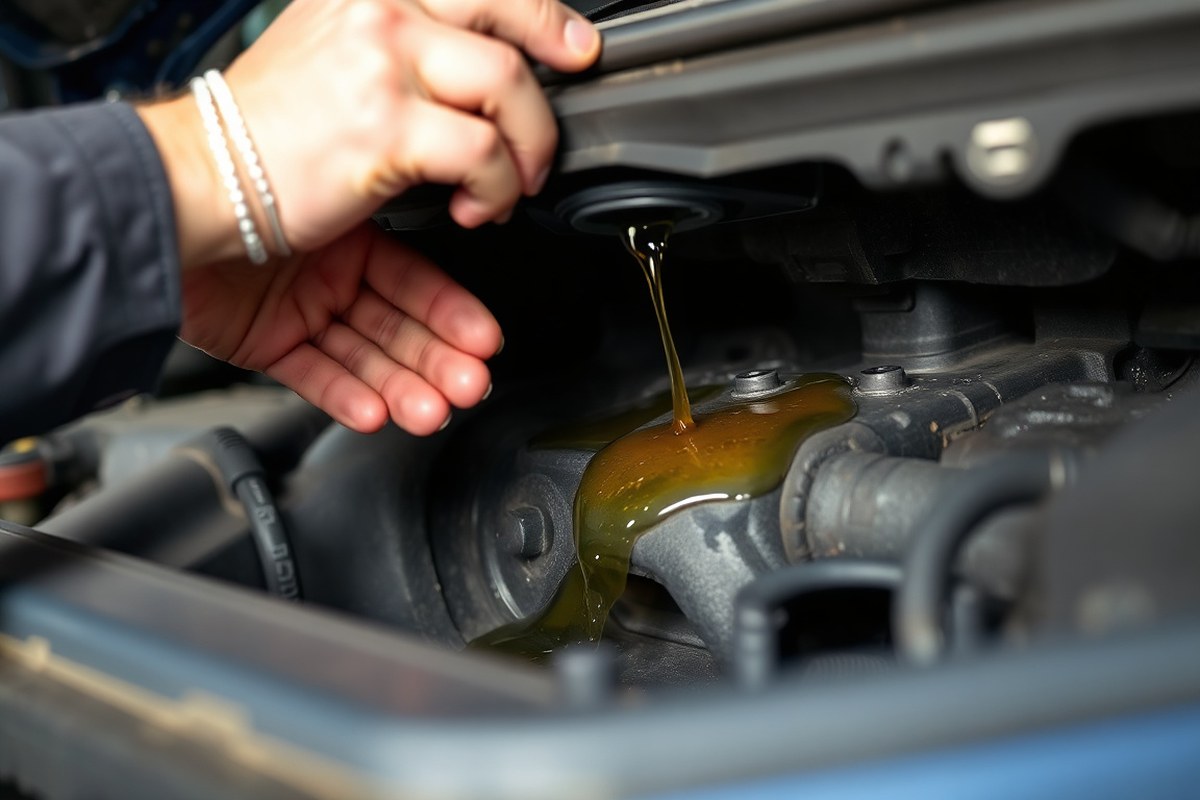
How much does an oil leak cost to fix? It usually ranges from $150 to over $2,000. The price depends on where the leak starts.
How badly the oil leaks also matters. These two things change the cost a lot.
You might pay as little as $20 for a simple gasket fix. Some repairs can cost more than $2,000.
A rear main seal job is one of these. It takes more time and skill.
First, you should get a mechanic to diagnose exactly where the leak is coming from. The diagnosis itself can cost $100 to $200 but prevents unnecessary repairs.
Don’t ignore even a small oil leak. It can cause serious engine damage or fire hazards if left too long.
Key Takeaways
- Diagnosis usually costs $100 to $200 but helps pinpoint the leak accurately.
- Gasket repairs can cost as low as $20 to $150 depending on the part.
- Rear main seal leaks often cost between $600 and $2,000 or more.
- Ignoring leaks risks engine damage that can cost over $4,000 to fix.
- Small leaks may be temptingly cheap to repair yourself if you have skills.
- Oil leak repairs can take from one to several hours depending on severity.
How Much Does Oil Leak Repair Typically Cost?
Fixing an oil leak generally costs between $150 and $2,000. Minor leaks like a loose drain plug or bad oil filter cost between $20 and $100. These repairs are usually easy and quick.
They don’t take much time. These are often quick fixes after a faulty oil change.
Common leaks, such as valve cover gasket repairs, tend to cost from $150 to $500. These repairs take more work because the valve cover sits on the engine top. You might need to remove parts for access.
This adds time and effort. Oil pan gasket replacement costs range from $250 to $1,000.
The price depends on how hard it is to reach the pan. Some vehicles are easier than others.
More complex repairs like front crankshaft or camshaft seals can cost between $400 and $1,200. These seals are located behind timing covers, requiring considerable labor to reach. Rear main seal repairs cost the most, from $600 to over $2,000.
This is because you often must take out the transmission. It’s a complex job.
The average cost for most oil leak repairs falls between $300 and $1,000. A quick, minor repair often takes under an hour and costs a few hundred dollars. Major seal repairs require several hours of labor and may push the bill past $1,500.
Expect an initial diagnostic fee of $60 to $180 to pinpoint the leak’s source. Proper diagnosis usually includes pressure tests and inspecting your engine. These tests might count toward the repair cost if you agree to fix it.
This saves money on the diagnosis. The diagnosis ensures the mechanic targets the correct leak spot and avoids unnecessary repairs.
Which Factors Influence Oil Leak Repair Costs?
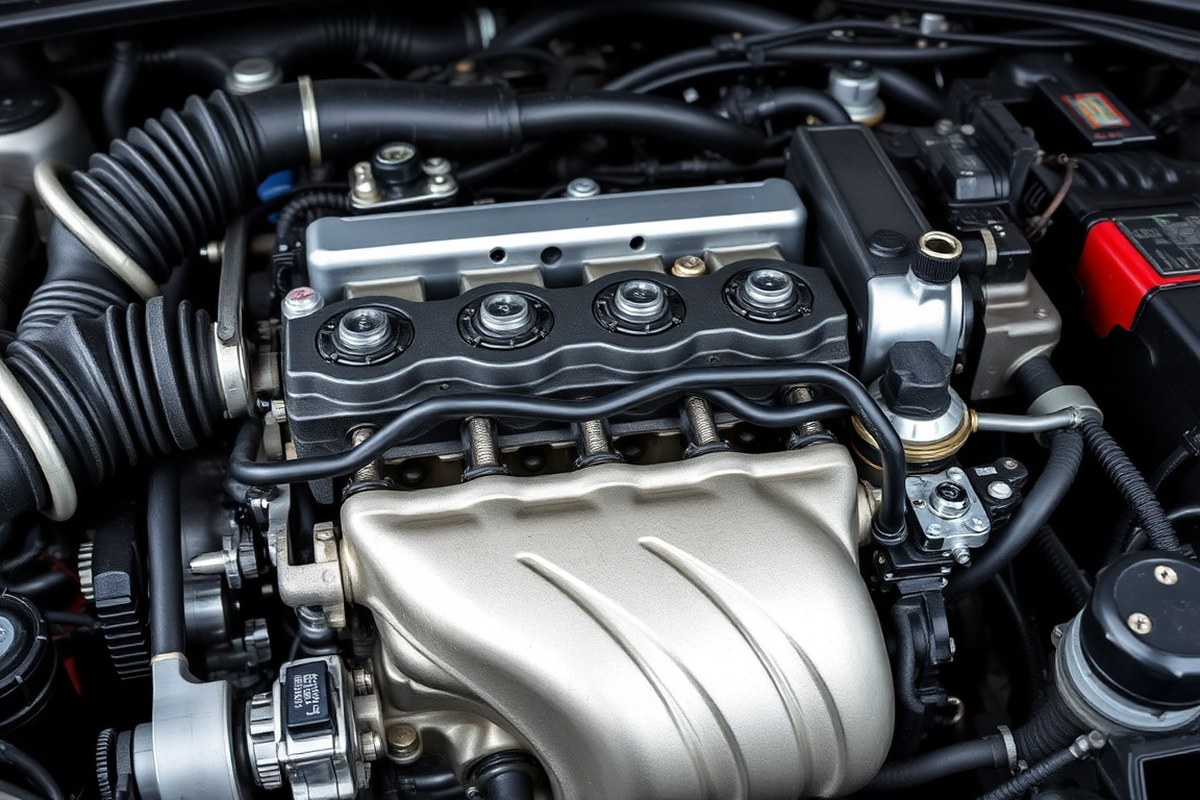
The location of the oil leak changes how much it costs to fix. Leaks from the valve cover gasket usually cost around $225 to $525. This work needs removing parts like the coil pack or tubes.
This process usually takes time. It is part of the repair.5 to 3 hours. Fixing a rear main seal takes 6 to 10 hours.
The cost can go over $2,000. This repair is more involved. The oil pan gasket sits low and may need engine support to access.
So labor can be 2 to 4 hours, costing about $300 to $700. Oil pan drain plug leaks are simpler to fix.
Costs often stay under $85. Parts and labor are low cost.
Your car’s make and model heavily influence repair costs. Some cars have engines tightly packed. So the mechanic spends more time getting to the leak.
Luxury or import cars have pricier parts. They also need more labor time. This makes the total cost higher.
Simpler, older models usually cost less to repair because parts are cheaper and easier to reach. Heavy-duty or performance vehicles may need special seals or gaskets that add to the parts cost. This variation means two vehicles with the same leak type can have very different repair bills.
Labor rates vary widely by location and shop. Urban areas or dealerships typically charge around $125 per hour or more. Independent mechanics might charge less, near $80 to $100 per hour, lowering your cost.
Hard-to-reach repairs take longer and more labor hours. The hourly mechanic rate then affects the total. This raises the cost.
Valve cover gasket repair costs vary by shop. Small shops charge about $240.
Dealerships ask for $525 due to labor. Always ask about hourly rates and estimated hours before agreeing to the repair.
The condition of the gaskets and seals makes a big difference in repair price. Old, brittle gaskets might break or require extra cleanup, increasing labor time. Mechanics may replace many seals if leaks are more.
This increases both parts and labor costs. It raises the total bill. Oil leaks can damage parts around the engine too.
Cleaning and replacing those parts costs more. This adds to repair expense.
Good results mean replacing all damaged seals properly and checking the engine oil level afterward. Skipping this can lead to leaks returning or engine damage.
Ask your mechanic to show where the leak is. Understand why it affects the labor needed. This helps with cost clarity.
What Are the Most Common Sources of Oil Leaks and Their Repair Costs?
Valve cover gaskets are a common source of oil leaks. These gaskets can harden or crack over time, causing oil to seep out. Fixing a valve cover gasket costs between $225 and $525.
Parts are easy to get. Labor takes a moderate amount of time.
The oil pan gasket seals the oil pan to the bottom of the engine. It often leaks after damage or wear, and replacing it costs more. Expect to pay between $571 and $781.
Labor is harder because the oil pan must come off. This makes the repair more time-consuming.
Replacing a rear main seal ranks as one of the most complex repairs. This seal keeps oil from leaking where the engine meets the transmission.
It requires removing the transmission, which can push repair costs above $2,000. Labor is extensive, and mistakes here risk significant engine damage.
Other common leak points include drain plug washers, oil filter housing seals, and oil pressure sensors. These parts cost less but can still cause leaks. Leaks happen if they aren’t tight or replaced right.
You need to handle them carefully. A loose oil filter or damaged seal can often be replaced in under an hour.
| Leak Source | Typical Repair Cost | Repair Complexity | Repair Description |
|---|---|---|---|
| Valve Cover Gasket | $225 – $525 | Low to Moderate | Replace gasket on top of engine; accessible, moderate labor |
| Oil Pan Gasket | $571 – $781 | Moderate to High | Remove oil pan, replace gasket; more labor and mess |
| Rear Main Seal | $1,500 – $2,000+ | High | Remove transmission to access seal; labor-intensive and costly |
| Oil Filter Housing Seal | Low (<$200) | Low | Replace seal; simple part swap, quick repair |
| Drain Plug Washer | Very Low (<$50) | Low | Replace washer; quick fix during oil change |
Oil leaks from the valve cover gasket often smell like burning oil. Dirt and engine heat cause the gasket to dry out.
Fixing this keeps engine compartments cleaner and prevents low oil levels. Small repairs here prevent bigger costs.
The rear main seal involves more risk since it’s hidden. Removing the transmission adds hours of work.
This repair demands skill and good tools. Poor seals left unfixed often cause heavy oil loss and engine damage.
Oil pan gasket leaks may look worse than they are. Oil can drip down from leaks higher up. Check carefully where the leak starts.
Understanding airflow and oil flow helps identify the real source. Leak diagnosis is key before repair to avoid unnecessary cost.
How Do Mechanics Diagnose Oil Leaks Accurately?
Mechanics find oil leaks by following several key steps. They use tools like visual checks, UV dye, and pressure tests. The diagnosis typically costs between $100 and $200.
Visual Inspection and Oil Residue Tracing
First, a mechanic does a careful visual inspection of the engine area. They look for fresh oil drips and dark stains where oil pools or splatters.
The mechanic finds wet spots and follows them upward on the engine. This often shows where the oil leak starts.
They clean oily areas to reveal new leaks better. Watching how fresh oil drips over time helps pinpoint the exact spot causing the leak. This step usually takes 15 to 30 minutes.
Using UV Dye and Blacklight for Leak Detection
Next, mechanics add a special UV dye to the engine oil or oil system. The car runs for a short time, letting the dye mix and leak out.
Then, they use a blacklight to check the engine carefully. The dye glows where oil leaks are present.
This method finds slow or hidden leaks that don’t show oil puddles. It’s especially helpful when leaks appear inside tight spots or under engine covers. Charging dye, labor, and scanning usually adds $20 to $50 to diagnostics.
Pressure and PCV System Checks
Mechanics often use pressure testing on the oil system next. They connect a pump to pressurize engine oil passages without the engine running. This forces leaks to become visible, especially small ones that only show with pressure.
They also check the PCV system closely. It can leak if it’s clogged or broken.
This check flags pressure build-up that may push oil past seals. Pressure tests may add $50 to $100 to the diagnostic cost.
Handling Diagnosis Fees and Credits
Expect a diagnostic fee around $100 to $200 to find an oil leak’s origin. The cost depends on how hard the leak is to reach.
It also depends on how much time the repair takes. A complex diagnosis takes more time, increasing the fee.
Many shops apply your diagnosis fee to the repair cost. This happens if you fix the leak there.
You only pay the diagnosis fee if you don’t repair the leak. This applies when you choose another shop or skip repairs.
- Start with a visual inspection looking for fresh oil or stains.
- Clean suspected areas to track new leaks more clearly.
- Add UV dye to the engine oil and run the engine.
- Scan engine parts with a blacklight for glowing leak trails.
- Perform pressure testing by pumping oil system passages.
- Check the PCV system for blockages or damage.
- Review findings to locate the exact leak source.
- Estimate costs and communicate diagnosis and repair options.
What Safety Risks Can Arise from Ignoring Oil Leaks?
Even a small oil leak can be dangerous. It lets oil escape, which means your engine may lose lubrication. This leads to friction and wear inside the engine, causing damage that costs thousands to fix.
Low oil levels from leaks make the engine overheat. Parts rub against each other more, which can cause metal pieces to warp or break.
Ignoring this can make a small leak fix turn expensive. It might lead to an engine rebuild costing $4,000 or more.
- Engine damage from oil starvation
- Higher risk of engine overheating
- Potential fire hazard from leaking oil contacting hot parts
- Damage to other engine components from oil contamination
- Environmental harm from oil spilling on the ground
- Larger repair bills as the leak worsens
Driving with an oil leak isn’t safe. You should stop if your oil pressure warning light comes on. Stop driving if the oil level gets low.
Also stop if you see smoke from the engine. Watch out if the leak grows fast.
There’s a real fire risk from oil leaking onto hot engine parts like the exhaust manifold. Oil can ignite at temperatures above 400°F. This risk rises when leaked oil pools under the vehicle. Take leaks seriously before continuing to drive.
Don’t delay oil leak repairs if your oil level is low or warning lights appear. It can prevent costly engine damage and fire risks.
Checking your oil level regularly helps catch leaks early. Add oil when needed and schedule repairs soon. This avoids serious engine harm and keeps you safe on the road.
How Long Does an Oil Leak Repair Usually Take?
Most oil leak repairs take between 2 and 5 hours. Simple jobs like replacing an oil pan gasket usually fall within this range. When parts are easy to reach, mechanics can finish quickly.
Some repairs need more time, especially those that need engine removal. Fixing a front main seal often takes 6 to 14 hours. This happens because the timing chain or other components must be removed first.
A job on easily reached gaskets might cost you about $350 to $800. But more complex repairs can charge $1,000 to $2,000 or more. The labor hours increase the total cost directly since you pay for time on the clock.
Labor cost equals the hours worked multiplied by the shop’s hourly rate. Rates vary by region but expect roughly $75 to $150 per hour.
A shop will give you a quote showing these figures. This way, you can see why a difficult leak repair costs more.
Repair and diagnostic work can often happen the same day. Once the mechanic locates the leak, they can usually start fixing it quickly. Some jobs need engine removal or special tools.
These may take extra time. You might need to return for a follow-up visit.
Repair time also depends on how accessible the leak is. Some gaskets sit behind other parts like timing covers.
These require extra steps to reach. For example, a GM 3.6L V6 front main seal replacement normally takes over 4.5 hours due to timing chain removal.
Cleaning up old sealant or removing rusted bolts adds more labor, too. So a simple gasket in a cramped spot may cost twice as much. Expect your mechanic to explain what affects the hours needed before work starts.
When Can You Fix Small Oil Leaks Yourself, and When to Call a Professional?
You can fix small oil leaks at home if they involve simple parts and low risk. Tightening a loose oil filter or replacing an oil drain plug washer are DIY fixes. Major leaks need a professional because of complex tools and engine parts involved.
Simple Gasket Replacements and Seal Washers
Small leaks from oil filter gaskets or valve cover gaskets can be fixed with basic tools. You usually just replace the faulty gasket or washer causing the leak.
Budget gasket sets cost around $12 to $38 but last shorter. Mid-range kits ($39 to $94) offer better durability and fit.
Here’s how to handle simple gasket or washer fixes yourself:
- Buy the right gasket or washer compatible with your car model
- Drain oil if the gasket is near oil passages
- Remove the old gasket or washer gently to avoid damage
- Clean all sealing surfaces thoroughly
- Install the new gasket or washer evenly without forcing
- Torque bolts to the manufacturer’s specs using a torque wrench
- Refill oil and check for leaks after running the engine
This kind of repair usually takes 1 to 2 hours and costs under $100 in parts. Avoid trying this on complex seals like rear main seals, which need special tools.
Using Oil Leak Stopper Additives Properly
Oil leak stopper additives can help slow minor leaks by softening old seals. These products are cheap, priced around $10 to $20 at auto stores. Use them only for small leaks; they won’t fix big gasket failures or cracks.
To use additives effectively, follow these steps:
- Choose an additive suitable for your engine oil type
- Add it to the oil when the engine is warm, following label instructions
- Drive your car gently for a few hundred miles to help seals swell
- Check oil levels frequently since additives don’t stop leaks completely
- Plan for a proper repair if the leak persists beyond 500 miles
These additives work best with leaks from dried-out seals. They do not fix metal gaskets or holes. Additives help cracks in rubber seals only.
Tools Needed for Small Repair Jobs
DIY fixes for small oil leaks require basic tools you might already have. You’ll need a torque wrench, socket set, screwdrivers, and a drain pan. A gasket scraper or razor blade helps remove old seals carefully without scratching surfaces.
Here’s a checklist for tools to keep handy:
- Torque wrench for correct bolt tightness
- Socket and ratchet set including deep sockets
- Screwdrivers, flat and Phillips types
- Oil drain pan to catch draining oil
- Gasket scraper or razor blade for cleaning surfaces
- Clean cloths or shop towels
- New gaskets or washers specific to the repair
Having these tools lets you do minor repairs safely and avoid damage or over-tightening bolts.
Signs a Professional Is Needed
Call a mechanic if the leak comes from hard-to-reach places or needs engine removal. Rear main seal or oil pan gasket jobs cost over $1,000. The high price comes from intense labor and special tools.
These repairs take time and skill. Avoid trying these yourself to prevent engine damage.
Get professional help if your leak is heavy or constant. Oil spots daily under the car show serious leaks. Don’t ignore ongoing leaks that leave stains.
A pro can find the exact leak source quickly. They fix it right to stop leaks from coming back. Proper repair avoids repeating leak problems later.
Complex gasket sets include MLS or OEM parts costing $95 to $210+. So a mechanic can ensure quality installation.
What Extra Costs Come After the Oil Leak Repair?
When your mechanic fixes an oil leak, topping off engine oil is common. This step costs between $40 and $120. The price depends on your car’s oil capacity.
The oil grade used also affects the cost. Sometimes, they might replace the oil completely if contamination is a concern.
Follow-up checks aren’t always required but are a smart idea, especially for serious leaks. They help catch any new leaks early before bigger damage happens. Your shop may recommend checking the repair area after a week or 100 miles of driving.
Extra repairs can appear if the leak damaged other parts like belts, gaskets, or sensors. Tightening bolts or replacing seals can sometimes cost another $50 to $150. Problems happen if the leak shows worn engine parts.
These parts need fixing or replacement. Ignoring this can cause more damage.
- Engine oil top-off or replacement $40, $120
- Follow-up leak testing or visual inspection
- Gasket or seal replacement if leaks persist
- Cleaning engine parts affected by oil spill
- Labor for checking or retightening bolts
- Diagnostic retests if leaks aren’t fully fixed
- Possible warranty or shop guarantee inspections
Watch for early signs of a new leak. Check under your car after parking. Look for fresh oil spots or wet areas.
Look for fresh oil spots on the driveway or garage floor. Also, check your oil level weekly using the dipstick and note if it drops unusually fast.
Ask your mechanic upfront about follow-up checks and what their leak repair warranty covers.
How to Prepare and What to Ask Your Mechanic About Oil Leak Repairs?
To get the best oil leak repair, you need clear info and questions ready. Tell the mechanic about your car’s details and leak symptoms. Then, ask about diagnosis, parts, labor, and warranties to avoid surprises.
Information to Provide About Your Car and Symptoms
Give your mechanic the exact make, model, and year of your car. Mention the mileage and any recent repairs related to the engine or oil system. Tell what you saw about the leak, like where the oil spots are.
Say if you smell burning oil nearby. These details help find the leak source.
Note how often and how much oil you add. This helps the mechanic understand leak severity.
- Year, make, and model of your vehicle
- Odometer reading (mileage)
- Where and when you saw the oil leak
- How often you add oil and how much
- Any dashboard warning lights or smells
- Recent engine or oil-related repairs
Writing these down before your visit saves time and ensures you don’t forget details. A simple note or text works well.
Key Questions to Verify Diagnosis and Repair Scope
Start by asking how the mechanic will find the leak source and estimate repair costs. Are they using dye tests or physical inspection? Find out if they include diagnosis fees and if those fees apply to the repair.
Ask what parts and repairs they think will fix the leak. This tells you if they caught the full problem or just the easy fix. Get an idea if any extra parts or labor could appear later.
Questions About Parts Quality and Warranty Coverage
Ask if the parts used are original equipment manufacturer (OEM) or aftermarket. OEM parts often cost more but fit better and last longer.
When your budget is tight, check the difference in warranty for parts. This helps you know what cost to expect.
Learn the warranty length and if it includes parts only or labor. This makes repair costs clearer up front.
Some shops offer 12 months or 12,000 miles warranties. Make sure you get a written copy.
Discussing Labor Cost and Timing Expectations
Labor usually makes up a large part of oil leak repairs. Ask how many hours they estimate and the hourly rate. This helps you spot if the shop’s price seems too high or too low.
Arrange a pickup time and ask how long the repair will take. Some leaks need special tools or long engine disassembly, which can add days. Confirm if they’ll call before ordering expensive parts or performing extra work.
Step-by-Step Action Plan for Handling Oil Leak Repairs
Follow these steps to address an oil leak effectively and avoid bigger problems. Each step includes a clear action and a way to check your progress.
- Day 1: Inspect your engine for fresh oil spots. Use a flashlight and clean rag to spot leaks. When unsure, watch for oil spots on the ground where you park.
- Day 2-3: Monitor your oil level daily using the dipstick. A dropping level confirms a leak. Note how fast the oil level decreases.
- Within one week: Visit a mechanic if the leak stays. Check your oil level often. See a mechanic fast if it falls quick. Ask for a leak source and repair estimate.
- After diagnosis: Decide whether to repair immediately or budget for parts and labor costs. Confirm minimum repair time and parts needed with your mechanic.
- Day of repair: Get clear pricing before the work starts. Confirm warranty if given and arrange for alternate transport if repair takes over a day.
- After repair: Check under the car for fresh leaks before you leave the shop. Monitor oil level daily for at least one week to catch any new leaks.
- Within two weeks: Keep a record of any warning lights or smells. Contact the mechanic if oil consumption or leaks return.
Frequently Asked Questions
Can I Drive My Car with a Minor Oil Leak?
You can drive a short distance with a minor leak. Keep oil levels checked to avoid engine damage or fire risks.
How Often Should I Check for Oil Leaks at Home?
Check your oil level and look for leaks every month. Regular checks help catch leaks before they cause serious damage.
Will an Oil Leak Repair Help Improve My Car’s Fuel Efficiency?
Fixing an oil leak can improve fuel efficiency slightly. Oil leaks can lower engine performance by causing dirt buildup and poor lubrication.
Do Different Car Brands Have Typical Oil Leak Issues?
Yes, some brands have common leak spots due to design. Knowing this saves time when diagnosing leaks on your specific vehicle.
Does Weather Affect the Severity of an Oil Leak?
Cold weather can thicken oil and slow leak growth. Hot weather can expand seals and worsen leaks faster.
The Bottom Line
Repairing an oil leak usually costs a few hundred dollars but prevents bigger damage. Keep track of your oil level and get leaks fixed promptly. Call a trusted mechanic as soon as you notice signs of a leak.