How Long Do Oil Changes Take? Complete Time Guide with Tips
How long do oil changes take is a common question among drivers. Most oil changes finish in about 15 to 45 minutes, depending on the shop and vehicle. Quick lube spots like Take 5 can do oil changes fast.
They often finish in about 10 minutes. This speed suits busy schedules well.
Dealerships usually take longer, around 45 to 90 minutes, because they also perform multi-point inspections. Your car’s oil type and engine size also affect the time needed. Diesel engines generally take more time than gasoline ones.
Starting with an appointment can help reduce your wait. Watch for busy hours at shops, as that can add time. Choosing synthetic oil might cut your visits but not the time per change.
Key Takeaways
- Quick oil change shops can finish service in 10 to 30 minutes.
- Dealership oil changes typically require 45 to 90 minutes.
- Diesel engine oil changes take longer than standard gasoline engines.
- Synthetic oil lasts longer, reducing total number of oil changes needed.
- Appointments help avoid extra wait times at service centers.
- Busy hours at shops can extend your total service time.
How Long Does a Typical Oil Change Take?
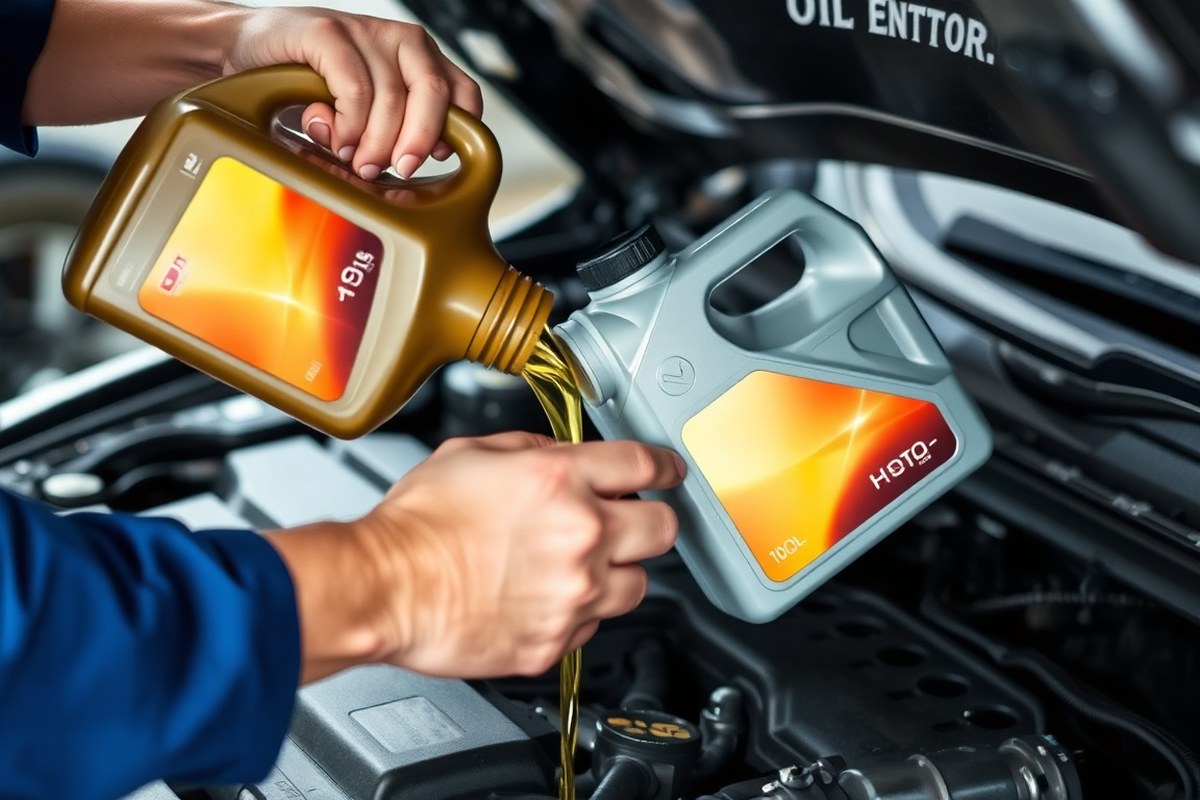
Getting an oil change at a quick lube shop usually takes about 15 to 30 minutes. These places focus on speed, draining your old oil and putting in fresh oil fast. You’ll often get a basic fluid top-off and a quick visual check during this time.
Dealership oil changes take longer, generally between 45 and 90 minutes. This is because they do a full-service oil change plus a multi-point inspection. They check several parts of your car, which adds time but can catch issues early.
Doing your oil change yourself takes more time, commonly 30 to 90 minutes. It depends on your experience, tools, and how organized your workspace is. Cleaning up and disposing of used oil safely also adds to the total time.
Several things affect how long an oil change lasts. More complicated oil types or filters take extra time. Some diesel trucks can take 30 to 40 minutes.
Regular sedans finish faster, around 15 to 20 minutes. Shop schedules and technician skills also play roles.
Adding services like tire rotation makes the job take longer. Usually, it pushes the job to 60 to 90 minutes. The extra work adds to the total time.
Independent mechanics take different times for an oil change. It could be 30 to 60 minutes.
It depends on the shop and extra checks. Quick lube places usually stick to the faster end of the spectrum.
Time matters because you want quality work without long waits. Quick lube shops trade thorough inspections for speed, which fits most daily drivers.
Dealerships invest more time but charge extra. DIY can save money but needs patience and proper tools to avoid mistakes.
The Step-By-Step Process of an Oil Change
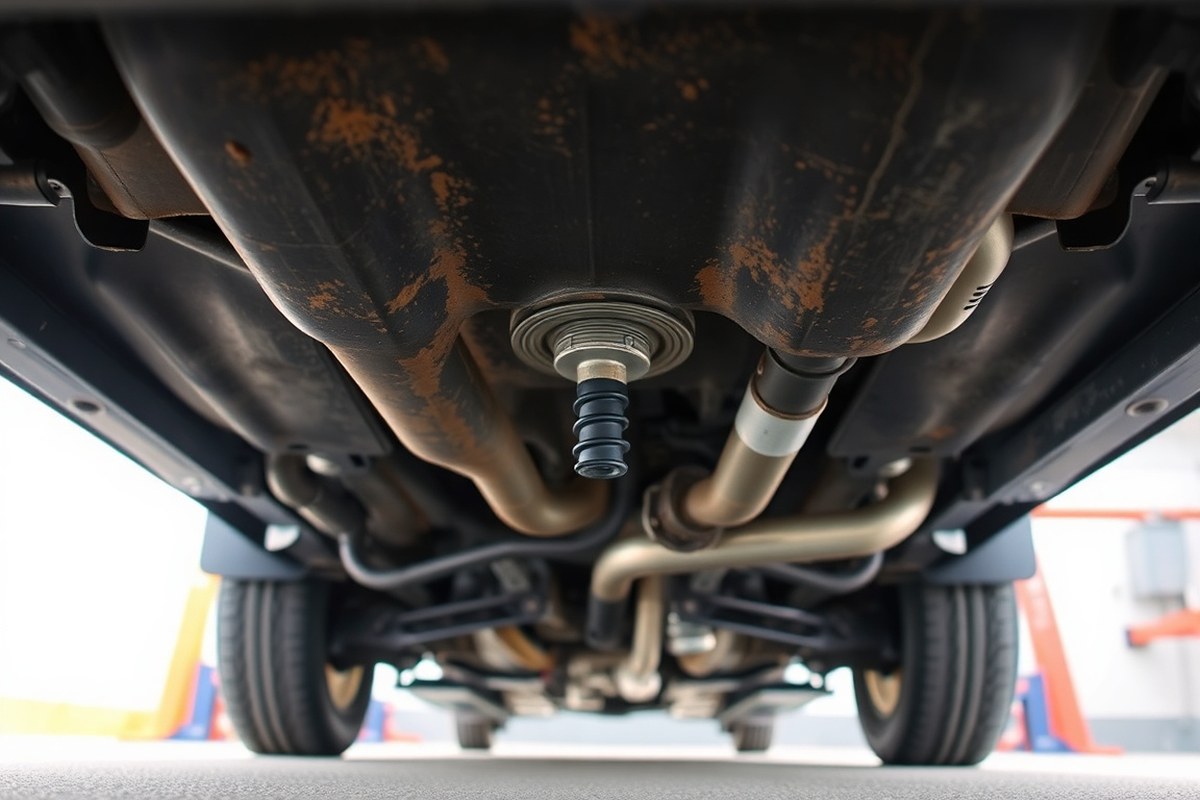
An oil change usually follows a set series of steps. Each step needs some time, depending on the vehicle and service level.
Quick oil changes take about 10 to 20 minutes. Full services take 30 to 45 minutes or more.
Draining Old Oil and Removing Filter
This step takes roughly 5 to 10 minutes. The technician lifts the car and places a drain pan under the oil pan. They then remove the drain plug to let the old oil flow out completely.
Removing the old oil filter comes next, freeing it carefully to avoid spills. Depending on how accessible the parts are, this stage can take a bit longer.
Make sure the engine is cool before draining oil to avoid burns or damage.
Installing New Oil Filter
After draining, a new filter goes on to keep the engine clean. The technician puts fresh oil on the new filter’s rubber seal.
Then, they screw the filter in place carefully. This helps the seal fit well.
This step takes around 2 to 5 minutes and requires care to avoid cross-threading or overtightening. Proper filter installation prevents leaks and ensures good oil flow.
Adding Fresh Oil and Checking Levels
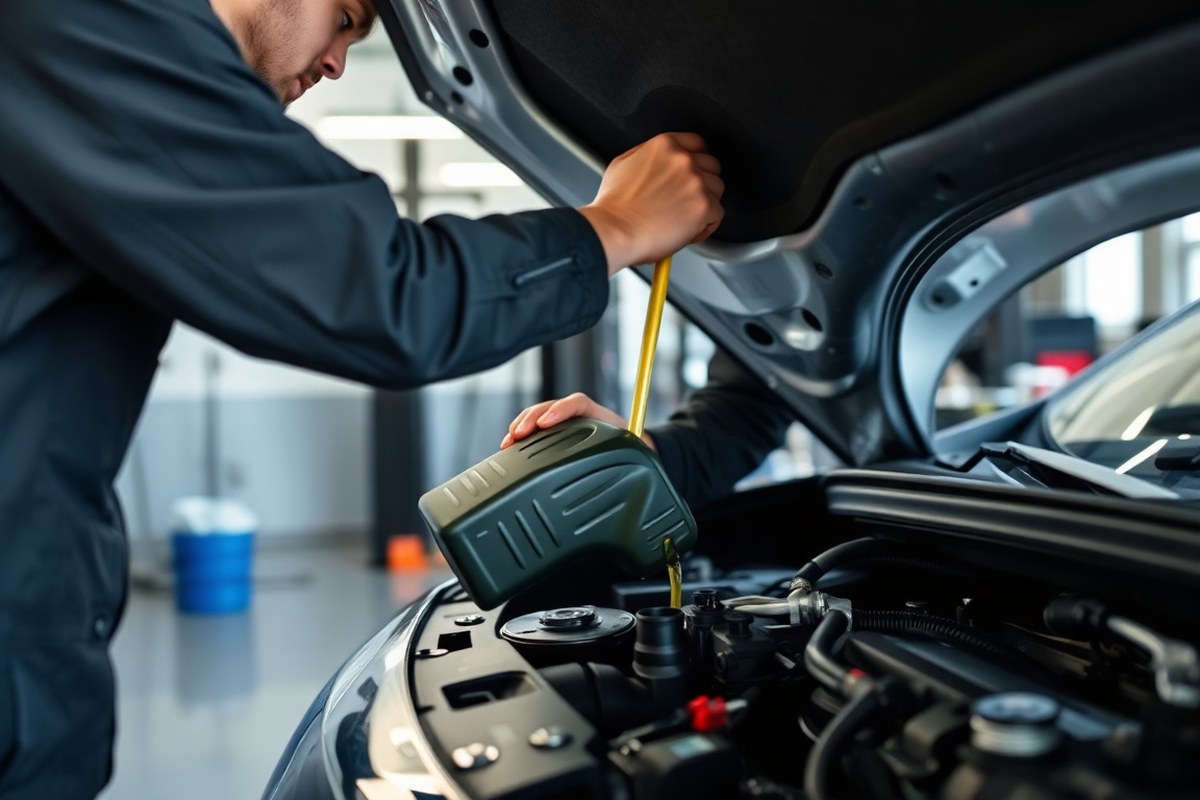
Adding new engine oil depends on the vehicle’s requirement, usually 4 to 6 quarts. The technician pours in the correct oil type per manufacturer guidelines carefully.
Then they check the oil level using the dipstick, topping off as needed. This step usually takes 3 to 5 minutes.
It could be longer if extra oil is needed. Trimming the seal also adds time.
Inspecting Other Fluids and Components
Full-service oil changes often include checking brake fluid, coolant, power steering fluid, and windshield washer levels. Technicians also inspect belts, hoses, and tire pressure during this time.
Most of these checks happen while oil drains or oil is added. So they add minimal extra visit time. Still, expect 5 to 15 minutes for thorough inspections plus any small top-offs.
Extra services like tire rotation or cabin air filter replacements add 15 to 45 minutes.
Resetting Oil Change Indicators
Finally, the technician resets the vehicle’s oil change light or maintenance indicator if it has one. This step takes 1 to 3 minutes and ensures the dashboard shows accurate reminders.
It usually involves using the car’s buttons or a scan tool to clear the alert. Skipping this can cause confusing alerts or missed service reminders later.
- Lift the vehicle safely using a jack or service lift.
- Place a drain pan and remove the drain plug.
- Remove the old oil filter carefully.
- Install a new, lubricated oil filter.
- Add the correct amount and type of fresh engine oil.
- Check oil level and add more if needed.
- Inspect other fluids, belts, hoses, and tires as time allows.
- Reset oil change indicators or dashboard lights.
How Vehicle and Oil Type Affect Oil Change Duration
Engine size and vehicle design have a big impact on how long an oil change takes. Larger engines often need more oil, which takes extra time to drain and replace. SUVs and trucks often need more effort to lift for oil changes.
Accessing the drain plug in larger vehicles takes extra time. Smaller cars are easier to handle during this step.
Diesel engine oil changes generally take longer than gasoline engines. Diesel engines use thicker oil and bigger filters, which means draining takes more time. Some diesel vehicles have two oil filters.
These add a few extra steps. That makes the oil change take longer.
Synthetic oil changes usually take about the same time as conventional oil changes. Synthetic oil actually drains quicker because it flows better. Choosing the right synthetic oil and filters can add time.
This happens if your vehicle needs a special oil grade. It adds a short extra step.
Expect the oil change to take 20 to 45 minutes. Time varies depending on your vehicle size and service center.
| Factor | Time Range | Why It Matters |
|---|---|---|
| Small to medium car, conventional oil | 15, 30 minutes | Easy access, less oil volume, standard drain plug |
| Large SUV/truck, conventional oil | 30, 45 minutes | Harder to access drain plug, more oil volume |
| Diesel engine, synthetic or conventional oil | 30, 45 minutes | Thicker oil, larger or dual filters, extra steps |
| Synthetic oil, typical passenger car | 20, 45 minutes | Oil drains faster, potential special oil grades |
| Full-service oil change (includes inspections) | 45, 90 minutes | Additional fluid checks, tire and brake inspections |
Larger engines and diesel setups can add 10 to 15 minutes to your oil change. Special filters or oil blends may add extra steps to the process. When your vehicle requires these, shops adjust their time estimates accordingly.
Accessibility is key. Mechanics need more time if the drain plug is hard to reach. A tough-to-access filter also slows down the process.
Lifting heavy vehicles can also slow the process. So some trucks and SUVs have longer wait times.
Why Do Oil Change Times Vary Between Service Locations?
Quick lube shops focus on speed. Chains like Jiffy Lube and Valvoline aim to finish oil changes in 15 to 30 minutes. Still, wait times can stretch a visit beyond an hour, especially during busy hours or weekends.
These shops keep the process simple and efficient. They usually don’t do extensive inspections or paperwork, which saves time.
You can often walk in without an appointment. But a busy queue may slow you down.
Dealerships usually take longer, often 30 to 60 minutes or more. They include thorough inspections and extra steps like paperwork and checking for recalls. These added services can make the visit longer but also help catch potential problems early.
Some dealerships have Express Lanes to speed things up. These lanes focus on quick oil changes without the full inspection, cutting down the wait. However, bundled services or special requests still add time.
Independent mechanics fall somewhere in between. Their speed depends on the shop’s workload and the mechanic’s experience. Some places are faster than dealerships.
They are slower than quick lube chains. This often happens when extra checks are included.
Added services, like tire rotations or topping off fluids, usually add 15 to 20 minutes. Many places offer these extras for $20 to $40 more. Your car is already on the lift.
Adding services during the oil change is easy. These extra tasks don’t take much time.
Appointments help reduce wait times but aren’t needed everywhere. Quick lube shops and dealerships often accept walk-ins. Visiting during off-peak hours helps you avoid long waits.
Good oil changes mean enough time for proper draining and filter replacement. Even fast places won’t rush the basic steps.
Visits over an hour at quick lubes often mean delays. Waiting in line or extra services usually cause them.
How Long Does a DIY Oil Change Take and What Affects It?
A DIY oil change usually takes 20 to 45 minutes, depending on your experience and prep. Beginners might need more time, mostly due to setup and cleanup. Having the right tools handy and following clear steps can speed the job up.
Essential Tools and Supplies for DIY
Gathering the right tools before starting saves a lot of time. You’ll at least need a wrench or socket set to remove the drain plug. Also, an oil filter wrench is very helpful for loosening the oil filter.
Here’s a quick list of what makes the process easier and faster:
- Car jack and safety stands for lifting the vehicle securely
- Oil catch pan to hold the draining oil
- New oil filter and the correct type/amount of oil
- Rags or paper towels for wiping spills
- Funnel to pour clean oil without splashing
- Gloves to keep your hands clean and safe
- New crush washer or gasket for the drain plug, if needed
Having all these ready means you won’t waste minutes looking for gear mid-job. Missing just one tool can cause frustrating delays.
Steps to Efficiently Perform a DIY Oil Change
Start by warming up the engine for a few minutes. Warm oil flows out faster, cutting your draining time by about half. Then, securely lift the car and position the oil pan under the drain plug.
Draining takes about 5 to 10 minutes, depending on oil temperature. While waiting, loosen and remove the oil filter. After the oil fully drains, replace the drain plug and oil filter carefully to avoid leaks.
Refill with the right amount and type of oil, then check the level with the dipstick. Lower the car safely and start the engine for a minute to circulate the new oil.
Don’t rush tightening the drain plug or filter; overtightening can cause damage and leaks.
Proper Disposal and Cleanup Tips
Cleaning up takes an extra 10 to 15 minutes. It lasts longer if oil spills on your hands. Spills on the driveway also add to cleanup time.
Always use rags or absorbent pads to catch drips during the process. Avoid rinsing oil down the drain or onto soil, that’s illegal in many places.
Store used oil in a sealed container, such as the empty oil bottle. Take it to a recycling center or an auto shop that accepts used oil. Proper disposal protects the environment and keeps you legal.
Washing your tools soon after the change helps maintain them and cuts cleanup time later. Cleaning your area prevents slipping hazards and keeps your driveway neat.
Combining Oil Changes with Other Services: Time Considerations
Adding a tire rotation to your oil change usually adds about 15 to 30 minutes. The combined service generally takes between 30 and 60 minutes total. The mechanic first lifts your car with a special tool.
Then, they take off the tires carefully. Finally, they put the tires back in the right spots.
Multipoint inspections often happen during oil changes. These inspections check brakes, fluid levels, belts, and other key parts. They add around 10 to 20 minutes, depending on the shop and what’s inspected.
Bundling services like tire rotations or inspections can extend your total time at the shop. But it also saves a lot of separate trips and makes your vehicle maintenance more efficient. Instead of scheduling two visits, you handle both needs in one go.
Scheduling these combined services together usually works best if you want to save time. The technician can move from one task to the next without starting or stopping. Separate appointments can lead to repeated check-ins and wait times.
Keep in mind the total visit might take longer than the service itself. Walk-in hours and heavier shop traffic can add wait time before your car gets worked on. Booking an appointment for combined services can reduce delays.
Sometimes shops offer package deals that lower the cost for combined oil changes and tire rotations. It’s a common offer at many quick-lube locations and dealerships. You generally pay more when adding inspections or fluid top-offs individually.
When you bundle fluid top-offs with an oil change, it usually adds only a few minutes. The mechanic quickly checks and fills transmission, brake, or windshield fluids as needed. It’s a small step but can save you another trip to the shop.
Combining services is convenient but don’t forget to check coverage and pricing. Some shops might suggest extra work during multipoint inspections, which adds time and cost. Ask what’s included in the bundled price before agreeing.
Common Causes for Oil Change Delays and How to Avoid Them
Some oil changes take over an hour because the shop is busy or offers extra services. Dealerships often include a multi-point inspection during the oil change. This adds more time but can spot vehicle issues early, saving you trouble later.
Vehicle problems also slow down the process. Cars with engine leaks, hard-to-reach filters, or low ground clearance make the job tougher. Mechanics may need more time to drain all the old oil or remove parts carefully.
Walk-in customers face longer waits, especially during peak hours like weekends or late afternoons. Shops without appointment systems can’t prepare for customer flow. This leads to lines and longer waiting times for service.
- Book an appointment online or by phone to skip the wait
- Visit early in the morning when shops are less busy
- Check your vehicle beforehand for leaks or damage
- Use shops that specialize in your car type to speed service
- Avoid peak times, like weekends and late afternoons
Calling ahead helps the shop reserve time just for you. You can also ask if they do basic inspections or repairs during the oil change.
Some places let you drop off the car, so they start right away. Prepping your car means mechanics won’t waste time fixing surprises.
These steps help you avoid waiting too long. Usually, waits last 30 to 45 minutes. Following these tips can cut your wait time.
They also help avoid added fees that come with bigger repairs discovered during service. Taking a few minutes to plan can cut your total oil change time significantly.
Safety Tips and Common Mistakes to Avoid During DIY Oil Changes
Wearing the right safety gear and handling oil carefully are key during DIY oil changes. Avoiding spills protects you and the environment. Following good disposal rules keeps your neighborhood safe.
Personal Protective Equipment Recommendations
Gloves protect your skin from hot oil and chemicals. Nitrile gloves are best because they resist oil and tears. Eye protection is smart since splashes can happen when loosening the drain plug.
Wear old clothes or a coverall in case of spills. Closed-toe shoes prevent burns if hot oil drips on your feet. Using a long-sleeve shirt helps avoid burns and skin irritation.
- Nitrile gloves for oil resistance
- Safety glasses or goggles
- Old clothes or coveralls
- Closed-toe shoes
- Long sleeves to protect arms
Good lighting and a clean workspace also help you stay safe and avoid mistakes. Don’t rush or slip-ups happen more often.
Safe Handling and Removal of Oil and Filter
Let the engine cool at least 15 minutes before starting. Hot oil can cause burns if you drain too soon. Use a proper oil catch pan to avoid spills on the ground or garage floor.
Loosen the drain plug slowly to let air in and avoid sudden splashes. Have rags or paper towels ready to wipe drips during removal. Carefully unscrew the oil filter by hand or with an oil filter wrench if it’s tight.
- Allow engine to cool 15+ minutes
- Use a wide, stable oil catch pan
- Loosen drain plug slowly to avoid splashes
- Keep rags or towels handy for cleanup
- Use filter wrench for stuck oil filters
Starting the engine after changing oil helps spot leaks. Check around the drain plug and filter for 3, 5 minutes. Tighten fittings if any leak appears before finishing up.
Proper Disposal and Local Regulations
Used oil is hazardous waste. Pouring it down drains or on soil harms water and wildlife. Store used oil in a sealed container away from heat and children until recycling.
Most auto parts stores and local recycling centers accept used oil free of charge. Check city or county websites for disposal sites and rules. Don’t mix oil with other car fluids; that can make recycling impossible.
- Collect used oil in sealed, labeled containers
- Recycle at authorized centers or auto shops
- Keep oil away from heat sources and kids
- Do not mix oil with antifreeze or brake fluid
- Follow local disposal laws and guidelines
Storing and disposing of oil properly avoids fines and fires. It also protects neighbors and the environment.
Common Pitfalls and Fixes
Overtightening the drain plug can strip threads and cause leaks later. Tighten it just until snug, then give a slight quarter-turn. Using the wrong oil filter risks sealing problems or engine damage.
Forgetting to replace the drain plug washer leads to leaks. Always swap washers with new ones inside the drain plug kit or filter pack. Skipping the engine run test misses leaks that cause damage and messy repairs down the road.
- Don’t overtighten the drain plug; snug plus quarter-turn
- Use the correct, OEM-spec oil filter
- Replace the drain plug washer every time
- Run engine 3, 5 minutes after oil change to check leaks
- Clean spills immediately to avoid slips or stains
Checking for leaks after an oil change is important. It prevents expensive engine damage later on. This small step helps keep your car running well.
Deciding Between DIY, Quick Lube, Dealership, or Mechanic Based on Time and Cost
DIY oil changes take longer, typically 30 to 60 minutes or more. You need tools, proper oil type, and a safe place to work. This option suits drivers who enjoy hands-on work and want to save money on labor.
Quick lube shops usually finish in 15 to 30 minutes. They offer convenience and speed since you don’t need an appointment. However, prices vary from $25 to $50, and the quality can differ depending on the location.
Dealerships often charge $50 to $100 and take 30 to 60 minutes. They use manufacturer-recommended oil and parts, which keeps your warranty intact.
This is best if you want expert care. But it costs more and may take longer than other services.
A local mechanic can offer a balance of price and quality. Prices generally fall between $35 and $75, with service times around 30 to 45 minutes. Mechanics often provide thorough inspections and personalized advice, which adds value for regular maintenance.
If saving time is your top priority, quick lube shops are the usual choice. You can usually stop by without appointments, avoiding wait times. But check reviews to avoid rushed or poor-quality oil changes.
Choose DIY oil changes if you want to reduce costs and don’t mind spending extra time. You’ll save around $20 to $40 by skipping labor fees.
But factor in cleanup and disposal of used oil. Always follow safety rules to avoid spills or injuries.
Dealerships work best when you want warranty protection and trusted parts. Plan for a longer visit and the highest cost. They handle oil types and filters exactly as recommended by your vehicle maker.
Mechanics offer good value for drivers who want solid care without dealership prices. Ask about their oil brands and if they inspect other parts during the change. This service can spot issues early, saving you money and hassle later.
Decide based on your schedule, budget, and what your car needs. For quick, reliable service with less worry, choose a quick lube or mechanic. For lowest cost and control, try DIY only if you have time and skill.
Step-by-Step Action Plan for Your Next Oil Change
Follow these steps to get your oil changed smoothly and on time. This plan helps you pick the best option and avoid delays.
- Before you book: Check your owner’s manual for oil type and change interval. This ensures you use the right oil and don’t wait too long.
- A day before: Decide where to get your oil changed based on time and cost. Choose DIY, quick lube, dealership, or mechanic that fits your schedule and budget.
- Start of service day: Gather all your supplies for a DIY oil change. If using a service, confirm your appointment time. Being prepared cuts down waiting and work time.
- During oil change: Watch the process or do it yourself carefully. Check the new oil level and oil filter fit to avoid mistakes.
- After oil change: Dispose of the used oil safely. You can also give it to the service shop to handle. This keeps the environment safe and avoids fines.
- Within one week: Monitor your dashboard for oil change reminders or leaks. Catching problems early saves time and money later.
Frequently Asked Questions
What Is the Fastest Oil Change Service Available?
The fastest oil changes typically take about 10 minutes at places like Take 5. These quick services only focus on changing the oil.
They leave out extra steps to save time. This helps get you back on the road quickly.
Can Cold Weather Affect How Long an Oil Change Takes?
Cold weather can slow down oil flow and thickening, making the job take longer. Mechanics might need extra time to warm the engine or handle stiffer oil.
How Does the Type of Oil Filter Impact Oil Change Time?
Some oil filters are harder to access and remove, adding extra minutes. Quick-change filters help speed the process and avoid delays.
Why Do Some Luxury Cars Take Longer for an Oil Change?
Luxury and performance vehicles often have complicated systems that slow the oil change. Finding the oil plug and filter can be tricky and take more time.
Does the Oil Change Speed Impact Oil Quality or Engine Protection?
Faster oil changes at reputable shops still meet quality standards and protect your engine. Rushing at uncertified places, however, could lead to cutting corners.
Final Thoughts
Most oil changes take about 30 minutes, but times can vary. Knowing your options helps you save time and money. Pick the right plan and get your car ready to drive smoothly.