At What Percentage to Change Oil: A Complete Guide That Actually Works
At what percentage to change oil is a common question car owners ask. The best time is usually when the oil life drops to about 15%. This gives you a clear warning to get the oil changed soon.
Waiting until 0% is risky because the oil may no longer protect your engine well. At 15%, you have time to schedule your service without rushing. It’s a good rule to keep your engine in good shape.
Many modern vehicles have oil life monitoring systems that track oil condition and usage. These systems adjust based on your driving habits, like city or highway driving. Following this percentage ensures timely oil changes that match your car’s needs.
Check your vehicle’s manual because some cars have different recommendations. Using the oil life percentage with mileage and time keeps oil changes on track. This helps avoid engine wear and keeps your ride smooth.
Key Takeaways
- Change your oil when the oil life hits 15% to avoid engine damage.
- Don’t wait until 0% oil life; schedule service by 5% at latest.
- Use your owner’s manual for exact oil change intervals and advice.
- Plan oil changes early to avoid last-minute repairs or breakdowns.
- Check oil life regularly to balance with mileage and driving time.
- Short trips at 10% oil life are okay but schedule service soon.
At What Percentage Should You Change the Oil?
You should plan to change your oil when the oil life percentage reaches 15%. This level warns you that your oil life is almost over. It shows you need an oil change soon.
Don’t wait too long after this point. Scheduling an oil change around this point helps you avoid last-minute trips and potential engine damage.
Driving with 20% oil life remaining is usually fine. But use it to plan your next service soon. At 10%, you can still drive safely for a short time, like to the repair shop.
Waiting until 0% means your oil is overdue for a change. This can cause engine wear and less power. It’s better not to push the oil that far.
Drive short trips or face heavy stop-and-go traffic? Change your oil earlier. Aim to do it around 20%-15% oil life.
High heat, towing, or dusty conditions also speed oil breakdown, so act sooner. Stick to the 15% oil life target for changing.
This gives enough time to book your service and prepare. You won’t need to rush the job.
Changing oil at 15% oil life usually means it’s due soon. This is based on how you drive every day. It helps avoid engine damage.
It costs between $20 and $100 depending on oil type and location. This cost protects your engine from damage that can cost much more later. Waiting past 0% risks sludge buildup and poor lubrication, leading to costly repairs.
Use this rule: when oil life reaches 15%, plan the change soon. Find a day within the next week for the oil change. This keeps your car running well.
Monitor your oil level monthly until then, especially if you drive in tough conditions. Don’t try to stretch oil change intervals longer just to save money. The price of a fresh oil change is small compared to engine repairs.
How Oil Life Percentage Monitors Work
What Oil Life Percentage Shows You
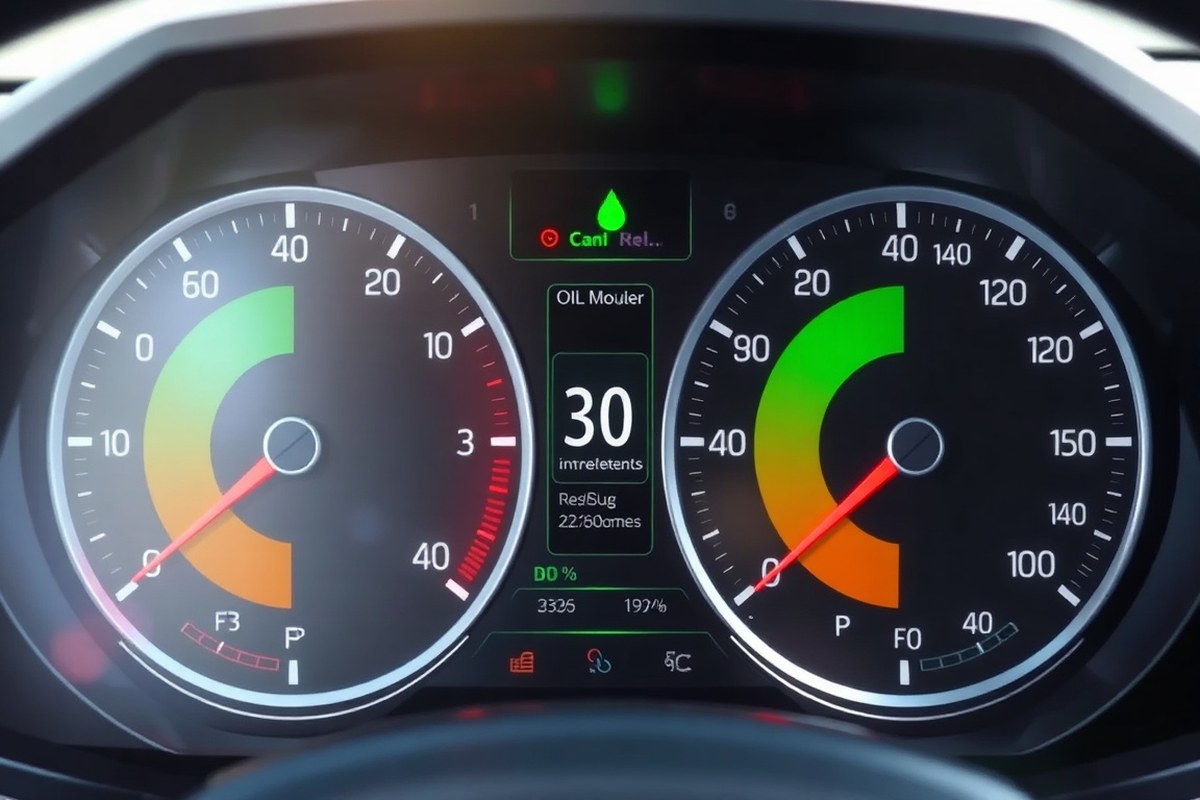
Your vehicle’s oil life percentage is an estimate of how much useful oil life remains. The number shows when your oil needs changing soon. It often happens around 15%.
Keep an eye on this number. This percentage isn’t a direct test of your oil’s chemistry or level. It’s a best guess from your car’s computer.
The estimate helps you plan oil changes instead of guessing by mileage or time alone. It tracks how hard your engine works to judge oil wear. That’s why the countdown starts near 100%.
It resets after each oil change. This tells you the oil life left.
Data Monitored to Calculate Oil Life
The oil life monitor uses engine operating data from your vehicle’s computer to estimate oil degradation. It counts miles driven, engine start cycles, and even engine temperature changes. These details show how much stress your oil faces during use.
For example, driving in stop-and-go traffic heats and cools the oil more often than highway miles. The monitor weighs that data against built-in engine specs and oil type. It then calculates a percentage showing how much oil life remains.
Why It’s an Estimate, Not a Lab Test
The oil life percentage doesn’t come from testing oil samples directly inside your car. A sensor for chemical analysis isn’t practical for most vehicles. The system does not track oil chemistry directly.
Instead, it uses math models. These estimate wear from driving and engine use.
This means the percentage can’t catch all factors affecting oil, like contaminants or oil level drops. It also can’t detect sludge buildup that isn’t tied to mileage or temperature. That’s why you need to check your oil physically and visually too.
How Oil Life Monitors Compare to Mileage-Based Schedules
Oil life monitors change your oil timing based on real use. They don’t just use fixed miles or days. This fits actual engine conditions better.
A car driven in tough conditions wears oil faster. It will hit 15% oil life quicker.
Highway driving usually takes longer to reach that point. This lets you change oil closer to actual need.
Using only mileage or months might make you change oil too early or wait too long. But the oil life monitor is still an estimate.
So following manufacturer recommendations remains key. You can combine both approaches by paying attention to mileage, time, and the oil life reading.
Worked Example: Calculating Oil Life Percentage
Suppose your car’s oil life resets to 100% after an oil change. Suppose you drive 4,000 miles mostly in regular conditions. The oil type recommends changing at 5,000 miles.
You have some oil life left. The oil life monitor might show around 20% remaining around this point.
The monitor reduces oil life unevenly when you drive in tougher conditions. Driving 4,000 miles in city stop-and-go traffic lowers oil life faster. The percentage might fall to 10% or less.
Usually, it would be about 20% in easier driving. The computer adjusts the number to help you change oil at the right time.
Don’t rely only on the oil life percentage. Check the oil level and appearance regularly to avoid engine damage.
How Driving Conditions Affect Oil Life Percentage
Driving conditions largely influence how fast your oil life percentage drops. Factors like temperature extremes, short trips, and stop-and-go traffic cause oil to break down prematurely. You might need to change your oil earlier than the monitor suggests under these stresses.
How Temperature Affects Oil Life
Hot and cold weather both accelerate oil degradation. High temperatures cause oil to thin and lose its ability to lubricate well. Cold starts in freezing weather cause moisture to build up.
This moist air mixes with fuel, leading to incomplete combustion. These issues make your oil wear out faster.
During winter with temps below 20°F, your oil life percentage will drop quicker. The car’s system adjusts for this and signals earlier changes, often around 25% oil life. Hot climates can have a similar effect by stressing the oil’s protective additives.
The Impact of Short Trips and Cold Starts
Trips under 5 miles prevent the engine from reaching optimal temperature. This results in moisture buildup and fuel dilution in the oil. Both conditions speed up oil breakdown and cause your oil life percentage to drop faster.
Repeated cold starts also increase soot and contaminants in your oil. This makes the oil work harder, shortening the interval between oil changes. You should plan on changing oil sooner if you drive mostly short distances.
Stop-and-Go Traffic and Heavy Loads
City driving with lots of stops and idling heats the engine unevenly. This causes oxidation and sludge to form in the oil quickly. Your oil life percentage will shrink faster than on highway drives.
Towing heavy trailers or hauling loads adds extra strain on the engine oil. It leads to higher operating temperatures and contamination from combustion by-products. In these cases, oil changes every 3,000 to 5,000 miles are common.
Table: Driving Conditions and Oil Change Frequency
| Driving Condition | Oil Change Frequency |
|---|---|
| Standard (Highway, mild temps) | Every 5,000-7,500 miles or per oil life monitor |
| Severe (Towing, short trips, stop-and-go) | Every 3,000-5,000 miles |
| Low Usage (Mostly idle) | Follow max recommended time interval |
Tips for Adjusting Oil Changes by Driving Habits
Keep an eye on your oil life percentage more frequently if you drive under severe conditions. Plan oil changes earlier when oil life hits around 25% to avoid damage. Using the manufacturer’s recommended oil type helps maintain better oil performance.
Track your driving patterns for heavy city traffic, towing, or lots of short trips. These habits increase oil wear and drop your oil life percentage quickly. Adjust your oil change schedule accordingly and don’t wait until 0% oil life.
Synthetic vs Conventional Oil Change Percentages
Synthetic oil lets you go farther between changes than conventional oil. It usually lasts about twice as long, thanks to its more stable molecular makeup.
This means oil life percentages drop slower with synthetic oil. So you change it less often.
Conventional oil breaks down faster, so you see quicker drops in oil life percentage. You usually need to change your oil every 3,000 to 5,000 miles. Another sign is when your oil monitor reaches about 15%.
Keep an eye on both to know when it’s time. Synthetic oil can last between 7,500 and 10,000 miles.
In some cases, it goes even longer. How far depends on your car and driving conditions.
Synthetic blends fall between the two. They last longer than conventional but don’t quite match full synthetic’s performance. Expect oil changes roughly every 5,000 to 7,500 miles when using these blends.
| Oil Type | Molecular Size | Change Interval (miles) | Oil Life Percentage at Change |
|---|---|---|---|
| Synthetic | More consistent | 7,500, 10,000 (up to 12,000 on some cars) | Around 15% |
| Synthetic Blend | Variable | 5,000, 7,500 | About 15% |
| Conventional | Less consistent | 3,000, 5,000 | About 15% |
Oil life monitors track oil condition, not fullness. You should still check oil levels monthly. Synthetic oils resist breakdown better.
So their oil life percentages give you longer service windows. Monitoring tools often don’t adjust for oil type. So knowing your oil’s specs helps you plan changes right.
Many cars with synthetic oils can safely go 10,000 miles between changes when driving normally. Only extend oil changes if you follow your car maker’s advice. Use the oil grade they recommend exactly.
This helps avoid engine issues and keeps performance good. Running conventional oil in these cars means shorter intervals to keep the engine protected.
Expect oil life to drop to about 40% after 4,000 miles on synthetic oil. Conventional oils degrade faster, often reaching that point after 2,000 miles.
This affects how quickly the oil life percentage falls, influencing when you need service. Always lean toward earlier changes if your driving is tough or conditions are extreme.
Why You Shouldn’t Wait Until 0% Oil Life to Change
Ignoring oil life warnings below 5% risks serious engine damage. At this point, the oil loses its ability to protect engine parts. Lubrication failure becomes likely, causing metal parts to grind and wear out fast.
Driving past 0% oil life may sound fine, but it greatly increases repair costs. Old oil thickens and gets dirty, failing to cool and clean your engine. This can lead to overheating, sludge buildup, and in worst cases, engine failure.
Scheduling an oil change at 15% oil life gives you a safe buffer. It ensures fresh oil is ready before problems start, especially if your driving conditions are tough. Changing oil early can prevent costly repairs and keep your engine running smoothly.
Check your oil life regularly. Do this especially when it goes under 20%. This helps avoid engine damage.
Set a reminder to book an oil change when you see 15%. Visit the shop or do it yourself before it hits 5%, never pushing past 0%.
Reset your oil life monitor right after the change. This keeps the system accurate and helps you avoid overdue oil changes.
Oil quality deteriorates due to heat, contaminants, and mechanical stress. These factors speed up oil breakdown and shorten its life. Change your oil sooner in hot climates.
Stop-and-go traffic wears it out faster. Dusty roads also cause early oil changes.
Don’t ignore your oil life monitor light. Schedule the oil change promptly to protect your engine and your wallet.
Balancing Oil Life Percentage with Mileage and Time
Your car’s oil life indicator helps but doesn’t tell everything. Refer to your owner’s manual for limits on both mileage and time. Typically, oil changes are recommended every 5,000 to 7,500 miles, or about six months, whichever comes first.
Remember the oil monitor adapts to how you drive. How fast and hard you drive changes the oil life reading. Speeding or quick stops can lower it faster. Gentle driving may keep the percentage higher longer. So, two identical cars might show different oil life percentages at the same mileage. That’s normal. Use a simple rule to know when to change oil. Change it when the oil life hits 5% or less. Also, follow the mileage or time limits from your car’s manual. Don’t rely on just one of these measures alone. Each time you check oil, do a quick review. Write down the oil life percentage and current mileage. Also, note the date of your last oil change. Compare these with your manual’s limits. Driving in easy, low-stress conditions can stretch oil life a bit. But don’t wait until oil life dips below 5%. Keep a good safety margin to protect your engine. Low-usage vehicles especially need time-based changes. Oil can degrade inside the engine regardless of mileage. Skipping this invites corrosion and sludge buildup, which damages your engine and leads to costly repairs. Changing oil on time protects your engine, even if your miles are low. This approach costs a bit in extra oil changes for low-mileage cars. But it saves money by preventing engine wear. Most oil changes run from $40 to $70. Early changes help keep fuel efficiency and engine performance stable long term.
How to Reset Your Vehicle’s Oil Life Monitor Correctly
Resetting your vehicle’s oil life monitor after an oil change keeps track of your next service. You should do this right after changing oil to keep accurate reminders.
Manual resets work for many cars. But follow your owner’s manual for exact steps and rules.
When and Why to Reset the Monitor
Reset the oil life monitor only after a full oil change. This prevents incorrect alerts about oil condition and avoids premature service warnings. Skipping the reset leaves the monitor showing old data, which can confuse maintenance schedules.
Manual resets are allowed when your vehicle does not automatically reset after an oil change. Most modern cars support this. Check your owner’s manual to be sure you’re allowed to reset manually without causing problems.
Step-by-Step Oil Life Reset Procedure
Resetting the oil life monitor is simple and fast. The process changes a bit depending on your car brand.
Usually, it follows a simple pattern with the ignition and dashboard buttons. Here is a common method to try:
- Turn the ignition to the “ON” position but don’t start the engine.
- Use the steering wheel buttons or dashboard controls to find the oil life display.
- Press and hold the select or reset button until the oil life percentage starts blinking.
- Release the button and press it again to confirm resetting to 100%.
- Turn off the ignition and then start the engine to verify the reset.
Your vehicle may use a different button or sequence. So consult the owner’s manual first. Performing the reset typically takes under a minute and costs nothing but your time.
Common Reset Mistakes and How to Avoid Them
Don’t reset the oil life monitor without changing the oil first. This skips maintenance and can damage your engine.
The monitor won’t detect the oil condition on its own. So manual resets must follow actual oil changes.
Don’t press the wrong buttons or skip any steps. This can cause the monitor to stay stuck on old data.
Always wait for the screen to show confirmation before turning off your vehicle. Doing the steps too fast can cause errors.
Some drivers forget to check the owner’s manual for model-specific instructions. Using a general reset method might not work on certain vehicles. Double-check the manual to avoid resets that don’t take or cause false alerts.
Tools and Practical Tips for Monitoring and Changing Oil
To monitor your oil life percentage accurately, start with your vehicle’s dashboard display. It shows messages like “Maintenance Due Soon” at 15% or “Oil Change Required” at 0%. These alerts help you plan oil changes but don’t check oil level.
Always check your oil level separately by using the dipstick. Pull out the dipstick, wipe it clean, then reinsert it fully. Pull the dipstick out again.
Check where the oil line is placed. Look between the low and full marks. This shows if you need more oil.
Oil life can still be high. Don’t rely only on the oil life percentage.
- Owner’s manual for vehicle-specific details and reset instructions
- Gloves and rags to keep hands and spills clean
- Oil filter wrench for removing the old filter
- Drain pan to catch old oil
- Correct grade and amount of new oil based on your car’s specs
- Funnel to pour oil without spilling
- Torque wrench for tightening the drain plug and filter securely
Choose a flat, bright area for changing oil. Let the engine cool for 15 minutes. This helps avoid burns.
Warm oil drains faster but hot oil can burn you. Putting a drip pan under the drain plug before loosening saves mess.
Extending oil life means reducing harsh driving habits like rapid acceleration or excessive idling. Keeping the engine and air filters clean also helps maintain oil quality longer. Regularly resetting the oil life monitor after each oil change ensures accurate future readings.
Never rely only on oil life percentage. Always check the oil level by hand before top-ups or changes.
Common Misconceptions About Oil Life Percentage
Dark oil doesn’t always mean you need to change it immediately. Oil darkens naturally from use and heat, not just contamination. The manufacturer’s guidelines are your best rule, not just a dark color or smell.
Oil life percentage isn’t the same as oil level. Oil life shows how much useful time your oil has left. It bases this on engine data, not oil amount.
The number isn’t about how much oil remains in the engine. You still need to check oil level with the dipstick regularly to avoid running low.
The oil life percentage doesn’t drop in a straight line. It depends on your driving conditions, engine temperature, and engine load. For example, stop-and-go traffic or cold starts wear oil down faster, making the percentage drop uneven.
When oil life hits 15%, it warns you an oil change is near. It doesn’t mean 85% of the oil is used up. The alert is about your oil’s quality, not volume.
Waiting until 5% or lower means the oil is too worn, risking engine damage. AAA recommends changing oil at least once a year even without mileage triggers.
Don’t rely solely on oil color or texture. Check your oil life percentage regularly and keep an eye on oil level. Always follow your owner’s manual for the best advice.
Doing these steps helps protect your engine better. Getting an oil check at a shop costs about $20 to $50.
This quick check can help avoid expensive repairs later. It’s a good idea when you’re unsure about your oil.
Your Quick-Start Plan to Manage Oil Life Percentage
Use these steps to track and change your oil at the right time. You’ll keep your engine safe and save money over time.
- Right now: Locate your vehicle’s oil life monitor in the dashboard display. Note the current percentage to start tracking.
- Before you drive: Look at your owner’s manual first. Find the oil change interval for your oil and driving style.
- Weekly: Watch the oil life percentage drop as you drive. Note any sudden drops after tough driving like stop-and-go traffic or towing.
- At about 20%-25% oil life left: Plan your next oil change appointment. This buffer helps you avoid waiting too long.
- Before you hit 15%: Inspect your oil if possible or rely on the monitor. Get the oil changed even if mileage is low to avoid engine damage.
- Right after the oil change: Reset your oil life monitor exactly as the manual explains. Confirm it shows 100% or close.
- Every six months: Check your oil color and level yourself. Do this even if your monitor shows good oil life. This prevents surprises.
- Ongoing: Use an app or reminder to log oil changes and mileage. This helps track long-term engine care.
Frequently Asked Questions
How Often Should You Check Your Oil Life Percentage?
Check your oil life percentage at least once a month. It helps you catch early signs that oil needs changing. Regular checks prevent engine wear and costly repairs.
Can You Rely Only on Oil Life Percentage for Oil Changes?
No, don’t rely solely on oil life percentage for changes. Check your car manual and mileage too. Oil life monitors can’t detect all engine conditions.
Is 15% Oil Life Percentage a Strict Cutoff for Changing Oil?
15% is a general guideline, not a strict cutoff. You can schedule your oil change soon after hitting 15%. Acting early avoids running the engine with worn oil.
Can Cold Weather Affect When to Change Your Oil?
Yes, cold weather speeds up oil deterioration. It makes oil thicker and harder to pump. Change oil more often if you live where winters are harsh.
Should Oil Life Percentage Be Reset After an Oil Top-Up?
No, only reset the oil life monitor after a full oil change. Adding oil doesn’t refresh its quality. Resetting incorrectly causes false readings and maintenance delays.
Final Thoughts
Changing oil when the life percentage drops to 15%-20% keeps your engine healthy. Don’t wait for 0%, as damage can start sooner. Check your oil life monitor often and schedule your next change before it runs too low.