Does Check Engine Light Come on for Low Oil? What Actually Triggers It and How to Fix
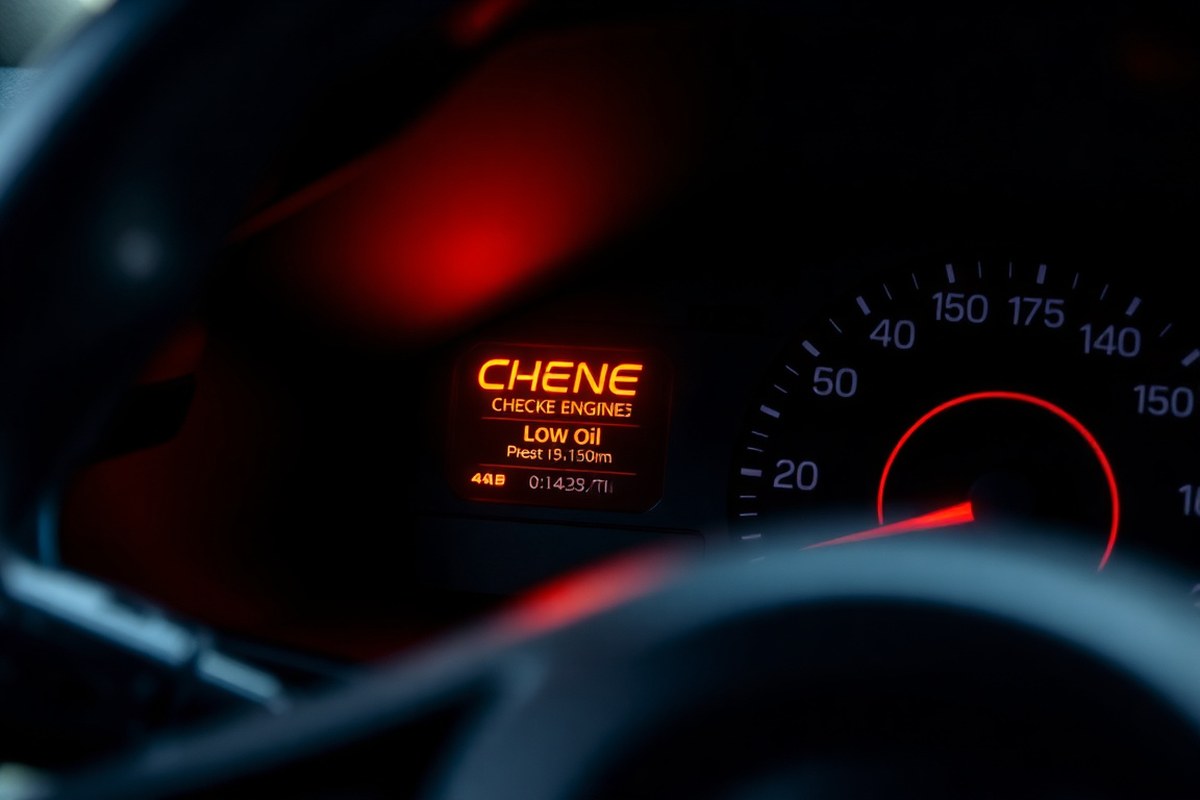
Yes, the check engine light can come on for low oil. Low or dirty oil affects engine systems and may trigger this light. This is common in vehicles with variable valve timing from 2005 to 2025.
Low oil can cause trouble codes like P0011 or P0521. These codes turn the check engine light on, so check your oil level quickly. Always check oil before spending on diagnostics.
Let the engine cool about 5 minutes before checking oil with the dipstick. This lowers burn risks and helps you check safely. Remember, the oil warning light differs from the check engine light.
Older cars might only have an oil pressure light, not the check engine light. Check your owner’s manual to know which one your car shows. Don’t ignore either light to avoid bigger engine problems.
Key Takeaways
- Low oil can turn on the check engine light, especially in newer cars with VVT systems.
- Check oil level with the dipstick after letting the engine cool for 5 minutes.
- Codes like P0011 or P0521 often mean oil problems affecting engine timing or pressure.
- Don’t rely only on the oil warning light. The check engine light can signal oil issues too.
- Watch the oil level if the check engine light stays on but oil light goes off. Drive for 10 to 15 miles while monitoring it. Keep an eye out for any new lights.
- Low oil can cause engine misfires, triggering the P0300 code and the check engine light.
Can Low Oil Cause the Check Engine Light to Come On?
Low engine oil doesn’t usually turn on the check engine light right away. Your car’s computer doesn’t track oil level like it does sensors for emissions or engine power. Low oil causes other issues first, like low pressure or misfires, which can trigger the light.
The oil pressure sensor turns on a separate oil warning light. This light activates when oil pressure drops or the level gets low. Low oil can put stress on the engine.
That stress may affect sensors watched by the engine control module. Low oil can cause poor lubrication. This can lead to overheating or misfires.
Those problems turn on the check engine light. The light signals problems caused by low oil, not low oil itself. It shows up because of issues like misfires or overheating.
Older cars might only have a light for oil pressure or oil level. They may not turn on the check engine light for low oil. Modern vehicles rely on more complex systems that detect performance issues related to low oil.
That’s why the check engine light may come on without the oil warning light first. The check engine light covers more engine problems.
Use a dipstick to check your oil level yourself. Don’t wait for any warning lights to show up first.
How Low Oil Affects Engine Systems Triggering the Check Engine Light
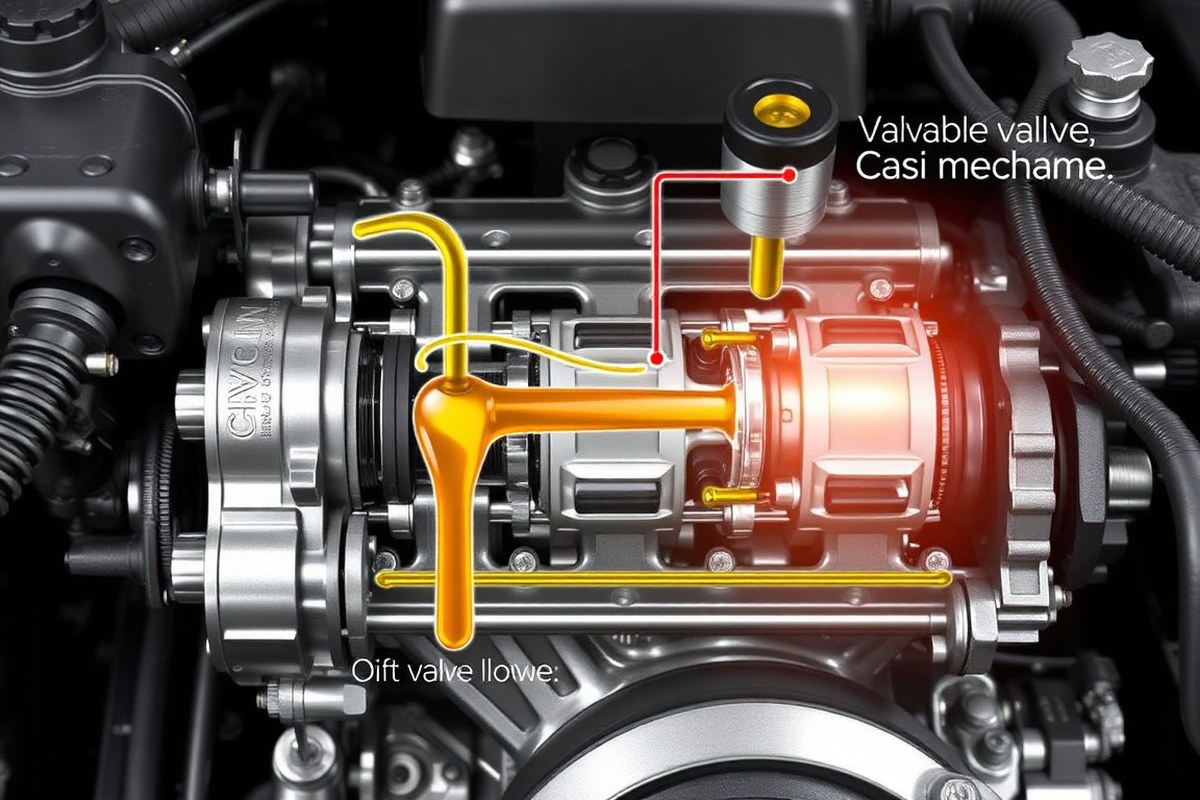
Engine parts like the variable valve timing system rely on clean oil. Oil pressure moves the camshaft timing to make the engine run better. Low or dirty oil lowers pressure, so the ECU finds a fault.
Low oil disrupts the VVT by starving the camshaft adjuster of oil pressure. The ECU sees this as a timing issue, often triggering trouble codes such as P0011.
The check engine light turns on to warn you about oil timing. It signals a problem before the engine gets seriously damaged.
Other engine issues caused by low oil include insufficient lubrication and overheating. Engine misfires and oil pressure faults can happen with this problem. The ECU sends a warning to let you know about it.
Trouble codes like P0300 and P0521 often show up with the check engine light. These codes relate to misfires and oil pressure issues.
Insufficient oil levels make metal parts rub together and overheat. The ECU monitors oil pressure and engine performance constantly.
A drop in oil pressure below safe levels triggers fault codes. The check engine light comes on to protect the engine.
Some engines don’t show an oil-pressure warning right away. The check engine light appears first for oil-related faults detected. Low oil can cause many faults before any other light shows.
Look at your oil level and its condition when the check engine light is on. Don’t jump to other engine problems without checking oil first.
Difference Between the Check Engine Light and Oil Warning Lights
The check engine light and oil warning lights serve different purposes. The check engine light points to engine or emission problems detected by sensors. The oil pressure or oil level warning light shows a problem.
It means the oil pressure is low or the oil level is low. Check the oil right away.
Oil pressure warning lights come on when oil pressure drops low. This happens if the oil level is low or oil flow is blocked. The check engine light can come on for low oil pressure.
It happens if the pressure drops enough to affect the engine. Sensors or parts may be affected.
You can see one light on without the other. Low oil pressure triggers the oil warning light first.
The check engine light may follow only if the low oil affects other systems. Many vehicles have a separate oil pressure light distinct from the check engine light.
| Warning Light | What It Means | What Triggers It | When It Matters |
|---|---|---|---|
| Oil Pressure Warning Light | Low oil pressure or oil level | Drop in oil pressure or low oil level detected | Turns on quickly when oil drops; signals urgent oil check |
| Check Engine Light | Engine or emission system fault | Faulty sensors, emissions, or sometimes low oil pressure | Turns on for many faults; low oil triggers it less often |
Checking the oil level with a dipstick helps confirm which light is about oil. The oil light is on but the oil level is full. The check engine light usually means a different problem then.
Check other possible issues. Low oil pressure sets off the oil warning light sooner than the check engine light.
Ignoring the oil pressure light risks engine damage like knocking or overheating. The check engine light covers many engine problems. It may not detect low oil before the engine is hurt.
Watch the oil light for early signs. Older cars often only have an oil pressure light for oil issues.
They do not use the check engine light for oil problems. Check the owner’s manual for details.
Common Diagnostic Trouble Codes Linked to Low Oil Conditions
Low or dirty oil can trigger specific check engine codes related to engine timing and misfires. Common codes include P0011, which deals with camshaft timing affected by oil condition. Misfire codes like P0300 often pop up when oil problems cause cylinder misfires.
P0011 and Camshaft Timing Faults
Code P0011 means the camshaft position timing is over-advanced on Bank 1. This usually happens when oil is low or dirty. It fails to properly lubricate the variable valve timing system.
That causes issues in the VVT system. The VVT uses oil pressure and quality to adjust timing for engine efficiency and performance.
When oil can’t flow correctly, VVT parts stick or malfunction, causing timing errors. That triggers the P0011 code, lighting up the check engine light. To diagnose, mechanics scan for this code, then check oil levels, quality, and VVT parts.
P0521 and Oil Pressure Sensor Codes
Codes in the P0520 to P0524 range refer to oil pressure sensor issues. P0521 means the sensor reports oil pressure outside expected ranges. Low or contaminated oil can cause real pressure drops or sensor errors.
For example, the sensor reads pressure too low. This can happen because oil is thin or dirty. As a result, the car stores P0524 or P0521 codes.
Replacing the sensor costs around $100 to $200 plus labor. But cleaning the oil and filter first can sometimes fix the problem without sensor replacement.
P0300 Misfires and Oil’s Role
P0300 indicates random or multiple cylinder misfires. Low oil can cause internal engine parts to wear prematurely or stick, disrupting combustion. This leads to misfires detected by the engine control unit (ECU).
When you see P0300 with a history of low oil, the ECU detects poor combustion in several cylinders. This means multiple misfires are happening in the engine. Addressing oil issues quickly helps avoid pricey repairs.
After adding fresh oil, run a new scan. This should clear or reduce misfire codes. That happens if no permanent damage occurred.
How to Check Engine Oil Level Safely and Correctly
Check your engine oil on flat ground with the engine cool. Always park the car before measuring. This helps get an accurate oil level.
This helps get an accurate reading. Use the dipstick to measure the oil level and also inspect the oil’s condition.
Prepare Your Car and Cool the Engine
Park your car on flat, level ground to avoid false readings. Turn off the engine and wait about 5 minutes. This pause lets the oil settle and cool slightly, making the measurement safer and more accurate.
Keep the hood open if you want to check right away after the wait. Avoid checking oil right after driving hard or long trips. Hot oil can give a wrong result and burn your fingers.
Remove and Clean the Dipstick
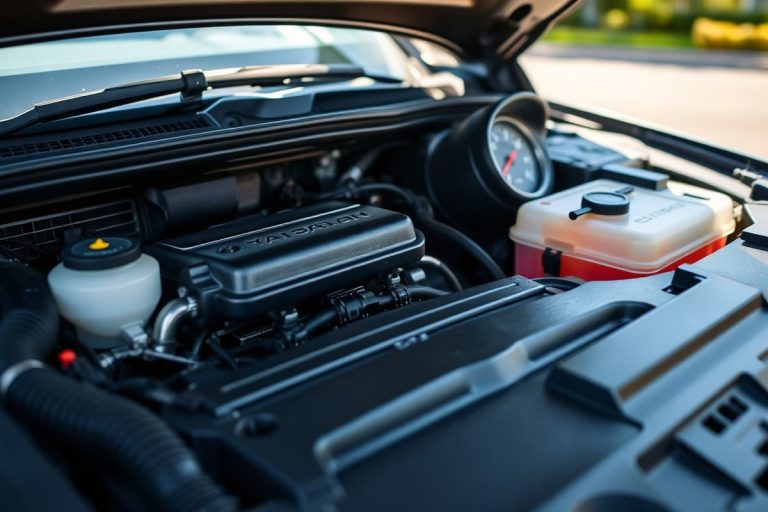
Locate the dipstick, usually marked with a bright handle. Pull it out slowly and wipe it clean with a lint-free cloth or paper towel. This clears old oil and dirt that can hide the true level.
Be sure to remove dirt carefully to avoid dropping it into the oil fill area. Clean the dipstick well before you check the oil.
Push it fully back into the tube after wiping it. This resets the reading for a new check.
Check Oil Level and Condition
Pull the dipstick out again to check the oil level. Look at the end: your dipstick has marks showing “full” and “low” or two holes. The oil should sit between these marks.
Also, check oil color and texture. Clean oil is amber and smooth. Oil that looks dark, gritty, or thick needs some attention.
It either needs changing or has problems lowering oil pressure. This affects the engine’s health.
Don’t use the dipstick as a guess. Always wipe clean and reinsert before reading.
Add Oil If Necessary and Retest
Add a little oil if the level is below the low mark. Pour slowly using a funnel to avoid any spills. Never add more than one quart at once.
After adding, wait a minute, then repeat the dipstick check. Do this until the oil level reads between full and low. Overfilling can cause engine problems too, so watch the level carefully.
- Park the car on level ground and turn off the engine.
- Wait 5 minutes for the engine to cool and oil to settle.
- Open the hood and find the dipstick.
- Pull out the dipstick and wipe it with a clean cloth.
- Reinsert the dipstick fully, then pull it out again to check oil level.
- Read the oil level between the marked indicators and check oil color.
- Add oil if the level is low, then wait 1 minute and recheck.
- Repeat adding oil and checking until the level is correct.
Immediate Actions When Check Engine Light Comes on with Suspected Low Oil
When the check engine light comes on, you might have low oil. Stop driving if you spot a red oil can symbol. That light means there’s a serious problem.
That light means your engine lacks oil pressure now. Running the engine can seriously damage it.
Only the check engine light is on? Check your oil level soon.
To decide if you should keep driving, look for other warning lights or unusual noises. See the oil pressure light or temperature warning? Pull over safely.
No other warnings show and the engine feels fine? You can drive slowly. Head to the nearest safe spot or service center.
Adding oil right away helps only if you can check your oil level safely. Pull over and turn off your engine. Wait five to ten minutes.
This lets the oil settle properly. Then, use the dipstick to check oil level. Oil level is low?
Add the correct oil type slowly. Stop when oil reaches the full mark.
- Stop the engine if red oil pressure light shows
- Check oil level using the dipstick after the engine cools
- Add correct oil type slowly to avoid overfilling
- Note any unusual sounds or smells before restarting
- Unsure what to do? Call roadside assistance or get a tow.
- Get the engine scanned soon for codes related to oil issues
Getting a diagnostic scan after topping off oil can pinpoint any other oil system problems. Many auto shops charge around $60 to $100 for this. Your car runs fine after refilling but the light stays?
Use a scan to find sensor issues or leaks. Ignoring this might lead to costly engine repairs later.
Quick action and careful checks help protect your engine from damage. Using the dipstick and watching warning lights guides safe driving decisions.
Adding oil carefully is safe. Don’t wait too long for a professional scan if the light stays on.
Risks and Engine Damage from Ignoring Low Oil and Engine Warnings
Ignoring low oil can cause serious engine damage over time. Oil lubricates engine parts and prevents metal-on-metal wear. Without enough oil, friction increases, which can wear out bearings, pistons, and camshafts.
Low oil also raises engine temperature because oil helps carry heat away. When oil is too low, parts overheat and expand, causing tight spots or stuck valves. Overheating can lead to warped cylinder heads and cracked engine blocks, which cost thousands to fix.
Misfires can happen if low oil causes poor lubrication. This affects the valve train. It also makes the engine run hotter.
This heat affects spark plugs and ignition timing. Spark plugs that don’t fire right can make the engine run rough.
This can cause power loss. Sometimes, it turns on warning lights.
Not responding to the check engine light or low oil warnings can cause permanent damage. Continued operation under these conditions may seize the engine.
Engine replacement or a full rebuild might become the only option. Repair bills could range from $1,000 to $5,000, depending on your vehicle and labor costs.
Engine damage from low oil happens faster at higher speeds or in hot weather. Heavy loads, like towing or hill driving, make the problem worse. In stop-and-go traffic, oil circulation slows, increasing risks when oil is low.
To avoid damage, keep the oil at proper levels by checking the dipstick monthly. Fix leaks promptly and change oil per your vehicle’s schedule, often every 5,000 to 7,500 miles. Regular maintenance prevents overheating, misfires, and severe engine issues caused by low oil.
Preventing Check Engine Light Due to Oil Problems with Regular Maintenance
Changing your engine oil on schedule stops low oil problems. Stick to the interval in your owner’s manual, usually every 3,000 to 7,500 miles. Newer cars use synthetic oil that lasts longer.
You can drive up to 10,000 miles between changes. This saves time and helps the engine.
Picking the right oil type can protect your engine better. Synthetic oils handle heat and wear better than conventional oils, which helps keep sensors working correctly. Check your car’s needed oil viscosity rating.
It could be 5W-30 or 0W-20. This keeps oil flowing well in different temperatures.
Keeping up with simple checks keeps your engine healthy and the check engine light off. Check your oil level with the dipstick at least once a month and before long trips. Look for oil color and thickness, dark, gritty oil means it’s time for a change.
- Follow your car’s oil change schedule exactly.
- Use the oil type your manufacturer recommends.
- Check oil level monthly with the engine off and cold.
- Inspect oil color and smell for signs of breakdown.
- Fix small leaks promptly to prevent oil loss.
- Replace oil filter at every oil change.
- Listen for engine noises that hint at lubrication problems.
Ignoring these habits lets oil degrade or run too low. That harms engine parts and can trigger faults that light up the engine warning. Catching oil issues early avoids repairs that often cost hundreds or more.
Use a clean rag when checking oil and avoid overfilling, which can also cause engine trouble.
When to Seek Professional Help for Check Engine Light Possibly from Low Oil
You should see a mechanic if the check engine light stays on. Check your oil and try fixing simple problems first. If the light still stays on, get professional help.
Scanning for trouble codes helps decide if a professional is needed. Some problems require tools and expertise beyond home fixes.
Signs You Need Professional Diagnosis
The check engine light signals a deeper issue if it stays on. This happens even after you add more oil. Don’t ignore the light when it won’t go off.
Also, if the light flashes or the engine runs rough, get a mechanic’s help right away. Ignoring these signs could lead to engine damage.
Another sign is if you notice strange noises or your oil pressure gauge reads low. DIY checks only go so far; experts can pinpoint hidden issues. Your safety and engine health depend on timely, proper diagnosis.
Reading and Acting on Diagnostic Codes
Use an OBD-II scanner to read engine codes related to oil or engine condition. Codes like P0520 indicate oil pressure sensor problems, which need fixing beyond just adding oil. Cheap OBD2 scanners cost between $20 and $50 and can be found online.
You can also go to an auto shop. Many shops offer free code reading services.
Once you get the codes, search online for their meaning or ask the mechanic for help. Codes that return after repairs mean you need a professional follow-up. The same is true if the light stays on without stopping.
Don’t delay getting expert help then. Persistent codes show the issue isn’t resolved fully by simple fixes.
Common Repairs for Oil-Related Engine Issues
Mechanics often replace broken oil pressure sensors, oil pumps, or gaskets. These parts can fail when oil levels get too low. Fixing these faults stops further engine damage.
These parts require tools to remove engine covers and access tight spaces. Labor costs vary but expect $100 to $300 for sensor or pump repairs.
Mechanics may perform an oil flush or change the oil filter too. This happens when engine oil hasn’t been kept in good condition. Keeping your oil fresh helps prevent engine problems.
These services prevent sludge buildup and keep oil flowing properly. They usually cost $50 to $100 depending on service quality and vehicle type.
Major problems, like worn engine bearings, come from oil starvation. These need big repairs only an expert can handle. Don’t wait if your engine shows serious signs of trouble.
That can cost thousands. So don’t delay professional checks when the light signals oil-related faults.
Step-by-Step Action Plan for Check Engine Light and Low Oil
Use this plan to quickly check low oil. Handle it fast if the check engine light turns on. Follow the steps in order to keep your engine safe and running well.
- Stop Immediately: Pull over safely and turn off the engine. Check if the oil warning light is on too.
- Check Oil Level: Wait a few minutes for the engine to cool. Use the dipstick to check the oil level and condition.
- Add Oil If Low: Slowly add the correct oil type to the engine. Keep adding until the level hits the full mark. Start the engine and see if the lights go off.
- Drive Carefully: If the check engine light stays on, keep driving gently. Avoid hard acceleration and listen for strange noises.
- Scan for Codes: Use an OBD2 scanner at home or go to an auto parts store. They can read your car’s trouble codes. Write down the codes for reference.
- Inspect for Leaks: Look under your car and around the engine closely. Check for any oil leaks or damage you can see. This could explain the low oil.
- Schedule Service: Call a mechanic if the light stays on or codes show oil system problems. Get it fixed soon. Get a professional diagnosis and repair.
- Track Oil Changes: Mark the next oil change date in your calendar. Regular oil changes prevent low oil and engine problems.
Frequently Asked Questions
Can Low Oil Cause the Check Engine Light to Come On?
Low oil can cause the check engine light to turn on. This happens from low oil pressure or engine misfires. Always look at your oil level first before thinking of other issues.
Will Low Oil Show Up as a Check Engine Light or a Separate Oil Light?
Low oil usually triggers a separate oil warning light before the check engine light. The check engine light comes on only if low oil causes related engine issues.
Can I Ignore the Check Engine Light If the Oil Level Seems Fine?
No, don’t ignore the check engine light even if oil looks fine. Other issues like oil pressure or engine misfires can still cause the light.
What Should I Do If the Check Engine Light Stays on After Adding Oil?
Keep monitoring the light after adding oil. The light staying on means you need a diagnostic scan. This checks engine problems or sensor failures.
How Often Should I Check My Oil to Avoid Check Engine Light Problems?
Check your oil monthly or before driving far. Doing this often can keep the oil from running low. Low oil stops the warning light from coming on.
Wrapping Up
The check engine light can come on for low oil, but not always directly. Check your oil level right away if the light appears with oil warnings. Getting your oil and engine checked now helps avoid costly damage down the road.