How Long Is 5 Miles in Minutes? Exact Times for Running, Walking & Driving
Wondering how long is 5 miles in minutes? It depends on how you move. Running 5 miles usually takes between 35 and 60 minutes, depending on your pace.
Walking might take around 80 to 100 minutes. Driving can take as little as 5 to 12 minutes. Your fitness level and pace will change these times.
Your travel mode and speed matter most for timing. Running faster cuts minutes, but speed varies by fitness and terrain. Driving is faster.
But city traffic and stoplights can slow you down compared to highways. Weather and road conditions also affect your travel time.
Before timing yourself, decide your pace or driving route. Knowing your average speed lets you plan and avoid surprises. This helps you manage your workout or travel better by budgeting the right amount of time.
Key Takeaways
- Running 5 miles usually takes 35 to 60 minutes based on your pace.
- Walking 5 miles often requires 80 to 100 minutes, much slower than running.
- Driving 5 miles can take 5 minutes on highways or up to 12 in city traffic.
- City driving is slower due to lower speeds and traffic stops.
- Run pace directly affects your total 5-mile time; faster pace means less time.
- Average speeds help you calculate your expected 5-mile time accurately.
How Many Minutes Does It Take to Cover 5 Miles?
Covering 5 miles takes different amounts of time depending on how you move. Walking five miles usually takes about 1 hour and 40 minutes on flat ground.
Running five miles usually takes between 40 and 60 minutes. This depends on your pace and the terrain.
Driving those same 5 miles is the quickest but varies a lot. In city traffic moving around 25 mph with no stops, expect about 12 minutes.
On a highway going 65 mph, the time drops to about 5 minutes. Traffic and road conditions can add more time.
| Mode | Average Pace | Estimated Time for 5 Miles |
|---|---|---|
| Walking (flat surface) | 3 mph (20 minutes/mile) | 1 hour 40 minutes |
| Running (flat surface) | 8 minutes/mile | 40 minutes |
| Running (hilly terrain) | 10 minutes/mile | 50 minutes |
| Running (trail) | 12 minutes/mile | 60 minutes |
| Driving (city streets) | 25 mph | 12 minutes |
| Driving (highway) | 65 mph | 5 minutes |
Running times can vary more depending on your fitness, age, and terrain. Walking times stretch out on hills or rough paths. Driving can take much longer if stopped by traffic or lights, especially in a city.
Knowing the usual times helps you plan your trips or workouts better. To run 5 miles under 50 minutes, aim for an 8 to 10-minute mile. This works on flat or hilly roads.
Walking 5 miles takes about 20 minutes per mile. Add more time for hills or breaks.
How Running Pace Affects Your 5-Mile Time
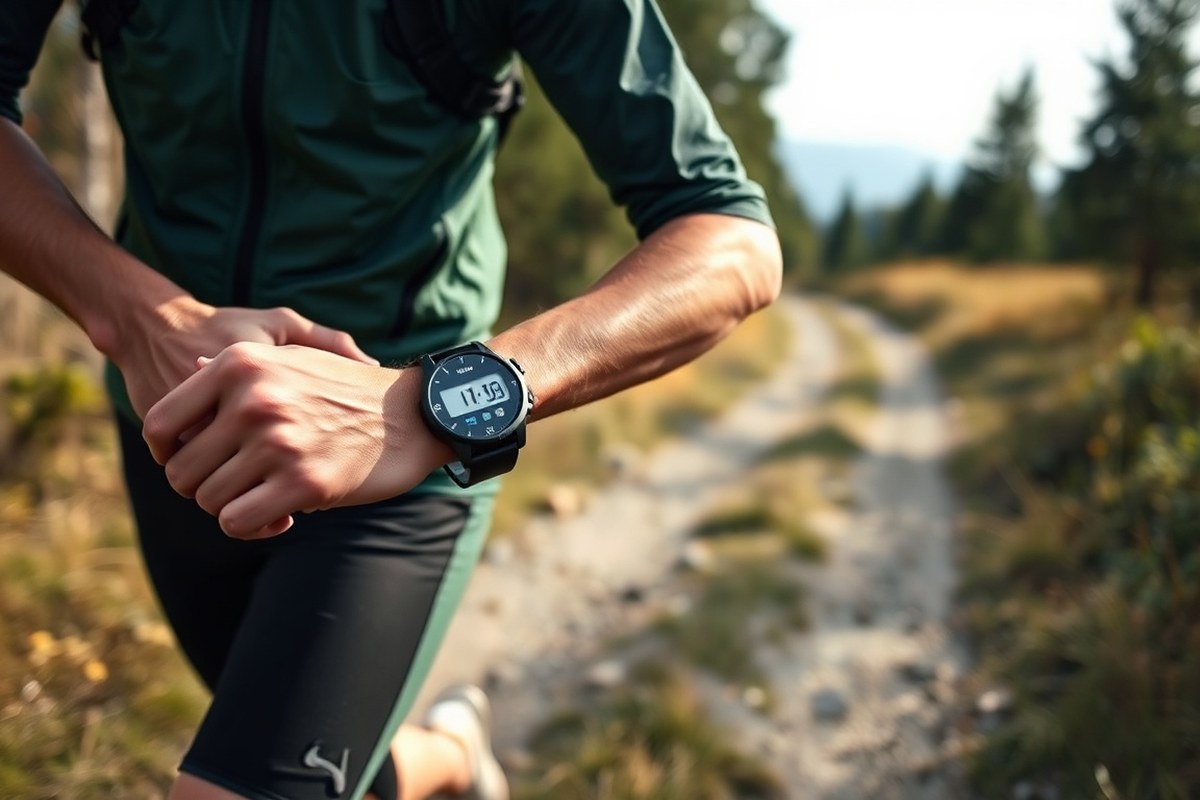
How Running Pace Affects Your 5-Mile Time
Your running pace directly controls how fast you finish 5 miles. A faster pace means less time overall. Knowing your pace helps you plan and track your time better.
Understanding Pace and Speed
Running pace measures how many minutes it takes to run one mile. For example, 9:00 pace means nine minutes per mile. Speed shows how many miles you run in one hour.
It’s found by dividing 60 by your pace in minutes. That number tells you your hourly speed.
Pace matters because it sets your total running time. A beginner might run at 10 to 12 minutes per mile.
An advanced runner often keeps 6 to 7 minutes per mile. This difference changes your 5-mile time by many minutes.
Calculating Total Time from Pace
Calculating your total running time is simple once you know your pace. You multiply your pace by the number of miles to get total minutes. This works well for any distance close to whole miles.
Follow these steps to calculate your 5-mile time from your pace:
- Write down your pace in minutes per mile, like 8:30.
- Convert the minutes and seconds to decimal form (8 minutes + 30 seconds = 8.5).
- Multiply your decimal pace by 5 miles.
- The result is your total running time in minutes. Example: 8.5 × 5 = 42.5 minutes.
- Convert decimal minutes back to minutes and seconds if needed (0.5 minutes is 30 seconds).
Convert seconds to decimals or vice versa carefully to avoid timing mistakes.
Example Times at Various Running Paces
At a 6:00 pace, you finish 5 miles in about 30 minutes. This is typical for advanced runners with strong endurance. A pace of 9:00 minutes per mile leads to a 45-minute finish, common among recreational runners.
Beginners often run between 10:00 and 12:00 minutes per mile. At 10:00 pace, you complete 5 miles in 50 minutes. Slower paces mean taking more time, which is fine for building stamina and avoiding injury.
Running a bit slower than your best mile time helps you last. It keeps your speed steady for all 5 miles. This helps avoid using all your energy too soon.
Say your best mile is 7:00 minutes. Try running between 7:45 and 8:30 minutes per mile for 5 miles. This keeps you steady and stops you from burning out.
How Long Does It Take to Walk 5 Miles Compared to Running?
Walking 5 miles usually takes about 1 hour and 40 minutes. This is at a steady, moderate pace of 3 mph. Running the same distance is faster, typically between 40 and 70 minutes, depending on your speed.
How hard walking or running feels depends on your fitness level. It also depends on the terrain you cover.
Walking pace ranges usually fall between 3 mph (moderate) and 4 mph (brisk). Terrain affects these times too, with hills or uneven surfaces slowing you down.
Running speeds vary widely. But most recreational runners complete 5 miles in 40 to 50 minutes.
| Activity | Pace | Time for 5 Miles |
|---|---|---|
| Walking (Moderate) | 3.0 mph | 1 hour 40 minutes |
| Walking (Brisk) | 4.0 mph | 1 hour 15 minutes |
| Running (Slow) | 10:00 min/mile | 50 minutes |
| Running (Moderate) | 8:00 min/mile | 40 minutes |
When walking at 3 mph, each mile takes about 20 minutes. You should budget time for stops on busy or hilly routes.
Running requires more stamina but covers distance twice as fast or more. Even easy running cuts your 5-mile time in half compared to walking.
Fitness improves pace and cuts effort. A fit person walks briskly near 4 mph or runs closer to 7.5 mph for shorter times.
Poor fitness or tough terrain adds minutes or slows your pace by a mile each hour. Try to measure your current pace with a watch or app to find your exact times.
How Long to Drive 5 Miles: City Streets vs. Highways
Driving 5 miles takes very different times on city streets versus highways. On city roads, stoplights and traffic lower your average speed to about 25, 30 mph. On highways, you can maintain speeds around 65 mph, cutting the time sharply.
City Driving Speeds and Delays
City streets often limit your speed to 25 to 30 mph. Traffic lights, stop signs, and congestion slow the trip.
At 25 mph, expect about 12 minutes to cover 5 miles. If traffic gets heavy, it can take 15 minutes or more.
Frequent stops are a big factor on city roads. Time lost waiting at red lights adds up fast. Even if the distance is short, your total travel time can double compared to driving nonstop.
Highway Driving Times
Highways let you cruise faster, usually between 55 and 75 mph. At 65 mph the 5-mile drive takes just under 5 minutes.
Going faster, like 70 or 75 mph, drops it closer to 4 minutes. Driving slower at 55 mph increases time to around 5.5 minutes.
The smoother flow on highways means fewer stops and steadier speeds. You trade traffic lights for possible slowdowns from exits, merges, or congestion near cities.
Traffic and Road Conditions Impact
Traffic volume can change your 5-mile drive time a lot on both city and highway roads. Rush hour often turns a quick trip into a crawl.
Accidents and construction also add delays. Weather conditions like rain or snow slow traffic because drivers become cautious.
Roadwork or detours may push times beyond normal ranges. Even on highways, crashes or lane closures create bottlenecks. Planning your trip during off-peak hours helps avoid these delays.
Ways to Estimate Your Drive Time
You can estimate your 5-mile drive time by knowing your usual speed and adjusting for traffic. Here’s a list of the common factors to consider:
- Typical city speed averages 25, 30 mph with stoplights
- Highway speeds often range from 55 to 75 mph
- Rush hour can double city drive times
- Weather slows driving pace, especially in rain or snow
- Accidents and construction cause unpredictable delays
- Nighttime usually means less traffic and faster trips
- Using GPS traffic tools helps plan around slowdowns
Adjust your estimated time by adding a few minutes for stops and hold-ups. For city trips, assume about 20 minutes for 5 miles during busy periods. On the highway, plan for about 9 minutes or less at typical speeds.
Factors That Affect Your 5-Mile Time
Age affects how long it takes to cover 5 miles by walking or running. Younger people usually move faster because they have more stamina and strength.
As you get older, your pace may slow due to lower fitness or joint issues. It helps to know your typical pace for your age group to set realistic goals.
Terrain plays a big role too. Flat roads let you keep a steady speed. Hills or rough trails slow you down.
Running on dirt or grass can add extra effort compared to smooth pavement. Weather changes like wind, heat, or rain also affect your time. Hot days make you sweat more, which drains energy faster.
For driving, traffic and stops impact your 5-mile time a lot. City streets with lots of lights speed bumps, or congestion mean slower trips. Highways let you go faster but expect slower zones near exits or work zones.
Mixed driving with stops usually takes 10 to 15 minutes. It may take longer in busy areas with lots of traffic.
- Check your age and current fitness level for pacing expectations
- Pick a route considering terrain and surface type
- Look at weather reports before heading out
- Account for stops or traffic delays if driving 5 miles
- Track your progress on similar routes to spot changes
- Adjust time estimates with hills or poor weather in mind
Plan a buffer time for 5-mile drives during rush hours to avoid stress.
Age and fitness influence your endurance and how fast you move. Rough paths or tall hills add time, especially if you’re walking. Rain or heat can slow you down more than you might think.
When driving, expect traffic signals and stop signs to add minutes. Using a checklist before your 5-mile trip helps prevent surprises and sets clear expectations.
Typical 5-Mile Running Times by Age and Fitness Level
Running 5 miles takes different times depending on your age and fitness. Beginners usually take between 50 and 65 minutes to cover this distance. Advanced runners can finish in under 35 minutes, with intermediate runners falling in between.
Improving your fitness cuts time noticeably. A 55-year-old finishing 5 miles in 42 minutes shows good fitness. This time matches what a casual 30-year-old jogger might do.
Age doesn’t always mean slower times. Building a solid fitness base makes running 5 miles easier.
It helps you avoid getting hurt or feeling too tired. Start slow and improve your strength.
| Fitness Level | Typical 5-Mile Time |
|---|---|
| Beginner | 50, 65 minutes |
| Intermediate | 35, 45 minutes |
| Advanced | Under 35 minutes |
These times give you useful benchmarks. Try to finish 5 miles in the beginner time range. This helps you build endurance safely.
Keep your pace steady and focus on finishing. As your fitness grows, try to move toward the intermediate times. Overtraining can happen, so stick to what feels doable for your current health.
Most runners slow only 10, 20 seconds per mile when moving from 5 miles to 10K. This keeps 5-mile runs good training for longer distances without tiring you out too fast. Knowing your current time helps set a realistic pace and training goals.
How to Calculate Your Personal Time for 5 Miles
You can calculate your time to cover 5 miles by using your pace or speed. Pace is how long it takes to travel one mile.
Speed is how fast you travel, usually in miles per hour. Both work for running, walking, or driving estimates.
Basic Pace-Time Formula
Calculate time by multiplying your pace by distance. Know your pace per mile?
Multiply it by 5 to get minutes for 5 miles. For speed, divide the distance by your speed to get hours, then convert to minutes.
Here’s the formula for pace: Time (minutes) = Pace (minutes per mile) × 5. To find time, divide distance by speed. Then multiply the result by 60.
That gives you minutes. This works for walking, running, or driving.
Using Online Calculators or Apps
Phone apps and GPS watches easily calculate your pace or speed during activity. They often show real-time data and estimate your time for any distance. You can input your recent pace or speed to see how long 5 miles will take.
Several websites have free pace calculators where you enter either pace or speed and distance. The calculator then gives your total time in minutes. These tools save math and reduce errors from manual calculations.
Worked Example Calculation
Say you run at a pace of 10 minutes per mile. To find your time for 5 miles, multiply 10 by 5. That gives 50 minutes total.
Driving at 25 mph on city streets means 5 miles divided by 25 mph. The answer is 0.2 hours.2 hours.
Multiply 0.2 by 60 minutes to get 12 minutes. That’s your estimated drive time for 5 miles.
Follow these steps to calculate your personal 5-mile time:
- Measure your pace by timing how long it takes to cover one mile.
- Alternatively, determine your speed in miles per hour using a GPS or speedometer.
- Use the pace formula: multiply your pace (minutes per mile) by 5.
- Use your speed in mph. Divide 5 miles by that to find hours needed.
- Convert hours to minutes by multiplying by 60.
- Input your data into an online calculator or app for quick results.
- Adjust pace or speed inputs if conditions like hills or traffic change.
Calories Burned and Health Benefits from Covering 5 Miles
Running 5 miles burns roughly between 488 and 788 calories depending on your weight. For example, a 150-pound person burns around 563 calories running this distance. Walking 5 miles burns fewer calories, about 345 to 557, based on similar weight ranges.
The faster your pace, the more calories you burn in a given time. You also burn more if you weigh more because your body uses extra energy to move.
Running five miles daily boosts your heart health and stamina. It also lifts your mood with natural endorphins.
Walking five miles at a moderate pace burns good calories. It takes about 10 to 12 minutes per mile. Adding a mile to your walk each week can increase your endurance and calorie burn gradually.
Running three times a week at five miles meets exercise guidelines. You get about 142 minutes of vigorous activity.
Keep a steady pace during your run or walk. This helps burn calories and build stamina safely.
Mistakes to Avoid When Estimating 5-Mile Times
Many runners guess their 5-mile time by assuming they’ll keep the same pace the whole way. This mistake happens when you ignore stops or slow periods. You might wait at traffic lights or catch your breath.
These pauses affect your total time. Starting too fast can make you tire near the end.
You’ll likely slow down a lot as you go. This often makes your total time longer.
Drivers often forget about traffic conditions when estimating how long 5 miles will take. Traffic, stoplights, and road work can add extra minutes. Expecting to keep highway speeds all the way is common.
It makes you underestimate city street travel time. City streets usually slow you down more than highways.
- Include extra minutes for traffic stops or red lights during your route.
- Base your pace on past runs or walks, not just your ideal speed.
- Adjust your expectations to slower speeds when hills or rough terrain appear.
- For drivers, check real-time traffic apps before setting your time estimate.
- Use GPS watches or smartphone apps to track your actual pace during runs.
- Note times for breaks or rest stops to add to your total time.
Recognizing these errors helps you plan better and avoid frustration. A smart approach takes your realistic pace, possible stops, and traffic into account. This way, your time estimates come closer to reality.
It helps for running, walking, or driving 5 miles. Realistic estimates match actual experience better.
Tips to Improve Your 5-Mile Running or Walking Time
Building speed for a 5-mile run takes steady training and smart pacing. Start with easy runs to build your endurance before pushing your pace. Consistency is key; try to run at least three times a week.
Pacing yourself helps maintain energy through the full 5 miles. Aim to run the first mile slower than your target pace to avoid burning out early. Keep a steady rhythm as you run.
Check your time every mile. Adjust your pace if you feel too strong or tired.
Walkers can improve their 5-mile time by slightly lengthening their stride. Keep a brisk and steady pace throughout. This helps maintain consistent speed.
Smooth, rhythmic arm swings help power your movement and keep momentum. Focus on a quick, comfortable cadence around 100 steps per minute.
- Mix interval training: alternate fast and slow segments to build speed and recovery.
- Include tempo runs: run at a challenging but sustainable speed for 20 minutes.
- Stretch and warm up before each run to prevent injury and improve flexibility.
- Use a stopwatch or GPS watch to monitor your lap and overall times.
- Practice negative splits: run the second half slightly faster than the first.
- For walking, do hill repeats or brisk walks to increase strength and endurance.
- Rest at least one day a week to allow your body to recover.
Follow these tips in regular sessions to see gradual improvement. Avoid starting too fast or pushing too hard too soon.
Injuries can sideline your progress. Aim for small, steady gains week after week.
Your Quick-Start Plan to Cover 5 Miles Efficiently
Use this plan to track and improve your 5-mile time by running, walking, or driving smartly.
- Day 1: Time your current 5-mile pace exactly. Use a stopwatch or running app to track it.
- Week 1: Set a realistic goal to reduce your 5-mile time by 5 to 10 percent. Write it down as motivation.
- Week 2: Mix walking and running or use interval training if you run. Note if your pace feels easier or faster.
- Week 3: Check your route for traffic patterns if driving 5 miles. Try a different time or route to see if it’s faster.
- Week 4: Review your calorie burn and energy levels after your sessions. Adjust your pace or breaks based on your recovery.
- Week 5: Re-time your 5-mile activity. Compare your new minutes to your Day 1 baseline to see progress.
- After 6 weeks: Keep practicing your best mode (run, walk, or drive). Note how small changes affect your time.
Frequently Asked Questions
How Long Does It Take to Cycle 5 Miles at a Moderate Pace?
It usually takes about 20 to 25 minutes cycling five miles at a moderate pace. This depends on terrain and your fitness level, with flat roads making faster times possible.
Is 5 Miles a Good Distance for Beginner Runners?
Yes, 5 miles is a solid goal for beginner runners to build endurance. It’s long enough to challenge you while staying achievable with proper training.
How Many Steps Are in a 5-mile Walk?
Walking five miles typically equals about 10,000 to 12,000 steps for most people. This varies by stride length, so some may take more or fewer steps.
Can Swimming 5 Miles Be Compared to Running 5 Miles in Exercise Time?
Swimming five miles usually takes much longer than running five miles. It’s a more intense, full-body workout that burns more calories despite slower pace.
How Long Does It Take to Skate 5 Miles on Rollerblades?
Skating five miles often takes about 15 to 25 minutes depending on skill and terrain. Smooth, flat surfaces help you maintain a good pace.
Final Thoughts
Covering 5 miles walking takes about 40 to 60 minutes. Running 5 miles usually takes 30 to 50 minutes. Driving the same distance in the city takes 10 to 15 minutes.
Track your pace using a watch or app to get your personal time. Start timing your next 5-mile trip today to plan smarter and improve.