Car Making Screeching Noise When Driving: 9 Causes and How to Fix Them
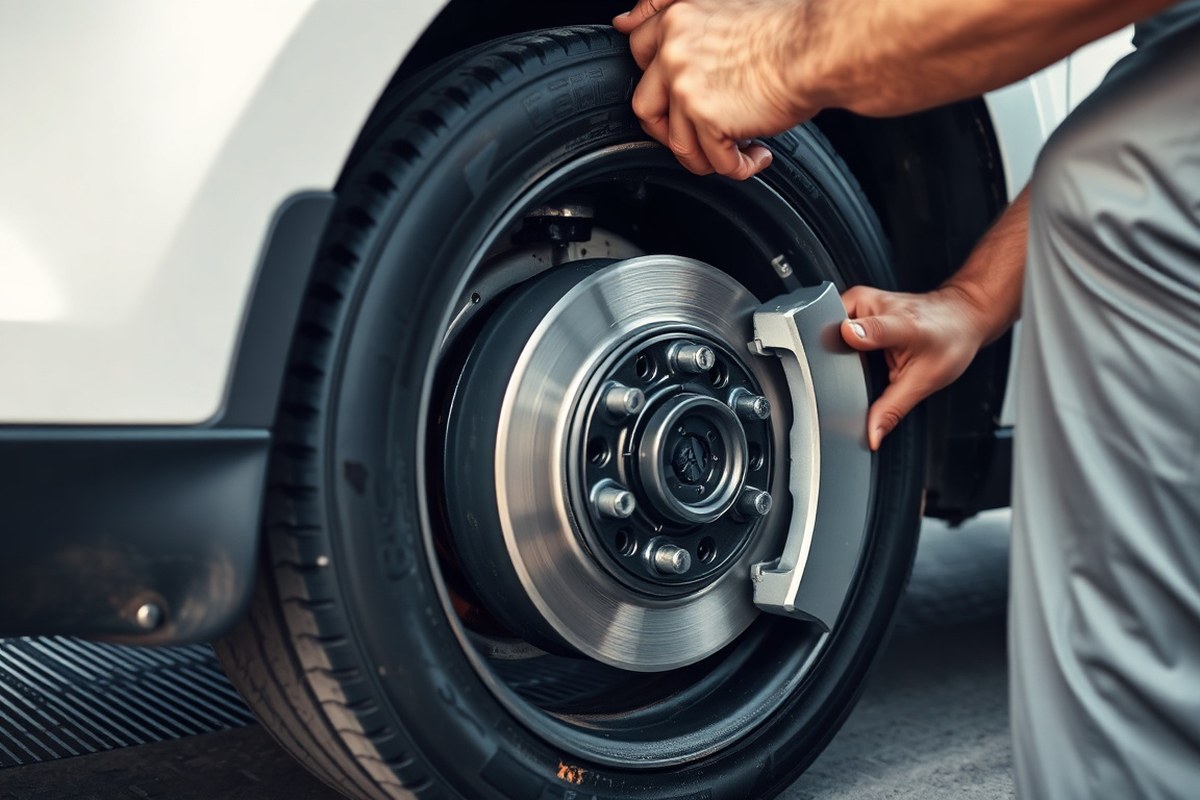
A car making screeching noise when driving usually means something is wrong. The noise often comes from worn brake pads, loose belts, or issues with the suspension. Fixing the problem soon keeps you safe and stops further damage.
Start by listening closely to when the noise happens. Braking, accelerating, or just driving.
Screeching that stops when you brake often points to brake pads. If it happens when you accelerate, belts might be slipping or worn.
Keep an eye on any changes in the noise or your car’s handling. Small problems can turn into costly repairs if you wait too long. Getting a quick checkup can save you time and money later.
Key Takeaways
- Screeching during braking most often means your brake pads need replacement.
- Loose or worn engine belts cause screeching when accelerating or turning on the AC.
- Suspension and steering parts can make noise if they’re dry or damaged.
- Tires or wheel bearings cause screeching if they’re worn or misaligned.
- Power steering fluid low or pump issues often lead to screeching noises.
- Vacuum leaks in hoses can also cause high-pitched hissing sounds while driving.
1. What Causes a Car to Make Screeching Noises While Driving?
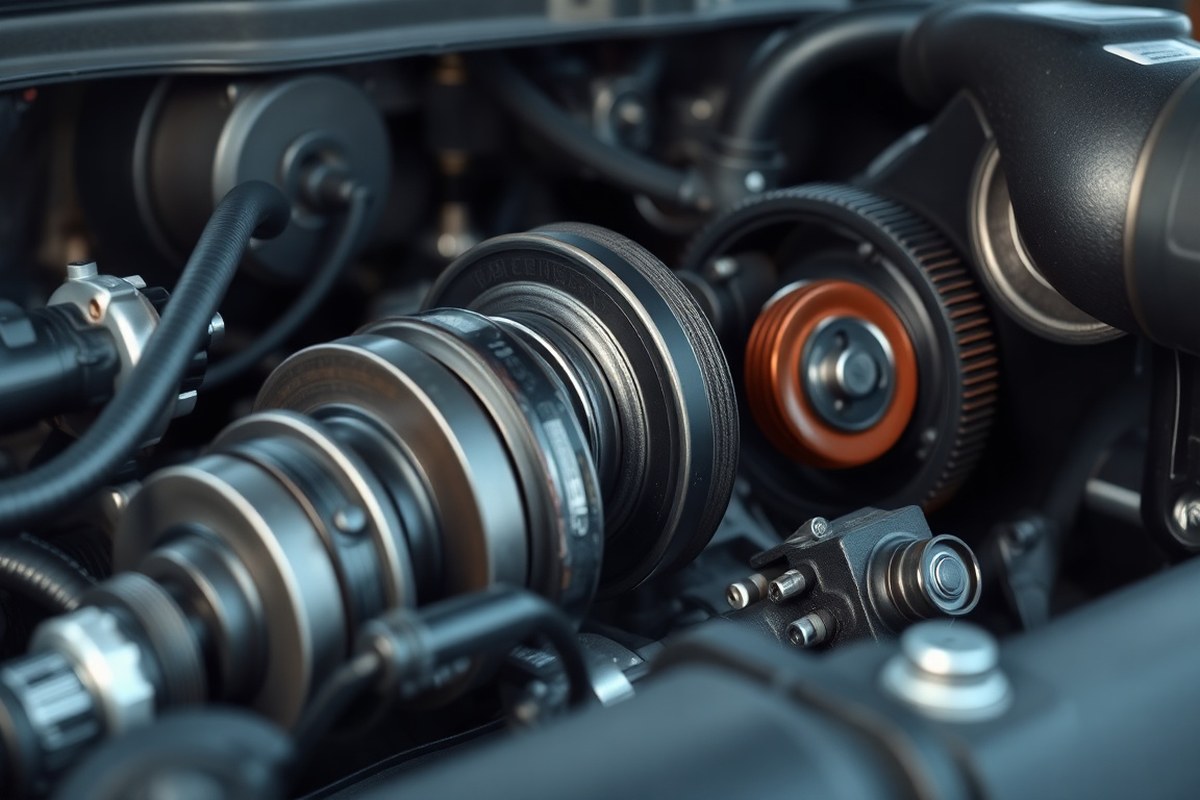
Screeching noises while driving often link to worn brake pads or issues with engine belts. Brake pads create this sound when their friction material wears thin.
The metal backing then rubs against the rotor, causing a sharp, high-pitched screech. This usually stops when you apply the brakes, signaling immediate pad replacement is needed.
Engine belts, like the serpentine belt, also cause screeching if they get loose or wear out. A slipping belt fails to grip properly, creating a harsh squeal.
Loose tensioner pulleys can worsen this, making the noise more consistent while driving. Replacing a serpentine belt typically costs around $135, including parts and labor.
Suspension parts can be silent troublemakers too. Worn shocks, struts, or bushings let metal parts grind slightly, producing screeches from beneath the car. These noises tend to change with road bumps or turns.
Wheel bearings or tires might chirp or screech if damaged. This often happens during turns or when you accelerate. Uneven wear can make the noise worse.
Other causes include brake dust buildup and pulley problems in the alternator or water pump. When brakes accumulate dust, it sometimes creates a squeaky sound even when you’re not braking hard. Alternator pulleys can make high-pitched noises if their bearings fail.
Replacing them can cost up to $250. Worn bearings cause the screeching sound.
Listening closely to when the screech occurs helps pinpoint the problem. Screeching that stops when braking usually means worn pads.
Noise continuous while driving likely ties to belts, suspension, or tires. Checking these parts reduces risk of more damage and costly repairs.
2. How to Identify If Brake Pads Are Causing Screeching Noise
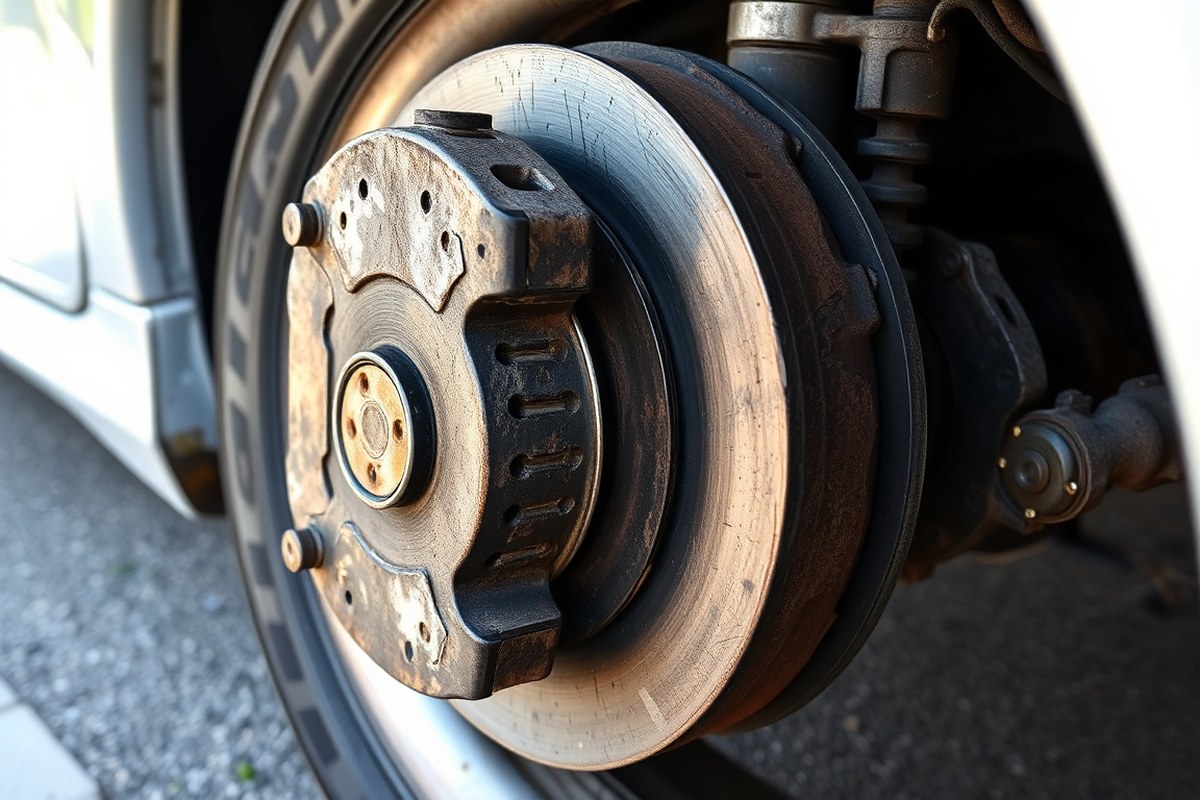
A screeching noise that stops when you brake usually points to worn brake pads. The sound comes from the brake pad’s wear indicators rubbing on the rotor. Stuck calipers can also cause screeches while driving by keeping the brakes partly engaged.
Recognizing Brake Pad Wear Indicators
Most brake pads have small built-in strips called wear indicators. These strips create a high-pitched squeal when your pads are near the end of their life. The noise alerts you that it’s time to inspect and replace the brake pads.
Check your brake pads every 12,000 to 15,000 miles or once a year. A sharp squeal during braking means wear indicators probably touch the rotors. This noise should stop immediately when you apply the brakes fully.
- Squealing noise focused on braking
- No grinding or scraping sounds
- Brake pedal feels normal without vibration
- Visual inspection shows less than 1/8 inch friction material
- Wear indicators making noise, signaling pad replacement
Ignoring wear indicator noise can lead to metal-on-metal contact that ruins rotors. Replacing pads usually costs between $100 and $250 per axle.
Symptoms of Glazed or Contaminated Rotors
Glazed rotors and pads happen if brakes overheat or get contaminated with oil or dirt. This glazing creates a smooth, hardened surface that squeals during braking. You may notice the screeching starts when you slow down or just before a full stop.
The squeak can come and go or get louder over time. Poor stopping power or increased stopping distance often accompanies glazed rotors. Sometimes, the noise doesn’t stop even when you fully press the brake pedal.
- High-pitched squeal while slowing or braking
- Brake pedal feels soft or inconsistent
- Longer stopping distances
- Visual shine or discoloration on rotor surface
- Noise persists despite new brake pads
Rotors may need resurfacing or replacement to fix glazing. Resurfacing usually costs $15 to $25 per rotor. New rotors run $30 to $75 each.
Effects of Stuck or Faulty Brake Calipers
Brake calipers can stick due to corrosion, dirt, or worn seals. When this happens, the pads stay pressed against the rotors, causing constant screeching during driving. The noise differs from wear indicator squeals because it happens without braking.
You could feel the car pull to one side. The stuck brake area may get very hot. Stuck calipers lead to uneven pad wear and can severely damage rotors if not fixed.
- Screeching noise while driving, not just braking
- Car pulls to one side during driving or braking
- Brake pads wear unevenly or faster on one side
- Visible rust or corrosion on caliper hardware
- Heat buildup noticed after short drives
Don’t ignore constant screeching when driving. Stuck calipers can cause brake failure or safety risks.
Replacing or rebuilding calipers may cost $150 to $300 per caliper. Cleaning and lubricating caliper slides can sometimes fix minor sticking.
3. Why Worn or Loose Engine Belts Produce Screeching Noises
Worn or loose engine belts often cause screeching noises when driving. This happens mainly with serpentine belts, timing belts, or belt tensioners. Checking their condition can help you fix or prevent the noise early.
Checking Belt Tension and Visual Wear
Start by inspecting the serpentine belt for cracks, fraying, or glazing. A worn belt looks shiny or cracked and feels brittle to the touch. The belt should have less than half an inch of play.
Press in the middle to check the tension. It should feel tight and not move much.
Loose belts often slip, causing a high-pitched screech that changes with engine RPM. Moisture can make an old belt slip even more, especially after rain or washing the car.
Use your hand to push the belt toward the engine. The belt is probably loose when it moves easily.
Identifying Pulley or Tensioner Problems
Listen for screeching noises that change when you turn on the air conditioning or power steering. These sounds can signal a worn pulley bearing or a failing belt tensioner. Look for belt misalignment or parts that wobble when the engine is running.
Signs of tensioner failure include visible rust, cracks, or looseness in the tensioner arm. A bad tensioner may also cause the belt to slip frequently, even after tightening.
Try spinning the pulleys by hand. Rough or stiff pulleys may mean it’s time to replace them.
- Belt shows cracks, fraying, or shiny/glazed surface
- Belt moves more than 1/2 inch under 10-15 pounds of pressure
- Screeching noise changes with engine speed
- Pulleys wobble or feel rough when spun
- Tensioner arm is loose, rusty, or damaged
- Noise gets worse when accessories like A/C turn on
- Belt slips more when wet
Checking these symptoms carefully helps you decide if you need a belt, tensioner, or pulley replacement. Ignoring them can cause further engine damage.
Cost and Time for Belt Replacement
Replacing a serpentine belt usually costs between $25 and $60 for the part. Labor charges change based on belt access.
They also depend on tensioner replacement. Typical shop time ranges from 30 minutes to 1 hour.
Replacing the tensioner or pulley costs $50 to $150 for parts. It takes about an extra hour of labor, too. Cars with tight engine compartments may take longer, raising labor costs.
Doing the replacement yourself takes about an hour. But you need the right tools and a belt routing diagram.
After installation, a properly replaced belt runs quietly with no slipping or screeching. Persistent noise means checking if the tensioner or pulleys were installed right. They might need replacement as well.
4. Suspension and Steering Components That Can Cause Screeching
Worn bushings, shocks, and ball joints in your suspension often cause screeching noises. Bushings are rubber cushions between metal parts that can dry out or crack. When that happens, metal parts rub together and make sharp noises while driving.
Shocks absorb bumps and control wheel movement but can fail over time. Bad shocks let parts hit harder and squeak, especially over bumps or rough roads.
Ball joints connect control arms to steering knuckles and pivot as you steer. Dirt or debris on ball joints causes rubbing and screeching when you turn.
Lack of lubrication means those moving parts don’t get enough grease or oil. Without enough lubrication, friction between metal surfaces increases. This friction leads to screeching sounds with every movement of the suspension or steering parts.
Checking for dryness or cracks on bushings is simple. Look where bushings connect the control arm and frame. Cracked or broken parts must be replaced right away.
You can try applying grease to ball joints or linkage points if they have grease fittings. However, many modern ball joints and bushings are sealed and can only be fixed by replacement.
Screeches when turning or hitting bumps mean check your shocks. Worn shocks often leak fluid and make your ride feel bouncy.
Replacing shocks costs between $100 and $300 each, depending on make and model. Fixing these parts improves safety and reduces noisy metal-on-metal contact.
Steering system problems also cause screeching. Tie rod ends and sway bar end links use ball joints. These joints or bushings can squeak when dry or worn.
Lack of power steering fluid may worsen noises when turning. But that is covered elsewhere.
To identify if your steering or suspension causes noise, drive slowly over bumps and listen. Screeches during turns or bumps suggest worn bushings or ball joints.
You can spray a small amount of silicone lubricant on rubber bushings for a temporary fix. But replacing worn parts is best.
5. When Tires or Wheel Bearings Are the Source of Screeching Sounds
Worn or misaligned tires can cause screeching noises while driving. Low tire pressure leads to uneven wear and noisy road contact. Check your tire pressure with a gauge every month.
Keep it within the range your car maker suggests. You can find this range on the door jamb. Uneven tread wear often means your wheel alignment is off.
This causes your tires to grip the road wrong. That then makes noise when you drive.
Misaligned wheels wear unevenly and may screech, especially when turning or braking lightly. Look for uneven wear patterns on your tire tread. More wear on one side or edge shows alignment issues.
This wear tells you that your wheels may not be set right. Alignment usually costs between $75 and $150.
Poor alignment worsens tire life and can cause handling troubles. So get this done whenever you replace tires or after suspension repairs.
Wheel bearings differ in noise type but can also create sounds mistaken for screeching. Typically, a failing bearing produces grinding, humming, or a slight knocking noise that grows with speed. You might sense vibration or looseness in the wheel, a sign of bearing wear.
Listen carefully when driving at steady speeds to detect this noise. Avoid ignoring bearing symptoms since they can damage other parts like CV joints and transmission.
To check wheel bearing problems, lift the car with a jack. Grab the wheel firmly by hand and shake it. If it feels loose or shaky, the bearings might be bad.
Any side-to-side or up-and-down play means the bearing or related parts may be worn. Also pay attention to any thumping or knocking sounds, especially when turning.
These noises suggest a failing bearing that needs prompt replacement by a mechanic. Failed bearings can affect safety and cause screeching or grinding noises over time.
Check your tire pressure at least once a month to avoid noises and uneven wear.
6. How Power Steering Problems Lead to Screeching Noises When Driving
Power steering problems often cause screeching noises while driving. Low power steering fluid, pump failure, or worn belts can all trigger these sounds. You can diagnose these by checking fluid levels, listening to the pump, and inspecting the belts.
Checking and Refilling Power Steering Fluid
Low fluid is a common cause of screeching when turning the wheel. The power steering fluid pushes pressure to the pump, helping you steer with ease. When the fluid level drops, the pump strains and makes noise.
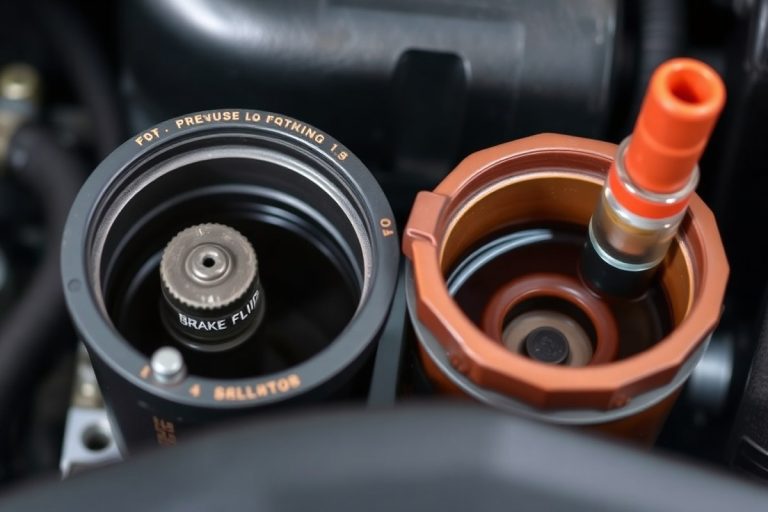
Check the fluid by opening your hood and locating the power steering reservoir. It usually has a cap labeled “Power Steering” or a steering wheel icon. Wipe around the cap before opening to avoid dirt contamination.
When fluid is low, add the right kind listed in your manual slowly. Avoid overfilling as that can cause leaks or foaming. After refilling, turn the wheel from lock to lock a few times to circulate the fluid.
Listening for Pump or Belt Issues
A failing power steering pump makes squealing or screeching noises. It happens mostly on startup or when you turn.
These noises indicate the pump’s internal parts wear out or lose pressure. Pump failure may also cause harder steering or jerky responses.
Worn or loose power steering belts can cause screeches too, working independently from fluid levels. These belts transfer power to the pump. Over time, they crack or slip, especially in cold weather or after many months.
- Start your car and listen for squeals when turning the steering wheel.
- Look for visible cracks, glazing, or looseness in the power steering belt.
- Check belt tension; it should have less than 1/2 inch of play.
- Watch for any fluid leaks near the pump or hoses.
- Note if steering feels stiffer than usual or jerky during turns.
These signs help identify if the pump or belt needs attention before failure worsens.
When to Replace Power Steering Components
You should replace the power steering pump if noise persists after refilling fluid. Pump repair costs vary but expect $200 to $500 for parts and labor. Ignoring pump failure risks steering damage or total loss of assist.
Replace worn belts promptly to avoid belt snap or pump damage. Belt replacement typically costs $25 to $75 plus labor. This job can be done in under an hour at most shops.
Leaks in hoses or reservoir require immediate repair to stop fluid loss. A mechanic can inspect these parts during routine maintenance. Catching problems early helps you avoid costly steering system repairs later.
7. Environmental and External Factors That Can Cause Screeching
Wet conditions often cause screeching noises, especially if water gets on the brakes. Water can cause rust or thin films on the brake pads and rotors. These contaminants lead to temporary squeaks that usually stop after a few brake uses.
To fix this, drive carefully and brake gently several times to dry the pads and rotors. Avoid sudden stops until the noise clears.
Dirt and road debris also create screeching sounds when trapped in brake or suspension parts. Brake dust and grime can cling to the pads and rotors, causing high-pitched noises. Suspension systems can creak if dirt or small rocks lodge in joints or bushings.
Cleaning these areas regularly helps prevent the noise. Rinse brake dust off parts using a water hose or brake cleaner.
Check suspension joints carefully for any debris after cleaning. Removing the buildup usually stops the screeching.
New tires sometimes make screeching sounds, especially during the first few hundred miles. The fresh rubber can squeal on smooth pavement as it settles. This noise typically fades after driving on different road surfaces.
Check tire tread for any stuck stones or debris that might worsen the noise. Screeches that continue or sound harsh need a closer look. Check for uneven wear.
Also, check tire pressure for improper inflation. Proper tire pressure and occasional rotation reduce unwanted sounds and improve grip.
8. DIY Troubleshooting Steps to Diagnose Screeching Noises at Home
Start by listening carefully to find where the screeching noise comes from. Drive slowly in a quiet area.
Notice if the sound changes when you brake, turn, or speed up. This helps narrow down the source to brakes, tires, or belts.
Once you have a general idea, park the car on a level surface. Use a jack to lift one wheel at a time.
Check belts for cracks or looseness by pressing them with your finger. Slowly spin the wheel and listen closely for squeaks from brakes or bearings.
You can also inspect brake pads by removing the wheel. Look for thin pads under 3 millimeters thick, which cause noise.
Tires with uneven wear or damage might also screech. Tire issues might cause noise more when turning or driving fast.
- Listen for noise changes: brake, speed, or steering effects
- Lift wheels with a jack and turn them by hand
- Check belt tightness and condition by pressing and visual inspection
- Inspect brake pads through the wheel gaps or after removing wheels
- Look for uneven tire wear or damage, especially on edges
- Test steering by turning wheels left and right while stationary
- Notice if noise stops when brakes aren’t applied, focus on belts or tires
Stop driving if screeching worsens or brakes feel weak or spongey. Screeching with poor braking means unsafe stopping and possible damage. Stop right away when noise comes from under the hood.
The sound changes with engine speed. This helps prevent belt or pulley failure.
Simple tools needed include a jack, lug wrench, and flashlight. The process usually takes 1 to 2 hours per axle if removing wheels.
The noise might still be unclear after your checks. It’s safer to get a mechanic to inspect the car.
Never ignore screeching noise paired with brake issues; it can signal immediate danger. Stop the car safely and seek professional help as soon as possible.
9. When Is It Time to See a Mechanic for Screeching Car Noises?
A loud screeching noise that starts suddenly while driving needs immediate attention. When you hear grinding brakes, engine knocking, or pulling, stop safely. These warning signs can indicate brake failure or other serious issues that could cause an accident.
Ignoring screeching sounds can make damage worse and cost you more. For example, worn brake pads might cost between $150 and $300 to replace. But letting them go can damage the rotors, raising repair costs to $400 or more.
Engine belt problems are cheaper to fix, often $50 to $150. But ignoring them might lead to engine overheating or failure.
Use this quick rule to decide when to see a mechanic. Get help if the screeching noise is loud or persistent. Also, get help if you notice other symptoms.
Check if you feel odd vibrations, brake softness, or warning lights. These signs mean your car needs a thorough checkup.
You can delay small, occasional noises that vanish after warming up. But never delay if the sound worsens or returns quickly.
| Cause | Typical Repair Cost | Urgency |
|---|---|---|
| Brake Pads Replacement | $150 – $300 | High (stop immediately if grinding or soft brake pedal) |
| Engine Belts Repair | $50 – $150 | Medium (get checked soon to avoid engine damage) |
| Wheel Alignment or Bearing Fix | $70 – $300 | Medium (schedule service if screech persists or steering feels off) |
| Suspension or Power Steering Repair | $200 – $500 | Medium to High (unsafe handling requires quick attention) |
Driving with screeching brakes or damaged belts is risky. It can cause brake failure or engine damage. Stop and fix the problem soon.
That puts you and others at risk. Stop as soon as it feels unsafe. It’s okay to drive a little if the car feels normal.
The noise should be mild. Head straight to your trusted mechanic. Get it looked at within a day or two to avoid bigger problems.
Step-by-Step Action Plan to Fix Screeching Noises While Driving
Follow these steps to find and fix the cause of screeching noises in your car. Check each one to see if your noise stops.
- Day 1: Check your brake pads for wear. If you hear screeching stop when braking, pads likely need replacement.
- Day 2: Inspect engine belts for cracks or looseness. Tighten or replace worn belts to test if noise goes away.
- Day 3: Examine suspension and steering parts for damage or dry joints. Apply grease or replace parts if needed and retest driving.
- Day 4: Rotate tires and check wheel bearings for roughness. Replace noisy bearings or uneven tires to reduce noise.
- Day 5: Test power steering fluid level and pump for issues. Refill or repair power steering to eliminate screeching when turning.
- Day 6: Look for environmental causes like debris caught in wheels or undercarriage. Remove any objects and check if noise stops.
- Day 7: Take your car for a short drive after each fix. Listen closely to hear if screeching has vanished or changed.
Frequently Asked Questions
Can Worn Brake Pads Cause Screeching Only When Driving, Not Braking?
Yes, worn brake pads often make noise only during driving. The pads wear thin and begin to vibrate while driving.
When you brake, the pads move and stop the noise for a bit. This noise comes back until you fix the pads.
Is a Loose Belt Always the Cause of Screeching That Changes with Engine Speed?
Usually, yes. A loose or slipping belt often causes noise that rises with engine speed. Tightening or replacing the belt usually fixes this issue quick.
Can Screeching Noises Mean a Problem with My Car’s Wheel Alignment Too?
Screeching rarely comes from wheel alignment issues alone. However, misaligned wheels can cause uneven tire wear that eventually leads to noise. Check tire condition and alignment if noises coincide with handling problems.
Do Cold Mornings Make Screeching Noises Worse in My Car?
Yes, cold weather can worsen screeching sounds. Cold causes belts and rubber parts to stiffen, making noises louder until the engine warms up.
Could Something Caught in the Brakes Cause a Sudden Screeching Noise?
Definitely. Small debris caught between the brake pad and rotor often produces sharp screeching. Cleaning or removing the debris usually stops the noise immediately.
Wrapping Up
Screeching noises while driving usually point to worn or damaged parts. Acting quick can prevent further damage. Start with brakes, belts, and steering checks to keep your car safe and quiet.