Can a Bad Starter Drain a Battery? What Actually Happens and How to Fix It
A bad starter can drain your battery by drawing power nonstop. This happens even when the car is turned off. Checking the current draw in the starter circuit can catch this problem soon.
Bad starters use more power than they should during starting, which stresses your battery. This extra draw can shorten the battery’s lifespan by up to half. Checking your battery’s voltage before blaming the starter is important to avoid unnecessary repairs.
Watch for a battery losing charge overnight. Also check if voltage drops below 12 volts when off. These signs point to a battery or starter issue.
Your battery may struggle to start the engine due to a bad starter. This part often fails and causes starting problems. Testing both the battery and starter properly gives clearer answers.
Key Takeaways
- Measure battery voltage before testing the starter to identify the real problem.
- Check for continuous current draw from the starter circuit when the car is off.
- A voltage drop below 12 volts at rest may indicate starter-related battery drain.
- Faulty starters can shorten battery life by 30 to 50 percent through extra power use.
- Watch for overnight battery drain to detect hidden starter faults early.
- Replacing the starter usually costs $200 to $600, including parts and labor.
Can a Bad Starter Drain a Car Battery?
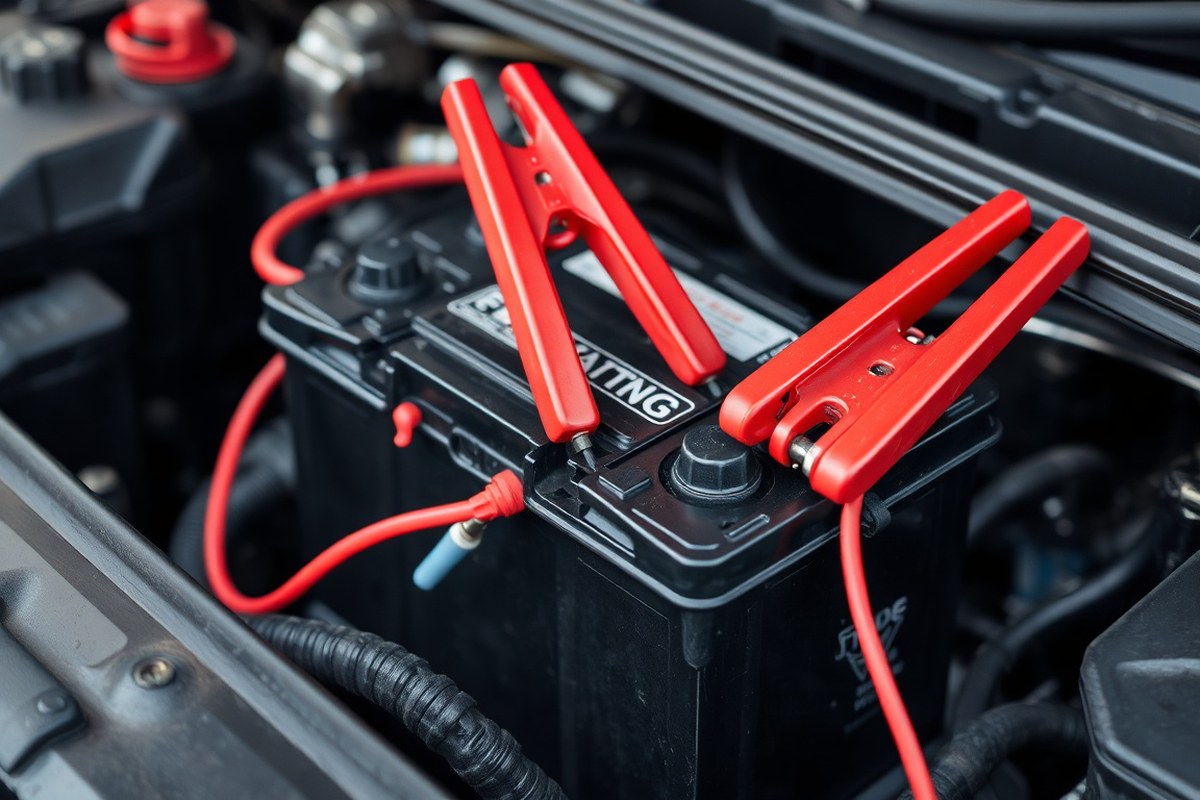
A bad starter can drain your car battery. It pulls power even when the engine is off. This can kill the battery quickly.
This happens because the starter motor requires a large current to turn the engine over. The starter may pull current all the time or off and on. This wears the battery down fast.
Electrical principles explain this clearly. The starter uses a lot of battery power to crank the engine. This happens only for a few seconds.
It draws voltage and amps heavily. A damaged starter or solenoid can cause a short circuit. Power may flow constantly or during many start attempts.
This wastes battery power. The continuous current draw, even as low as 0.3 amps overnight, can drain a battery fully within 24 hours.
You may try starting the car many times with a bad starter. The starter might not engage properly. This can drain the battery.
Each attempt forces the battery to supply a high surge of current. The battery’s charge falls over time. Eventually, it won’t have enough power to start the car.
A faulty starter can cause electrical shorts while driving. This drains the battery more than expected.
How a Starter Uses Battery Power During Starting
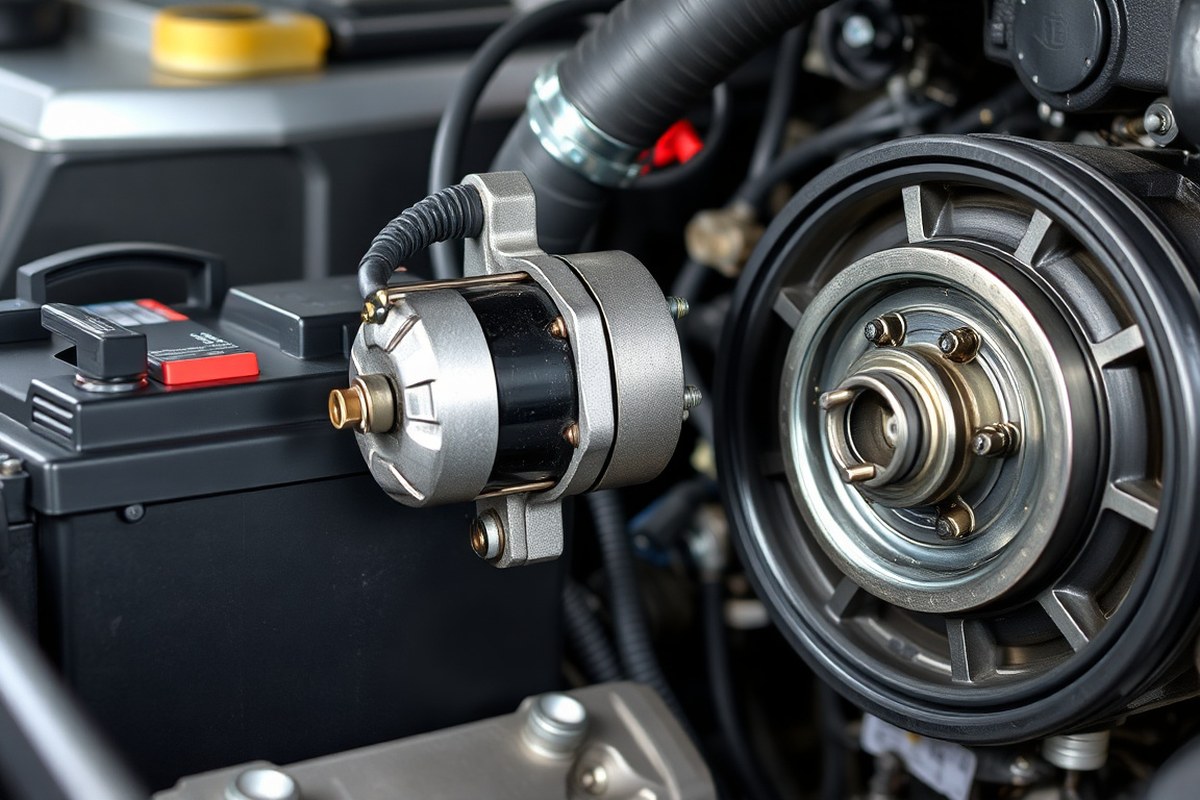
The starter motor draws a large amount of power from the battery to crank the engine. It typically pulls between 150 and 200 amps at peak during start-up. This surge of electricity powers the starter solenoid.
The solenoid then engages the starter gear with the flywheel. This starts the engine turning. That action spins the engine’s crankshaft fast enough to begin the combustion process.
When you turn the ignition key, the battery sends high current. It travels through thick cables to the starter solenoid. The same happens if you push the start button.
The solenoid works as an electrical switch. It closes the circuit and lets full battery power flow.
This power reaches the starter motor. This high current flow can last for several seconds as the starter turns the engine over.
The starter motor needs a big burst of energy. It faces heavy mechanical resistance from the engine. This resistance makes it harder to turn.
It must overcome the engine’s compression and move all the internal parts from a stop. Starting the engine requires many amps of current. Usually around 160 to 185 amps are needed.
It depends on the vehicle model. The starter circuit uses thick cables and heavy connections.
They handle high current loads to avoid overheating. This ensures safe and reliable starting.
The starter circuit includes the battery, main power cable, starter solenoid, and motor windings. The solenoid coil’s electrical resistance is low to allow quick power flow. Starter resistance can increase with overheating or aging.
This raises current draw and stresses the battery more. It can cause starting problems. Cars like the Toyota Camry or Honda CR-V can show current spikes.
These spikes happen if starter parts fail or corrode. It signals a problem in the starter system.
Always check starter and battery connections. Look for tightness and corrosion signs. This helps prevent power loss during startup.
Common Ways a Faulty Starter Drains the Battery
A faulty starter can cause your battery to drain by drawing excessive current. Internal shorts or worn parts inside the starter motor often cause this. Brushes wear down or carbon builds up on the commutator.
This causes a parasitic current draw. It can run from 5 to 12 amps even with ignition off.
The starter solenoid is another common problem area. The solenoid can have an internal short. It may also get stuck.
This can keep pulling power after you turn off the engine. This can hold the starter engaged, which wastes battery power over time. Some starters don’t disengage once the engine starts.
This causes high current draw. The battery drains quickly because of this.
- Internal short circuits from worn brushes causing 5, 12 amps continuous drain
- Faulty solenoid that stays engaged, draining power after shutdown
- Starter motor failing to disengage, leading to battery overwork
- Carbon buildup across commutator increasing parasitic current draw
- Intermittent solenoid faults causing repeated power spikes
- Damaged wiring increasing resistance and electrical inefficiency
A 12-volt lead-acid battery with 600 cold-cranking amps can weaken quickly under constant high current pull. Your battery voltage dropping below 9 volts during a draw test means the starter may pull too much power. Starter replacement is usually the best fix when you detect abnormal current draw or solenoid problems.
A smart battery maintainer can preserve battery charge. But it won’t fix a bad starter or solenoid causing the drain.
Can a Starter Drain the Battery When the Vehicle Is Off?
A starter can drain the battery even when the engine and ignition are off. This happens due to a parasitic current draw. A common cause is a stuck solenoid or damaged wiring inside the starter.
The solenoid acts like a relay, sending power to the starter motor during ignition. A stuck starter can keep running after the car is off.
It may power the starter motor or coil continuously. Wiring faults can also allow current to leak, slowly draining the battery over hours or days.
Parasitic drain means your battery keeps feeding electrical parts without the engine running. Normal parasitic draw is usually under 50 milliamps (mA). A bad starter can cause a big battery drain.
It often draws over 100 mA. This wears down your battery fast.
To check for this drain, you need a multimeter set to measure current. Disconnect the negative battery cable first.
Then connect the meter leads between the battery post and the cable clamp. This way, the meter reads any current flowing out.
Make sure all systems are off. Close doors and remove keys. The reading should settle under 50 mA after a few minutes.
Higher readings suggest parasitic drain. The current might spike or stay high if the starter is faulty. This shows the starter is the cause.
Testing can take 10 to 20 minutes and costs around $20 for a quality multimeter. Don’t blow the meter fuse by using the wrong setting. Avoid wrong connections to the meter.
Be careful. Consult your vehicle manual for specifics on the starter circuit.
A stuck solenoid or wiring short inside the starter can draw current when parked. This slowly drains the battery and prevents a reliable start.
Sometimes you see dashboard lights but can’t start the engine. This means not enough power reaches the starter.
Detecting parasitic drain early prevents being stranded. Replacing a faulty starter often costs a few hundred dollars but saves hassles. Avoid jump-starting repeatedly if you notice signs of battery drain linked to the starter.
Signs a Bad Starter Is Draining Your Battery
A bad starter often shows clear signs that hint at battery drain. You might hear strange noises or notice your car struggles to start. These clues help you catch issues before the battery dies completely.
Audible Cues: Clicking and Grinding Noises
A clicking noise while turning the key often means the starter is failing. The starter motor has trouble connecting with the engine. Grinding sounds show the starter’s gear might be damaged and not fitting the flywheel well.
Clicking noises usually indicate a weak engagement. Grinding suggests mechanical wear inside the starter.
Both sounds mean the starter pulls extra power repeatedly, which stresses the battery over time. This extra draw speeds up battery drain and can leave you stranded.
Visual Symptoms: Dim Lights and Smoke
Dim headlights or interior lights during start attempts often show battery voltage dropping. A bad starter draws more current, cutting power to other electrical systems.
Watch for a faint burning smell or smoke near the engine. This might come from overheated starter wiring or a failing solenoid.
Smoke means electrical shorts or too much heat are happening. Both are dangerous signs. They show the starter might drain or damage the battery.
Regularly inspecting battery connections and starter cables helps catch these issues early. You might also notice the dashboard lights flicker or fade when trying to start the car.
Behavioral Signs: Repeated Start Failures
Failing starts or slow engine cranking show the starter or battery struggling. Repeated no-crank attempts wear down the battery quickly, as the starter pulls current without success. Over time, the battery voltage might drop below 10 volts, too low to start the engine.
These failed attempts add stress to both starter and battery, worsening conditions. You’ll often find the engine hesitates or refuses to turn, requiring multiple tries to get going. Avoid repeatedly cranking the engine; this only drains the battery faster.
- Clicking sound when turning the key
- Grinding noise during engine start
- Dim or flickering headlights at startup
- Burning smell or smoke near the starter
- Engine cranks slowly or not at all
- Multiple attempts needed to start the engine
- Dashboard lights dimming during starting
Repeatedly trying to start the car can drain the battery faster and damage the starter. Stop and get it checked if the engine won’t turn over after a couple of attempts.
How to Distinguish Starter Problems from Battery Issues
You can check if your car battery or starter causes the issue. Perform specific voltage and current tests to find out. This helps pinpoint the problem quickly.
These tests show whether the battery holds charge or if the starter pulls too much current. A load test also helps reveal the battery’s true condition under stress.
Checking Battery Voltage and State of Charge
Start by measuring the battery voltage with a multimeter. This tells you if the battery has enough charge to start the car.
Healthy batteries should read between 12.4 and 12.7 volts when the car is off. Below 12.4 volts suggests a weak or partially drained battery.
- Turn off the car and all accessories.
- Set your multimeter to DC voltage and connect the red lead to the positive battery terminal.
- Connect the black lead to the negative battery terminal.
- Read the voltage and note the value.
- Check if the voltage is at or above 12.4 volts for a good state of charge.
Testing Starter Current Draw with Multimeter
Measure the current draw of the starter to see if it is too high. A normal starter will draw between 100 and 200 amps briefly.
A current draw over 200 amps usually means a starter problem. No current draw at all also shows a fault.
It could be caused by bad wiring too. You’ll need a multimeter with high-amp clamp or a dedicated starter current tester.
- Connect the ammeter clamp around the positive battery cable leading to the starter.
- Have someone turn the ignition key to START while you observe the current draw.
- Note if the amps peak between 100 and 200 briefly.
- Look for unusually high or zero current draw, which suggests starter issues.
- Repeat several key turns to confirm consistent reading.
Performing a Load Test on Battery
Load testing shows if a battery can hold power under real conditions. It simulates the start-up load for about 10 to 15 seconds.
A battery should maintain at least 9.6 volts at 70°F (21°C) during the load test. Below that usually means the battery is failing and needs replacing.
- Use a battery load tester or take the battery to a shop for testing.
- Apply the load equal to half the battery’s cold cranking amps (CCA) rating.
- Run the test for 10-15 seconds and monitor voltage drop.
- Observe if voltage stays above 9.6 volts (at 70°F).
- Replace the battery if voltage drops below 9.6 volts or it fails to recover quickly.
How Long Can a Faulty Starter Last Before Draining the Battery?
A car starter usually lasts 100,000 to 150,000 miles. This equals about 7 to 10 years of use. Longevity depends on how often you drive and conditions.
As a starter begins to fail, it draws more current, causing quicker battery drain. Harsh conditions and heavy use can shorten that lifespan significantly.
Average Starter Longevity Metrics
Starters generally wear out after driving 100,000 to 150,000 miles. Different car brands and types affect this range. Over time, the starter causes more battery drain as parts wear down.
The table below shows how starter wear relates to battery drain risk. A more worn starter spikes higher in amps and drains batteries faster.
| Starter Condition | Approx. Current Draw (amps) | Battery Lifespan Impact |
|---|---|---|
| New/Good | 120, 150 | Normal battery cycles (300, 500) |
| Moderately Worn | 150, 250 | Battery lifespan reduced by 10, 20% |
| Severely Worn/Faulty | 300+ | Battery lifespan cut by 30, 50% |
A faulty starter can cause severe battery drain by drawing over 300 amps. This rapid drain reduces the battery’s overall charge cycles and shortens its life.
Impact of Environmental Conditions
High heat and freezing cold can damage starters faster than moderate climates. Extreme temperature swings cause metal parts and seals inside the starter to wear out.
Corrosion from salty roads or moisture also increases starter failure risk. Protective coatings and regular cleaning help extend the starter’s life.
Driving Habits Affecting Starter Life
Frequent short trips cause more wear on the starter than fewer long drives. Each start uses high current that gradually deteriorates the starter components.
Repeatedly holding the key in the start position can overheat the starter motor. Let the engine crank for no more than 10 seconds at a time to avoid damage.
How to Prevent and Reduce Battery Drain from Starter Issues
Keeping your starter and battery in good shape prevents unexpected drain. Look over the starter regularly for signs like slow cranking or strange noises. Cleaning and tightening battery and starter connections also helps maintain proper current flow.
Try not to crank the engine repeatedly in short bursts when starting fails. Each extra turn draws more power and heats up the starter, risking more damage. Wait at least 15 seconds between attempts to let the battery recharge slightly.
- Inspect starter terminals for corrosion and clean them if needed
- Check battery voltage before starting; it should be around 12.6 volts at rest
- Tighten loose cables on battery and starter to ensure good contact
- Avoid holding the key in the start position longer than 10 seconds
- Use a voltmeter to test current draw if you suspect a slow drain
- Note any clicking or grinding sounds that suggest starter malfunction
- Consider professional diagnosis before repeatedly trying to start the car
Some temporary fixes reduce current draw from a failing starter. Applying dielectric grease on terminal connections can prevent corrosion and improve conductivity. Remove and reinstall starter bolts carefully.
Tighten them to the right torque, plus or minus 15%. This prevents extra wear on starter bearings from uneven force.
Repeated cranking can drain your battery quickly and worsen starter damage. Pause and check before trying again.
When to Replace Your Starter and What to Expect Cost-Wise
Look for slow engine cranking or clicking sounds. No engine turnover confirms a starter problem. These signs show you may need a replacement.
Ignoring these signs can lead to stranded situations or a drained battery. If your starter often fails to engage, that’s a warning.
Grinding noises also mean it’s time to replace it. Don’t ignore these signs.
Replacing a starter usually costs between $250 and $600, including both parts and labor. Labor can take over five hours to install a starter. This makes installation fees higher than the part itself.
Keep this in mind when budgeting. Replacing the whole starter is usually easier than rebuilding it.
Parts inside are hard to reach and often unavailable. This saves time and money overall.
| Starter Component | Average Cost |
|---|---|
| New Starter (part only) | $120 – $350 |
| Labor (5.2+ hours) | $130 – $250 |
| Starter Mounting Bolts | $10 – $20 (recommended replacement) |
Always replace starter mounting bolts during installation because most are torque-to-yield (TTY) and can’t be reused. This prevents mounting failures or loosening later. Clean all electrical connections before starting the replacement to avoid further battery drain issues.
Premium starters cost more but last longer. They can also help prevent battery drain. That reduces issues caused by starter faults.
Brands like Bosch, Denso, and AC Delco are known for reliable starters that last longer. Investing in one pays off by reducing potential repair frequency and improving the vehicle’s electrical health.
Step-by-Step Action Plan for Dealing with a Starter That May Drain Your Battery
Follow these steps to see if your starter drains the battery. Then fix the problem properly.
- Day 1: Test your battery voltage before and after starting the car. A healthy voltage stays above 12.4 volts when off.
- Day 2: Listen for unusual noises like clicking when you turn the key. Noises can suggest starter issues.
- Day 3: Check if the battery drains overnight. Disconnect the negative terminal, then test again to see if it improves.
- Day 4: Inspect starter connections for corrosion or loose wires. Tighten or clean as needed to avoid false drain.
- Day 5: Use a multimeter to test the starter’s current draw with the car off. High draw means a faulty starter.
- Day 6: Still having trouble? Get a pro to test the starter and battery. They can give you a clear diagnosis.
- After Repair: Monitor your battery usage for a week to see if the problem is resolved.
Frequently Asked Questions
Can a Bad Starter Cause a Car Battery to Lose Charge Quickly?
Yes, a bad starter can drain a battery by causing it to work harder. This stress wears down the battery faster than normal use.
Is It Possible for a Starter Motor to Keep Drawing Power When the Engine Is Off?
Yes, some faulty starters or solenoids can draw current even with the engine off. This leads to slow battery drainage overnight or after parking.
Why Does My Battery Die After Multiple Attempts to Start the Car?
Repeated starting efforts with a bad starter consume large battery power quickly. This leaves the battery drained and unable to start the engine.
Can a Bad Starter Damage the Battery’s Overall Lifespan?
Yes, a malfunctioning starter makes the battery provide more power repeatedly. This excess strain shortens the battery’s usable life over time.
Should I Test the Starter If My Battery Keeps Dying but Is Still Fairly New?
Absolutely, a faulty starter could be the reason for battery drain despite a new battery. Testing can help isolate the real cause and prevent unnecessary battery replacements.
Wrapping Up
A bad starter can drain your battery, especially if it draws power when off. Checking your battery and starter with simple tests will help you find the problem. Next, arrange a starter or battery replacement if the tests confirm an issue.