What Is Normal Coolant Temp: A Complete Guide with Vehicle Comparisons
What is normal coolant temp? Most cars run between 195 and 220 degrees Fahrenheit.
This range keeps your engine at a safe heat level without wearing parts out. Checking your coolant temperature helps catch problems before they damage your engine.
When the coolant temp stays in this normal range, your engine runs efficiently. Higher temperatures over 230 degrees usually mean overheating risk.
Staying below that reduces chances of a breakdown or costly fixes. Coolant that’s too cool can cause poor fuel efficiency and more emissions.
Let your engine fully warm up to see the true coolant temperature. Usually, the dash gauge needle centers or sits just below middle at this heat.
Always check coolant after the engine cools down to avoid burns. Using the right coolant type and levels also keeps the temperature stable.
Key Takeaways
- The normal coolant temperature range is about 195°F to 220°F for most cars.
- Temperatures above 230°F usually signal overheating and potential engine damage.
- Wait at least 20 minutes after driving to safely check coolant levels and temp.
- The dash gauge needle near the middle usually shows your coolant is in range.
- Coolant temperature varies slightly by vehicle and engine type but stays close to average.
- Regularly monitor coolant temp to spot overheating before serious engine damage occurs.
What Is the Normal Coolant Temperature Range for Cars?
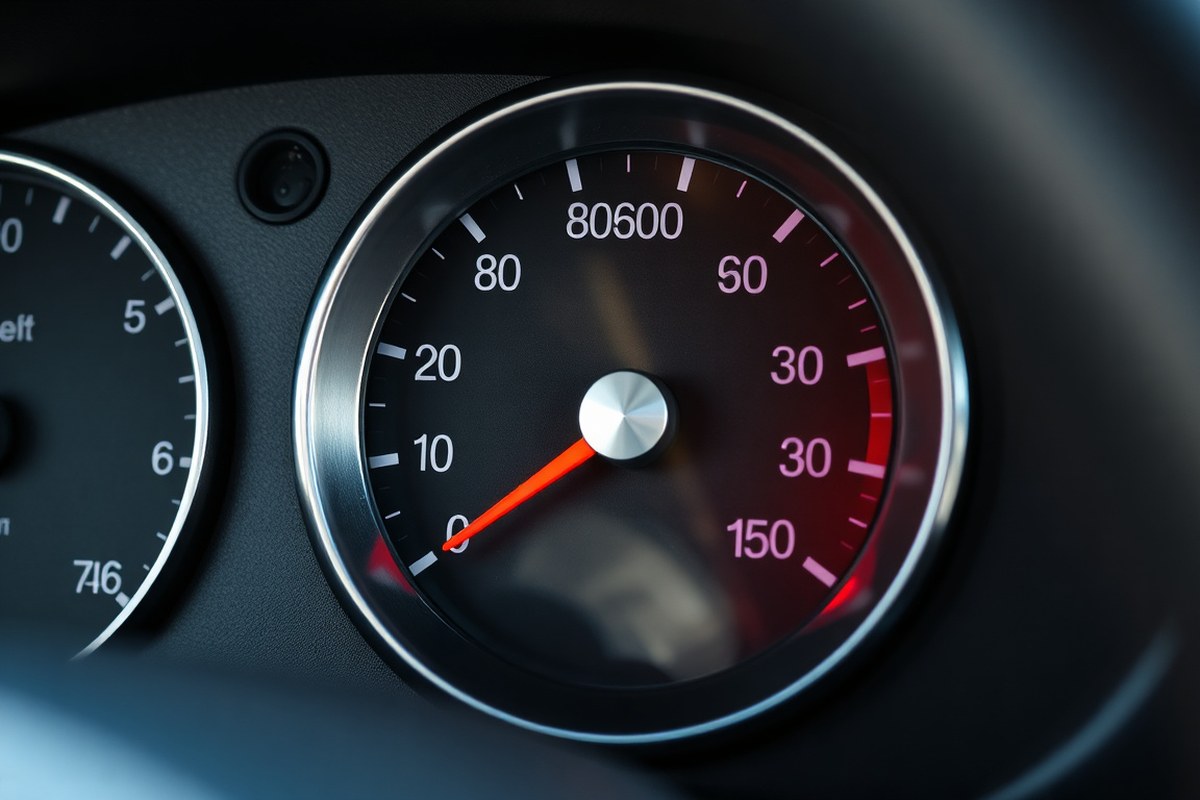
Most vehicles run best with coolant temperatures from 195°F to 220°F (90°C to 105°C). This range reflects normal engine heat once the car warms up. Your dashboard’s temperature needle typically rests near the middle to indicate this range.
The coolant temperature gauge doesn’t always display exact numbers. Instead, the needle stays steady in the middle while the temperature stays within the safe range.
The needle rising above 230°F (110°C) usually means the engine is overheating. This can cause serious damage, like warped cylinder heads or blown gaskets.
Keeping the coolant temperature between 195°F and 220°F is important for your engine’s health. This range lets the engine run efficiently without stressing components. Antifreeze helps keep this balance by absorbing engine heat.
It also stops coolant from freezing or boiling. That protects your engine under normal conditions.
Your engine typically reaches this normal temperature within 1 to 2 minutes after starting. During this time, the temperature gauge may show cold or low readings. It’s best to avoid heavy acceleration until your engine reaches the middle zone on the gauge.
Engines that run too cool won’t perform well or reach fuel efficiency standards. Coolant temps far below 195°F can mean an issue with the thermostat or cooling system. In contrast, running hotter than 220°F means the system may be failing to cool effectively.
Keeping the coolant level right is important. A working radiator and thermostat also help maintain the cooling system. These parts keep the temperature steady for your engine.
Checking your temperature gauge regularly helps avoid surprises while driving. The engine load should be lowered or you should park safely soon when the needle goes above normal.
How Coolant Temperature Varies by Vehicle and Engine Type

Normal coolant temperature usually ranges from 195°F to 220°F (90°C to 105°C). Different vehicles and engines have unique exact temperatures.
Trucks, diesels, and performance cars may run hotter or cooler by design. Knowing these differences helps you spot engine problems properly.
Normal Temps for Passenger Vehicles
Passenger cars like sedans, hatchbacks, and compacts run around 190°F to 220°F. This range fits most small to mid-size cars. Their cooling systems keep engines in this typical temperature band. SUVs and light trucks usually run coolant between 195°F and 220°F. Their engines and cooling systems are a bit bigger than cars.
This heat range matches their design and use. Hybrid vehicles usually run cooler, between 180°F and 210°F, thanks to their unique powertrains.
Check your vehicle’s temperature gauge; it should hover near the middle when running normally. A needle moving to very high heat warns you to stop driving.
High temperatures signal a cooling system problem. Checking early can prevent engine damage.
Coolant Temps in Diesel and Heavy-Duty Engines
Diesel engines, especially heavy-duty ones, tend to operate at higher coolant temperatures than gas engines. Light diesel engines usually keep the coolant between 190°F and 220°F. Heavy diesel engines run safely between 200°F and 230°F. They handle heavier loads and longer driving times than regular engines. Their cooling systems are built for these higher temperatures.
Commercial trucks with heavy engines run coolant from 195°F to 225°F. This range balances engine heat for good performance and long life. Keeping in this zone helps prevent overheating. Some trucks under towing conditions might reach temperatures as high as 240°F.
Performance and Turbocharged Engine Ranges
Turbocharged and performance engines generally run hotter to maintain efficiency and power. These trucks often operate near 220°F or just above it. Higher temperatures are normal for heavy-duty engines on the road.
Their systems can handle the extra heat safely. Efficient cooling systems in these vehicles prevent overheating while handling extra thermal stress.
These hotter conditions are normal. But watch for sustained temperatures above 230°F. That could signal a cooling failure or other mechanical problems needing prompt attention.
| Vehicle or Engine Type | Normal Temp (°F) | Normal Temp (°C) |
|---|---|---|
| Sedan | 195, 220°F | 90, 105°C |
| Hybrid Vehicles | 180, 210°F | 82, 99°C |
| Light Diesel | 190, 220°F | 88, 105°C |
| Heavy Diesel | 200, 230°F | 93, 110°C |
| Light-Duty Truck | 195, 220°F | 90, 105°C |
| Heavy-Duty Truck | 200, 230°F | 93, 110°C |
Keep in mind an engine’s coolant temperature sensor monitors this heat closely. Your car’s computer controls fan speeds to keep temperature normal. It also adjusts engine timing for proper cooling.
This helps maintain the right coolant temperature range. Staying alert to your temperature gauge can prevent costly repairs caused by overheating.
Never ignore a rising temperature gauge, especially in trucks or turbo cars. It can lead to serious engine damage quickly.
Why High Coolant Temperature Is Dangerous for Your Engine
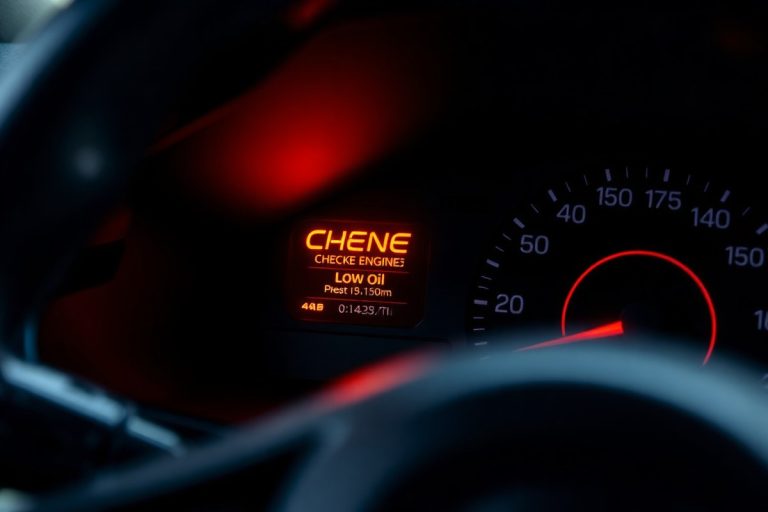
Overheating happens when your engine coolant temperature climbs above 230°F (110°C). At this point, the warning lights usually come on, signaling trouble. Ignoring these alerts lets the engine get too hot, risking serious damage.
High coolant temperatures can warp metal parts inside the engine. The cylinder head and engine block may crack or get warped, which leads to expensive repairs. Your head gasket might blow, causing coolant leaks and engine misfires.
Engine oil also breaks down faster when the engine runs too hot. This reduces lubrication, which causes extra wear on moving parts. Over time, overheating speeds up engine wear and can cause it to seize.
Your car’s engine control unit tries to fix mild overheating. It changes ignition timing and fuel mix to cool the engine. These adjustments help prevent damage temporarily.
It also turns on the cooling fans to bring the temperature down. But if these fail and the engine gets too hot, automatic fixes won’t save it.
Ignoring overheating risks can lead to costly repairs or engine replacement. Fixing damage from overheating may cost hundreds or thousands of dollars. Flushing and replacing coolant usually costs less than $150.
This simple step can save you big repair bills. Keeping an eye on temperature gauges helps catch problems early, avoiding these expenses.
Driving with high coolant temperature hurts engine performance and fuel economy too. The engine may lose power or stall under heavy load. You’ll notice your car feels sluggish when it’s overheating.
Coolant temperature sensors onboard warn you early by triggering warning lights. Look for these signs and stop driving right away. Let your engine cool before checking coolant levels or calling a mechanic.
Can Low Coolant Temperature Also Harm Engine Performance?
Low coolant temperature can cause several engine problems. When the engine runs too cold, fuel does not burn completely. This leads to poor fuel economy and higher emissions, hurting your wallet and the environment.
Cold coolant means the engine doesn’t reach its best working temperature. Below about 185°F (85°C), the engine stays too cool for proper combustion. This incomplete burning leaves extra fuel and carbon buildup inside the engine, which may reduce performance.
Engines require certain temperatures for proper lubrication and expansion of metal parts. Coolant temperature below the thermostat’s point can cause wrong part expansion. That causes increased wear and tear, risking costly damage over time.
Your car’s heater also depends on hot coolant to warm the cabin air. Coolant that is too cold makes the heater blow chilly air inside. This can make driving uncomfortable and indicate a thermostat stuck open or faulty sensor.
For example, Mazda’s CX-5 operates around 210°F (100°C) during normal driving. Temperatures consistently below this might hint at a problem.
Fixing a stuck-open thermostat usually costs $100 to $300. But it restores engine efficiency and heater function.
When you start your car, the coolant temperature gauge should climb steadily. It needs to stay within 195°F to 220°F (90°C to 105°C). If the gauge shows a low temperature, have a mechanic inspect the thermostat and sensors to prevent engine harm and fuel waste.
How to Safely Check Your Engine Coolant Temperature
Preparing Your Vehicle for Checking
Never check the coolant temperature right after turning off the engine. The system stays hot for a long time and can cause burns.
Park your car on level ground with the engine off. Wait at least 20 minutes to let the engine cool fully.
Use gloves to protect your hands from any residual heat or sharp parts. Avoid touching the front or radiator area during this time.
Always wait until your engine is completely cool before opening the radiator cap. Don’t check coolant levels while the engine is hot. This keeps you safe from burns.
Checking Coolant Levels and Condition
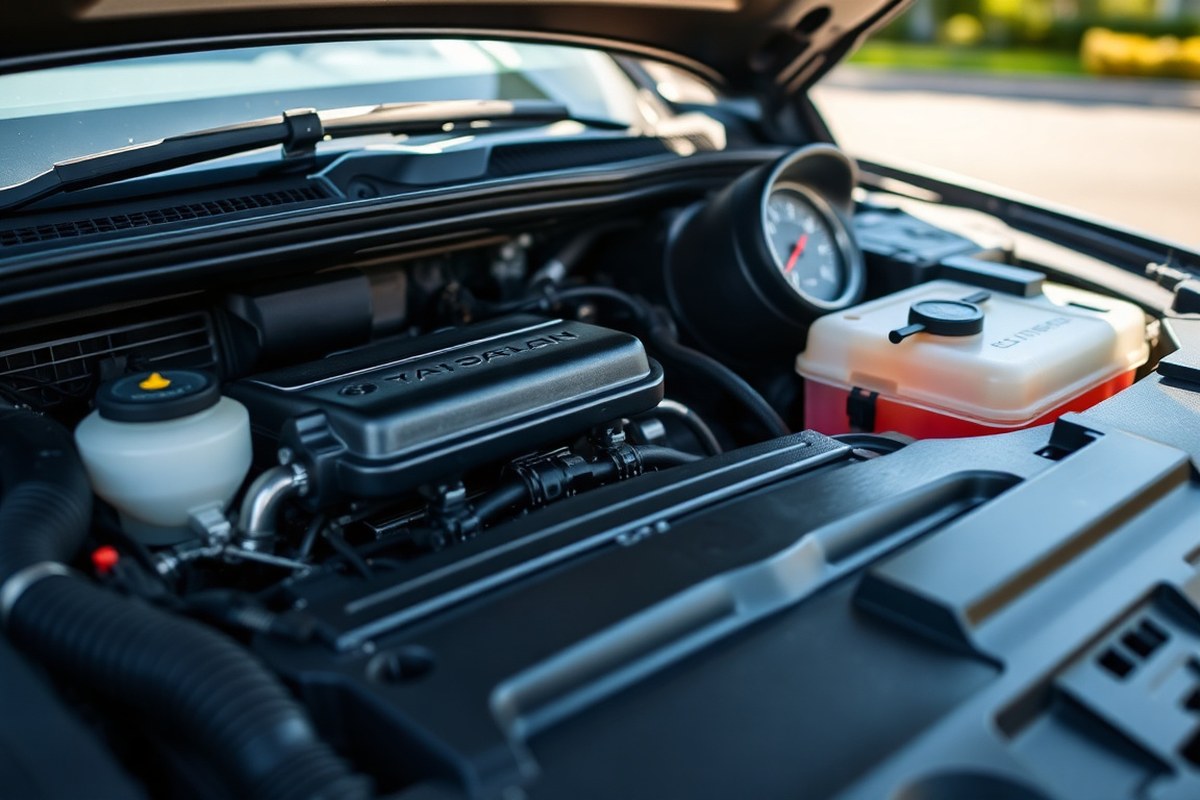
Locate the coolant reservoir or radiator cap once the engine is cold. The reservoir is usually a translucent plastic tank next to the radiator.
Look for the “Full” and “Low” marks on the side of the reservoir. The coolant level should be between these marks.
Check the coolant’s color and smell. The coolant should be clear or the color shown in your manual.
It shouldn’t have a strong smell. Any unusual look or odor could mean a problem.
- Ensure the engine is cold before opening any coolant caps.
- Remove the coolant reservoir cap slowly to release any pressure.
- Inspect the coolant level against the reservoir markings.
- Top off with the recommended coolant type if the level is below “Low”.
- Check the coolant for dirt, rust, or oil contamination.
- Replace the cap securely after checking or refilling.
Reading Temperature Gauges and Diagnostic Tools
Turn on your car and observe the temperature gauge on the dashboard. It usually shows a needle or digital readout.
The temperature needle should stay near the middle of the gauge. Normally, it hovers around 215°F to 220°F. This shows the engine is running at a safe temperature. This matches typical engine operating temperature.
Some newer vehicles provide digital coolant temperature readings through an onboard diagnostic system or apps. Check your manual for details.
Factors That Affect Engine Coolant Temperature
Cold weather can make your engine coolant temperature lower than usual. When it’s very cold outside, the engine takes longer to warm up. This happens because the coolant absorbs more of the cold from the air and engine parts.
Hot weather pushes coolant temperature higher. On really warm days, the coolant works harder to keep your engine from overheating. The normal range might rise near 220 degrees Fahrenheit.
This happens especially in city traffic. Traffic prevents enough airflow to cool the engine.
Driving your car hard, like accelerating fast or climbing steep hills, raises coolant temperature. These actions make your engine produce more heat quickly. Stop-and-go traffic adds stress to your engine.
Carrying heavy loads also increases the temperature. This makes the cooling system work harder.
Smooth, steady driving on flat roads helps maintain a stable coolant temperature. At highway speeds, cooling fans and air movement around the radiator work efficiently. This keeps the coolant near its ideal range, usually between 195 and 220 degrees Fahrenheit.
Coolant quality strongly affects temperature control. Using the wrong type or old coolant reduces heat transfer and protection. Flush and replace coolant every 2 to 5 years.
The exact time depends on the brand. This keeps buildup and corrosion away.
Leaks or clogs in the cooling system raise coolant temperature quickly. A worn water pump or stuck thermostat can block coolant flow, causing hot spots. Making sure hoses, radiator, and sensor are checked during regular maintenance helps avoid overheating problems.
The coolant temperature sensor plays a key role in monitoring engine heat. A bad sensor can show wrong temperatures. This tricks the car’s computer.
It might change fuel use and fan speed incorrectly. Replacing a bad sensor usually costs around $50 to $150 and can help prevent temperature spikes.
Common Causes and Fixes for Abnormal Coolant Temperatures
Coolant running too hot usually means there’s a problem with circulation or cooling. A thermostat stuck closed can trap hot coolant in the engine. A broken radiator fan or clogged coolant passages may cause overheating.
They block the airflow or stop coolant from flowing properly. This disrupts the engine’s cooling system.
Your coolant temperature staying too low suggests the thermostat is stuck open. This stops the engine from reaching normal operating temperature. It can hurt fuel efficiency and emissions.
This lets coolant circulate constantly, so the engine never warms up fully. Low temperature can cause poor fuel efficiency and emissions issues.
Faulty coolant temperature sensors can throw off your engine controller. They send wrong signals about temperature, leading to rough idling or poor performance.
To check the sensor, measure resistance at room temperature and compare it with the manufacturer’s specs. Swap the sensor if readings are off.
Here are some common causes and fixes to restore normal coolant temperature:
- Thermostat stuck closed: Replace the thermostat ($20-$50 parts, plus labor).
- Thermostat stuck open: Swap the thermostat to match your vehicle’s temp range.
- Radiator fan not working: Test fan relay and fuses; replace fan motor if needed.
- Coolant leaks: Locate leaks and seal with a coolant leak repair product or replace parts.
- Clogged coolant passages: Flush the cooling system to clear blockages.
- Faulty coolant temperature sensor: Test resistance; replace sensor if out of range ($15-$40).
Fixing a thermostat usually takes about one to two hours. It’s a straightforward job on most cars and improves temperature control immediately.
Flushes may take longer and cost $100 or more at a shop. But they help clear contaminants.
Leaks should never be ignored. They lower coolant level and cause temperature swings.
Products like K-Seal seal minor leaks yourself. For head gasket leaks, a professional repair is often necessary.
You can diagnose many cooling system issues by watching temperature gauge behavior. Fluctuations or constant extremes mean a sensor or thermostat problem. Make sure repairs use correct parts rated for your vehicle’s temperature range to avoid future trouble.
How Often Should You Flush and Replace Your Coolant?
Most carmakers suggest you flush and replace your coolant every 2 to 5 years. This usually happens between 30,000 and 60,000 miles. But your owner’s manual has the exact schedule.
Fresh coolant stops build-up inside your cooling system parts. It prevents corrosion in the radiator and water pump.
Keeping coolant fresh helps your car run better. Keeping clean fluid helps your engine stay at its normal working temperature.
Use the type of coolant your vehicle’s manual recommends. Different cars need different formulas to protect against freezing or boiling over. Mixing coolants or using the wrong type can cause sludge or deposits.
These block coolant flow, leading to higher engine temperatures and potential damage. Follow product labels and your manual instructions, especially about coolant concentration with water.
Old or degraded coolant loses its ability to carry heat and resist corrosion. It becomes acidic and thick, which harms hoses and seals. This creates leaks or overheating.
Flushing cleans the system by draining the old fluid first. Then, the system gets refilled with fresh coolant. Sometimes, it also includes distilled water.
A flush often takes about an hour at a repair shop. The cost ranges from $100 to $150.
The price changes based on your vehicle’s type. Doing this stops temperature spikes caused by buildup inside the system.
The coolant level naturally drops due to evaporation and small leaks. After fixing any leaks, top off the coolant to the right mark in the reservoir.
Proper fluid level keeps the system full, allowing the thermostat and pump to regulate temperature correctly. Regular checks along with scheduled flushing keep your engine running cool and safe.
Never mix different coolant types unless you check if they match. Mixing can cause clogs in your cooling system. That leads to engine overheating and damage.
When to Seek Professional Help for Coolant Temperature Issues
Your coolant temperature needs professional attention if it consistently goes above 230°F (110°C). Serious warning signs or repeated overheating call for a mechanic’s help to avoid major engine damage. Using diagnostics and expert repairs saves you from costly breakdowns.
Signs That Require Immediate Service
Consistent coolant temperatures above 230°F demand urgent mechanic intervention. You might also notice warning lights on your dashboard or steam coming from under the hood. Sudden temperature spikes or erratic gauge behavior are red flags too.
Another clear sign is if your engine overheats while idling or in traffic. If the cooling fan doesn’t engage when the engine gets hot, this also needs prompt attention. These symptoms often signal a failing thermostat, water pump, or radiator issue.
Typical Repair Costs and What to Expect
Minor fixes like topping off coolant usually cost under $50. However, a thermostat replacement often runs between $150 and $300, depending on your car model. Pump or radiator repairs can approach $500 to $1,000 when parts and labor are combined.
Costs rise if the damage spreads, such as head gasket failure from extreme overheating. You might spend $1,000 or more to fix those problems. Early professional checks keep expenses low and protect your engine’s long-term health.
Benefits of Professional Diagnostics
Mechanics use advanced OBD2 scanners costing $300 or more to read coolant data precisely. These tools check all engine parameters live, spotting issues you might miss manually. A $50 diagnostic visit can save hundreds by pinpointing the exact problem fast.
Professionals can also command cooling fans on and off to test their response with scan tools. This ensures every cooling system part works together properly.
They verify repairs and prevent problems. So your engine stays within its safe temperature range.
Step-by-Step Action Plan to Keep Your Coolant Temperature in Check
Follow these steps to monitor and maintain your engine’s coolant temperature safely and effectively.
- Before driving: Check your coolant level when the engine is cold. Your vehicle manual will say how full it should be.
- Week 1: Watch your dashboard gauge during drives. Normal range is usually between 195°F and 220°F. Note any spikes above.
- Week 2: Test your coolant temperature with an OBD-II scanner or infrared thermometer. Compare readings to your manual’s normal range.
- Month 1: Inspect hoses and radiator for leaks or damage. Replace any cracked or brittle hoses to avoid overheating.
- Month 2: Flush the coolant system if it’s been over 2 years or 30,000 miles. Fresh coolant prevents corrosion and keeps temps steady.
- After 3 months: Retest coolant temperature on a warm day. Spot unusual highs or lows and note your driving conditions. Prepare to take your car to a mechanic soon.
- Every service: Ask your mechanic to check the thermostat and radiator cap. These parts control coolant flow and pressure.
- When you notice problems: Get professional help if the gauge jumps fast. Also, if it stays too high or too low during normal driving, seek a mechanic.
Frequently Asked Questions
Is 230 Degrees Too Hot for an Engine?
230°F is slightly above the normal range for most engines. It means the cooling system might be struggling. High heat can risk engine damage if it stays long.
Watch your temperature gauge closely. Check your cooling system if it often hits this point.
Is 225 Too Hot for Coolant Temperature?
225°F is near the high side but often okay. Some engines, like turbocharged or diesel, handle it.
However, it’s hotter than the 195-220°F range typical for most cars. Watch for any warning signs and get your cooling system checked if it rises further.
Is a 160 Degree Thermostat Bad?
A 160°F thermostat runs cooler than usual. This might cause the engine to run below ideal temp. This can reduce fuel efficiency and cabin heat.
Notice poor performance or heater problems? Try a thermostat closer to 195°F for better running.
Is 240 Coolant Temperature Too High?
240°F is too high for most engines, even sports cars with higher limits. It indicates overheating and risks serious engine damage.
Stop driving and let the engine cool down. Then check the cooling system or call a pro right away.
What Should My Engine Coolant Temperature Be?
Your engine coolant should usually be between 195°F and 220°F when fully warmed up. This range keeps the engine running efficiently and prevents overheating. Check your dashboard gauge for a needle near the middle, which shows normal temperature.
Final Thoughts
Normal coolant temperature keeps your engine running safely and efficiently. Always keep an eye on your temperature gauge while driving. Start by checking your coolant level today to prevent surprise breakdowns.