What Is a 8k in Miles? Exact Conversion Plus Training & Race Tips
Wondering what is an 8k in miles? An 8K race is exactly 4.97 miles long. People often round it to 5 miles because it’s close enough for most runners.
That tiny difference of 0.03 miles equals about 158 feet, a small margin in race distance. For training and pacing, knowing the exact length makes your plan sharper. It helps you set realistic goals and pace splits during the run.
Start by tracking runs just under 5 miles using a GPS watch or app. This gives your training more accuracy and prevents guessing too far off. Adjust your intervals and tempo runs to match the 8K distance closely.
On race day, that slight distance gap won’t change your effort much. But getting familiar with the true 4.97 miles lets you approach the race with confidence. Accurate distance means better race-day preparation and performance.
Key Takeaways
- An 8K race covers 4.97 miles, just shy of a full 5 miles.
- Rounding 8K to 5 miles works fine for general training purposes.
- Use accurate distance measurements to avoid under- or overtraining.
- Remember 0.03 miles difference equals roughly 158 feet on the course.
- Track runs close to 5 miles to match your 8K race pace.
- Precise distance helps set realistic goals and pacing during the race.
How Many Miles Are in an 8K Race Exactly?
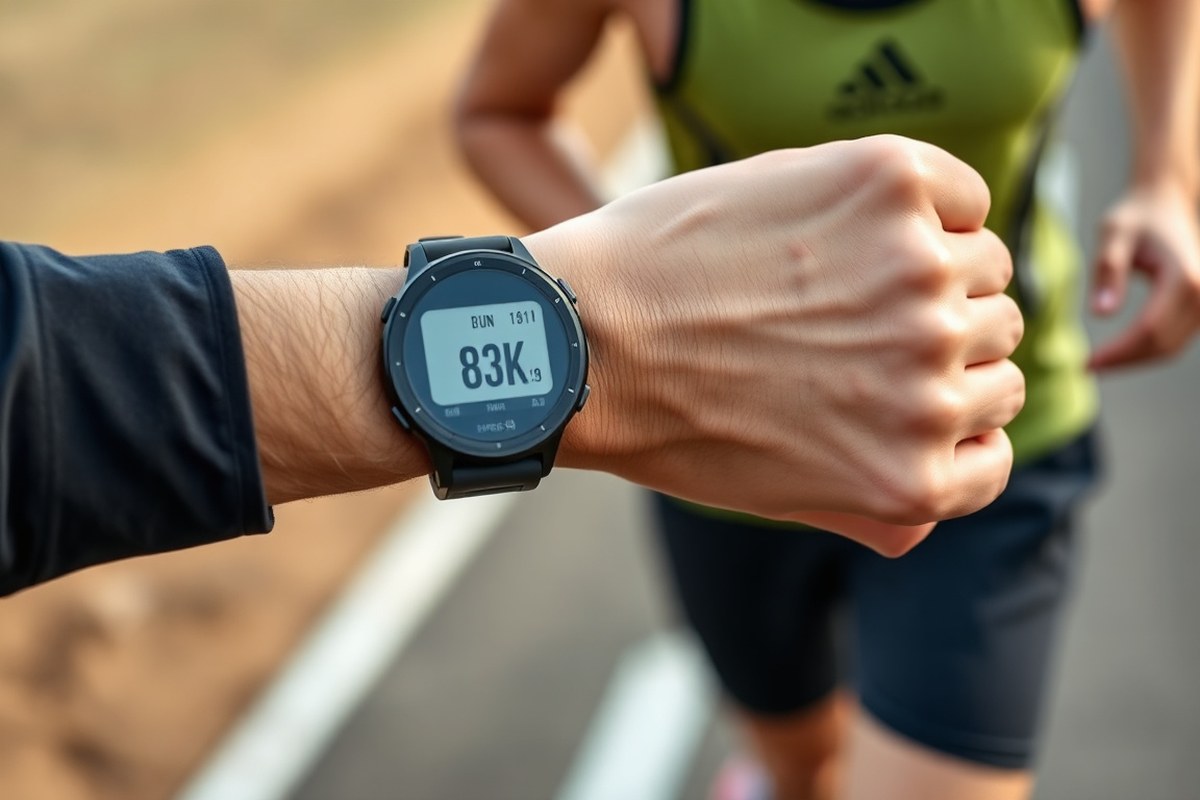
An 8K race measures exactly 8 kilometers, which equals about 4.97 miles. To convert kilometers to miles, divide the number of kilometers by 1.609344. Doing this calculation gives you 4.97097 miles for 8 kilometers, which rounds nicely to 4.97 miles.
To break it down further, 8 kilometers is also 8,000 meters. Since 1 mile equals 5,280 feet, 8 kilometers converts to approximately 25,600 feet. An 8K race covers about 25,781 feet in length.
This equals roughly 8,594 yards. Keep in mind, 1 yard equals 3 feet. For runners, knowing this helps with pacing and track comparisons.
Rounding 4.97 miles to 5 miles is common for simplicity. But it adds about 0.03 miles or 158 feet extra distance. This difference might seem small.
Still, it matters if you’re measuring splits or aiming for specific race goals. Using the exact 4.97 miles keeps your training precise and your race expectations clear.
Comparing 8K to 5K and 10K Racing Distances

The 8K race sits right between a 5K and a 10K in length. It covers close to 5 miles, just under that distance.97 miles, which is nearly 2 miles longer than a 5K and about 1.23 miles shorter than a 10K. This size makes the race challenging but not as long as the 10K.
In terms of difficulty, the 8K race demands more endurance than a 5K. You’ll need to pace yourself better over the extra distance. The 10K ups the challenge again, needing more stamina and often a more serious training schedule.
| Race Distance | Distance (miles) | Typical Completion Time | Training Requirements |
|---|---|---|---|
| 5K | 3.1 | 20 to 40 minutes | Beginner friendly, easy to prepare |
| 8K | 4.97 (approx. 5) | 30 to 50 minutes | Intermediate training, focus on pacing |
| 10K | 6.2 | 45 to 70 minutes | Advanced training, more endurance needed |
The 8K race is not really a “long distance” event like a half marathon or marathon. It suits runners moving up from a 5K race. They want a bigger challenge.
It’s not as long as a 10K yet. Try a 10K race if you’ve finished several 8Ks easily.
You should manage to run about 6 miles in training. That shows you’re ready for more distance.
Training for an 8K needs more endurance focus than for a 5K. It’s easier than the steady push needed for a 10K. You’ll build stamina without long discomfort.
Many find an 8K race a good stepping stone. It helps you build strength and confidence before longer distances.
Start your 8K slightly slower than you expect, then increase speed during the last mile. This helps you avoid burning out too soon.
How to Train for an 8K Race Successfully
You can train for an 8K by building your weekly miles. Add speed workouts like tempo runs to your routine. Include some cross-training for overall fitness.
A steady progression over about eight weeks lets you increase endurance and speed safely. Cross-training and strength work also improve your running economy and reduce injury risk.
Building Weekly Mileage Safely
Start by gradually increasing your running mileage to build endurance. Aim to run three to four times per week with easy, conversational-paced runs. Slowly add distance to your long run until you reach about six miles before race day.
Stick to a steady increase of no more than 10 percent per week in total mileage. This helps prevent injuries and keeps your body adapting. Start with 3 miles on your easy run days.
Gradually increase to 6 miles on your long runs. Do this over several weeks for steady progress.
Incorporating Speed and Tempo Runs
Tempo runs help you keep a faster pace longer. They train your body to run at race speed. This is key for an 8K race.
Include one tempo run weekly, running 20 to 25 minutes at a comfortably hard effort pace. This pace feels challenging but maintainable without gasping for air.
Interval training also improves speed and race performance. Add sessions like 6 x 800 meters at your expected 8K race pace on Tuesdays. Mix hard runs with easy recovery runs.
Recovery lets your body rest and repair well. This way, speed workouts help more.
Adding Strength and Cross-Training
Strength training supports your running by improving muscle power and endurance. Include two or three sessions weekly with exercises targeting legs, core, and hips.
Try bodyweight exercises or light weights for strength. This can improve your running efficiency by as much as 8 percent.
Cross-training like cycling, swimming, or gentle elliptical sessions helps you build fitness without extra running stress. Schedule one cross-training day per week to allow your body to recover while staying active. This reduces the chance of injury and improves overall fitness.
Here’s a simple eight-week plan that balances all the key workouts to get you race-ready:
- Begin with easy runs of 3 to 4 miles on Monday and Wednesday.
- Add interval training on Tuesday with 6 x 800 meters at 8K pace.
- Run a tempo session on Thursday for 20 to 25 minutes at a steady, hard effort.
- Take Friday off for rest or do a light 3-mile easy run.
- Slowly build your long runs on Saturdays. Start with 4 miles and work up to 6 miles. Run these at a relaxed, easy pace.
- Use Sunday for cross-training, such as a 45-minute cycling or swimming session.
- Include strength training two or three times a week, especially on easy running or rest days.
- Adjust rest days as needed based on how your body feels to avoid injury.
What Is a Good 8K Time for Different Fitness Levels?
A good 8K time depends on your fitness level. Beginners often finish around 55 minutes or less, running about 10 to 12 minutes per mile. That means covering nearly 5 miles at a steady, comfortable pace that feels doable.
Intermediate runners usually complete an 8K in 40 to 45 minutes. This pace works out to roughly 7:15 minutes per mile, demanding more endurance and speed. You can set a realistic goal by timing shorter runs and adjusting pace accordingly.
Advanced runners aim to finish in 24 to 29 minutes. These times require keeping close to a 6:30-minute mile or faster. They train consistently, often focusing on pace for weeks leading up to the race.
Calculating your running pace helps you set smart goals. Divide your target time by 4.97 miles to find minutes per mile. For example, finishing in 40 minutes means running about 8 minutes per mile.
The 8K distance suits runners of many levels. For beginners, it offers a solid challenge without being overwhelming. Its length is just enough to develop fitness while staying manageable for regular training.
Trying this distance can build your confidence before longer races. Keep your pace steady and listen to your body during runs. Adjust your goals based on how your training progresses and how you feel on race day.
Pacing Strategies to Excel in Your 8K Race
Pacing an 8K race well means starting slower, holding steady, then pushing hard at the end. You want to save energy early and build up toward a strong finish. This plan fits both newer runners and those with more experience aiming for their best time.
Starting Conservatively to Save Energy
Begin your race at a controlled pace during the first mile to avoid burning out early. Stick to a pace that feels easy, comfortable, and lets you breathe steadily. This prevents early fatigue and helps you settle into your rhythm without wasting energy.
Novice runners might try a run/walk pattern in this phase, slowly increasing running intervals. Experienced runners should aim slightly slower than their goal pace here.
A strong start burns energy you’ll need later. So holding back at first pays off.
Maintaining a Steady Middle Pace
Between miles two and three, find your target pace. This is the speed you can hold without discomfort. Stick to this rhythm steadily.
This steady effort keeps your body efficient and controls your breathing. Avoid speeding up too soon, as it drains energy needed for the final push.
On flat terrain, maintaining this consistent pace is easier and saves stamina. Your goal is a smooth rhythm that feels sustainable, preparing you for the race’s hardest part. Experienced runners often use this phase to test how they feel.
Increasing Effort in the Final Miles
Start pushing your pace in the last 1 to 1.5 miles if you feel strong and your breathing stays controlled. Now is the moment to push your hardest. Increase your speed slowly as you near the finish.
Save your energy to finish strong. The effort you saved helps you finish faster and stronger.
Smart runners run their fastest splits here. They pass those who started too fast. Pacing right helps you gain ground late.
Focus on form and turnover to keep your legs moving quickly without fatiguing too fast. This final burst often decides your race time and personal bests.
- Start slower than your goal pace for the first mile
- Find a steady rhythm between miles 2 and 3
- Use flat terrain to keep energy use low
- Increase speed gradually in the last mile
- Listen to your breathing for signs to ease up
- Novices can use run/walk early, then run steady
- Experienced runners aim between 5K and 10K pace for middle miles
Starting too fast causes burnout and slows your finish; patience pays off.
Calorie Burn and Energy Use Running an 8K
Running an 8K burns about 500 calories on average. The exact amount depends on your weight, pace, and effort level.
A 180-pound runner jogging at 10-minute miles burns 696 calories. This happens over the 8K distance.
A 130-pound runner burns less at the same pace. They use about 502 calories over 8K.
The formula used is METs times 3.5, multiplied by your weight in kilograms, then divided by 200. METs reflect how hard your body works at the running speed.
Your running speed also changes calorie burn. Faster paces increase intensity and calories burned per minute.
Effort matters too. A harder push raises your metabolic rate and fuel consumption during the run.
Preparing your energy stores before the race helps you perform better. Eating carbohydrates a few hours before gives your muscles quick fuel.
After running, eat protein and carbs to replace calories. This helps your muscles recover.
Hydration affects how efficiently your body burns calories too. Being well hydrated supports better energy use and endurance.
Dehydration can slow you down and reduce calorie burn. Aim for water or electrolyte drinks before and after your 8K.
Tracking your calorie burn can guide training and diet adjustments. Apps and fitness watches estimate calories using your weight and heart rate data. Keep in mind, estimates vary by devices and personal factors.
Running an 8K challenges your endurance and energy reserves. Knowing how many calories you burn helps you manage food intake and recovery.
Adjust your pace and effort based on how you feel. Refuel smartly for steady progress.
Preparing for Race Day: Hydration, Nutrition, and Gear
Preparing for race day means making smart choices about hydration, nutrition, and gear. These steps help you run strong and avoid common issues. Planning ahead keeps you comfortable and confident on the course.
Hydration Tips Before and During Race
Drink water throughout the day before your 8K race. But avoid drinking too much right before the start. Drink about 16 to 24 ounces of water two hours before running.
This keeps you hydrated without making you feel bloated. Stop drinking large amounts 15 to 20 minutes before the race to prevent bathroom stops.
Sip small amounts of water at aid stations if available, especially on hot days. You only need a few ounces to stay steady. Overhydrating during this short race can slow you down and cause discomfort.
Nutrition Suggestions for 8K Runners
Eat a light, balanced meal 2 to 3 hours before your race. Focus on carbs, some protein, and a little fat to fuel your run. A piece of toast with peanut butter and banana works well for many runners.
Skip anything new or heavy that your stomach might reject. Your run starts early.
Eat a small snack, like half a banana, 30 minutes before. Avoid sugary drinks or caffeine if you’re sensitive, since they might upset you.
Selecting Proper Running Gear
Pick lightweight, breathable clothes that wick sweat away from your skin. Wear running shoes you’ve broken in but aren’t worn-out. Change socks if you expect wet or cold weather to prevent blisters.
Layers can help if the temperature is below 50°F. Wear a long-sleeve shirt or a light jacket at the start. You can tie it around your waist once warm. On hot days, wear a hat or sunscreen to protect your skin.
- Comfortable, moisture-wicking shirt and shorts or leggings
- Proper running shoes tested during training
- Lightweight socks that reduce friction
- Sunglasses and a hat for sun protection
- Weather-appropriate layers for cold or rain
- Simple stopwatch or watch with a timer
- Bottle or hydration pack if you prefer carrying water
Test gear on training runs similar to the race distance to avoid surprises. Check the weather forecast the night before your run. Dress so you stay comfortable during the 5-mile course.
Common Challenges and Mistakes in 8K Training
Running an 8K without training can lead to fatigue and muscle soreness. Many people underestimate the effort needed for nearly 5 miles of continuous running. You might have trouble breathing during the run.
This can slow your pace down. It might feel harder than you thought it would.
Common mistakes in 8K training include starting too fast, skipping rest days, and neglecting warm-ups. These errors increase the chance of injury and burnout. It’s important to build endurance gradually and listen to your body’s signals to avoid setbacks.
- Increasing mileage too quickly, add 10% more each week to stay safe.
- Ignoring strength training, include simple bodyweight exercises twice a week.
- Skipping stretching, spend 5 to 10 minutes on dynamic stretches before runs.
- Running at the same pace, vary speeds with intervals or tempo runs.
- Neglecting hydration, drink about 50ml of water during every hour of running.
- Training through pain, rest or see a professional if pain lasts more than three days.
Injury risks like shin splints, knee pain, and plantar fasciitis appear when you overdo it. Cross-training with cycling or swimming helps improve fitness without stressing joints. A gradual training plan with rest days lowers injury chances and keeps motivation up.
Don’t ignore discomfort during training; early rest can prevent long-term injury.
Signing up for an 8K means balancing speed and endurance work. You can safely reach your goal by increasing your runs weekly and mixing in recovery days. Watch how your body feels while you run.
This helps you change your plan. It can stop you from making common mistakes.
How Long Does It Take to Run an 8K?
| Speed Category | Pace (min per mile) | Approximate Finish Time (minutes) |
|---|---|---|
| Walking | 20:00 | 95 |
| Jogging | 12:00 | 57 |
| Recreational Running | 10:00 | 48 |
| Competitive Running | 7:00 | 34 |
An 8K race covers roughly 5 miles. Most beginners take between 45 and 60 minutes to finish. This time depends on your pace and whether you walk or run steadily.
Your usual pace per mile will tell you how long your 8K might take. For example, if you jog at 12 minutes per mile, you run 12 minutes for each mile. The 8K race is just under 5 miles long.
So, you can expect to finish in about 57 minutes. Faster runners who hold a 7-minute mile pace finish closer to 34 minutes.
Walking an 8K takes about 95 minutes if you move around 20 minutes per mile. Estimating your finish time is simple.
Multiply your pace in minutes by about 5. This works because 8K is just under 5 miles.
A steady, controlled pace keeps you from burning out early. This way, you’ll finish feeling good instead of wiped out. Aim to find a pace that challenges you but feels manageable for the entire distance.
Your 8K Race Quick-Start Action Plan
Follow these steps to prepare well and finish your 8K race strong. Check your progress by how your runs feel and your pace times.
- Before you start: Find the exact 8K course map first. Mark it on your watch or phone. This will help you follow the route easily. This helps you pace yourself on race day.
- Week 1: Run easy 3 to 4 miles twice to build a base. Notice if you finish feeling comfortable but slightly tired.
- Week 2: Add one interval workout to your routine. Try 6 x 400 meters fast with rest in between. This helps build your speed. Track if your pace improves each session.
- Week 3: Include a longer run of 5 miles at a steady pace. You should finish feeling challenged but not exhausted.
- Week 4: Practice your race pace on a 3-mile run to see how it feels. Your goal is to keep this pace steady and controlled.
- Race week: Reduce your mileage by half and focus on easy runs and good rest. Notice your energy levels, they should be higher.
- Day before race: Hydrate well and eat a carbohydrate-rich dinner. Avoid new foods to prevent stomach issues.
- Race day: Warm up with light jogging and stretching. Start the race at your planned pace to avoid early burnout.
Frequently Asked Questions
What Is 8K Converted to Miles?
An 8K race is exactly 4.97 miles long. This is based on one kilometer equaling about 0.621371 miles.
Why Do People Round 8K to 5 Miles?
People round 8K to 5 miles because it’s easier to remember. The actual difference is just 0.03 miles, about 158 feet.
Is 8K Longer Than a 5-mile Run?
An 8K is just shy of 5 miles, so it’s slightly shorter. Five miles equals 8.05 kilometers, slightly longer than 8K.
How Many Kilometers Are in 5 Miles?
Five miles convert to about 8.05 kilometers. This is a bit longer than an 8K race which is 8 km.
Can an 8K Race Count as a Marathon?
No, an 8K race is not a marathon. Marathons cover 26.2 miles, much longer than 4.97 miles of an 8K race.
Wrapping Up
An 8K is exactly about 4.97 miles. You now know how it stacks against other races, how to train, and race smart. Start your first training run today and track how steady your pace feels over three miles.