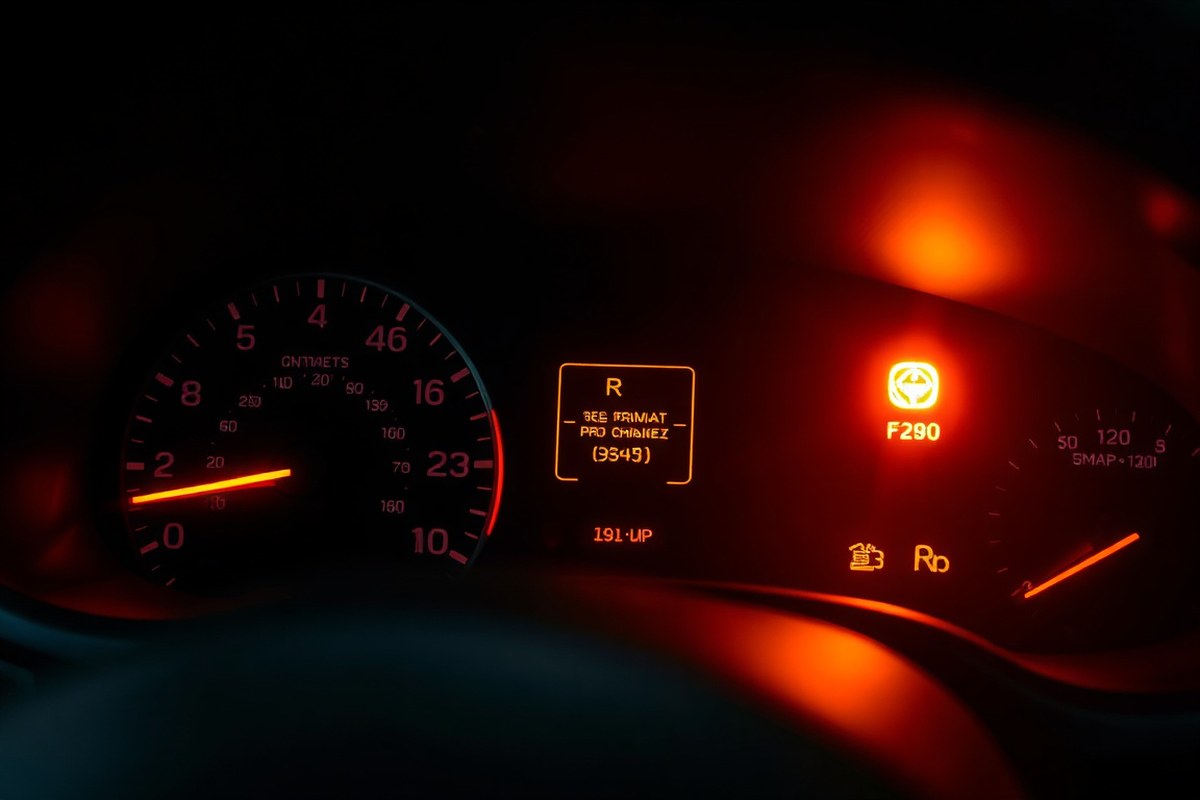
Can I Drive with the Engine Light on? Clear Safety Rules and Next Steps
You can often drive with the engine light on but be cautious. A steady light and normal engine performance typically mean you have 50 to 100 miles before needing service. This distance helps you get to a mechanic without further harm.
A flashing engine light signals a serious problem, like a misfire. Driving in this condition can harm the catalytic converter in 15 to 30 minutes. Stop driving immediately if the light blinks or the car runs rough.
When the engine light shows, watch for symptoms like stalling or rough idling. These signs help decide if it’s safe to keep driving or if you must stop. Use these clues to avoid expensive repairs.
Key Takeaways
- A steady engine light usually means a minor issue you can drive on briefly.
- A flashing engine light means a misfire and needs immediate attention.
- The car may run smoothly with a steady light. So you can drive up to 100 miles carefully.
- Stop driving right away if the car stalls, jerks, or the light blinks.
- Check for trouble codes with an OBD-II scanner to understand the problem.
- A minor code like EVAP leaks often won’t affect immediate driving safety.
Can I Drive with the Check Engine Light on? Clear Guidelines
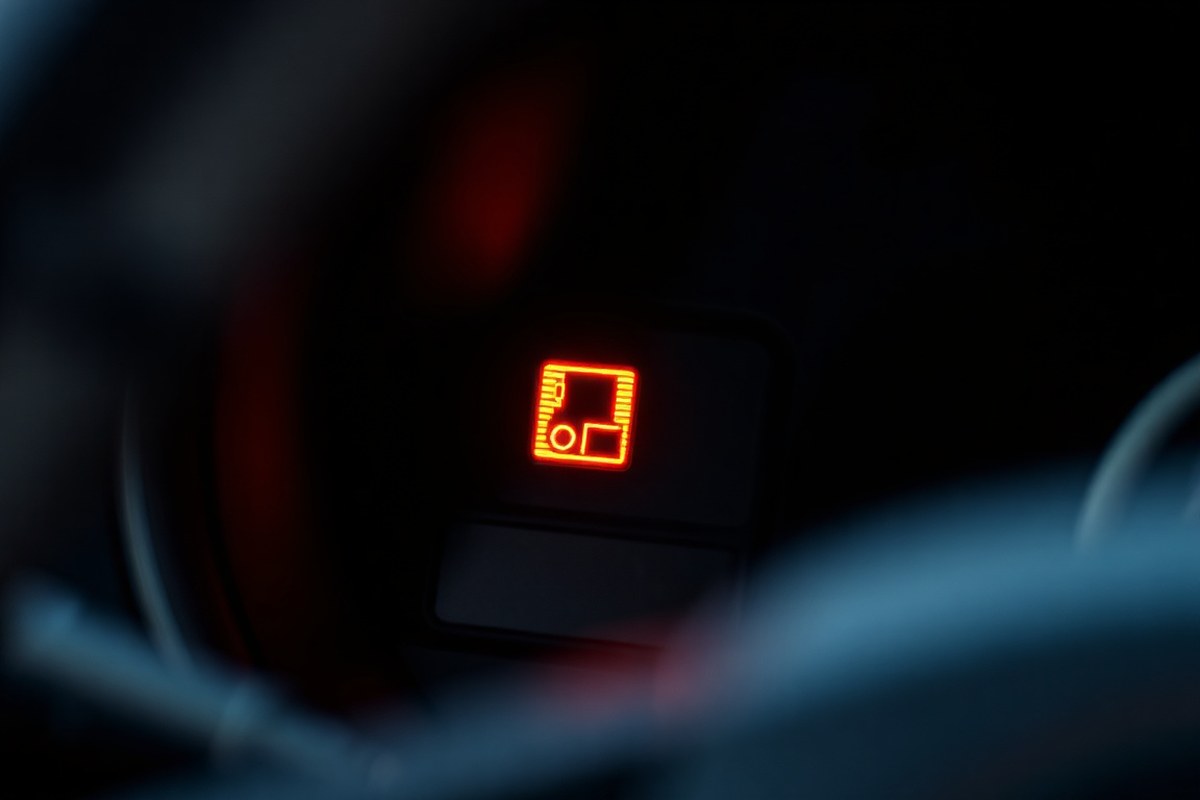
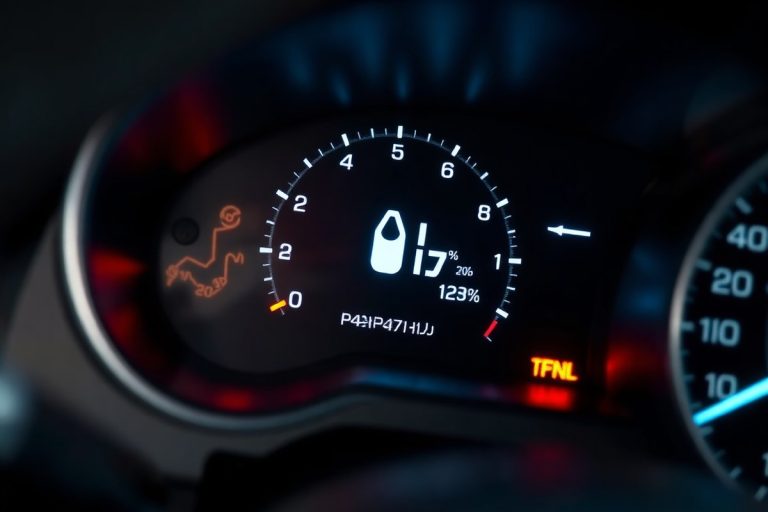
The check engine light appears when your vehicle’s system detects trouble. A steady light usually signals a minor issue. You can often drive a short distance safely in this case.
A flashing check engine light signals a serious problem, like an engine misfire. This condition can quickly damage your engine.
So you should pull over right away and turn off the car. Driving with a flashing light risks major repairs that cost thousands.
Use this quick rule to choose whether to keep driving. Stop immediately if the situation seems unsafe. Otherwise, proceed with caution.
| Scenario | Safe to Drive? | How Far? |
|---|---|---|
| Steady light, no symptoms | Yes | Normal driving, schedule scan soon |
| Steady light, slight rough idle | Short distances | Drive to shop or home |
| Steady light, reduced power | Maybe | Low speed only, avoid highway |
| Steady light + temperature gauge climbing | No | Pull over now (overheating risk) |
| Steady light + smell of fuel | No | Pull over, do not run engine |
| Flashing light, any symptom | No | Pull over ASAP |
The light stays steady and the car drives normally. No strange sounds or smells come from it. You can safely drive a short distance before checking it.
Try to keep it under 50 to 100 miles before getting a mechanic to scan it. Avoid highways or heavy traffic if the car feels a bit rough.
Never ignore warning signs like engine shaking, loss of power, overheating, or fuel smells. Any of these signals you should stop driving immediately. A blinking light that makes your car shake shows a serious problem.
The engine might lose power or get damaged. Stop driving right away to avoid costly repairs.
Differences Between Steady and Flashing Check Engine Lights
The check engine light comes in two main types: steady and flashing. A steady light means a non-critical problem, usually related to emissions or sensors. This issue usually doesn’t stop you from driving right away.
Still, you should get it checked as soon as you can. Don’t delay fixing it, even if it seems minor.
A flashing light signals a serious issue, often caused by engine misfires. This can damage the catalytic converter and the engine quickly. A flashing check engine light means danger.
Stop driving right away. Get your car inspected immediately.
Below is a table comparing steady and flashing lights, helping you decide how urgently to act.
| Feature | Steady Check Engine Light | Flashing Check Engine Light |
|---|---|---|
| Typical cause | Minor sensor fault, small EVAP leaks, aging catalyst | Severe engine misfire, catalytic converter issues |
| Driveability impact | Usually no immediate effect, car drives normally | Engine runs rough, risk of damage while driving |
| Action required | Check codes and schedule repair soon | Stop driving immediately, get professional help |
| Risk if ignored | Long-term damage to emissions system possible | Rapid engine damage and costly repairs |
| Safe driving window | Short distance possible (a few miles) | None, stop right away |
Knowing this difference helps you avoid major damage. A steady light gives some time, but a flashing one is an emergency. Watch for other signs like rough idle or engine noise to confirm the severity.
Never ignore a flashing check engine light. Stop safely and call for help to avoid serious engine damage.
Common Causes Triggering the Check Engine Light
The check engine light can come on for many reasons. Some are simple, like a loose gas cap.
Others are more serious, like an engine misfire. Knowing these causes helps you decide what to do next.
Easy Fixes That Often Trigger the Light
A loose or faulty gas cap is one of the most common causes. It lets fuel vapors escape, upsetting the fuel system pressure and triggering the light. This problem is quick and cheap to fix.
Tightening or replacing the cap usually works. It clears the issue in a few drives.
Low or bad fuel quality can cause the light as well. Using poor gasoline might clog fuel injectors and sensors over time. A weak or dying battery can cause voltage problems.
These issues often set off warning lights. The check engine light may come on too.
Common Sensor and Emission Problems
Oxygen sensor or mass airflow sensor issues are frequent reasons for the light. These sensors measure air and fuel flow to help the engine run efficiently. When they fail, the engine uses too much fuel.
It also runs poorly. This hurts both performance and emissions.
The evaporative emission system can also cause warnings. Codes like P0442 or P0455 indicate leaks or faults in this system. A cracked vapor line or loose gas cap causes these codes.
Fuel vapors escape and cause pollution. This is a common problem.
Serious Engine Issues That Need Attention
An engine misfire, code P0300, is serious. It often triggers a flashing check engine light. This means you should act fast.
It means the engine is not burning fuel properly. This wastes fuel and can overheat the catalytic converter, risking costly damage.
Overheating engines and low fuel rail pressure also trigger the light. These are urgent issues that can cause major engine failure if ignored. Electrical problems, like voltage below 11 volts, can cause the light.
They also may cause the engine to stall. These issues need attention.
Severity and Driving Safety Guide
Most causes fall into a few groups by how risky they are. Here’s a quick guide you can use:
- Loose/faulty gas cap: minor, safe to drive, fix promptly
- Sensor faults (oxygen, airflow): moderate, monitor closely
- Evap system leaks: moderate, check soon to avoid pollution
- Engine misfire/flashing light: severe, stop driving immediately
- Overheating or low pressure: severe, do not drive
- Low battery voltage, stalling: severe, get help fast
Knowing these helps you avoid risky driving and costly repairs. Minor issues can wait for a repair shop visit. But serious ones need immediate action.
How Trouble Codes Help Identify Problems
Most cars made after 1996 store trouble codes in the OBD-II system. These codes point to the exact problem when your light comes on.
For example, codes like P0442 point to small EVAP leaks. P0300 means engine misfire.
Scanning for these codes gives a clear starting point for repairs. You can buy a basic code reader for $20 to $50. Many auto shops offer quick code reads too.
This helps you know the problem. Knowing the code helps you avoid guessing and reduce repair time and cost.
How Long Can You Safely Drive with the Engine Light On?
It’s generally safe to drive 50 to 100 miles with the engine light on. But it depends on the problem.
A steady light often means you can continue cautiously. A blinking light or rough engine means you should stop soon.
Steady vs. Blinking Engine Light
A steady engine light usually signals a non-urgent issue. You can typically drive 50 to 100 miles before getting it fixed. However, blinking lights show a serious problem, like misfires, which can damage the engine quickly.
Driving more than a few miles with a blinking light raises the risk of costly damage. For example, a P0301 code shows a cylinder misfire.
Driving over 12 miles could ruin your catalytic converter. So, stop driving immediately when the light blinks.
How Symptoms Affect Safe Driving Distance
Symptoms like rough running, stalling, or loss of power mean you should pull over early. These signs point to issues that affect safety and engine health. When the car feels normal, driving up to 100 miles is usually okay.
Minor problems like an EVAP leak can cause the light to come on. These don’t usually affect how your car drives. Sometimes a slow sensor failure triggers the light too.
You can keep driving longer. But fix the problem soon to avoid bigger repair bills. Check the symptoms carefully before pushing further.
Role of Driving Conditions
Hot weather, heavy loads, or stop-and-go traffic raise engine stress when the light is on. These conditions increase the chance of damage.
So keep the mileage low in such cases. Smooth highway driving at steady speeds is easier on the engine with faults.
Cold temperatures lower the chance of severe damage but don’t mean you should ignore the light. Get a repair done quickly to avoid bigger problems.
This is important if you drive in city traffic a lot. Also plan repairs if you tow heavy loads frequently.
Why Mileage Alone Isn’t Enough
How far you drive depends more on the problem type than miles covered. Some issues damage parts quickly; others worsen slowly over time. You can’t rely on mileage alone to decide when to stop driving.
Using an OBD-II scanner or asking a mechanic helps pinpoint the fault severity. That info tells you if it’s safe to drive or better to stop immediately. Rushing repairs to beat a mileage limit risks expensive engine damage instead.
Making the Most of Your Drive Before Repair
Keep an eye on your car’s performance if you have to drive. Watch how the warning light changes or stays on.
Slow down, avoid hard acceleration, and stop if symptoms appear. Try to limit the drive to less than 100 miles.
Check tire pressure, fluids, and listen for unusual noises during your trip. Scheduling a service quickly helps avoid costs from letting the issue get worse. Taking small risks for convenience can backfire with big repairs later.
What Symptoms Help Judge If Driving Is Risky Now?
When the check engine light comes on, look for other signs to judge safety. A steady light doesn’t always mean you must stop right away. But a flashing light or rough engine shaking means stop driving immediately.
Check the dashboard for other warning lights. A glowing temperature gauge or a red oil pressure light means your car needs instant attention.
Sudden loss of power or strange smells, like burning fuel, also mean stop. Don’t risk driving further if you notice these.
- Flashing engine light or engine shaking
- Overheating or rising temperature gauge
- Loss of engine power or stalling
- Fuel smell or visible leaks
- Other warning lights like oil or battery
- Loud knocking or unusual noises
- Smoke or steam from under the hood
Feel the engine temperature and listen carefully for noises. If the car is hot to touch or has loud knocks, pull over.
A quick check under the hood for leaks or steam helps too. These symptoms tell you the problem could be severe.
Never ignore a flashing check engine light or new warning lights. They often mean serious problems.
Look for these symptoms when deciding if you can keep driving. Use your senses: sight, smell, and hearing. That way, you avoid damage and stay safe until you get your car checked.
Step-By-Step Actions to Take When the Check Engine Light Comes On
The check engine light signals a problem your car’s computer found. First, stay calm and look for any changes in how your car runs. Then, check a few easy things yourself before deciding to get help from a mechanic.
Step 1: Stay Calm and Observe Car Behavior
Don’t panic if the light turns on while driving. Listen for strange noises or rough idling and watch if the car moves differently. Notice if the engine runs hotter than usual or if there’s a loss of power.
Note down any new symptoms. This helps a mechanic diagnose the problem. Keep in mind, a steady light usually means you can drive short distances safely.
Step 2: Check the Gas Cap and Tighten If Loose
A loose or damaged gas cap often causes the check engine light. Open your gas tank. Twist the cap until you hear two clicks.
This tightens it well. This fix costs nothing and can turn off the light in hours.
The cap might have been loose. The light could take some driving to turn off.
Keep seeing the light? Check your car more closely to find the problem.
Step 3: Use an OBD-II Scanner or App to Read Codes
Get an OBD-II scanner that supports Mode 06 to read your car’s trouble codes. Avoid cheap Bluetooth dongles under $25; they may miss important data. You can also download apps to read codes if your phone and scanner support it.
Plug the scanner under your dashboard, turn your ignition on, and run the scan. The reader shows codes that point out what engine parts need attention. Some scanners give simple explanations.
Resetting the light without fixing the problem won’t help. It may come back, and the issue can worsen.
Step 4: Avoid Driving If Light Is Flashing or Symptoms Worsen
A flashing check engine light means the problem is serious. Stop driving as soon as you find a safe spot. Continuing to drive can cause engine damage, costing thousands in repairs.
Notice stalling, poor acceleration, or smoke? Pull over your car right away. Call for a tow truck or roadside assistance instead of trying to fix the issue yourself.
Step 5: Schedule Immediate Service with a Mechanic
Make an appointment with a trusted mechanic quickly once you know the problem. Explain the trouble codes and symptoms you’ve seen. Early service often stops minor issues from turning expensive.
Many shops offer online booking or walk-in visits. The light is on but your car runs fine. Plan to fix it soon.
- Stay calm and note how the car drives and sounds.
- Check and tighten your gas cap by turning it until it clicks twice.
- Use a good-quality OBD-II scanner with Mode 06 to read error codes.
- Never ignore a flashing check engine light; stop driving immediately.
- Symptoms get worse while driving? Stop safely and call a tow truck.
- Book a mechanic’s appointment right away to fix the problem.
- Don’t reset the check engine light until repairs are complete.
How Engine Misfires Lead to Rapid Damage and When to Stop Driving
An engine misfire happens when one or more cylinders fail to fire properly. This causes uneven power delivery, rough running, and increased emissions. The check engine light flashes when the car’s computer detects misfires severe enough to risk damage.
A flashing engine light means stop driving immediately. It warns that ongoing misfires are damaging your catalytic converter. This part controls harmful exhaust gases.
It costs around $1,000 or more to replace. The price depends on your car.
Damage to the catalytic converter can happen fast. It occurs within 15 to 30 minutes of driving with a misfire. Don’t ignore engine problems.
Unburned fuel enters the converter, causing extreme heat and potentially melting the catalyst inside. This leads to costly repairs far beyond fixing a simple spark plug or ignition coil.
When you see a flashing light, pull over safely and turn off the engine. Continuing to drive risks the converter and could cause engine damage. Even short trips increase repair costs significantly if the problem is not addressed quickly.
Severe misfires can also harm other exhaust parts. Oxygen sensors and the exhaust manifold can get damaged. These parts are costly to fix.
Fixing these requires more time, money, and parts. An early stop reduces total damage and lowers your repair bill.
Quick roadside checks include listening for popping sounds. You can also feel if the engine shakes hard. These signs help spot problems early.
Such symptoms plus a flashing light demand immediate attention. Have your vehicle inspected by a professional as soon as possible to avoid worse outcomes.
How OBD-II Trouble Codes Help Identify Severity and Next Steps
Your vehicle uses OBD-II trouble codes to signal engine problems. These codes explain why the check engine light turned on. Knowing the codes helps you decide if driving is safe.
They also tell you when to get help quickly. Understanding this keeps you safer on the road.
Common codes cover issues like oxygen sensor failure, misfires, or catalytic converter problems. Each code starts with a letter and four numbers. For example, P0301 means a misfire in cylinder 1.
Some codes mean the engine runs rough but won’t break immediately. Others signal severe problems that need quick fixes.
Here’s a simple chart showing common OBD-II codes, their meanings, and how urgent they usually are. This helps you identify if you can drive safely or should stop now.
| Code | Description | Severity | Action |
|---|---|---|---|
| P0420 | Catalytic converter efficiency below threshold | Medium | Drive cautiously; schedule repair |
| P0171 | System too lean (engine air/fuel mixture) | Low | Check air filter; visit mechanic soon |
| P0300 | Random/multiple cylinder misfire detected | High | Stop driving; risk of engine damage |
| P0700 | Transmission control system malfunction | High | Do not drive; get immediate service |
| P0455 | EVAP system leak detected (large leak) | Low | Drive carefully; repair when convenient |
Running a diagnostic scanner at home or a repair shop reveals the exact code. Scanners cost $20, $100, or many auto parts stores scan for free. The code tells you if the light is a warning or an emergency.
Knowing code severity means you won’t waste time or risk damage. Low-severity codes often allow driving to a mechanic. High-severity codes, like misfires or transmission faults, mean you should stop immediately.
Use a code reader as soon as the check engine light glows to avoid surprises later.
Preventing Future Check Engine Lights with Simple Maintenance
Simple maintenance can stop the check engine light from coming on again. Check your gas cap often because a loose or cracked cap lets gas fumes escape. Replacing the gas cap costs around $20 and takes less than five minutes.
Poor fuel quality also causes problems. Low-grade or dirty gas can clog sensors and trigger the light.
Regular checks on the oxygen and mass airflow sensors help keep your car running efficiently. These sensors usually last 60,000 to 90,000 miles.
Poor fuel quality can cause them to fail sooner. Replacing a faulty oxygen sensor costs about $100 to $300, including parts and labor.
- Inspect and tighten the gas cap every few weeks or after refueling
- Use high-quality fuel from trusted stations to avoid clogging sensors
- Check engine air filter every 12,000 to 15,000 miles for dirt build-up
- Have oxygen and MAF sensors tested during routine service or if mileage drops
- Change oil and oil filter every 3,000 to 5,000 miles to protect engine parts
- Address small issues like unusual noises or decreased power quickly
Keeping these habits also helps fuel economy stay strong and prevents engine damage. Ignoring minor issues when the light first appears often means bigger, costly repairs later. Following this routine takes little time and saves significant money over time.
Step-by-Step Action Plan When the Engine Light Turns On
Follow these steps right after your engine light comes on. They help you stay safe. They also prevent bigger repairs.
- At the moment the light comes on: Check for obvious problems like loud noises or smoke. You see danger signs. Pull over safely. Call for help.
- Within the first few miles: Note how your car drives. Your engine feels rough, stalls, or lacks power. Stop driving. Get help.
- Same day: Use an OBD-II scanner to check trouble codes. You can also visit an auto parts store. They often offer free scans. This tells you the issue’s seriousness.
- Within 24 hours: If the code shows no danger, schedule a repair. See a mechanic for a diagnosis and estimate.
- Next week: Follow through with repairs as recommended to prevent damage or more expensive fixes later.
- After repairs: Reset the engine light and test drive your car. Make sure the light stays off and your car runs smoothly.
- Ongoing: Keep up regular maintenance like oil changes. Change air filters too. This helps avoid repeated engine light problems.
Frequently Asked Questions
Can I Reset the Check Engine Light Myself?
Yes, you can reset it with an OBD-II scanner or disconnect the battery briefly. However, this may only hide the issue temporarily. It’s better to fix the problem causing the light first.
Does Low Fuel Trigger the Check Engine Light?
Low fuel usually does not cause the check engine light to come on. The light signals engine or emissions system problems, not fuel level. Still, running very low could lead to other engine issues over time.
Can Weather Affect the Check Engine Light?
Extreme temperatures can cause sensors to act up and trigger the light. Moisture or cold might affect engine components too.
The light may come on after weather changes. Watch your car closely and test soon.
Is It Safe to Drive After Clearing the Check Engine Light?
Clearing the light doesn’t fix the problem that set it off. The light may come back if the issue remains. Watch for symptoms and get a proper check to avoid damage.
How Do Gas Cap Problems Cause the Check Engine Light?
A loose or faulty gas cap can cause fuel vapors to leak and trigger the light. Tighten or replace the cap.
This is a quick fix. See if the light turns off after a few drives.
Wrapping Up
You can usually drive safely with a steady check engine light. But pay close attention to symptoms.
Stop immediately if the light flashes or the car runs rough. The next step is scanning the codes or getting a mechanic to check your car soon.