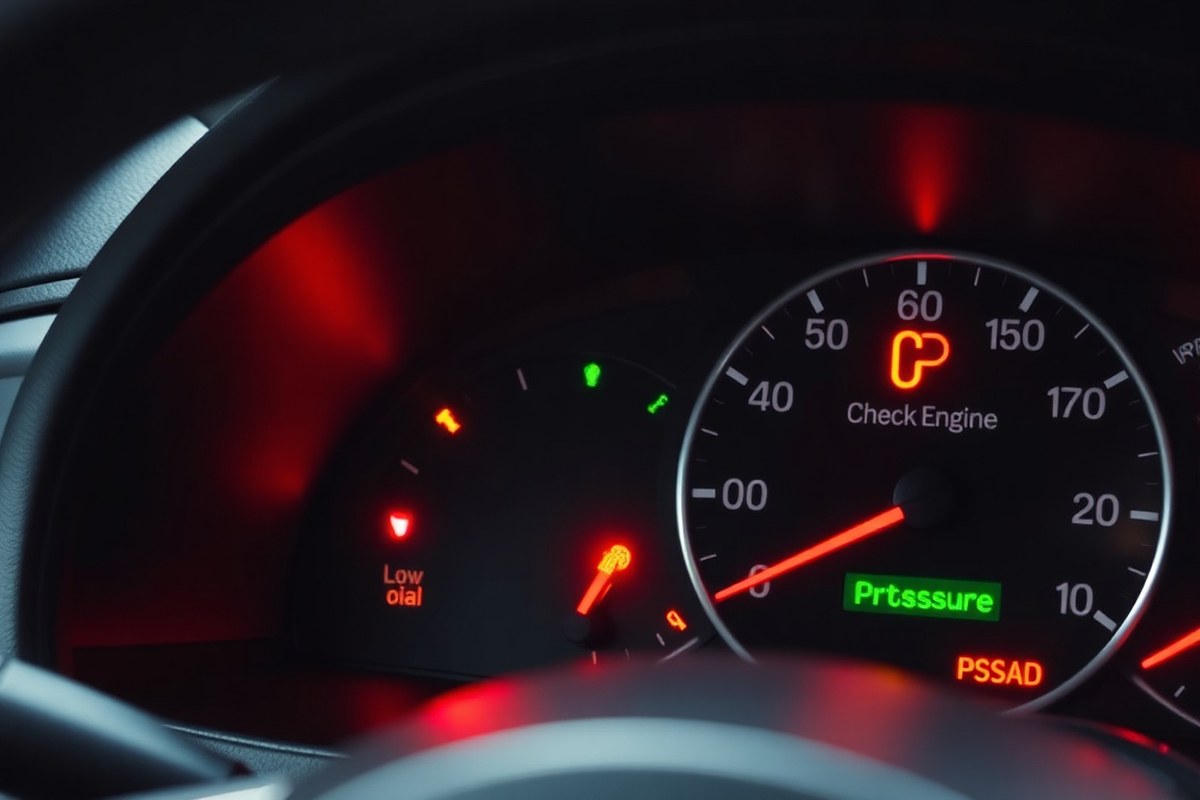
Will Check Engine Light Come on for Low Oil? Clear Answers and Practical Steps
Will the check engine light come on for low oil? Yes, it can happen. Low oil itself doesn’t always trigger the light.
Low oil might cause low oil pressure or engine trouble. Sensors will spot these issues. Then, the light will turn on.
Check the oil level first if your check engine light comes on. Use the dipstick to measure the oil safely while the engine is cool. Watch for the oil pressure warning light.
It looks like an oil can. This light shows real oil problems.
Keep an eye on your engine’s behavior before the light comes on. Rough running or strange noises might mean low oil is causing damage. Addressing low oil quickly helps avoid costly repairs down the line.
Key Takeaways
- Low oil may cause the check engine light to come on. This happens if oil pressure drops or engine faults occur.
- Always check your oil level with a dipstick when the check engine light appears.
- The oil pressure warning light is the primary sign of oil-related problems.
- Watch for engine noise or rough idle as early signs of oil issues.
- Watch oil closely when the low oil light is off but the check engine light stays on.
- Drive 10-15 miles after topping oil to see if the check engine light clears.
Can Low Oil Cause the Check Engine Light to Come On?
Low oil doesn’t directly turn on the check engine light. Sensors trigger the light when they detect issues. These issues relate to engine functions like low oil pressure or misfires.
The oil pressure sensor triggers a separate oil warning light if oil gets too low. This light often comes on before the check engine light does in oil-related problems. The check engine light comes on when the engine control senses problems.
Faults like poor oil flow can cause overheating. Fuel mixture problems can also trigger the light.
The check engine light depends on sensor signals from the engine. Low oil alone may not light it up. The sensors must see a function fault first.
Sometimes the check engine light stays off even if oil is low. Your oil level can drop without triggering any light. This means your engine needs manual oil checks.
Regularly check your oil with a dipstick. Don’t wait for warning lights to top off oil. This habit helps you keep the right oil level.
Think of it as a two-step process. First, very low oil triggers the oil pressure warning, not the check engine light. Low oil can cause engine damage or sensor errors.
When this happens, the check engine light turns on. It alerts you to a bigger problem. So, low oil leads indirectly to the check engine light by creating detectable engine issues.
Keeping oil at the right level stops sensors from triggering errors. Proper oil prevents the check engine light from coming on. Regular oil checks help with this.
The check engine light reacts to more than just low oil. Ignoring oil care can cause bigger engine problems.
These bigger issues will turn the light on. Fixing low oil early avoids costly repairs and sudden light alerts.
Understanding Dashboard Warning Lights: Oil Pressure vs. Check Engine
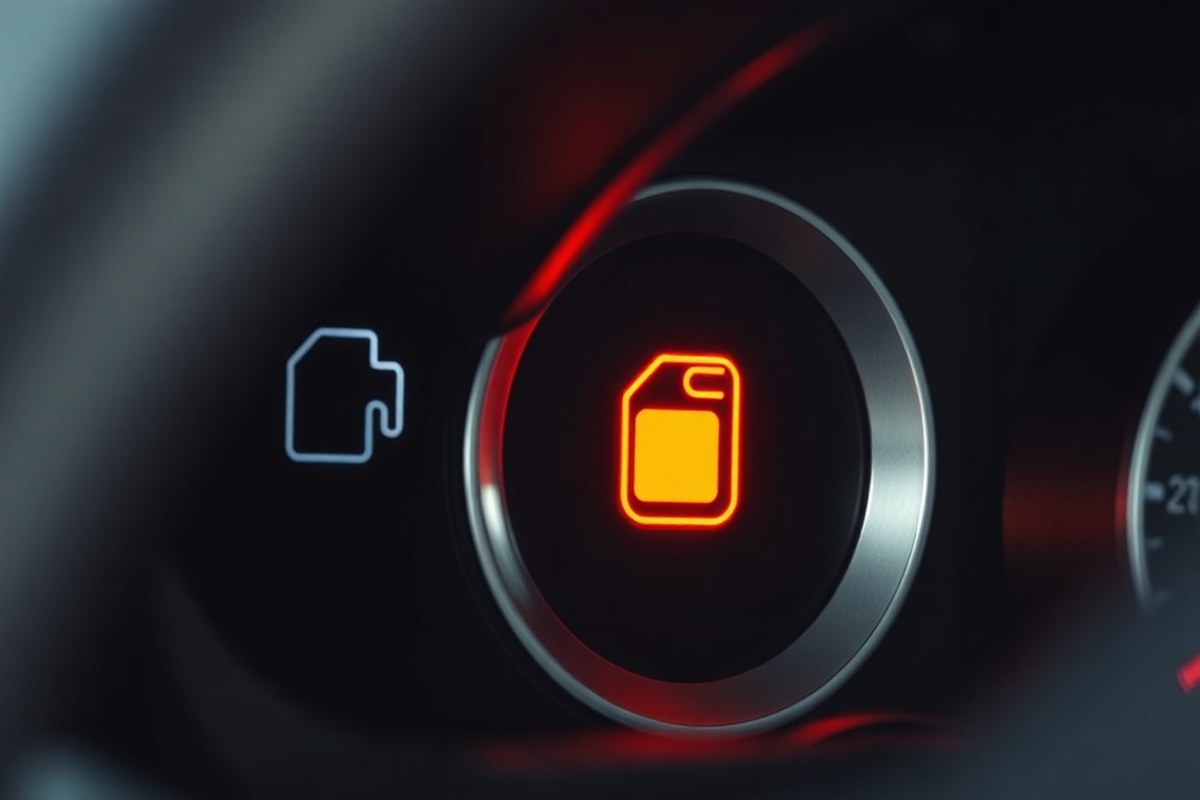
Your dashboard has two lights about engine oil. One is the oil pressure warning. The other is the check engine light.
The oil pressure light looks like an oil can. It turns on when oil pressure is low. This light often comes on immediately when oil pressure drops.
The check engine light, a different warning, is part of your car’s onboard diagnostics system. It can alert you to many engine problems, not just oil-related issues.
Low oil can cause this light to turn on. But usually only after oil pressure falls enough to trigger other engine troubles.
Think of the oil pressure light as your main alert for immediate oil problems. The check engine light is a general warning for engine trouble, including effects from low oil.
Some cars only show the check engine light and no separate oil pressure light. In those cases, low oil might not show any warning until damage happens.
| Warning Light | Icon | Meaning | When It Lights Up | Urgency Level |
|---|---|---|---|---|
| Oil Pressure Warning Light | Oil can | Low oil pressure, possible low oil level | Immediately when oil pressure drops | High – stop driving soon |
| Check Engine Light | Engine outline | General engine trouble, including low oil effects | When engine sensors detect a problem | Medium to High – check ASAP |
When the oil pressure light comes on, stop your car as soon as it’s safe. Check your oil level right away. The check engine light might come on later.
It happens if low oil causes bad burning or sensor trouble. Both lights on mean serious trouble, driving further risks costly damage.
Never ignore the oil pressure warning light. Continuing to drive can severely damage the engine.
Look for other signs like knocking or overheating alongside these lights. Watch your car closely when the oil pressure light turns off but the check engine light stays on.
Sometimes a small oil top-up stops the problem. But persistent check engine lights need a diagnosis with a scanner.
How Low Oil Can Lead to Engine Problems That Trigger the Check Engine Light
Low oil can harm engine parts and sensors. This damage can make your check engine light come on. The warning often appears after some damage has started.
Affected Engine Components and Sensors
The engine’s lubrication system suffers first from low oil. Moving parts like pistons and camshafts get less lubrication. This causes increased friction and wear over time.
Sensors monitoring engine performance also react to oil issues. Oil pressure sensors detect drops in pressure caused by low oil. Oxygen sensors and ignition coils can also misread because of engine stress.
Other parts like the variable valve timing system depend on clean oil. Dirty or low oil can clog these components and hurt their function. This disruption affects engine timing and overall performance.
Common Diagnostic Trouble Codes for Low Oil Issues
There are specific trouble codes tied to problems from low oil. P0520 signals issues with the oil pressure sensor circuit. This code appears when oil pressure drops or sensors fail.
A code like P0300 covers random engine misfires which can happen due to poor lubrication. Misfires cause rough running and trigger the check engine light. Another code, P0011, relates to variable valve timing control errors linked to oil quality issues.
Scanning these codes gives clues about oil-related engine problems. Mechanics use this information for accurate diagnosis and repair. Knowing these codes helps you understand the root cause better.
How Low Oil Causes Engine Misfires and Sensor Errors
Low oil leads to thicker friction that stresses engine parts. Pistons and valves might not move freely, causing misfires. This disrupted combustion triggers misfire codes and rough running.
Dirty or old oil also causes sensors to give wrong signals. Oxygen sensors may detect abnormal exhaust gases from inefficient burning. Poor oil flow can confuse sensors in the ignition and timing systems.
Sensor errors often cause false alerts that prompt the check engine light. This means low oil doesn’t directly trigger the light at first. It’s the engine problems caused by low oil that set the warning off.
Signs to Watch for Before the Check Engine Light Comes On
Before the check engine light comes on, low oil may have signs. You can catch these signs early by checking your engine. Look for changes in sounds or leaks around the car.
Your engine might sound louder or rougher, as oil keeps parts moving smoothly. Hearing knocking or ticking noises means your oil might be low. Check your oil right away to avoid engine damage.
You may notice a burning smell inside or outside the car. It happens when oil leaks onto hot engine parts or the exhaust.
Look under your car for fresh oil puddles or stains on the ground. Avoid driving much if you see leaks.
Some signs tell you when your oil is low before lights show. The engine might sound different or run rough. You could also see oil leaks or smoke.
- Engine sounds louder, with knocking or ticking noises
- Burning oil smell near the engine or inside the cabin
- Visible oil leaks or puddles under the car
- Engine runs hotter than usual, but temperature gauge not yet high
- Oil level below the “min” mark on the dipstick
- Smoky exhaust, especially blue or gray smoke
- Performance dips, like hesitation or stalling
Checking your oil regularly helps catch problems early. Do this at least once a month or before long trips to avoid engine damage.
Always check oil when your engine is cold or off for 10 minutes. This pause lets oil settle for an accurate reading.
To check oil, park on level ground and pull out the dipstick. Wipe it clean with a rag, insert it fully, then pull it out again. The oil level should fall between the low and full marks.
These marks look like two dots or lines on the dipstick. When oil is below the mark or looks dirty, add the correct type. Use the oil recommended in your car’s owner’s manual.
Regular oil changes usually cost between $30 and $75 depending on your vehicle and oil type. Skipping these can cause early symptoms like noise and smells before the check engine light activates. Catching these signs early by checking oil yourself can save you repair costs down the line.
How to Check Your Oil Level Correctly and Safely
Check your oil level regularly using the dipstick. This helps spot low oil before warning lights come on. Follow a few simple steps for an accurate oil reading.
This helps you know if the level is too low or high. Then, you can decide what to do next.
Preparing the Car for an Accurate Oil Check
Park on a level surface to get a correct oil reading. Turn off the engine first. Wait for 5 to 10 minutes.
This lets the oil settle into the pan for a true reading. This waiting prevents a false low or high reading.
Gather a clean rag or paper towel and open your car’s hood. Find the oil dipstick, usually marked with a yellow or orange handle. Make sure you have good light to see the dipstick clearly.
- Park your car on a flat, level spot and turn off the engine.
- Wait 5 to 10 minutes for the oil to settle in the pan.
- Open the hood and locate the oil dipstick.
- Pull the dipstick out and wipe it clean with a rag.
- Reinsert the dipstick fully, then pull it out again.
- Check the marks on the dipstick for your oil level.
- Inspect the oil’s color and texture on the dipstick.
Never check oil right after driving hard; wait for the engine to cool.
Reading and Interpreting the Dipstick
Look at the two marks near the tip of the dipstick. The oil level should be between the “low” and “full” marks. Oil below the low mark means you need more oil.
Good oil looks smooth and amber or light brown. Very dark, gritty, or burnt-smelling oil means you need to plan an oil change soon. Too much oil (past the full mark) can also harm your engine.
When the oil level stays normal and the check engine light goes out after some drives, low oil likely caused the issue. This test helps spot problems early.
Next Steps After Checking Oil Level
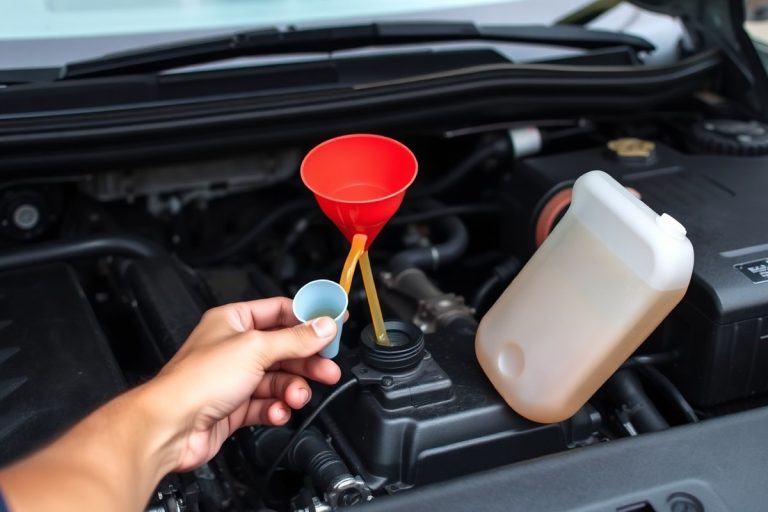
Low oil calls for adding the right type that your car’s manual recommends. Add a little at a time, then recheck the level to avoid overfilling. Check your owner’s manual for the exact oil type and capacity.
Do not ignore dirty oil. Schedule an oil change within 1,000 miles if the oil looks dark or gritty. Overfilled oil or visible contamination can cause engine damage or trigger the check engine light.
Oil level and looks are fine, but the check engine light stays on. Get a mechanic to diagnose the issue. It could be caused by other engine issues unrelated to oil.
What to Do If the Check Engine Light Comes on and You Suspect Low Oil
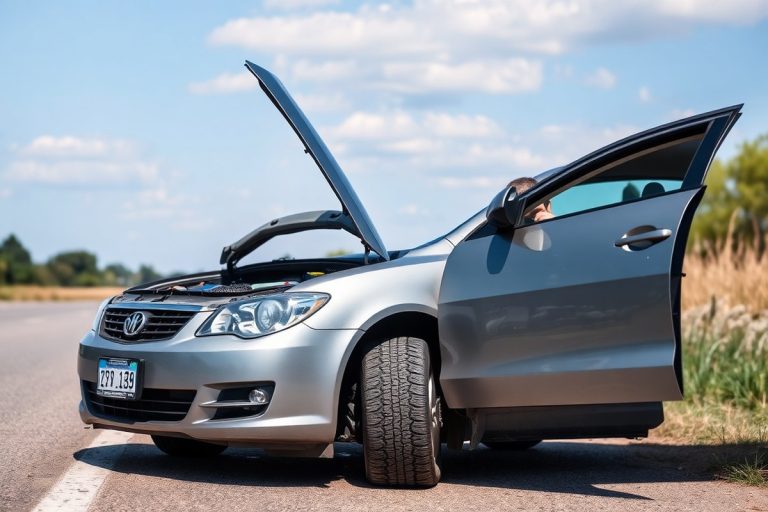
Stop driving immediately if the check engine light comes on with a low oil warning. Running the engine low on oil can cause serious damage fast. Find a safe spot to pull over and turn the engine off.
Check your oil level using the dipstick once the engine cools for a few minutes. When the oil is low, add the right grade and amount from your manual. Avoid opening the oil filler cap when the engine is hot to prevent burns.
Here is an emergency checklist to follow safely:
- Park safely off the road and turn off the engine immediately.
- Wait 5 to 10 minutes to let the engine cool before checking oil level.
- Use the dipstick to check the oil level carefully.
- Add oil slowly, using a funnel to avoid spills, if the level is low.
- Tightly replace the oil filler cap and check for leaks.
- Restart the engine. Drive about 5 miles. Check if the light turns off.
- Call roadside assistance or a mechanic if the light stays on or you hear knocking noises.
Adding oil takes 10 to 15 minutes. A quart costs about $5 to $10. Have some oil in your trunk for emergencies.
Avoid driving much if the warning stays on after topping off. It may hide bigger problems like oil leaks or engine wear.
Stop driving right away when the check engine light is red or flashing. Call roadside assistance or a mechanic to prevent costly repairs.
A yellow light means you can drive carefully but should address the low oil soon. Tightening a loose gas cap might also help clear this light.
When Low Oil Triggers Damage: Risks and Repair Costs
Running your engine with low oil damages key parts like bearings and pistons. Oil keeps these parts lubricated and cool. Without enough oil, metal grinds on metal, causing serious wear.
Ignoring low oil warnings leads to severe damage fast. After a few drives, you might still feel fine, but your engine doesn’t. The damage can make your engine misfire, which harms the catalytic converter.
Damage from low oil often costs thousands to fix. Some repairs replace bearings, rods, or even the whole engine. Repair costs depend on the part damaged and your car’s make and model.
Here’s a clear comparison of common damage types and typical repair costs caused by low oil:
| Damage Type | Description | Typical Repair Cost (USD) |
|---|---|---|
| Bearing Wear | Worn engine bearings cause knocking and poor lubrication. | $1,000 to $3,000 |
| Piston Damage | Damaged pistons reduce compression and cause misfires. | $1,500 to $4,000 |
| Rod Damage | Bent or broken rods require engine disassembly or replacement. | $3,000 to $7,000 |
| Catalytic Converter | Misfires dump unburned fuel, damaging this emission part. | $1,000 to $2,500 |
| Engine Replacement | Severe damage may mean a full engine swap is needed. | $4,000 to $8,000+ |
Costs vary based on your vehicle and the repair shop. Late-model cars might cost more due to complex parts. Early repairs can save you from paying much more later.
Promptly topping off your oil and watching for warning signs can avoid this damage. Waiting too long risks turning a simple fix into a costly rebuild or replacement. Acting fast protects your engine and wallet.
Diagnostic Trouble Codes Related to Low Oil and How to Read Them
The check engine light saves Diagnostic Trouble Codes (DTCs). These codes hint at engine or oil pressure problems. You can read them to learn more.
Reading these codes shows if your problem is low oil or something else. This helps you decide what to fix.
Always check the codes first. You can scan these codes yourself or at a repair shop with a simple tool.
Common OBD-II Codes for Oil Pressure Issues
Some DTCs directly point to oil pressure problems. Codes like P0520 indicate “Engine Oil Pressure Sensor Circuit Malfunction.This code means the sensor or its wiring might be bad.
It can also mean the oil pressure is too low. The car can’t read the pressure properly.
Codes such as P0521 and P0522 show sensor range or low voltage issues. These often point to bad oil flow or sensor problems.
They warn you about sensor errors. More severe codes, such as P06B7, warn about mechanical issues like oil pump failure.
Low oil pressure can also cause engine knock or timing problems, triggering other engine codes. These might not say oil pressure but still point to serious engine trouble.
Basic Steps to Scan for Trouble Codes
Buy or borrow an OBD-II scanner that fits your vehicle. Most under $50 work well.
Plug it into the port under your dashboard, usually near the steering column. Turn your ignition on but don’t start the engine.
Follow the scanner’s instructions to read codes. Some models show codes on a screen, while others connect to a smartphone app. This process usually takes less than five minutes.
Repair shops or parts stores often read these codes for free or a small fee. Checking codes at home saves time.
It helps you find problems early. You don’t have to wait until you reach the mechanic.
Interpreting Codes to Decide Next Actions
Codes like P0520 and P0522 suggest checking your oil level first. Check the wiring of the oil pressure sensor too. These checks might fix the issue.
Sometimes just low oil or a loose sensor plug triggers these codes. Fixing that yourself could turn the light off.
Serious codes like P06B7 usually require professional repair. These signal damage to your oil pump or engine parts that oil pressure problems can cause. Ignoring them risks costly engine damage.
Use an internet search or your scanner’s manual to understand each code’s meaning. Don’t guess, some codes mean immediate action while others need scheduled maintenance.
After fixing the problem, clear the codes to reset the light. If the light stays on, keep looking for issues. You might need a mechanic’s help next.
How to Prevent Check Engine Light from Coming on Due to Low Oil
Change your engine oil every 3,000 to 5,000 miles to keep it healthy. Use the oil grade recommended by your car’s manual, usually 5W-30 or 10W-40. Higher-quality synthetic oils last longer and protect better in extreme heat or cold.
Check your oil level monthly using the dipstick, especially if you drive a lot. Hot weather, stop-and-go traffic, and towing increase oil use, so inspect more often then.
Cold winters can thicken oil. So warm up your car a few minutes before driving.
- Use the right oil type and quality for your car’s make and model
- Check oil level every 1,000 miles or monthly at minimum
- Change oil more often if driving in hot, cold, or dusty conditions
- Keep a quart of compatible oil in your car for emergencies
- Replace oil filter with every oil change to avoid contamination
- Follow manufacturer’s schedule, found in the owner’s manual
- Keep receipts and records to track oil change dates and mileage
Underfilling or skipping oil changes raises the risk of engine wear and damage. Running low on oil can fail to trigger the check engine light early. Adding oil promptly prevents wearing parts and costly repairs that come from neglect.
Typical oil changes cost $40 to $70, depending on the oil and service type. Synthetic oil changes cost more but last up to twice as long. Watching your oil level and quality helps avoid surprise dashboard warnings and engine damage.
Step-by-Step Action Plan to Handle Low Oil and Check Engine Light
Follow these steps to check your oil and address the check engine light quickly. This plan helps avoid engine damage and keeps you driving safely.
- Before you start: Park your car on level ground and turn off the engine. Wait 5 minutes for the oil to settle.
- Check oil level: Pull out the dipstick, wipe it clean, reinsert fully, then remove it again. Your oil level should be between the low and full marks.
- Within 10 minutes: Add oil if it’s below the low mark. Use the oil grade recommended in your owner’s manual and add in small amounts.
- Within 30 minutes: Start the engine and watch the dashboard warning lights. The oil pressure or check engine light should go off if levels are okay.
- During the day: Drive normally but monitor for any flickering or new warning lights. When the check engine light stays on, don’t drive hard.
- Within 24 hours: Use an OBD-II scanner to find trouble codes. You can also take your car to a mechanic for a check. Low oil related codes include P0520 or P0524.
- Within 48 hours: Have a professional inspect the oil system if warnings persist. Continuing to drive without fixing oil issues risks serious engine damage.
Frequently Asked Questions
What Are the First Signs of Low Oil Before the Warning Light Appears?
The first signs include engine noise, rough idling, and reduced performance. These happen because low oil reduces lubrication and causes friction inside the engine. Check oil early to avoid engine damage and warning lights.
Can Low Oil Cause the Check Engine Light Without the Oil Pressure Light?
Yes, it can. Sometimes, low oil causes engine problems like misfires. These misfires can turn on the check engine light.
This happens before the oil pressure light comes on. Always check oil level if your check engine light is on.
Is It Safe to Keep Driving If the Check Engine Light Is on but the Oil Level Looks Fine?
Not always safe. The check engine light may stay on after you add oil. Another sensor might still detect a problem.
This keeps the light from turning off right away. Monitor your car and scan for trouble codes to find the exact cause.
How Do Low Oil Levels Trigger the Car’s Sensors to Light Up the Check Engine Warning?
Low oil lowers oil pressure or causes engine misfires, which the sensors detect. This triggers the check engine light since these problems affect engine performance. Keep oil at the right level to avoid sensor alerts.
What’s the Best Way to Fix Low Engine Oil Before It Damages the Engine?
Add the right oil type for your car and check the level regularly. Use a dipstick or electronic gauge and avoid overfilling. Early topping off prevents damage and keeps warning lights off.
Key Points to Remember
The check engine light may come on due to low oil but not always immediately. Always check your oil regularly to avoid costly problems.
Check your oil level today if the light is on. Also check if the engine acts strange.