Does Windshield Wiper Fluid Expire? A Complete Guide with Signs, Storage & Safety
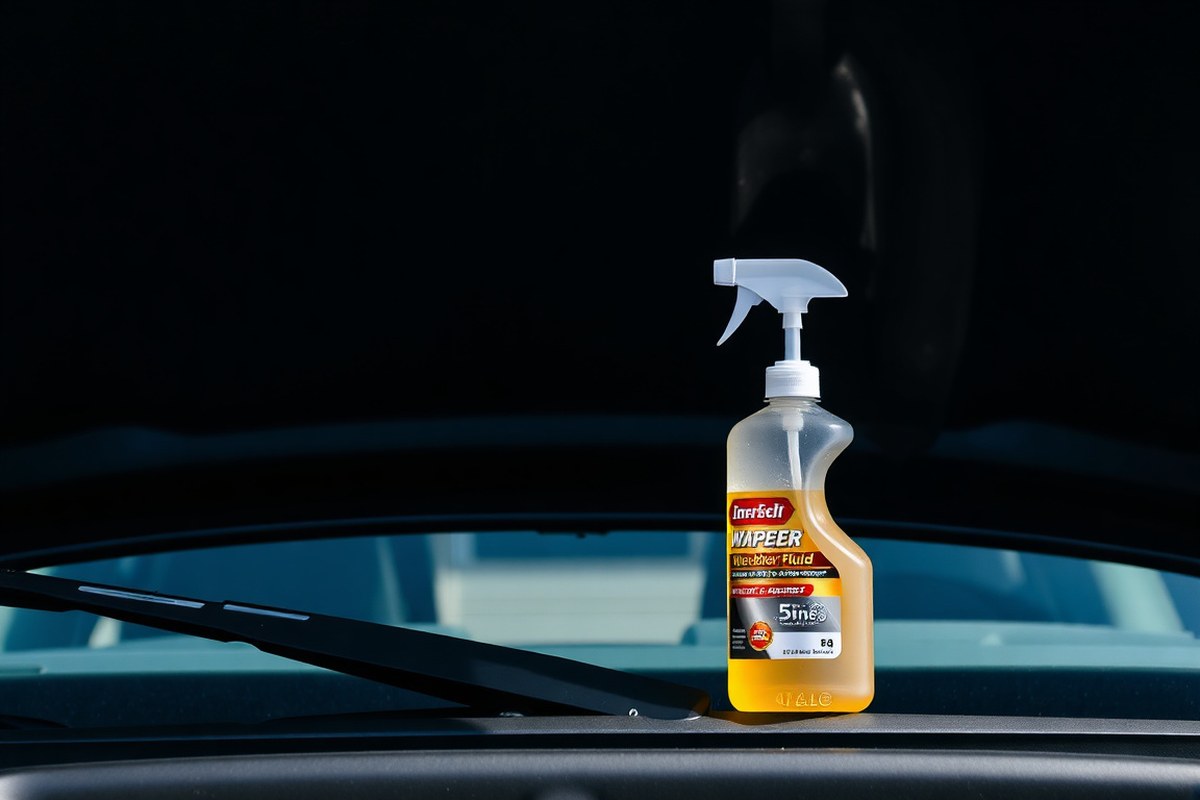
Does windshield wiper fluid expire? Yes, it does lose effectiveness over time.
Unopened fluid usually lasts around 2 to 5 years. Opened fluid works best within 1 to 2 years.
The reason fluid expires is because additives break down and impurities can get inside. This makes the fluid less able to clean your windshield well. Using old fluid can leave streaks or cause smearing on the glass.
Exposure to heat or sunlight can speed up the breakdown of the fluid. Dust or dirt entering the container after opening also reduces its cleaning power. Both factors make it less effective during rainy or snowy conditions.
Store your windshield wiper fluid somewhere cool and dry, not in direct sun. Check the bottle’s date or finish it within two years after opening. This helps your windshield stay clean and your driving safer.
Key Takeaways
- Unopened windshield wiper fluid lasts 2 to 5 years if stored properly.
- Opened fluid should be used within 1 to 2 years for best results.
- Pre-mixed fluid generally expires faster than concentrated solutions.
- Store fluid away from direct sunlight and extreme heat or cold.
- Old fluid can clog washer nozzles and cause streaking on windshields.
- Shake concentrated fluid before diluting to keep the mixture effective.
Does Windshield Wiper Fluid Expire and Lose Effectiveness?
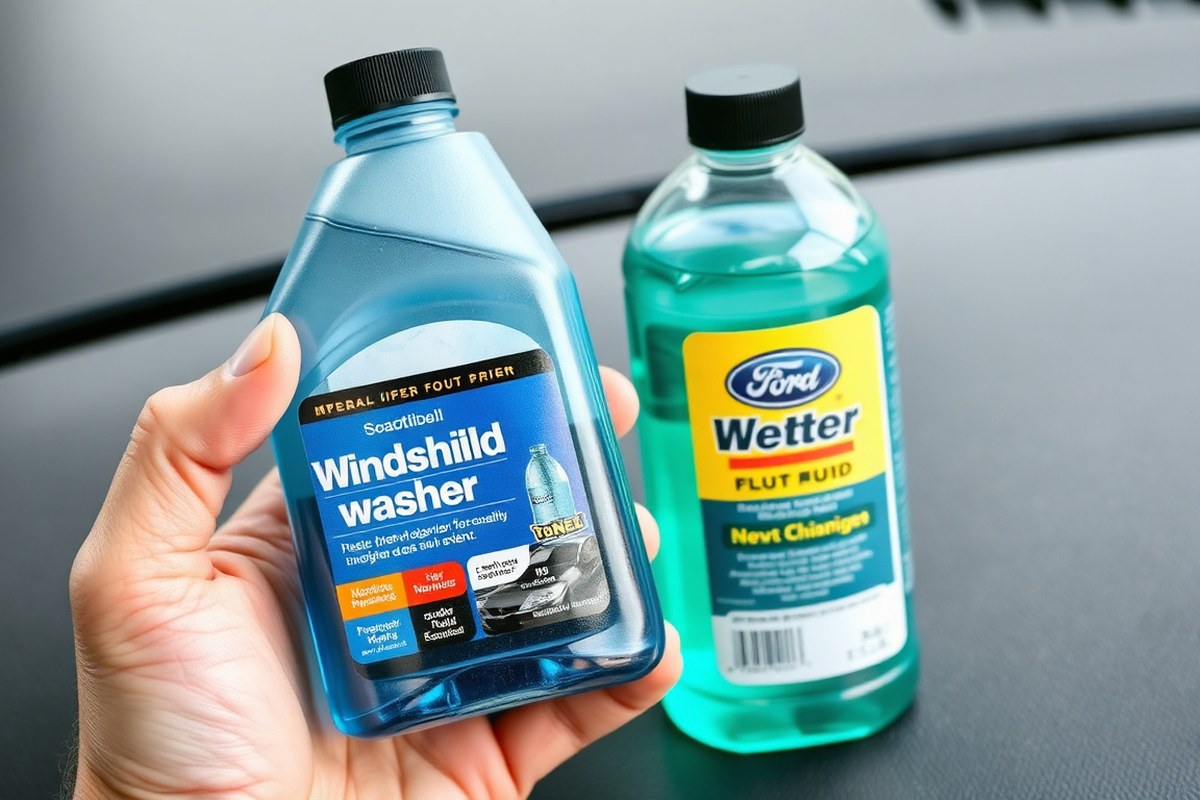
Yes, windshield wiper fluid does expire, but not in the usual sense. Its chemical makeup changes slowly over time. This lowers how well it cleans.
It also reduces its ability to de-ice your windshield. This means the fluid won’t work as well. But it often won’t harm your car.
Store-bought wiper fluid typically lasts around two to three years before its cleaning power fades. The main issues are exposure to heat and sunlight, which speed up chemical breakdown. Once opened, the fluid may also degrade faster because air mixes in, further weakening it.
Old windshield fluid can look clear and normal but struggle with dirt and grime removal. You might notice streaks or smears after use. Since this affects visibility, replacing old fluid is safer than relying on weak stuff.
The cost is low, about $5 to $10 per gallon. Fresh fluid is a cheap way to keep your windshield clean. It helps keep your view clear too.
How Long Does Windshield Washer Fluid Last Unopened and After Opening?
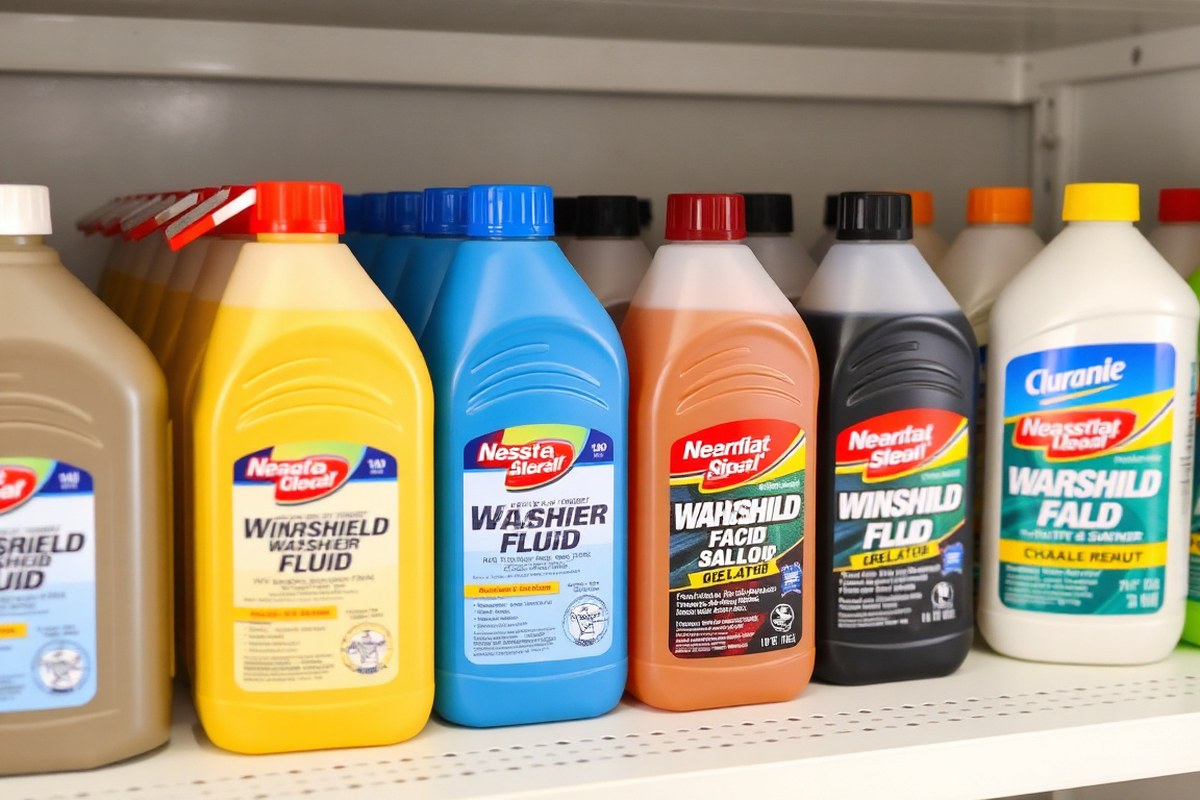
Unopened windshield washer fluid can last about two to three years or longer. Once you open the container, its life drops to around six months to a year. How you store it plays a big role in these numbers.
Shelf Life of Unopened Fluids
A sealed bottle of windshield washer fluid can stay good for years. Most brands suggest using it within two to three years for the best results. The fluid stays stable if you keep it in a cool, shaded place away from sunlight.
Some fluids, like winter mixes with de-icers, also last about one to two years unopened. You must watch their freeze ratings and packaging for any specific limits. The liquid can lose clarity or performance if left unused for too long.
Expected Life After Opening
Once you open the fluid, expect it to last about six to twelve months. Keep the cap tightly closed to avoid dirt and moisture entering.
Changes in smell, color, or texture happen first. They show the fluid is past its prime.
The windshield washer fluid can get contaminated by dust or bacteria after opening. This might clog your washer nozzles or reduce cleaning ability. It helps to mark the opening date to keep track of when to replace it.
Impact of Storage Conditions
Storage conditions like temperature and light affect fluid lifespan a lot. Avoid storing fluid in hot places like direct sun or near heaters. High heat speeds up chemical breakdown and causes early spoilage.
Cold temps can freeze low-quality fluids, damaging the container or system parts. Storing fluid in a cool, dry spot with a tight seal protects it well. Regularly check your fluid for any sediment or cloudiness.
| Fluid Type | Typical Shelf Life (Unopened) | Typical Shelf Life (Opened) | Notes |
|---|---|---|---|
| Standard All-Season Mix | Up to 2 years | 6, 12 months | Store cool and shaded; check for clear color |
| Winter or De-Icer Blend | 1, 2 years | 6, 12 months | Check freeze rating; avoid hot storage spots |
| Generic Submitted Range | 2 to 5 years | 1 to 2 years | Longer if kept sealed and stored properly |
Checking the fluid’s appearance helps avoid surprises. Cloudy color or particles mean the fluid could fail soon. You want the liquid to look clear and consistent before using it.
Keep the bottle sealed tightly and store it somewhere cool to stretch its useful life.
What Types of Windshield Wiper Fluids Exist and Do They Expire Differently?
There are three main types of windshield wiper fluids. These include all-season premixed, concentrated, and winter formulas. Winter or de-icing fluids work in cold weather.
Each kind lasts differently and suits specific weather conditions. Knowing the differences helps you pick the right fluid and store it properly.
All-Season Premixed Fluid
All-season wiper fluid comes ready to use without needing dilution. It’s made to handle mild weather and light dirt on your windshield. These fluids usually last 1 to 2 years if sealed well.
If left open or stored badly, they break down faster. Proper storage helps keep them good longer.
This type is convenient because you just pour it in and go. However, once opened, it may lose cleaning power quicker due to evaporation and contamination. You should always keep the cap tightly closed to prevent this.
Concentrated Washer Fluid
Concentrated fluid comes in a concentrated form you dilute with water before use. Unopened concentrated fluids last longer, about 3 to 5 years. They stay more stable without water added.
This makes unopened concentrates last better over time. Proper storage in a cool, dry place helps it maintain effectiveness for years.
Mixing concentrated fluid the right way matters. Too much water lowers freezing protection and cleaning power.
Too little can leave streaks or damage the system. Follow label instructions carefully for the right strength.
Winter and De-Icing Formulas
Winter fluids add antifreeze agents like methanol to prevent freezing. They handle temperatures down to about -20°F or lower, protecting your washer system in cold climates. These formulas may expire faster than others if exposed to heat, as alcohols evaporate over time.
Using winter fluid in warm weather is okay but not necessary. Mixing it with all-season fluid can reduce its freeze resistance.
Keep winter formulas sealed tightly and stored away from heat for best shelf life. Replace them if they lose smell or cleaning power.
What Storage Conditions Preserve Windshield Wiper Fluid Best?
Store windshield wiper fluid in a cool, dry spot between 32°F and 80°F. Avoid storing fluid in spots that get too hot or cold. Don’t keep it in garages with no temperature control.
Avoid outside sheds for storage too. Temperatures below -20°F can freeze the fluid, which damages its effectiveness.
Sunlight breaks down the fluid’s chemicals over time. Keep containers out of direct sunlight and away from windows. UV rays speed up chemical changes, making the fluid less able to clean and prevent freezing.
Contamination is another common issue. Don’t mix washer fluid with water, soap, or other cleaners.
Adding anything can reduce the fluid’s performance and harm your washer system parts. Keep containers tightly sealed to avoid dust and dirt getting inside.
- Keep fluid in original, sealed containers when possible
- Store fluids inside, away from windows and heaters
- Avoid freezing or temperatures above 80°F
- Do not mix with water or other substances
- Check containers for cracks or leaks regularly
Following these steps costs little but protects your fluid’s life. A cracked or leaking container can let in air and contaminants, breaking down the fluid faster. A cool, dark cabinet in your home or climate-controlled garage usually works well for storage.
Good storage keeps the fluid stable for many months. Heat, cold, or sunlight make the fluid lose its power faster. These conditions reduce cleaning and anti-freeze abilities.
Store fluid away from these places. The fluid is stored right when it looks clear and smooth.
It should have no clumps or strong smell. Check these signs before using it.
How to Recognize Signs That Windshield Washer Fluid Has Gone Bad?
Windshield washer fluid often changes color when it goes bad. It might turn darker or develop a cloudy look. You can also notice sediment or particles at the bottom of the bottle or reservoir.
The texture may become thicker or separate into layers, which means the chemicals are breaking down. A bad smell that is sharp, sour, or rotten also signals contamination. This odor comes from bacteria or chemical reactions inside the fluid.
Expired fluid usually does not clean well. You may see streaks, smears, or spots on your windshield after using it. Sometimes, the fluid causes your wipers to skip, drag, or squeak instead of wiping smoothly.
- Look for any color change or sediment inside the fluid.
- Swirl the fluid to check for separation or clumps.
- Smell the fluid to detect unusual or strong odors.
- Observe how well the fluid cleans your windshield.
- Notice if your wiper blades skip or make noise.
- Check for fluid that freezes easily in cold weather.
Wiper blades can wear down faster because of bad fluid. It might harm the washer pump or clog the spray nozzles too. The cleaning power drops when fluid ages, leading to poor road visibility.
Store leftover fluid safely and don’t mix old with new to avoid contamination.
Can Old or Expired Windshield Wiper Fluid Damage Your Car?
Expired windshield wiper fluid can cause damage to your car’s washer system. Over time, the fluid may develop contaminants or sediments. These particles can clog the nozzles, leading to decreased spray effectiveness and uneven windshield coverage.
The pump and hoses may strain or fail from pushing thickened or dirty fluid. This clogging can hurt wiper blades and arms. It stops proper cleaning.
It causes streaks or smears on your windshield. Damage gets worse if fluid freezes in cold weather.
Thick fluid also makes it hard to flow. This harms the wiper system.
Old fluid chemicals might even react with the glass surface. This can create tiny scratches or etching on the windshield, reducing visibility.
Methanol and similar ingredients in expired fluid remain toxic and flammable. So handle and dispose of them with care to avoid health and fire risks.
Mixing expired fluid with new fluid may cause separation or cloudiness. Such mixtures easily clog the washer system over time. Check the fluid before refilling your windshield washer.
Avoid discolored or thick fluid. Clean spray nozzles now and then to keep them clear.
Best Practices for Refilling and Maintaining Windshield Washer Fluid
Before refilling, clean the windshield washer reservoir cap and surrounding area. Dirt or debris can contaminate the fluid if they fall inside. Use a clean cloth for wiping to prevent introducing particles into the system.
Always dilute concentrated windshield washer fluid exactly as the label says. Most concentrate solutions require mixing with water in a 1:1 or 1:2 ratio. Adding concentrate directly can clog nozzles and reduce cleaning effectiveness.
Pour the fluid slowly into the reservoir using a funnel to avoid spills. Stop filling when the fluid reaches near the reservoir’s full line to prevent overflowing. Tighten the cap securely after refilling to keep the fluid clean and prevent evaporation.
- Check fluid level monthly and before long trips
- Refill with fresh fluid at least once every year
- Use distilled water for diluting concentrates if possible
- Keep extra windshield washer fluid stored somewhere dry and cool. Avoid places with direct sunlight to keep it fresh.
- Discard old fluid safely as per local guidelines
Inspect windshield washer fluid for cloudiness or foul smells during checks. These signs mean the fluid may no longer work well and might clog your system. Replace any fluid that looks off or has been opened for over two years.
Maintaining proper fluid levels helps your windshield stay clean and your driving safe. Regularly topping off the reservoir prevents damage to the washer pump and wiper blades.
This step only costs a few dollars. It helps prevent costly repairs later.
How to Safely Dispose of Old or Expired Windshield Washer Fluid
Windshield washer fluid is generally safe to flush down the drain hole in your car. That means you don’t have to worry about harming the environment.
You won’t cause damage by draining it from your vehicle’s reservoir. However, pouring leftover or old fluid down household sinks or storm drains can cause problems.
Local rules differ. So always check with city or county waste programs before tossing out fluid. Some places classify windshield fluid as household hazardous waste.
This is especially true if it has alcohol or antifreeze components. You might need to take the fluid to a special drop-off center. Look for a recycling or hazardous waste facility nearby.
To dispose of old fluid safely, follow these steps:
- Check your local waste or recycling center’s website for disposal rules.
- Call your local waste agency if unclear about rules and drop-off locations.
- Never pour fluid down kitchen or bathroom sinks to avoid plumbing damage.
- Store old fluid in a tightly closed, labeled container until proper disposal.
- Drop off old fluid at a hazardous waste event or recycling site.
- Only pour windshield fluid down your car’s drain hole as intended.
The risk from old fluid is mainly related to pollution and clogged drains if poured incorrectly. Windshield fluid often contains chemicals that can harm local waterways.
When poured down storm drains, those chemicals reach rivers and lakes untreated. Taking time to dispose of fluid right helps protect the environment and local water supplies.
Don’t guess about disposal rules, local regulations can change. Confirm twice with your city or recycling center.
Some recycling centers accept expired fluid, reducing waste and protecting nature. Look for special hazardous waste collection days often held monthly or quarterly in many communities.
Preparing your fluid in sealed containers makes transportation safer and easier. This simple step can keep harmful chemicals out of landfills and water systems.
Can Homemade Windshield Wiper Fluid Be Used and How Long Does It Last?
You can use homemade windshield wiper fluid. But it may not last as long or protect as well as store-bought fluid. Homemade mixtures often clean dirt and bugs fine.
But they might freeze faster or leave residue. Knowing the right recipe and storage helps avoid damage to your car’s washer system.
Common Homemade Fluid Recipes
A popular homemade fluid mixes water with a little dish soap. You can use liquid detergent too. This mix cleans well for basic needs.
Some drivers add rubbing alcohol or vinegar to lower the freeze point and improve cleaning. One example mixes one gallon of water with one cup of rubbing alcohol. Add a teaspoon of dish soap too.
Stir well before use. This mix usually cleans okay but misses anti-freeze or anti-streak additives.
Commercial fluids include these additives for better results. Homemade mixes lack them.
Another recipe swaps rubbing alcohol for vinegar for those who want a less harsh fluid. Adding a few drops of ammonia can help break down grease on the windshield. Avoid using straight household cleaners or strong ammonia.
They can damage rubber wiper blades or car paint. Use milder solutions instead.
Shelf Life Comparison
Homemade windshield fluid lasts about one to three months if stored properly. Keep it in a sealed container at room temperature. Avoid heat or sunlight.
This lifespan is shorter than most commercial fluids. Commercial ones can last six months to a year unopened. They contain preservatives to stay fresh.
The homemade mix lacks preservatives and anti-bacterial agents. So it can develop mold or odors faster over time.
Exposure to heat, light, and air speeds up the breakdown of homemade fluid ingredients. Keep homemade fluid fresher by storing it in a cool, dark place. Always close the lid tightly after use.
This helps slow down spoilage. Use homemade fluid within one month for best cleaning.
It also helps avoid clogging the spray nozzles. Old fluid tends to clog easier.
Risks and Precautions
Homemade fluid can freeze in cold weather without alcohol or antifreeze. Freezing may block the fluid lines or damage the reservoir. Add alcohol to prevent this.
It may leave streaks or residue that reduce visibility. This residue can wear down your wiper blades faster.
Commercial fluids reduce streaks and protect blades. This happens because home mixtures don’t include lubricants or specialized detergents found in commercial products.
Never pour homemade fluid made from harsh cleaners or acids into the reservoir. Harsh chemicals can damage your car’s paint or wiper system. Use safe homemade recipes only.
These can eat away at the plastic tank or paint. Always test a small batch before filling the whole reservoir.
Check for weird smells or color changes. Also watch for clogging of spray nozzles.
Step-by-Step Action Plan for Windshield Wiper Fluid Care
Keep your windshield wiper fluid fresh and effective with these simple steps. Follow the timing for the best results.
- Before refilling: Check the fluid’s color and smell. Clear or blue and slightly soapy means it’s good.
- Day 1: Pour fresh fluid into the reservoir. Use the right type for your climate to avoid freezing.
- Week 2: Inspect the reservoir cap to ensure it seals tightly. A tight seal keeps fluid clean and fresh.
- Month 1: Store extra fluid indoors, away from heat and direct sunlight. Cooler spots keep fluid from breaking down.
- Every 3 months: Check fluid level and fluid condition again. Replace if you notice sediment or foul odor.
- Every 6 months: Clean the reservoir if you find dirt or sludge inside. Use a mild cleaner and rinse well.
- When fluid looks expired: Dispose of old fluid safely at a local hazardous waste center. Never pour it down drains or on soil.
- Anytime: Avoid homemade mixes if you expect cold weather. They usually don’t last long or protect against freezing well.
Frequently Asked Questions
Does Windshield Wiper Fluid Expire?
Yes, windshield wiper fluid does expire, usually after 2-3 years. Over time, windshield wiper fluid loses its cleaning power.
It may not clean well after a while. Check the date on the bottle before you use it.
Can I Use Expired Windshield Wiper Fluid in Winter?
Using expired fluid in winter isn’t recommended as it may freeze. Old fluid loses its antifreeze properties, risking icy build-up on your windshield.
How Does Windshield Wiper Fluid Expiration Affect Visibility?
Expired fluid may leave streaks or spots, reducing your clarity. This can be unsafe while driving, especially in bad weather.
Is Windshield Wiper Fluid Safe to Drink or Handle?
No, windshield wiper fluid is toxic and should never be ingested. Always store it out of reach of children and pets.
Can I Mix Different Brands of Windshield Wiper Fluid?
Mixing brands generally won’t harm your car, but effectiveness might vary. Some chemicals may not blend well, reducing cleaning power.
Before You Go
Windshield wiper fluid does expire and lose strength over time. Keep fresh fluid to protect your windshield and wiper system. Check your fluid regularly and replace it as needed for safe driving.