What Does It Mean When Check Engine Light Flashes: 9 Key Facts and Steps
What does it mean when check engine light flashes? It means your engine is misfiring and at risk of damage.
The flashing warns you to act fast, because driving longer can harm your engine seriously. See if your car’s power feels weak or rough; those are common signs.
The light flashes when the engine control module detects repeated misfires. These misfires can damage parts like the catalytic converter if ignored. The first step is to reduce speed and avoid heavy acceleration until you check the problem.
Using an OBD2 scanner can quickly pinpoint the fault causing the flashing. Many driver mistakes like a loose gas cap won’t cause a flashing light.
So it often means a bigger issue. Getting the right code saves you from expensive repairs down the line.
Key Takeaways
- A flashing check engine light signals engine misfire needing urgent attention.
- Stop hard driving and limit speed to prevent severe engine damage.
- Scan with an OBD2 tool to find the exact trouble code fast.
- A flashing light is usually more serious than a steady light.
- Persistent misfires can quickly harm the catalytic converter, raising repair cost.
- The light often stops flashing after the car cools, but don’t ignore it.
What a Flashing Check Engine Light Actually Means
A flashing check engine light means a serious problem needs fast attention. Unlike a solid light, flashing shows the engine isn’t burning fuel correctly right now. This usually means a misfire is happening, which can damage your engine if ignored.
A solid check engine light often means a less urgent problem. It could be a loose gas cap or sensor trouble. A flashing light shows a serious issue that can cause costly damage.
The engine’s computer finds misfires and sets off the blinking light. This flashing is to make sure you don’t miss the warning.
Misfires happen when one or more cylinders fail to ignite properly. Common causes include worn spark plugs, faulty ignition coils, vacuum leaks, or bad fuel delivery.
These issues make the light flash and often cause the engine to shake. The engine may also run rough during this problem.
A flashing light means a current, possibly harmful problem is happening. It’s smart to stop soon and check what’s wrong.
Driving with a flashing light can cause severe engine damage. Repairs might cost over $1,000 if the catalytic converter is affected.
How Engine Misfires Trigger the Flashing Warning
What an Engine Misfire Means
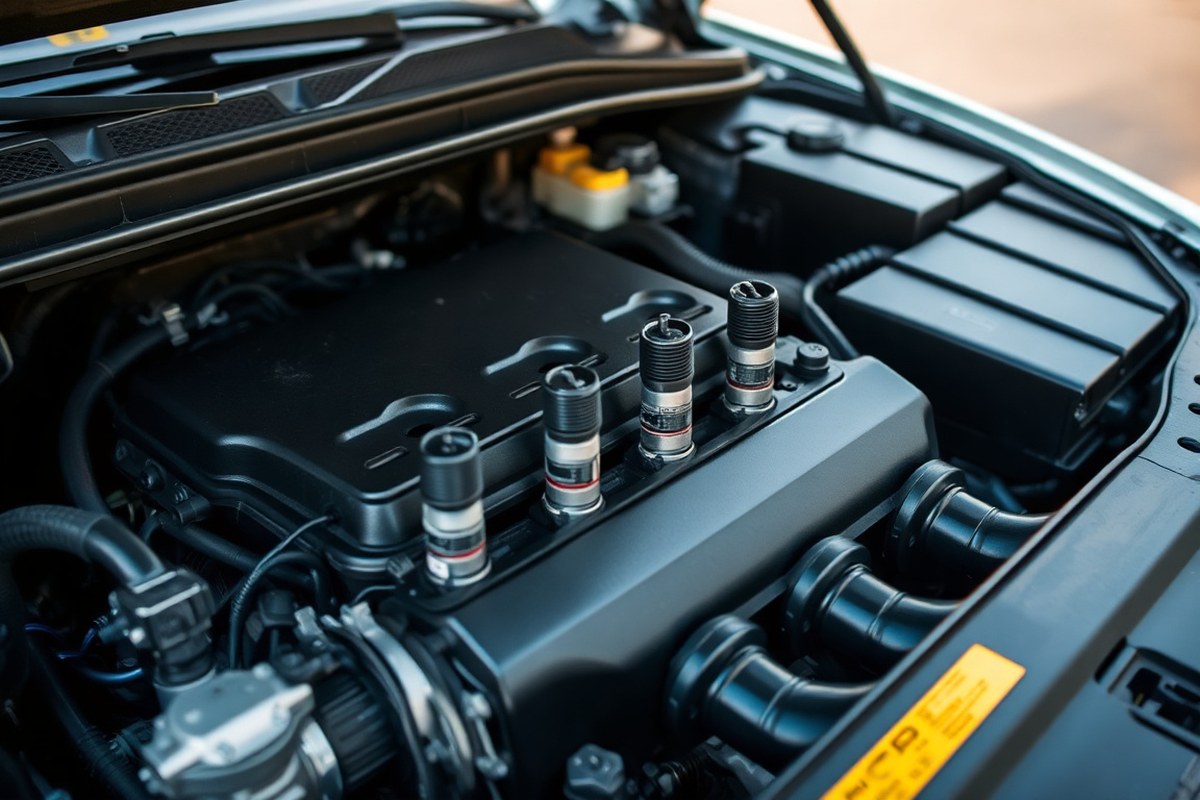
An engine misfire happens when one or more cylinders fail to burn fuel properly. The spark plug might not ignite the fuel, or the fuel-air mix might be off. This causes the engine to stumble or run roughly.
Misfires often show up when you accelerate or put the engine under load. A rough idle or loss of power shows misfires happening now.
This means the engine is not running smoothly or fully. You can feel the difference when driving or idling.
Why Misfires Make the Light Flash
A flashing check engine light warns of severe misfires happening right now. When the fuel doesn’t burn correctly, unburned fuel enters the exhaust system. This can overheat and damage components like the catalytic converter.
The engine’s computer flashes the light to push you to stop driving soon. Misfires can cause serious engine damage very fast.
This is worse than steady warning lights that mean less urgent problems. Ignoring misfires can lead to bigger repairs later.
Damage Caused by Repeated Misfires
Persistent misfires can damage the catalytic converter by overheating it. This damage is costly and can raise emissions. Other parts, like oxygen sensors and ignition components, may also fail or send bad signals.
Misfires cause your engine to run rough and use more gas. This happens if the problem doesn’t get fixed soon. It can harm your engine’s life over time.
Damage from misfires may trigger electronic faults to show up. This makes your check engine light turn on and off sometimes. Your car’s computer is alerting you to a problem.
How Do Misfires Affect Vehicle Components?
Unburned fuel entering the exhaust heats the catalytic converter beyond safe limits. This can cause it to crack or melt internally, requiring a costly replacement. Other sensors may misread because of this damage, complicating diagnosis.
The plugs, wires, or coils that caused the misfire can also worsen if not fixed early. Corroded or loose connections may cause misfires, so checking wiring integrity matters during repairs.
Recognizing Intermittent vs. Severe Misfires
A flashing check engine light that suddenly goes off might signal an intermittent misfire. The engine stumbles briefly then recovers, but stores a trouble code. This warns you to get a code scan soon.
Severe misfires keep the light flashing continuously, signaling ongoing damage risk. The safest action is to reduce power and stop the car fast.
This protects your engine and stops exhaust damage from getting worse. Don’t keep driving if you feel major problems.
Don’t ignore a flashing check engine light. Stop driving soon to avoid costly damage.
Common Reasons Behind the Flashing Light
A flashing check engine light often points to serious engine misfires. These misfires damage parts like spark plugs, ignition coils, sensors, or the catalytic converter. Identifying specific faulty components helps you fix issues before they get worse.
Spark Plug and Ignition Coil Issues
Worn spark plugs cause weak or no sparks, which leads to engine misfires. Faulty ignition coils also fail to deliver strong sparks to ignite the fuel-air mix properly.
Replacing spark plugs on a 4-cylinder car usually costs $160 to $240, including parts and labor. Swapping one ignition coil runs around $180 to $280. Both repairs can often be DIY jobs with basic tools.
- Check spark plugs for wear, carbon buildup, or gaps larger than 0.035 inches
- Test ignition coils with a multimeter or swap with a known good coil
- Look for cracked coil boots or corroded connectors causing signal loss
- Misfires can appear under acceleration or at engine start due to these faults
- Replace spark plug wires if they are brittle or show signs of arcing
A bad plug or coil results in a stuttering engine and rough idling. Fixing these stops damage to other parts and reduces fuel waste.
Fuel Delivery and Vacuum Leak Problems
Weak fuel pressure or clogged fuel injectors cause poor combustion and misfires. Vacuum leaks let extra air enter the engine.
This messes with the air-fuel mixture. It can cause the engine to stall or surge.
Professional cleaning or replacing a single fuel injector costs $320 to $450. Vacuum leak testing with a smoke machine costs from $140 to $240. These often need specialized tools and skills.
- Listen for hissing sounds while the engine runs; they often signal vacuum leaks
- Test fuel pressure with a gauge at the fuel rail; pressure should match specs
- Check fuel injectors for clogs or stuck valves causing uneven fuel spray
- Look under the intake manifold gasket for cracks or damage
- Fuel pump issues raise costs to $580, $780 for replacement
Fuel problems lead to incomplete combustion and rough engine performance. Fixing these faults prevents stalling and increases mileage.
Faulty Sensors and Catalytic Converter Damage
Sensors like oxygen (O2), mass airflow (MAF), camshaft, or crankshaft help the engine run smoothly. When they fail, the engine runs lean or rich, causing misfires and rough rides.
A new oxygen sensor costs between $200 and $450. Cam or crankshaft sensor replacement costs $220 to $340. Ignoring sensor faults can cause extra raw fuel in the exhaust.
- O2 sensors measure exhaust gases and adjust fuel injection
- MAF sensors determine air entering the engine for proper fuel mix
- Camshaft and crankshaft sensors tell the engine timing for spark and injection
- Faulty sensors can trigger the catalytic converter to overheat and fail
- Catalytic converter replacement ranges from $1,100 to $1,500
The catalytic converter heats up dangerously when raw fuel enters it. Fixing sensor troubles early protects this costly part.
Electrical and Wiring Faults
Bad wiring or loose connections can send wrong signals and cause misfires. Corroded connectors or cracked coil wiring interrupts the spark delivery.
These electrical issues often cause intermittent misfires and flickering check engine lights. Repairing wiring faults may cost around $100 to $200 for diagnosis and simple fixes.
- Inspect ignition coil connectors for corrosion or loose pins
- Check ground wires for rust or poor contact points
- Look for broken or frayed wires near the engine or fuse box
- Use a digital multimeter to test continuity in suspect wires
- Secure any loose plugs or replace damaged wiring harness segments
Bad wiring rarely damages the engine but causes confusing error codes. Fixing it keeps diagnostics accurate and avoids unnecessary part replacements.
Is It Safe to Drive When the Check Engine Light Flashes?
Stop driving right away when the check engine light blinks. A flashing light signals a severe engine problem that might cause fire or damage. Driving hard while blinking can destroy your catalytic converter fast and cost a lot.
Slow down and avoid sudden acceleration if the light blinks while driving. Pull over safely and switch off the engine immediately.
A flashing light should not be ignored even if the car feels normal. The engine might shut off or overheat without warning.
In some cases, you might be able to drive slowly and carefully to the nearest mechanic. Keep the distance short, ideally less than 5 miles, to reduce further damage. Avoid highways or heavy traffic routes, because sudden loss of power could be dangerous.
Signs that you need to stop immediately include smoke, odd smells, or a rough running engine. Also watch for warning lights flashing together or loss of engine power. These are red flags of serious trouble needing a tow or quick repair.
Driving with a steady check engine light on is usually okay for a short time. But once it starts flashing, treat it as an emergency. Driving beyond the point of safe distance risks costly repairs and unsafe breakdowns on the road.
How to Quickly Diagnose the Cause Using OBD2 Scanners
Choosing the Right OBD2 Scanner
Start by picking a scanner that reads engine trouble codes clearly. Basic scanners cost around $20 to $50 and show standard error codes, including engine misfires.
Advanced scanners run $100 or more. They offer more details about misfire causes, live engine data, and code clearing functions. They’re better if you want deeper diagnostics.
Look for scanners compatible with your car’s make and year. Some scanners only work with certain models or newer cars.
Locating the Diagnostic Port and Connecting
Find your car’s OBD2 port, usually under the dashboard on the driver’s side. It looks like a trapezoid and can be near the steering column or fuse box.
Turn the ignition to the accessory position before plugging in the scanner. This powers the vehicle’s computer so the scanner can communicate.
Reading and Interpreting Engine Codes
Follow the scanner’s instructions to retrieve stored trouble codes. Look for codes starting with “P03,” which relate to misfires. P0300 means random misfires, while P0301 to P0312 specify misfires in specific cylinders.
Match the code to your car’s repair guide for clear meanings. This helps you pinpoint which cylinder or component is causing the problem.
- Turn the ignition to the accessory position.
- Plug the scanner into the OBD2 port.
- Power on the scanner and wait for it to connect.
- Select “Read Codes” or similar command.
- Write down all display codes, especially P03xx series.
- Use your vehicle manual or an online database to identify codes.
Be careful not to confuse pending codes with current ones. Focus on confirmed codes affecting engine performance.
When to Clear Codes and Monitor
Only clear codes after you fix the problem causing the misfire. Erasing codes without repair just hides symptoms and may delay bigger damage.
After clearing codes, drive the car several times. Check if the engine light comes back.
Keep an eye on it during those drives. Persistent codes mean the problem still needs fixing.
Note that some scanners automatically clear codes, while others ask permission. Always confirm you want to erase data before proceeding.
Immediate Steps to Take When the Light Starts Flashing
When the check engine light flashes, stop driving when safe. Pull over as soon as you can. Turn off the engine and avoid accelerating to reduce engine load.
A flashing light shows a serious issue, like a misfire. This problem can harm the catalytic converter.
Stop the vehicle and wait a few minutes. Restart the engine. Check if the light still flashes.
Keep your speed low and avoid heavy acceleration if you must drive farther. Drive gently and limit RPMs to prevent worsening the issue.
Before calling for help, check these simple things you can often fix quickly or identify easily:
- Make sure your gas cap is tight and clicks when you close it
- Look under the hood for loose or disconnected vacuum hoses
- Check the oil level and top off if it’s low
- Look for obvious signs of fluid leaks, smoke, or burning smells
- Listen for unusual engine noises, such as knocking or stuttering
These checks take 5 to 10 minutes. They cost nothing unless you add fluids. Don’t ignore the light if it keeps flashing.
Driving on can cause expensive damage. Replacing the catalytic converter may cost $1,000 or more.
Call roadside assistance or a tow if you’re far from a mechanic. Explain the flashing light so they understand the urgency. Driving even a short distance can risk major damage or complete engine failure.
Expected Repair Options and Typical Costs by Cause
Repair costs vary widely depending on the cause of the flashing check engine light. Simple fixes like replacing spark plugs or ignition coils are quick and less costly. More complicated problems, such as catalytic converter damage, tend to be expensive and time consuming.
Here’s a table showing typical repairs and their costs. It explains what each repair involves. This helps you understand possible expenses.
| Repair | Description | Typical Cost Range |
|---|---|---|
| Spark Plugs | Replace worn or fouled plugs to restore engine firing | $100 to $200 |
| Ignition Coils | Swap faulty coils that cause misfires or weak spark | $150 to $300 |
| Fuel System Repair | Fix low pressure or clogged injectors to improve fuel flow | $50 to $750 |
| Oxygen Sensor Replacement | Change sensors that monitor exhaust gases and adjust fuel mix | $150 to $300 |
| Catalytic Converter | Replace damaged converter that reduces emissions | $1,000 to $2,500 or more |
Doing simple repairs early prevents bigger costs later. For example, fixing spark plugs and coils costs about $150. This can prevent damage that needs a $2,000 converter repair.
Fuel system problems can cost different amounts. Diagnosing and fixing depends on your car’s design. The parts involved also matter.
Oxygen sensors often cause trouble that triggers the flashing light. Replacing one costs a few hundred dollars and usually takes under an hour.
Catalytic converter failure takes longer to fix and costs over $1,000. It usually happens after driving with an issue too long.
Some wiring problems might hide the real issue and cause a flashing light. That messes with sensors reporting data from the engine.
A licensed mechanic can trace wiring faults, which might add time and modest extra cost. Fixing wiring saves you from missing a serious fault masked by that glitch.
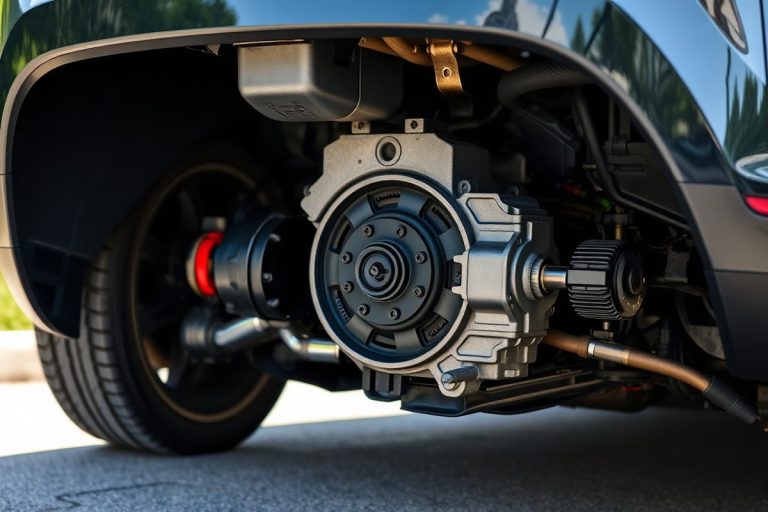
Why the Catalytic Converter Often Causes Flashing Lights
A clogged or damaged catalytic converter causes the check engine light to flash. It cannot clean exhaust gases properly. This failure triggers the warning light.
The flashing usually signals engine misfires that send unburned fuel into the converter. This fuel overheats the converter, causing it to fail quickly.
Signs of a catalytic converter issue include poor engine performance and a drop in fuel efficiency. You might also notice a rotten egg smell from the exhaust or rough idling. A flashing check engine light that lasts more than 30 seconds signals trouble.
It usually means the converter is being damaged. Keep an eye on it closely.
Replacement costs tend to be high because catalytic converters use expensive materials like rare metals. Labor adds up since they can be tough to reach and remove. Expect prices from $1,000 to over $2,500 depending on your car’s make and model.
Just changing the converter won’t stop the flashing light. The misfire or sensor problem needs fixing first. Otherwise, the issue will continue.
The oxygen sensor could be faulty or the engine may have a persistent misfire causing damage. Fixing these upstream issues before replacing the catalytic converter helps avoid repeat failures.
Stop driving as soon as the check engine light flashes. This helps avoid expensive damage to the catalytic converter. Act quickly to save money.
Preventing Flashing Check Engine Lights in the Future
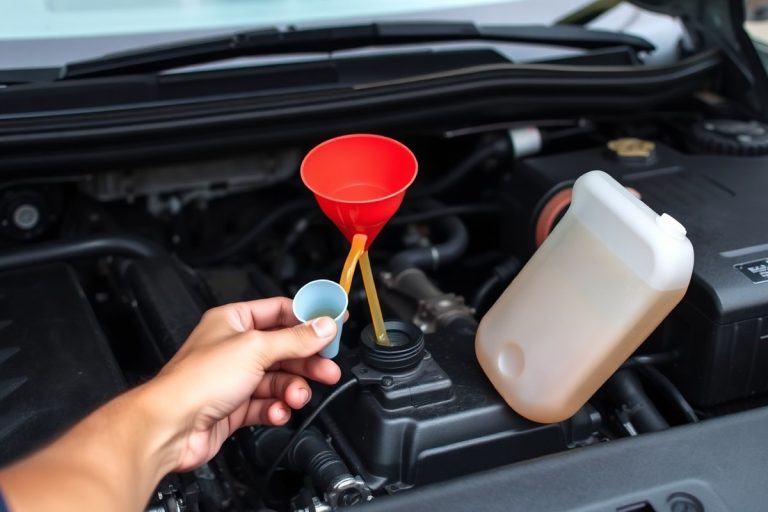
Regular oil changes can keep your engine running smoothly and lower the risk of misfires. Change your oil every 5,000 to 7,500 miles depending on your car’s manual. Fresh oil helps sensors work right and reduces engine wear that triggers the flashing light.
Use quality fuel to avoid carbon build-up in the engine. Low-grade gas can cause rough combustion, which leads to misfires and sensor faults. Add fuel injector cleaner every 3,000 miles to keep the system clean.
This helps prevent sensor errors. 2 | Drive smooth and steady to keep the air-fuel mix stable. This lowers engine warning chances.
3 | Scan your engine every few months or after hard drives. It helps spot small problems early and cheap. 4 | Change air filters about every 15,000 miles to keep airflow clean.
This helps sensors work right. 5 | The light usually flashes after 15 to 20 minutes of hard driving. It turns off once the engine cools.
Driving habits make a big difference. Avoid rapid acceleration or sudden throttle inputs that stress the engine. Smooth and steady driving keeps the air-fuel mix stable and the combustion consistent, reducing the chance of flashing engine warnings.
Keep an eye on your sensors and engine health with periodic checks. Basic OBD2 scanners can help you spot trouble codes before the light starts flashing. Scanning every few months or after a hard drive gives you an early warning to fix small issues cheaply.
Replace faulty spark plugs and ignition parts on schedule, usually every 30,000 to 50,000 miles. Bad plugs cause rough firing and misfires that trigger the flashing light. It costs $100 to $300 for parts and labor, depending on your vehicle and location.
Replace air filters as needed, roughly every 15,000 miles, to keep airflow clean and sensors working right. Dirty filters choke the engine, causing rough running that leads to warning lights.
Filters usually cost between $15 and $40. Most drivers can swap them out in under 15 minutes.
Cool down your car when possible during heavy use. The light often flashes after 15 to 20 minutes of hard driving before going off once the engine cools. Let your engine rest to avoid overheating sensors and misfires that cause flashing warnings.
Professional shops use factory service manuals with exact repair steps. These manuals show correct sensor values and ignition timing.
Following factory info helps prevent mistakes and repeating flashing light problems. Keep your mechanic informed if you use an OBD2 scanner yourself.
Step-by-Step Action Plan for a Flashing Check Engine Light
Follow these steps as soon as your check engine light starts flashing. This plan helps you stay safe and fix the problem quickly.
- Right away: Pull over safely and turn off the engine. Wait a few minutes, then restart the car. A flashing check engine light means you shouldn’t drive the car.
- Within an hour: Use an OBD2 scanner to read trouble codes from the engine. Write down the codes or take a picture to share with a mechanic.
- Within the same day: Look for easy issues first. Check the gas cap to see if it’s loose. Also, check your oil level to make sure it’s not low. Fix those and see if the light stops flashing.
- Next day: Contact a trusted mechanic or auto shop. Give them the trouble code and describe the symptoms and driving conditions.
- After the inspection: Authorize repairs based on the mechanic’s advice. Common fixes might include replacing spark plugs, ignition coils, or oxygen sensors.
- After repair: The mechanic or you can use the OBD2 scanner to clear the codes. Drive carefully and watch if the light comes back on.
- Within one week: Keep an eye on the engine’s performance and fuel economy. Keep an eye on your car’s issues. Schedule a check with your mechanic if they don’t stop.
Frequently Asked Questions
Can a Flashing Check Engine Light Cause My Car to Stall?
Yes, a flashing check engine light means your engine misfires. This can cause stalling.
It may also make your engine run rough. You should stop driving and get it checked quickly to avoid damage.
Can a Temporary Fix Turn Off a Flashing Check Engine Light?
Yes, sometimes the light will stop flashing if the engine runs better. But this does not fix the problem causing misfires. Get a full diagnosis to avoid more damage.
Does a Flashing Check Engine Light Affect My Car’s Warranty?
It might. Ignoring a flashing light can cause engine damage.
Warranty claims might be denied. Report and repair issues promptly to preserve coverage.
Why Does a Flashing Check Engine Light Sometimes Turn into a Solid Light?
A flashing light shows immediate trouble like misfires. A solid light means less urgent problems. The light may change or go off if the issue improves.
Can Weather Conditions Cause the Check Engine Light to Flash?
Bad weather rarely causes a flashing light. The light flashes due to engine misfires or serious faults. Weather like rain or cold does not cause it.
Final Thoughts
A flashing check engine light means your engine is misfiring and could cause damage if ignored. You should stop driving as soon as possible and get a diagnosis. Act quickly to protect your car and your safety.