Are Triumph Motorcycles Reliable? A Complete Guide with Model Comparisons
Are Triumph motorcycles reliable? Yes, they generally perform better than many other European brands, including BMW. Triumph bikes have a failure rate around 29%.
This is lower than BMW’s 40%. That makes Triumph a solid choice for reliability.
These motorcycles often last between 100,000 and 150,000 miles with proper maintenance. That’s quite a bit longer than some competitors that typically reach only 70,000 to 90,000 miles. You should watch out for certain model years and recalls.
These can cause mechanical issues. Avoiding them can save you from problems.
Starting with a model like the Bonneville T120 is smart because it’s known for long-term reliability. Reading owners’ reviews helps spot reliable Triumph models. Dealer warranty support is also important to check.
These help you pick a trouble-free bike. Regular upkeep and understanding repair costs make all the difference for lasting performance.
Key Takeaways
- Triumph motorcycles have a better reliability record than BMW, with a 29% failure rate.
- The typical Triumph motorcycle lasts about 100,000 to 150,000 miles with good care.
- Focus on models with fewer recalls and known issues for easy rides.
- The Bonneville T120 is a standout for durability, lasting over 70 years in production.
- Confirm warranty details with dealers before buying a Triumph motorcycle.
- Regular maintenance helps avoid costly repairs and extends your bike’s lifespan.
Are Triumph Motorcycles Reliable Compared to Other Brands?
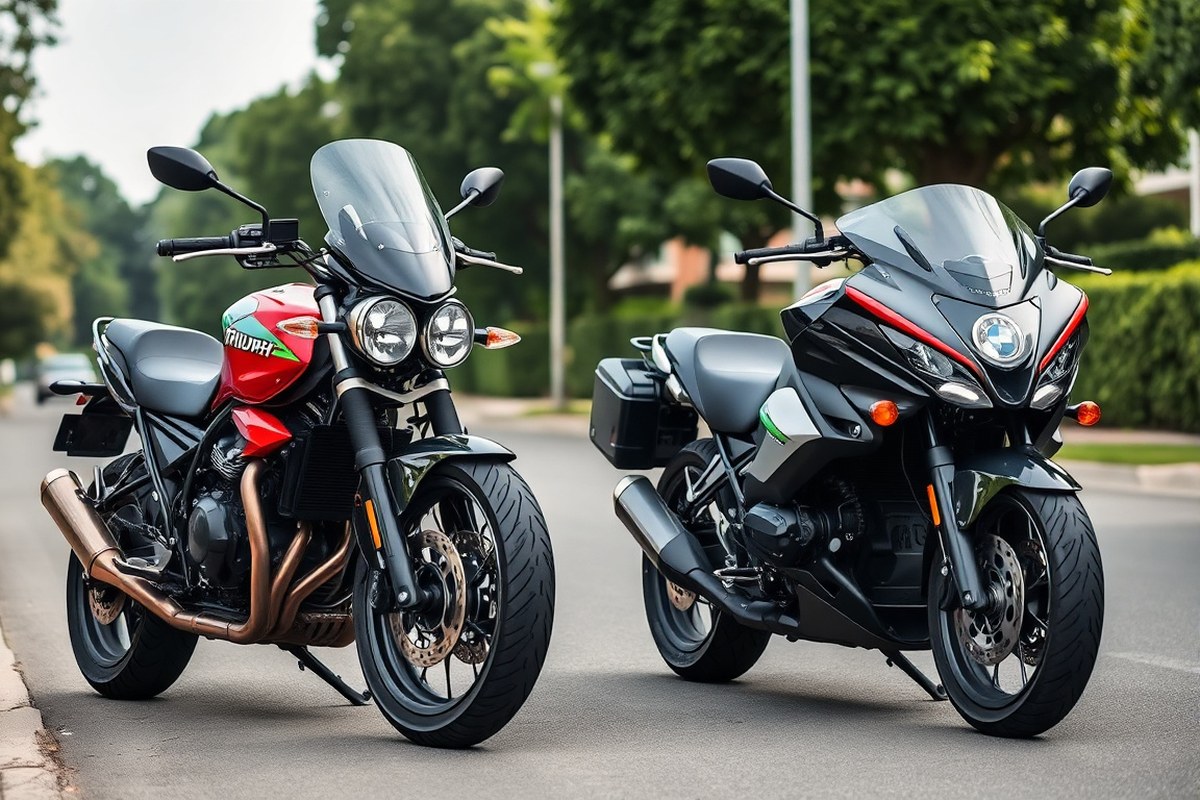
Triumph motorcycles rank as reliable compared to many European brands, with a failure rate near 29%. This rate places Triumph above BMW motorcycles, which generally show higher failure rates. Triumph’s focus on engineering and modern manufacturing since 2014 helped boost overall reliability.
When you compare Triumph to American and Japanese brands, the picture changes. Triumph is more reliable than many European brands. It still trails behind Harley-Davidson.
Japanese makers like Kawasaki and Honda score higher. Japanese bikes often have failure rates below 20%, making them the benchmark for reliability.
Consumer ratings usually give Triumph about 8 out of 10. This shows it is strong. But it is not the most dependable.
Harley-Davidson has beaten European brands, including Triumph, in some surveys like Consumer Reports in 2015. Still, Triumph’s resale values remain strong, reflecting good owner confidence and perceived quality.
The brand’s long history and recent upgrades in manufacturing contribute to its reliability. Triumph’s dealer satisfaction in the U.S. Scores about 89%, which helps with warranty and service issues. That said, checking dealer support and warranty details before buying can save trouble later.
In essence, Triumph motorcycles offer dependable rides if you weigh their performance against cost and maintenance. Owners generally feel happy with their Triumph bikes. Good engineering also helps.
So Triumph beats some important competitors in reliability. However, if ultimate reliability is your goal, Japanese brands might offer fewer surprises.
Which Triumph Models Are the Most and Least Reliable?
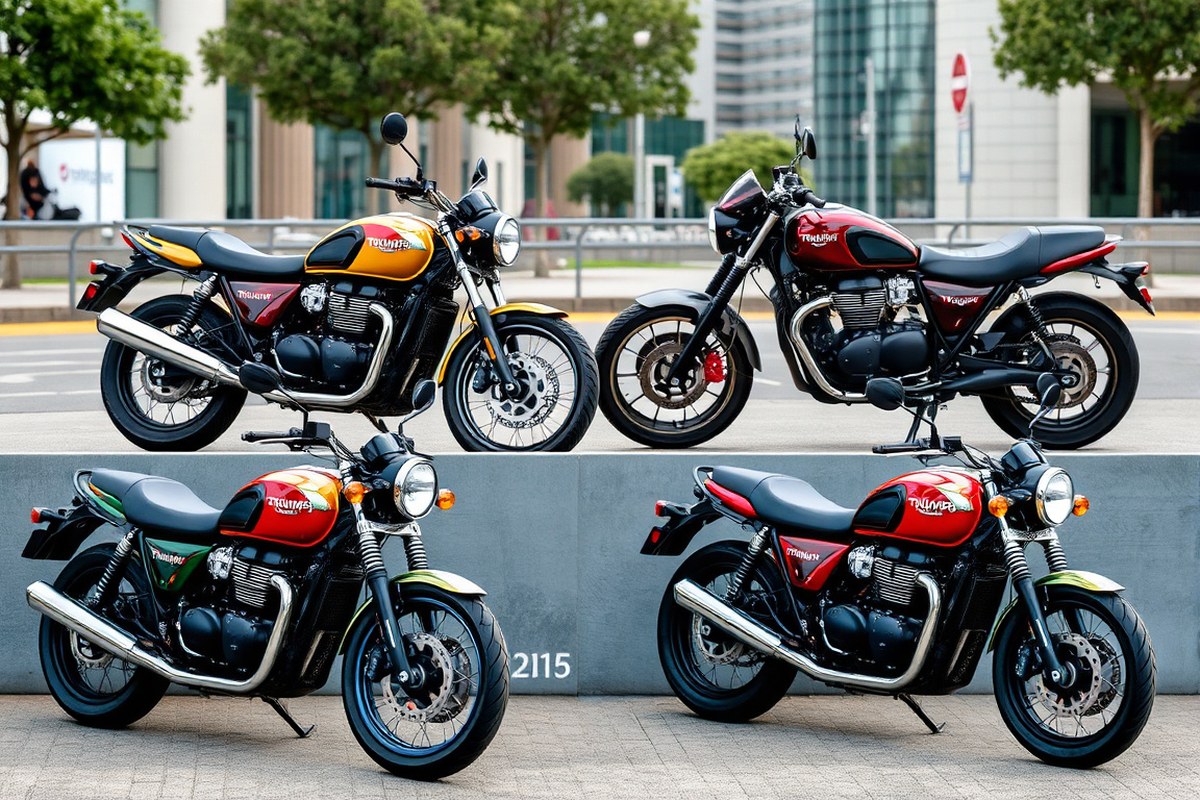
Triumph’s most reliable motorcycles include the Bonneville and Tiger series. These models score above 8 out of 10 on average for reliability. Some models like the Street Triple have more reports of mechanical and electronic issues.
Top-Rated Reliable Triumph Models
The Bonneville stands out as a reliable classic with modern engineering. Riders report few major problems and smooth performance over time. The Tiger series also rates well, especially for adventure and touring riders wanting durability.
Other dependable models include the Scrambler and Speed Twin, known for solid build quality. These bikes handle regular use with few reported recalls or warranty claims. Their costs usually range between $10,000 and $16,000, matching the brand’s mid-range pricing.
Models with Noted Reliability Issues
The Street Triple has had spotty reports, including early electronic faults and engine concerns. Some owners noted recalls and required immediate fixes within the first few thousand miles. These issues make it less suited for riders prioritizing long-term reliability.
Earlier Tiger models, especially before 2018, had some problems. These included issues with electronics and the fuel system. Many riders reported these complaints.
Triumph has since addressed many concerns with updated parts and software. Still, older versions might need more frequent maintenance to stay reliable.
Recalls and Safety Notes
Triumph has a fairly clean recall record since 2021. There are no major safety recalls on their portal. This shows better reliability recently.
This is rare in today’s tech-heavy motorcycles, reflecting higher build standards. Still, checking the recall status before buying used models is smart.
Common recalls in the past involved wiring harness issues and throttle bodies on select models. These recalls were often handled promptly through dealer support. Riders should verify if the dealer completed any outstanding recalls when purchasing a Triumph.
Best Choices for Long-Term Ownership
The Bonneville and Tiger models suit riders planning long-term ownership well. Their durability, combined with solid dealer support, keeps maintenance costs manageable. Regular servicing every 6,000 miles helps maintain their reliability over many years.
Scramblers also offer good longevity, with simpler mechanical parts that are easier to maintain. Avoid models with known electronic glitches for fewer hassles. Some Street Triples are known to have these issues.
This will help you keep maintenance low. Choosing well-reviewed model years reduces future issues.
Reliability Ratings Comparison
| Model | Reliability Score (out of 10) | Key Notes |
|---|---|---|
| Bonneville | 8.5 | Few recalls, strong mechanicals |
| Tiger | 8.2 | Improved since 2018, earlier models less reliable |
| Scrambler | 8.0 | Simple design, durable |
| Speed Twin | 7.8 | Solid build, few issues reported |
| Street Triple | 6.5 | Reports of electronics, engine concerns |
Always check for open recalls and service history before buying used Triumph motorcycles. This can save you headaches later.
Common Mechanical Issues and Parts to Watch on Triumph Bikes
On Triumph motorcycles, the regulator/rectifier and cam chain tensioners usually cause the first mechanical problems. The regulator/rectifier controls electrical voltage and can fail, often costing about $300 to replace.
This part wears out after a few years. Moisture or rough use speeds this up.
Cam chain tensioners keep the engine timing right. Older and some sportbikes often have problems with them. These tensioners can loosen or fail due to design flaws, risking serious engine damage if ignored.
Fixing a bad tensioner needs engine work. It takes a few hours. Expect a $400 to $700 cost.
Keeping an eye on the regulator/rectifier means watching for dimming lights or battery problems. For tensioners, unusual engine noise or rattling at startup points to potential trouble. Addressing these signs early avoids costlier repairs and roadside breakdowns.
Other parts worth watching include the stator, which works with the regulator/rectifier. A failing stator reduces charging efficiency, often felt as electrical glitches. Stator replacement can run from $300 to $500, with labor adding more time and cost.
Planning your maintenance around Triumph’s 10,000-mile service intervals helps spot these issues before they escalate. Regular oil changes and inspections catch early wear on critical components.
Ignoring these parts means more breakdowns and bigger bills. This lowers your bike’s reliability.
| Part | Problem | Typical Repair Cost | Repair Time |
|---|---|---|---|
| Regulator/Rectifier | Electrical failure affecting charging | $300 | 1-2 hours |
| Cam Chain Tensioner | Engine noise, timing issues | $400-$700 | 3-5 hours |
| Stator | Charging inefficiency, electrical glitches | $300-$500 | 2-4 hours |
How Long Can You Expect a Triumph Motorcycle to Last?
Triumph motorcycles often last between 50,000 and 100,000 miles with proper upkeep. Most riders can expect to reach 70,000 miles before more significant repairs appear. Many owners reach this mileage with routine care.
They do oil changes every 3,000 to 5,000 miles. Chain adjustments and brake checks happen often too.
Some Triumph bikes have exceeded 100,000 miles, showing what good care can achieve. For example, one rider logged over 120,000 miles on a Triumph Bonneville with regular servicing.
This bike had oil changes every 3,000 miles and valve clearance checks around every 12,000 miles. The key was not skipping scheduled maintenance and using quality parts and fluids.
Longevity depends heavily on maintenance habits. Neglecting oil changes or ignoring unusual noises can cause early wear.
A worn gear selector, for instance, might lead to shifting problems and costly repairs if unchecked. Staying on top of smaller fixes prevents expensive breakdowns later.
Here’s a simple example of lifetime mileage and maintenance costs for a Triumph Street Triple. Riding 10,000 miles each year, you’d reach 70,000 miles in seven years. Expect about 15 oil changes at $50 each, totaling $750.
Factor in valve adjustments every 12,000 miles, about six services at $200 each or $1,200. Chain and brake upkeep can add roughly $400 over the years.
In total, maintenance might cost near $2,350 over 70,000 miles, averaging about 3.4 cents per mile. This is reasonable considering Triumph’s solid parts and dealer support. Routine checks by a trusted mechanic help keep the bike running long after the warranty ends.
Parts wear out around these mileages. Tires last 10,000 to 15,000 miles. Brake pads usually need replacing every 15,000 to 20,000 miles.
Ignoring these reduces safety and can harm your bike’s longevity. Proper upkeep means your Triumph will stay reliable and ready for many riding seasons ahead.
Understanding Maintenance and Repair Costs for Triumph Bikes
Most Triumph motorcycles need servicing every 6,000 miles. The owner’s manual lists exact intervals for oil changes, fluid swaps, and other checks. Sticking to these intervals helps your bike run smoothly.
It lowers surprise breakdown risks. It also avoids costly repairs.
You can expect to pay around $300 to $500 for each major service in the U.S. This covers oil and filter changes, brake fluid replacement, chain adjustment, and a general inspection. The cost depends on your model and dealer rates. It can change if parts need replacing.
A typical Triumph service checks oil and filter changes. It tops off brake and clutch fluids.
It inspects brakes, tires, chain tension, pivot points, battery, and lights. Doing these regularly keeps wear on parts minimal and improves your bike’s lifespan.
Triumph repair costs are usually higher than entry-level brands but often comparable to other premium bikes. For example, early Speed Twins had selector fork issues that caused $2,000 to $2,500 repairs.
Ignoring maintenance leads to higher repair bills. Models with known faults also cost more.
Routine service at an authorized dealer reduces unexpected problems and preserves resale value. Dealers can handle ECU updates and diagnostic checks to catch minor issues early. Most local shops can’t do these checks, which may leave warning lights on and cause frustration.
Regular maintenance keeps Triumph motorcycles in top shape and controls costs. Skipping service can worsen wear and lead to expensive fixes. Planning to own your Triumph for years?
Follow the schedule to protect your bike. It helps you enjoy better reliability.
Always use authorized Triumph service centers. It avoids voiding warranties. It also ensures proper care.
What Warranty and Support Does Triumph Offer Owners?
New Triumph motorcycles come with a standard warranty. It covers defects in materials and workmanship. This lasts up to two years from your purchase date.
This coverage lets you get repairs with no extra cost. It applies when issues aren’t caused by accidents. It also excludes problems from improper use.
You can extend the warranty for more years. This gives you longer protection if you need it.
Triumph’s support goes beyond the warranty with its Triumph Assist roadside assistance program. This program helps if your bike breaks down on the road. It includes towing, battery jumps, fuel delivery, and flat tire changes.
It’s included with the new bike purchase and applies across the country. So you don’t have to worry about being stranded far from home.
The Triumph dealer network is quite extensive. Authorized dealers are trained specifically for Triumph motorcycles and use only genuine parts. Their service departments know the unique engine designs well.
They also understand the electronics. This ensures your bike stays in top shape. This also keeps your warranty valid since non-authorized fixes often void coverage.
To use warranty or roadside help, contact your local dealer. You can also call the Triumph Assist hotline. Dealers maintain detailed service records, which makes warranty claims smoother.
Most repairs under warranty happen quickly, often within a few days. But in rare cases, it may take longer if parts need ordering.
Many Triumph owners find community tips helpful for regular maintenance and small fixes. These tricks come from rider groups online and at dealerships. Still, bigger problems are best handled by the dealer to protect your bike and coverage.
Triumph offers a solid warranty and roadside help. They also have a strong dealer network nationwide. This setup makes owning and servicing your motorcycle easier and safer.
The costs are mostly covered under warranty early on. The assistance saves time and hassle in emergencies.
How Manufacturing and Engineering Impact Triumph Reliability
Triumph has improved reliability through design and manufacturing updates since 2014. They focused on stronger engine components and better materials to handle heat and wear. In 2016, the switch to fuel injection over carburetors improve fuel efficiency and reduced breakdowns.
The company also upgraded its manufacturing processes by investing in quality control technology. Automated inspection systems catch defects early, lowering faulty part assembly. They reduced the number of suppliers to ensure consistent component quality.
Triumph’s engineering philosophy mixes traditional craftsmanship with modern tech. They emphasize modular engine designs that share parts across models. This approach simplifies repairs and helps durability because reliable parts get reused with tweaks.
Modern models benefit from advances like electronic ride aids and improved cooling systems. These reduce stress on engine parts during rides. You’ll notice smoother performance and less overheating compared to older bikes.
Older Triumph motorcycles performed well, but modern ones tend to outlast them. Buyers investing in newer models pay more upfront, typically $1,000 to $2,000 above older bike prices. However, they gain lower maintenance needs and fewer trips to the shop.
Reliability also depends on strict maintenance routines. Triumph’s updated parts mean you can follow manufacturer schedules with confidence. Using OEM parts costs more but maintains the bike’s engineered durability.
How to Inspect and Maintain a Used Triumph for Reliable Ownership
Checking and maintaining a used Triumph carefully helps keep it reliable. Focus on key components during inspection and stick to regular maintenance. Watch out for common warning signs to avoid costly repairs.
Key Areas to Inspect on a Used Triumph
Start by examining the frame for cracks or rust, especially near welds. Check the suspension for leaks or uneven wear, which can affect handling. Make sure the electrical system works by testing all lights, signals, and the instrument panel.
Inspect the engine for oil leaks, unusual sounds, or smoke. Review the chain and sprockets for wear or looseness. Take a close look at the brakes, both pads and discs, for thickness and smooth operation.
- Frame and chassis condition
- Suspension seals and damping
- Electrical functions and wiring
- Engine leaks and sound
- Drive chain and sprockets
- Brake pads and discs
- Tires for tread and cracks
Check the tire pressure first; low pressure wears tires faster and hurts safety. Confirm the bike starts easily and idles smoothly. A test ride can reveal hidden suspension, clutch, or gearbox problems.
Regular Maintenance Tips for Reliability
Follow the manufacturer’s recommended service intervals closely. Using original parts and good quality oils saves engine and transmission wear. Change the oil every 3,000 to 4,000 miles to keep the engine healthy.
Maintain tire pressure between 36 and 40 psi. Check it at least once a month.
Clean and lubricate the chain every 400 to 600 miles to avoid premature stretching. Keep brake fluid fresh and bleed brakes yearly or if you notice spongy feel.
- Oil and filter change every 3,000-4,000 miles
- Tire pressure check monthly
- Chain clean and lubricate every 400-600 miles
- Brake fluid replacement yearly
- Use OEM or high-quality parts for replacements
- Keep battery charged and terminals clean
- Refer to owner’s manual for scheduled services
Promptly fixing minor issues can keep warranty coverage intact. Regular maintenance reduces chances of unexpected breakdowns. Riding responsibly and avoiding harsh conditions also extends the bike’s life.
Warning Signs to Avoid When Buying
Check the frame welds for any uneven spots. Look closely at the paint for any mismatched areas. These signs often point to past accidents.
Engine idling rough or making knocking sounds signals internal damage. Excess smoke is often a sign of worn seals or valves.
Check for rust on bolts or in hidden areas, surface rust could mean poor care. Beware of sellers who can’t show service records or who avoid your questions. A leaking fork or worn suspension parts means extra expenses soon.
Don’t ignore a test ride; some issues only appear when riding.
High mileage alone isn’t a red flag, but long gaps between services can be. Avoid bikes with distorted tire wear or signs of heavy drops. These indicate the bike has not been treated gently and may hide costly problems.
Which Triumph Models Best Fit Different Rider Needs for Reliability?
Choosing the right Triumph bike depends on your riding style. Also, consider how much maintenance you want to do. These two things guide your choice best.
Use this simple rule to pick your Triumph model. Think about your experience and trip length.
Also, consider how much upkeep you can handle. Some Triumphs fit beginners well, while others suit touring or sporty urban rides better.
Models Ideal for Beginners
The Triumph Street Twin is a great choice if you’re new to riding. It has a manageable 900cc engine that’s smooth and easy to control. The upright seating position helps you stay comfortable and confident in city traffic.
The Bonneville T100 also works well for beginners who want a classic style. Its reliable engine and simple tech make regular maintenance straightforward. Both models balance fun and reliability without overwhelming new riders.
Top Picks for Touring and Adventure
Your rides are longer or on rough terrain. The Tiger 900 fills that need. It handles tough trips well.
It has a durable engine and extra features like adjustable suspension and cruise control. This bike handles highways and dirt paths, making it ideal for touring or commuting.
The Tiger 1200 steps up for serious touring with more power and storage. Expect a smooth ride for thousands of miles if you keep up with routine maintenance. These Tigers have a solid reputation for lasting through tough conditions.
Sport and Urban Riding Options
For sporty riders who want quick response and agility, the Street Triple fits well. Its 675cc to 765cc engine size delivers strong performance with light handling. Regular upkeep is key since this model uses more advanced components.
The Daytona 675 is a sporty option worth considering. Early models from 2006 to 2009 had some recalls. These fixed certain issues on those bikes.
Later versions improved reliability. It suits riders who want speed but are ready for proper care and checks.
Here’s a table comparing key Triumph models by rider needs and reliability factors:
| Model | Engine Size (cc) | Rider Level | Best Use | Maintenance Tolerance | Notes on Reliability |
|---|---|---|---|---|---|
| Street Twin | 900 | Beginner | City commuting, short rides | Low to moderate | Simple, smooth engine, praised for durability |
| Bonneville T100 | 900 | Beginner to Intermediate | Classic style, easy maintenance | Low to moderate | Reliable with routine care |
| Tiger 900 | 900 | Intermediate to Advanced | Touring, adventure, commuting | Moderate | Durable, suited for mixed terrain |
| Tiger 1200 | 1200 | Advanced | Long-distance touring | Moderate to high | Powerful, built for endurance |
| Street Triple | 675-765 | Intermediate to Advanced | Sport, urban riding | High | Sporty, requires attentive maintenance |
| Daytona 675 | 675 | Intermediate to Advanced | Sport performance | High | Early models recalled, newer versions better |
This table helps you narrow down your choices. It matches your ride style to upkeep level. Use it to find the best fit for you.
Beginners tend to favor lower maintenance with smooth engines. Touring models need durability and comfort for long miles. Sport bikes may require more attention but reward you with sharper riding.
Your First Steps to Reliable Triumph Ownership
Follow this action plan to keep your Triumph running well. Do each step and check the results.
- Before You Buy: Research the specific Triumph model’s reliability history. Look for common issues and recall notes to pick a dependable bike.
- Day 1 After Purchase: Do a full inspection including fluids, brakes, and tires. Fix any minor issues immediately to prevent bigger problems.
- Week 1: Schedule a basic service with a Triumph-certified mechanic. Confirm the warranty covers parts or labor, and keep the receipt.
- Month 1: Learn the owner’s manual maintenance schedule by heart. Start tracking oil changes, chain adjustments, and maintenance tasks.
- Every 3 Months: Inspect for leaks, loose parts, and worn components. Replace parts early at the first sign of wear to avoid breakdowns.
- After 6 Months: Review your repair and maintenance costs. Adjust your budget if needed to cover regular service and unexpected fixes.
- Yearly: Have a thorough checkup by a Triumph dealer or trusted mechanic. Address any engine or electrical system concerns right away.
- Ongoing: Join Triumph owner groups to share experiences and tips. Use this feedback to spot common problems early and keep your bike reliable.
Frequently Asked Questions
Are Triumph Motorcycles Good for Long Trips?
Yes, Triumph bikes handle long trips well with proper maintenance. Their engineering supports comfort and reliability over many miles.
Do Triumph Motorcycles Hold Their Value over Time?
Triumph motorcycles generally hold their value well, especially popular models. Their classic style and solid build attract buyers in the used market.
Are Triumph Motorcycles Easy to Find Parts For?
Yes, parts for Triumph motorcycles are widely available. Their long history and broad dealer network help keep parts in stock.
Is It Expensive to Insure a Triumph Motorcycle?
Insurance costs for Triumph motorcycles are moderate compared to other European brands. Costs vary depending on model and rider history.
Can a Beginner Ride a Triumph Motorcycle Safely?
Some Triumph models are suitable for beginners due to manageable power. Start with smaller, entry-level models for safer handling.
Key Points to Remember
Triumph motorcycles can be reliable if you choose the right model. You also need to keep up with regular maintenance. This helps your bike run smoothly and last longer.
Taking care of small issues early prevents costly repairs. Start your ownership with regular checks and a good service routine to enjoy a dependable ride.