What Oil Does Wendy’s Use? A Complete Guide to Their Cooking Oils and Health Impact
What oil does Wendy’s use? Wendy’s fries and chicken cook in a blend made from 100% corn oil.
This blend offers a consistent flavor and crisp texture customers expect. Corn oil stays stable at frying temperatures, making it a practical choice for fast food kitchens.
Wendy’s sticks with vegetable oils rather than animal fats like beef tallow. This makes the food more affordable and free from animal-derived saturated fats.
You’ll find their frying oil blend also contains soy oil. But corn oil is the main ingredient.
Wendy’s oil blend has about 50-60% omega-6 fatty acids. This is much higher than the 3-5% found in beef tallow.
While necessary in small amounts, excess omega-6 can promote inflammation if your diet isn’t balanced. Keep this in mind if you’re watching your fat sources closely.
Key Takeaways
- Wendy’s fries cook in a blend of 100% corn oil, mainly for crispness.
- Their frying oil blend includes soybean oil but focuses on corn oil.
- Vegetable oils are cheaper and more stable at frying temperatures than animal fats.
- Wendy’s oil blend contains zero grams of trans fat per serving.
- The oil’s omega-6 fatty acid content is high, which can affect inflammation.
- Choosing vegetable oil over beef fat makes their fries suitable for some vegans.
What Oil Does Wendy’s Use for Fries and Chicken?

Wendy’s fries cook in a blend of soybean, canola, and hydrogenated soybean oil. This combination gives the fries a crispy texture and golden color. The hydrogenated oil also keeps the oil stable at high heat.
Wendy’s uses the same oil mix to fry chicken items. This includes nuggets, tenders, and sandwiches. The oil blend stays consistent for all fried products.
This ensures a uniform crunch and flavor across their fried chicken offerings. Using a single oil blend helps keep cooking equipment consistent and cuts down on cross-contamination risks.
While some reports mention small variations, the main blend remains soybean, canola, and hydrogenated soybean oils. This blend balances flavor, frying performance, and shelf life. Hydrogenated oils may contain trans fats, which can be unhealthy.
Wendy’s uses versions with less trans fat to follow health rules. This helps make their food more appealing to customers.
Which Vegetable Oils Are in Wendy’s Frying Oil Blend?
Core Oils in Wendy’s Frying Blend
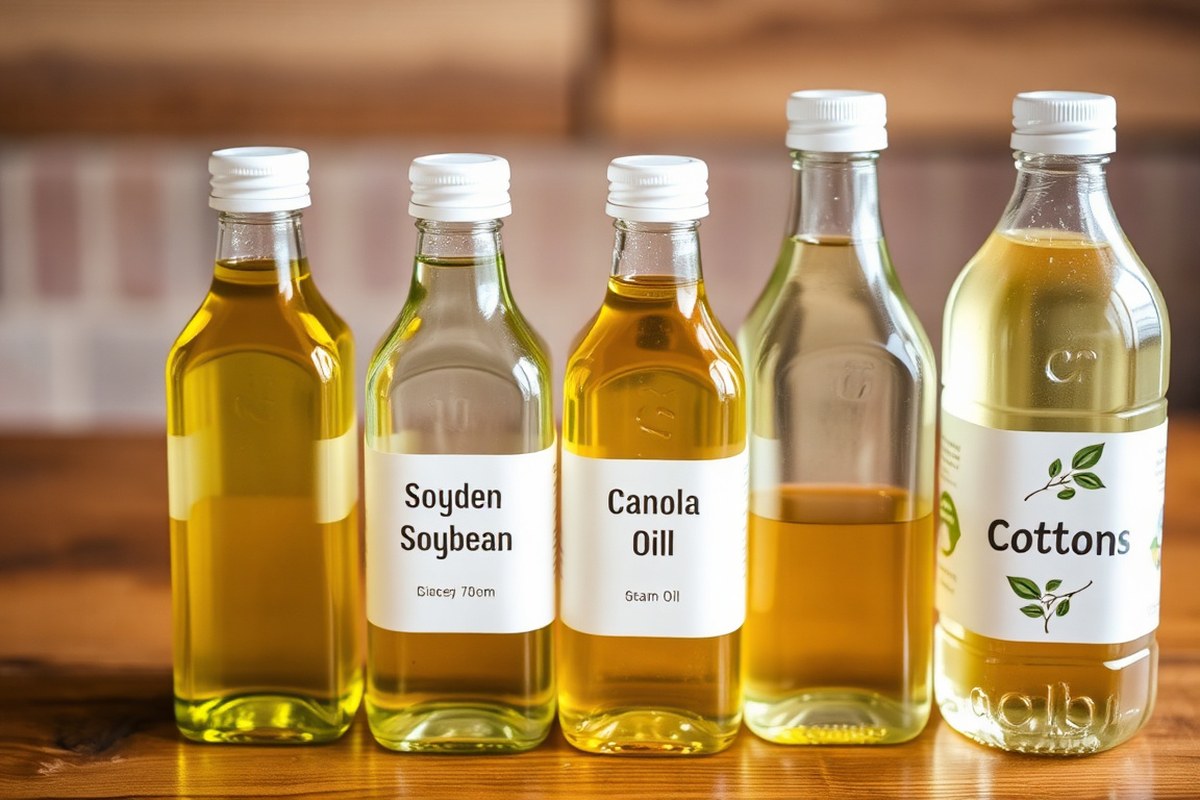
Wendy’s uses a blend mainly made up of soybean, canola, and cottonseed oils. This mix is common because these oils handle high heat well without breaking down. Corn oil may also be part of the blend depending on availability.
Each of these oils is derived from seeds, not common vegetables you’d cook at home. They provide a neutral flavor and a high smoke point that suits deep frying. This keeps the fries and chicken crispy without a burnt taste.
Role of Palm Oil and Its Sustainability
Palm oil is sometimes in Wendy’s oil blend. It handles frying heat well. That’s why they use it.
Its use varies by region and availability. Wendy’s mentions that any palm oil used is sourced sustainably.
Sustainably sourced palm oil comes from farms that follow rules. These farms limit environmental harm. That keeps the planet safer.
These steps help reduce deforestation and protect wildlife habitats. Customers concerned about palm oil impact can look for this label.
Use of Hydrogenated Oils
Wendy’s frying oils include hydrogenated soybean oil in some blends, especially for breading and frying chicken. Hydrogenated oils contain trans fats formed during processing. However, the levels are controlled to meet US food safety standards.
Hydrogenated soybean oil adds stability to the frying oil by preventing it from going rancid quickly. This means fewer oil changes and consistent taste.
It does not mean the oils are completely free of trans fats. But regulations limit the amounts.
Regional Variations in Oil Blends
Oils used in Wendy’s frying blend can vary by country and region. Canada often uses soybean, canola, and corn oils together. In the US, soybean, canola, and cottonseed oils are most common with some corn oil.
Availability, cost, and local preferences influence which oils make the final blend at each location. This causes minor differences in taste and frying performance. Regional suppliers and USDA guidelines also play roles in these choices.
Check Wendy’s ingredient list for your location. This helps avoid specific oils. Watch out for hydrogenated and palm oils.
How Has Wendy’s Frying Oil Changed over Time?
Wendy’s has largely used vegetable oils since it opened in 1969. Unlike many chains, Wendy’s started with seed oils. They did not cook fries in beef tallow.
This has been true since the beginning. Over time, Wendy’s changed their oil blend.
They moved away from trans fats. This helped meet health standards.
Early Years and Use of Vegetable Oils
Wendy’s launched in 1969, well after many restaurants had shifted from animal fats. The company chose vegetable oils for frying fries and cooking burgers. Using vegetable oils became popular.
People saw them as “heart healthy.” Wendy’s followed this trend early on.
McDonald’s used beef tallow until about 1990. Wendy’s never used animal fats for frying. They stuck with seed oils from the start.
Wendy’s fries were made with vegetable oils early. This choice made the food lighter. It also cut saturated fat.
Reason for Avoiding Animal Fats
Beef tallow contains very little omega-6 linoleic acid, about 3 to 5 percent. Wendy’s frying oils have closer to 50 or 60 percent of this fatty acid. The higher omega-6 content in vegetable oils offers different cooking qualities and nutritional profiles.
Vegetable oils also help reduce the cost of frying compared to animal fats. Wendy’s menu prices and supply chain efficiency benefit from these cheaper, stable oils.
Changes in Oil Blends over Time
Wendy’s has made minor adjustments to their oil blend as concerns about health and nutrition changed. Recently, Wendy’s stopped using partially hydrogenated oils. They switched to non-hydrogenated oils.
This avoids harmful trans fats. This switch took place as the FDA increased restrictions on trans fats.
Some of Wendy’s early frying oils included canola and cottonseed oils, which are common seed oils. The exact blend is kept secret but focuses on quality and cooking performance.
Recent Testing of New Frying Oils
Wendy’s has tested new blends in over 370 restaurants across some states and Canada. These tests aim to lower trans fat content while maintaining the fry’s signature taste and texture. It took more than a year to develop and roll out these improvements.
Wendy’s aims to follow health rules closely. They respond to customer desire for healthier frying oils.
This is an ongoing effort. It also highlights how fast-food chains must balance cost, nutrition, and flavor.
Why Wendy’s Sticks with Vegetable Oils
Switching back to animal fats like beef tallow would change the oils’ taste and characteristics. Vegetable oil blends fry food evenly. They stay stable when the fryer gets very hot.
Wendy’s uses these blends for this reason. The company also responds to price changes and supply availability around seed oils.
For those who avoid seed oils, Wendy’s cooking oils may still be a concern. Blended vegetable oils work best for Wendy’s.
They keep costs down and meet rules. Customers also expect this oil type.
Why Does Wendy’s Use a Vegetable Oil Blend Instead of Animal Fats?
Cost and Supply Influence Oil Choices
Vegetable oils tend to cost less than animal fats for large-scale use. Soybean oil, which Wendy’s favors, is widely available in the U.S. At a stable price.
Restaurants like Wendy’s pick oils that keep costs down without sacrificing quality. Switching to less common oils could boost expenses and disrupt supply chains.
Health Benefits Favor Vegetable Oils
Vegetable oils generally offer healthier fat profiles, with more monounsaturated and polyunsaturated fats. These fats can help reduce heart disease risk.
They do this better than saturated fats found in animal fats. That may make them a healthier choice for your diet.
Using a vegetable oil blend also helps Wendy’s align with trends in healthier eating. It supports customers who want lower saturated fat intake without changing the taste.
Taste and Cooking Performance Matter
A vegetable oil blend gives a neutral flavor that doesn’t overpower Wendy’s food. It preserves the taste customers expect from fries and sandwiches.
These oils resist burning at normal frying temperatures. This prevents harmful compounds and keeps food quality steady. You get safer, better-tasting fried foods this way.
Allergies and Safety Rules Favor Plant Oils
Wendy’s avoids peanut oil since peanut allergies rank high among adults and children. Using soybean and corn oils reduces serious allergy risks in their kitchens.
Animal fats carry different safety and handling challenges. Plant oils simplify meeting health codes and allergy safety standards across thousands of locations.
Sustainability and Supplier Practices
Wendy’s works with suppliers who practice sustainable farming to get their vegetable oils. They also recycle used cooking oil to reduce environmental impact.
Although some palm oil is part of the blend, the company ensures it’s sustainably sourced. This supports environmental goals while maintaining oil quality and availability.
Are Wendy’s Frying Oils Free from Trans Fats and Safe for Allergies?
Wendy’s frying oils do not contain industrial trans fats in their finished products. For example, a medium serving of fries in the U.S. Shows 0 grams of trans fat on the nutrition label. Wendy’s uses a mix of non-hydrogenated vegetable oils.
These include canola, corn, and soybean oils. They have low saturated fat and no added hydrogenation.
Hydrogenation is a chemical process that turns liquid oils into solids and creates harmful trans fats. Wendy’s stopped using partially hydrogenated oils for frying since at least 2006. Seeing hydrogenated soybean oil in the ingredients doesn’t always mean there are industrial trans fats.
The meals may still be free of these fats. This labeling can be confusing. But Wendy’s aims to keep those at zero grams across the menu.
Wendy’s also avoids peanut oil due to allergy risks. Their frying oil blend contains no peanut or other nut oils. This helps protect people with common allergies.
It’s safer for most customers. Peanut oil can cause severe allergic reactions.
Wendy’s uses vegetable oil blends instead. This lowers the risk of allergic incidents in their restaurants.
The oils Wendy’s uses provide healthier unsaturated fats, mostly monounsaturated and polyunsaturated types. Canola oil contributes omega-3 fatty acids, which your body needs but can’t make. This helps improve heart health compared to frying in saturated or trans fat-rich oils.
Check Wendy’s allergen info before ordering. Ask staff if you have severe nut allergies. It’s a good step to stay safe.
What Is the Impact of Wendy’s Oil on Nutrition and Health?
Wendy’s frying oil blend contains high levels of omega-6 fatty acids. These come mainly from seed oils like soybean, canola, and corn oil. Omega-6 fats are essential but too much can promote inflammation, which may affect heart health negatively.
The oil blend does not contain trans fats, which is a plus for cardiovascular health. These oils have a high omega-6 to omega-3 ratio. Eating them often can increase inflammation.
That can harm your health over time. Older frying fats like tallow have more stable fat profiles.
They have less risk of causing inflammation. This is different from seed oils.
Frying in these oils adds calories and fat to Wendy’s fries. A medium portion has about 360 calories and 17 grams of total fat.
Most of this fat is unsaturated. But the omega-6 content can outweigh some benefits, so moderation is key.
| Nutritional Measure | Medium Fries |
|---|---|
| Calories | 360 |
| Total Fat | 17 g |
| Saturated Fat | 3 g |
| Trans Fat | 0 g |
| Sodium | 420 mg |
| Carbohydrates | 47 g |
| Dietary Fiber | 4 g |
| Protein | 5 g |
The calorie and fat content come mostly from the frying oil. Seed oils give a lot of omega-6 fat. This raises heat during frying.
It also increases the risk of inflammation. Choosing fries as an occasional treat helps limit any negative impact on heart health.
For better balance, pair fries with foods higher in omega-3s. This can help offset the extra omega-6 from the frying oil. Keeping an eye on frequency and serving size will help manage calorie intake too.
How Does Wendy’s Oil Choice Compare to Other Fast-Food Chains?
Wendy’s uses a vegetable oil blend, mostly soybean and corn oils. These oils are low in saturated fat and cholesterol.
This puts Wendy’s in line with chains like McDonald’s. Burger King also uses similar vegetable oils for frying.
None of these major chains currently use animal fats for frying. Animal fats like beef tallow were common in the past.
They often contain more saturated fat and trans fats. Modern fast-food chains prefer vegetable oils for lower cost and health reasons.
Experts say oils with polyunsaturated fats, like soybean and corn, are healthier. They are better than oils high in saturated or trans fat. Vegetable oils also avoid trans fats, which raise bad cholesterol.
| Chain | Main Frying Oil | Saturated Fat Level | Trans Fat Content | Health Notes |
|---|---|---|---|---|
| Wendy’s | Soybean and Corn Oil Blend | Low | Near Zero | Contains polyunsaturated fats, heart-healthy |
| McDonald’s | Mostly Soybean Oil | Low | Minimal | Widely used, affordable, no trans fat |
| Burger King | Vegetable Oil (Soybean/Corn) | Low | Near Zero | Similar health profile as Wendy’s |
| Sonic | Vegetable Oil Blend | Low | Minimal | Tastes good, healthier than animal fats |
Wendy’s choice to use this blend supports delivering tasty fries at lower cost. For example, vegetable oil costs about $3.57 for 48 ounces at Walmart’s Great Value brand, cheaper than canola oil at $4.12.
Wendy’s does offer menu items without seed oils, like fresh beef and baked potatoes. This flexibility helps customers who want to avoid vegetable oils. The oils chosen balance health, taste, and operational needs in a fast-food kitchen.
What Options Do Customers Have to Avoid Seed Oils at Wendy’s?
All fried menu items at Wendy’s use seed oils like canola, cottonseed, and soybean oil. This means their fries, chicken, and other fried foods are cooked exclusively in seed oils. Avoid seed oils at Wendy’s by skipping fried items.
Ask for other cooking methods if they offer them. Avoid all fried options to stay clear.
Some choices don’t have seed oils. Try salads or grilled chicken sandwiches. Avoid those with fried parts.
Ask staff to leave out mayo or sauces. These might have seed oils.
Request your sandwich without those. Request no fried toppings or sides to reduce your seed oil intake.
Wendy’s doesn’t officially offer alternative oil frying or cooking methods. But you can ask for your food to be prepared without frying.
For example, ordering a grilled chicken sandwich without cheese or sauces cuts out fried oil exposure. Remember, cross-contact with fried oil can still happen in shared kitchens.
- Choose grilled items like the Grilled Chicken Sandwich without sauces
- Avoid fries, chicken nuggets, and anything labeled “crispy” or “fried”
- Opt for plain baked potatoes or side salads without fried toppings
- Ask for no mayo, sauces, or dressings that might contain seed oils
- Order drinks or fruit cups to avoid any oil exposure
Requesting no fried sides or oil-based sauces can reduce seed oil intake. But cross-contamination risks remain in shared kitchens.
Some menu items might sneak in oil in dressings or breadings not clearly marked. Check ingredients on Wendy’s site to avoid seed oils. Ask for allergen info too.
This helps if you avoid them strictly. Choose plain grilled meats or fresh salads without dressing.
Pick simple sides without frying or creamy spreads. These are your safest bets.
Fast food kitchens use the same oil for most fried items. So full avoidance needs careful choice. Being clear with the staff on your preferences helps.
It may take extra time and effort. But you can enjoy Wendy’s flavors with fewer fried seed oils this way.
How Does Wendy’s Frying Oil Differ Regionally and What Affects This?
Wendy’s frying oil changes depending on the country and region. In Latin America and parts of Asia, they use palm oil.
It’s common for frying and as a cooking ingredient. This switch happens because local resources and supplier availability shape what’s used in each market.
Local regulations also influence oil choice. Some countries have strict rules on trans fats or sustainability practices.
Wendy’s changes its oil blends to meet local rules. These rules affect the oil you get in the U.S. Can differ a lot from what’s used elsewhere.
Supplier options affect the oil blend too. Wendy’s doesn’t stick to one fixed oil across all locations.
Instead, they work with whichever reliable providers meet their quality, health, and environmental standards. This flexibility helps maintain consistent flavor and food texture worldwide, despite regional oil differences.
Sustainability matters a lot in these decisions. Wendy’s chooses oils that align with their environmental goals. In places where palm oil is common, it may be used.
They prefer it when it is sustainably sourced. Meanwhile, other countries might get blends focused more on local oils that match sustainability certifications.
To understand regional oil use, watch for three things. Local food ingredient rules, supply chain strength, and sustainability standards. These factors all shape what oil blend Wendy’s uses in your area.
At Wendy’s abroad, expect slight changes in frying oil. These changes reflect local influences but keep the same taste and quality.
Quick-Start Action Plan to Choose Healthier Frying Oils at Wendy’s
This plan helps you understand and act on Wendy’s oil use to make better choices. Follow each step to spot healthier options and reduce unwanted fats.
- Before your visit: Check Wendy’s website or app for the latest oil information. Knowing the oil blend helps you pick your meal confidently.
- At the counter: Ask if your local Wendy’s uses the standard vegetable oil blend. You can also check if they use a regional variation. This tells you what oils cook your food there.
- Before ordering: Choose items cooked with oils that have no trans fats. Avoid animal fats if you follow that diet. Notice fries and chicken are usually fried in vegetable oil blends.
- During your meal: Watch portion sizes because oil adds calories and fat. Smaller portions limit your intake of fried oil.
- After eating: Reflect if the meal felt too greasy or heavy. Next time, swap to grilled items or salads if you want less oil.
- After one week: Try tracking your fast food oil intake. You can compare how your choices at Wendy’s fit your health goals.
- After one month: Adjust your fast food habits based on your energy and digestion. Less fried oil can improve how you feel.
Frequently Asked Questions
What Oils Are Avoided by Wendy’s Due to Allergy Risks?
Wendy’s avoids peanut oil because peanut allergies are common. This helps keep their food safer for people with allergies.
Does Wendy’s Use Hydrogenated Oils in Its Cooking?
Wendy’s includes hydrogenated soybean oil in its fry blend. While hydrogenation provides stability, it may affect nutritional quality.
Are Any Animal Fats Used in Wendy’s Frying Oil?
Wendy’s fries and chicken use no animal fats, only vegetable oils. This aligns with their plant-based oil blend approach.
Can Wendy’s Customers Request Oil-Free Cooking Methods?
No specific oil-free cooking options are offered at Wendy’s for fried items. However, baked potatoes serve as an alternative side without oil.
Is Cottonseed Oil Part of Wendy’s Fry Oil Blend?
Yes, cottonseed oil is one of the oils in Wendy’s frying blend. It contributes to the texture and flavor of their fries.
Key Points to Remember
Wendy’s uses a vegetable oil blend mainly made from soybean and canola oils. These oils are free from trans fats but still add calories and fats to fried foods. Use this knowledge to pick meals that fit your health needs and preferences better.