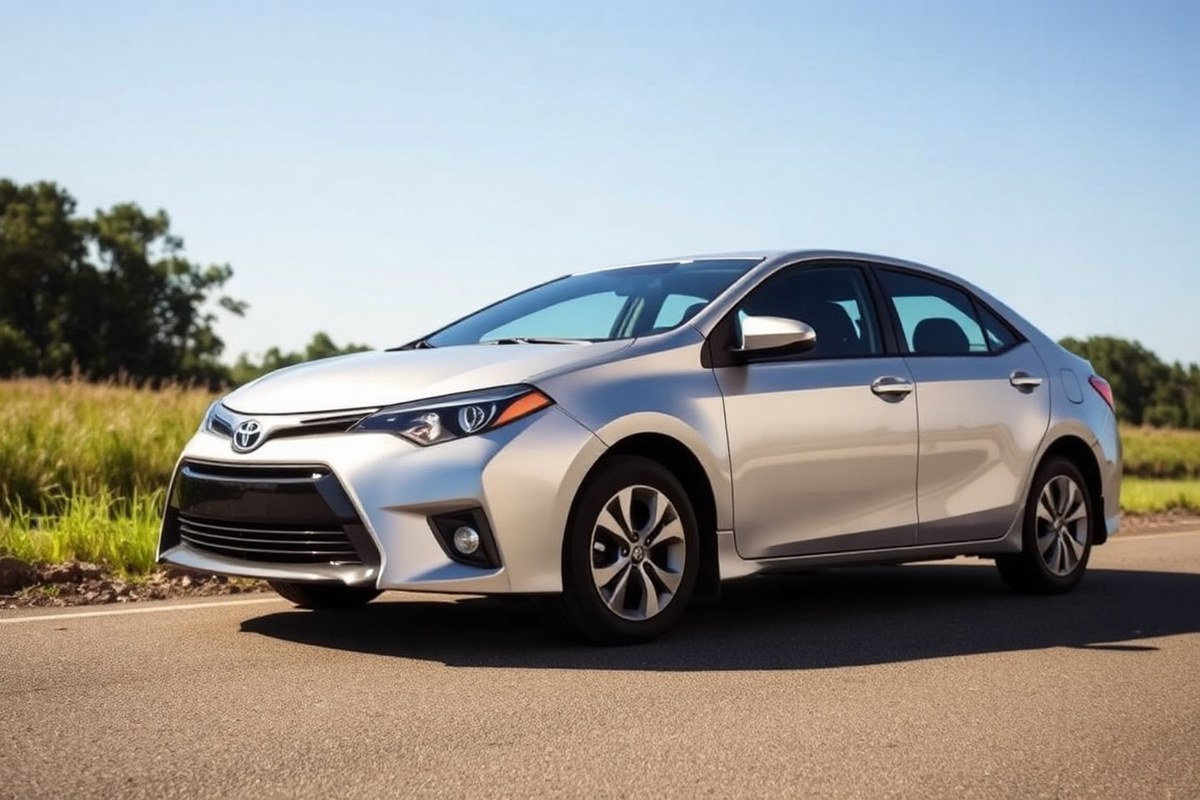
How Many Miles Can a Toyota Corolla Last? A Complete Guide for Longevity
Drivers often ask about the lifespan of a Toyota Corolla. This car usually runs 200,000 to 300,000 miles with good maintenance. Some Corollas have even gone beyond 300,000 miles due to solid construction.
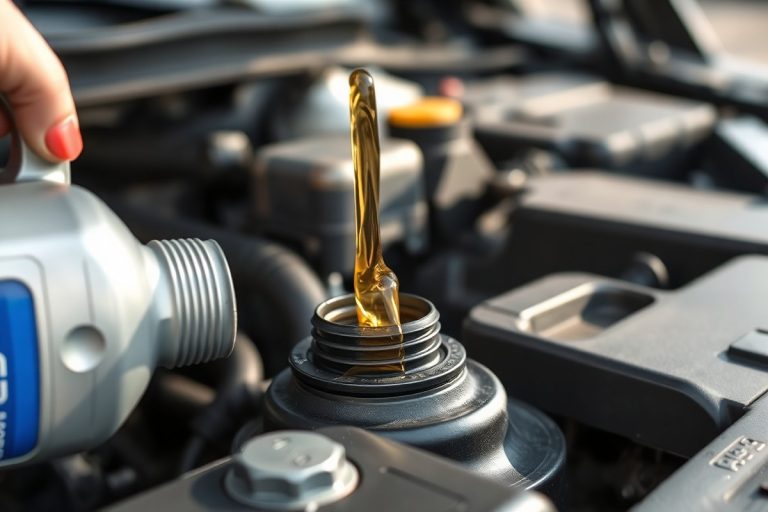
A key factor is regular maintenance, like timely oil changes and brake inspections. Using quality synthetic oil every 5,000 to 7,500 miles really keeps the engine healthy. Watch for signs like unusual noises or leaks, which can hint at bigger problems ahead.
Taking care of your Toyota Corolla from day one helps it reach these high mileages. A well-maintained Corolla not only saves money but stays reliable for years.
The question isn’t just how many miles it can last. But how long you keep it roadworthy.
Key Takeaways
- A Toyota Corolla typically lasts 200,000 to 300,000 miles with proper maintenance.
- Using synthetic oil and changing it every 5,000 to 7,500 miles helps keep the engine healthy.
- Depending on driving habits, brake pads typically need replacement after 25,000 to 60,000 miles.
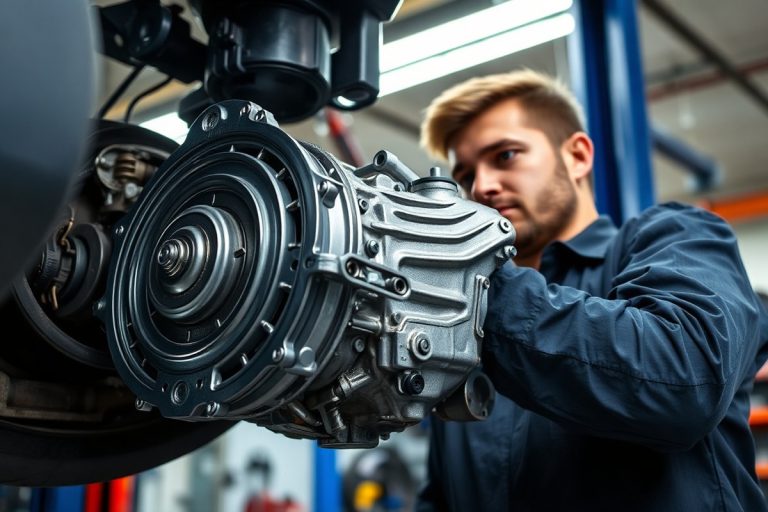
- The transmission may last up to 200,000 miles but needs care to avoid failure.
- Maintaining a full service history boosts the Corolla’s lifespan and resale value.
- Corollas with under 100,000 miles and good care are generally in excellent shape.
How Many Miles Can a Toyota Corolla Last on Average?
A Toyota Corolla can run from 200,000 to 300,000 miles if cared for well. Most owners get about 15 to 20 years out of their daily drives. Keeping up with regular oil changes and repairs helps reach these mileages.
Reaching 300,000 miles is common if you follow the recommended service schedule. Tasks like oil changes, brake checks, and fluid replacements keep the engine and parts healthy. Without these, a Corolla might stop running well after 150,000 to 200,000 miles.
Some drivers have even gone beyond 300,000 miles by staying on top of maintenance. Still, expect repairs or part replacements after 200,000 miles to keep the car safe. Taking good care of your Corolla can add years to its life.
You might get close to 20 years or even more. Good daily habits and maintenance make a big difference.
What Factors Affect Toyota Corolla’s Longevity?
Maintenance is the biggest factor that affects your Toyota Corolla’s lifespan. Regular oil changes keep the engine clean and prevent sludge buildup. Changing oil every 5,000 miles is better if you drive mostly in stop-and-go traffic.
Following your car’s maintenance schedule means replacing worn parts early. The transmission can last up to 200,000 miles but neglect speeds up failure. Getting timely repairs avoids bigger problems and expensive fixes later.
Climate also impacts how long your Corolla lasts. Hot weather can break down engine oil faster and cause tire wear.
Cold weather may thicken fluids, so using the right oil viscosity helps. Dry, mild climates tend to help cars last longer overall.
Your driving style plays a big role. Gentle driving with smooth acceleration and braking causes less wear and tear.
Hard stops or aggressive acceleration strain your Corolla’s engine, brakes, and transmission. Keeping speeds moderate helps extend parts life and fuel efficiency.
Accident history can reduce your Corolla’s lifespan if repairs are done poorly. Frame damage affects safety and handling. When buying a used Corolla, get a full inspection first.
It checks how well repairs were done and avoids surprises. Keeping your car in safe shape with proper repairs means fewer surprises.
Change your oil on a regular schedule. This prevents engine damage. Do it often if you drive in tough conditions.
Toyota Corolla Maintenance Schedule for Maximum Lifespan
Following Toyota’s maintenance schedule helps your Corolla last longer. Regular oil changes, tire rotations, and fluid checks keep it running smoothly. Sticking to these intervals reduces wear on your engine and other parts.
Every 5,000 Miles: Oil and Filter Change, Tire Rotation
Change the engine oil and filter every 5,000 miles using high-quality oil. This keeps the engine lubricated and prevents damage from dirty oil. Skipping this can lead to expensive repairs later on.
Rotate tires at the same 5,000-mile interval to promote even wear. Uneven tires reduce fuel efficiency and affect handling. While rotating, check brake pads for wear and listen for unusual noises.
- Replace oil and oil filter every 5,000 miles
- Rotate tires every 5,000 miles to prevent uneven wear
- Inspect brakes at every oil change
- Check tire pressure and adjust as needed
- Look for leaks or damage under the car
Regular tire rotation and brake inspection help catch issues early. Balanced tires and good brakes improve safety and comfort. Avoid long gaps between oil changes to protect the engine from sludge buildup.
Every 30,000 to 60,000 Miles: Transmission Fluid and Drive Belt Checks
Flush and replace the transmission fluid every 60,000 miles to keep the transmission shifting smoothly. Dirty or old fluid causes premature wear and expensive failures. Some owners replace it earlier around 30,000 miles for extra protection.
Check the drive belts for cracks, fraying, or glazing at this interval. Worn belts can cause loss of power steering, charging issues, or overheating. Replace belts as needed to avoid getting stranded.
- Change transmission fluid every 60,000 miles (or earlier if severe driving)
- Inspect drive belts for damage and replace if worn
- Check brake fluid and top off as needed
- Inspect steering and suspension components
- Look for leaks around transmission and engine
Transmission fluid refreshes performance and extends transmission life. Drive belt wear is easy to miss but leads to bigger problems quickly. Address these tasks on time to keep major systems healthy.
Every 100,000 Miles: Spark Plugs and Coolant Replacement
Replace spark plugs around 100,000 miles to maintain fuel efficiency and engine smoothness. Old plugs cause misfires, rough idling, and wasted gas. This service usually costs $100 to $200 depending on labor in your area.
Flush and replace coolant at 100,000 miles to stop corrosion and overheating. Old coolant loses its protective properties and can cause water pump failure. Watch for coolant leaks or overheating signs before this interval too.
- Replace spark plugs near 100,000 miles
- Flush and renew engine coolant every 100,000 miles
- Inspect water pump, especially if coolant was neglected
- Check radiator hoses for cracks and swelling
- Monitor engine temperature gauge regularly
Changing spark plugs and coolant extends engine life and prevents big issues. Neglecting these leads to overheating and poor engine performance. Performing these services well on time keeps your Corolla reliable past 200,000 miles.
Common Problems That Can Shorten Corolla Lifespan
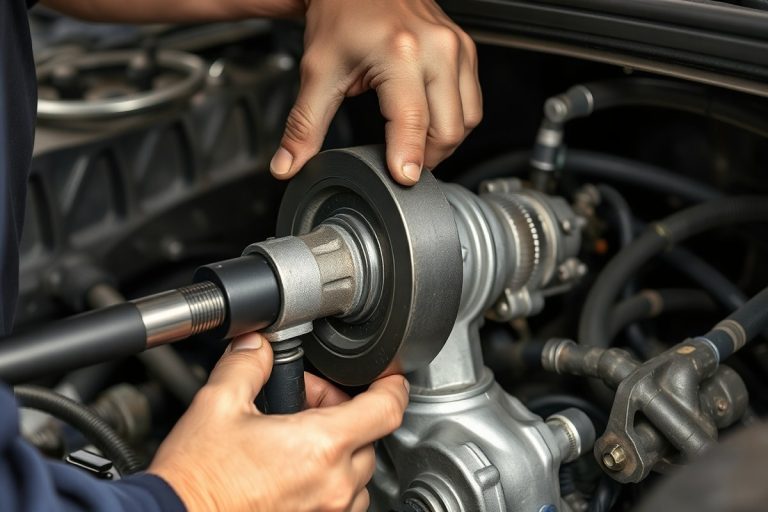
Engine and transmission problems often shorten a Toyota Corolla’s life. These issues are the most common mechanical problems. They can cause the car to wear out faster.
The 1ZZ-FE 1.8L engine, found in many E120 models, is known for its reliability. Missing oil changes every 30,000 miles can cause engine wear. Not replacing oil filters also leads to timing chain problems.
Regular maintenance helps avoid these issues. Transmission problems usually happen after 150,000 miles. You might feel rough shifting or slipping in automatics.
This means the fluid is breaking down or parts are worn. Early fixes for these problems cost between $300 and $1,000.
The price depends on parts and labor needed. Fixing small issues helps avoid costly major repairs.
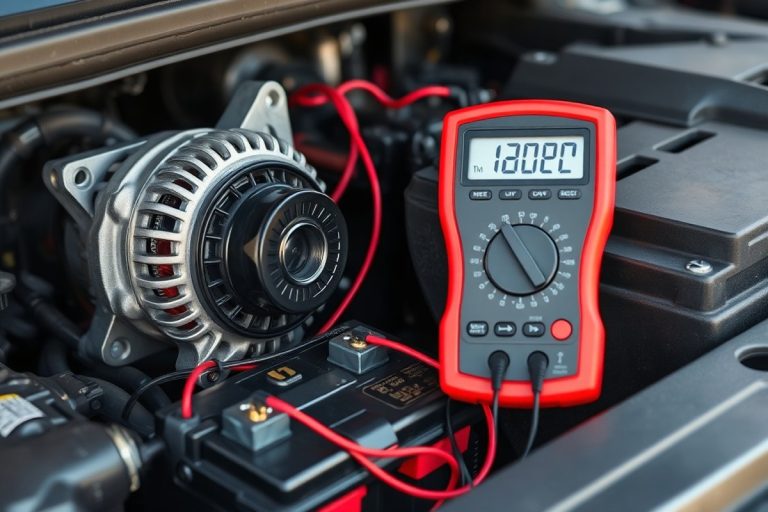
Electrical problems can make your Corolla less reliable. Luckily, these issues tend to be minor. They are usually easier and cheaper to fix.
Common electrical quirks include faulty door locks, dashboard warning lights, or power window malfunctions. These usually stem from worn switches or loose wiring rather than major system failures. Watch out for warning lights or odd electrical behavior.
Small electrical issues can get worse if ignored. Fix them early to save money and trouble. Finding electrical faults may need a scan tool.
A shop will charge about $100 to $200. This tool reads error codes to pinpoint the problem.
Watch for odd noises from the engine or transmission. Sudden power loss or jerky shifting are warning signs. These could signal serious Corolla issues.
Warning lights like the check engine or transmission temp light blink first. These alerts show mechanical problems on the way. Don’t ignore these signals.
Electrical symptoms to watch for include flickering dashboard lights, non-working accessories, or problems starting the car. Spotting problems early lets you plan repairs sooner. Repairing early keeps damage from getting worse.
This helps your Corolla last 200,000 to 300,000 miles. Ignoring symptoms can lead to breakdowns or costly repairs that cut your car’s useful life.
How Long Do Key Toyota Corolla Parts Typically Last?
Your Corolla’s key parts last different amounts of time. Brakes typically need replacement every 30,000 to 70,000 miles.
This range depends on driving habits and road conditions. Tires wear down in 25,000 to 50,000 miles, depending on the brand and driving style.
Spark plugs in modern Toyotas use platinum or iridium. They usually last between 60,000 and 100,000 miles.
Transmission fluid should be changed around every 60,000 miles to keep the system healthy. Replacing these fluids and plugs on time prevents costly damage.
| Part | Typical Lifespan (Miles) | Why Replace? | Replacement Tip |
|---|---|---|---|
| Brakes (Pads and Rotors) | 30,000 – 70,000 | Worn pads reduce braking power and can damage rotors | Listen for squealing and watch stopping distance |
| Tires | 25,000 – 50,000 | Worn tread reduces grip and increases blowout risk | Check tread depth regularly, replace at or below 2/32 inch |
| Spark Plugs | 60,000 – 100,000 | Old plugs cause misfires, poor fuel economy, rough idling | Replace as per maintenance schedule or if engine stalls |
| Transmission Fluid | ~60,000 | Dirty fluid causes shifting issues and transmission wear | Flush and replace fluid according to owner’s manual |
| Battery | 3 – 5 years | Weak battery causes starting problems and electrical faults | Test annually and replace before it fails |
| Hybrid Battery (if applicable) | 150,000 – 200,000 | Hybrid systems rely on battery health for efficiency | Usually covered by warranty; monitor warning lights |
Brakes lose effectiveness before they fully wear out. Pay attention to noise and pedal feel. Tires show tread wear or cracks when old.
Replace them to avoid skids and accidents. Spark plugs affect smooth engine running. Delaying replacement causes sluggish starts and lower miles per gallon.
Transmission fluid keeps gears shifting smoothly. Dirty or old fluid strains the transmission. Changing it can cost $100 to $200 but saves expensive repairs.
Batteries need testing yearly especially in cold or hot climates. Weak batteries fail without warning, stranding you unexpectedly.
Ignoring brake noise or rough shifting can cost much more later. Act early when you notice changes.
Which Toyota Corolla Model Years Are Best for Longevity?
Toyota Corollas from certain years stand out for lasting longer with fewer repairs. Models from 2013, 2016, and 2019 are often praised for their durability. The newest ones, 2020 and later, also show strong reliability but may cost more upfront.
Some older Corollas can have issues that result in expensive repairs. For example, early 2010s models sometimes faced transmission troubles. Knowing the engine type helps, too.
Toyota changed engines several times. Newer designs tend to be more efficient and last longer.
| Model Year | Reliability Rating | Common Issues | Engine Type |
|---|---|---|---|
| 2013 | High | Minor electrical faults | 1.8L 4-cylinder, reliable |
| 2016 | High | Few reported problems | 1.8L or 2.0L Dynamic Force |
| 2019 | High | Rare transmission issues | 2.0L Dynamic Force |
| 2020+ | High | No major reports yet | 2.0L Dynamic Force, hybrid options |
Choosing a Corolla from these years helps avoid costly repairs and down time. Engines like the 2.0L Dynamic Force offer better fuel economy and last longer with good care. Older Corollas can still run well but might need more frequent attention.
To pick the best year, check repair histories and engine type carefully. Use online reviews and recall information to spot potential red flags. Expect to pay higher prices for newer models but get newer technology and longer warranty coverage.
How Does Toyota Corolla Longevity Compare to Competitors?
Toyota Corolla’s lifespan and reliability rank highly compared to its rivals. The Honda Civic holds a slight edge in the percentage of cars surpassing 150,000 miles. Still, the Corolla’s highest mileage tops them all at 340,000 miles.
Maintenance costs for the Corolla are usually lower than the Elantra’s. This makes the Corolla more cost-effective over time. You save money on repairs and upkeep.
Here’s a comparison to show how these compact cars stack up by mileage and reliability:
| Model | Sample Size | Cars With 150,000+ Miles | % With 150,000+ Miles | Highest Mileage |
|---|---|---|---|---|
| Toyota Corolla | 17,297 | 782 | 4.52% | 340,000 |
| Honda Civic | 21,284 | 1,009 | 4.74% | 340,000 |
| Hyundai Elantra | 11,555 | 336 | 2.90% | 260,000 |
| Chevrolet Cruze | 7,633 | 356 | 4.66% | 250,000 |
The Corolla is often favored in areas where repair costs matter. Average annual maintenance runs about $362 for the Corolla. That’s $90 less than it costs yearly to maintain a Hyundai Elantra.
Mechanics know the Corolla well, so repairs can be quicker and cheaper. The Ford Focus usually lasts up to 250,000 miles.
The Corolla can go beyond 300,000 miles. That’s a big difference in how long they last.
Long-term reliability hinges on regular maintenance, no matter the model. The Corolla shines when owners stick to its care schedule and use trusted parts. This consistency helps keep the cost of ownership manageable for years.
Toyota Corolla tends to last longer than many rivals. It usually needs fewer unexpected repairs. You can count on it to keep running well.
Is Buying a High-Mileage Toyota Corolla Worth It?
Buying a high-mileage Toyota Corolla can be a smart choice. Check if the car shows good care. It should have proper upkeep.
Typically, 200,000 miles or more is considered high mileage for a Corolla. You must check the vehicle’s condition closely to decide if it’s worth the investment.
Signs of a Well-Maintained High-Mileage Corolla
A well-maintained Corolla often has clear maintenance records showing regular service every 5,000 to 7,500 miles. The timing belt or chain should be replaced as recommended. This usually happens around 90,000 to 105,000 miles.
Make sure this was done. Tires, brakes, and fluids will look fresh or recently changed, indicating consistent upkeep.
Look under the hood for clean engine parts and no oil leaks. The engine should start smoothly without unusual noises or smoke. The interior should be clean with no major wear.
Seats and controls should look well kept. This shows the car wasn’t heavily abused.
Red Flags to Avoid When Buying
Major rust spots can cause serious problems. Look especially on the frame or undercarriage. These rust issues should be deal breakers.
Check for uneven tire wear, which often signals alignment or suspension problems. Warning lights on the dashboard that stay on after starting the car indicate unresolved issues.
Missing or patchy maintenance records can mean the car wasn’t properly cared for. Excessive oil consumption or engine knocking sounds after cold starts point to engine trouble. Test the brakes and steering for unusual feelings.
Check for pulling to one side. Listen for grinding noises.
- Rust on frame or undercarriage
- Uneven tire wear signs
- Dashboard warning lights active
- No or incomplete maintenance history
- High oil consumption or strange engine noises
- Brakes or steering with unusual feel
Questions to Ask the Seller
Ask for the car’s full maintenance history, including oil change dates and major repairs. Find out if the timing belt or chain has been replaced and when. Inquire about past accidents or damage, and whether the car has clean title documentation.
Ask the seller if there are detailed service receipts. Find out if major parts were replaced recently. This helps know the car’s history.
A good seller should be transparent about any known issues. Confirm how often the car was driven daily.
Mostly highway miles are easier on the vehicle. This matters more than city driving.
Always have a trusted mechanic inspect a high-mileage car before you buy. It can save you costly repairs later.
Tips to Make Your Toyota Corolla Last Longer
Your Toyota Corolla can go past 200,000 miles with care. Drive gently and keep up with regular maintenance. Store it properly to protect it from damage.
Driving style and maintenance greatly affect your car’s key parts. Engine, transmission, and body condition depends on your habits.
Treat your Corolla well to extend its life. Small habits add up to big gains in durability and performance.
Driving Habits That Reduce Wear
Smooth driving cuts wear on key components like the engine, brakes, and transmission. Avoid hard acceleration, sudden braking, and fast turns to reduce stress. Starting in a low gear and shifting gently prevents transmission damage.
Keep your speed steady on highways. Fast acceleration and frequent stops speed up engine wear. Using cruise control on long drives helps maintain a constant pace and reduces fuel use.
Idle your engine only when necessary. Excessive idling wastes gas and wears spark plugs. Turn off the engine if you wait longer than a minute or two.
Seasonal and Climate Care Tips
Corollas in snowy or salty regions need special attention to prevent rust. Wash your car often in winter to clear road salt and grit. Wax one or two times per year to seal the paint and block moisture.
Hot climates can dry out seals and hoses. Use UV protection sprays and check rubber parts for cracks. Park in the shade or use a sunshade to reduce interior and exterior heat damage.
- Wash undercarriage weekly in winter months
- Wax your Corolla every spring and fall
- Apply rubber conditioner on door seals twice a year
- Check tire pressure monthly, temps change it
- Use a car cover if parking outside for long
In both heat and cold, check the coolant system regularly. Stop leaks early to avoid engine overheating or freezing. Poor coolant maintenance risks costly engine damage.
Routine Inspections and Preventative Measures
Doing routine inspections helps catch minor issues early on. Each month, look over tires, belts, and any fluid leaks carefully. To keep your engine safe, swap the oil every 5,000 to 7,500 miles.
Replace filters on schedule to protect fuel flow and air intake. Change spark plugs every 60,000 to 100,000 miles depending on your model. Follow the owner’s manual for timing belt or chain checks if applicable.
- Check and top up fluids monthly (oil, coolant, brake)
- Inspect brakes and tires every 6,000 miles
- Rotate tires every 6,000 to 8,000 miles
- Test battery and clean terminals twice a year
- Schedule professional tune-ups when recommended
Ignoring small signs like strange noises or smells can lead to bigger failures. Spending about $300 to $400 a year on maintenance helps the car reach 300,000 miles. Patience with routine care beats costly repairs later.
Your Quick-Start Plan to Help Your Toyota Corolla Last Longer
Follow these simple steps to keep your Corolla running well and reaching high miles. This plan helps you track your car’s upkeep with clear goals.
- Week 1: Check your owner’s manual for the schedule. This shows when to do oil changes and tune-ups.
- Month 1: Get an oil change and inspect filters. A clean engine means better mileage and fewer problems.
- Month 3: Examine tire condition and air pressure. Proper tires keep your ride smooth and save fuel.
- Month 6: Test brake function and fluid levels. Staying safe means avoiding costly repairs later.
- Every 12 Months: Have a mechanic do a full inspection. Catch small issues before they grow.
- Before Long Trips: Check coolant and belts. This prevents breakdowns during your travels.
- Ongoing: Listen for strange noises or changes in performance. Quick fixes go a long way in lasting life.
Frequently Asked Questions
Can a Toyota Corolla Last 500,000 Miles?
Yes, it can, but this is rare and requires exceptional upkeep. Most Corollas reach around 300,000 miles with regular maintenance.
How Many Miles Is Too Much for a Used Toyota Corolla?
Above 200,000 miles means you should check maintenance records carefully. A well-maintained Corolla can still run well past that.
What Toyota Corolla Years to Stay Away From?
Avoid years with known issues like some early 2000s models. Check consumer reports for specific problematic years before buying.
What Is the Highest Mileage a Toyota Corolla Can Have?
Some Corollas have hit around 340,000 miles with solid care. This shows how durable these cars can become.
Does Driving Mostly on Highways Extend a Toyota Corolla’s Lifespan?
Yes, highway miles cause less wear than city driving. Less stop-and-go means reduced stress on the engine and brakes.
Final Thoughts
Your Toyota Corolla can last well beyond 200,000 miles with care. Regular upkeep slows wear and avoids big repairs. Start with the maintenance schedule today and protect your investment.