How Long Does Oil Paint Take to Dry: Complete Guide with Timelines & Tips
How long does oil paint take to dry is a common question among painters. Oil paint usually feels dry in 2 to 12 days. How fast depends on the pigment and thickness.
Thicker layers take longer to dry. Thin layers will dry faster, so plan to wait before adding new paint.
Fully curing oil paint takes much longer, often 6 months to a year. Full drying means the paint hardens through completely. This makes it stable enough to varnish.
You can also frame your painting at this stage. Avoid rushing this stage because the paint can remain soft deep inside for months.
Temperature affects drying speed too. Store your painting somewhere warm, about 70 degrees Fahrenheit. This helps it dry evenly and prevents issues.
Avoid cold places that slow drying. Cold or thick layers slow the drying process significantly.
Key Takeaways
- Oil paint becomes touch-dry after 2 to 12 days. The drying speed changes with pigment and thickness. Thicker applications slow the drying time.
- Wait 6 months to a year for full curing before varnishing or framing.
- Thin paint layers dry faster than thick, heavy applications.
- Maintain a warm temperature near 70°F (21°C) to speed drying safely.
- Don’t add new layers until the previous layer is fully touch-dry.
- Be patient; thick layers can stay soft for weeks or longer.
How Long Does Oil Paint Take to Dry and Fully Cure?
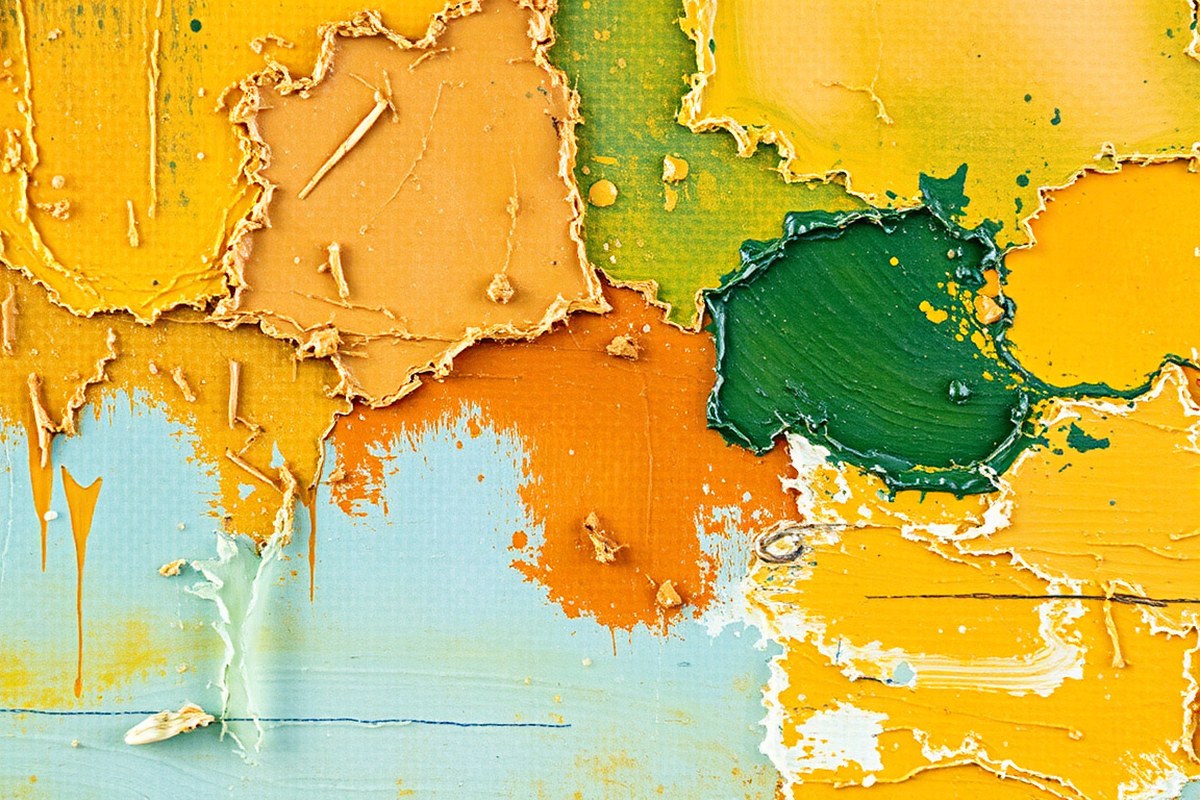
Oil paint usually becomes touch-dry within 2 to 12 days. This range depends a lot on the pigment and thickness of the paint layer. Thin layers with earth tones dry to touch in 2 to 7 days.
They feel dry but are still fragile underneath. Watch carefully before handling your painting.
Thicker oil paint layers take longer to dry. The oil needs to oxidize through more paint. This slows the drying process.
For example, a heavy impasto layer might take several weeks to become touch-dry. Surface drying can happen faster, sometimes within hours or a day. But that doesn’t mean the paint is ready to work on.
Touch-dry paint isn’t fully cured yet. Curing makes it stronger and more stable. It may take weeks to cure.
This curing process can take 6 months to a year. Fully cured paint feels neither soft nor sticky.
It lasts longer and holds up well. This stage is best for varnishing or framing.
Thick layers slow drying because oxygen has to penetrate the entire paint film. Thin layers dry faster since they expose more surface area to the air. This is why thin underlayers dry quickly while thick top layers take longer to harden.
Working on oily, wet paint before it’s touch-dry can ruin your work or cause cracking. Waiting at least a week for thin layers and more for thick ones helps avoid this. Planning your painting sessions with drying times in mind gives the best results.
Environmental factors like warmth and airflow also influence drying. A warm, well-ventilated room speeds up drying by helping oil oxidize faster.
Cooler, more humid spaces slow this process. So drying times can vary quite a bit between studios.
What Are the Stages of Oil Paint Drying?
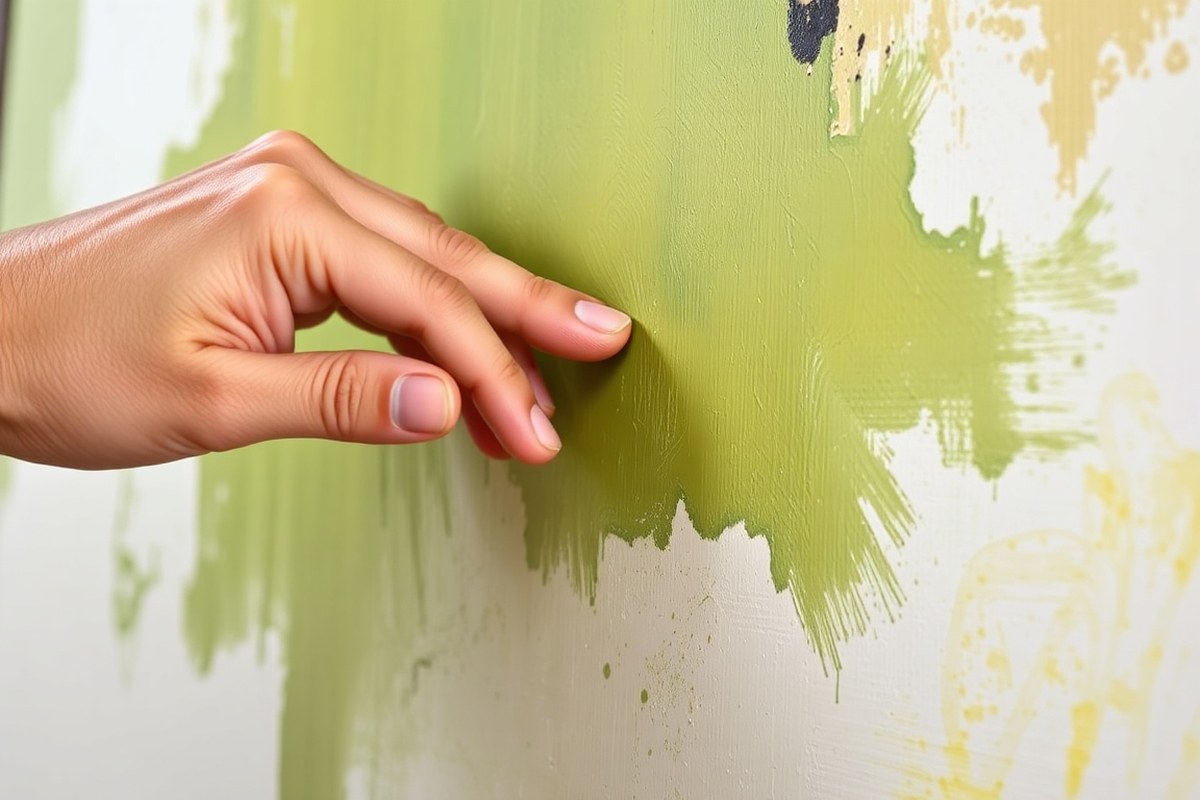
Oil paint drying happens in clear stages you can feel and see. Each step shows how safe the paint is to touch or add the next layer. Knowing these stages helps you avoid smudges and damage.
Surface Drying: The Initial Hours
Surface drying usually starts within a few hours and lasts up to two days. At this point, the paint begins to lose its wet sheen but still feels soft. The paint surface isn’t sticky but can smear if you touch it hard.
This stage matters because it prevents dust or dirt from sticking permanently. It’s safe to handle the painting gently.
But not to work over the paint yet. Thin paint layers dry faster here than thick ones, often within the first day.
Touch Dry Stage: Days to Two Weeks
The touch dry stage happens roughly between three days and two weeks after painting. The paint feels dry when it doesn’t smudge or stick anymore. Press lightly with a finger to check if it’s dry.
It should not leave marks or feel tacky. This skin layer forms on the paint surface, signaling you can carefully recoat.
Different oils affect this time. Linseed oil dries faster, often within two days.
Paints with safflower, poppy, or walnut oil may take closer to four days or more. Thick layers or heavy oil content add extra time that can stretch to two weeks.
- Do a gentle touch test with a fingertip, no nail scratching.
- Check for a dry, matte finish, not shiny or wet looking.
- Be careful not to press too hard and damage the paint.
- Wait at least 24 hours before applying a new layer.
- Work in thin layers when possible to speed drying.
Knowing when the paint is touch dry helps avoid ruining your work with smears. It’s the best time to add details or new colors safely.
Press lightly to test touch dryness; a sticky feel means wait longer before recoating.
Full Cure: Months to a Year
Fully cured paint means dryness goes all the way through the paint layer. This can take from six months to over a year, especially if the paint is thick or oily. Once fully cured, the paint is firm and ready for varnish, framing, or shipping.
Paint feels fully cured when it’s hard and doesn’t dent easily. Press gently to test for firmness. No soft spots should remain under light pressure.
The paint won’t react to mild solvent on the surface either. Handling your painting before full cure increases the risk of cracks or damage.
Patience is key for finished oil paintings. The full curing time ensures long-term protection and color stability. Thick impasto textures or paintings with many layers often require the longest curing times.
Which Factors Influence Oil Paint Drying Speed Most?
Temperature affects oil paint drying because heat speeds up the chemical reaction. Ideally, keep your studio between 65°F and 75°F for faster drying. Lower temperatures slow drying and can leave paint tacky for weeks.
Humidity also plays a major role. High humidity slows drying time since moisture blocks oxygen from reaching the paint. Aim for 40% to 60% relative humidity to balance drying speed without causing cracks or brittleness.
Pigment type changes how quickly oil paint dries. Some pigments act like drying agents, while others stay wet longer. According to Winsor &.
Newton’s drying chart, colors like cadmium red or cobalt blue dry faster, often within a few days. Pigments like titanium white and cadmium yellow take longer to dry.
They can need up to two weeks or more. This slower drying affects your painting schedule.
Here’s a rough comparison: Cadmium Red dries fastest, followed by Cobalt Blue and Burnt Sienna. Slowest are Titanium White and Cadmium Yellow. Using faster-drying pigments shortens layer drying but can affect color choices.
Layer thickness matters a lot. Thin layers dry faster because oxygen reaches all surfaces easily.
Thick layers can remain wet inside for weeks or months. When applying thick paint, expect longer drying times because the surface seals and slows internal drying.
You can manage drying by controlling environment and paint thickness. Keep the room warm and ventilated.
Use thinner layers or add drying mediums if fast drying is desired. Avoid very thick, heavy applications in humid or cold rooms.
An environmental checklist: keep temperature around 70°F, humidity between 40%-60%, and good airflow. Avoid sealed rooms or basements that trap moisture or cold air. Fans or open windows help move air and speed oxidation.
The type of oil binder in your paint also influences drying. But pigment and environment are the main ones you can manage. Knowing these factors helps you plan your work better.
You can adjust drying times to fit your process. This saves time and avoids surprises.
How Does Paint Thickness and Application Affect Drying?
Thicker oil paint layers take much longer to dry than thin ones. Applying paint in thin layers helps drying happen evenly and prevents cracks. Following proper layering methods keeps your painting stable and looking good.
Understanding Fat over Lean
Fat over lean means applying layers with more oil over layers with less oil. Lean layers dry faster because they contain less oil and more pigment or solvent. Fat layers dry slower but stay flexible longer to avoid cracking.
The rule helps your painting dry without cracks or peeling. Each new layer should have more oil than the last one underneath. This way, the bottom dries first and the top stays flexible while it cures.
Applying Thin Layers Correctly
Thin layers dry faster, usually within a few days to a week. They let oxygen get through easily, speeding drying even at room temperature. Thin glazes or washes make paint dry faster than thick, heavy strokes.
Applying thin layers stops skinning. Skinning is when the surface dries quickly. But the paint below stays soft.
This can trap solvents and cause wrinkling. Thin coats reduce this risk and create smooth drying.
Avoid soaking your brush with paint. Apply just enough to cover the area without heavy buildup. Thin layers also let you build color and detail over time without waiting long.
Handling Thick Impasto for Even Drying
Impasto uses thick paint to create texture but slows drying a lot. A thick layer can take a week or more to even become touch-dry. Oxygen struggles to reach the bottom layer, which stays wet longer.
Using thick paint risks cracking when the surface dries before the inside. This happens because the interior shrinks as it dries but cannot move freely. Prevent cracks by applying thick paint only as the final layer.
Use these steps to follow fat over lean and layer thickness:
- Start with thin base layers. Use paint thinned with odorless mineral spirits. Or choose a medium with less oil.
- Let each lean layer dry for 1 to 3 days until touch-dry before adding more paint.
- Add more oil or use a medium like Liquin for middle layers. These layers dry slower and are fatter.
- Apply mid layers thinly but with more oil to keep flexibility and better adhesion.
- Wait until mid layers feel dry, usually after several days. Only then work on the next step.
- Use thick, fat paint only on the final layer to add texture or impasto effects.
- Avoid adding thick paint on top of still-wet underlayers to prevent cracking and wrinkling.
- Keep paint temperature steady around 65-75°F and ensure good airflow to help even drying.
How Can You Safely Speed Up Oil Paint Drying?
Adding alkyd mediums like Liquin to your oil paint mix speeds drying without cracking. Alkyds speed up oxidation, so your paint forms a dry surface faster. Avoid painting alkyds over traditional oils to prevent cracking since alkyds are less flexible.
Solvents such as turpentine and odorless mineral spirits also cut drying time. Mixing small amounts into your paint reduces drying from days to under 12 hours. Stick to light solvent use to avoid weakening the paint film.
Proper ventilation and a slightly warm room help drying as well. Use a fan pointed near the canvas.
But not directly on the wet paint, to keep air moving. Warmth around 70°F to 75°F speeds the reaction that dries oil paint.
- Add a small amount of alkyd medium like Liquin to slow-drying colors.
- Use solvents such as turpentine or mineral spirits sparingly.
- Keep your painting workspace warm but avoid temperatures above 80°F.
- Point a fan nearby to circulate air without blowing on the wet paint.
- Paint in thin layers so the surface dries faster and more evenly.
- Test small spots before adding new mediums or solvents to avoid damage.
Controlled heat helps speed drying, but too much causes problems. Avoid intense heat or direct sunlight as they can crack paint or cause yellowing. Keep your workspace warm with steady, gentle heat from a heater.
Use natural daylight for light without drying the paint too fast. Avoid heat sources that cause quick drying.
Adding linseed or walnut oil improves flow but slows drying significantly. Use these oils only when you want longer workable time. For faster results, choose ready-made drying mediums instead of adding pure oils.
Never rush drying by using excessive solvents or heat, this can damage your painting permanently.
How to Test If Oil Paint Is Dry Enough to Work On?
Check if oil paint is dry enough by touching it lightly and pressing gently. These simple tests help you avoid smudging or damaging your work. You can make drying test strips to check your timing.
This helps when you paint in layers. It gives more exact drying times.
Conducting the Touch and Dent Test
To check if oil paint is touch dry, wait at least 7 hours. This works for a standard coat. Drying time depends on paint thickness.
But this depends on conditions. Gently tap your finger on the paint’s surface.
It’s likely dry to the touch if paint doesn’t stick or smudge. Avoid pressing hard to test this.
Try pressing lightly with a fingernail to test if the paint dents. A dry surface resists denting. Only do the dent test on a small, hidden area first.
This stops damage to visible layers. Wait until full curing before testing main areas.
Creating a Drying Test Strip
Test strips give you a clear record of drying times under your conditions. Use extra paint from your palette for the test. You can also use a set like Paul Rubens Professional Oil Paint Set.
Put paint on a small canvas or board for testing. Apply it just like you do on your main work.
Follow these steps to make drying test strips:
- Find a small canvas piece or thick paper to use as a test strip.
- Apply a thin, even layer of your oil paint, matching your project’s thickness.
- Label the strip with the paint color and date.
- Place the strip near your painting area so it experiences the same conditions.
- Check the strip at regular intervals using the touch and dent tests.
- Record how many hours it takes to become touch dry and dent resistant.
Recording and Interpreting Results
Note the time each strip reaches touch dryness. You can expect usual touch dry times around 7 hours for thin layers.
The dent test shows if you can add another layer safely. It stops mixing or damage to the first layer.
Keep records in a notebook or phone app so you learn how your workspace affects drying. Outdoor painting or different temperatures can change these times. Use the test strips to plan your work session and layer your paint confidently.
Common Oil Paint Drying Problems and How to Fix Them
Sticky or tacky paint days after application means it is still wet. Thick layers take longer, sometimes over a week, to dry fully on top and inside. Warm rooms speed drying but avoid hot spots or direct sunlight.
Strong heat dries just the top layer too fast. The inside stays wet, causing problems later.
Cracking usually comes from heavy paint layers drying unevenly or old oily paint under new layers. Paint shrinks as it dries. When the top hardens before the bottom, cracks form.
Bubbling happens if oil paint sits in humid air or on a poorly prepared surface. Bubbles trap air or solvents and break the smooth surface.
Dust settles on wet paint, especially if left uncovered in dusty rooms or near vents. It sticks because the paint surface is still tacky.
Avoid dust by covering the painting loosely with clean cloth or a big box. Keep the studio clean and limit air movement that stirs up dust.
- Tacky paint fix: let it dry longer, check layer thickness.
- Prevent cracking: apply thinner layers, wait for underlayers to dry fully.
- Stop bubbling: prime canvas well and keep studio humidity below 50%.
- Reduce dust: cover paintings gently, clean workspace often.
- Keep paint warm but avoid direct sunlight or hot spots.
Sticky paint is common if you add thick corrections too soon. Wait at least a week for the previous layer to harden. Thin underpainting layers usually take about 2 to 5 days.
Dry times vary with paint type and environment. Cracks spoil a painting’s look and can worsen with time.
Fix bubbling by checking primer and applying paint evenly. Too much linseed oil in the mix can trap solvents and make bubbles. Dust on a wet surface looks like debris stuck in the paint.
It can leave permanent marks once dry. Clean air and covering art is cheap and takes little time but saves stress later.
When Is It Safe to Varnish, Frame, or Ship an Oil Painting?
You should wait at least 6 months before varnishing an oil painting. Sometimes, certain pigments take longer to firm up. So the total wait can be up to 12 months.
Check if the paint feels dry by lightly pressing your fingernail on a hidden spot. It should feel hard without sticking.
Varnishing too early can trap wet paint under the surface. This leads to smudging, cloudiness, or an uneven finish that ruins your work.
The varnish layer blocks air. So the paint underneath keeps drying very slowly and risks cracking later.
After varnish, framing should only happen once the painting is fully cured. That means waiting around 12 months before shipping or hanging. A painted surface can still be soft and vulnerable for months.
So protect it well during transport. Use glass with spacers or a sealed backing to keep dust and moisture out during shipping.
Thinner paint layers dry faster but still need a long wait before varnishing. Thickly applied paints with heavy oils take longer to become firm.
Paint feels tacky or dents easily? Wait more weeks before varnishing.
Do the fingernail test on several spots on your painting. Make sure each spot feels dry before varnishing.
Types of Oil Paint and Their Drying Differences
Alkyd oil paints dry faster than traditional oils. They usually set within 24 hours. Traditional oils, like those using linseed or poppy oil, take longer, often days or weeks.
Linseed oil is the quickest drying binder among traditional oils. Poppy oil takes the longest to dry.
Alkyd paints use a synthetic oil that speeds drying by about 50%. This is why many artists pick alkyds for faster layering.
| Paint Type | Drying Time | Pros | Cons |
|---|---|---|---|
| Traditional Oil (Linseed) | 5, 7 days to touch dry | Rich color, smooth blending | Slow drying, can take weeks to cure |
| Traditional Oil (Poppy Oil) | Up to 2 weeks | Less yellowing, good for whites & light colors | Very slow drying, longer wait between layers |
| Alkyd Oil | Within 24 hours | Fast drying, good for faster workflows | May alter texture, less traditional feel |
| Alkyd + Traditional Blend | 2, 3 days | Balances speed and classic oil qualities | Still longer drying than pure alkyd |
Using alkyd paint helps when you want to speed up your work. You can finish layers daily, unlike regular oils. However, the texture changes slightly and the surface feels different.
Slow-drying pigments like white or blue may extend drying times. Fast-dry oils suit artists who need quick results. Alkyd paints are more expensive than other paint types.
Some artists think they aren’t as flexible to use. This is especially true when glazing.
Adding alkyd mediums, like Liquin, to traditional oils cuts drying time by half. It also improves the paint’s flow and gloss.
Start with small mixes, about 20% medium to paint. Adjust for your desired drying speed and handling.
Step-by-Step Action Plan for Managing Oil Paint Drying
Follow these steps to control your oil paint drying safely and effectively. You’ll know it’s working by how the paint feels and looks at each stage.
- Before you start: Use fast-drying oil paint types if you want quicker results. Check the label for drying times to plan your project.
- Day 1: Apply thin layers instead of thick ones. Thin layers dry faster and avoid wet spots or long tacky phases.
- Week 1: Keep your painting in a warm, well-ventilated room without direct sunlight. The temperature should be around 65-75°F for best drying speed.
- After 2 weeks: Test dryness by lightly touching or pressing a corner. The paint is ready for more work when it feels firm and not sticky.
- Week 3: Use a standing fan to help the paint dry faster. You can also try a drying medium like Liquin if needed. Use sparingly to avoid cracking or yellowing.
- After 1 month: Wait to apply varnish or frame your painting until the paint fully cures. Varnish too soon can trap moisture and harm your work.
- When shipping: Wrap your painting carefully after at least a month of drying. Use archivable materials to avoid damage during transport.
Frequently Asked Questions
How Long Does Oil Paint Take to Dry to the Touch?
Oil paint usually dries to the touch in 1 to 3 days. This short drying phase lets you add more layers without smudging nearby areas.
How Long Should You Wait Between Oil Paint Layers?
Wait about 1 to 3 days before adding a new layer of oil paint. Thicker layers or cooler air may need longer drying times.
Does Drying Time Change Between Different Oil Paint Colors?
Yes, some colors like earth tones dry faster than whites or blues. This is due to the paint’s pigment and oil mixture.
Is It Possible to Dry Oil Paint Too Fast?
Drying oil paint too fast can cause cracks or dull finishes. It’s best to avoid direct heat or strong drying agents.
How Long Does Oil Paint Stay Workable Before Drying?
Oil paint remains workable for several hours to a day depending on the brand. This lets you blend or correct areas before it sets.
Before You Go
Oil paint drying times vary but usually take weeks to fully cure. Check your paint often and work with thin layers for best results. Begin your next painting using these tips to control your drying process well.