What Happens If You Don’t Change Your Oil: 9 Key Effects and Solutions
Not changing your oil lets sludge and contaminants build up inside the engine quickly. Old oil loses its ability to lubricate metal parts properly, causing them to grind and wear down. Over time, this wear can lead to serious engine damage and early failure.
Dirty oil also traps dirt, debris, and metal particles, which increases friction and heats the engine more than usual. This extra heat can damage seals and cause parts to warp or crack. Without fresh oil, overheating and permanent engine problems become more likely.
Most modern vehicles need an oil change every 3,000 to 5,000 miles. But check your owner’s manual to be sure.
Signs like rough running, strange engine noises, or dark, thick oil are warnings. Responding quickly to these signs helps prevent expensive repairs and keeps your car running smoothly.
Key Takeaways
- Change your oil every 3,000 to 5,000 miles to protect the engine. This routine maintains clean engine parts and ensures smooth operation. Avoid missing oil changes to prevent poorer performance and shorter engine life.
- Avoid driving more than 2,000 miles past your oil change interval.
- Regular oil changes prevent dirt buildup that causes engine wear.
- Clean your engine before an oil change to extend oil life slightly.
- Synthetic oil can last longer but still requires timely changes.
- Watch for engine noises or rough running as signs to change oil.
What Happens If You Don’t Change Your Oil on Time
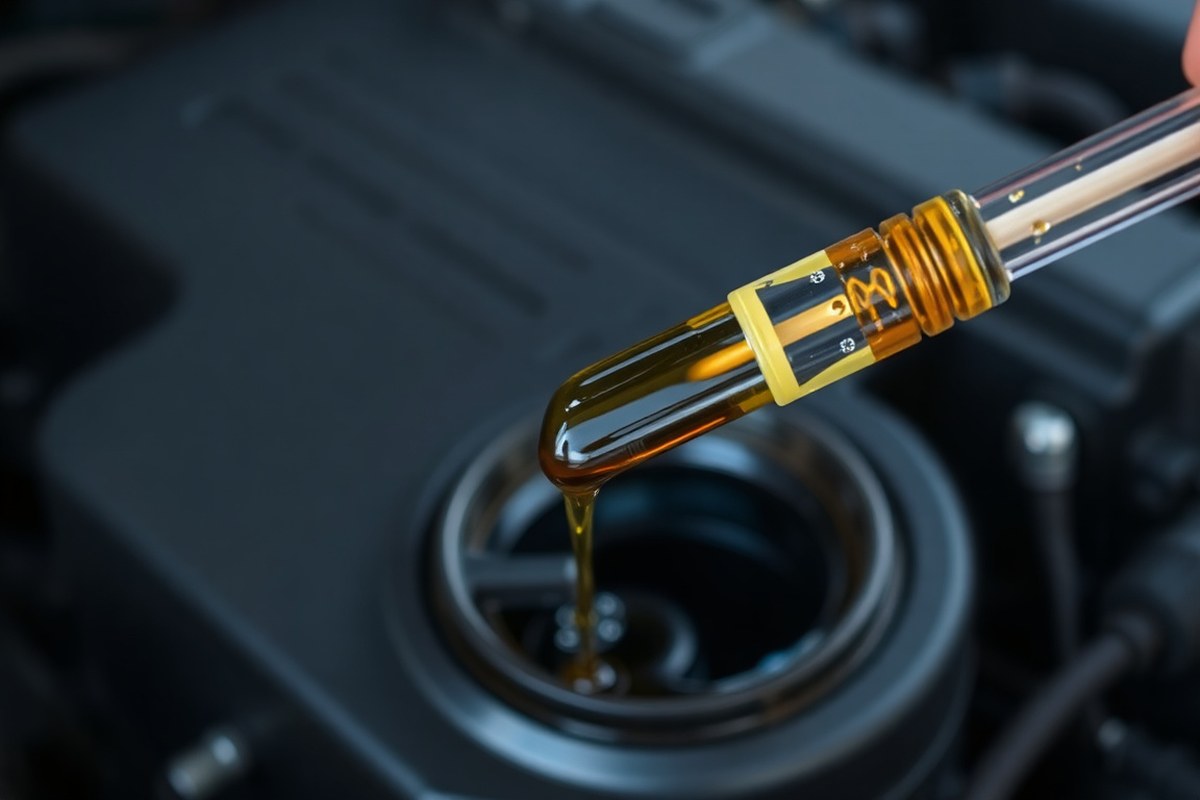
Old oil loses its ability to lubricate, causing metal parts to rub together. This friction wears down engine components and can cause overheating. You’ll notice your car losing power in a few thousand miles.
Engine noises will also sound different. These happen without an oil change.
Dirty oil also collects sludge and debris that block oil passages. This buildup restricts oil flow and leads to poor cooling inside the engine. After several thousand miles, this results in increased engine wear and a higher chance of breakdowns.
Continuing to run your vehicle with neglected oil can cause lasting damage. Over time, oil starvation harms critical parts like pistons and bearings. Your driving habits affect when damage may appear.
Skipping oil changes for 10,000 to 15,000 miles risks serious engine damage. Damage gets worse the longer you wait.
Eventually, the engine may seize or fail completely if oil isn’t changed for too long. Repairing or replacing an engine damaged this way costs thousands of dollars. Spending $45 to $90 regularly on oil changes helps avoid those expensive repairs later.
For some vehicles, the timeline for damage varies by engine design and oil type. High-performance engines or extreme driving conditions shorten how long old oil can protect the engine. Check your owner’s manual for specific oil change intervals to prevent damage.
How Long Can You Safely Drive Without Changing Oil
Most car manuals suggest changing oil every 3,000 to 5,000 miles. This depends on your vehicle’s engine, oil type, and driving habits.
Synthetic oils stretch intervals up to 12,000 miles. But you don’t want to push it too far.
Driving on dusty roads or making short trips wears out your oil faster. Heavy towing also makes you change oil sooner. These tough conditions double your need for earlier oil changes.
Older cars usually need more frequent changes than newer models. Going over 2,000 miles past the recommended interval is risky for your engine health.
| Oil Type | Recommended Interval (miles) | Max Safe Extension Beyond Recommended (miles) | Recommended Interval (months) | Max Safe Extension (months) |
|---|---|---|---|---|
| Conventional | 3,000 – 5,000 | 1,000 – 2,000 | 3 – 6 | 1 – 2 |
| Synthetic Blend | 5,000 – 7,500 | 1,000 – 2,500 | 4 – 7 | 1 – 2 |
| Full Synthetic | 7,500 – 12,000 | 2,000 | 6 – 12 | 2 |
| Severe Driving Conditions (all oils) |
Half of recommended intervals | None recommended | Half of recommended interval months | None recommended |
When you exceed these limits, watch closely for engine noises, rough idling, or warning lights. See any warning signs? Change your oil right away.
Doing this helps you avoid costly damage. Always follow your car’s owner manual if it differs from general guidelines.
A simple rule: change your oil no later than 2,000 miles past the recommended limit. This especially matters if you drive in severe conditions or have an older engine. Waiting longer can lead to reduced lubrication, engine wear, and blocked oil passages.
Never ignore the “severe conditions” label on your manual. Cut oil change intervals in half if you tow heavy loads or take many short trips. This keeps your engine safe and running well.
Oil Degradation Stages and Their Impact on Engine Health
Engine oil goes through physical and chemical changes while it protects your engine. Over time, heat, friction, and contaminants break down the oil and its additives. This causes the oil to lose its ability to protect and can eventually harm engine parts.
Additive Breakdown and Effects
Fresh oil contains additives like detergents and anti-wear agents that keep engine parts clean and lubricated. Heat and use consume these additives, causing them to break down slowly. This process usually takes several thousand miles but varies with driving conditions and oil type.
Once additives weaken, the oil can’t stop corrosion or keep dirt suspended. This lets harmful deposits form and harms engine components. Additives also prevent oxidation, so when they disappear, oil thickens and loses flow.
Contamination and Sludge Formation
As you drive, dirt, metal particles, and fuel can mix into the oil. This contamination clogs oil passages and harms engine parts. Water and moisture also enter the oil over time, creating sludge.
Sludge is a thick, sticky buildup inside your engine. It blocks oil flow too. That causes the engine to transfer heat poorly.
Without regular oil changes, sludge grows and coats important engine surfaces. That makes the engine work harder and run hotter.
Loss of Lubrication and Increased Friction
When oil degrades, its film thins and loses strength under engine stress. Friction between moving parts increases, leading to faster engine wear. This makes your motor less efficient and can cause overheating.
Degraded oil no longer cools the engine properly or prevents metal-on-metal contact. Engine compression drops, resulting in weak performance and hard starts. Eventually, oil can become harmful, causing damage faster than it protects.
Engine Problems Caused by Skipping Oil Changes
Old oil thickens and forms sludge that blocks tiny engine passages. This sludge restricts oil flow, limiting lubrication and causing parts to rub together harshly. Without enough oil reaching moving pieces, friction and heat build up fast.
Overheating happens because old oil can’t carry away heat well. Metal parts expand and wear down quicker, especially pistons and cylinder walls. This wear leads to lower engine performance and can cause permanent damage if not fixed.
Turbochargers need clean, fresh oil to keep spinning smoothly under high heat. Old oil clogs oil lines and deposits deposits inside the turbo, causing poor lubrication and overheating. Without proper care, the turbo can seize or fail completely.
- Oil pump struggles to circulate thick, dirty oil
- Piston rings wear from increased friction
- Valve stems and guides suffer poor lubrication
- Bearings face metal-to-metal contact without oil cushion
- Turbocharger oil seals leak or break down
- Clogged oil pickup screens restrict flow to engine
- Head gasket can fail from overheating and pressure
Delaying oil changes leaves deposits that clog oil filters too. Dirty oil also leads to acid formation, which corrodes metal surfaces inside the engine. The longer you wait, the higher the risk of major failures and costly repairs.
Replacing old oil with fresh oil is key to keeping everything moving smoothly. Routine changes prevent sludge buildup and maintain the oil’s cooling ability. Keeping up with maintenance saves you money in the long run.
Signs Your Vehicle Needs an Oil Change Immediately
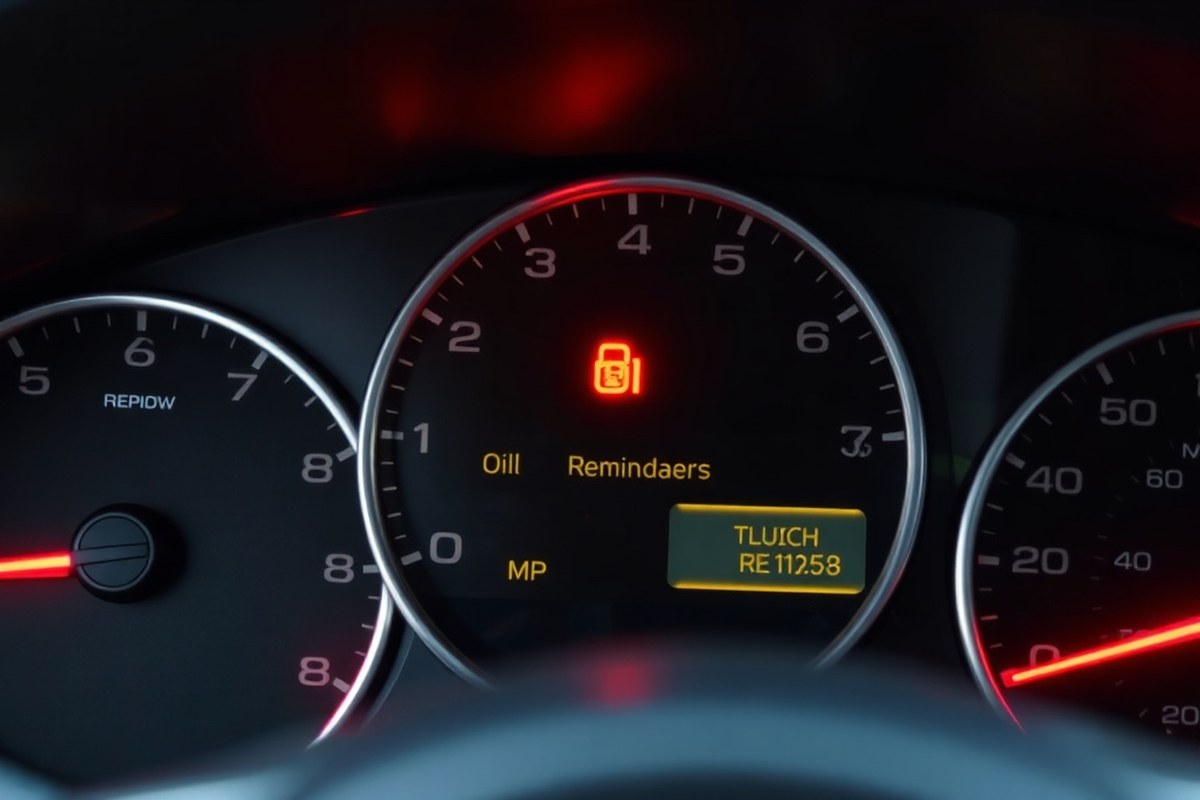
Your dashboard often gives the first warning about oil problems. A red oil can icon usually means low oil pressure or critically low oil level.
The regular “Check Engine” light might blink on for related issues. But the red oil light signals the most urgent need for an oil check.
Strange noises can also tip you off. Listen for ticking or knocking sounds from the engine. These might mean oil isn’t lubricating parts right.
Check your engine if you hear these noises. A drop in engine performance or sluggish acceleration also hints at oil trouble. Smoky exhaust fumes and higher fuel consumption are other common signs.
- Red oil pressure light on the dashboard
- Ticking or knocking noises from the engine
- “Check Engine” light combined with other symptoms
- Dark, dirty, or gritty oil on the dipstick
- Oil level below the minimum mark on the dipstick
- Reduced engine power or sluggish acceleration
- Noticeable increase in fuel consumption
Check your oil monthly by pulling out the dipstick under your hood. Wipe it clean with a rag, insert it fully, then pull it out again. Look at the oil’s color and level on the stick.
Fresh oil is amber, clear, and near the upper mark. Old oil looks dark and dirty.
When the level is below the minimum mark, add the correct oil type. Check your owner’s manual for the right kind before adding.
Never drive with the red oil pressure light on. Stop safely and check oil immediately.
Performing this quick check every time you buy gas costs nothing but a few minutes. These early signs let you fix oil problems before engine damage starts. Spot or hear any of these signs?
Schedule an oil change right away to avoid costly repairs. Keep your engine running smoothly.
How Skipping Oil Changes Affects Fuel Efficiency and Emissions
Old oil thickens and loses its ability to lubricate engine parts. This forces the engine to work harder, using more fuel to maintain speed. Studies show fuel efficiency drops by up to 2-3% with dirty oil.
Dirty, less effective oil can reduce your car’s mileage. Keeping oil clean helps the engine run well and uses less fuel.
Dirty oil also causes incomplete combustion in the engine. This leads to more harmful emissions, like carbon monoxide and nitrogen oxides. Poorly maintained oil can make a vehicle fail emissions tests.
This leads to higher emissions and hurts air quality. Regular oil care helps you pass tests and keeps the air cleaner.
Worn oil increases engine wear, creating metal particles that mix in the oil. Dirt in oil creates friction, making your engine burn more oil. This causes higher fuel use and more pollution.
Clean oil reduces friction and helps save fuel and the environment. Poor oil care can push emission levels up by 10% or more, depending on engine condition.
You can keep these issues in check by following your car’s oil change schedule closely. Synthetic oils allow longer intervals, usually from 5,000 to 10,000 miles. But the full range depends on driving habits.
Using coupons or discounts cuts oil change costs to $25-$50. These deals make regular oil changes cheaper and easier to afford. Saving money on oil changes keeps your car running well.
Keeping oil fresh keeps your engine cleaner and running smoother. A healthy engine uses fuel efficiently and burns cleaner, saving you money at the pump. Skipping oil changes saves money now but costs more later.
You’ll spend more on fuel, repairs, and harm the environment. Regular oil changes protect your wallet and reduce pollution.
Financial Consequences of Delaying Oil Changes
Getting regular oil changes usually costs between $30 and $70. This small cost helps avoid engine failure, which can cost thousands. Dirt and sludge build-up without oil changes often lead to big repairs or even engine replacement.
| Service | Typical Cost (USD) |
|---|---|
| Oil Change | $30 – $70 |
| Minor Engine Repair | $500 – $1,500 |
| Major Engine Repair | $2,000 – $4,000 |
| Engine Replacement | $3,000 – $7,000 |
Skipping oil changes can also hit your car’s resale value hard. Incomplete maintenance records make buyers suspicious about the vehicle’s condition. Engines with heavy wear and tear cause buyers to offer less money or even walk away.
- Lower resale offers due to incomplete oil change history
- Potential buyers avoid cars with visible engine problems
- Trade-in value drops because of expensive future repairs
Most warranties require proof of regular oil changes to stay valid. Missing oil changes often voids coverage, making repairs your full responsibility. Keeping written records and scheduling oil changes save you money.
These actions protect you from expensive repairs down the road. They help keep your car running longer and smoother.
Best Practices to Extend Oil Life and Prevent Damage
You can extend your oil life by cleaning the engine properly. Use the right oil type. Adopt better driving habits to help.
Each step helps keep your engine cleaner and oil more effective. These efforts reduce wear and delay the need for frequent oil changes.
Engine Cleaning Techniques
Cleaning the engine before an oil change helps remove sludge and dirt buildup. This prevents old contaminants from mixing with new oil and causing damage.
Use a fuel system cleaner made for your engine type. Choose the right product carefully.
Use a flush during an oil change service or between changes if oil looks dirty early. Follow the instructions on the product. Usually, add it to the oil fill.
Run the engine for 10 to 15 minutes. Avoid harsh chemicals that might harm engine seals or sensors.
Selecting the Right Oil Type
Synthetic oils generally last longer than conventional ones and protect better under tough conditions. They resist breaking down from heat or deposits, which helps extend change intervals.
Most manufacturers suggest oil changes every 5,000 to 7,500 miles. But synthetic oil can often push closer to the higher end or beyond.
Check your owner’s manual for the correct oil viscosity and specifications. Use oils meeting the recommended standards like API SN or newer to ensure engine protection. Change your oil filter every time you change the oil.
This keeps debris out. It helps maintain oil flow.
- Choose full synthetic oil for the longest protection
- Follow your vehicle’s manufacturer recommendations
- Use the correct oil viscosity for your climate and driving
- Replace the oil filter each time you change oil
- Avoid mixing different oil types in the same change
- Stick to trusted brands and certified oils
Using the recommended oil type and changing the filter protects your engine and oil quality.
Driving Habits That Protect Your Oil
Gentler driving reduces strain on oil and engine parts. Avoid hard acceleration, frequent stop-and-go traffic, and extended idling to keep oil from degrading quickly. Try to keep your engine at a steady, moderate temperature by driving smoothly.
Short trips in cold weather can cause condensation that harms oil quality. Let your engine warm up for a few minutes. Do this if you often drive less than five miles.
Avoid heavy towing or hauling unless your oil is rated for it. These conditions speed up oil wear.
When to Consult a Professional About Your Oil and Engine Health
Visit a professional when your oil change light comes on or you spot warning signs. Mechanics can check engine health and fix oil-related damage. Expect routine oil changes during regular servicing and urgent repairs if neglect causes serious issues.
Recognizing the Need for Professional Diagnosis
The oil change indicator light is a clear signal to see a mechanic right away. Other signs include unusual engine noises, smoke from the exhaust, or a drop in oil pressure. Ignoring these signs risks engine damage that costs more to repair later.
Besides lights and noises, check for engine overheating or frequent stalling. Your oil looks thick, dark, or gritty.
Get an expert to check the engine. Even if you missed the scheduled oil change, a diagnostic can assess potential damage.
Professional Oil Change Service Components
Professional oil changes cost between $20 and $100 depending on oil type and shop location. The process includes draining out old oil first. Then replace the oil filter.
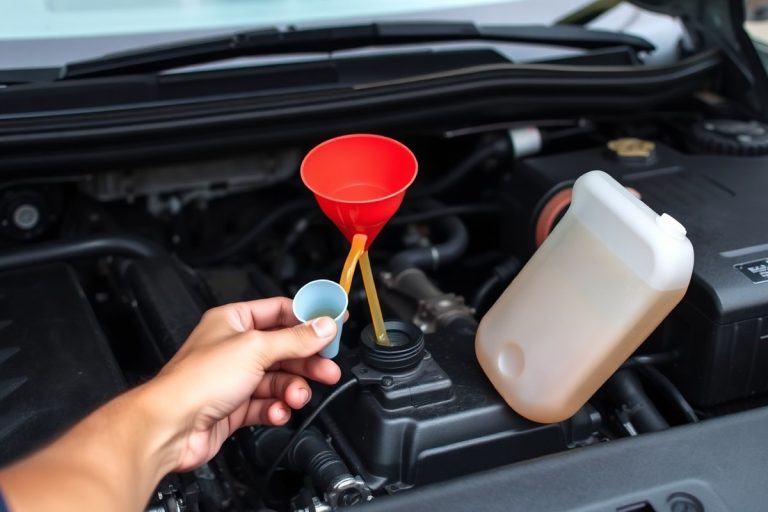
Finally, add fresh oil to the right level. Technicians also inspect related parts like the oil pan and drain plug for leaks.
Most service shops include oil changes during scheduled maintenance visits. This lets them also check other fluids, belts, and filters to keep your vehicle running well. Regular visits help them spot small issues before they become costly repairs.
Handling Severe Oil Neglect Repairs
When neglect leads to severe engine wear, repairs go beyond a simple oil change. Professionals might need to flush the engine, replace damaged parts, or fix overheating damage. These repairs cost more and take longer, sometimes requiring two or more days in the shop.
Urgent repairs often follow these warning signs:
- Persistent oil change light despite recent service
- Engine knocking or loud metal sounds
- Blue or white smoke from the exhaust
- Overheating engine temperature beyond 220°F
- Oil leaks that leave puddles under the car
- Check engine light combined with poor performance
Getting professional help quickly reduces the risk of complete engine failure. Waiting longer may lead to replacement costs that reach thousands of dollars.
Step-by-Step Action Plan to Keep Your Engine Healthy
Follow these steps to maintain your oil and protect your engine. Each step will help you prevent costly damage and keep your car running smoothly.
- Right now: Check your owner’s manual for the recommended oil change interval. Knowing this helps you avoid overdue oil changes.
- Today: Look at your oil level and color using the dipstick. Clear, amber oil means it’s good, while dark or gritty oil needs changing.
- Within one week: Schedule an oil change if your oil looks dirty. Also, change it if your mileage passes the recommended interval. This stops breakdowns before they start.
- After your oil change: Reset your oil change indicator if your car has one. This tracks your maintenance and reminds you next time.
- Every month: Check your oil level regularly. Top off if it’s low to avoid engine wear between changes.
- Every six months: Inspect your oil filter for clogging at your service visits. Replace it during oil changes to keep oil flowing freely.
- Whenever you notice: Unusual engine noise or decreased fuel efficiency. These often signal oil-related problems needing a professional check.
Frequently Asked Questions
Can You Drive at High Speeds Without Changing Oil?
Driving fast with old oil risks engine overheating and wear. Old oil fails to cool parts properly, causing damage over time.
Does Old Oil Cause Engine Noise or Knocking?
Yes, old oil can make your engine louder and knock. It loses thickness, reducing protection and causing metal parts to rub.
Will Skipping Oil Changes Affect My Car’s Resale Value?
Yes, cars with poor maintenance records sell for less. Buyers notice neglected oil changes and expect costly repairs.
Can Using Synthetic Oil Delay Oil Changes Safely?
Synthetic oil can last longer, but regular checks are still needed. Follow your car’s manual for recommended change intervals.
Does Cold Weather Worsen Issues from Old Oil?
Cold weather thickens oil, making old oil worse for engines. It struggles to flow and lubricate during cold starts.
Wrapping Up
Failing to change your oil risks serious engine damage and costly repairs. Watch your oil condition closely to avoid these problems. Start with an oil check today to keep your car running well.