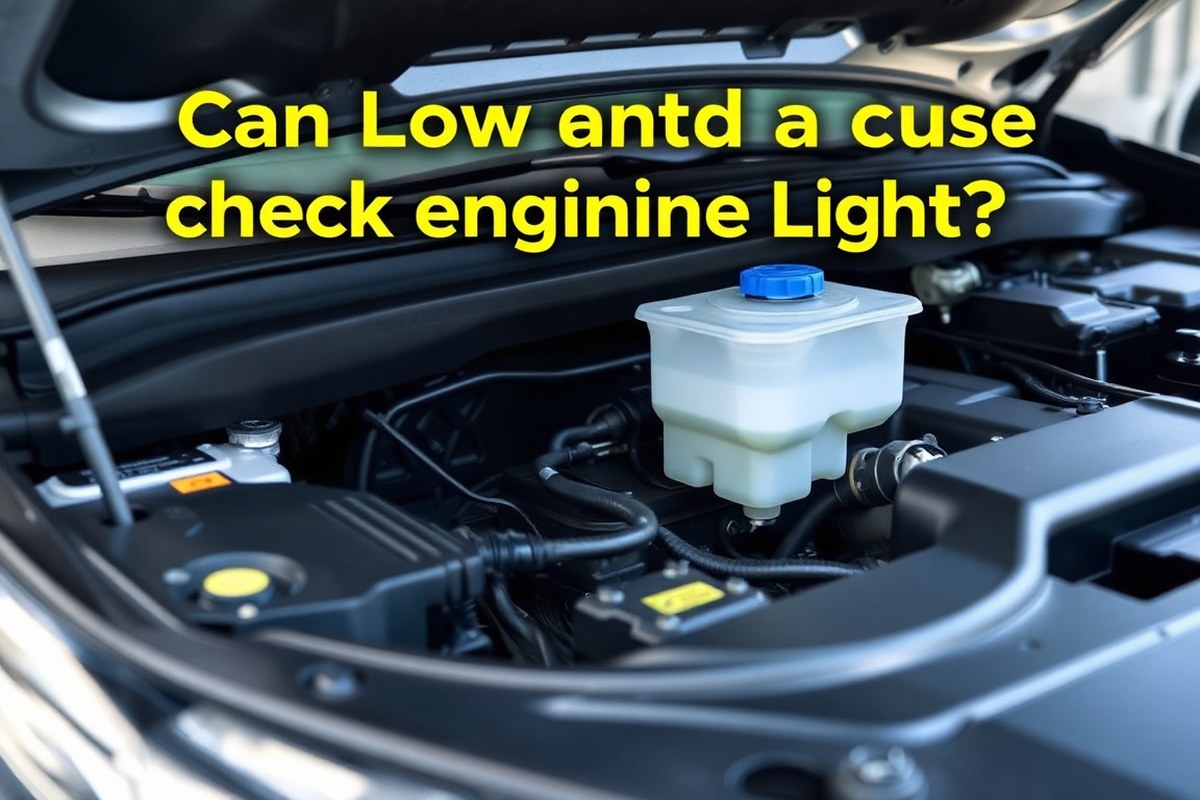
Can Low Coolant Cause Check Engine Light? What Actually Works to Fix It
Can low coolant cause check engine light? Yes.
When coolant runs low, your engine can overheat. This triggers sensors to alert you with the check engine light.
Low coolant disrupts your engine’s temperature balance. The sensors detect this change and turn on the warning light. It’s a sign you need to act fast.
Check the coolant level only when the engine is cool to avoid burns. Ignoring the warning can cause serious engine damage and costly repairs. Coolant helps stop parts from warping or cracking in high heat.
Watch the temperature gauge closely. Stop driving if it goes over 200°F (90°C) to avoid overheating. Allow the engine to cool before refilling coolant or getting assistance.
Key Takeaways
- Low coolant causes engine overheating and triggers the check engine light.
- Monitor the temperature gauge; above 200°F signals a critical issue.
- Check coolant only when the engine is cool to avoid burns.
- Refill coolant according to your vehicle manual’s specifications.
- Leaks and worn hoses commonly cause low coolant levels.
- Persistent check engine light after refilling needs professional help.
Can Low Coolant Really Cause the Check Engine Light?
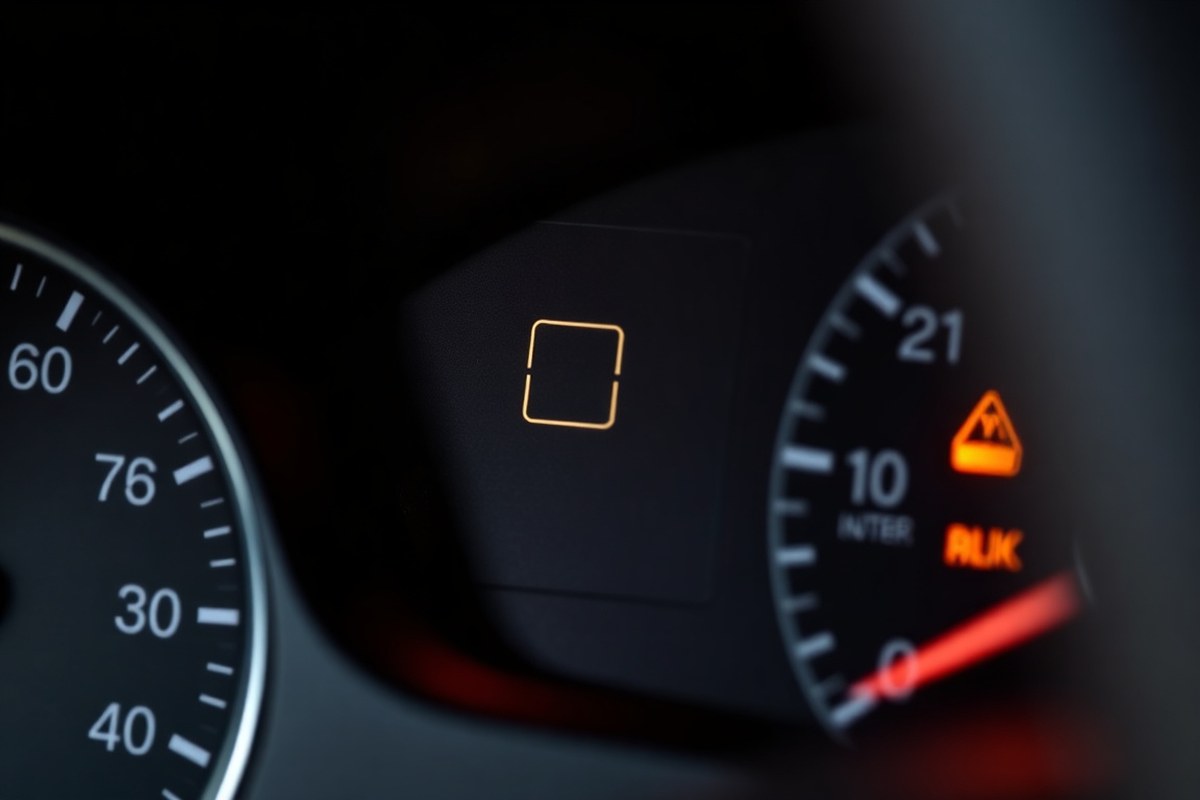
Your check engine light can turn on if coolant runs low. Coolant keeps your engine from getting too hot. When coolant is too low, sensors notice overheating and trigger the light.
The engine coolant temperature sensor tracks how hot your engine is. It sends this info to your engine control module. Low coolant may cause the sensor to send wrong temperature data.
When the ECM sees these abnormal readings, it triggers the check engine light. The check engine light warns you about engine problems. It usually signals trouble with cooling or temperature control.
This helps you know when things need fixing. This signal helps prevent engine damage by telling you to check coolant levels immediately.
Real-world examples include situations where coolant leaks cause a drop in the reservoir level. That triggers the ECT sensor to notice rising temperatures. The ECM then lights up the check engine warning, sometimes alongside the low coolant indicator.
Besides the ECT sensor, other engine malfunctions linked to low coolant can activate the light. These include overheating that affects ignition timing or causes misfires.
The engine’s running condition worsens without enough coolant. So the ECM detects these issues and alerts you.
Not all check engine lights mean low coolant. But a low coolant level can definitely cause it. When the check engine light turns on, check your coolant level.
Add coolant carefully if it’s running low. This can keep your engine from overheating.
Continuing to drive with low coolant risks serious engine damage. So address the problem quickly.
Signs to Identify Low Coolant Before the Light Comes On
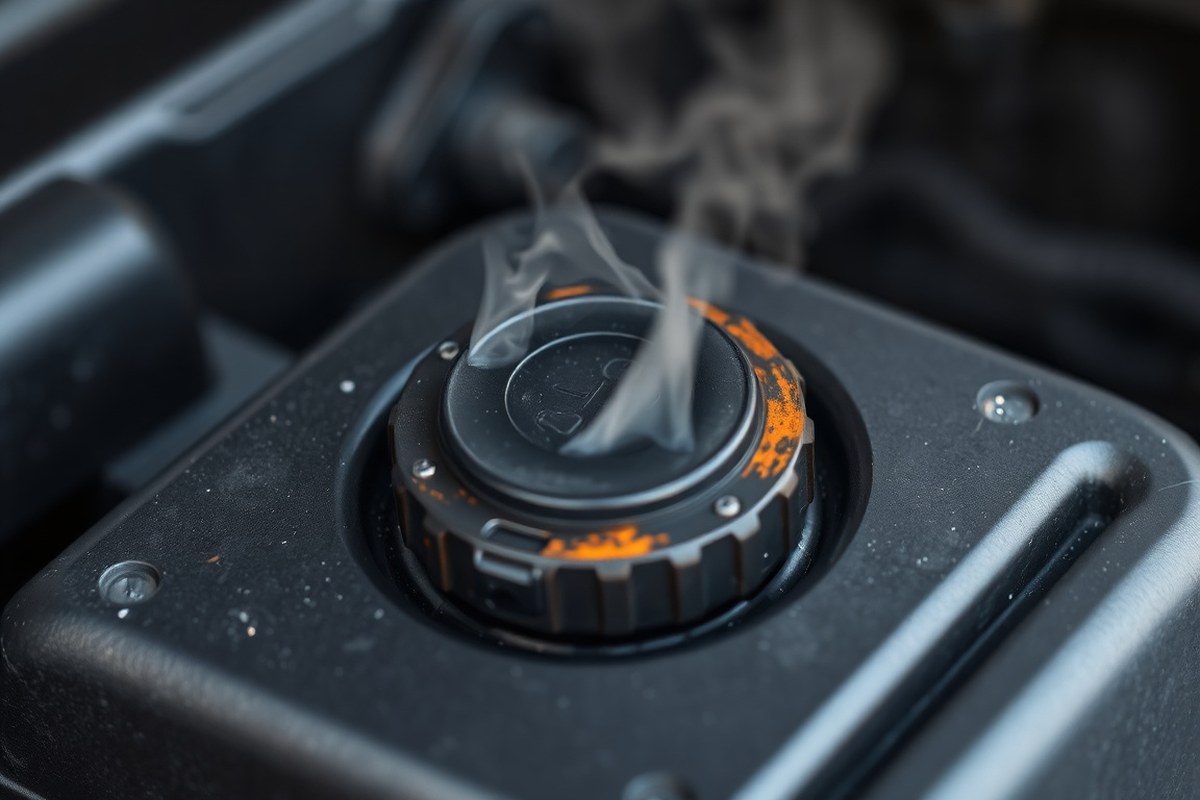
Low coolant doesn’t always trigger the check engine light right away. You can spot signs before a warning appears on your dashboard. Early detection helps prevent engine overheating and costly repairs that can run into thousands.
Look for physical and driving symptoms that hint at low coolant. Your engine relies on coolant to keep its temperature steady.
Without enough, the engine can overheat, which reduces performance and risks serious damage. You might also notice smells or sounds that suggest a leak or overheating.
- Visible coolant leaks or wet spots under the car, often green, orange, or pink
- Sweet, syrupy smell near the engine or around the car’s cabin
- Engine running hotter than normal on the temperature gauge (near or above 230°F)
- Steam or vapor coming from under the hood during or after driving
- Reduced engine performance, like slower acceleration or hesitation
- Unusual engine noises, such as knocking or ticking sounds
Checking the temperature gauge frequently is key whenever you drive. A sudden rise above 230°F means your engine is overheating, a common sign of low coolant.
Engine hesitation or odd sounds should not be ignored either. Cooler engines usually run smoothly and quietly.
Visual inspections are simple but effective. Look for puddles or drips on the driveway after parking. Coolant leaking onto hot engine parts can cause a faint sweet smell.
Steam or vapor may appear as white smoke near the radiator or hood. Catching these early helps avoid a blown head gasket. Repairing one costs about $1,000 or more.
Never ignore early signs like weird smells. Watch the hot temperature gauge too. Don’t wait for the check engine light.
How to Safely Check Your Engine Coolant Level
Checking your engine coolant level is a simple task that you can safely do yourself. Use the right tools, follow safety steps, and check only when the engine is cool. This helps protect you and avoids damaging the engine.
Necessary Tools for Coolant Inspection
You don’t need many tools to check the coolant level. A clean cloth to wipe the reservoir cap helps keep dirt out. A flashlight can help you see clearly inside the reservoir, especially in low light conditions.
Some cars may require a small funnel if you need to add coolant later. Gloves can protect your hands from hot or dirty engine parts. These basic tools cost only a few dollars or you might already have them at home.
Safety Precautions Before Checking
The engine must be cold before opening the hood or reservoir cap. Hot coolant can spray out and cause burns if the engine is still warm. Wait at least 30 minutes after driving to let the engine cool down completely.
Open the hood carefully, using the latch inside your car and supporting the hood securely. Avoid smoking or sparks near the engine bay because coolant is flammable. Wearing gloves and eye protection adds a safety layer, especially in older cars.
Step-By-Step Coolant Level Inspection
Follow these steps to check your coolant level safely and correctly. Having a flashlight and cloth handy makes this process easier and cleaner. Check the coolant reservoir, not the radiator cap, for the easiest reading.
- Park your car on a flat surface and turn off the engine.
- Open the hood and secure it to avoid it falling unexpectedly.
- Locate the coolant reservoir, a translucent plastic tank near the radiator.
- Use a cloth to wipe the top of the reservoir to see the fluid level clearly.
- Look for the “Full” and “Low” marks on the reservoir side.
- Check if the coolant is between these two marks. That means the level is good.
- If it is below the “Low” mark, prepare to add coolant following safe refill steps.
Proper Procedure to Refill Engine Coolant
Refilling engine coolant needs care and the right mix. Use the proper coolant ratio and handle the reservoir carefully. Incorrect steps can cause air pockets or overheating, triggering the check engine light again.
Preparing the Correct Coolant Mixture
Most engines require a 50/50 mix of coolant and water. This mix protects from freezing down to about -34°F. It also prevents boiling over near 265°F with the radiator cap on. Use distilled water to avoid deposits and corrosion in the cooling system.
Check your owner’s manual for any specific coolant type or mixture advice. Some cars require premixed coolant or special formulations for aluminum engines.
Steps to Safely Add Coolant to the Reservoir
Add coolant when the engine is cool to avoid burns or damage. Never open the radiator cap or reservoir when the engine is hot. Pressure can force hot coolant out.
Follow this step-by-step process to refill coolant safely:
- Park your car on flat ground. Wait 30 minutes after driving. Let the engine cool before opening the radiator.
- Locate the coolant reservoir, a translucent tank typically marked with minimum and maximum levels.
- Clean the reservoir cap area to avoid dirt entering the system.
- Remove the reservoir cap slowly to release any remaining pressure.
- Mix coolant and distilled water in a clean container. Use a 50/50 ratio. Only skip this if you use premixed coolant.
- Pour the mixture into the reservoir until it reaches the “max” fill line. But do not overfill as the system expands when hot.
- Replace and tighten the reservoir cap securely to maintain system pressure.
Waiting and Verification After Refill
Start your engine and keep it running for 10 to 15 minutes. Turn the heater on high during this time.
This helps circulate coolant and remove trapped air. Watch the temperature gauge to ensure the engine stays in the normal range.
After the engine cools, check the coolant level again. Add more coolant if it is below the minimum mark. Look for any leaks or issues that could cause low coolant levels to return quickly.
Common Causes That Lead to Low Engine Coolant
Low engine coolant often happens because of leaks outside the engine. These external leaks are the easiest to spot and fix.
You might see puddles under your car or wet spots around hoses and the radiator. Internal leaks are trickier and usually mean serious engine problems.
Internal leaks happen from a bad head gasket or cracked engine block. A broken cylinder head can also cause leaks. These problems let fluids mix inside the engine.
A damaged intake manifold gasket may also cause coolant to leak inside the engine. This leak lets coolant enter the combustion chamber or mix with oil.
That causes engine damage and higher repair bills. It’s important to catch this early.
- External leaks from worn hose clamps or cracked hoses
- Radiator damage or corrosion causing coolant to escape
- Loose or broken radiator cap that cannot seal properly
- Internal leaks from blown head gaskets or cracks in the engine block
- Faulty intake manifold gaskets allowing coolant into the engine
- Evaporation over time, especially under high engine heat
- Malfunctioning coolant reservoir or overflow tank
A blown head gasket is a common internal issue breaking the coolant barrier. Hot gases can leak into the coolant system from the leak. Coolant can also leak into the engine cylinders.
Both issues harm engine performance. Coolant levels drop because of this leak, causing engine overheating.
Overheating damages parts like the cylinder head or engine block. Fixing this quickly saves costly repairs.
Regular checks can help catch leaks early. Look under the car and check hoses and the radiator for wet areas. A coolant pressure test can find small leaks inside the system.
Tests to find leaks cost about $50 to $150 at a shop. These checks can save you hundreds by stopping engine damage early. It’s worth doing when you suspect a leak.
Always let the engine cool before checking coolant to avoid burns from hot fluid or steam.
How Engine Sensors Trigger the Check Engine Light for Coolant Issues
Several sensors check the engine coolant and can turn on the check engine light. The Engine Coolant Temperature (ECT) sensor, coolant level sensor, and thermostat sensors send data to the engine control unit (ECU). The ECU watches these signals for overheating or low coolant warnings that can light the check engine signal.
Engine Coolant Temperature (ECT) Sensor Role
The ECT sensor measures the temperature of the engine coolant directly. It helps the ECU control fuel injection and ignition timing based on the engine’s temperature. The sensor sending too high or low temperature readings triggers trouble codes like P0117 or P0118.
Code P0117 means low voltage, while P0118 means high voltage detected by the sensor. These codes alert that the sensor’s reading is out of range.
Faulty ECT sensor readings might cause the check engine light even with good coolant levels. The sensor can send wrong temperature info to the ECU. That confuses the system and triggers the warning.
Low coolant can create air pockets that mess with sensor accuracy. These pockets make the ECU get wrong temperature data. The engine might then signal a problem that isn’t real.
Code P0128 means the engine isn’t warming up to the usual temperature. This often happens when the thermostat is faulty. It’s a common code linked to thermostat-related problems.
Coolant Level Sensor and Its Impact
Some vehicles have a coolant level sensor inside the overflow reservoir or radiator neck. This sensor measures the actual coolant volume in the system. A low coolant level causes the sensor to alert the ECU.
The ECU may then turn on the check engine light or a coolant warning light on the dashboard. This signals you to check the coolant.
This sensor plays a direct role in spotting coolant loss before engine overheating occurs. However, not all cars have this sensor. So some might only detect coolant problems when temperature-related sensors react.
A bad sensor or damaged wiring can send false low coolant warnings. These wrong signals might cause the check engine light to come on by mistake. You should check the sensor and wiring if this happens.
Thermostat and Fan Control Sensor Involvement
The thermostat doesn’t have a sensor but controls engine temperature by regulating coolant flow. The ECU monitors this regulation through the ECT sensor and sometimes a radiator fan speed sensor. A stuck thermostat can keep the engine too cool or cause it to overheat.
These problems can cause error codes to appear. The check engine light may come on because of thermostat issues.
Radiator fan control sensors tell the ECU when to turn the fans on or off. This helps keep the engine at the right temperature. The fans cool the engine when needed.
Cooling fans not turning on due to sensor or relay issues can cause overheating. The ECU detects this and turns on the check engine light.
This warns you that the fans aren’t working properly. This situation can happen with low coolant, which affects coolant flow and temperature regulation.
What to Do If the Check Engine Light Stays on After Refilling Coolant
Adding coolant does not always turn off the check engine light. The light may stay on when the engine control unit senses a problem. The issue is still detected in the coolant system.
That causes the light to remain illuminated. It might take some time or extra steps to clear the alert.
Start by making sure the coolant reservoir is filled to the proper level. Check the coolant concentration, too much water or antifreeze can cause sensor issues. Next, inspect for leaks or air pockets in the cooling system that could cause wrong readings.
Use an OBD-II scanner to read the fault codes from your car’s computer. This tool shows you if the light links to coolant issues or something else. Clear the codes after refilling coolant and observe if the check engine light returns.
- Turn the engine off and connect an OBD-II scanner to the port under the dash.
- Note any active codes related to temperature, coolant level, or sensors.
- Reset the codes using the scanner after confirming coolant levels are correct.
- Drive the car for at least 15 to 30 minutes to see if the light reappears.
- Codes return, check specific sensor connections and wiring for damage. Look carefully for broken or loose wires. This can cause false error codes.
- Repeat system pressure test to detect leaks not visible by eye.
- Consult mechanic if the light stays on without clear cause.
Faulty sensors or wiring may cause the warning light to stay on even after the fix. Sensors like the coolant temperature sensor can fail or get dirty, causing false alerts. Sometimes the engine control unit itself may need a reset with professional tools.
The OBD-II scanner may show no error, or the light returns. In this case, a mechanic’s diagnosis is your best option. They have tools to find hidden problems.
They have devices to test sensors, pressure, and computer status in depth. Expect diagnostics to cost between $50 and $150 depending on your location and shop.
Preventive Maintenance to Avoid Coolant and Check Engine Light Problems
Check your coolant level every month while the engine is cold. Use the markings on the coolant reservoir to guide you. Keep the level between the minimum and maximum to prevent overheating and air in the system.
Most cars suggest flushing coolant between 30,000 and 50,000 miles. This usually happens every 2 to 5 years. Follow your car’s manual for exact timing.
This removes dirt and old coolant that can corrode parts or block passages. Using the vehicle owner’s manual will give you the exact interval.
Choose the right coolant type for your car’s make and model. Common types include ethylene glycol and propylene glycol, each with different additives.
Mixing different types can cause gelling or corrosion. So stick to one kind recommended by the manufacturer.
Inspect hoses and radiator twice a year to keep the cooling system healthy. Look for cracks, leaks, or damage during these checks. Replace parts showing wear or poor condition.
Look for cracks, leaks, or soft spots that can let coolant escape. Also, check the radiator cap seal; a bad seal causes pressure loss and overheating.
Let your engine warm up to about 195 to 220 degrees Fahrenheit before driving hard. This helps the thermostat open at the right time. Running it to normal temperature keeps the system working well.
A stuck thermostat can keep coolant from flowing, triggering the check engine light. Frequent overheating means the thermostat might need checking or replacing. Get it tested at a trusted mechanic.
Here is a simple maintenance schedule you can follow. Check coolant level monthly when the engine is cold. Inspect hoses and radiator caps twice a year.
Change coolant every 3 to 5 years or as your manual suggests. Replace hoses every 4 to 5 years or if damaged.
Never remove the radiator cap while the engine is hot. Hot coolant under pressure can spray out and cause burns. Wait until the engine cools down completely.
Clean your radiator fins at least once a year using a soft brush or compressed air. This keeps dirt and bugs from blocking airflow. Proper airflow helps your engine cool efficiently.
Blocked fins reduce cooling efficiency and can cause the engine to run hot. Also, keep an eye on the heater core. A clogged heater core can sometimes reduce coolant circulation.
Costs for coolant and service can vary. But a DIY coolant flush kit usually costs around $15 to $30.
Having a professional do it can run $100 or more, including labor. Proper maintenance saves more money long term by preventing costly engine repairs.
Keeping your cooling system well maintained helps prevent overheating and check engine lights. Skipping checks risks engine damage, poor performance, or surprise breakdowns. Regular care means your car runs cooler and lasts longer.
When to Call a Professional for Coolant and Check Engine Light Issues
Call a professional if your engine keeps overheating despite adding coolant. Persistent leaks that soak your driveway or leave stains under the car need expert repair. Also, see a mechanic if the check engine light stays on after you refill coolant.
Unusual signs like a sweet smell inside the car mean trouble. White smoke from the exhaust also shows coolant may be leaking. Coolant gets into parts of the engine where it shouldn’t be.
These signs often point to issues like a blown head gasket or cracked engine block. Both are complex fixes that require specialized tools and knowledge.
Diagnosing coolant and check engine issues needs the right tools. Without them, you can waste lots of time and money. It’s best to get proper equipment or professional help.
Professional mechanics use scanners and pressure testers to pinpoint leaks or sensor faults accurately. Mechanics can flush the cooling system fully for you.
Normal refills can’t fix it if the system is contaminated. Proper flushing removes old coolant and any dirt or rust.
Typical repairs for coolant problems can cost between $150 and $1,200 or more. Simple fixes like hose replacement or radiator flush are on the low end. Large repairs like changing a water pump or head gasket need more work.
They require extra parts and time to fix the engine right. These repairs will cost more money because of the effort. Prices vary widely by vehicle model and mechanic rates.
Driving with low coolant or an active check engine light isn’t safe beyond short distances. Stop driving if the engine temperature goes above 230°F right away. Continuing risks serious and permanent damage to your engine.
Cooling issues should be addressed before they get worse. You can drive up to a nearby shop if temperatures stay normal and leaks aren’t severe. Carry extra coolant for emergency top-ups during the drive.
Use a quick checklist before deciding to visit a mechanic: Is the coolant leaking visibly? Is the engine temperature gauge near or above the red zone? Has the check engine light been on for more than a day?
Are there strange smells or smoke? Say yes to any of these and call a professional.
Your Step-by-Step Action Plan for Coolant and Check Engine Light Issues
Take these clear steps to spot and fix low coolant problems quickly. This helps prevent engine damage and keeps the check engine light off.
- Before driving: Check the coolant level in the reservoir when the engine is cold. When the coolant falls below the minimum mark, add more coolant.
- Day 1: Refill coolant with the correct mix for your car. Watch for no leaks and confirm the reservoir hits the full line.
- Day 2: Start your car and watch the temperature gauge. It should stay within the normal range without overheating.
- Day 3: Check if the check engine light stays off after refilling. When the light stays on, use an OBD-II scanner to read codes.
- After 1 week: Look under the car for coolant leaks. Check for puddles on the ground nearby.
- After 2 weeks: Monitor the coolant level again to ensure it hasn’t dropped without a leak. This suggests a hidden issue.
- At any time: If the light stays on, get a mechanic to check. If coolant keeps dropping, see a pro right away.
Frequently Asked Questions
Can Low Coolant Cause the Check Engine Light to Blink?
Low coolant can make the check engine light flash. This warns of engine overheating. Stop driving and check coolant levels to protect the engine.
Does Low Coolant Affect Fuel Efficiency?
Low coolant itself won’t directly reduce fuel efficiency, but engine overheating can affect performance. Keep coolant levels stable for smooth engine operation and better fuel economy.
Can a Faulty Coolant Sensor Trigger the Check Engine Light?
A bad coolant sensor can send wrong signals to the ECM. This can cause the check engine light to come on.
The light alerts you to a possible problem. Getting the sensor checked helps avoid confusion over actual coolant problems.
Can Low Coolant Cause Engine Misfires?
Low coolant usually doesn’t cause misfires directly but can lead to overheating that damages engine parts. Overheated engines may eventually cause misfires, so watch for both symptoms.
Is the Check Engine Light Always Due to Low Coolant When It’s Hot Outside?
No, hot weather can cause overheating from many issues like radiator problems, not just low coolant. Always verify coolant levels and other cooling system parts before assuming low coolant.
Final Thoughts
Low coolant can indeed trigger your check engine light because it affects critical sensors. Check and refill coolant carefully to avoid engine trouble. When problems continue, contact an expert to keep your car safe.