Do You Need to Change Oil Filter Every Oil Change? A Complete Guide
Do you need to change oil filter every oil change? The simple answer is usually yes. Changing your oil filter with every oil change keeps your engine clean.
It prevents dirt and metal particles from circulating in the engine oil. This helps your engine run smoothly and last longer.
Nearly all car makers suggest changing the oil filter at each oil change. This service commonly occurs between 3,000 and 5,000 miles or every 3 to 6 months. Replacing the filter regularly helps keep your engine oil clean and effective.
Driving conditions like stop-and-go traffic or dusty roads can shorten this interval. Also, synthetic oils might allow longer stretches but still require filter changes.
You should check your owner’s manual first for exact recommendations. Sticking to the filter change interval protects your engine from harmful dirt and debris buildup.
A clogged filter can reduce oil flow, causing engine wear. Changing the filter every time balances cost with engine health effectively.
Key Takeaways
- Replace your oil filter every time you switch the engine oil. This offers the best guard for your engine’s health.
- Follow your owner’s manual for the recommended oil and filter change intervals.
- Typical oil and filter changes happen between 3,000 and 7,500 miles depending on oil type.
- Synthetic oils often allow longer intervals, but match the filter’s durability to the oil.
- Extreme driving conditions may require more frequent oil and filter changes.
- Replacing the oil filter with every oil change prevents clogged filters and engine damage.
Do You Need to Change the Oil Filter Every Oil Change?
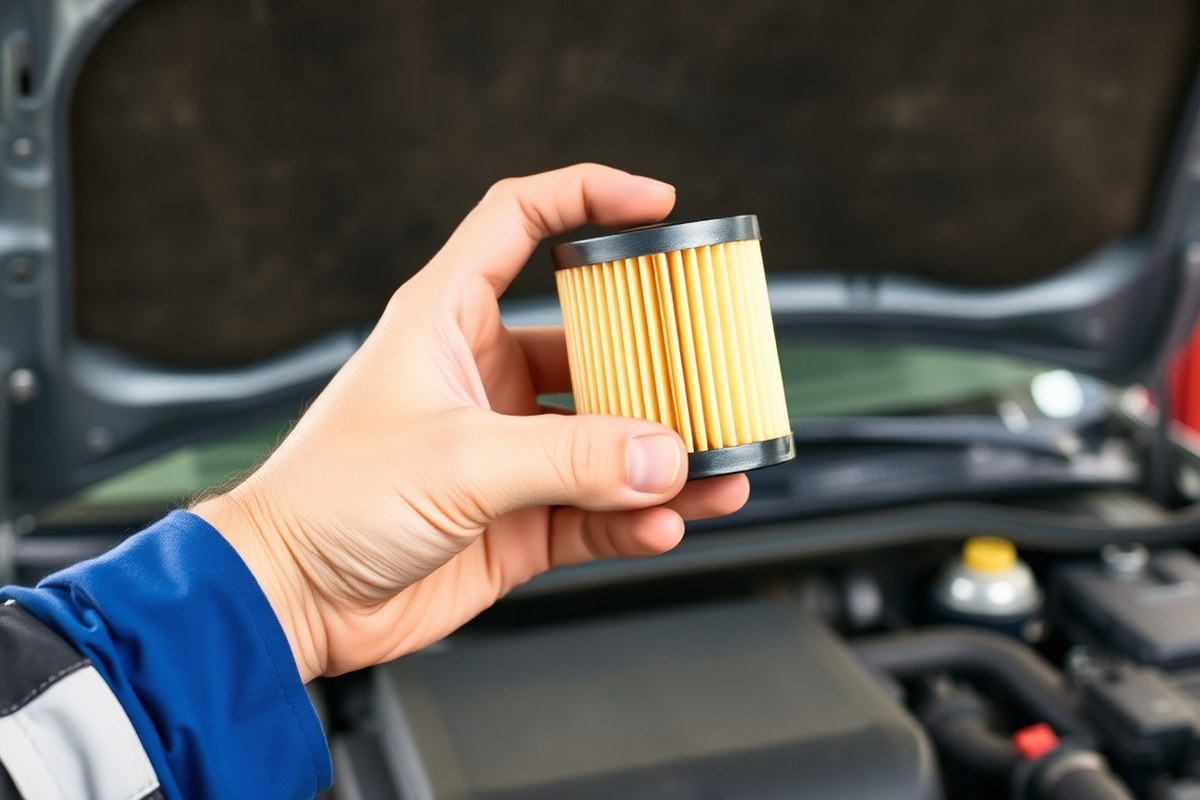
You should change the oil filter every time you replace car oil. This helps protect your engine and keeps it running well. The filter catches dirt that builds up and makes it less useful.
Oil and filter changes usually happen every 3,000 to 5,000 miles. This also means swapping them every 3 to 6 months depending on use. Your car’s manual is the best guide to follow.
Some carmakers suggest changing the filter every other oil change, especially with synthetic oil. This means replacing it every 5,000 to 10,000 miles in those cases. However, sticking to a filter change each oil service avoids clogging and keeps filtration strong.
Replacing the filter with every oil change often costs just a few extra dollars. Most shops include it in the oil change service. So you don’t need to worry about extra visits.
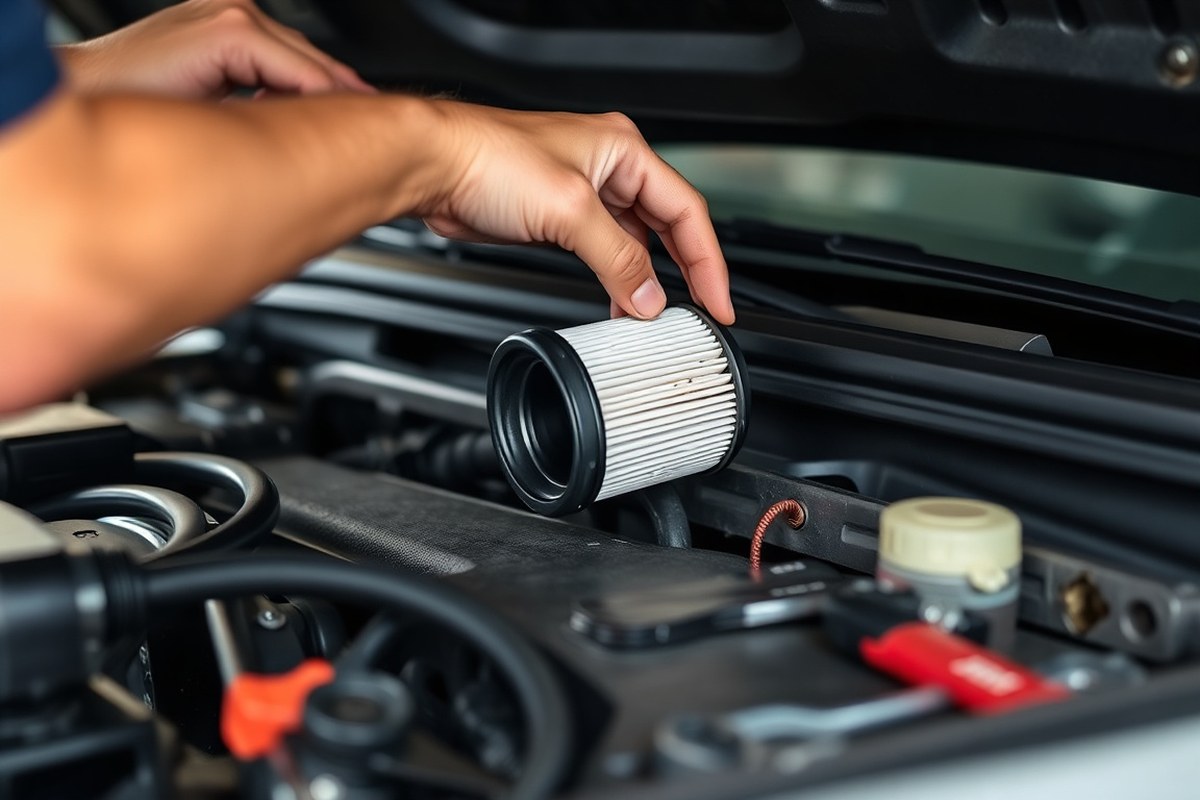
Changing your oil filter yourself takes 10 to 20 minutes. You need the right tools and some space to work. It’s a quick job if you’re prepared.
Ignoring filter changes risks clogged filters that reduce oil flow. This can cause engine damage, poor fuel economy, and rough running. Use a good quality oil filter to keep your engine healthy.
Replace it at every oil change to avoid damage. Swapping regularly keeps your engine clean and running well.
How an Oil Filter Works to Protect Your Engine
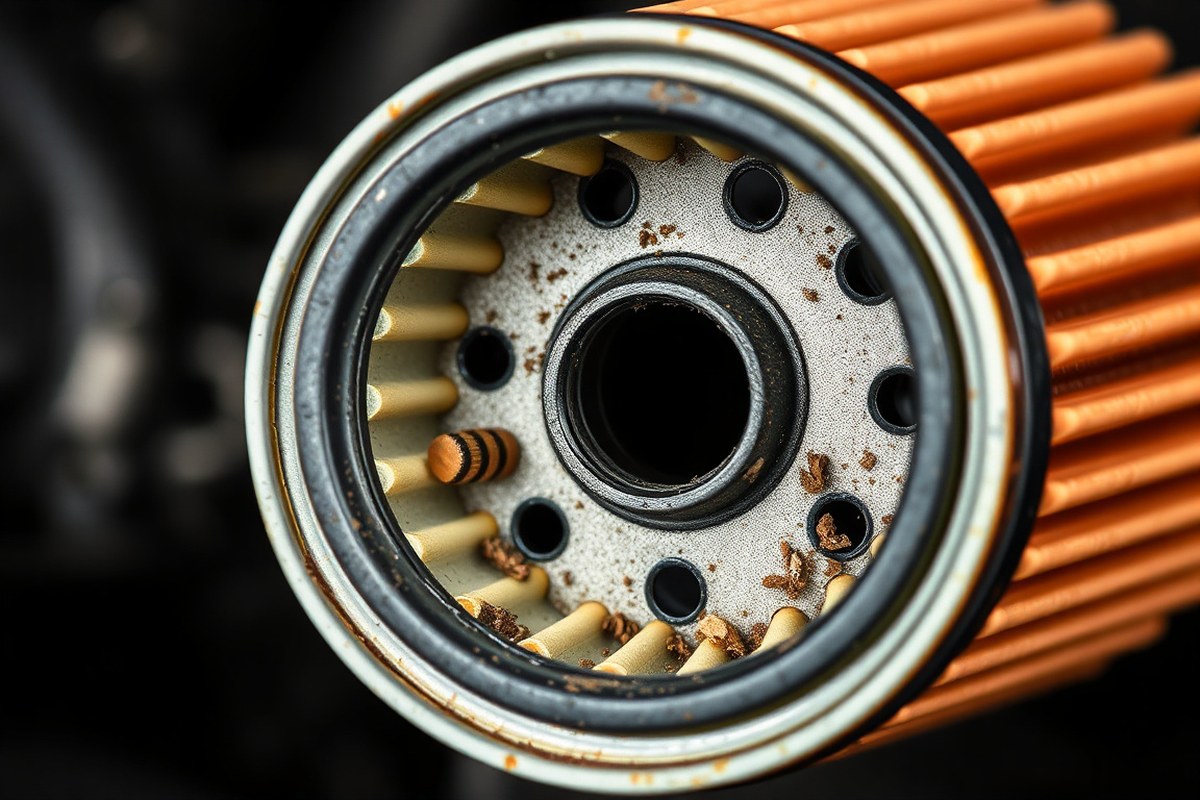
Your oil filter traps dirt, metal bits, and sludge. It stops these contaminants from circulating through your engine with the oil. This helps keep your engine clean and running longer.
How the Oil Filter Catches Contaminants
As your engine runs, oil picks up dirt, tiny metal shards, and carbon deposits. The oil filter uses a fine mesh or paper media to catch these particles. This trap keeps oil cleaner as it flows through your engine parts.
The filter media captures debris by letting oil slip through but stopping larger particles. Dirt and metal get stuck in the filter’s fibers. This stops wear on engine components like bearings and pistons.
Why Engine Health Depends on Clean Oil
Oil lubricates engine parts and reduces friction. Dirty oil with trapped debris causes more wear and tear. This increases the chances of engine damage and lowers performance.
Clean oil keeps the engine cool and protects delicate parts. The oil filter makes sure that fresh, clean oil keeps circulating. That helps avoid overheating and premature engine failure.
What Happens When the Filter Clogs
Over time, the filter fills with trapped dirt and particles. A clogged filter reduces the flow of oil to the engine. This causes less lubrication, overheating, and more friction inside the engine.
Some filters have a bypass valve that opens when clogged. This sends unfiltered oil back into the engine, which can cause damage. That is why changing the filter regularly prevents problems.
Filter Replacement and Engine Longevity
Changing the filter every oil change keeps oil clean and engine running well. For gasoline engines, you should change oil every 15,000 km.
This also means changing it at least once a year. Diesel engines may need it more often, around every 20,000 km.
Replacing the filter costs around $15 to $30 depending on your vehicle and the filter type. Regular changes prevent costly repairs caused by dirty oil circulating in the engine. It’s a simple way to protect your car.
Never skip the oil filter change when replacing oil. A clogged filter risks engine damage over time.
Factors That Affect How Often You Should Change Your Oil Filter
Driving style and conditions play a big role in how often you change your oil filter. City driving means more stop-and-go, which clogs the filter faster than highway driving.
In dusty or dirty areas, the filter traps more particles. So it needs changing sooner.
Synthetic oil generally lasts longer than conventional oil, often up to 7,500 or 10,000 miles. But, the filter’s durability must match synthetic oil’s lifespan.
Using high-quality synthetic oil can stretch filter intervals. But you still have to check your vehicle’s manual for the right schedule.
Older vehicles tend to produce more engine deposits and dirt, which wears out the filter quicker. If your car is over 10 years old, change the filter more often. This holds true even when you use synthetic oil.
Older cars need more frequent maintenance. This helps avoid engine damage from clogged filters.
These factors form a decision checklist to choose your oil filter change interval:
- Do you mostly drive in city stop-and-go traffic or on highways?
- Do you drive in dusty or harsh environments?
- Do you use synthetic or conventional oil?
- Is your vehicle older or newer?
| Condition | Recommended Filter Change Interval (miles) |
|---|---|
| Normal driving with conventional oil | 3,000 to 7,500 |
| City, dusty, or harsh conditions | About 3,000 |
| Highway driving with synthetic oil | 7,500 to 10,000 |
| Older vehicles, all conditions | 3,000 to 5,000 |
You should also follow your car’s maintenance guide for specific recommendations. Staying within these guidelines protects your engine from dirty oil and filter clogging. It also prevents the extra cost and time of repairing damage from neglect.
Most oil and filter changes take 30 to 45 minutes at a shop. But your best bet is doing it at the same time.
Changing the filter every oil change keeps your engine clean and running smoothly under all conditions. Delaying filter replacement risks reduced oil flow and engine wear.
Signs Your Oil Filter Needs Replacing
Watch for engine noises, warning lights, or dirty oil to know when. A drop in oil pressure or sluggish engine performance often mean the filter is clogged. Checking your oil and engine regularly helps catch problems early.
Common Symptoms to Watch For
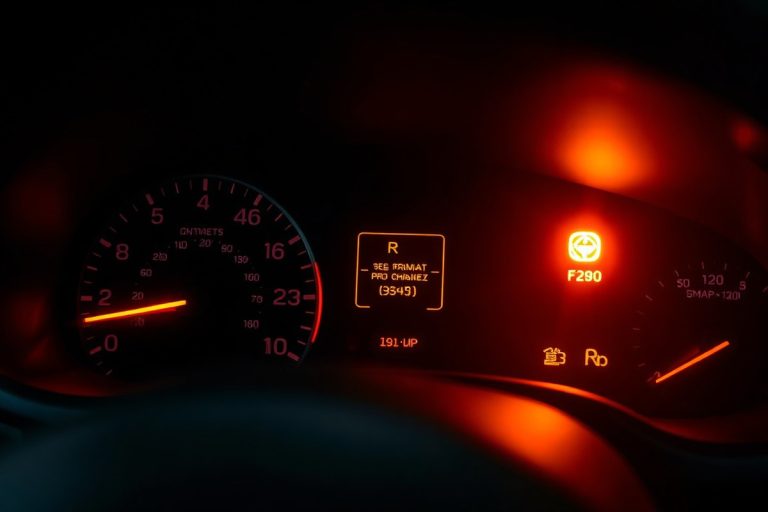
A low oil pressure warning light on your dashboard is a key sign. It means oil flow is restricted, often due to a clogged filter. You might also notice slower acceleration and reduced engine power from dirty oil harming engine parts.
Dark exhaust smoke or unusual engine noises can indicate your oil filter isn’t doing its job. Oil that looks thick, dark, or gritty when you check it by eye is another clue. These signs suggest your oil filter is letting contaminants circulate.
How to Check Oil Condition Yourself
Start with your engine cold and the vehicle parked level. Pull out the dipstick, wipe it clean, then reinsert and remove it again to inspect. Check oil color: fresh oil is amber and clear.
Feel the oil on your fingers for grit or grainy texture. Dirtiness here means your filter might be clogged and not removing particles properly. Checking oil like this takes just a minute but gives important clues on filter health.
Oil Pressure and Warning Lights Reliability
Warning lights are helpful but not always instant or perfect alerts. Sometimes they come on late, after damage started. Low oil pressure warning is more reliable than other lights for filter problems.
The oil pressure gauge reading is also useful. Below normal pressure consistently during driving points to blockage or oil starvation. Visual signs and sounds should not be ignored, even if lights are off.
Checklist to Spot a Failing Oil Filter
- Oil pressure warning light turns on or blinks
- Engine feels sluggish or loses power
- Check dipstick for dark, dirty, or gritty oil
- Notice loud or unusual engine noises
- Exhaust smoke looks thick or dark
- Oil change is overdue by miles or time
Spotting these signs means you should replace the oil filter soon. Delaying can allow bad oil to circulate, causing engine wear or damage.
When to Replace Based on Your Manual
Your vehicle’s manual often advises changing the oil filter with each oil change. Following this rule keeps your engine protected and running smoothly. Reusing an old filter means fresh oil quickly gets contaminated again.
Some filters can last longer. But many drivers find replacing every oil change worth the small added cost. It prevents bigger, expensive problems that come from dirty oil flowing through your engine.
Comparing Types of Oil Filters and Their Lifespan
Oil filters come in several common types: spin-on, cartridge, and reusable high-performance models. Spin-on filters are popular and easy to swap.
They include a metal casing with a fiber filter inside. Cartridge filters sit inside the engine, needing less waste but more care during replacement.
High-performance filters often have aluminum casings and metal filter elements. Some include small magnets to catch metal debris, reducing engine wear. These last longer but cost more upfront and may require special tools to install.
| Filter Type | Common Brands | Durability (Miles) | Cost per Filter | Best Use |
|---|---|---|---|---|
| Spin-on | FRAM, Purolator, Bosch | 3,000 – 7,500 | $5 – $15 | Daily driving, easily replaced |
| Cartridge | Mann-Filter, OEM brands | 5,000 – 10,000 | $10 – $20 | Modern vehicles, less waste |
| High-Performance Reusable | K&N, Mobil 1 | Up to 15,000 | $30 – $50 | Heavy use, racing or extended intervals |
Changing your oil filter regularly is key, regardless of type. Spin-on filters are cheapest and simplest but wear out faster, suiting typical oil change intervals. Cartridge filters reduce waste but may cost slightly more and need more work to swap.
Reusable filters save money long-term and handle tough conditions well. Still, they need cleaning and can fail if neglected. Most mechanics replace the filter every oil change to keep your engine safe and running smoothly.
Always pick the filter that fits your oil change schedule. Match it with how you drive your car daily. This helps avoid engine damage over time.
Step-by-Step Guide to Changing Your Oil Filter Safely
Changing your oil filter every oil change keeps your engine clean and running well. Follow these steps carefully to avoid spills and dispose of the old filter safely. Having the right tools and taking safety steps helps the job go smoothly.
Gathering Necessary Tools and Materials
Gather all tools and materials before starting the job. This helps you avoid interruptions and accidental messes. You’ll need specific items to remove and install the oil filter properly.
Here’s what to have ready:
- New oil filter matching your vehicle model
- Oil filter wrench or strap wrench
- Drain pan to catch old oil
- Gloves to protect your hands from hot oil
- Clean rags or paper towels for wiping spills
- New engine oil in the correct quantity and type
- Proper container or bag for disposing of the used filter
Removing and Inspecting the Old Oil Filter
Before removing the filter, let the engine cool down for 20 to 30 minutes. Hot oil and engine parts can cause burns. Position the drain pan directly under the filter to catch dripping oil.
Here’s how to remove the old filter safely:
- Loosen the oil filter using the oil filter wrench. Turn it counterclockwise.
- Remove the filter by hand once it’s loose, keeping the drain pan underneath.
- Check the removed filter for damage or leaks, indicating engine issues.
- Inspect the filter mounting surface on the engine. Remove any leftover gasket.
A damaged filter or gasket can cause leaks. Never reuse the old filter. Dirt and debris trapped inside weaken the filter over time, risking contamination of the new oil.
Installing the New Oil Filter and Cleaning Up
Before installation, lightly coat the new filter’s rubber gasket with clean oil. This helps it seal without sticking. Screw the new filter on by hand until it fits snugly; don’t overtighten it.
Follow these steps for a clean, safe finish:
- Apply fresh oil to the new filter’s rubber gasket.
- Thread the new filter onto the mount by hand, turning clockwise.
- Tighten the filter an extra ¾ turn after hand-tightening.
- Wipe any spilled oil from the engine and surrounding areas.
- Properly dispose of the used oil filter and any used oil at recycling centers.
- Refill your engine with the correct amount and type of new oil.
- Start the engine and check for leaks around the filter.
Cleaning spills prevents dirt buildup and slip hazards. Take used oil and filters to auto shops or recycling centers. Avoid pouring oil down drains or into trash to protect the environment.
Common Myths and Mistakes About Oil Filter Changes
Changing your oil filter every 3,000 miles is not mandatory for most modern cars. Many vehicles today can safely go 5,000 to 7,500 miles between oil changes. Your car might go 10,000 miles or more on synthetic oil before changing the filter.
Some people skip changing the filter to save money. But this shortsightedness can cause engine damage. The filter traps dirt and particles that wear engine parts if left unchecked.
Skipping the filter change lets dirt build up inside. This blocks oil flow. It can cause costly engine repairs later.
Synthetic oil lasts longer only if you change the oil filter each time. The filter keeps oil clean inside your engine. Old filters let dirty oil move around, cutting synthetic oil’s benefits.
Always check your owner’s manual for recommended filter change intervals and oil type. Cars using regular or synthetic blend oil need a new filter at every oil change.
In newer cars with full synthetic oil, ask your mechanic about the longest filter interval. Make sure it matches the oil’s life.
Oil filters usually cost about $10 to $20. Shops charge more for the service.
Doing it yourself requires basic tools and takes about 15 minutes. Watching out for leaks and properly tightening the new filter helps avoid problems after reinstalling.
Not changing the oil filter with your oil can make engine parts wear faster. Over time, a clogged filter can reduce oil pressure and starve engine components of lubrication. This damage can cut your engine’s lifespan and trigger expensive fixes.
How Driving Conditions and Oil Type Impact Filter Replacement Intervals
Driving in stop-and-go traffic clogs the oil filter faster. Short trips don’t heat the engine fully, causing fuel and moisture buildup in the oil. Dusty roads also dirty the oil more, putting more strain on the filter.
Synthetic oil lasts longer than conventional oil. It holds up better under heat and resists breakdown.
This means synthetic oil filters can often go longer before changing. However, your vehicle manual usually gives different recommendations for synthetic and conventional oils.
Adjust how often you change the oil filter based on your driving habits and oil type. Below is a decision table to help you choose the right filter replacement interval. It considers driving conditions and oil type to balance engine protection with cost and effort.
| Driving Condition | Oil Type | Recommended Filter Change Interval |
|---|---|---|
| Stop-and-go traffic, short trips | Conventional | Every oil change (3,000, 5,000 miles) |
| Stop-and-go traffic, short trips | Synthetic | Every oil change or every 7,500 miles |
| Normal highway driving | Conventional | Every 5,000 miles |
| Normal highway driving | Synthetic | Every 7,500, 10,000 miles |
| Dusty or severe weather | Both | More frequent, every 3,000, 4,000 miles |
When you use synthetic oil but drive in dusty areas, don’t extend intervals too much. Dirt clogs filters quickly, so change them close to 3,000 to 4,000 miles. Frequent short trips also mean changing filters at every oil change, even with synthetic oil.
Regularly checking your oil level and filter condition can catch issues. A clogged filter reduces engine oil flow and may cause engine damage. Plan ahead to avoid surprises.
Filters cost $10 to $30. Shops charge labor on top of that.
Use the manufacturer’s recommendations as a baseline, then adjust for your driving conditions.
When to Contact a Professional for Oil and Filter Changes
Changing your oil filter yourself can save money but also carries risks. Some vehicle models have oil filters in hard-to-reach spots, making improper removal easy.
Overtightening or damaging the filter seal can cause oil leaks. These leaks may lead to engine damage.
Oil leaks under your car, rough engine, or odd noises mean trouble. These signs suggest a filter change may be needed. A mechanic should check these issues.
A mechanic can check for these issues properly and replace the filter with the correct tools. Professionals make sure seals fit well on the filter.
They also handle waste oil disposal safely. Doing this right is hard at home.
Technicians in busy shops replace oil and filter together. This keeps with manufacturer rules. It also saves time.
This routine prevents oil contamination and engine wear. Shops check the drain plug and clean around the filter.
These steps help keep the engine healthy long-term. They prevent dirt and leaks.
Some filters sit under engine covers or near hot components, raising safety concerns for DIYers. Professionals have the right tools and experience to handle these filters without causing burns or damage. They use a torque wrench to tighten the filter exactly.
This stops leaks or stripped threads from happening. Proper tightness matters.
Costs for professional oil and filter changes vary but usually include labor, the filter, and oil. Expect to pay between $40 and $70 at most shops for a standard vehicle. This cost covers expertise and proper disposal, which a DIY change might not include.
Your warranty can be voided if you change oil yourself. Avoid self-changes when your car is still under warranty.
Incorrect filter installation by amateurs could cause engine issues that warranties won’t cover. Skilled technicians follow exact steps for your car’s make and model, keeping the warranty intact.
Some people skip changing the filter to save time or money. This lets old contaminants stay in the fresh oil, which eventually harms engine parts. Having a pro do the work ensures oil flows clean and engine parts stay protected longer.
Call a pro if you’re unsure about the filter’s spot. Also call if you can’t reach it safely. Don’t risk damage or injury.
Mechanics also catch early wear signs you might miss. Oil and filter changes take about 30 to 45 minutes.
Time depends on your vehicle type. Good care avoids costly engine repairs later.
Step-by-Step Action Plan for Oil Filter and Oil Changes
Follow these steps to keep your engine healthy by changing the oil and filter properly.
- Before every oil change: Check your vehicle’s manual for recommended oil and filter types. Confirm you have the right supplies to avoid damage.
- Every oil change (or per mileage guideline): Replace the oil filter along with the oil. This prevents dirty oil clogging your engine and keeps it running smooth.
- After installation: Start the engine and check for leaks around the filter and drain plug. No leaks mean you sealed everything correctly.
- Every month: Look under your car for oil spots and check oil levels. Lower levels can show a leak or filter problem.
- Every 3,000 to 5,000 miles: Change the oil and oil filter when driving conditions are tough. This includes stop-and-go traffic or dusty roads. These conditions wear oil out faster. These conditions foul the oil faster.
- Every 7,500 to 10,000 miles: Use synthetic oil and change your oil and filter at this range. This works well for normal everyday driving. It keeps your engine running smoothly longer. This balances cost with protection.
- Filter signs appear: Replace the filter right away if the engine sounds noisy. Watch for less power or oil pressure warning lights. Don’t ignore these signs to protect the engine. Waiting risks serious engine damage.
- Yearly: Change the oil filter once a year if you drive very few miles. This helps stop the filter from clogging. It also prevents oil from breaking down.
Frequently Asked Questions
Do You Really Need to Change the Oil Filter Every Oil Change?
You need to change the oil filter during every oil change. This keeps your engine cleaner by trapping dirt and particles. It also helps your engine last longer by removing harmful contaminants.
Can I Change the Oil but Keep Using the Old Oil Filter?
You can, but it’s not recommended. The old filter may be clogged, which lowers filtration and risks engine damage.
How Does Skipping Oil Filter Changes Affect My Engine over Time?
Skipping filter replacements lets dirt build up, which can wear your engine. That causes rough running and shortens engine life.
Are There Special Oil Filters That Last Longer Than Usual?
Some high-quality filters can last longer, but most still recommend changing every oil change. Trust your vehicle’s manual for guidance.
Does Driving Style Impact How Often I Need to Replace the Oil Filter?
Yes, stop-and-go or dusty driving clogs filters faster. In tough driving, change filters every oil change or sooner.
Before You Go
Change your oil filter every time you replace your oil. This keeps the oil clean and your engine safe. Plan your next oil change soon to stay on schedule.