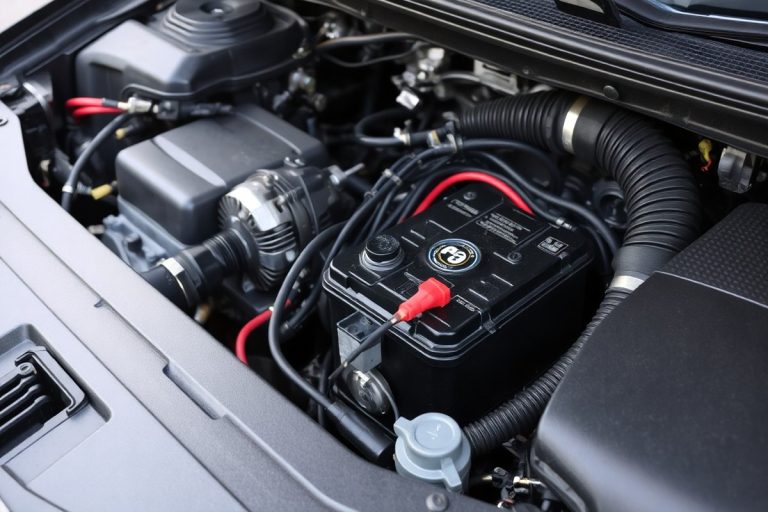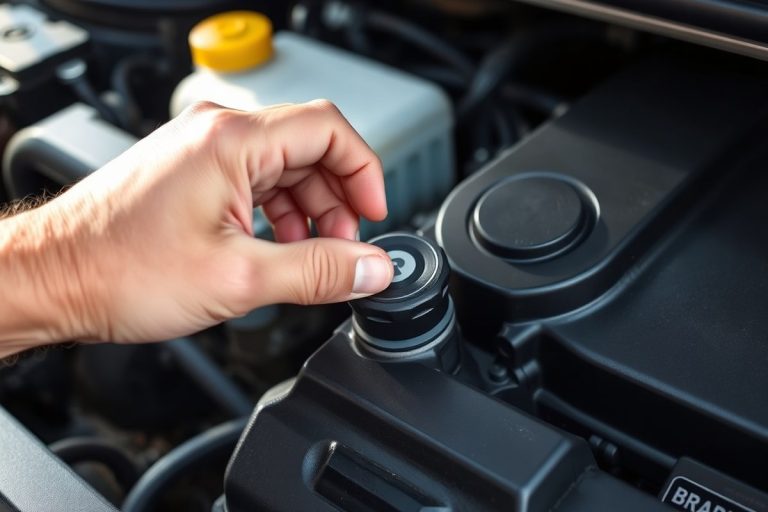
Could Low Oil Cause a Check Engine Light? What Actually Triggers It
Could low oil cause a check engine light? Yes, it can. Low oil pressure or critically low levels can trigger that warning.
The check engine light comes on when sensors find oil pressure problems. It can also mean engine lubrication issues. These problems need your attention fast.
Low oil may cause your engine to overheat or cause bearing damage that triggers misfire codes. These faults show as check engine light codes. They point to oil pressure or valve timing troubles.
Check your owner’s manual for more. Keep in mind, low oil is not always the direct cause. But it’s a common trigger.
The first thing you should always do is check the oil level. It only takes a couple of minutes and often solves or explains the problem. After topping up oil, watch for strange engine sounds.
Notice if your car’s performance drops. The light staying on can mean more problems.
Key Takeaways
- Check your engine oil level immediately when the check engine light appears.
- Low oil pressure often sets trouble codes like P0520, P0521, or P0522.
- Critically low oil can cause bearing wear and lead to engine misfires (P030X codes).
- Low oil disrupts variable valve timing, causing P0011 or similar codes.
- When oil level is fine but the check engine light stays on, watch for other signs. Look for trouble like rough idling or smoke. Keep track of any new symptoms.
- Do not ignore a flashing check engine light. Low oil may not be the only cause.
Can Low Oil Cause the Check Engine Light to Turn On?
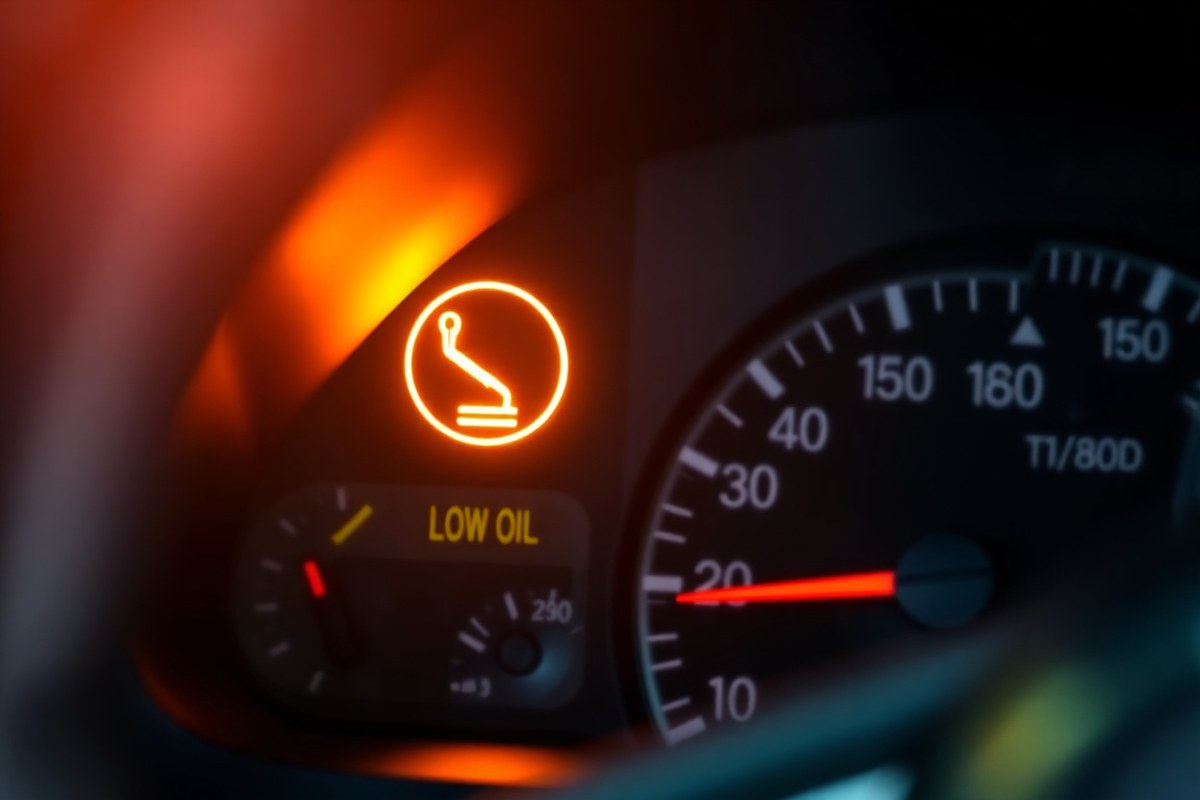
Low oil itself usually doesn’t trigger the check engine light immediately. The light turns on when the engine computer detects an oil problem. This can be low oil pressure or misfires from poor lubrication.
The warning signals there’s an issue inside your engine. Low oil starts a chain reaction inside the engine.
Damage begins before the warning light actually appears. This makes early checks very important.
Inside your engine, oil lubricates moving parts and keeps temperatures down. When oil levels get too low, oil pressure drops fast. Some engine parts don’t get the lubrication they need.
This can lead to engine trouble. Without enough oil, engine parts like bearings can overheat or wear out.
This may cause misfires or other faults detected by your car’s computer. The light can then turn on.
Low oil can damage bearings or hurt the VVT system. Trouble codes like P030X or P001X then trigger the check engine light. These codes show misfires or VVT faults.
The computer uses sensors to monitor pressure and engine function. When the oil pressure sensor detects low pressure, the check engine light comes on. It warns you about possible engine damage ahead.
Don’t wait for the check engine light before checking your oil. Check oil levels often to catch problems early. This helps avoid engine damage.
Low oil pressure or bad oil quality can cause serious engine damage. This can happen before any warning light shows up on your dash.
Regularly check the dipstick to catch low oil early. Fixing low oil fast can stop problems that cause the check engine light to appear.
How Low Oil Pressure Activates the Check Engine Light
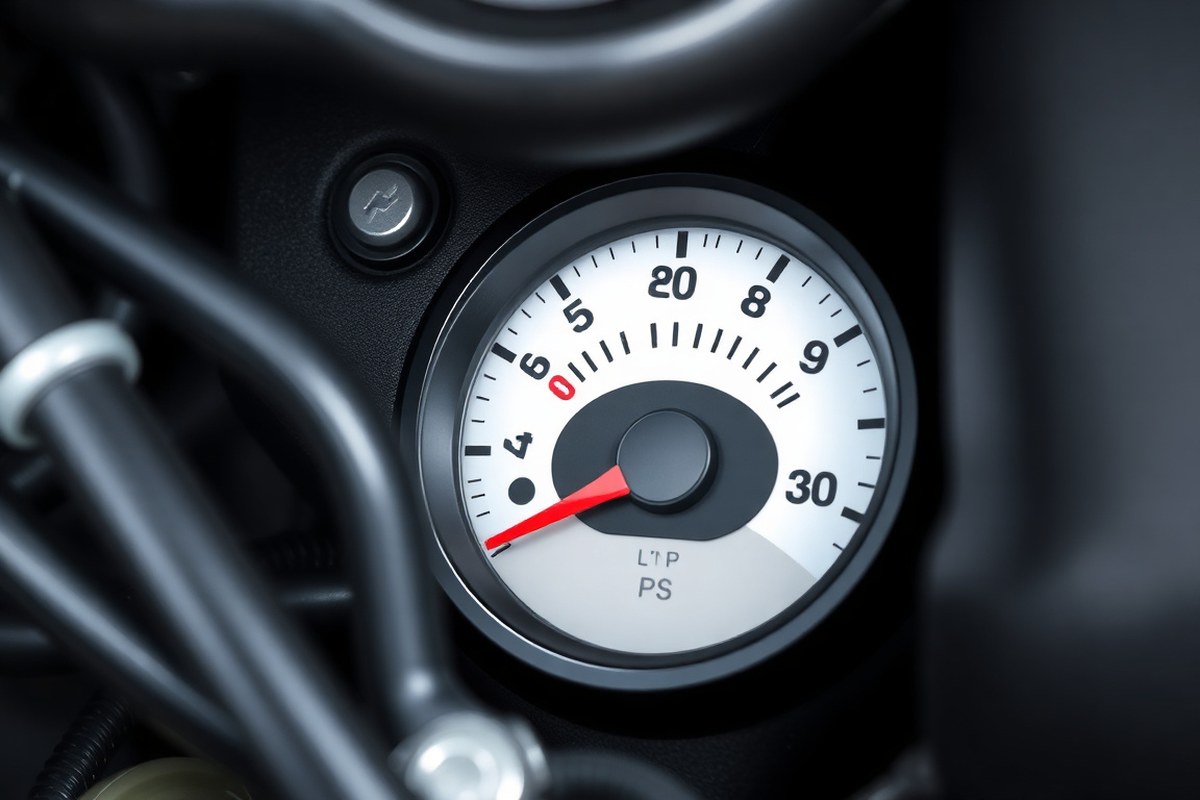
The oil pressure sensor monitors the engine’s oil pressure constantly. A small sensor sits inside the oil gallery. It measures oil pressure.
It does this by sensing the force oil applies to a diaphragm. When oil pressure falls below a set limit, the sensor acts. It sends a signal to the car’s computer.
Low oil pressure happens if oil levels are too low. It also occurs if the oil pump fails to work right. The sensor notices the pressure drop.
It then turns on the check engine light. This warns you to check the problem. This happens because low oil pressure can lead to poor lubrication, causing serious engine damage.
The computer saves trouble codes like P0520, P0521, or P0522. These codes show issues with the oil pressure sensor or low pressure. Mechanics use these codes to identify the exact issue.
This sensor is important because it can catch problems before the engine suffers damage. Without it, a low oil pressure condition could go unnoticed until costly repairs are needed. Checking or swapping the oil pressure sensor costs $50 to $150.
The price depends on your vehicle model. Ignore this warning, and low oil pressure can cause serious engine problems. These include misfires, overheating, or even engine failure.
Don’t ignore a check engine light paired with oil issues. Low oil pressure can quickly damage your engine.
Common Diagnostic Trouble Codes Linked to Low Oil and Engine Light
Low oil levels often trigger specific diagnostic trouble codes. These codes light up the check engine light. Codes like P0520 and P0521 relate to oil pressure sensor issues.
Others like P0300 indicate engine misfires potentially caused by poor lubrication. These codes help pinpoint if low oil or low oil pressure triggered the warning.
Oil Pressure Sensor Codes Explained
Codes like P0520, P0521, and P0522 show an oil pressure sensor issue. The engine computer finds a problem with the sensor signal. These codes appear when oil pressure drops below the sensor’s limit.
The threshold is often around 5 to 10 PSI. It might mean the oil level is low or the sensor itself is failing.
Sometimes, a P0524 code will appear, which directly states the engine oil pressure is too low. These codes matter because they show the computer found oil pressure problems. Sensor issues can also cause engine damage if ignored.
Misfire Codes Caused by Low Oil
Low oil can lead to engine misfires, which the OBD-II system flags with codes like P0300. Misfires happen when cylinders don’t ignite right.
It often occurs when parts like spark plugs or valve timing actuators aren’t lubricated well. These conditions stress the engine and can trigger the check engine light.
A misfire code with an oil pressure code hints at low oil causing engine trouble. This often means multiple problems stem from that.
Less oil lowers pressure and affects engine timing. This reduces combustion efficiency and causes misfires detected by the computer.
Using a Scan Tool to Diagnose Codes
To check if low oil triggers the light, use an OBD-II scan tool. Read the stored trouble codes from the computer. The list below helps you spot codes related to oil pressure and misfires:
- P0520: Oil pressure sensor circuit malfunction
- P0521: Oil pressure sensor range/performance problem
- P0522: Oil pressure sensor low voltage issue
- P0524: Engine oil pressure too low
- P0300: Random or multiple cylinder misfires detected
After retrieving codes, check the actual oil level and pressure with a gauge. Codes and low oil pressure measurements both confirm the issue. This tells you low oil is causing engine warnings.
A scan tool that clears codes helps watch for warnings returning. This verifies if an oil change or sensor fix worked.
Symptoms and Engine Issues Caused by Low Oil Levels
Low oil levels can cause several engine problems that trigger the check engine light. When oil drops too low, it affects the engine’s variable valve timing (VVT). This can cause error codes, like P0011, which means the camshaft timing is off.
The engine may also misfire because low oil reduces lubrication and raises internal friction. Misfires happen when fuel sparks ignite unevenly or not at all. These misfires create vibrations and loss of power, which the engine control unit senses.
Other symptoms can show up alongside the check engine light when oil is low. You might notice increased engine noise or overheating. The engine might even stall or hesitate during acceleration due to poor oil flow.
- Rough idling or engine misfires during driving
- Overly loud engine noises like knocking or ticking
- Unexpected engine stalling or hesitation
- Decreased fuel efficiency and power
- Higher than usual engine temperature
- Visible oil leaks or burnt oil smell
Low oil can also lead to sensor damage, especially to the camshaft and crankshaft position sensors. These sensors depend on good oil pressure to work right. Without enough oil, their signals can falter, causing faults that trigger the check engine light.
Worn engine parts can come from poor lubrication. This may cause the VVT system to fail. When that happens, valve timing won’t adjust properly.
This disrupts airflow and fuel mix, which adds to engine misfires and rough running. The check engine light then comes on to signal these issues.
Differences Between Check Engine, Oil Pressure, and Maintenance Lights
You can usually spot the check engine light by its shape. It looks like an engine block and glows yellow or orange.
The oil pressure light shows an oil can with a drip and usually glows red. A maintenance light often looks like a wrench or says “service.”
The oil pressure light directly signals low oil pressure or low oil. The check engine light rarely comes on just because you have low oil.
It triggers when low oil affects engine systems and causes other problems. The maintenance light simply reminds you to do routine care, like oil changes.
| Warning Light | Shape/Icon | Color | What It Means | Relation to Low Oil |
|---|---|---|---|---|
| Check Engine Light | Engine block | Yellow/Orange | Engine or emissions issue | Low oil can cause it indirectly |
| Oil Pressure Light | Oil can with drip | Red | Low oil pressure or level | Directly signals low oil |
| Maintenance Light | Wrench or “Service” | Yellow/Orange | Time for routine service | Reminds to change oil regularly |
The oil pressure light usually comes on first when oil is low. Driving with low oil risks damaging the engine gradually.
Later, the check engine light might show from related issues. The maintenance light reminds you to change oil before it drops too low.
It’s possible to see more than one light at once. For example, low oil pressure triggers its own light. Damage can make the check engine light turn on later.
Usually, the oil pressure light warns you about low oil. It shows when oil isn’t circulating properly.
Always check your oil pressure light immediately, it warns you before serious engine damage starts.
What to Do Immediately When the Check Engine Light and Low Oil Appear
When your check engine light and low oil indicator come on together, stop driving soon. Check your oil level safely and add oil if needed before continuing. Monitoring the lights and engine condition helps prevent damage and costly repairs.
How to Check Your Oil Level Correctly
Park on level ground and wait five to ten minutes after turning off the engine. This lets the oil settle back into the oil pan for an accurate reading. Always use the dipstick to check, never guess by sound or smell.
- Turn off the engine and wait 5-10 minutes for oil to settle.
- Open the hood and find the oil dipstick, usually with a bright handle.
- Pull out the dipstick and wipe it clean with a rag or paper towel.
- Insert the dipstick fully back into its tube, then pull it out again slowly.
- Look at the oil mark on the dipstick. Compare it to the minimum and maximum marks. Check that the oil level is between these two points.
- The oil level is below the minimum. Add oil right away to avoid damage.
- Close the hood securely after checking.
Check the oil’s color and texture too. It should be amber and smooth, not thick, dark, or gritty.
Deciding Whether to Drive or Stop Safely
The check engine light is flashing. Stop driving right away to avoid engine damage. If you see a steady light with low oil warning, pull over safely.
Use the dipstick to check the oil level. Make sure you are parked in a safe place. Driving with low oil risks overheating and serious engine problems.
Only keep driving if the oil level is near full. The light should turn off after a short drive. Otherwise, stop and check the oil again.
Otherwise, turn off the engine and add oil or call for roadside assistance. It costs more to repair engine damage than to buy a few quarts of oil.
Adding Oil and Monitoring the Light
Use the oil grade your owner’s manual recommends. Adding the wrong oil can make things worse. Add oil slowly and check the level frequently to avoid overfilling.
- Buy the right type and amount of oil for your engine.
- Remove the oil filler cap and pour in a small amount using a funnel.
- Wait a minute and recheck oil level with the dipstick.
- Add more oil in small increments until the level reaches the maximum mark.
- Secure the oil cap and start the engine to see if the lights turn off.
- Drive 10 to 15 miles and watch the check engine light closely for changes.
- The light stays on. Stop driving immediately and get professional help.
After adding oil, the low oil light should go off quickly once pressure returns. The check engine light often resets after a few driving cycles. Keep a close eye on your dashboard during this time.
When to Seek Professional Help for Low Oil and Check Engine Light Issues
Low oil levels often need mechanic help if topping off fails. Don’t ignore the check engine light if it stays on. Mechanics can find leaks or damage causing the problem.
Driving with the light on and low oil can cause serious engine damage. Your car’s oil is low and the light stays on.
Get it checked as soon as possible. Waiting can cause serious engine damage.
Engine damage can occur before you see warning signs on the dashboard. A persistent check engine light with low oil may mean worn bearings or damaged seals. These problems require repairs beyond simple fixes and can cost hundreds to thousands of dollars.
Look for signs beyond the light itself, like engine knocking, overheating, or smoke from the exhaust. These symptoms show oil isn’t protecting your engine parts well enough. Experience shows a quick mechanic visit at this stage can stop bigger repairs later.
A simple rule: schedule a mechanic if the light stays on. Do this within 24 to 48 hours after adding oil. This helps prevent bigger problems.
Mechanics use a diagnostic scanner to read trouble codes and check oil pressure directly. This process usually takes under an hour and costs around $50 to $100 for diagnosis.
Don’t ignore the light if oil level drops quickly. Adding oil often means something is wrong. Get your car checked to avoid damage.
These might indicate leaks, burning oil, or internal engine issues. A professional check helps catch problems early and prevents breakdowns.
If the light flashes or oil pressure warning shows, pull over safely. Turn off the engine and call for help. This stops serious engine damage.
That situation means the engine is at immediate risk. Attempting to drive farther can cause severe damage that may lead to engine replacement.
Common Mistakes Drivers Make About Low Oil and Engine Warning Lights
Seeing a check engine light while your oil level looks fine can still be risky. The light could come on for other reasons. It might be a sensor fault.
Or you may have a loose oil filler cap. Ignoring the light without a proper check can let a serious issue grow unnoticed.
Topping up the oil won’t reset the check engine light by itself. That light signals a stored trouble code in your car’s computer. Fix the problem to clear the light.
Then use a diagnostic tool. Or disconnect the battery briefly. Just adding oil doesn’t fix the code.
Many drivers mix up different warning lights. The oil pressure light is not the same as the check engine light.
Also, some confuse the maintenance reminder with these warnings. Mixing them leads to delays in fixing real engine or oil problems.
- Check oil level with the engine off on flat ground for accurate reading
- Know that a steady check engine light allows limited driving to a garage
- Keep a code reader or visit a shop to diagnose the exact problem
- Don’t rely only on oil top-offs to solve engine warning lights
- Understand your car’s dashboard symbols by reading the owner’s manual
- Note the oil pressure light is usually red and critical, unlike the check engine light
- When in doubt, have a mechanic check before driving long distances
The cost to scan and reset codes typically ranges from $35 to $75 at shops. Some auto parts stores offer free check engine light scans.
Trying to guess the cause without tools often wastes time and money. A quick scan saves headaches and catches issues early.
A quick code scan shows the real check engine cause. It helps you avoid bigger damage later.
Confusing different dashboard lights delays fixing urgent problems. Learn your car’s specific symbols and respond fast to avoid costly repairs. Check the oil level often to keep your engine healthy.
Don’t ignore warning signs. This keeps you safe on the road.
How to Prevent Low Oil Problems and Keep Warning Lights Off
You can prevent low oil issues by checking the oil regularly. Use the right oil type to keep the engine light off. This helps your engine run smoothly and avoid damage.
Staying consistent with maintenance helps your engine run smoothly. It also avoids oil pressure drops that trigger warnings.
Routine Oil Checks and Frequency
Check your engine oil at least once a month and before long trips. Low oil levels can cause serious engine damage if ignored. Use the dipstick to check oil level with the engine off.
Make sure the car is on level ground and the engine is cold. This gives the most accurate reading.
Changing your oil is important to keep engine parts lubricated. Most cars need an oil change between 3,000 to 7,500 miles. The exact time depends on the oil type used and driving conditions.
Regular changes keep your engine in good shape. Always check your owner’s manual for your car’s recommended interval.
Choosing the Right Oil and Filter
Select the correct oil weight and grade for your car’s engine. The owner’s manual specifies this, usually in terms like 5W-30 or 10W-40. Using the wrong oil can cause pressure problems or poor lubrication.
High-quality oil filters remove dirt and debris to protect engine parts. Change the oil filter with every oil change to avoid clogging. Cheap filters might fail and lead to oil starvation or engine warnings.
Additional Maintenance Tips for Engine Health
Proper engine care goes beyond oil checks. Make sure to:
- Inspect for oil leaks under the vehicle regularly
- Replace worn engine seals and gaskets promptly
- Keep a clean air filter to reduce engine strain
- Use recommended fuel types and avoid cheap gasoline
- Have your oil pump and sensors checked at regular services
Neglecting these can lower oil pressure or cause sensor errors that trigger the engine light. Paying attention to these parts helps prevent unexpected issues and costly repairs.
Your Quick-Start Action Plan for Low Oil and Check Engine Light
Follow these clear steps to handle a check engine light caused by low oil. Each step helps you spot and fix the problem fast.
- Right away: Check your oil level with the dipstick. Add oil when the level is low until it reaches the right mark.
- Within one hour: Restart the engine and see if the check engine light turns off. The next step is needed if the light stays on after adding oil.
- Same day: Check trouble codes with an OBD-II scanner. Visit an auto parts store for a free scan too. Write them down.
- Within 24 hours: Find the code meanings online or in your owner’s manual. Confirm they point to low oil or pressure.
- Day 2: Inspect for leaks or damaged oil parts under the car. Fix any minor issues or prepare for professional help.
- Within 3 days: Book an oil change and engine check at a trusted mechanic. Do this if the light or codes still show up.
- After service: Drive normally and watch your dashboard. The light should stay off if the oil issue was fixed.
Frequently Asked Questions
Can Low Oil Cause a Check Engine Light to Flash?
Yes, critically low oil causing engine misfires can make the light flash. Misfires trigger specific codes that turn the light on and warn you to stop driving.
Is Low Oil Pressure the Same as Low Oil Level?
No means oil isn’t flowing properly inside the engine. Low oil level means there isn’t enough oil in the engine. Low pressure can trigger the check engine light more directly than just a low level.
Can Dirty or Bad Oil Trigger the Check Engine Light?
Dirty oil doesn’t usually cause the check engine light by itself. If oil quality drops, it can cause engine problems later. Those problems might set off the warning light.
How Soon Can Engine Damage Occur from Low Oil?
Engine damage can start quickly if oil is very low or oil pressure drops. Bearings wear out fast without enough lubrication, which might cause a check engine warning soon.
Does Topping Up Oil Always Turn Off the Check Engine Light?
Not always. Fixing low oil helps.
But the light might stay on if damage or other issues happen. A scan tool can reset the light once problems are fixed.
The Bottom Line
Low oil often triggers the check engine light, showing engine risks. Fixing your oil level quickly helps prevent worse damage. Check your oil regularly to protect your engine.