Will a Car Run Without a Battery? What Actually Happens and How Long It Lasts
Will a car run without a battery? The quick answer is yes, but only for a short time. The alternator helps keep the engine running.
But it can’t fully replace the battery’s role. Without a charged battery, your car will lose power and stop within minutes.
The battery provides the initial energy to start the engine and powers electrical systems smoothly. After the engine starts, the alternator maintains voltage.
But it relies on the battery to stabilize the flow. Running without a battery puts strain on the alternator and can risk your car stalling.
Try to avoid driving without a battery, especially if your battery isn’t fully charged. Older cars can run a little longer without a battery. Modern cars have more electronics that need power.
This makes them stop faster without a battery. Always keep your battery checked and replaced as needed to avoid unexpected stops.
Key Takeaways
- A car can run for 20 to 60 minutes without a battery if already started.
- The battery supplies a smooth 12 volts needed for engine and electronics.
- Cars with more electronics depend heavily on a healthy battery to run reliably.
- Cold weather can reduce a battery’s effectiveness by up to 35 percent.
- Jump-start a dead battery and keep the engine running for 30 minutes after.
- Running without a battery risks damage to the alternator and engine shutdown.
Can a Car Run Without a Battery? The Direct Answer
A car needs a battery only to start the engine. The battery powers the starter motor at first. Once running, the alternator supplies all the electrical power.
The battery stores energy for the starter motor. This energy helps turn over the engine. After this, the alternator takes over powering the car.
Once running, the alternator generates enough electricity to keep the engine and electrical systems going. Without a battery, the alternator must support all electrical loads immediately.
Most modern cars depend on the battery to stabilize voltage and protect sensitive electronics. Running without the battery can cause voltage spikes that damage the car’s computer and modules. The engine might run for a short time without a battery.
Running this way can cause damage to the system. So, it’s very risky to drive without a battery.
Older cars with simpler setups may run without a battery. This only works if the alternator is strong enough. The alternator must handle all electrical needs alone.
Still, this is rare and unsafe for longer drives. Driving without a battery risks losing headlights and electronics.
Ignition timing may also fail without battery support. Any of these can quickly stop the car.
Starting your car without a battery connected is almost impossible. The starter requires that initial heavy current burst only a battery can deliver.
So, the battery is essential for engine start. The alternator maintains the run after.
Running without a battery at all times puts extra strain on the alternator, risking its failure. It can also lead to electrical issues that may cost hundreds to repair. A dependable battery is necessary to keep your vehicle’s electrical system safe and stable.
How the Battery Supports Starting and Running the Engine
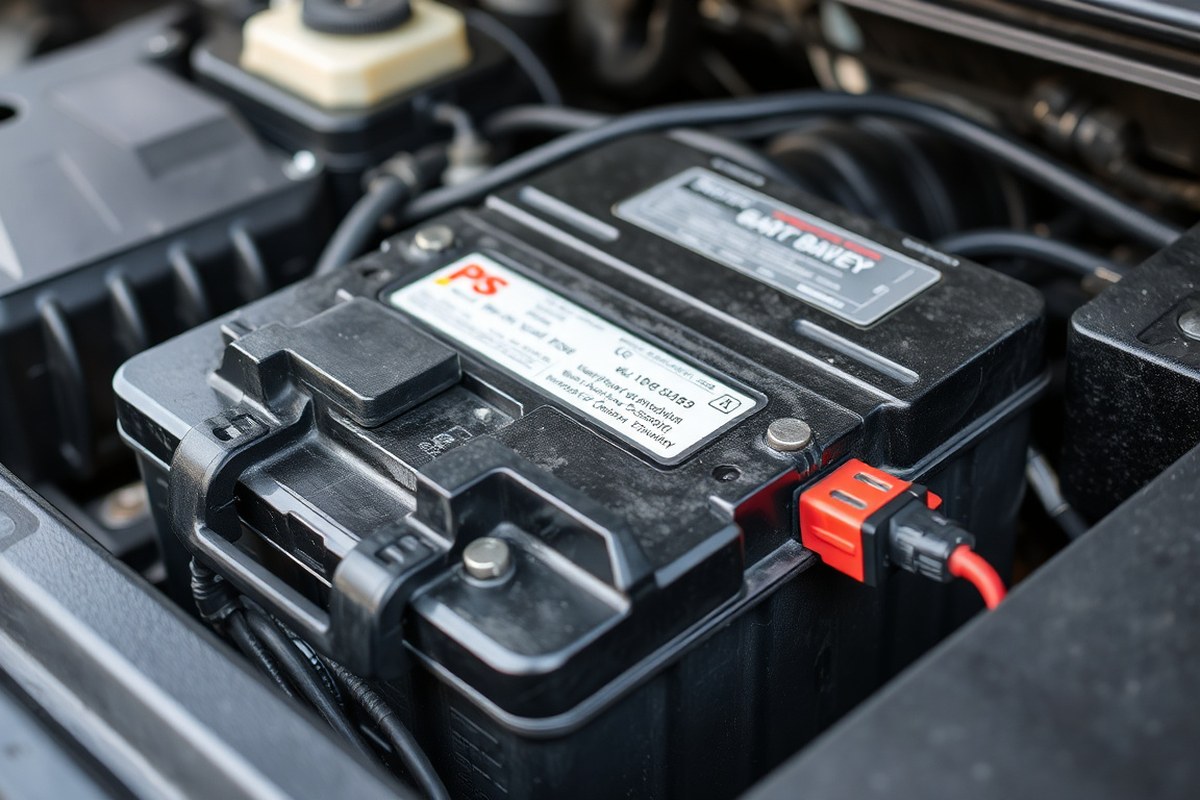
The car battery’s main job is to provide a strong burst of power to the starter. Without this, the engine can’t turn over or ignite the fuel. The battery delivers high current to start combustion.
This current is critical before the alternator works. It powers the initial ignite process in your engine.
Once the engine starts running, the alternator takes over by producing electrical power. It recharges the battery and powers the car’s electrical systems like lights and the radio. The battery buffers voltage changes to protect electronics.
It smooths out spikes and drops in voltage. This helps your car’s sensitive parts stay safe.
Stable voltage from the battery is important because the alternator alone cannot keep voltage consistent. Sudden changes can harm the engine control unit (ECU), anti-lock brakes, and airbags. The battery supplies extra power when electrical demand exceeds what the alternator can deliver.
Trying to run a car without the battery puts extra strain on the alternator. It must cover all electrical needs and stabilize voltage alone. This can cause damage over time and lead to system failures.
Never disconnect your battery while the engine is running. This can damage key electronic parts.
Why the Alternator Can’t Fully Replace the Battery
The alternator cannot fully replace the battery because it relies on the battery to stabilize voltage. When the battery is missing, voltage can spike or drop as engine speed changes. This causes flickering lights, radio static, and other electrical glitches while driving.
Alternator output changes with engine RPM. At idle, it produces less electricity, sometimes not enough to run all systems.
When you rev the engine, output increases. But this fluctuation stresses components that expect a steady voltage supplied by the battery.
Without the battery, the alternator must power everything instantly. It can supply the ignition system and lights.
But lacks the buffer the battery provides. That buffer is essential to protect sensitive electronics like the engine control unit and infotainment system.
Running without a battery risks stalling as voltage falls below what the engine needs. The car’s computer may start shutting down non-essential electronics to preserve power. Eventually, voltage drops enough that the engine stops running altogether.
Because the battery smooths power surges, its absence makes electrical damage more likely. Repairing this damage can cost hundreds or even thousands. It’s safer and cheaper to keep the battery connected even if the alternator works well.
To test alternator function, disconnecting the battery is common, but not ideal. You can use a voltmeter at the battery terminals while the engine runs. This shows the charging status clearly.
It also avoids risking any damage. This method avoids stressing the electrical system in real driving conditions.
In short, the alternator alone can run a car temporarily but not reliably. The battery is part of a balanced electrical setup that keeps everything stable. Removing it creates voltage swings and risks stalling or damaging the vehicle’s electronics.
Comparing Older and Modern Vehicles Running Without a Battery
Older cars sometimes ran without a battery, but modern cars mostly cannot. Old vehicles had simple electronics that managed to work without the battery. Today’s cars rely on complex systems that stop working if the battery is missing.
Electrical System Complexity Differences
Older vehicles had fewer electronic parts and simpler wiring systems. Their engines used carburetors without computers, so less power was needed. Most modern cars use computerized controls and sensors that require stable power.
Modern cars have modules like the ECU and infotainment systems. These parts need consistent voltage from the battery to work correctly. Removing the battery can cause voltage spikes that damage these sensitive electronics.
Battery Dependency in Engine Controls
In older cars, the engine could run for a short time without a battery. The alternator powered the system once the engine started. Today’s engines use electronic fuel injection and computer controls that need battery power at all times.
The alternator alone usually cannot provide the right power without a battery. If the battery is missing, the ECU and other systems shut down or malfunction. This can cause the engine to stall or not start at all.
Exceptions and Edge Cases in Older Models
Some older manual transmission cars might run briefly without a battery if already started. Their electrical systems were minimal and could handle momentary power from the alternator. Still, performance drops and risks of damage remain.
Even in older cars, disconnecting the battery while running can create voltage spikes. These spikes might harm the ignition system or other parts. It’s generally safer to keep the battery connected or consult a mechanic before trying.
Here’s a table comparing key differences between older and modern cars running without a battery:
| Feature | Older Carbureted Cars | Modern Computerized Cars |
|---|---|---|
| Will it run without a battery? | Often yes | Usually no, even with a healthy alternator |
| Electronics at risk | Few sensitive electronics | ECU, body control module, sensors, infotainment |
| Consequence of voltage spike | Minor, if any | Module damage, potentially expensive |
| Verdict | Risky but survivable | Don’t do it |
Running an older car briefly without its battery can work, but watch for damage. In modern cars, missing the battery often means the engine won’t run or electronics break. You should avoid driving without a battery in today’s vehicles altogether.
How Long Can a Car Run Without a Battery Connected?
The engine can run for a short time without a battery installed. As long as the battery has some charge, it helps the alternator keep the engine running. Typically, the car will run only a few minutes without a battery before electrical issues happen.
How long the car runs depends mainly on the engine’s RPM and the alternator’s output. At higher RPM, the alternator generates more power, helping the car run longer without a battery. At idle or low RPM, the alternator’s output drops, shortening runtime.
For example, a car running near 2,000 RPM may run for a few minutes without a battery. It might last two to five minutes before the battery is needed again. At idle it can stall within a minute or less.
Once the battery’s charge is gone, the electrical system loses stability and the engine usually stalls. The battery acts as a buffer, smoothing voltage spikes and drops.
Without it, the engine’s computer and fuel injectors may stop working properly due to power fluctuations. You might notice flickering lights or warning signals before the engine dies.
Some older vehicles with simpler electrical systems might run slightly longer without a battery. But modern cars rarely do. Complex computers and sensors demand steady voltage.
Running your car too long without a battery can cause damage. Voltage spikes won’t get absorbed and may hurt the alternator or electronics.
Never run your car without the battery for long. It risks damage and sudden engine shutdown.
Risks and Dangers of Running a Car Without Its Battery
Driving without a battery puts your car’s electronics at serious risk. Modern vehicles use the battery to keep voltage stable. This protects sensitive parts like the ECU and safety modules.
Voltage spikes from the alternator can harm these parts. The battery acts as a buffer. Without it, repairs can get costly.
The ECU controls engine functions and is sensitive to power surges. Safety systems, including airbags and ABS modules, also depend on stable voltage.
When the battery cable vibrates loose while driving, power cuts off suddenly. This can cause electronics to fail or reset unexpectedly.
Your vehicle’s alternator alone cannot maintain steady voltage without the battery. This instability can cause short circuits or erratic behavior in navigation, lighting, and electronic throttle controls.
In electric or hybrid cars, the 12V battery supports critical control units. Running without it risks shutting down safety functions and triggering dash warnings.
Even if the engine runs briefly, driving without a battery is unreliable. A loose cable can leave you stranded when electronics fail mid-drive. Repairing damage from voltage spikes often costs hundreds or thousands of dollars and can take days.
The best way to avoid damage is never to drive without a working battery securely connected. A weak or failing battery should be replaced fast. This helps protect your alternator, ECU, and safety systems.
Regularly tighten battery terminals to stop vibrations from loosening them. Check often for corrosion that lowers contact quality.
How Cold Weather and Battery Condition Affect Running Ability
Cold weather makes a car battery less effective by slowing down its chemical reactions. At 32°F (0°C), a battery has about 80% of its normal power.
When the temperature drops to 0°F (-18°C), it falls to roughly 50%. This loss means the battery can’t deliver enough energy to start the engine easily.
You can check battery health with a simple voltage test. A fully charged battery shows about 12.6 volts when the engine is off. If the voltage falls below 12.4 volts, it likely needs charging or replacement.
During engine start, expect a drop to around 9.6 volts. Lower than that suggests a weak battery or connection problems.
A weakened battery struggles to supply the initial power for the starter motor. This can cause slow or failed engine cranking.
It puts extra strain on the alternator, which can’t fully compensate for a poor battery. In cold seasons, this issue usually grows worse, making reliable starts harder.
Battery terminal conditions also affect starting in cold weather. Corrosion or loose connections reduce voltage delivery and the current flow.
Regularly cleaning terminals and tightening clamps cost little but improve starting reliability. A poorly maintained battery often behaves like a bad one.
When testing your battery, a load test shows how it holds voltage under stress. Mechanics use this to confirm if the battery will handle harsh starts.
A bad result means replacement is necessary before you get stuck. Testing costs around $15 to $30 and helps avoid roadside failures.
Cold weather and a weak battery combine to make starting your car tough. Voltage tests and terminal checks are easy first steps you can take.
Spending a small amount on maintenance saves you time and avoids getting stranded. It also reduces damage risk to other parts tied to powering the engine.
Testing and Diagnosing Battery and Alternator Performance
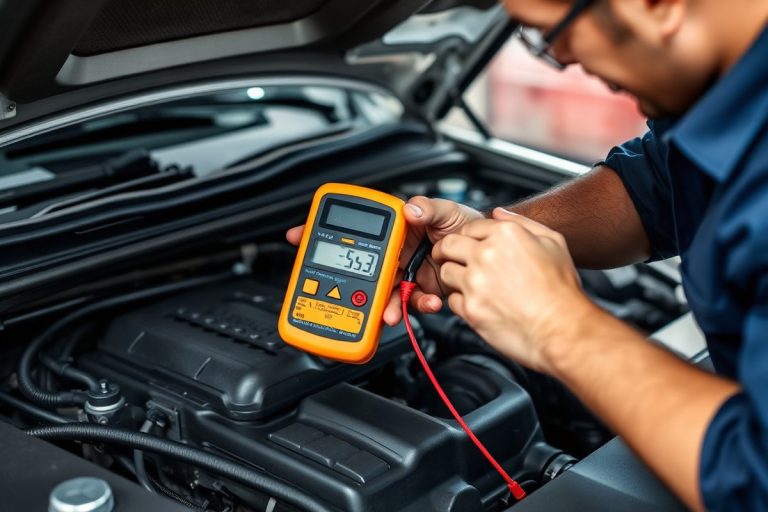
Testing your car’s battery and alternator helps find electrical problems before they stop your car. Checking battery voltage and alternator output confirms they work well under normal and stressed conditions. You can use a multimeter to check your electrical system.
Follow simple steps for good results. These tools help you see if the system is healthy.
Measuring Battery Voltage with a Multimeter
Checking the battery’s resting voltage shows its current charge before the engine starts. A fully charged 12-volt battery should read about 12.6 volts or more. Lower readings mean the battery is weak or partly discharged.
Use a digital multimeter set to DC volts to do this test safely and accurately. Use clean, tight contact on the battery terminals for a good reading.
- Turn off your car and all accessories.
- Set your multimeter to the 20-volt DC range.
- Place the red probe on the battery’s positive terminal.
- Place the black probe on the battery’s negative terminal.
- Read the voltage displayed on the meter.
- Compare the reading to the 12.6 volts baseline.
Always double-check that the car is fully off before voltage testing to avoid misreadings.
Conducting the 3-Minute Alternator Test
This test checks if the alternator charges the battery properly. It measures voltage when the engine is running. The right voltage confirms the charging system works.
The voltage should rise to about 13.8, 14.5 volts, which means the alternator works properly. Voltage that is too low or too high means problems might exist.
The alternator or regulator could be the cause. Check these parts if you see voltage issues.
Run the engine at idle for at least 3 minutes during this test. Keep the multimeter connected to battery terminals during the test.
This gives clear and steady voltage readings. It helps you spot any charging problems easily.
- Start your car and leave it idling.
- Keep all accessories off (radio, lights, etc.).
- Set your multimeter to 20 volts DC.
- Place red and black probes on battery terminals as before.
- Watch the meter voltage for 3 minutes while idling.
- Note if voltage stays between 13.8 and 14.5 volts.
Don’t disconnect the battery while the engine is running, this can harm the alternator and electronics.
Performing a Load Stress Test Safely
Stress testing your car’s electrical system checks how the battery and alternator handle heavy loads. Turning on multiple electrical parts simulates real driving conditions. Voltage should remain steady above 13 volts during this test to ensure healthy charging.
Use headlights, blower fans, and the radio all at once during the test. Keep the engine running and measure voltage on the battery terminals again.
- Start your car and let it idle.
- Turn on high beams, heater blower, and radio simultaneously.
- Set multimeter to 20 volts DC and place probes on battery terminals.
- Watch the voltage while accessories run for 2 to 3 minutes.
- Look for voltage staying above 13 volts without major drops.
- Turn off accessories and repeat test if voltage falls too low.
Repeated low readings during load tests indicate a weak battery or failing alternator needing replacement.
Safe Practices and When to Seek Professional Help
Handling a car without a battery requires caution to avoid damage or injury. Stop running it immediately if you notice abnormal behavior or stalls. Knowing when to call a pro can save you time and prevent costly repairs.
Precautions for Running Without a Battery
Never run a car without a battery for long. The electrical system will be unstable. This can cause problems with the car’s electronics.
The absence may cause voltage spikes that can fry electronic parts. Always wear safety glasses and gloves when testing or working around the battery area.
Check for loose connections before starting a car. Look for damaged cables too. This matters when the battery is dead or missing.
Don’t close doors or turn on electrical accessories. These actions add extra demand to the alternator. It also stresses the wiring.
- Keep metal tools away from battery terminals to prevent short circuits.
- Wait 30 seconds to a minute before retrying the engine start on a dead battery.
- Ensure the car is parked securely away from traffic or uneven ground.
- Disconnect sensitive electronics if possible to reduce damage risk.
- Don’t disconnect the battery cables when the engine is running.
Following these steps lowers the risk of sparks, shocks, or system damage. It also protects you from harm in case the battery has hazardous leaks or cracks.
Signs You Should Stop and Get Professional Help
A car without a battery can stall suddenly. This can leave you stranded in dangerous places. Examples include intersections and highways.
Shut off the engine if it cuts out or electronics flicker right away. Continuing to drive risks more damage and safety hazards.
Be alert for warning lights, unusual smells, or loud buzzing sounds while operating the vehicle. These signs often indicate alternator trouble or electrical shorts.
If it fails to start after many tries, get it tested. The battery or charging system may be the problem.
Decision Criteria for Repair vs. DIY
Simple tasks like cleaning terminal corrosion or tightening loose clamps you can do yourself safely. Buy a basic multimeter to check voltage output. This works for testing the alternator and the battery too.
Use it only if you know how. Replacement batteries typically cost $50 to $150 depending on vehicle size and type.
Call a pro if the battery looks damaged. Also call if the alternator fails or the starter motor won’t engage.
Also, call a mechanic if multiple warning lights flash on your dashboard. Complex electrical problems can lead to expensive repairs if handled incorrectly.
Step-by-Step Action Plan for Running Your Car Without a Battery
Follow these steps to determine if your car can run safely without a battery. This simple plan helps you test your vehicle while avoiding damage.
- Before you start: Make sure your car’s battery can be removed. Turn off all electrical parts before you begin. This prevents sparks and keeps you safe.
- Step 1: Disconnect the battery cables carefully, starting with the negative terminal first. Watch for no sparks or loose connections afterward.
- Step 2: Have a helper turn the ignition key to start the engine. The engine turning over and running means the alternator works.
- Step 3: Let the engine run for at least five minutes. Watch the dashboard lights while it runs. No flickering or warning lights mean the alternator is stable.
- Step 4: Test basic electrical components like headlights and radio. They should function without interruption during this test.
- Step 5: Turn off the engine and reconnect the battery, starting with the positive terminal. This ensures normal operation resumes safely.
- Step 6: If the engine won’t start or electrical parts misbehave, replace the battery. Or get help from a mechanic.
Frequently Asked Questions
Can You Jump-Start a Car with a Dead Battery and No Replacement?
Yes, you can jump-start a car with a dead battery but no replacement battery installed. It helps to have the booster car connected properly and working alternator on your car.
Will Running a Car Without a Battery Damage the Alternator?
Running a car without a battery can strain and damage the alternator. The battery helps stabilize voltage and protect the alternator from surges.
How Does Removing the Battery Affect Electronic Accessories in the Car?
Removing the battery disables many electronic accessories like radios and clocks. These systems rely on the battery for steady power during engine off or fluctuating alternator load.
Can a Car’s Computer Reset If the Battery Is Disconnected?
Yes, disconnecting a car’s battery can reset the computer settings and user preferences. This may also clear error codes, but can affect engine performance until relearned.
Is It Safe to Disconnect a Car Battery While the Engine Is Running?
No, disconnecting the battery with the engine running can cause voltage spikes that damage electronics. Always turn off the engine before removing the battery.
The Bottom Line
Your car can run briefly without a battery. But it is not safe or reliable long term.
Testing your vehicle this way helps spot issues early. Check your battery health or call a pro if your car struggles to run without it.