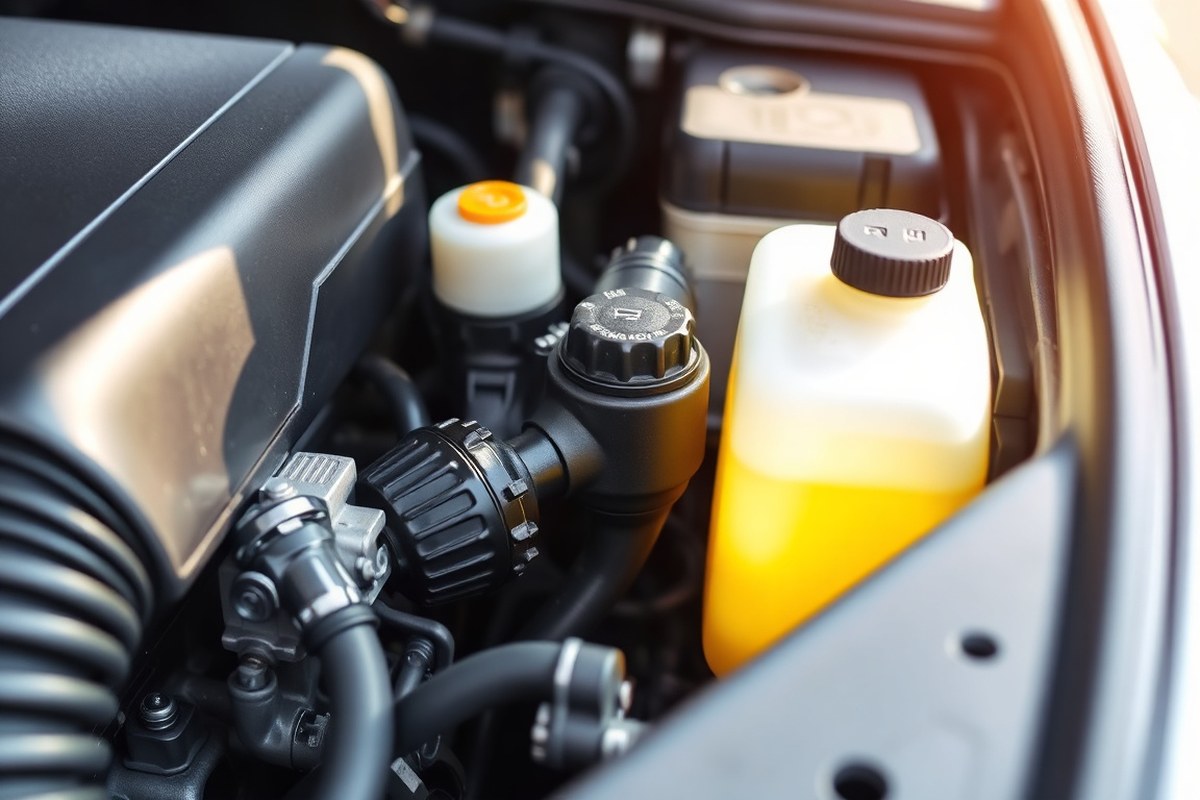
Can Brake Fluid Be Used in Power Steering? What Actually Happens and How to Fix It
Can brake fluid be used in power steering? The short answer is no. Brake fluid and power steering fluid have different formulas and purposes.
So mixing them can cause damage. You should never put brake fluid into your power steering reservoir.
Brake fluid is thinner and more corrosive than power steering fluid. It can harm seals and pumps in the power steering. You should act fast to avoid expensive repairs after adding brake fluid by mistake.
Check the color and texture of your power steering fluid before adding any. Power steering fluid is usually thicker and more reddish or amber. Catch the mistake early and flushing the system can fix it without extra cost.
Key Takeaways
- Brake fluid is not compatible with power steering systems.
- Brake fluid can damage seals and pumps inside power steering units.
- Always check your vehicle’s manual for the correct fluid type.
- Power steering fluid is thicker and often redder than brake fluid.
- Take action within 24 hours if brake fluid gets into the power steering system.
- Flush the power steering system immediately after brake fluid contamination.
Can Brake Fluid Be Used in Power Steering Systems?
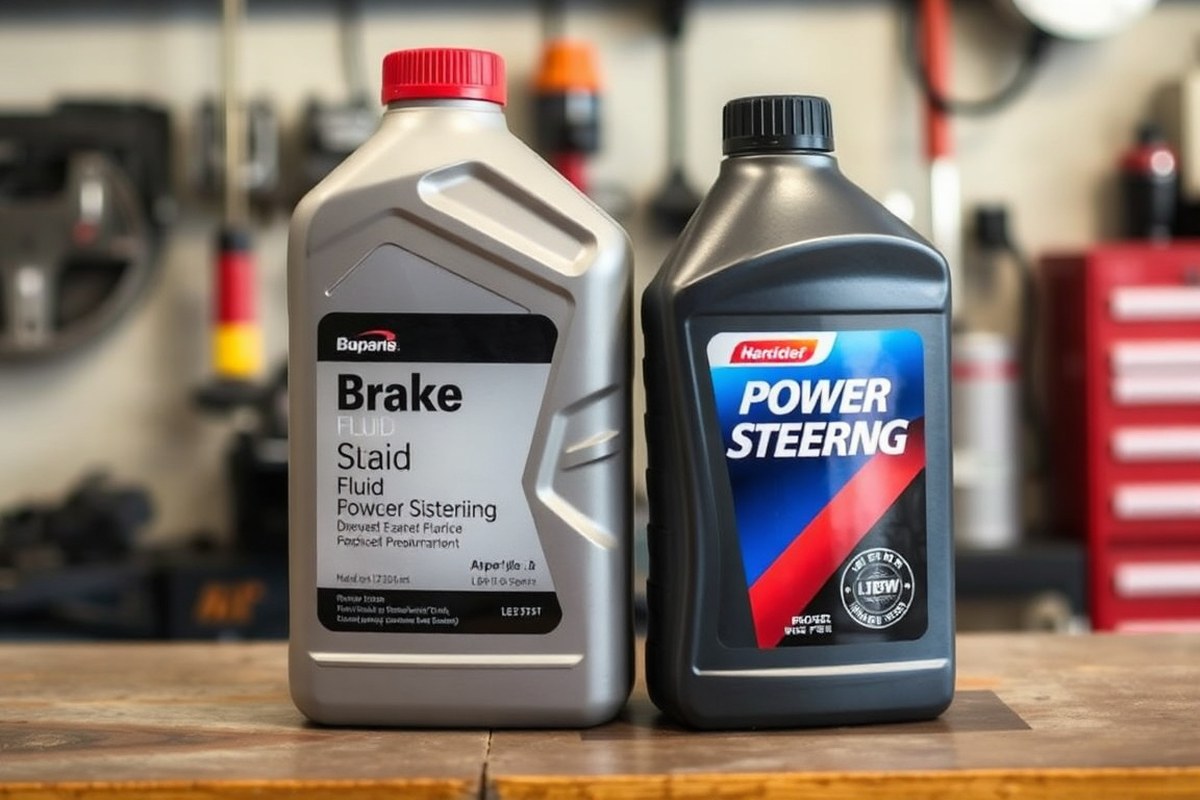
No, brake fluid cannot be used as a substitute for power steering fluid. These two fluids have very different chemical compositions designed for unique system needs. Using brake fluid in your power steering can cause serious damage quickly.
Brake fluid is made to handle high temperatures and pressure in brake systems. Power steering fluid lubricates seals and pumps. It can be special hydraulic fluid or automatic transmission fluid.
These fluids work in different ways inside the system. Brake fluid’s corrosive properties can eat away seals and damage components inside the power steering system.
Adding brake fluid to power steering can cause damage fast. Remove all the fluid within 24 hours to prevent this. Use a fluid extractor or turkey baster, then flush and refill.
Failing to remove the brake fluid can cause pump failure or leaks. These repairs can cost hundreds of dollars depending on your vehicle. Use the fluid type and change schedule your vehicle maker recommends.
This is usually every 50,000 miles or five years. Doing so keeps the power steering working properly.
Key Differences Between Brake Fluid and Power Steering Fluid

Brake fluid and power steering fluid serve very different jobs in your car. They have different chemical makeups and boiling points. They also react differently with seals and hoses.
This affects how they perform in cars. Using one in place of the other can cause damage and system failure.
Chemical Composition and Viscosity Differences
Brake fluid is usually glycol-ether based and absorbs moisture from the air. It can also be mineral oil or silicone in some types. Power steering fluid is mostly petroleum-based and includes additives for lubrication and seal protection.
Brake fluid is thicker and incompressible to provide firm hydraulic pressure. Power steering fluid has a lower viscosity to flow smoothly through pumps and valves. Their different viscosities affect how each fluid moves and protects the parts it contacts.
| S/N | BRAKE FLUID | POWER STEERING FLUID |
|---|---|---|
| 1. | Brake fluid works by pushing brake parts through hydraulic pressure. It makes your brakes respond when you press the pedal. This force helps stop your car safely. | Power steering fluid is hydraulic, aimed at improving steering. |
| 2. | Brake fluid can be mineral oil, silicone, or glycol-ether based. | This fluid is petroleum-based with seal conditioners and additives. |
| 3. | Brake fluid is incompressible and has a high viscosity. | Power steering fluid has lower viscosity for easier flow. |
| 4. | Brake fluid is also hygroscopic, meaning it absorbs moisture. | Power steering fluid is designed to prevent seal swelling. |
Switching these fluids causes problems because their chemicals and thickness don’t match. Power steering fluid lacks the thickness needed for braking function. Brake fluid won’t lubricate moving parts in the steering system properly.
Boiling Point and Thermal Stability
Brake fluid can handle heat above 400°F (205°C) without breaking down. It stays reliable after many stops. Power steering fluid boils at a lower temperature because steering systems run cooler.
Moisture can lower brake fluid’s boiling point by over 100°F, risking brake fade and safety. Power steering fluid won’t protect components from heat as brake fluid does. The different boiling points mean these fluids are not interchangeable.
Always keep brake fluid dry to maintain its high boiling point and safe function.
Compatibility with Rubber Seals and Components
Brake fluid is corrosive to the rubber seals and hoses designed for power steering fluid. It can cause these seals to swell, soften, and break down. This damage leads to leaks and possible power steering system failure.
Power steering fluid contains seal conditioners to keep rubber parts flexible and intact. Using brake fluid in power steering causes these parts to degrade quickly. The wrong fluid in either system leads to costly repairs and safety risks from seal damage.
How Brake Fluid Affects the Power Steering System
Brake fluid damages power steering seals and hoses. It is a hydraulic fluid. It has strong solvents and chemicals.
These solvents harm rubber and plastic in hoses and seals. They cause swelling, cracking, or leaks. Damage can start within days of contamination, quickly leading to fluid leaks and reduced system pressure.
Beyond physical damage, brake fluid causes corrosion inside the metal parts of the power steering system. Brake fluid draws moisture from the air. This moisture causes corrosion inside the pump and rack.
Rust and corrosion build up over time. This damages components and makes steering less responsive. Repairs then get more expensive.
The seriousness of this damage depends on how long brake fluid stays in the system. Even small amounts cause wear quickly, but prolonged exposure worsens it significantly. Signs appear in days or weeks.
You might hear noisy pumps or feel stiff steering. Leaks may also be visible.
Recognizing Brake Fluid Contamination in Power Steering Fluid
Power steering fluid contaminated with brake fluid often changes color. It may turn darker, sometimes brownish, or develop a foamy surface. These are signs to watch for when checking under the hood.
Besides the look, the power steering system starts acting up. Steering might feel stiff or harder to turn. You might also hear whining or moaning noises coming from the steering pump.
Brake fluid and power steering fluid have different chemicals, so mixing them causes damage. Catching contamination early saves you from expensive repairs down the road.
- Check the fluid color; dark brown or foamy fluid signals a problem.
- Listen for unusual moaning or whining when turning the wheel.
- Note if the steering feels heavier or less responsive than usual.
- Look for leaks around the power steering pump or reservoir.
- Test the fluid texture; brake fluid thins power steering fluid unnaturally.
- Watch for the brake warning light too, since contamination affects both systems.
Checking the power steering fluid means opening the reservoir cap with the engine off. Use a clean white cloth or paper towel to take a small fluid sample. Look at it under good light to catch any color or texture changes.
Driving with contaminated fluid can damage the steering pump within days or weeks. It can push particles that wear down seals and valves inside. That leads to leaks and failure, turning a quick fix into an expensive repair.
Proper Steps to Flush Brake Fluid from Power Steering
Start by draining the contaminated fluid to stop damage. Then flush the system with proper power steering fluid. Finally, refill and bleed the system to remove air and restore function.
Draining the Contaminated Power Steering Fluid
Remove the old fluid as soon as you spot brake fluid contamination. It prevents seals and hoses from swelling or breaking down. Use a drain pan to catch the fluid safely.
Follow these steps to drain the power steering fluid:
- Park the vehicle on level ground and turn off the engine.
- Locate the power steering reservoir and remove the cap.
- Find the low-pressure return line or a drain plug on the system.
- Use pliers or a wrench to disconnect the return line carefully.
- Drain the fluid into a clean catch pan, allowing gravity to help.
- Use a turkey baster or fluid pump to remove remaining fluid from the reservoir.
- Reconnect the return line securely once drained fully.
Wear gloves and keep brake fluid away from painted surfaces to avoid damage.
Flushing with Compatible Power Steering Fluid
Flush the system to clear out all traces of brake fluid. Using the correct fluid helps protect seals and ensures smooth steering. Flush cycles are usually done twice to clean thoroughly.
Flush the power steering system like this:
- Fill the reservoir with the correct power steering fluid recommended by your vehicle manual.
- Start the engine and turn the steering wheel left to right slowly to circulate fluid.
- Stop the engine and drain the fluid again using the same method as before.
- Repeat filling and draining one more time to flush remaining contaminants.
Using transmission fluid as a temporary flush can help. But only if specified by your vehicle’s manufacturer. Otherwise, stick to power steering fluid only.
Refilling and Bleeding the System
Refill the reservoir with fresh power steering fluid once flushing is complete. Air trapped in the system can cause noise and poor steering feel. Use a simple bleeding process to clear air out.
Do this to refill and bleed your system:
- Pour the new fluid into the reservoir until it reaches the full mark.
- Start the engine and slowly turn the wheel from lock to lock several times.
- Check the fluid level and add more if it drops during bleeding.
- Inspect for leaks around lines and seals while turning the steering.
- Repeat bleeding steps until no air noise occurs and steering feels smooth.
Do not run the vehicle without fluid. The pump can fail quickly from dry operation.
Safe Alternatives to Power Steering Fluid and When to Use Them
You can use certain fluids as power steering fluid substitutes, depending on your vehicle. Some power steering systems accept automatic transmission fluid (ATF) or synthetic fluids designed for that purpose. Avoid using fluids that don’t match your vehicle’s specifications to prevent damage.
Automatic Transmission Fluid as a Substitute
Some older vehicles actually require automatic transmission fluid in their power steering systems. Check your owner’s manual before trying ATF as a substitute.
If you’re out of power steering fluid, ATF may work temporarily. But only if your system allows it.
ATF has the right hydraulic properties for many steering systems. It’s thinner than typical power steering fluid and handles pressure well without foam buildup. Many automakers specify ATF because it matches their component seals and materials.
Synthetic and Mineral-Based Power Steering Fluids
Modern vehicles often need synthetic power steering fluid, which resists heat and lasts longer. Some systems need mineral oil-based fluids instead. These fluids meet specific standards like DIN 51 524T3 or ISO 7308 to ensure proper performance.
Synthetic fluids provide better protection against wear and corrosion, especially in hot climates. Mineral oil-based fluids usually suit older or specific vehicle designs. Always use a fluid type your manual recommends to avoid leaks or damage.
Fluids to Avoid in Power Steering Systems
Never use brake fluid as a power steering fluid substitute. Brake fluid is water-based and damages seals in the power steering system. Its chemical makeup causes leaks and can lead to costly repairs.
Universal power steering fluids are generally safe if they meet your vehicle’s fluid standards. Still, check the manufacturer’s guidelines to be sure. Using unapproved fluids can cause performance problems or shorten system life.
Here’s a quick look at common power steering fluid types and their uses:
| Fluid Type | Used In | Properties | Typical Vehicles |
|---|---|---|---|
| Automatic Transmission Fluid (ATF) | Power steering systems that specify ATF | Thin, good pressure resistance, compatible with seals | Older cars, some trucks |
| Synthetic Power Steering Fluid | Modern systems needing high heat resistance | Long-lasting, corrosion protection, meets DIN 51 524T3 | Newer vehicles |
| Mineral Oil-Based Power Steering Fluid | Systems needing mineral oil | Good seal compatibility, suited for certain older designs | Older European cars, specific models |
| Universal Power Steering Fluid | Systems accepting universal fluids | Meets multiple fluid standards, convenient but check compatibility | Varies by manufacturer specs |
Using the correct fluid type helps keep power steering systems quiet and smooth. The right fluid protects seals, avoids leaks and extends system life. Always follow your vehicle’s recommendations closely.
Emergency Actions If Brake Fluid Is Accidentally Added
Brake fluid in the power steering reservoir can cause serious damage fast. You want to avoid driving the vehicle after the misfill. The fluid’s chemical makeup can degrade seals, hoses, and pump parts if left too long.
Flush the system as soon as possible, ideally within a few hours. Delaying this risks costly repairs, since brake fluid strips lubrication from power steering components. The quicker you act, the less damage occurs.
- Turn off the engine and open the hood immediately.
- Wear gloves and protect nearby paint from spills.
- Drain the contaminated power steering fluid fully.
- Flush the system with a power steering fluid-compatible cleaner or fresh fluid.
- Refill with the correct power steering fluid type.
- Start the engine and turn the steering wheel fully left and right several times.
- Check for leaks and monitor power steering performance closely.
Flushing usually takes 30 minutes to an hour. You will need a few quarts of new fluid.
The cost to handle this yourself mostly involves fluid prices around $10 to $25 per quart. You need some tools to remove and replace reservoir fluid safely.
Your steering will feel normal and leak-free after flushing removes brake fluid. Stiffness, noise, or leaks mean possible damage. You should get a professional inspection.
Keep driving without flushing can cause pump failure or hose leaks. Repairs can cost hundreds of dollars.
Costs and Repairs Needed After Brake Fluid Contamination
Repairing power steering damage caused by brake fluid contamination can get costly fast. The power steering pump often suffers first, as brake fluid degrades the lubrication it needs. Replacing the pump typically costs between $300 and $700, including parts and labor.
Brake fluid can also ruin hoses and seals, leading to leaks. Notice cracks or swelling in hoses? Then you need to replace them.
Hoses usually cost $50 to $150 plus labor. Seal replacement ranges from $100 to $250, depending on the vehicle model.
You might save money by flushing the system yourself after contamination. But you’ll still need parts replaced if damage occurred. Flushing alone costs about $100 to $150 at a shop.
But DIY kits run $20 to $40. Avoid driving too long with contamination to prevent costly pump failure.
| Repair Type | Typical Cost Range | When Needed |
|---|---|---|
| Power Steering Pump Replacement | $300 – $700 | Pump noise, leaks, or failure after contamination |
| Hose Replacement | $50 – $150 | Hoses damaged or swollen by brake fluid |
| Seal Replacement | $100 – $250 | Leaking seals from fluid contamination |
| Power Steering Fluid Flush | $100 – $150 (shop) | To remove brake fluid contamination |
| DIY Fluid Flush Kit | $20 – $40 | Minor contamination, timely intervention |
Fixing power steering damage yourself is possible only if contamination is caught early. Flushing the system with the right fluid is a straightforward task for someone with basic skills.
Trying to replace a pump or hoses? That requires specialized tools and expertise.
Most people should leave pump or hose replacements to a professional mechanic. Incorrect installation can cause leaks or pump failure. Tightening fittings needs careful attention to avoid air pockets.
Bleed the steering system well. This helps prevent steering noise.
Start repairs promptly to stop damage from spreading and save on more expensive fixes.
When to Seek Professional Help for Power Steering Fluid Issues
You should get professional help if your steering feels stiff or noisy after the fluid swap. Any unusual leaks or a burning smell inside the car also demand a mechanic’s look. These issues often mean brake fluid has caused damage beyond simple flushing.
Flushing the power steering fluid isn’t always easy. It needs careful steps, like turning the wheel lock to lock while draining. Missing these details can leave contaminated fluid inside, leading to pump damage or erratic steering.
The warranty on your car matters a lot when choosing repairs. Your vehicle’s warranty might get voided by a DIY fix. Dealers and certified shops use the right tools.
They follow factory rules. This protects your warranty coverage.
Here’s a simple rule. Be sure you completely flush the system. Drain all brake fluid.
Refill only with exact power steering fluid. Then DIY might work.
The key is to keep turning the wheel while draining to clear fluid from all lines. Use a steady, slow drain and don’t rush filling.
But if there’s any sign of persistent problems after flushing, don’t wait. A pro can diagnose pump or hose damage early, preventing bigger repairs.
A professional flush usually costs between $100 and $200. The price depends on your car and how dirty the fluid is.
Flushing without proper equipment or skipping steps risks rough, unsafe steering. Pros use vacuum or pressure machines. These fully clear old fluid.
Hand pumping often can’t achieve this. They also inspect for leaks or worn parts that a flush alone won’t fix.
Cold weather can cause fluid to freeze or thicken if repairs delay. This leads to worse steering and pump damage.
Pros know the correct fluid type and amount for your model. Using the wrong fluid or mix can cause damage.
Step-by-Step Action Plan for Brake Fluid in Power Steering
You might have brake fluid in your power steering system. Use these steps to protect your car and fix steering problems.
- Day 1: Check your power steering fluid level and colour. Clear or amber fluid means it’s likely okay. Milky or dark means contamination.
- Day 1: Avoid driving hard or long distances. This prevents further damage inside the system.
- Day 2: Drain and flush the power steering fluid completely. Use the recommended power steering fluid type, not brake fluid.
- Day 3: Inspect power steering components for leaks or damage. Look for soft hoses or worn seals, which might need replacing.
- Day 4: Refill with the proper power steering fluid. Confirm the manufacturer’s recommendation for your vehicle model.
- Day 5: Test the steering response at low speeds. It should feel smooth without whining or stiffness.
- Week 2: Monitor fluid levels and quality again. Any return of milky or dirty fluid means a deeper problem.
- Week 3: If problems persist, schedule a professional inspection. They can detect internal damage you may miss.
Frequently Asked Questions
What Will Happen If You Put Brake Fluid in Power Steering?
Putting brake fluid in power steering can ruin the seals quickly. This often leads to expensive repairs or total failure of the steering system. Act fast if this happens to reduce damage.
What Can I Substitute for Power Steering Fluid?
You generally shouldn’t substitute anything for power steering fluid. Using the wrong fluid can harm the system’s seals and pumps. Stick to the type your car’s manual recommends to keep things working right.
Is It Bad to Mix Brake Fluid with Power Steering Fluid?
Yes, mixing these fluids causes damage in both systems. Brake fluid and power steering fluid do not mix chemically or mechanically. Keep them separate to avoid costly repairs.
Can I Drive If My Power Steering Fluid Is Low?
Driving with low power steering fluid is risky and makes steering harder. The system may fail suddenly, making your car unsafe to drive. Check and refill fluid quickly or get professional help.
Can You Use Brake Fluid for Power Steering Fluid?
No, brake fluid should never replace power steering fluid. Brake fluid damages power steering seals and parts. Using it risks complete steering system failure and costly repairs.
Before You Go
You can’t safely use brake fluid in power steering systems without risking damage. Always use the right fluid and act fast if contamination happens. Start by checking your fluid to catch any problems early.