What Oil Does Burger King Use? A Complete Guide to Their Frying Oils
What oil does Burger King use is a common question. In the U.S., Burger King fries using 100% plant-based oil with no animal fats. This oil is also free from trans fats, meeting U.S. Health standards.
The plant-based oil they use has a high smoke point, which suits fast frying. This heat tolerance helps keep fries crispy without breaking down the oil. It also means less burnt flavor, fewer harmful compounds, and a more consistent taste.
Burger King carefully manages oil quality by regularly filtering and changing it. This keeps the oil fresh and helps maintain the fries’ texture and flavor. Proper oil maintenance also keeps the cooking safer and more efficient.
Burger King uses dedicated fryers for fries to reduce cross-contamination risks. Still, cross-contact is possible since other menu items cook nearby. This matters if you avoid certain ingredients for allergies or dietary reasons.
Key Takeaways
- Burger King uses frying oil made entirely from plants across the U.S. And many areas.
- Since 2008, their frying oil meets U.S. Rules for containing no trans fats.
- High smoke point oil ensures fries cook well at 350, 375°F without degrading.
- Dedicated fryers exist for fries, but cross-contamination is possible from other foods.
- In India, Burger King uses 100% vegetarian oil due to dietary preferences.
- Burger King’s frying oil blend scores 2.0/5 for seed oil avoidance.
What Type of Oil Does Burger King Use for Frying?
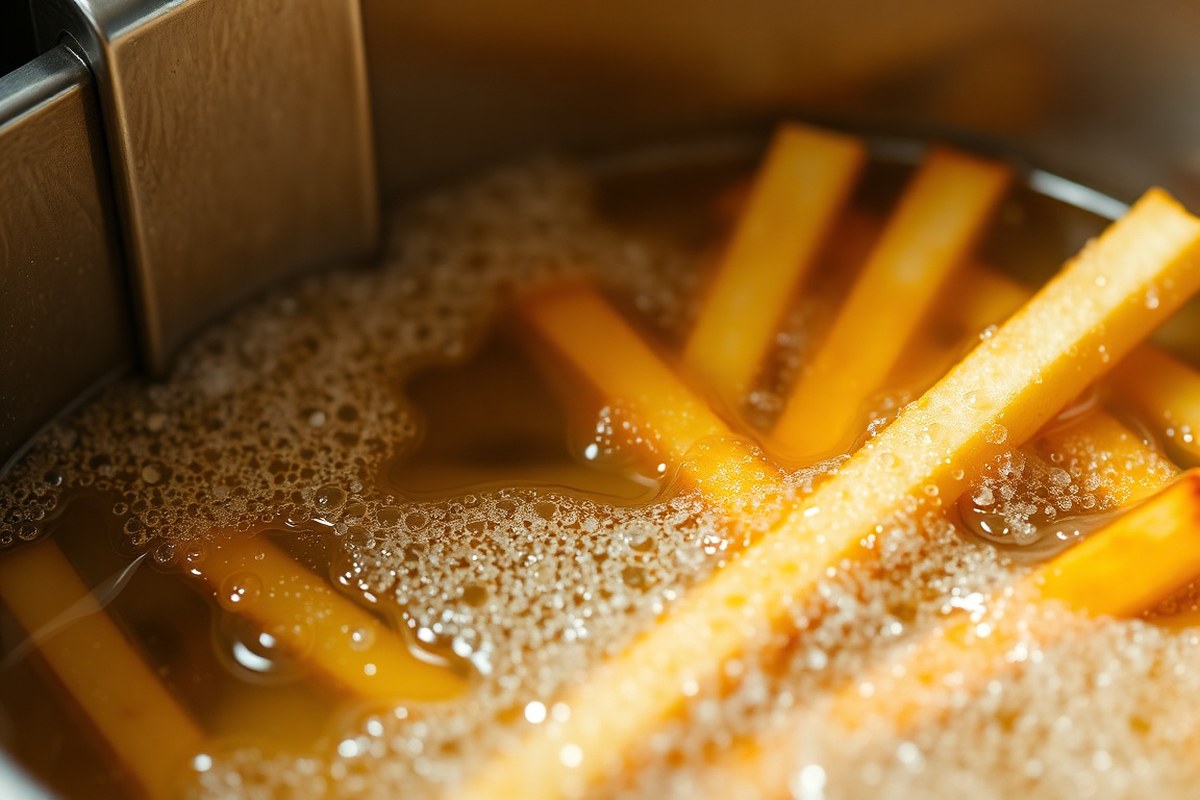
Burger King uses a blend of vegetable oils for frying most of their menu items. The primary oils include canola, soybean, corn, and sunflower oils. These oils are all plant-based and contain no animal fats.
Burger King’s ingredient lists show their frying oil mix often includes corn and cottonseed oils. It can also blend corn, canola, and hydrogenated soybean oils. These oils make up the common frying base.
This blend is designed to be trans fat-free. Burger King announced in 2007 that they switched all U.S. Locations to use only trans fat-free oils by the end of 2008.
Many popular menu items share the same frying oil blend. French fries, onion rings, and chicken products all use it. This common oil keeps the frying process consistent.
This means those items have soy derivatives present because of the soybean oil. Burger King’s allergen information confirms soy oil is used. But no peanuts, coconut oil, or animal fats are included in their fryer oil blend.
How Does Burger King’s Oil Blend Compare to Other Fast Food Chains?
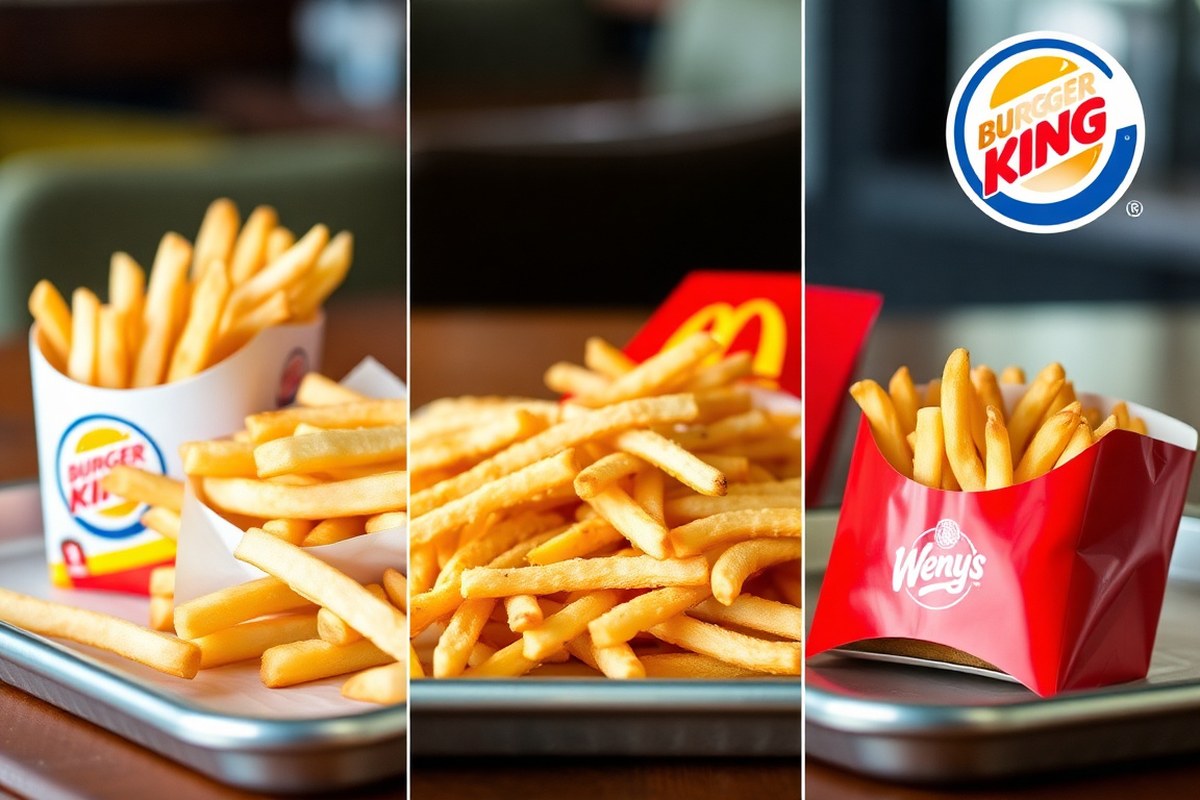
Burger King uses a 100% plant-based oil blend mainly made up of soybean and canola oils. This means it has less saturated fat than chains using palm or coconut oil. McDonald’s switched to a canola-blend oil with no trans fats in recent years.
Wendy’s uses a similar vegetable oil mix. It has a bit more saturated fat.
None of these major chains use animal fats anymore. They stopped using partially hydrogenated oils as well. The switch away from trans fats began in the early 2000s.
It met health rules and consumer demand. This change made frying oils healthier and cleaner across the board.
Here’s a way to compare oils from these fast-food chains. Look at their fat makeup and GMO status using U.S. Menus:
| Chain | Oil Type | Saturated Fat % | Trans Fats | GMO Status |
|---|---|---|---|---|
| Burger King | Soybean & Canola blend | About 15-20% | 0% | Uses GMO soy and canola oils |
| McDonald’s | Canola-based blend | About 15-25% | 0% | Likely GMO oils, not explicitly stated |
| Wendy’s | Vegetable oil blend (soybean, canola) | 20-25% | 0% | Mostly GMO oils |
| Chick-fil-A | Peanut oil | 16-18% | 0% | Non-GMO peanut oil |
The saturated fat percentage affects the oil’s stability and frying quality. Burger King’s blend offers a middle ground, balancing health and flavor. Burger King removed trans fats from all U. They moved away from animal fats and hydrogenated oils.S. Frying oils by 2008.
GMO oils are common in these mixes. This is due to genetically modified soybean and canola crops. Burger King doesn’t say their oils are GMO-free.
But they show more ingredient details than some chains. That gives customers more information to weigh their choices against allergies or dietary preferences.
Watch out for vague terms like “partially hydrogenated” on menus. They signal artificial trans fats you want to avoid.
Which Oils Are Used in Specific Burger King Menu Items?
Burger King uses a vegetable oil blend for frying most of its menu items. French fries, chicken nuggets, and onion rings all cook in the same oil bath. Flame-grilled items use no frying oil, they cook over an open flame.
French Fries Oil Composition
Burger King’s French fries are fried in a blend of corn, canola, soy, and cottonseed oils. This mixture creates a crisp texture and withstands long fryer use. The oil is shared with other fried items, so cross-contact can occur.
The oil blend contains polyunsaturated fatty acids (PUFAs), which impact flavor and stability. Frequent fried foods intake from such oils may affect long-term health. Burger King’s fries contain zero grams of trans fat per serving.
Chicken Nuggets and Onion Rings Oil Blend
Chicken nuggets and onion rings fry in the same seed oil blend as the fries. This blend includes corn, canola, soy, and cottonseed oils. Nuggets have the highest PUFA content among items analyzed, at about 37.1 grams.
Using one oil bath to cook fries, nuggets, and onion rings mixes allergens. The foods share the same oil, letting residues carry over. This can cause reactions in people with allergies.
This is important for people watching allergens or seeking vegan options. All fried chicken items cook in this seed oil blend too.
| Menu Item | Trans Fat (per serving) | Estimated PUFA (grams) |
|---|---|---|
| French Fries (Medium) | 0 grams | Not specified |
| Chicken Nuggets (Highest PUFA) | 0 grams | 37.1 grams |
| Onion Rings | 0 grams | Not specified |
The zero trans fat shows Burger King has removed trans fats from frying oil. The PUFA figures reflect the seed oils used. All fried items get their crispiness and flavor partly from these oils.
Flame-Grilling vs Frying Oil Differences
Burger King’s flame-grilled items cook directly over an open flame. This method uses no frying oil at all. The flame grilling applies to burgers like the Whopper, which get a smoky flavor.
Flame-grilled food avoids the PUFA content and other fats found in fried items. There is no oil bath or fryer used in this cooking step. This cooking style alters texture and taste compared to fried foods.
Are Burger King’s Frying Oils GMO and Palm Oil Free?
GMO Oils Common in Burger King’s Frying Oils
Burger King uses corn and cottonseed oil for frying. Most U.S. Corn and soybeans are genetically modified. According to the USDA, over 90% of U.S. Corn and soy crops are GMO varieties.
Corn oil usually comes from GMO corn. Burger King’s frying oil likely includes GMOs. Their burger buns and sauces also contain soybean oil, which usually comes from GMO soybeans.
Presence of Palm Oil in Burger King’s Menu
Burger King uses vegetable oils mostly, and palm oil is present in some items. When they use palm oil, they claim it is RSPO-certified for sustainable sourcing. RSPO certification means the palm oil meets strict ethical and environmental standards.
Critics say sustainable palm oil sourcing is hard to verify globally. Burger King’s allergen and ingredient labels list palm oil where it’s in a product. But it’s not the primary frying oil.
Why Palm Oil Gains Negative Attention
Palm oil is controversial because of environmental damage. Large palm plantations can cause deforestation and habitat loss, threatening wildlife. This makes some consumers wary of products containing it.
However, RSPO certification aims to reduce these harms by enforcing better farming practices. Still, challenges remain, so some customers avoid palm oil entirely.
Allergen and Ingredient Label Information
Burger King publishes allergen and ingredient information online and in stores. Their frying oil is plant-based, trans-fat free, and generally vegan-friendly. The fryers are not allergen-isolated, so cross-contact can occur.
The ingredient labels specify seed oils like soybean or corn clearly in buns and sauces. They also identify palm oil when it appears. This helps customers with allergies or dietary preferences make informed choices.
How Does Burger King Ensure Oil Safety and Allergen Transparency?
Burger King uses a shared oil blend for frying. This can cause allergen risks from the oil. Cross-contact with other foods also adds risk.
The oil itself may contain ingredients like soy or corn derivatives, known allergens. You should check Burger King’s official allergen checklist first.
It shows what oils and ingredients are used. This helps you avoid allergens.
Cross-contamination can happen because Burger King does not use separate fryers for different foods. The same oil cooks fries and chicken. This raises the chance of allergens or animal proteins transferring.
Be careful if you have allergies. This matters if you have severe allergies or follow a strict vegan diet.
- Always review Burger King’s updated allergen list online or in-store.
- Avoid fried items if you’re highly sensitive to soy or gluten traces.
- Ask staff if your local Burger King has any dedicated fryers.
- Consider ordering non-fried items to minimize exposure.
- Note that the oil blend is replaced frequently and filtered for quality.
- Expect no GMO-free or allergen-free oil alternatives.
Burger King provides allergen information through signage, packaging, and digital menus. This transparency helps customers spot which oils might contain allergens like soy. However, the company does not guarantee allergen-free meals due to shared cooking equipment.
The oil quality is closely monitored, with filtration and turnover done several times a week. This practice keeps oil safer but doesn’t stop allergen cross-contact.
Ask explicitly about fryer use if allergy safety is your top concern. Cross-contact is common in shared oils.
Transparency is good but limited by their frying process. Read labels carefully and expect some risk if you have serious allergies. Knowing what oils are used helps you stay safe.
Also, learn how often the oil is changed. These details matter for your food choices.
The frequent oil turnover improves taste and reduces breakdown products but does not resolve allergen mixing. For those sensitive to proteins in oil, consider non-fried options or restaurants with allergen-segregated cooking.
How Do Burger King’s Frying Oils Impact Flavor and Food Texture?
Oils used at Burger King influence both the flavor and texture of fried foods. Higher smoke points in their oils prevent burning during frying. This keeps fries and chicken crispy without a bitter or burnt taste.
The oil’s fat composition also impacts crispiness. Oils rich in stable fats hold heat well, creating a crunchy coating. When the oil filters daily, food stays fresh and crisp.
The oil also changes every few days. This process prevents leftover flavors in food.
Flavor profiles of the oils can affect the taste of fries and chicken. Neutral-tasting oils help the natural flavors stand out. Burger King’s filter and replace system removes old particles that cause off-flavours, keeping every batch consistent.
Using oils with a smoke point above 400°F lets Burger King fry food quickly and evenly. This avoids soggy or greasy textures. Oil loses its crisping power once it degrades.
It can taste plastic or rancid. Daily filtering helps stop these bad flavors.
Frying oil type matters since it interacts with breading and batter coatings. Certain oils produce a light, airy crust.
Others can create a thicker, heartier crust. Burger King balances oil blends for a crispy texture that matches their signature menu items.
Likewise, proper oil management costs little compared to poor food quality. Filtering oil daily takes just minutes and extends oil life. This saves money and reduces waste while delivering the crispiness customers expect every visit.
What Regional Differences Exist in Burger King’s Oil Use Globally?
Burger King uses different oil blends around the world to suit local tastes and regulations. Oil choices often reflect regional dietary rules and ingredient availability. This means the frying oils can change depending on the country.
Oil Blends in the U.S. Vs Other Markets
In the U.S.Burger King fries food in a mix of oils. They use canola, soybean, and hydrogenated soybean oil. This blend is common in fast food frying.
Other countries often switch oils to meet local health guidelines or ingredient sourcing policies. For example, Europe and the UK favor rapeseed oil, known as canola oil in North America.
This regional variation helps Burger King maintain taste while respecting local nutrition standards. It also assists in compliance with each country’s regulations on fats and oils. The choice impacts flavor and oil stability during frying.
| Region | Main Oil Used | Reason for Choice |
|---|---|---|
| United States | Canola, Soybean Blend | Standard US fast food frying blend |
| Europe/UK | Rapeseed Oil | Local preference and nutritional guidelines |
| Asia | Sunflower or local vegetable oils | Ingredient availability and taste preferences |
| Australia/New Zealand | Locally sourced vegetable oils | Compliance with regional standards |
| India | Vegetarian oils like sunflower or mustard | Respect for vegetarian dietary culture |
Burger King’s oil selection varies mainly to better fit local tastes and legal rules. This strategy also considers cooking oil costs and supply chains in different areas.
India and Asia: Vegetarian Oil Use
India’s Burger King locations use oils that support vegetarian and sometimes vegan preferences. The chain often selects sunflower or mustard oil, avoiding animal fats. This respects India’s large vegetarian population and their food norms.
Other Asian countries may opt for local vegetable oils. These choices accommodate local cooking styles and ingredient availability. They promote acceptance of Burger King’s menu among diverse dietary cultures.
Corporate policies emphasize transparency about oils to help customers choose items that fit their diets. Burger King also provides clear ingredient lists to identify which items are vegetarian-friendly.
Australia and New Zealand Oil Choices
In Australia and New Zealand, Burger King uses locally sourced vegetable oils. This approach aligns with regional food standards and sustainability practices. It also matches customer expectations for flavor and quality.
The oils used here typically differ from the U.S. Blends but aim for the same crisp texture and consistent frying. Some locations may use blends similar to the European rapeseed-based oils. Oil recycling programs also run in these countries to reduce waste.
How Can Consumers Minimize Seed Oil Intake at Burger King?
Seed oils are common in many Burger King items, especially fried foods. To cut down on seed oil intake, choose grilled or flame-broiled options. These often use less or no seed oils in cooking, lowering your exposure.
Burger King’s Whopper without mayo is a good choice. The flame-grilled patty adds flavor without extra seed oils from frying.
Salads and sides like apple slices also avoid seed oils. But double-check dressings for oil content.
- Order flame-grilled burgers without mayo or sauces containing vegetable oils
- Choose sides like apple slices or garden salad over fries
- Avoid fried items, as they cook in seed oil blends
- Ask for no oil on toast or buns if possible
- Pick vegan items like the Impossible Whopper without mayo or sauces
- Request ingredient details from staff to check for oils or additives
- Stick to water or drinks without added oils or emulsifiers
Cross-contamination with seed oils happens when fried and non-fried foods share equipment. You can reduce this risk by ordering items that don’t touch fryer oil. For example, grilled sandwiches or salads won’t be exposed to fryer oils.
Vegan options like the Impossible Whopper avoid animal fats but still use seed oils for cooking. You can reduce your polyunsaturated fat intake by skipping mayo and sweet sauces. This keeps added seed oils lower while staying plant-based.
Ask staff about cooking methods if you avoid seed oils for allergies or diet. It helps prevent unintended exposure to fried oils.
Remember, avoiding seed oils means limiting fried foods. It takes some extra care at the counter and may reduce your menu variety. Expect grilled items to be the healthiest choice at Burger King.
Fresh sides also tend to have less seed oil. These options are better for lower seed oil meals.
What Are Burger King’s Sustainability and Recycling Practices for Cooking Oils?
Burger King uses palm oil in some frying blends, depending on the region. It works with suppliers who say they source palm oil through programs aiming for sustainability.
These programs aim to cut deforestation and respect workers’ rights. Yet, Burger King’s overall sustainability score is just 1.8 out of 5 suggests room for improvement compared to top performers.
The company follows an industry standard to filter fryer oil several times daily. This keeps the oil cleaner longer and reduces the volume they must throw away. Used oil is collected by the chain’s teams.
It goes to recycling partners. They turn it into biofuels or other products.
Such recycling helps lower waste and carbon footprints. It also supports meeting environmental laws and reduces disposal costs versus standard trash methods. Burger King’s higher-volume stores often have contracts with professional biofuel recyclers to safely handle the oil.
Burger King commits to updating its sourcing policies as better palm oil certifications become available. This means shifting towards suppliers who can prove no harm to forests or communities. The chain tracks cost, taste, and supply balance.
This helps keep prices low. It also keeps taste consistent worldwide.
Different countries sometimes see different oils and sourcing approaches. European or Asian stores may use blends with less palm oil. Some blends skip palm oil entirely.
Instead, they use more canola or corn oil. This approach reflects both local regulations and consumer preferences.
Burger King’s oil management practices help ensure food quality and safety. Maintaining clean oil also means less chance for harmful breakdown compounds. This attention supports both environmental goals and customer taste experience.
Your Quick-Start Plan for Smart Burger King Choices
Use this plan to make better decisions about Burger King’s oils and your health. Follow it step-by-step next time you order or visit.
- Before your visit: Check Burger King’s website or app for oil and allergen info. Look for updates on frying oils and non-GMO status.
- Ordering time: Choose menu items fried in non-GMO or palm oil-free blends when possible. Confirm this with staff if unsure.
- During your meal: Note the flavor and texture of your food. This can tell you about the oil type Burger King used.
- After eating: Track how you feel, especially if sensitive to seed oils or allergens. Adjust choices next time accordingly.
- Weekly review: Compare your choices across visits with other chains you like. See which oils agree better with you.
- Monthly check: Look up any changes Burger King makes to cooking oil. This is even more important if you often travel to different places. Stay updated on regional oil use to eat safely.
- Ongoing: Look for Burger King’s news about sustainability in oil recycling. Supporting this helps reduce environmental impact.
Frequently Asked Questions
How Unhealthy Is Burger King Food?
Burger King food often contains high amounts of salt, fat, and calories. Eating it often can raise health risks.
Try to have it only sometimes. Balance it with healthier meals too.
What Is the Fake Meat at Burger King?
Burger King uses the Impossible Whopper as its fake meat option. It’s a plant-based patty designed to look and taste like beef but has fewer saturated fats.
What Oil Do McDonald’s Fries Use?
McDonald’s fries are cooked in a blend of vegetable oils, including canola, corn, and soybean oils. This helps create their signature taste but includes common seed oils.
What Oil Do Wendy’s Use to Fry Their Fries?
Wendy’s fries are fried in a blend of oils, primarily canola and soybean oil. They switched to this blend for a neutral flavor and to meet trans fat regulations.
Is Burger King’s Frying Oil Allergen-Free?
Burger King’s oil blend is plant-based but may contain soy, a common allergen. Their kitchens might mix allergens by accident.
Always ask staff if you have allergies. It helps keep you safe.
Final Thoughts
Burger King mainly uses a vegetable oil blend designed for taste and safety. Knowing the oils in your food helps you feel better and eat smarter. Check their latest ingredient guides before your next meal to pick the best options for you.