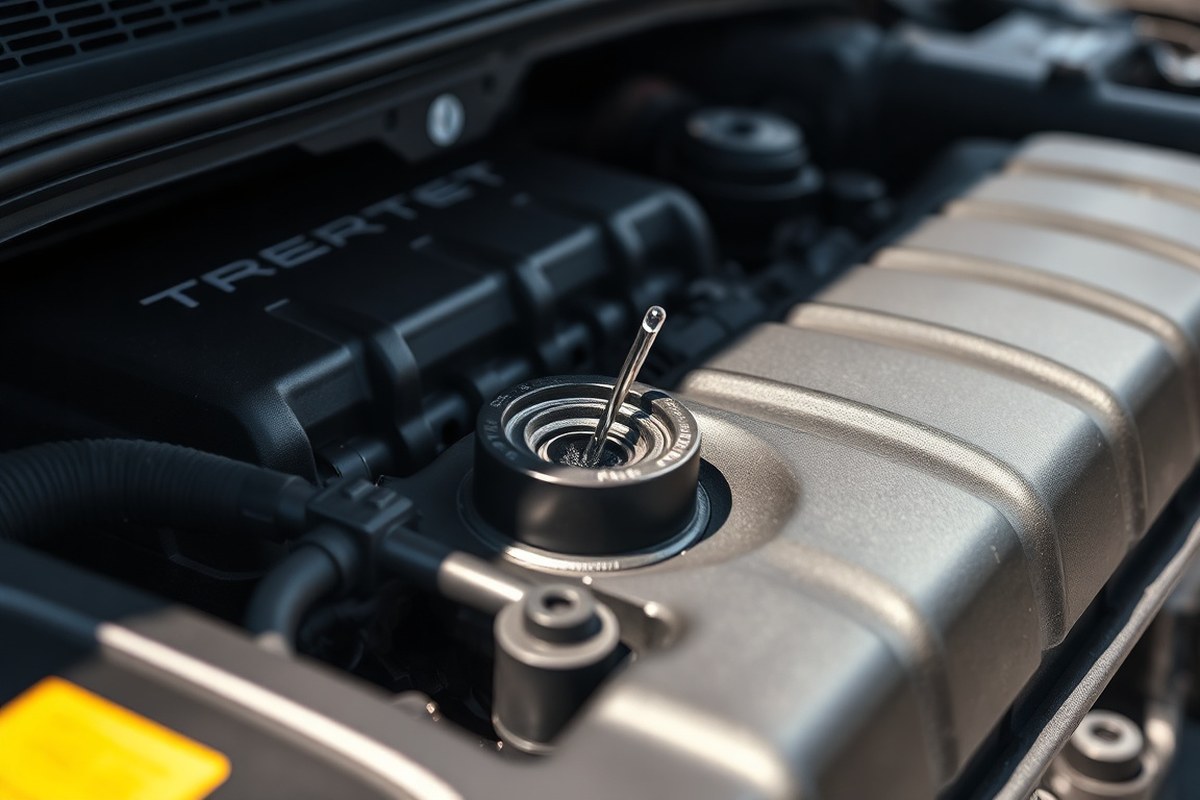
What Happens If Your Car Runs Out of Oil: A Complete Guide with Prevention & Repair
What happens if your car runs out of oil is serious engine damage. Oil lubricates and cools engine parts, so without it, friction increases fast.
Damage can start within 5 to 10 minutes. So stop driving immediately if oil runs low.
When oil runs out, metal parts grind and overheat, leading to costly repairs. You should turn off the engine right away and check the oil level with the dipstick. Running out of oil can seriously damage your engine.
Keep an eye on oil warning lights and strange engine noises like knocking. Checking your oil regularly and changing it on schedule helps avoid this problem. Dry engines can cost thousands to fix, so prevention is key.
Key Takeaways
- Stop the engine immediately if oil warning light comes on while driving.
- Check oil level using the dipstick when the engine is cool.
- Change oil every 3,000 to 5,000 miles for conventional oil.
- Use synthetic oil for longer oil change intervals, up to 10,000 miles.
- Listen for knocking or ticking noises indicating low oil pressure.
- Older cars may burn or leak oil, so check more often.
What Happens Immediately If Your Car Runs Out of Oil
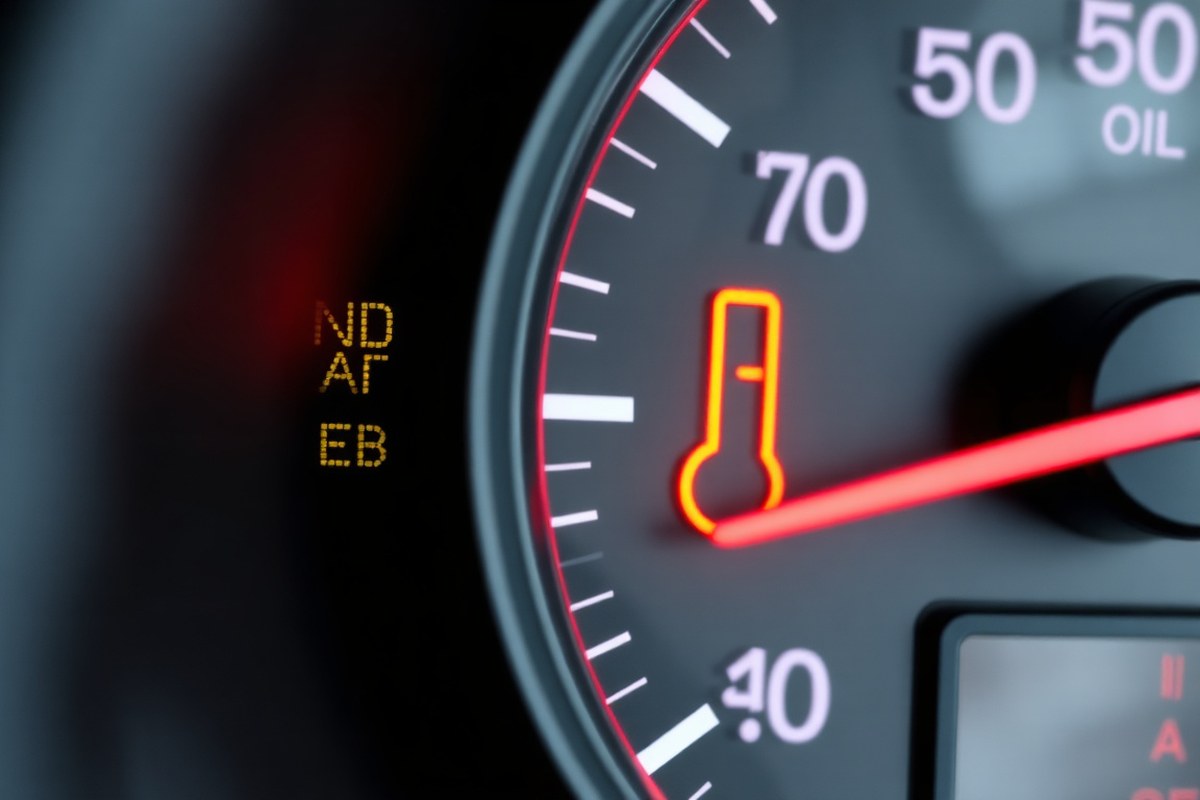
The moment your car runs out of oil, the engine loses its important lubricant. Engine oil forms a thin layer between metal parts to stop them from grinding. Without this oil, those parts start rubbing directly against each other, causing intense friction.
Damage can begin in as little as 5 to 10 minutes of driving without oil. Your engine will heat up rapidly because oil also helps cool parts. Without cooling, metal components can warp or expand, making the engine seize or fail completely.
The first parts to suffer are the bearings and camshaft lobes. These need constant lubrication to turn smoothly. Once dry, they quickly wear down, leading to noisy knocking sounds or even a sudden stall.
Normally, oil pumps circulate lubricant throughout the engine. Once the oil is gone, the pump just draws air.
This causes sharp drops in oil pressure, often triggering warning lights or strange noises. Ignoring these signs speeds up engine damage.
Older engines, especially those over 10 years old, can leak oil fast. They might also burn oil quicker than newer engines. This leads to quicker oil loss.
This increases the chance of sudden oil loss during normal driving. In those engines, running out of oil can happen faster and catch you off guard.
Running an engine with no oil can cause severe damage fast. The engine parts grind and wear down quickly. Repairing this damage may cost thousands or need a full rebuild.
How Long Can an Engine Run Without Oil Before Damage Occurs?
Your engine can run without oil only for a few seconds before serious damage starts. Without lubrication, metal parts rub together, creating heat beyond safe limits. This friction quickly causes engine components to warp or break, sometimes within 10 to 15 seconds.
Continuing to drive after oil runs out will likely destroy the engine. The crankshaft, bearings, and pistons depend on oil to reduce friction. Without it, those parts grind badly, leading to costly repairs or a full engine replacement.
After turning off the engine, wait about 5 to 10 minutes before checking the oil level. This pause lets oil that circulates in the engine settle back into the oil pan. Checking too soon may give a false low reading.
The oil is still splashing inside the engine. Wait a while before checking again.
Faster oil loss and damage occur if your engine is older, overheated, or driven hard. High temperatures thin the oil, reducing protection.
Newer engines with tighter seals might last slightly longer. But the risk stays high once oil is gone.
Never keep driving if you notice the oil warning light. Stop immediately to avoid engine destruction.
The total safe engine run-time without oil is very short, just a few seconds at best. You should shut the engine off right away to prevent damage. Wait before you check oil to get an accurate reading.
This helps confirm if you lost oil. Then add more oil or get help.
Key Signs Your Engine Is Running Low on Oil
Watch for warning lights, strange engine noises, and drops in power. These signs tell you your engine oil is running low. Catching them early helps prevent serious engine damage.
Oil Pressure and Warning Lights Explained
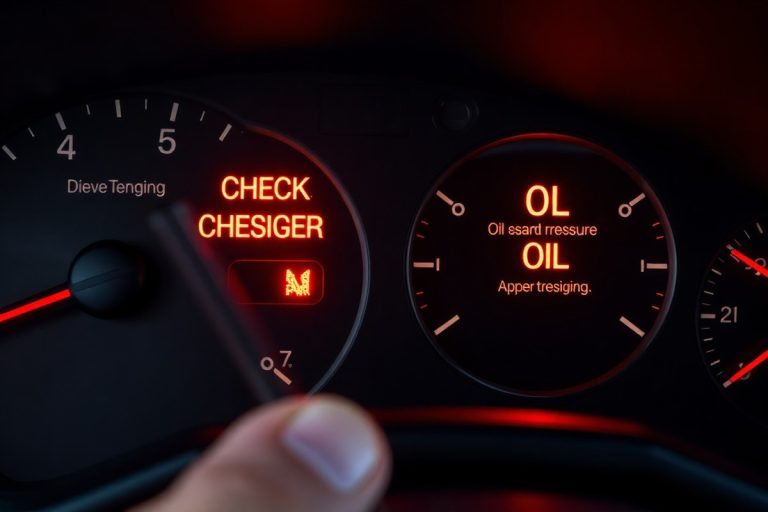
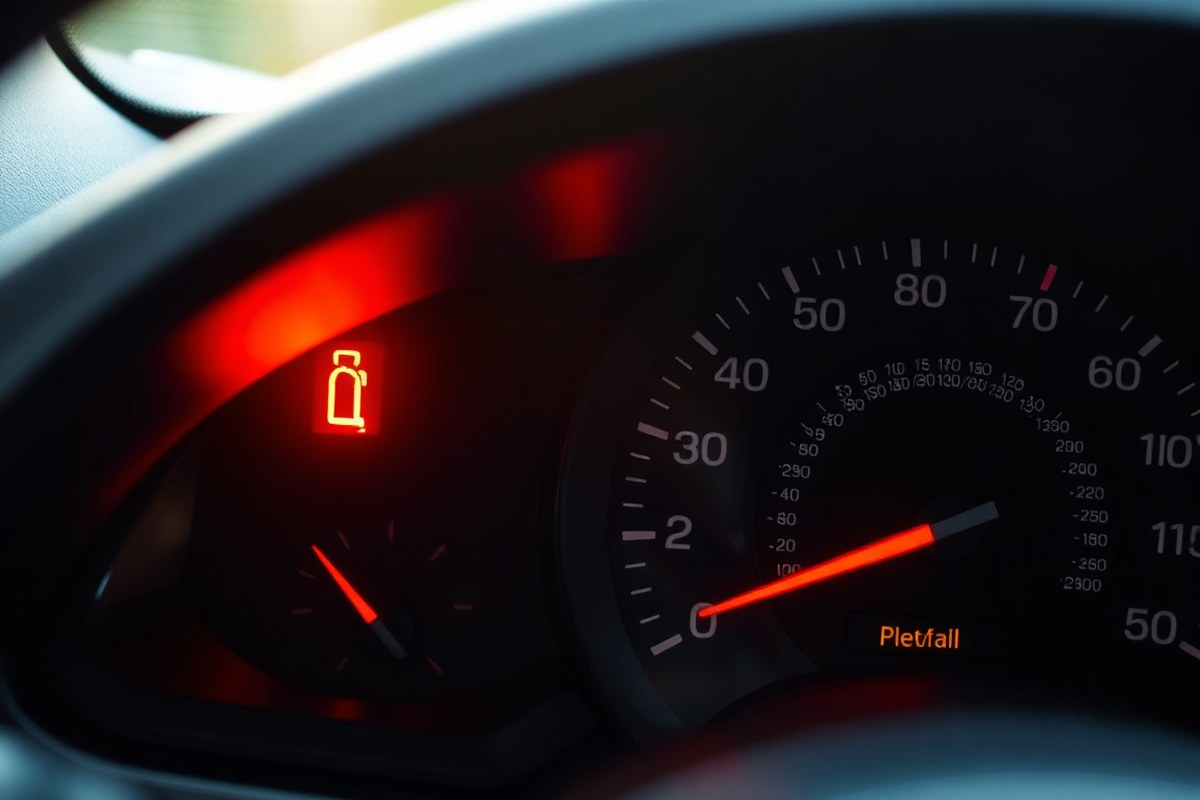
The oil pressure warning light shows when your engine’s oil pressure is dangerously low. This is different from just a low oil level warning. The light usually looks like an oil can on your dashboard.
Low oil pressure means your engine isn’t getting enough lubrication. This loss can cause metal parts to rub and wear out quickly. Some cars have a separate oil level indicator, but many only show pressure.
- Oil pressure light means low pressure, not always low oil level
- When the light appears, stop the car as soon as safely possible
- Check oil level immediately after the engine is off and cool
- Some models require waiting 5 to 15 minutes before checking the dipstick
- Ignoring the light risks severe engine damage and costly repairs
Consult your owner’s manual for your car’s specific warning light meanings. Nissan warns that running with the oil pressure light on can cause serious damage. Mazda says low pressure puts your engine at high risk.
Unusual Engine Sounds to Listen For
Knocking or ticking noises often mean low or dirty engine oil. Oil lubricates moving parts, so without enough, metal parts clink or grind together. These sounds tend to get louder as oil levels drop further.
Grinding or clunking indicates even worse lubrication problems. A well-lubricated engine runs smoothly and quietly. Strange noises are an urgent signal to check oil before damage starts.
- Knocking or ticking sounds from engine cylinders
- Louder metal-on-metal grinding noise
- Clunking sounds when accelerating or revving
- Increased noise when the engine is cold or idling
- Burning smell inside the car with unusual noises
Do not ignore these noises, even if your oil light isn’t on yet. Oils break down over time, and do not lubricate well if old or contaminated. Strange sounds mean your engine is working harder than it should.
Performance Changes Linked to Low Oil Levels
Your car’s performance drops as oil levels get low. The engine must work harder, reducing fuel efficiency and power. Acceleration may feel sluggish, and the engine might stall at idle.
You might notice increased exhaust smoke or a burning smell. These signs show your engine is stressed from poor lubrication. Keep an eye on performance to catch issues early.
- Reduced acceleration and slower throttle response
- Engine stalling or rough idling
- Increased fuel consumption
- Visible smoke coming from the exhaust pipe
- Burning smells inside or around the car
Regular oil changes and checks keep your engine running smoothly. Ignoring performance drops can lead to costly breakdowns or engine failure over time.
How to Interpret Dipstick Readings Correctly
Check oil levels on level ground with the engine off. Mazda owners should wait five minutes after turning off the engine. Kia owners might need to wait up to 15 minutes, depending on the model.
Wipe the dipstick clean, reinsert it fully, pull it out, then check the marks. Oil should be between the low and full marks. Below low means add oil immediately; above full risks overfilling.
- Park the car on flat ground
- Turn off the engine and wait 5-15 minutes
- Remove dipstick, wipe it clean, then reinsert it fully
- Pull the dipstick out and read the oil level
- Oil should be between the low and full marks
Use your owner’s manual for the exact procedure for your car. Adding the right oil is key. Too little or too much oil can both hurt engine health.
Common Causes Why Your Car Runs Out of Oil
Oil leaks are one common cause of losing engine oil. They often happen around gaskets, oil filters, and seals. These spots wear out or get damaged, letting oil drip out without you noticing right away.
Another cause is oil consumption, where the engine burns some oil during normal running. Older engines or cars driven hard burn more oil.
Worn piston rings let oil slip into the combustion chamber. This oil burns off as smoke during engine operation.
Driving habits also affect oil use. Frequent short trips, heavy towing, or extreme weather boost oil consumption. Cold climates, for example, thicken oil, causing the engine to work harder and use more.
The type of oil matters too. Conventional oil needs changes every 3,500 to 5,000 miles. Synthetic oil lasts 7,500 to 10,000 miles.
Old or dirty oil can lead to faster breakdown and loss. Using the right oil slows this process.
Older cars have more leaks and burn oil more than new ones. Seals dry out and crack over time. Engine parts wear down too.
These problems let oil escape or burn inside. You need to check oil levels more often on older vehicles.
| Cause | How It Happens | What to Do |
|---|---|---|
| Oil Leaks | Damaged gaskets or seals let oil drip out | Check for puddles and fix leaks promptly |
| Oil Consumption | Engine burns oil, especially if worn or old | Monitor oil levels; replace worn parts if needed |
| Old Oil | Oil breaks down after mileage or time | Change oil according to type and conditions |
| Driving Habits | Short trips, towing, and hot or cold weather | Inspect oil more often; consider frequent changes |
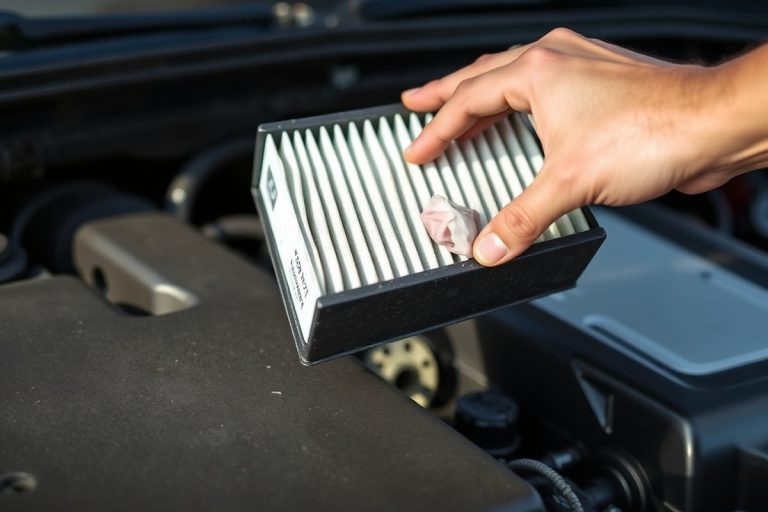
| Oil Filter Issues | Clogged or faulty filters cause poor oil flow | Replace filters during every oil change |
How to Check and Maintain Engine Oil to Avoid Running Dry
Checking and maintaining your engine oil regularly prevents running dry. You need to know how to use the dipstick and change oil on time. Also, following some simple maintenance can keep your oil levels healthy.
How to Properly Use the Dipstick
Using the dipstick right avoids guesswork about your oil level. You should do it when the engine is cold or has been off for 10 minutes.
- Park your car on level ground and turn off the engine.
- Pop the hood and locate the oil dipstick; it’s often bright yellow.
- Pull the dipstick out and wipe it clean with a rag or paper towel.
- Reinsert the dipstick fully, then pull it out again slowly.
- Check where the oil line stops, between the “Min” and “Max” marks is ideal.
- Check the oil level; add little oil using the recommended type if below “Min.”
- Repeat the check to make sure oil reaches a safe level after adding.
Always wipe the dipstick clean before checking to avoid a false reading.
Recommended Oil Change Intervals
Your car’s manual usually recommends changing oil every 3,000 to 7,500 miles. Factors like engine age and driving habits affect this interval.
Hard driving or extreme temperatures may need changes closer to 3,000 miles. Newer cars with synthetic oil often stretch to 7,500 miles safely.
Maintenance Tips to Keep Oil Levels Stable
Regular checks catch slow leaks or burning oil early. Fix leaks right away to avoid sudden drops in oil level.
Top off oil when it’s low but always do full oil changes at scheduled times. This keeps oil clean and protects your engine parts.
Also, avoid skipping oil changes because dirty oil can wear your engine faster. Stick to a maintenance schedule based on your car’s needs.
What to Do Immediately If You Run Out of Oil on the Road
Stop your car right away when you think the oil is low. This is the safest choice. Don’t keep driving without enough oil.
Driving can cause major engine damage within minutes. Pull over safely to stop and protect the engine.
Turn off your engine as soon as you can. This keeps you and your car safe.
Do not keep driving. Mazda and Nissan manuals say to stop right away if oil pressure drops. They warn that it’s unsafe to keep running the engine.
Don’t ignore low oil pressure. Running low on oil can cause the engine to overheat or lose power. You might also hear strange noises.
These are signs the engine could get damaged. The sooner you act, the better your engine will fare.
Here is what to do next to prevent further harm and stay safe on the road:
- Pull over to a safe spot. Use your signals and gently move to the shoulder or a parking lot away from traffic.
- Turn off the engine. This stops further damage from low oil levels or pressure to engine parts.
- Check the oil level with the dipstick. Wait a few minutes after switching off, then remove, wipe, and reinsert the dipstick. Pull it out again to read the oil level.
- Add oil if you have a bottle nearby and know how. Pour slowly, checking the dipstick so you don’t overfill. Use the oil type your owner’s manual advises.
- Decide if you can drive to a mechanic.Do not drive if you have little or no oil or don’t know the oil level. The risk of damage is high.
- Call for roadside help or a tow service. This prevents additional damage and keeps you safe. It’s worth the cost, typically $75 to $150 for a short tow.
- Inform your mechanic about the low-oil situation. This helps them check for leaks or engine damage right away.
Keeping emergency oil and a funnel in your car can save time and reduce damage risks. Avoid ignoring warning lights or odd noises signaling oil problems. Acting quickly lowers repair bills and may keep your car running longer without serious engine issues.
What Happens to Engine Components After Running Without Oil
Your engine’s components fail in a clear sequence after running without oil. Bearings and shafts get damaged first from friction.
Then pistons and cylinder walls show signs of severe wear. Damage quickly worsens, leading to costly repairs or total engine failure.
Initial Bearing and Shaft Damage
The crankshaft and rod bearings are the first to suffer without oil. Their normally smooth surfaces develop shiny marks from metal-on-metal contact.
When the engine keeps running, bearings overheat and change colors. They turn from blue to black as metal gets weak from fatigue.
This friction causes the bearing lining to melt and weld itself to crankshaft pins. When this happens, the crankshaft spins unevenly or seizes entirely. Loss of proper shaft rotation triggers immediate engine damage that’s expensive to fix.
Piston and Cylinder Wall Effects
Damage spreads from bearings to pistons and cylinder walls next. Without lubrication, pistons start to seize inside cylinders. Burn marks appear on piston rings, making compression drop and efficiency plummet.
The piston skirts, which help align movement, get abrasion marks called seizure marks. Cylinder walls become scored from friction and heat, leaving surfaces rough. This damage causes engine knocking and loss of power, making driving unsafe.
Long-Term Engine Failure Scenarios
Running an engine without oil quickly escalates into major problems. Excessive heat damages valves, seals, and timing components. Without fixes, oil sludge can clog filters and passages, worsening lubrication and increasing wear.
Eventually, the engine may seize completely, stopping all movement. Repair often means replacing the entire engine. The failure path can take only minutes but results in a vehicle that won’t restart.
Typical Repair Costs by Damage Type
Repairing bearing damage usually costs between $1,000 and $3,000. When only one bearing is damaged, replacing it may keep costs down. However, damage often spreads to other bearings and shafts, pushing prices higher.
Piston and cylinder wall repairs typically cost $2,500 to $5,000. This includes resurfacing cylinders and replacing pistons or rings. Long-term engine failure often means you must replace the entire engine.
This replacement can cost between $4,000 and $7,000. Exact cost depends on your vehicle.
Choosing repairs depends on the extent of damage and your car’s value. Early detection limits costs. But running dry risks very expensive fixes or total loss of your vehicle.
Can You Add Oil After the Engine Runs Dry and Keep Driving?
Adding oil after your engine runs dry won’t fix the damage already done. The engine relies on oil to keep metal parts from grinding. When oil is missing, parts can seize or wear out quickly.
Pouring oil back in lets you refill the lost lubrication. But it doesn’t reverse heat or wear damage.
You shouldn’t keep driving right after adding oil without checking the engine’s condition first. Driving on a damaged engine can cause more harm and cost thousands for repairs.
First, let the engine cool down before adding oil. Hot engines can cause burns or damage when you open the oil cap. Use the right oil type and amount according to your owner’s manual.
After refilling, check for leaks or unusual noises. The engine sounds rough, smokes, or oil light stays on? Stop driving now.
Have a mechanic inspect it before running the car more. Sometimes, the engine might need a rebuild or replacement.
Some try to keep driving after adding oil, hoping to “flush” the engine. That risks turning minor damage into total failure. The compression stroke needs tight seals and good lubrication.
Without oil, it gets worse. This damages the engine during critical cycles.
The damage depends on how long the engine ran dry. Heat also makes it worse.
Short dry runs might let you add oil and drive gently for a bit. Longer runs usually mean serious internal damage that needs professional attention.
Don’t drive your car after adding oil if you notice any strange sounds or warning lights. Get help right away.
Not checking oil often risks running the engine dry. This can cause serious problems. Keep an oil dipstick handy and check before long trips.
Adding oil helps only if you catch it early. It won’t fix damage from running dry.
Listen and watch for signs of low oil. Catch it before the engine runs out. Fixing small leaks or topping off oil prevents emergency refills.
It stops damage from drying out. Oil checks and refills cost $30 to $70. Repairs after running dry cost thousands.
Treat running out of oil as an urgent alarm. Adding oil after the fact doesn’t mean your engine is safe. Plan on having your mechanic look it over before driving more than a short distance.
How Vehicle Age, Oil Type, and Driving Habits Affect Oil Levels
Your car’s oil levels and how fast they drop depend on several things. Engine age affects oil use because older engines wear down and leak or burn oil faster. Newer engines often stay tighter and use less oil.
Synthetic oil usually lasts longer and handles heat better than conventional oil. It breaks down more slowly, which cuts how fast the oil level drops. Synthetic oil costs more, about $50 to $70 for a full change.
Conventional oil costs less, around $25 to $40. The price difference depends on the oil type.
Driving habits change oil use, too. High speeds and heavy loads make the engine work harder, raising oil consumption.
Cold weather thickens oil, making the engine pull harder and use more oil. Stop-and-go city driving heats the engine unevenly, which can also raise oil loss.
| Factor | Effect on Oil Consumption | Typical Oil Change Interval | Cost Range per Oil Change |
|---|---|---|---|
| Older Engines | Increased oil use due to wear | 3,000 to 5,000 miles | $25 to $70 |
| Newer Engines | Lower oil consumption | 3,000 to 5,000 miles | $25 to $70 |
| Synthetic Oil | Slower degradation, better heat resistance | Up to 5,000 miles or more | $50 to $70 |
| Conventional Oil | Faster breakdown, shorter intervals | 3,000 to 5,000 miles | $25 to $40 |
| Harsh Driving (Heavy load, High Speed) | Increased oil use and wear | Closer to 3,000 miles | Varies |
| Cold Weather | Thicker oil, higher consumption | 3,000 to 5,000 miles | Varies |
Your oil type affects how often you must top off or change it. Driving habits also impact this frequency directly. Both oil type and usage matter for maintenance.
Older cars often run low on oil because of leaks. They also burn more oil due to worn seals. These issues raise the chances of low oil.
Checking oil every 1,000 miles can catch problems early. Use the oil recommended in your owner’s manual for your engine’s age and your climate.
Cold starts use more oil than usual. Short trips raise oil use too. That’s because the engine stays cooler and less efficient.
Synthetic oil works better under stress like cold starts. But it won’t fix engines already worn out. It helps but doesn’t solve all problems.
Picking the right oil helps lower oil loss. Changing how often you idle or accelerate reduces risks too. These steps help keep your engine protected.
Step-by-Step Action Plan for Oil Shortage Emergencies
Act fast if your car runs low or dry on oil to prevent engine damage. Here’s how to handle it safely and check your engine afterward.
- Right away: Pull off the road safely and turn off the engine. This stops further damage from low lubrication.
- Within 10 minutes: Check your oil level using the dipstick. Clean it and measure carefully to see how much oil remains.
- Next step: Add the correct type of engine oil to reach the recommended level. Use the owner’s manual to pick the right oil.
- After adding oil: Start the engine briefly and check the oil pressure warning light. It should turn off if oil pressure returns.
- Within 30 minutes: Drive slowly to the nearest service station or mechanic. Avoid hard acceleration or high speeds.
- When you arrive: Ask for a professional inspection. Have them check for internal engine damage or leaks.
- Next day: Monitor the oil level daily for several days to catch any leaks early. Top off as needed.
- Within a week: Schedule an oil change if the oil looks dirty or smells burnt. Fresh oil helps protect any stressed engine parts.
Frequently Asked Questions
What Are the Long-Term Effects of Running a Car Without Oil?
Running a car without oil can cause permanent engine damage. The metal parts will wear out fast and can seize, making repairs expensive or impossible.
Can a Low Oil Level Cause Poor Fuel Efficiency?
Yes, low oil can make your engine work harder, wasting fuel. You might notice worse gas mileage before engine damage shows up.
How Does Engine Oil Affect Engine Temperature Control?
Engine oil helps cool your engine by reducing friction and carrying heat away. Running out of oil can cause your engine to overheat quickly.
Is It Safe to Drive a Short Distance with Low Oil?
Driving a very short distance with low oil might be okay in emergencies. However, you should add oil as soon as possible to avoid damage.
What Should You Avoid Doing If Your Engine Runs Out of Oil?
Don’t keep driving or try to restart the engine after it stalls. This can worsen damage and increase repair costs.
Key Points to Remember
Your engine needs oil to run smoothly and avoid costly damage. Stop driving if oil runs out and refill carefully. Get a mechanic’s check soon to keep your car safe on the road.