How Long a Drive from LA Really Takes: The Complete Guide and Tips
Wondering how long a drive from LA really takes? Drive times vary a lot depending on your destination, traffic, and stops. For example, the LA to Yosemite trip ranges from 5.5 to 6.5 hours, depending on the entrance you choose.
Traffic can add a big chunk of time, especially during rush hours. You should add at least 10, 15% extra time for delays from weather or busy roads. Planning breaks and knowing which routes to take helps you avoid surprises.
Some drives, like LA to Las Vegas, can take 4 to 5 hours under great conditions. But choose a scenic drive along the coast instead of I-5. This route takes longer and includes more stops.
It shows you beautiful views along the way. Adjust your expectations based on your route and timing.
Key Takeaways
- Add 10, 15% extra time for traffic and weather delays on all long drives from LA.
- A 300-mile drive at 60 mph typically takes five hours without stops or traffic.
- Rush hour in metropolitan areas can double your expected drive time for one hour.
- Choose entrances and routes carefully for trips to Yosemite to save or enjoy time.
- Plan at least one major break on drives longer than four hours to stay alert.
- Scenic coastal routes often add days but include unforgettable stops and views.
How Long Does It Take to Drive from Los Angeles to Popular Destinations?
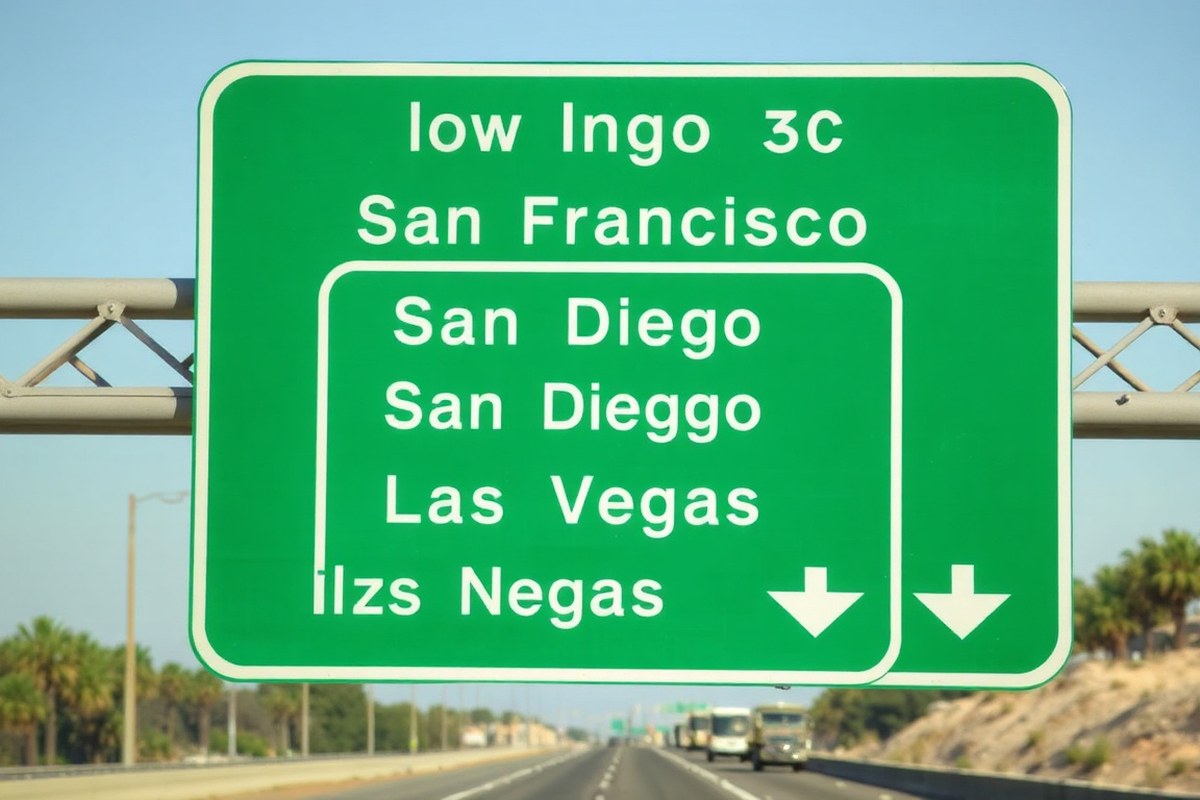
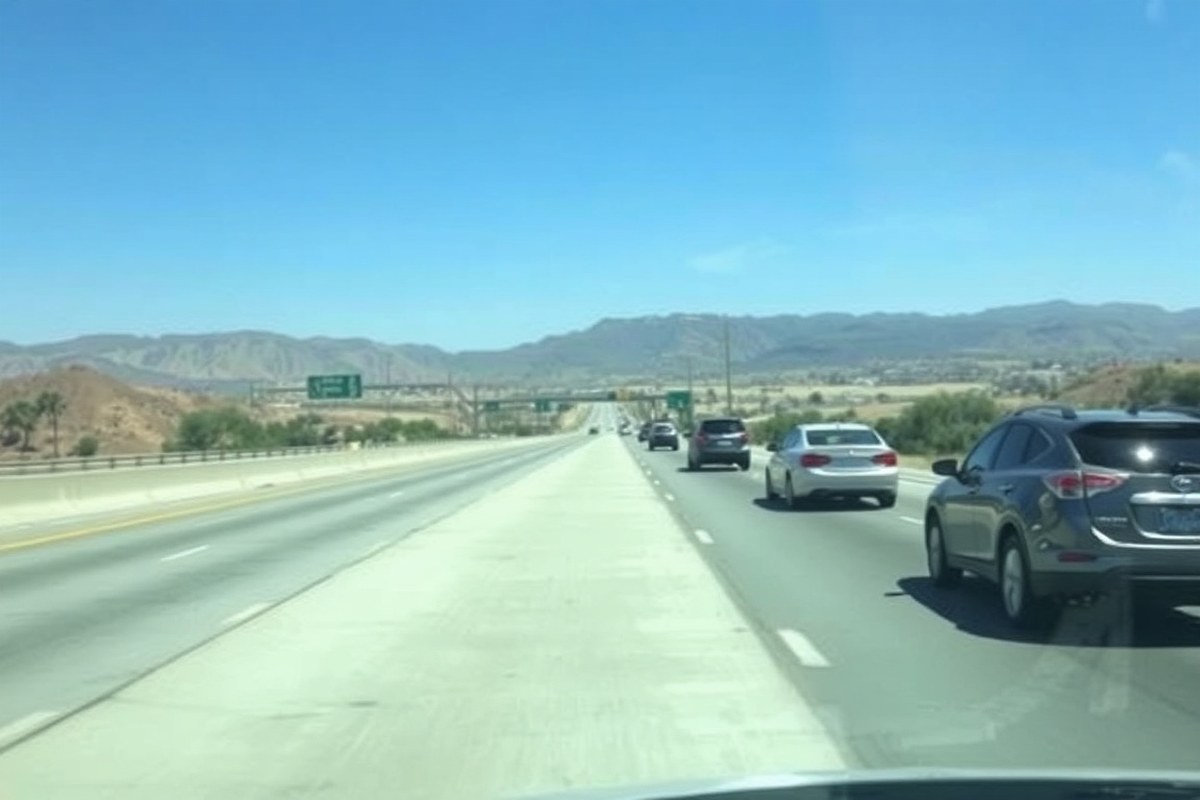
Driving times and distances from Los Angeles to popular spots vary a lot. They depend on traffic, the route taken, and the time of day. Here’s a table showing distances, typical drive times, and route notes for key destinations.
| From Los Angeles, CA | To Destination | Distance (miles) | Typical Drive Time | Route Notes |
|---|---|---|---|---|
| Los Angeles | San Francisco | 380 | 6 to 7 hours | Quickest via I-5; coastal routes longer but scenic |
| Los Angeles | San Diego | 120 | 2 to 2.5 hours | Easy drive mostly on I-5; traffic varies by time |
| Los Angeles | Las Vegas | 270 | 4 to 6 hours | Direct route via I-15; can take longer in weekends |
| Los Angeles | Yosemite | 280 to 310 | 5.5 to 6.5 hours | Depends on entrance; mountain roads add time |
| Los Angeles | Palm Springs | 105 | 2 to 2.5 hours | Mostly highway driving; can be hot in summer |
Driving these distances takes more time than the pure miles might suggest. Traffic leaving Los Angeles adds 30 minutes to over an hour during rush hours. Weekends and holidays also increase drive times, especially to Las Vegas and Palm Springs.
Planning your trip to start early or late in the day helps avoid the worst traffic. For longer drives, such as to San Francisco or Yosemite, take breaks. Stop at least once every two hours on these longer trips.
This helps you stay alert and comfortable. That keeps you alert and avoids fatigue on winding or busy stretches.
What Factors Affect Drive Times Leaving Los Angeles?
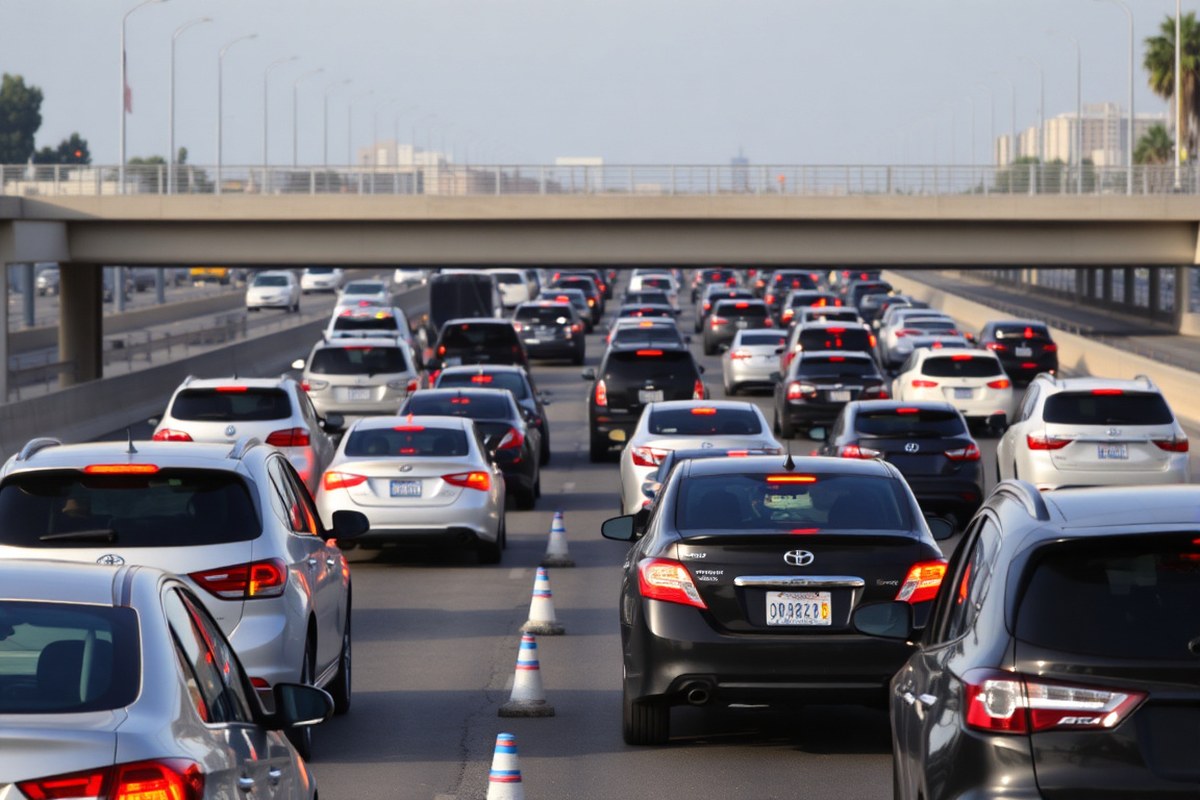
Drive times from Los Angeles depend on traffic, weather, stops, and roads. Rush hours can double your expected time.
Weather conditions like rain or fog slow you down. Stops add more minutes or hours.
Traffic and Rush Hours Around Los Angeles
Traffic around Los Angeles is heavy, especially during rush hours. The morning rush runs from 6 a.m. To 10 a.m. Evening rush is from 4 p.m. To 8 p.m. During these times, add at least one extra hour for every hour you plan to drive.
Traffic volume varies by day and route. Routes through downtown or major freeways like the I-405 see the worst jams. Leaving at off-peak times can cut down delays dramatically.
Weather and Road Condition Impact
Rain, fog, ice, or snow reduce safe speeds and extend driving times. Heavy rain or fog makes roads slippery and reduces your visibility. This can add 15 to 30 percent more travel time.
Drive slower and watch out for wet surfaces. Winter weather in mountain passes can add even more delay.
Road damage or construction can cause slowdowns and detours. Look for construction alerts before driving, especially on highways like the 101 and I-5. Avoid these spots if you want to save time.
How Stops Add Time to Your Drive
Stopping for fuel, food, or bathrooms typically adds one hour on a 5-hour drive. On average, rest stops last 10 to 15 minutes each.
Plan a break every two hours. This will add 30 to 45 minutes or more to your total trip time.
Longer breaks, like meals or sightseeing, extend your drive time even further. Keep a simple schedule to avoid wasting too much time off the road. Packing snacks helps if you want fewer stops.
Road Types and Their Influence on Speed
Highways allow faster speeds than city streets or mountain roads. Freeway speed limits near LA average 65 to 70 mph.
But urban traffic often lowers speeds to 45 mph or less. Mountain routes can limit speeds to 25 to 35 mph.
Driving on winding roads or through small towns extends drive times. Choosing highways with fewer stops helps keep your average speed closer to the posted limits.
Key Factors Affecting Drive Time from Los Angeles
To plan your trip accurately, keep in mind these common causes of added time:
- Rush hour traffic: add 1 hour per hour driven during peak times
- Weather delays: add 15% to 30% extra time for rain or fog
- Road construction or detours: add 10 to 30 minutes depending on work zone
- Rest and fuel stops: add about 10 to 15 minutes per break
- Low speed mountain or city roads: lower average speed by 10 to 30 mph
These factors combined can easily turn a 5-hour drive into 7 or more hours. Adjust start times and routes to reduce these impacts and plan breaks wisely.
Try to avoid rush hours when you can. Add a full hour for each hour you drive during peak traffic. This helps you estimate your travel time better.
How to Plan Breaks and Overnight Stops for Long Drives from LA
Plan breaks every two hours on long drives from Los Angeles to stay alert. When your total drive time exceeds eight hours, plan an overnight stay. Safe, comfortable stops include rest areas, large gas stations, and towns with good amenities.
Recommended Frequency for Rest Breaks
Stopping every two hours helps prevent fatigue and keeps you fresh. A break of 15 to 20 minutes lets you stretch, use the restroom, and avoid stiffness. Smaller stops every hour for quick hydration or restroom use also work if needed.
Plan your breaks based on how far you’ve driven so far. Think about the distance you still need to cover too.
This helps you rest better at reasonable stops. A useful pattern is:
- Stop after 2 hours of driving for your first rest break
- Drive another 2 hours and take a second break
- Make a third short stop after 6 hours total if needed
These breaks keep you safe, comfortable, and alert. Overdoing driving sessions without breaks increases tiredness and accident risk.
How to Decide Overnight Stops
Plan an overnight stop when your total drive time exceeds about eight hours. Splitting your trip into 500-700 mile daily segments makes driving more manageable. This gives you enough time to rest well and enjoy the next day’s drive.
To pick the right place for an overnight stop, use a halfway point finder. It balances your drive time fairly across your trip. Traffic near places like Las Vegas can be unpredictable.
The last part of your drive might take longer than planned. Keep extra time in your schedule.
Look for towns or cities with good hotels, safe parking, and options for meals. Try to book a place ahead to avoid last-minute stress and limited availability.
Top Rest Stops on Popular Routes
Many highways from Los Angeles have safe and comfortable rest stops. Near the 17-mile scenic coastal road, look for turnout areas with parking and viewpoint spots. These let you enjoy the drive and take a proper break.
On longer stretches like toward Las Vegas, large gas stations with restaurants provide good rest options. Some recommended stops along popular routes include:
- Baker, CA, known for ample amenities and easy freeway access
- Barstow, CA, major rest stop with hotels, food, and gas
- Kern County rest areas on major highways, providing clean facilities
These places let you safely refuel your car and relax. You don’t have to leave busy highways to stop here. They make breaks easier and safer.
What Are the Quickest vs Most Scenic Routes from Los Angeles?
| Entrance | Route from LA | Distance (miles) | Drive Time (hours) |
|---|---|---|---|
| South (Wawona) | I-5, CA-99, CA-41 via Fresno and Oakhurst | 290 to 310 | 5.5 to 6.5 |
| Arch Rock | I-5, CA-99, CA-140 via Merced and Mariposa | 280 to 290 | 6 |
| Big Oak Flat | I-5, CA-99, CA-120 via Manteca and Groveland | 310 to 320 | 6.5 |
The fastest routes from Los Angeles tend to follow major interstates like I-5 combined with highways such as CA-99. These routes usually keep constant speeds and pass through flat areas, saving you hours on travel. For example, the South (Wawona) entrance is reachable in about 5.5 to 6.5 hours depending on traffic and road conditions.
Scenic drives along the coast or through mountain roads add both distance and time. Driving slower lets you enjoy views but increases your travel time by at least one to two hours on many parts. For instance, taking mountain highways instead of interstates often adds 30 to 50 miles and extra curves that reduce speeds.
Choosing between speed and scenery depends on your priorities. If you want a quick trip to a destination like the Grand Canyon or Joshua Tree National Park, stick to fast routes. If you want a memorable experience with ocean or forest views, consider routes like the 17-mile drive near Carmel.
These might add up to a few hours but reward you with unique sights. The best approach: look at your schedule first. Use the comparison table above to pick your main route.
Then add any scenic detours based on your time and interest. Knowing exact distances and usual drive times helps you balance a smooth drive with the kind of experience you want on the road.
How to Estimate Total Drive Time Including Traffic and Stops
Start with the driving time without stops or delays. For example, your GPS shows 4 hours from Los Angeles. That is your base travel time.
Next, factor in traffic by multiplying this base time by a traffic factor, often around 1.2 during busy hours. So, 4 hours times 1.2 equals 4.8 hours or about 4 hours and 48 minutes.
Then, add time for breaks. Plan 10 to 15 minutes for each fuel or restroom stop. Add 30 to 60 minutes for meals.
When you take two fuel or restroom stops and one meal break, add about 1 hour and 15 minutes. Add this to the 4 hours and 48 minutes. Your total estimated time is around 6 hours.
This formula works well: Total time = (Base drive time × Traffic factor) + Break time. For instance, with a 5-hour base drive, a 1.3 traffic factor, and 1 hour of stops, the total is (5 × 1.3) + 1 = 7.5 hours. Adjust the traffic factor depending on the day and time.
Add your planned stops’ duration. This method gives you a realistic time you’ll spend on the road from start to finish.
Heavy LA traffic can double your drive time during rush hours. So leave early to avoid delays.
What Seasonal and Weather Conditions Impact Driving Times from LA?
Rain in the Los Angeles area mainly slows you down on highways and mountain roads. Expect to add 15 to 30 minutes to your drive time during moderate to heavy rain. Roads can get slick, so reduce speed and keep more distance between cars.
Snow mostly affects northern routes like Tioga Road (CA-120) over Tioga Pass. This road usually closes from November to late May or June depending on snowpack. Plan to drive there in winter or spring?
Check Caltrans updates first. Closed roads can add hours to your trip.
Fog commonly appears in coastal areas, especially early morning or late evening. It lowers visibility and forces slower driving speeds.
Thick fog can slow you down on Pacific Coast Highway. You might spend 10 to 20 minutes extra driving there.
High heat doesn’t slow driving directly but can impact vehicle performance. You should plan extra stops to cool your engine and yourself.
Heat over 90°F means more frequent breaks for hydration and checking tire pressure. So add at least 10 extra minutes for safety.
- Rain: Add 15, 30 minutes, especially on highways and mountain routes
- Snow: Tioga Road (CA-120) closes November through late spring
- Fog: Reduce speed, add 10, 20 minutes on coastal roads
- Heat above 90°F: Schedule extra breaks for cooling and hydration
- Seasonal closures: Check Caltrans for updates on mountain passes
- Plan 20% extra drive time during poor weather or closures
- Avoid driving tired, especially in challenging conditions
Seasonal road closures mostly affect high mountain passes around LA, like Tioga Road. They shut down because snow makes them unsafe. For other routes, rain or fog cause temporary slowdowns but rarely full closures.
Expect to tack on about 20% extra time for weather delays. For a 4-hour drive, that could mean 45 minutes to an hour more. Extra time helps you stay safe and avoid rushing through tricky roads.
How Much Will Fuel Cost and Usage Affect Long Drives from Los Angeles?
Start by finding your trip distance from Los Angeles. This helps figure your fuel cost. Knowing miles is the first step.
Divide that by your vehicle’s fuel efficiency in miles per gallon (mpg). Then multiply that number by the current gas price per gallon.
A good average mpg to use is about 25 for a regular gas car. Driving a hybrid or small sedan? Expect about 35 mpg.
Larger trucks or SUVs often get closer to 15 to 20 mpg. Check your vehicle’s manual or online specs for a better estimate.
Knowing your mpg helps you plan fuel stops. Your car gets 25 mpg and you drive 300 miles. That means about 12 gallons of fuel used.
Your gas price is $5 per gallon. Your total fuel cost will be about $60.
For 300 miles: a large SUV gets 15 mpg, costing about $100 in fuel. A mid-size car at 25 mpg costs about $60.
And a hybrid at 35 mpg costs roughly $43. Adjust these numbers based on your real gas price and exact distance.
Don’t forget to plan stops before your tank is empty. Most vehicles need refueling every 300 to 400 miles, but this varies.
You might pass long stretches without gas stations outside LA. Plan your stops ahead.
Fuel costs add up quickly on longer drives. Keeping track helps you budget accurately.
Use a simple calculation: (Distance ÷ MPG) × Gas Price = Fuel Cost. This formula fits any route or vehicle type.
Gas prices near Los Angeles can range between $4.50 and $6 per gallon depending on location and time. Prices tend to be higher at highway rest stops. Buying fuel in towns along your route often saves money.
Use online calculators or apps for the best plan. Enter your car’s mpg and local gas prices.
These tools also estimate how many fuel stops you’ll need. This helps you save time and avoid last-minute stress while driving long distances.
What Safety Tips Should You Follow When Driving Long Distances from LA?
Driving long distances from Los Angeles means staying alert and rested. You should not drive more than two to three hours without a break to prevent fatigue. Signs you’re getting drowsy include heavy eyelids and frequent yawning.
You might also drift out of your lane. Missing road signs can be another warning.
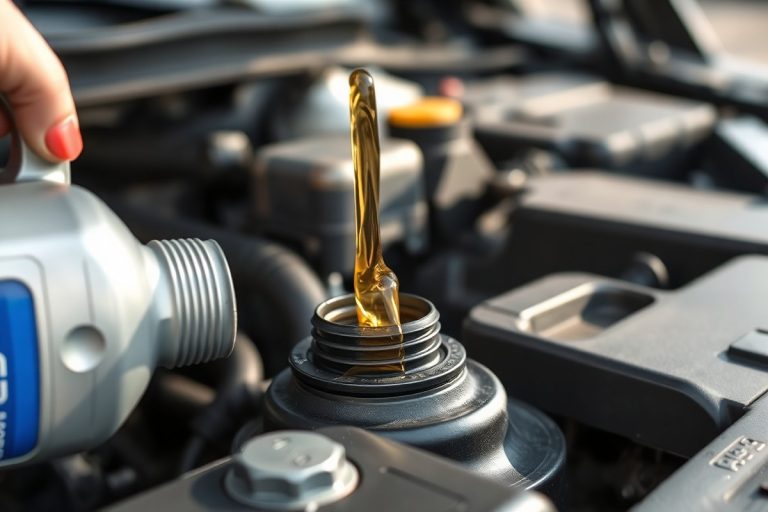
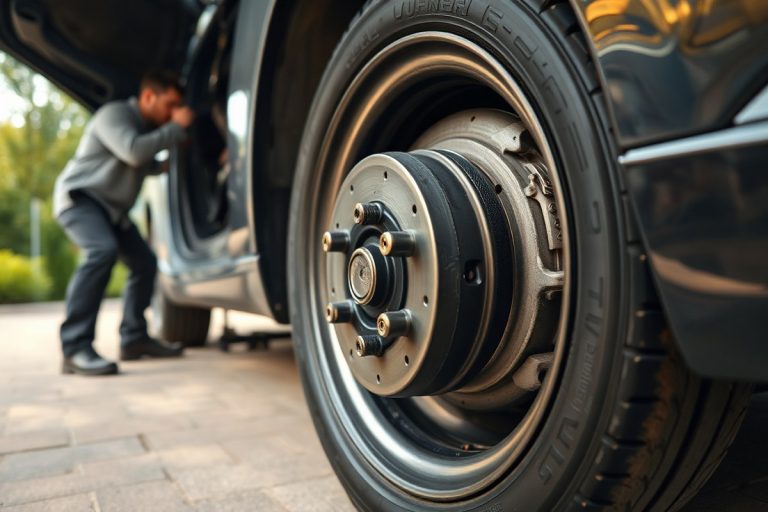
Preparing your vehicle before the drive cuts down risks. Check oil, tire pressure, and fuel levels. Check your headlights and brakes to ensure they work well.
This is important especially in low light or bad weather. Keep them in good shape before you drive.
To keep yourself sharp, get a good night’s sleep before your trip. Avoid heavy meals before driving, and stay hydrated with water. Plan your breaks every 100 miles or about every two hours.
Stretch, walk around, and eat light snacks during those stops. This routine helps you avoid tiredness and stay focused on the road.
- Check engine oil, tire pressure, and fuel levels.
- Confirm headlights and brake lights work properly.
- Get at least 7 hours of sleep before you leave.
- Take breaks every 100 miles or 2 hours.
- Watch for yawning, heavy eyelids, or lane drifting.
- Keep water and light snacks in reach.
- Avoid alcohol and sedating medications before driving.
Try to avoid driving during your normal sleep hours. The early morning and late night can make you more likely to feel sleepy. Pull over to a safe spot if you feel drowsy.
Take a short nap for 15 to 20 minutes. This helps you stay alert on the road.
Do not ignore early drowsiness signs like blinking or lane drifting. Pulling over to rest can prevent crashes.
Lastly, pack your phone charger and a flashlight in the car. Traffic or weather might slow you down, so being prepared avoids extra stress. Plan your trip with safety as a top priority.
This helps you enjoy your drive from Los Angeles. You avoid trouble and stay safer throughout your trip.
What Are the Best Attractions and Stops Along Drives from Los Angeles?
Finding the right stops along your drive from Los Angeles helps. They break up the trip and add some fun along the way. You want places for food, rest, and quick sightseeing.
Choose stops so your trip won’t take too long. This keeps your day smooth. You’ll enjoy the drive more this way.
Top Stops on LA to San Francisco Route
The drive to San Francisco takes about 8 hours. So stopping every 2 to 3 hours helps you stretch and refuel. Popular stops on Highway 101 include Paso Robles and San Luis Obispo.
Paso Robles is known for wineries. San Luis Obispo has charming downtown spots. These offer food and a chance to stretch your legs.
Quick scenic stops near the route include Pismo Beach, where you can walk the shore. These stops usually add 20 to 30 minutes to your trip. They are worth it for nice views.
You also get to enjoy fresh air. Timing your stops early or late avoids crowds and longer waits.
- Santa Barbara for breakfast or coffee
- Solvang for Danish pastries and shopping
- Paso Robles wineries for a wine tasting break
- San Luis Obispo downtown or Bubblegum Alley
- Pismo Beach for ocean views and fresh air
Popular Detours on LA to San Diego Drive
The drive from LA to San Diego is about 2 to 3 hours. So detours are easy to add. A stop at Laguna Beach offers art galleries and a beach break.
La Jolla Cove is near San Diego. It offers great sea views and seals to watch. You can enjoy nature without much extra driving time.
Coastal towns like Dana Point and Carlsbad have good places to eat. These stops add charm to your road trip.
They also give variety to your meal options. These stops are quick, 20 minutes or less if you just grab snacks or use restrooms.
- Laguna Beach art and beach walk
- Dana Point harbor for quick lunch
- Carlsbad outlets for shopping
- La Jolla Cove sea lions and views
Must-See Landmarks Near LA on Main Highways
Close to Los Angeles, you can visit landmarks without adding much time. The Santa Monica Pier is just west of LA and provides food, shops, and ocean views. The Griffith Observatory offers great city views and is less than 30 minutes from downtown LA.
On I-15 to Las Vegas, stop at Calico Ghost Town. It offers history and a fun atmosphere. It’s a quick break that’s worth your time.
These spots fit well as short breaks within the first hour of your drive. They keep you refreshed without a long detour or extended stop.
- Santa Monica Pier for seafood and beach vibes
- Griffith Observatory for city views and photos
- Calico Ghost Town for a historic stop
Step-by-Step Action Plan for Planning Your Drive from Los Angeles
Follow these steps to prepare your drive from LA and avoid common delays. Each step helps you stay on schedule and enjoy the ride.
- Before you leave: Check your car’s fuel level and fill up if needed. This stops last-minute gas station stops.
- Day of your trip: Review traffic apps like Google Maps 30 minutes before departure. Choose a route based on current traffic.
- First 2 hours: Drive steadily without rushing. Watch for traffic updates and adjust your route if needed.
- Every 2-3 hours: Plan to stop for a break. Stretch your legs and refresh to avoid fatigue.
- Mid-trip: Refuel your car after about 200 miles. This prevents running low on gas far from stations.
- Approaching your destination: Check estimated arrival time again. Call your hotel or contact person if you expect delays.
- After arrival: Park safely and check your car’s condition. Rest well before you explore your destination.
Frequently Asked Questions
How Long Is the Drive from Los Angeles to Yosemite National Park?
It takes about 5.5 to 6.5 hours to drive the 280 to 310 miles. The time depends on which entrance you choose for Yosemite.
What’s the Average Drive Time from Los Angeles to Las Vegas?
The drive is roughly 270 miles and takes about 4 to 5 hours in good conditions. Add extra time for stops or traffic delays.
How Can I Use a Drive-Time Calculator for Trips from Los Angeles?
You enter your start and end points to get distance, time, and fuel cost estimates. This tool helps avoid guessing and plan better.
Do I Need Permits for Driving Routes from Los Angeles to Popular Parks?
Yes, some areas need permits or entry fees, like Yosemite or coastal parks. Check and book these ahead to avoid surprises.
When’s the Best Time to Start a Long Drive from Los Angeles to Avoid Traffic?
Early morning drives reduce your chance of hitting heavy traffic. Try to leave before 7 AM for smoother travel on busy routes.
Key Points to Remember
Driving from Los Angeles takes time and planning, but you can manage it well. Use real-time traffic info and schedule breaks smartly. Start by choosing your route and checking your car today.