How Far Can You Go over an Oil Change Without Damage? The Complete Guide
Most modern cars use synthetic oil, letting you safely go 500 miles past the oil change interval. A small delay won’t harm your engine, but it’s not ideal. Keep an eye on your oil levels and driving conditions to catch any issues early.
The old 3,000-mile oil change rule doesn’t fit today’s cars. Full synthetic oils usually last 7,500 to 10,000 miles under normal driving. Use your oil life monitor and check the oil level often to avoid long delays between changes.
If you go over, try to schedule the next oil change within 1 or 2 weeks. Regularly topping off the oil can protect your engine when you’re a bit overdue. This helps prevent oil breakdown and keeps your engine running smoothly.
Key Takeaways
- 500 miles over an oil change is usually safe with synthetic oil.
- Schedule your oil change within 1-2 weeks after passing the interval.
- Older 3,000-mile oil change rules don’t apply to modern vehicles.
- Use your car’s oil life monitor to track remaining oil quality.
- Check oil level regularly and top up if it drops significantly.
- Full synthetic oil typically protects engine up to 10,000 miles.
How Far Can You Safely Go over an Oil Change?
Most cars using full synthetic oil can go 500 to 1,000 miles past their oil change schedule without serious damage. This buffer helps with timing but isn’t for frequent or long delays. Cars with conventional oil should not exceed about 300 extra miles safely.
Oil change intervals normally vary from 3,000 to 7,500 miles. This depends on the type of oil and how you drive. For example, synthetic blends generally call for about 5,000 to 7,500 miles between changes.
Conventional oils recommend closer to 3,000 to 5,000 miles. Time limits matter too. No matter the mileage, you should change oil every 6 to 12 months to prevent degradation.
Older cars need shorter oil change limits. Their engines build up sludge faster. They also lose the ability to seal oil well.
Driving under tough conditions needs closer attention. Short trips or turbocharged engines only have 250 to 500 miles of safe overage.
Experts say small overages usually cause little harm. However, going over two months or 1,000 miles raises engine wear and weakens oil.
Mechanics warn to watch for warning signs. These include burnt oil smell, dipstick showing dark or milky oil, or low oil level. These indicate you’ve gone too far past the oil change and should act immediately.
Skipping oil changes beyond 6 to 12 months removes any safe grace miles. Going far past recommended miles also risks serious damage. Changing oil right away is the only option.
A 2018 car with full synthetic oil and mostly highway driving might handle 1,000 miles plus two months extra. That is its approximate safe extension. A turbo engine with synthetic blend oil in city traffic has a lower limit.
It should only go about 250 miles past the change interval safely. Always follow your owner’s manual and oil life monitor. They provide advice specific to your car and driving conditions.
How Oil Change Intervals Vary by Oil Type and Vehicle
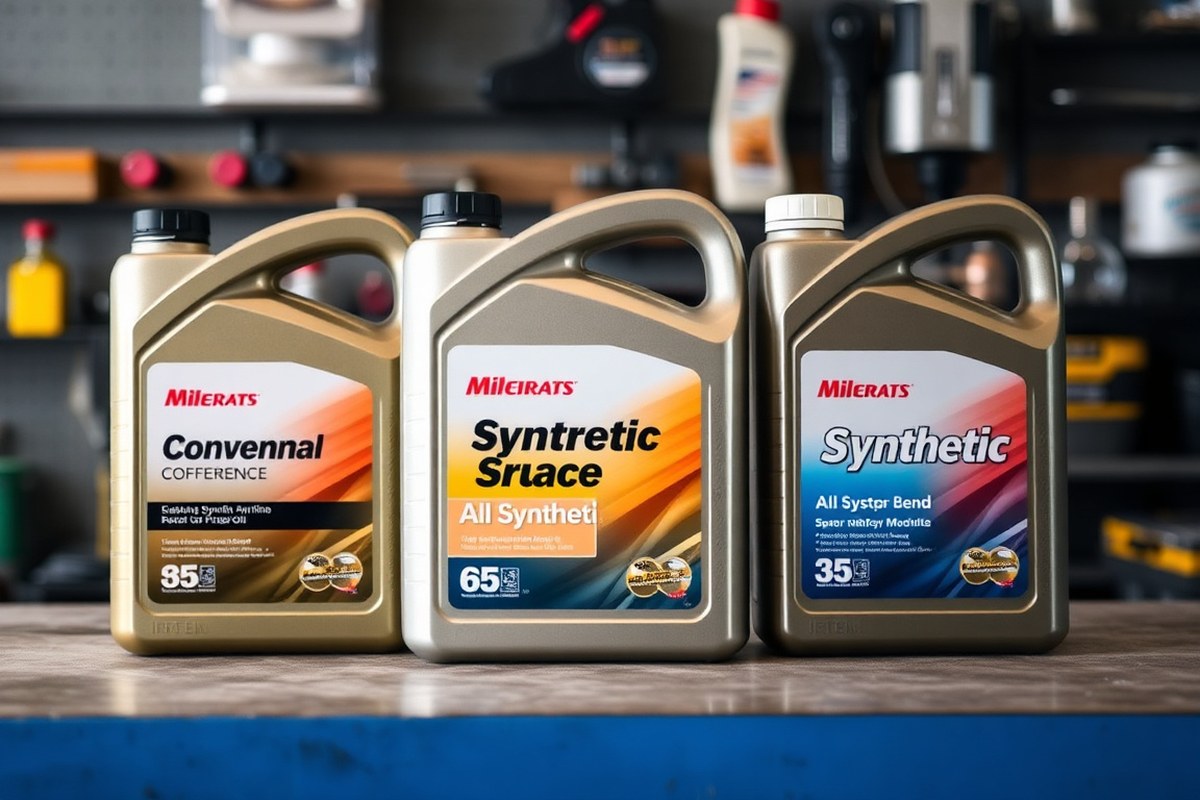
The type of oil you use affects how often you change it. Your vehicle’s recommendations also guide this schedule. Follow both for the best results.
Conventional oil usually requires changes sooner than synthetic oils. Newer cars often allow longer intervals, especially if you use full synthetic oil and drive normally.
Conventional Oil Change Intervals
Conventional oil generally needs changing every 3,000 to 5,000 miles. This range depends on your car’s age and driving conditions. Older cars and severe driving conditions tighten the schedule toward 3,000 miles.
You shouldn’t drive more than 250 miles past the oil change interval. This is especially true in stop-and-go traffic. Heat and cold also matter.
Going too far risks sludge buildup and poor engine protection. Manufacturers often set these limits because conventional oil breaks down faster.
Routine conventional oil changes typically cost around $40 to $60. Delaying oil changes can cause costly engine problems.
Repairs might cost over $1,000 for cleaning or replacing parts. Staying on schedule avoids these risks.
Synthetic Blend Oil Intervals
Synthetic blends come with recommended intervals between 5,000 and 7,500 miles. They resist breakdown better than conventional but not as well as full synthetic. Many car makers suggest this oil type when you want better performance at a moderate price.
Generally, blends let you go 500 to 750 miles beyond the factory interval under normal conditions. In severe conditions, cut that safe overage down to 250 to 500 miles. This helps protect your engine from quicker oil degradation and contaminants.
Change your oil more often in hot weather or dusty areas. Short trips also mean you should adjust your oil change schedule. These conditions wear oil faster.
These factors can reduce how long the oil stays effective. Follow your vehicle owner’s manual closely for the best interval.
Full Synthetic Oil Intervals
Full synthetic oil stretches oil change intervals from about 7,500 to 10,000 miles in modern cars. Some manufacturers, especially with oil life monitors, approve up to 12,000 miles. This type handles heat and oxidation better, so it lasts longer.
You can push your oil change 500 to 1,000 miles further in normal driving. Don’t extend it if you drive in tough conditions. This helps keep your engine safe.
Severe conditions cut that overage in half, requiring closer attention. Synthetic oil offers the most protection but still needs regular changing.
Check your manufacturer’s guide for exact intervals. Many newer models will not recommend going beyond 15,000 miles, even with extended-performance oils. Staying within these limits keeps your engine running smooth and avoids costly damage.
Don’t ignore driving conditions; adjusting your oil change interval can prevent engine damage.
What Happens to Engine and Oil When Going over Interval
Engine oil breaks down over time and miles due to heat and contaminants. After about 3 months or 3,000 miles, oil can get saturated with fuel and dirt. This reduces the oil’s ability to lubricate engine parts and protect against wear.
As oil degrades, it thickens and loses its flow. Thick oil flows slower, causing increased friction between moving parts.
This leads to accelerated engine wear, especially on bearings and piston rings. Worn parts reduce engine efficiency and can cause costly damage.
Sludge begins to form when oil breaks down and mixes with dirt, fuel, and moisture. This sticky, tar-like sludge clogs oil passages and blocks filters.
Sludge buildup makes the oil pump work harder. It slows oil flow to key engine parts.
Sludge accumulation over time: At first, small deposits form after extending oil changes slightly. By 1,000 miles past interval, these deposits grow into thick sludge patches. After several thousand overdue miles, sludge can coat engine surfaces, severely restricting oil flow.
Sludge is harmful because it prevents oil from reaching hot engine areas. Without constant lubrication, metal parts grind together, causing scuffs and wear grooves. This wear can lead to engine knocking, poor compression, or even failure.
The timeline of oil degradation depends on your drive style, oil type, and engine type. High heat, heavy loads, or stop-and-go driving accelerate oil breakdown. Synthetic oils usually last longer than conventional oils but still need regular changing within 12 months.
Manufacturers set oil change intervals based on these factors to keep oil fresh and protective. Going over the recommended mileage by a few hundred miles usually won’t cause immediate harm. But pushing well past the limit lets harmful sludge build and wear add up.
Oil loss of a quart or more in 1,000 miles means problems. The oil is breaking down and burning off.
This shows the oil can no longer keep your engine lubricated properly. At this point, topping off oil and shortening change intervals helps avoid major damage.
Proper oil changes remove contaminated oil before sludge forms and wear speeds up. Following intervals keeps your oil clean, flowing, and effective at protecting your engine long term. Skipping or delaying oil changes lets mechanical and chemical damage creep in unnoticed.
Signs You’ve Gone Too Far Past an Oil Change
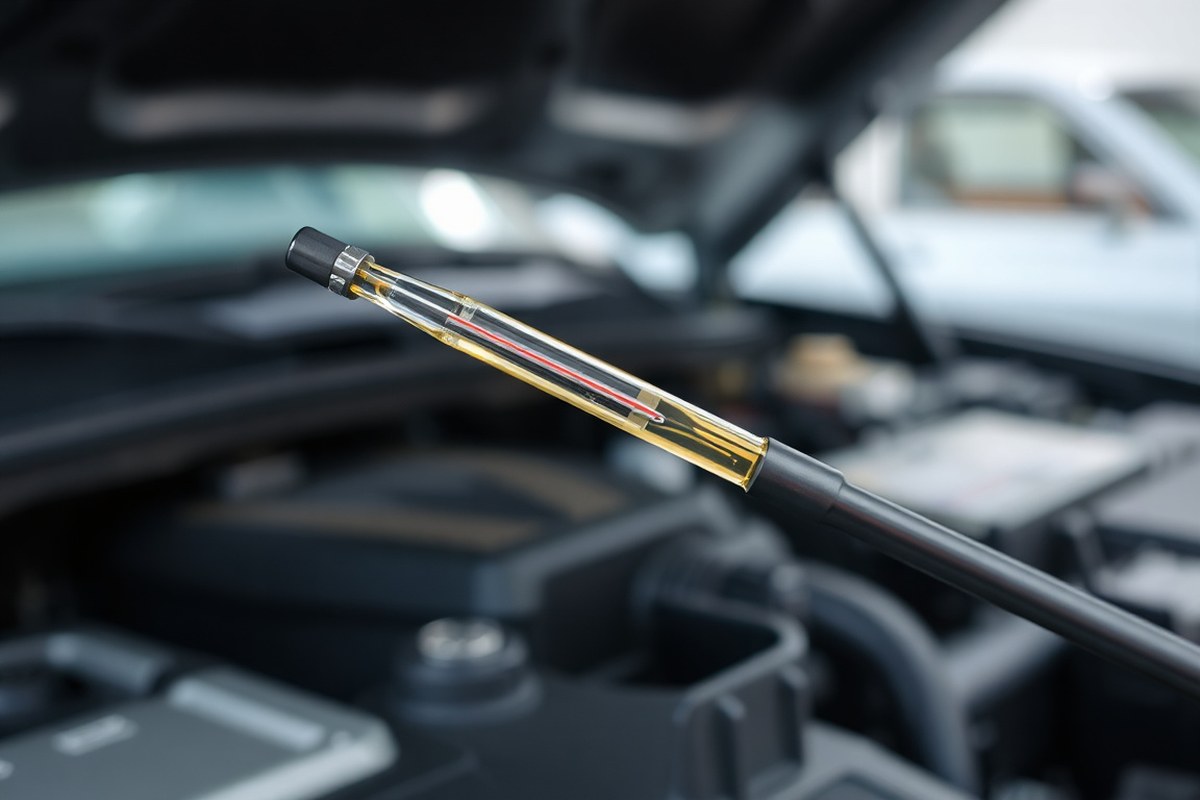
Check your oil color and feel to spot overdue oil. Fresh oil looks amber and clear. When it turns dark or gritty, the oil is dirty and losing protection.
To check, open the hood and find the dipstick. Pull it out, wipe it clean, then dip it again. Look at the oil on the stick’s end.
Rub some between your fingers. If it feels thick or rough, change the oil soon.
Engine sounds can also warn you. Listen for tapping or knocking noises when idling.
Rough idling or shaking suggests oil may not lubricate well. Fuel mileage dropping noticeably can signal oil breakdown too.
- Oil is dark, black, or has visible particles
- Oil feels thick, sticky, or gritty on your fingers
- Engine makes knocking, ticking, or tapping sounds
- Rough idling or engine vibration at low speed
- Sudden drop in fuel efficiency by several miles per gallon
- Dashboard oil pressure or oil change warning lights turn on
- Check engine light activating along with oil warnings
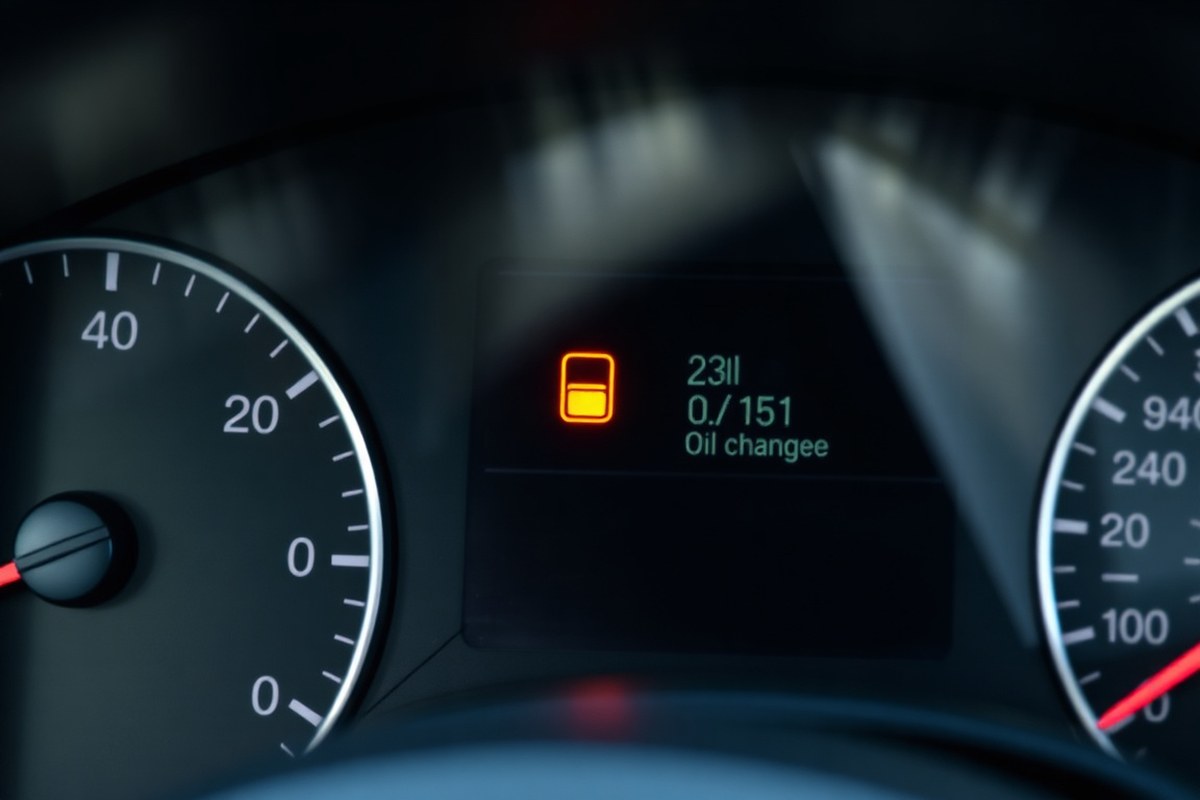
Modern cars have dash lights to signal oil issues. A red oil can or “Check Oil” light means low oil pressure.
It can show up before engine damage occurs. Some vehicles also display an oil change reminder symbol or “Change Engine Oil Soon” message.
These lights should never be ignored. Pull over safely if you see a red oil warning while driving.
Change the oil within 2 to 3 days if the system just sends a change reminder. Waiting longer risks engine wear or failure.
Early oil changes usually cost $45 to $65. Catching the problem early saves expensive repairs later. Keep your oil and filter updated to keep the engine running smooth and quiet.
When and How to Use Your Vehicle’s Oil Life Monitor
Your vehicle’s oil life monitor (OLM) estimates when to change the oil. You can trust it for routine checks but still cross-check mileage and time limits. When the monitor shows low oil life, plan an oil change.
Watch your driving conditions closely during this time. Try to get the oil changed soon.
How Oil Life Monitors Work
Oil life monitors track engine operating conditions, not just mileage. They use data like engine temperature, revolutions, and driving habits to estimate oil quality. This method gives a more accurate oil change interval than older mileage-only systems.
Modern engines using API SP synthetic oil support long intervals. These vary from 5,000 miles up to 15,000 miles. The oil life monitors track this.
However, they still count time, usually not exceeding 12 months before an oil change is needed. The monitor helps adjust maintenance to how you actually drive.
Interpreting the Oil Life Percentage
The oil life percentage shows how much useful oil time remains. A high percentage means the oil is still good. 100% means fresh oil, and 0% means change the oil now.
Your OLM shows above 10% and you haven’t reached the mileage limit. You can keep driving but schedule your oil change soon.
When the percentage drops under 10%, it’s a signal to act quickly. At 0%, change the oil immediately to avoid engine damage. Some vehicles also trigger an oil change warning light at this point to make it clear.
Using OLM Data with Manufacturer Guidelines
Always combine the OLM reading with your owner’s manual recommendations. For example, if you reach the mileage cap from the manual. But your OLM still shows some oil life left, change the oil anyway.
This is safer. Follow the time limit as well, usually no more than 12 months.
Severe driving conditions like towing or stop-and-go traffic require shorter intervals. When the monitor seems off from what you expect, check your oil level and appearance manually. Use the oil type your manufacturer specifies for best protection.
Look for API SP or ILSAC GF-6 oils. These match your engine’s needs.
Follow the schedule and don’t go over 1,000 miles past the alert. This applies to both the manufacturer’s and OLM’s oil change warnings.
Staying on time protects your engine. This keeps your engine healthy and avoids costly repairs down the road.
Keep a close watch when your oil life hits 10%. Schedule your change within the next 500 miles.
How Driving Conditions Affect Oil Change Timing
Your driving habits can shorten how long your oil lasts. Severe conditions break your oil down faster. This means you change oil sooner.
Don’t wait for the regular schedule. Oil change guides list a “severe service” interval.
It’s usually half the normal time. This applies to tough driving cases.
Severe driving includes towing and trips under 10 miles. It also means lots of idling.
Heavy stop-and-go traffic counts too. High or low temps also count if you regularly see below 32°F or above 90°F. Dusty roads and steep hills factor in too since they stress your engine and oil.
- Most trips under 10 miles or frequent short drives
- Regular stop-and-go city traffic or lots of idling
- Temperatures below 32°F or above 90°F often
- Towing trailers or carrying heavy loads
- Driving in dusty, dirty, or hilly terrain
- Extreme weather, cold winters or very hot summers
Under these conditions, check the oil more often by using your dipstick. Look for low levels and dark, gritty oil. An oil change reminder or check engine light might come on sooner.
Oil breaks down faster with harsh use. Conventional oil fades quicker in tough conditions. That’s why it needs changing more often.
Highway miles are easier on oil than city stops. You might get 500 to 1,000 extra miles on highway drives. This is after the synthetic oil interval.
It’s a slight cushion. Avoid adding many short trips past the due point, though. Time matters even with low mileage cars.
Change oil every 6 to 12 months. This stops moisture and fuel from damaging oil.
Adjust your oil change schedule based on what your manual calls severe service. Use severe-service change intervals if you tow regularly.
Also follow them in extreme weather or heavy stop-start traffic. This helps keep your engine running clean and prevents costly damage from dirty oil buildup.
What to Do If You’re Overdue on Your Oil Change Now
When you miss your oil change, act fast to protect your engine. Start by checking the oil level and condition immediately.
Checking your oil shows if it’s still good or causing harm. This helps you avoid engine damage.
- Park your car on a level surface. Turn off the engine and let it cool for 10 minutes. This lets the oil settle for an accurate check.
- Pull out the dipstick and wipe it clean with a cloth. Reinsert it fully, then pull it out again to check the oil’s level and color.
- Look at the oil color and texture. Clear, amber oil is good. Dark or black oil with grit means you should change it immediately.
- Check the oil level on the dipstick marks. Low oil needs topping off but doesn’t replace a full oil change if overdue.
- Make an appointment for an oil change as soon as possible. Do not delay longer; the oil has lost lubricating power over time.
- Tell your mechanic if you noticed dark or gritty oil. Mention the last oil change mileage and your driving conditions.
- Avoid engine flushes unless a mechanic specifically recommends them. These can stress an overdue engine and cause leaks or damage.
- Skip oil additives if not advised by your mechanic. Many brands don’t boost oil life enough and might harm your engine.
Check the oil every time you fill gas, making it easier to spot changes early. Scheduling your next oil change within a week or two is safe for most vehicles.
Notice engine noise, heat, or burned oil smell? Go to a mechanic right away.
| Symptom | Urgency | Action |
|---|---|---|
| Oil is dark with grit | High | Change oil immediately, do not drive long distances |
| Oil level low but color OK | Moderate | Top off oil and schedule change soon |
| No obvious symptoms | Low | Schedule oil change within 1, 2 weeks |
Common Myths About Oil Changes Debunked
The old 3,000-mile oil change rule isn’t valid anymore. Modern synthetic oils and engines let you go 10,000 to 15,000 miles between changes. Changing oil too early wastes money and doesn’t protect your engine better.
Some people think synthetic oil never needs changing, but that’s not true. Synthetic oil breaks down over time and loses its effectiveness. That’s why manufacturers still recommend changing it regularly, usually around 10,000 miles.
Another common myth is that you can just top off the oil instead of changing it. Topping off adds oil but doesn’t remove old, dirty oil or contaminants. Over time, dirty oil can cause engine wear and damage.
- 3,000-mile change rule is outdated with current oils and engines
- Synthetic oil usually requires changes every 10,000 to 15,000 miles
- Topping off oil can’t replace a full oil change
- Oil life monitors give better guidance than fixed mileage
- Engine protection improves with proper oil type and timely changes
- Ignoring oil change intervals raises risk of costly engine repairs
Following your vehicle’s manual is the best way to time oil changes. Many newer cars have oil life monitors that use your driving style and conditions for accuracy. These systems help avoid both premature and late oil changes.
Always change your oil on time using the correct oil type to keep your engine safe.
How Long Does an Oil Change Take and What to Expect
Changing your car’s oil usually takes 30 to 45 minutes at a shop. Doing it yourself takes around 45 minutes to an hour, depending on your setup.
A professional oil change costs $35 to $100. A DIY job mostly costs for oil and filter.
Professional Oil Change Procedure
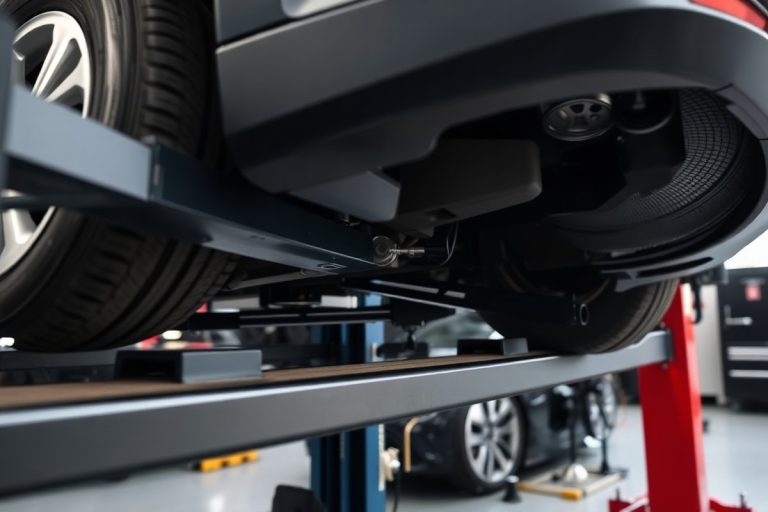
The mechanic drains old oil, replaces the oil filter, and adds fresh oil. They also check fluid levels, inspect the air filter, and look for leaks. Most shops use ramps or lifts to reach under the car safely.
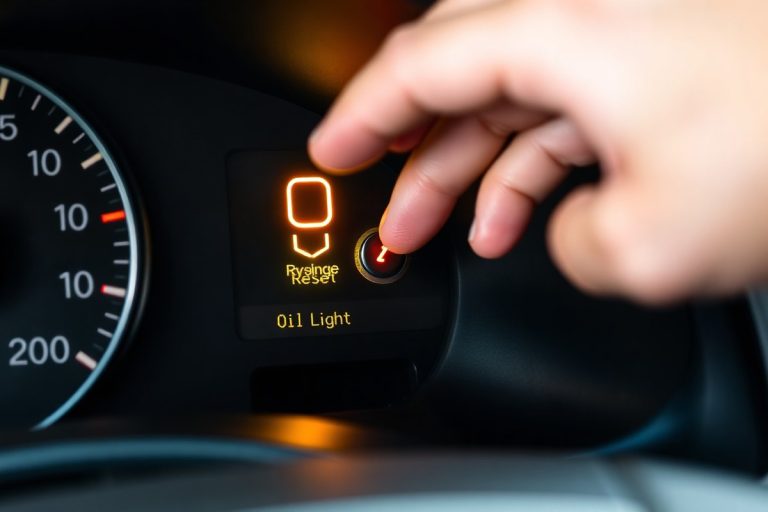
This process ensures your engine gets clean, fresh oil to run smoothly. The technician then resets your oil change light if your car has one. Shops usually dispose of the old oil properly at no extra cost.
DIY Oil Change Essential Steps
Doing an oil change yourself needs certain tools and materials. You’ll need a wrench or socket set to remove the drain plug.
Also, get an oil filter wrench for the filter. Also, use a drain pan, funnel, and gloves to avoid spills and burns.
Here’s how you change oil step-by-step:
- Warm up your engine about 5 minutes, then turn it off.
- Lift the car with ramps or a jack and secure it with jack stands.
- Place the drain pan under the oil drain plug and remove the plug.
- Let the old oil fully drain out, then replace and tighten the drain plug.
- Remove the old oil filter with the filter wrench and lubricate the new filter’s seal.
- Install the new oil filter by hand until snug, then tighten slightly more.
- Fill the engine with the correct amount and type of oil using a funnel.
- Lower the car, start the engine, and check for leaks and oil level.
Cost Factors and Time Estimates
Professionally, you pay $35 to $100 depending on oil type and location. Synthetic oil costs more, raising shop prices closer to $70 to $100. A basic oil change with conventional oil usually costs $35 to $50.
Doing it yourself costs $20 to $50, mainly for oil and the filter. Buying tools like wrenches and ramps is additional but reusable for many jobs. DIY saves money long-term but takes more time and effort upfront.
| Average Time | Typical Cost | |
|---|---|---|
| Professional Oil Change | 30 to 45 minutes | $35 to $100 |
| DIY Oil Change | 45 to 60 minutes | $20 to $50 (plus tool cost) |
Step-by-Step Action Plan for Managing Your Oil Change
Follow these steps to keep your engine healthy and avoid damage from overdue oil changes.
- Before your next oil change: Check your owner’s manual for the recommended interval. This confirms how often you should change the oil.
- Week 1: Look at your oil’s color and level with the dipstick. Clean, amber oil means you’re good; dark or low oil means action is needed.
- Week 2: Pay attention to your oil life monitor message, if your car has one. Reset it only after a fresh oil change to track oil health accurately.
- Week 3: Note your driving habits. Stop-and-go traffic and short trips can wear oil faster. So prepare for earlier changes than the manual suggests.
- Day of scheduled oil change: Book your appointment or plan a DIY change. Ensure the correct oil type and filter are ready for the job.
- After oil change: Drive normally and check for warning lights. No lights or leaks means the job went well.
- Monthly check: Inspect your oil level and condition. Regular checking helps catch issues before the next scheduled change.
Frequently Asked Questions
How Urgent Is It to Change Oil Once the Oil Life Monitor Hits Zero?
You should schedule an oil change within 2-3 days when the oil life monitor hits zero. Driving longer risks engine damage caused by degraded oil not lubricating well enough.
Does Oil Degrade Faster in Stop-And-Go City Driving?
Yes, oil breaks down quicker in city traffic due to frequent idling and low speeds. This means you may need oil changes slightly more often than highway driving recommends.
Is It Safe to Use Conventional Oil Past Its Change Interval If Synthetic Isn’t Available?
It’s best to use synthetic oil when possible. Just don’t stretch that interval too much or risk sludge buildup.
Can Skipping an Oil Change Affect My Car’s Resale Value?
Yes, missed oil changes can hurt your car’s resale value by suggesting poor maintenance. Buyers tend to prefer cars with clear, regular oil change records.
How Does Extreme Cold or Heat Affect the Timing of Oil Changes?
Extreme temperatures can speed up oil degradation, making regular oil changes more critical. Check oil condition more often if you live in very hot or cold climates.
Key Points to Remember
Going a little past your oil change usually isn’t harmful. Keep an eye on your oil condition. That way, you catch any problems early.
Quick action when overdue can prevent engine trouble. Check your oil today and book your change if needed.