How Many Fluid Ounces in 750 Ml: Exact Conversion and Practical Tips
Wondering how many fluid ounces in 750 ml? The exact number is 25.36 US fluid ounces. This measurement is useful for cooking, bartending, or measuring liquids precisely.
Keep in mind that 750 ml also equals 26.40 Imperial fluid ounces. The Imperial fluid ounce is larger than the US fluid ounce and often used in the UK. Always check which ounce system you need before converting to avoid mistakes in your recipes or servings.
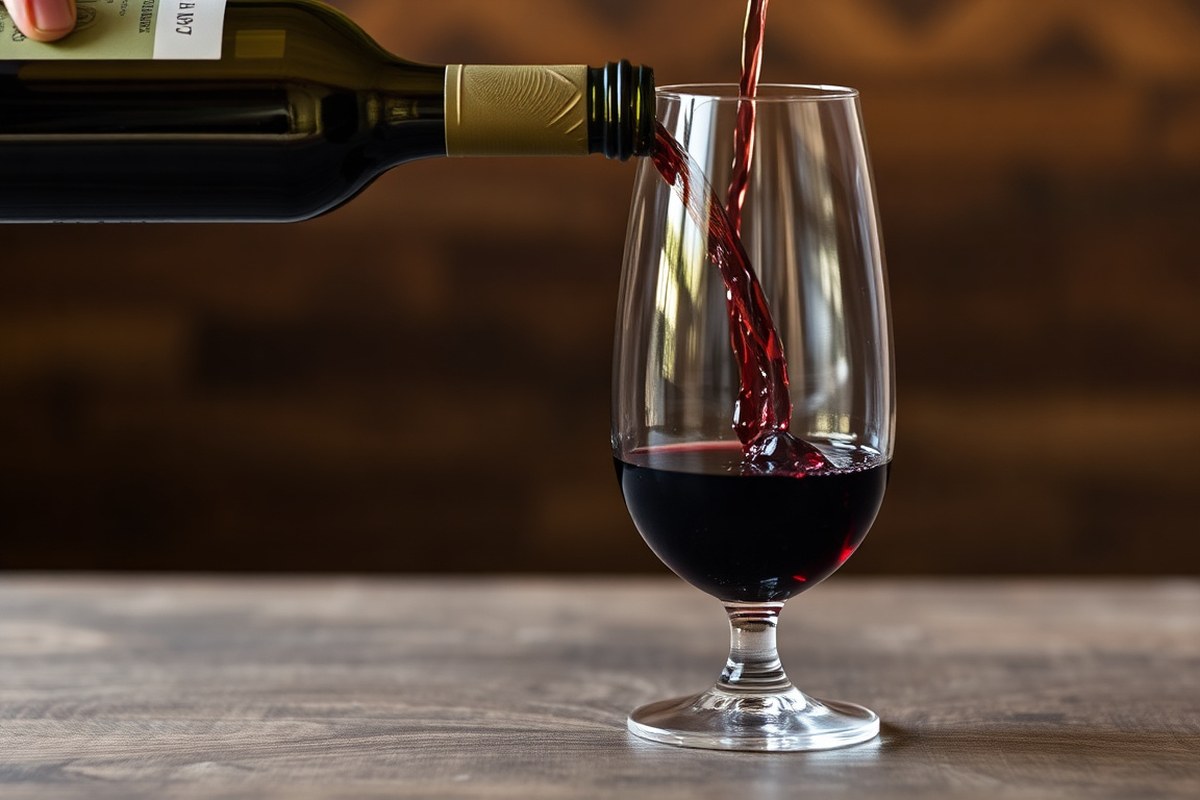
The 750 ml bottle size is standard for wine and spirits, holding about twenty-five 1-ounce servings. This helps you measure pours and servings accurately when hosting or mixing drinks. Knowing the conversion also helps when adjusting recipes that list ingredients in ounces.
Key Takeaways
- Use 25.36 US fluid ounces as the exact conversion for 750 ml volume.
- Imperial fluid ounces are slightly larger; they equal about 26.40 ounces in 750 ml.
- A 750 ml bottle typically contains about 25 one-ounce servings for pouring.
- Verify whether your recipe or product is measured in US or Imperial fluid ounces before converting.
- Remember, this conversion is for volume, not weight or mass.
- Rounding 25.36 to 25.4 ounces is common and acceptable in most cases.
How Many Fluid Ounces Are in 750 Ml Exactly?
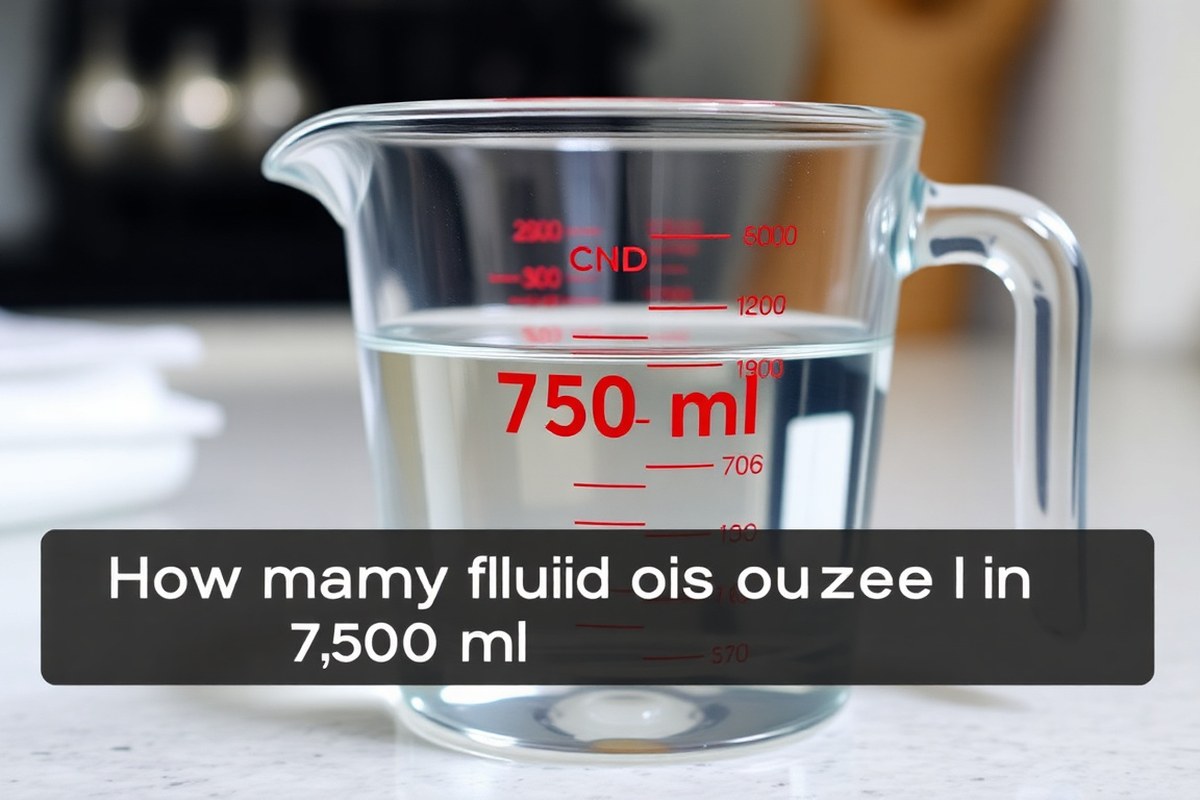
750 milliliters equals exactly 25.36 fluid ounces in the US system. This measurement uses the US fluid ounce, which is about 29.5735 milliliters. To get this number, divide 750 ml by 29.5735 ml per US fluid ounce.
In the Imperial system, 750 milliliters equals approximately 26.4 fluid ounces. The Imperial fluid ounce is smaller at around 28.4131 milliliters. So, dividing 750 ml by 28.4131 gives the larger number of 26.4 ounces.
The difference occurs because the US and Imperial fluid ounces are not the same size. The US fluid ounce measures slightly more liquid.
So you get fewer ounces after conversion. The Imperial ounce is smaller, leading to a higher count for the same 750 ml volume.
How to Manually Convert 750 Ml to Fluid Ounces
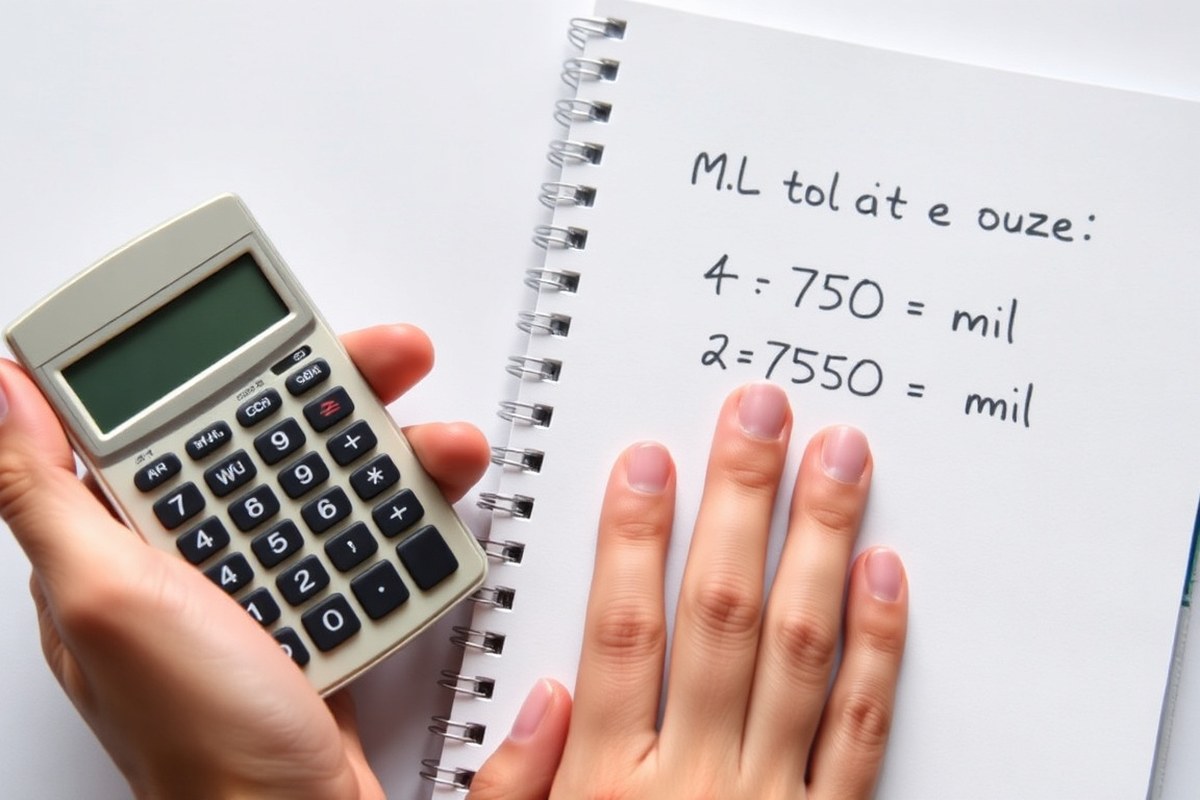
To convert 750 ml to fluid ounces, use a simple formula. You need a fixed conversion factor to do this. This factor never changes.
Divide or multiply by the listed ratio depending on the direction of conversion. This helps you get either US or Imperial fluid ounces exactly.
Formula for US Fluid Ounces
For US fluid ounces, the exact conversion factor is 1 US fl oz = 29.5735 ml. Use this to convert milliliters to ounces by dividing the ml amount by 29.5735. Follow these steps to convert 750 ml to US fluid ounces:
- Note the volume in milliliters: 750 ml.
- Find the conversion factor: one US fluid ounce equals 29.5735 ml.
- Divide 750 ml by 29.5735 to get fluid ounces.
- Calculate: 750 ÷ 29.5735 = approximately 25.36 US fluid ounces.
- Round to two decimal places if you want a simple figure.
Remember that using the exact factor gives precise results important for recipes or bartending.
Formula for Imperial Fluid Ounces
The Imperial fluid ounce is different and equals approximately 28.413 ml. This is mainly used in the UK and Canada. You convert milliliters to Imperial fluid ounces by dividing by 28.413.
Here’s how to convert 750 ml to Imperial fluid ounces:
- Start with 750 milliliters.
- Know 1 Imperial fl oz = 28.413 ml.
- Divide 750 by 28.413 to get Imperial ounces.
- Calculate: 750 ÷ 28.413 = about 26.40 Imperial fluid ounces.
- Use this for recipes or pours in countries using Imperial measures.
Confusing US and Imperial fluid ounces can lead to under or overpoured drinks.
Quick Approximate Calculation Method
Use 1 ml = 0.03 fl oz for a quick estimate. This gives a rough idea of fluid ounces.
It’s good when exact numbers don’t matter.034 US fluid ounces for mental math. Multiplying 750 ml by 0.034 gives a close approximate.
Try this quick method:
- Take 750 ml and multiply by 0.034.
- Calculate: 750 × 0.034 = 25.5 fluid ounces.
- Use this when exact precision isn’t important, like casual pouring.
Approximations save time but check exact figures for precise cocktails or measurements.
What Is the Difference Between US and Imperial Fluid Ounces?
The fluid ounce size differs between the US and Imperial systems. The US fluid ounce is about 4.93 mL. The Imperial fluid ounce is about 5.91 mL.
The Imperial fluid ounce is about 20% bigger than the US fluid ounce. This difference changes how you convert 750 mL to ounces. It matters for precise measurements.
Volume Size Differences
The US fluid ounce measures approximately 29.57 mL of liquid volume. The Imperial fluid ounce is slightly less, around 28.41 mL. One 750 mL bottle contains 25.36 US fluid ounces or 26.40 Imperial fluid ounces.
Because the Imperial fluid ounce is larger, volume conversions vary more than simple math might suggest. Small measurement errors can add up when pouring or cooking. Using the correct system ensures better accuracy for recipes and drink servings.
Countries Using Each System
The US fluid ounce is common in the United States. Some other countries use US customary units too. It helps with everyday cooking and measuring.
The Imperial fluid ounce is used mainly in the United Kingdom, Canada, and some Commonwealth countries. When buying beverages internationally, you’ll see labeling in one of these systems.
Knowing which unit applies helps you interpret bottle sizes and portion amounts. A UK store bottle showing Imperial ounces will look bigger compared to the same bottle in US ounces. This is because the Imperial ounce is larger.
The label might confuse shoppers. This can affect your purchase decisions and recipe adjustments.
Impact on Consumers and Shoppers
Matching the fluid ounce system prevents errors in size or cost comparisons. A 750 mL wine bottle shows either 25.36 US ounces or 26.40 Imperial ounces. Use the same ounces type for recipes and servings.
A simple checklist helps decide which measure to use:
- Check the country of purchase and label units.
- Use US fluid ounces if in the United States or using US recipes.
- Use Imperial fluid ounces in the UK or places using British standards.
- Convert 750 mL to 25.36 US fl oz or 26.40 Imperial fl oz accordingly.
This prevents confusion when following recipes or comparing beverage sizes and prices. Here’s a quick reference for 750 mL volume conversions:
| Unit | Volume |
|---|---|
| US Fluid Ounce | 25.36 fl oz |
| Imperial Fluid Ounce | 26.40 fl oz |
| Tablespoon (US) | 50.72 tbsp |
| Teaspoon (US) | 152.16 tsp |
| Cup (US) | 3.17 cups |
Using this table, you can quickly switch between units when cooking or checking bottle sizes. Accuracy here helps you measure better and avoid surprises with recipes or drinks.
How Many Standard Drinks Are in a 750 Ml Bottle?
A 750 ml bottle of wine typically yields about five 5-ounce servings. That’s because the USDA defines a standard wine serving as 5 fluid ounces. Pouring a full five-ounce glass from this bottle size gives you roughly five glasses total.
For spirits, the serving size is usually a 1.5-ounce shot. A 750 ml bottle contains around 25.36 fluid ounces.
Dividing 25.36 by 1.5 gives about 16 to 17 shots per bottle. That makes it easy to estimate how many cocktails you can make with one bottle.
Serving sizes can vary depending on the drink and context. Some wine servings might be smaller, around 4 ounces, which would boost the number of pours. Spirits poured as 3-ounce double shots cut servings in half.
That is half the number of servings compared to standard shots. Bartenders often adjust pour sizes for cocktails, balancing the recipe and alcohol content.
When hosting, using the standard sizes helps estimate how many guests a bottle can serve. To stretch your wine for a large group, pour slightly smaller glasses.
Aim for about 4 ounces each. For spirits, keeping to 1.5-ounce pours ensures consistent drink strength and easier inventory tracking if you’re bartending.
Recipes use ounces, which makes measuring easier. One 750 ml bottle holds about 25 fluid ounces. That clarity helps avoid overpouring or running short during mixing.
Smaller bottles like 375 ml give half as many servings. That equals about 8 shots or 2 to 3 wine glasses.
Why 750 Ml Is the Standard Bottle Size for Wine and Spirits
The 750 ml bottle size became standard mainly due to history and convenience. Before metric units, the US used a “fifth” bottle, meaning one fifth of a gallon. That size equals about 757 ml, which closely matches 750 ml after metrication.
This shift happened in the 1970s when the wine and spirits industry moved to metric worldwide. The 750 ml bottle fit well with existing volumes but aligned with the new metric system. It rounded nicely for glass production and helped global trade by having one common size.
Most wine and liquor producers now use 750 ml as the default bottle. It holds about 25.36 US fluid ounces, often rounded to 25.4 ounces for simple math. That size serves most needs for a small group or a few servings without leftovers.
Countries like the US and Europe mostly agree on this size. But some places use traditional bottles alongside it. Glass sizes differ across Europe.
Some areas sell bigger bottles. Others sell smaller ones. Yet, 750 ml remains the most common standard across continents.
Knowing this helps if you cook or mix drinks internationally since bottle sizes match recipes better. Remember, 750 ml equals the old “fifth” bottle size. Older recipes use that term.
Keep it in mind. The modern use just makes metric and customary units easier to convert.
Always check the bottle label for size, especially when mixing drinks or cooking recipe adjustments.
Converting 750 Ml to Other Common Kitchen Measurements
Knowing how to convert 750 ml in cups, pints, and more helps. It lets you follow recipes accurately. You’ll get better results this way.
Many kitchens use these units, so you’ll avoid mistakes that change texture and flavor. Converting also saves time when you measure by hand or use tools with different scales.
Here is a conversion table for 750 ml in common kitchen units. These numbers come from the US standard measurements used in most recipes. You can use this to measure liquids like wine, broth, or oil without a calculator.
| Unit | Equivalent |
|---|---|
| Cups | 3.17 cups |
| Pints | 1.58 pints |
| Quarts | 0.79 quarts |
| Tablespoons | 50.7 tablespoons |
| Teaspoons | 152 teaspoons |
To convert 750 ml exactly, divide or multiply depending on your unit. One cup equals 236.6 ml, so divide 750 by 236.6 to get cups. For tablespoons, multiply 25.36 US fluid ounces by 2 since each ounce is about 2 tablespoons.
This conversion matters especially when baking. Even slight errors can change how your dish turns out. Also, measuring liquids like cream or broth correctly matters for sauces.
Using the right tools like measuring cups saves you time. It helps keep your results consistent. Your kitchen work will go faster.
Common Conversion Mistakes and How to Avoid Them
People often confuse weight ounces with fluid ounces. They measure how much something weighs instead of its liquid volume. Always check the label or packaging to confirm which ounce type is used.
Using the wrong ounce system for your country causes errors too. US fluid ounces differ from Imperial fluid ounces. US fluid ounces count 1 ounce as about 29.57 milliliters.
Imperial fluid ounces are about 28.41 milliliters. Always pick the system that matches your recipe or location.
Rounding too soon during conversion can make your total wrong. For example, 750 milliliters equals 25.36 US fluid ounces.
Rounding to 25 instead of 25.36 ounces loses volume accuracy. Keep decimals until the final step to improve results.
- Check if ounces mean fluid or weight on your container.
- Confirm which ounce system (US or Imperial) the recipe needs.
- Use 25.36 US fluid ounces for 750 ml, not a rounded number early on.
- Convert measurements only at room temperature; cold liquids contract slightly.
- Use a digital scale or measuring cup marked in fluid ounces to avoid guesswork.
Temperature affects liquid volume a little. Cold liquids shrink, so 750 milliliters might slightly weigh less volume at fridge temperature.
Work at room temperature for best accuracy. This matters most in professional food or drink mixing.
How to Use 750 Ml to Ounces Conversion in Everyday Situations
To find out how many cocktails come from 750 ml, convert it. There are 25.4 fluid ounces in 750 ml. One 750 ml bottle holds about 25.36 ounces.
Each cocktail needs 2 ounces of vodka. Divide 25.4 by 2.36 by 2.
That gives roughly 12 drinks per bottle. This simple math helps you plan parties or bar inventory without waste.
Adjusting recipes is easier once you understand the conversion. Say a recipe calls for 4 ounces of liquid. But you only have measurements in milliliters.
Multiply 4 ounces by 29.57 to get about 118 ml. For scaling up, multiply the ingredient by the factor needed.
For example, double a recipe with 4 ounces by using 8 ounces or about 236 ml. This keeps proportions accurate and flavors consistent.
Shopping internationally means packaging might only list fluid ounces or milliliters. Knowing that 750 ml equals 25.36 ounces helps you pick bottles similar in size.
Comparing fluid ounces is especially handy when buying spirits or wine from different countries. Check labels carefully to ensure you get the right volume and avoid surprises at checkout.
Don’t confuse US fluid ounces with Imperial ounces. They differ and affect drink and recipe accuracy.
Decision Checklist for When to Use US or Imperial Fluid Ounces
You decide on US or Imperial fluid ounces by your location. Also think about where the recipe or product is from. This choice helps you measure right for your needs.
The US fluid ounce is common in the United States. Imperial fluid ounces are used in the United Kingdom and some Commonwealth countries. Checking the label or packaging helps you pick the right system.
Identifying Your Region’s Standard
The US uses the US fluid ounce, equal to about 29.57 ml. Most other countries using Imperial sizes count one fluid ounce as about 28.41 ml. Your region’s measurement system shapes what fluid ounce applies.
Restaurants, stores, and cooks in the US almost always mean US fluid ounces. In the UK, Canada, and Australia, you might see Imperial fluid ounces. But these countries use milliliters more than Imperial ounces now.
The shift makes measurements simpler and consistent. Knowing where you are gives a solid first clue.
Recognizing Product Labeling
Look for hints on wine bottles or liquor packaging. US products often show “750 ml (25.4 fl oz).” British or Commonwealth brands might list “750 ml (26.4 fl oz)” or mark the ounces as “imp fl oz.”
Check for country of origin, which indicates the system likely used. Some labels list both, letting you confirm the right measure. Language examples like “fluid oz” or “imp fl oz” can tip you off.
- Country of product origin on the label
- Numbers next to “fl oz” or “imp fl oz”
- Packaging language hints like “pt” for pints (US or Imperial)
- Look for dual measurements (ml and fl oz both shown)
- Online product descriptions might specify the unit system
- Check the retailer’s market location if unclear
- Cocktail or cooking recipes often specify US or Imperial units
These clues help you match the fluid ounces to the proper system. It’s smart to use both ml and ounces side by side when uncertain.
Converting Between Systems When Needed
Sometimes you get a recipe or bottle labeled with the other system’s ounces. To convert, use the conversion factors: 1 US fl oz equals about 0.96 Imperial fl oz, and 1 Imperial fl oz equals about 1.04 US fl oz.
For example, 750 ml is 25.36 US fluid ounces but 26.4 Imperial fluid ounces. You can convert back and forth by multiplying or dividing with these factors. Keep a calculator or conversion app handy for fast work.
Step-by-Step Action Plan for Using 750 Ml to Fluid Ounces Conversion
Follow these clear steps to confidently convert 750 ml and use the results in everyday tasks. This simple plan helps you avoid common mistakes and get accurate measurements.
- Before You Start: Know that 750 ml equals about 25.36 US fluid ounces. This is your baseline for all conversions.
- Day 1: Practice converting common sizes from milliliters to ounces. Use the factor 1 ml ≈ 0.03 oz to help you. Try different amounts for quick learning.0338 US fluid ounces. Check your work with an online converter.
- Day 2: Measure 750 ml of water or liquid using a kitchen scale or measuring cup. Pour it into a container marked in fluid ounces to see the volume visually.
- Week 1: Apply your conversion when preparing recipes or mixing drinks. Double check if the recipe uses US or Imperial fluid ounces to avoid confusion.
- Week 2: Estimate how many standard drinks a 750 ml bottle holds. Use this when pouring wine or spirits at gatherings. It helps you pour smarter.
- After 2 Weeks: Make a cheat sheet with common conversions, like 750 ml to ounces. Keep it in your kitchen or bar area. This way, you can check it anytime.
- Ongoing: Check if you’re using US or Imperial units before buying or cooking. This helps avoid mistakes in measurements. Always confirm your unit system first. This prevents errors.
Frequently Asked Questions
How Many Fluid Ounces Are in a 750 Ml Bottle of Wine?
A 750 ml bottle contains about 25.36 US fluid ounces. This is the standard size for wine bottles in the US.
Why Is 750 Ml a Common Measurement for Bottles?
750 ml is standard for many wines and spirits worldwide. It balances shipping size and servings efficiently.
Can a 750 Ml Bottle Serve 25 Drinks?
Yes, roughly 25 one-ounce servings fit in 750 ml. Actual servings depend on drink sizes.
Is a 750 Ml Bottle Size the Same Everywhere?
Mostly yes, but the fluid ounces vary by country’s measurement system. US uses 25.36 oz, UK uses 26.40 oz.
Do Bartenders Use 750 Ml to Ounces Conversion Often?
Absolutely. They need this to measure pours accurately, especially for cocktails.
Before You Go
750 ml equals about 25.36 US fluid ounces, a handy fact for cooking and drinks. Use the conversion to measure accurately and avoid guesswork. Keep practicing and use a measuring cup to check your pours today.