Does Peppermint Oil Repel Flies? What Actually Works for Fast Results
Does peppermint oil repel flies? Yes, peppermint oil can help keep flies away.
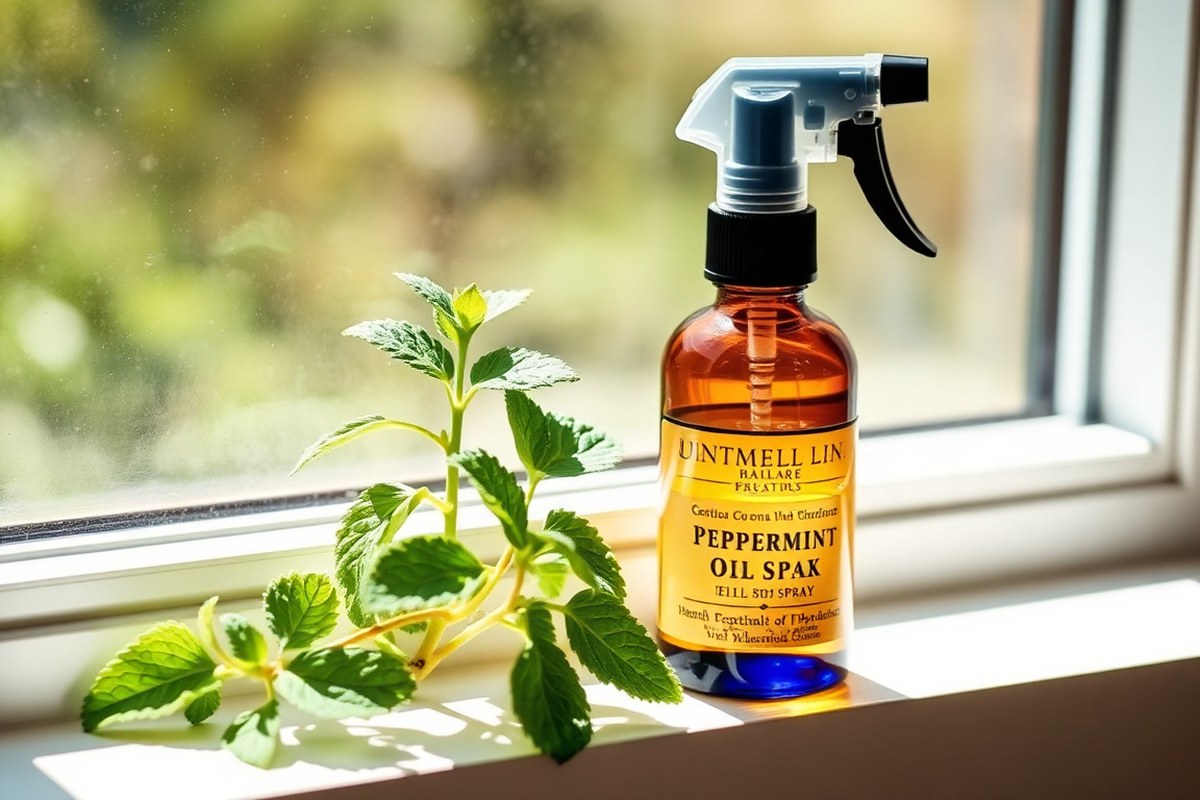
Its strong scent confuses and deters flies, making them avoid treated areas. You can use pure peppermint essential oil in sprays to create a natural fly repellent.
For quick results, mix 10 to 20 drops of peppermint oil. Add water and vinegar to make a spray. Use it to repel flies naturally.
This mixture attacks flies’ sense of smell, pushing them off your space. Keep in mind, peppermint oil works best when freshly applied and in combination with other methods.
Remember, peppermint oil does not kill flies; it only repels them temporarily. It lasts up to two weeks if used properly.
But you must reapply after rain or cleaning. This makes peppermint oil a helpful first step in controlling flies safely around your home.
Key Takeaways
- Use 10 to 20 drops of pure peppermint oil per cup of water for a spray.
- Add 50-100ml vinegar to your peppermint spray to boost fly repellent effect.
- Reapply peppermint oil spray every few days for continuous fly control.
- Peppermint oil repels flies by masking scents they use to find food.
- The oil can remain effective for up to six days after application.
- Wear gloves and avoid direct skin contact when applying peppermint oil spray.
Does Peppermint Oil Effectively Repel Flies?
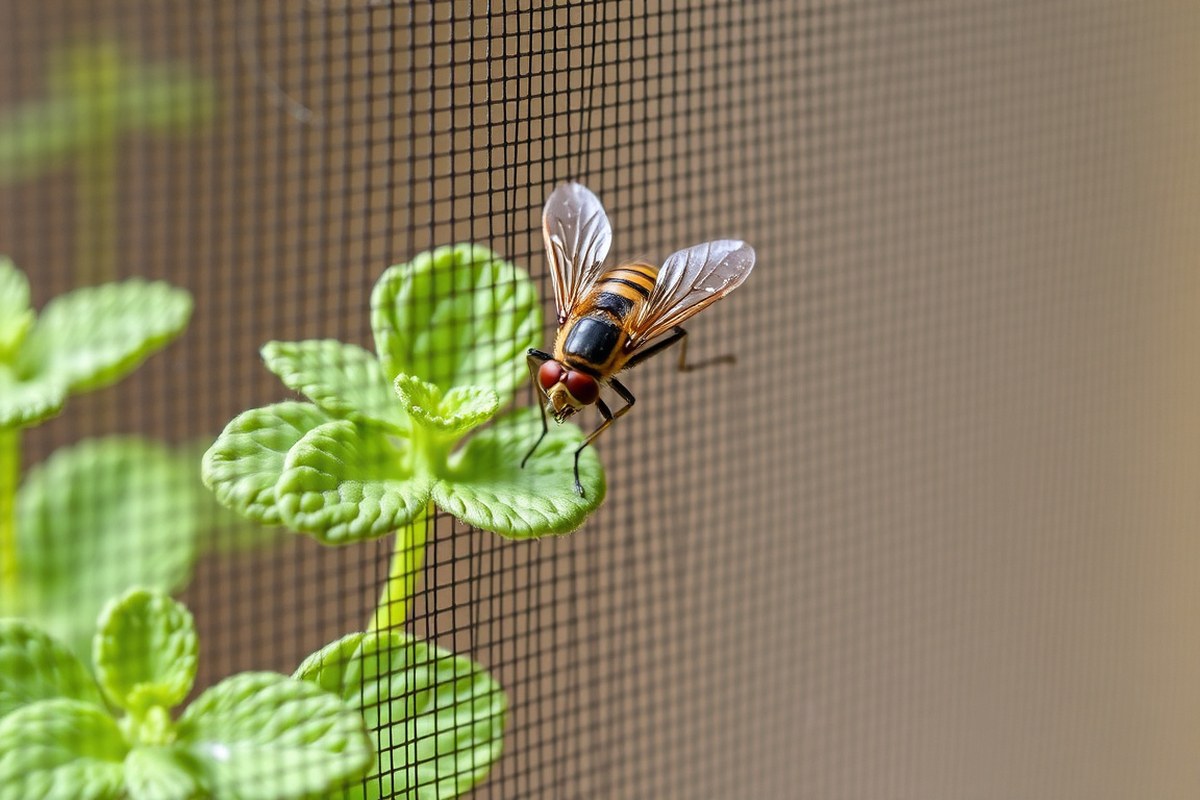
Peppermint oil does repel many types of flies, especially fruit flies and horse flies. Research shows it can keep fruit flies away for up to six days after applying. The strong minty scent confuses flies and stops them from settling nearby.
It’s more effective indoors where the scent stays concentrated. Outdoors, wind and open air dilute the smell quickly.
For best results, use peppermint oil outside near seating areas. Place it where flies bother you most, like trash bins.
Apply a few drops of oil on cloths to repel flies. You can also use a diffuser near fly-prone spots. Make a spray with 10 to 20 drops peppermint oil.
Add 50 to 100 ml distilled water and the same vinegar. Spray this around window sills and doorways to help keep flies away.
Compared to chemical repellents, peppermint oil is less strong and needs to be reapplied more often. The scent usually lasts up to two weeks if used properly.
But windy or humid conditions can shorten that time. Remember to refresh the scent every few days, especially outdoors or near open spaces.
Peppermint oil is natural and usually safe to use indoors. It’s a good choice for kitchens and living rooms.
You avoid harsh chemicals that might harm children or pets. Still, reapplying often is necessary to maintain results, especially if flies keep coming back.
How Peppermint Oil Works to Deter Flies and Other Bugs
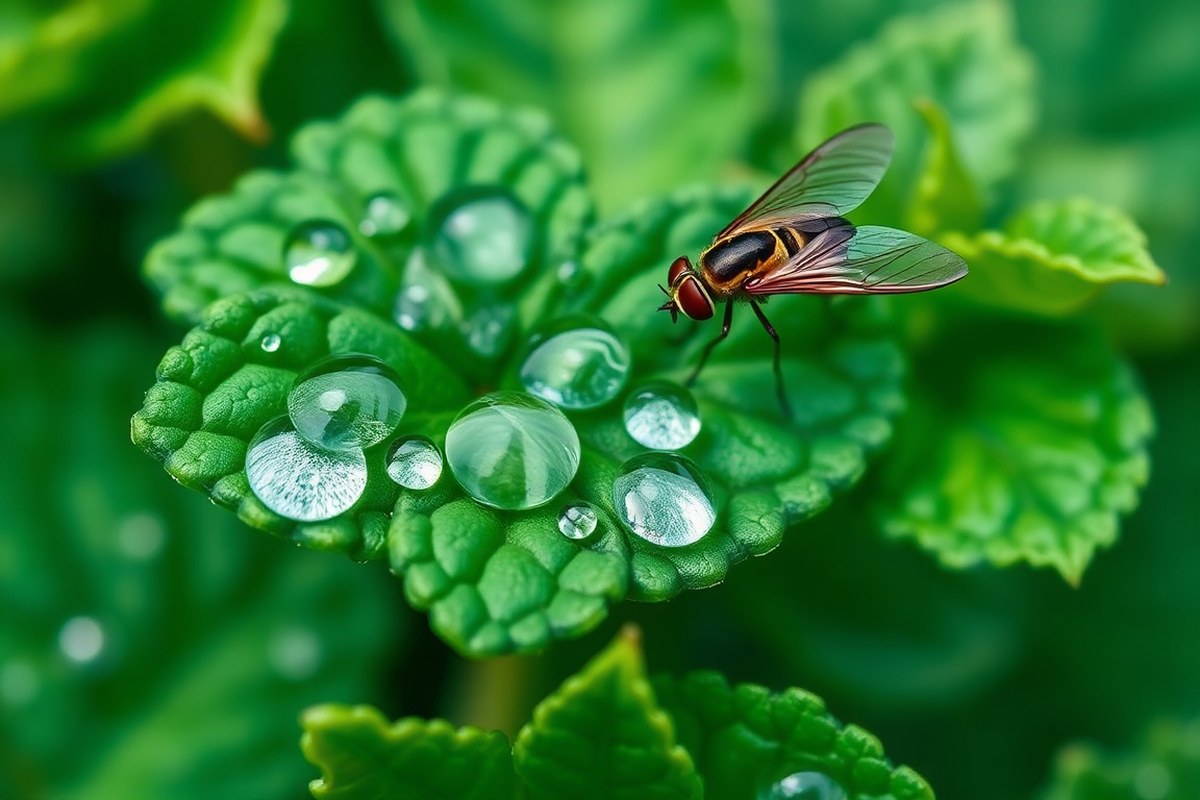
Peppermint oil repels flies because its strong scent overwhelms their sense of smell. Its high menthol content produces a powerful odor that many flying insects find irritating. This scent interferes with how flies detect food and other attractants.
How Menthol Affects Fly Senses
Menthol, the main compound in peppermint oil, is very strong-smelling. It works by disrupting the flies’ olfactory system, which they use to locate food and mates. When the scent overwhelms their receptors, flies avoid the area.
This means peppermint oil creates an environment where flies struggle to find what they want. They often leave and do not settle nearby. That’s why peppermint oil is used around windows and kitchens.
Why Flies Dislike Peppermint’s Scent
Flies and other bugs dislike peppermint oil. It smells sharp and refreshing to us. But for them, it is overpowering.
Their small scent sensors are sensitive to menthol’s intensity. This makes the smell unpleasant and sometimes even confusing for their navigation.
Peppermint oil confuses flies’ sense of smell. They can’t find food well. So, flies avoid places with the oil’s scent.
They sense the strong odor as a threat or irritation. This natural reaction keeps them away from treated surfaces or rooms.
What Repelling Means Practically
Repelling flies with peppermint oil means making an area uninviting by scent. Flies don’t die immediately but choose to stay away. You’ll notice fewer flies in your kitchen or outdoor patio after applying peppermint oil.
This method works best with regular peppermint oil use. Apply it to windowsills and door frames. Keep these spots scented often.
The oil’s scent creates a barrier that discourages flies from flying inside. It also reduces their ability to settle or feed.
Interfering with Fly Behavior
Peppermint oil helps by masking the usual smells flies follow. This disrupts their feeding and breeding routines. While it won’t kill them on contact, it reduces their presence and comfort.
You can improve this effect by using peppermint oil alongside good sanitation, like cleaning food scraps. Flies will find fewer attractants and more irritating smells. Over time, they are less likely to infest your home.
Using Peppermint Oil Scent Effectively
To get the best results, use concentrated peppermint oil diluted with a carrier. For example, adding 12 drops of peppermint oil to 1 ounce of water or carrier oil. Then apply to cotton balls placed near windows, doors, or trash bins.
The strong scent lasts a few hours. So reapplying every 4 to 6 hours keeps flies away.
Using peppermint oil candles or sprays can also maintain consistent scent levels. Remember that peppermint oil works as part of your overall effort, not alone.
Peppermint oil’s scent fades faster in windy or hot conditions. So refresh applications more often outdoors.
Best Ways to Use Peppermint Oil to Keep Flies Away
Peppermint oil works best when you spread its scent where flies gather. You can make a spray or use a diffuser with peppermint oil. Another way is to set out cotton balls soaked in the oil.
These methods help keep flies away naturally. Growing peppermint plants nearby also helps keep flies away naturally.
Making a Peppermint Oil Spray Mixture
A peppermint spray is simple to prepare and lets you target fly hotspots. Adding 10 to 15 drops of peppermint oil to warm water fills a small spray bottle. Spraying this mix on windows, door frames, and cracks stops flies from entering your home.
- Fill a clean spray bottle with 1 cup of warm water.
- Add 10 to 15 drops of pure peppermint essential oil to the bottle.
- Secure the spray cap and shake well to mix the oil.
- Spray on windowsills, doorways, screens, and any gaps where flies enter.
- Repeat every few hours or after cleaning to maintain the scent.
- Store the mixture in a cool, dark place when not in use.
This spray costs just a few dollars if you already have peppermint oil. Keep in mind you need to reapply often because the scent fades. Avoid using it near pets’ food bowls or children’s reach.
Using Peppermint Oil Diffusers and Cotton Balls
Diffusers gently spread peppermint oil smell all over a room. Add 5 to 10 drops into the diffuser water and keep it running for several hours. This method keeps flies away from living rooms and kitchens without wetting surfaces.
Cotton balls are great for small, targeted areas. Soak some cotton balls with peppermint oil before placing them around. Put them near trash cans, windows, or door tracks.
The strong scent works to repel flies. Replace the cotton balls every few days to keep the scent fresh.
Make sure to keep them away from pets and children. This keeps your home safe and the smell strong.
Planting Peppermint as a Natural Fly Deterrent
Living peppermint plants produce a steady natural aroma that flies dislike. Plant them in pots near doorways or windows to help block flies from entering. Peppermint needs well-drained soil and partial sunlight to thrive and spread its scent.
Fresh leaves can also be crushed and rubbed on door frames to boost protection. This option suits people who prefer a low-maintenance, chemical-free approach. Peppermint plants usually cost $5 to $15 at garden centers and last through warm months.
How Long Does Peppermint Oil Take to Repel Flies?
Peppermint oil usually starts deterring flies within a few minutes of use. Its scent lasts about 2 to 3 hours depending on where and how you apply it. Different conditions like wind and temperature will affect how long it works.
How Quickly Peppermint Oil Begins Working
The strong smell of peppermint oil drives flies away almost immediately after exposure. You’ll notice fewer flies around that area within 5 to 10 minutes. The oil’s aroma disrupts their receptors, making the space unpleasant for them.
Applying peppermint oil in areas where flies rest or enter speeds up the effect. For example, spraying around windows and doors produces quick results. The oil doesn’t kill flies but makes them avoid treated spots.
Typical Duration of Peppermint Oil’s Scent
After applying peppermint oil, the scent remains strong for about 2 to 3 hours. The fading happens faster with diluted sprays than pure oil on cotton. Pure oil on cloths or cotton balls lasts longer.
Diluted sprays lose scent more quickly. Diffusing oil can give a shorter effect because it disperses into the air quickly.
Keep in mind that natural evaporation reduces the smell. Indoor spots with no direct airflow hold the scent better. Outdoors, wind or heat usually shortens the time flies are repelled.
Factors That Shorten Peppermint Oil’s Effectiveness
Warm or breezy conditions make peppermint oil evaporate faster. The scent weakens within an hour if the area is hot or windy. Direct sunlight also breaks down the oil molecules quicker, reducing its power.
Cleaning or wiping treated surfaces removes the oil, causing flies to return sooner. Heavy fly activity means you may need to reapply more often. Natural oils also fade if they soak into fabrics or wood over time.
Ways to Extend Peppermint Oil’s Usefulness Against Flies
Applying peppermint oil on absorbent materials like cotton balls helps keep the scent longer. Place these near fly hotspots and replace them every 2 to 3 hours for steady repelling. Mix 10 to 15 drops of peppermint oil in one cup of water.
Put the mix in a spray bottle. Use this for spraying larger areas.
Run a diffuser indoors on low to keep the scent steady. The aroma lasts about 1 to 2 hours this way. Adjust settings for best effect.
Positioning sprays or diffusers away from direct sunlight or drafts prolongs their effectiveness. Combining peppermint oil with other oils like eucalyptus may maintain protection longer.
Monitoring and Reapplying for Best Results
After a couple of hours, check the treated spots closely. See how strong the scent still is there. This helps decide if you need to spray again.
Flies returning or fading smell means it’s time to add more spray. Reapply to keep the area protected from flies. Frequent application every 2 to 3 hours is common during fly season.
Adding peppermint oil to your regular cleaner helps keep flies away daily. This keeps the scent fresh longer during cleaning. Using small amounts often stops flies from getting used to it.
How Often Should You Reapply Peppermint Oil for Fly Control?
Peppermint oil works best when its strong smell stays fresh. Indoors, plan to reapply it every 2 to 3 days. This keeps the scent potent enough to mask food and scare flies away.
Outside, rain and wind quickly wash or blow the scent away. After any rainfall, reapply the oil right away. Wind can also reduce the smell, but rain is the biggest issue.
Seasonal changes play a role too. In warmer months, peppermint oil evaporates faster and may need more frequent reapplications. Cooler or less humid seasons let the scent linger longer.
- Apply peppermint oil to cotton balls or cloth and place them near windows or doorways indoors.
- Spray diluted peppermint oil outdoors on patios, decks, and garden spots, especially after rain.
- Keep the room ventilated but not drafty to slow down scent loss indoors.
- Use about 10 to 15 drops per spray bottle filled with water for outdoor misting.
- Check the smell daily and reapply as soon as it starts fading inside the house.
- Reapply after heavy watering or strong winds to maintain protection outdoors.
Always test peppermint oil on a small surface to avoid damage or stains before full application.
Inside, you can apply peppermint oil less often. Keep it in closed containers. Use diffusers to make it last a month.
However, open-air rooms need more frequent attention. Outdoors, weather conditions dictate how often you spray next.
Comparing Peppermint Oil with Other Essential Oils for Flies
Peppermint oil is a strong option for repelling flies. But other oils like citronella, lavender, and eucalyptus also work well.
Peppermint tends to have a sharper, fresher scent that many people find energizing. Citronella oil is popular outdoors because it masks human scent and keeps flies away for hours.
Lavender oil has a gentler scent and works best indoors. It also adds a calming aroma to your home. Eucalyptus oil has a sharp smell like peppermint.
It also has a woody note. This makes it good for indoor and outdoor use. Each oil has pros and cons, depending on where and how you use it.
| Essential Oil | Use Location | Scent Notes | Duration of Repellency | Pros | Cons |
|---|---|---|---|---|---|
| Peppermint | Indoors & outdoors | Sharp, fresh, minty | 2 to 4 hours | Strong deterrent; fresh scent | Can irritate pets; strong for some |
| Citronella | Outdoors | Citrusy, lemon-like | Up to 2 hours | Good outdoors; masks human smell | Needs frequent reapplication |
| Lavender | Indoors | Floral, sweet, calming | 2 to 3 hours | Gentle scent; calming; safe indoors | Less intense fly repellent |
| Eucalyptus | Indoors & outdoors | Woody, fresh | 2 to 4 hours | Strong scent; versatile use | Can irritate pets |
You can mix peppermint oil with citronella or eucalyptus. This creates a balanced scent. It also makes a stronger fly repellent.
A common mix has 10 drops each of four oils. Use peppermint, citronella, eucalyptus, and lavender. Mix them in a bowl.
Add 2 tablespoons of vegetable oil to the mix. Then add 1/4 cup of witch hazel or vodka. This helps the scent spread slowly.
For indoor use, a diffuser with peppermint and lavender oils works well. Outdoors, sprays with citronella, eucalyptus, and peppermint are better since citronella masks human scents.
Avoid mixing oils that may irritate your pets, especially cats and dogs. Fresh essential oil always gives better results since its active compounds break down over time.
Common Mistakes When Using Peppermint Oil and How to Avoid Them
People often think a quick spray of peppermint oil will keep flies away for hours. It won’t because the scent fades fast without reapplication. You need to spray or mist often.
Do it at least every two hours. This keeps flies away consistently.
Many skip cleaning surfaces first and only rely on the peppermint smell. Flies are attracted to food spills and trash no matter what scent you use. Peppermint oil works better when paired with good sanitation to remove fly food and breeding spots.
Using low-quality peppermint oil or artificial extracts also causes trouble. These products may contain less or no real peppermint compounds that flies dislike.
Genuine peppermint essential oil costs about $10 to $20 for a 15 ml bottle. But it’s worth paying for the pure stuff.
- Use a pure peppermint essential oil, not a fragrance or extract.
- Always dilute peppermint oil with water before spraying. 5 to 10 drops in 1 cup of water works well.
- Spray peppermint mist on fly-prone surfaces like windowsills, door frames, and trash bins.
- Reapply the spray every 2 to 3 hours while flies are active.
- Clean your home to remove food scraps and garbage that attract flies.
- Use a diffuser with peppermint oil to create a continuous scent in smaller rooms.
- Don’t apply peppermint oil undiluted on skin or surfaces to avoid damage or irritation.
You also need to choose your spray spots carefully. Target areas where flies rest and enter your home.
Spraying open walls or middle of rooms wastes the scent and reduces effectiveness. Focus on doorways, window screens, and trash areas instead.
Applying peppermint oil undiluted on surfaces or skin can cause irritation or stains. Diluting it with water helps spread the oil evenly. It also cuts strong smells.
These smells bother people more than flies. A simple mix uses 5 drops of oil.
Add this to 8 ounces of water. Shake the mix well before use.
Using peppermint oil without any other fly control steps means flies only move around, not disappear. Combine peppermint spraying with regular cleaning to keep numbers down. This approach works better and avoids frustrating situations when you think the oil didn’t help.
Safety Tips for Using Peppermint Oil Around Children and Pets
Peppermint oil can be useful against flies but needs careful handling around kids and pets. It’s natural but still an essential oil that can cause irritation or poisoning if misused.
Pets, especially cats, are sensitive to peppermint oil. So avoid spraying it near them or on their fur.
Keep peppermint oil safely away from children’s skin and eyes. Never put the oil directly on kids or pets first. Check the oil type and dilution before use.
Always be cautious with sensitive skin. Use a milder alternative like peppermint hydrosol around children. It repels insects while being gentler and safer.
- Make a 2% solution with 12 drops of peppermint oil per 1 fl. Oz of carrier oil.
- Store peppermint oil bottles out of children’s and pets’ reach.
- Use spray bottles carefully. Spray only on surfaces, never directly on animals or kids.
- Ventilate rooms after spraying peppermint oil indoors.
- Wash hands after handling peppermint oil to avoid skin contact or eye irritation.
Wash the skin with soap and water right away. Do this if peppermint oil gets on your skin. Rinse the eyes with cool water for a few minutes.
Seek medical help if the irritation does not stop. Watch for signs of allergic reaction in children or pets like redness, swelling, or trouble breathing. Stop use if any symptoms show.
Always research whether peppermint oil is safe for your specific pet before use. Cats are especially vulnerable to essential oils.
Use peppermint oil sprays or diffusers where kids or pets don’t spend much time. Use physical traps like sticky paper or vinegar traps outside.
This helps reduce flies safely with the oil. This approach keeps your living space safe while still giving pest control benefits.
When to Call a Professional for Fly Infestations
Use peppermint oil for small fly problems or as a preventive step. When flies swarm in large numbers, you may need professional help. They come back quickly, making DIY methods less effective.
Calling an expert can stop them for good. You see flies in every room or find their nests.
DIY methods won’t fix this well or fast. A professional is likely needed to solve it.
Big infestations need more than sprays and home remedies. Professionals use strong insecticides and tools that reach hidden places flies hide in. Professionals find breeding spots you may miss outside your home.
They look at clogged gutters and trash areas. Peppermint spray can’t reach these places.
Flies return even after daily peppermint oil use. Then, it’s time to call pest control. Don’t wait if you see no improvement.
Get help if flies appear near where you prepare food. This creates health risks for you and your family.
A pro can reduce this danger safely. Experts can give custom advice based on where you live and how bad the problem is.
Start by watching your fly numbers for a week while using peppermint oil spray. Flies don’t decrease by about half in 7 to 10 days. That means your method is not working well.
Schedule a visit with a pest expert then. Pest control costs usually range from $150 to $300 per home treatment.
The price depends on your house size and fly problem severity. Expect this cost for professional help.
Professionals don’t just spray. They find and seal entry points and teach you ways to keep flies away long-term. Pest control reduces the chance of flies coming back inside your home.
It also lowers how often you need to use oils or chemicals. This means less hassle and expense over time.
Remember that peppermint oil sprays only repel flies temporarily. They lose power after a few hours and need reapplying frequently.
Big problems need a lasting and thorough strategy only pros can offer. When you spot these limits early, you avoid wasting time and keep your home more comfortable.
Step-by-Step Action Plan to Repel Flies with Peppermint Oil
Start today using peppermint oil to keep flies away naturally. Follow these steps and watch for fewer flies around your home.
- Before you start: Buy pure peppermint essential oil and a spray bottle. Mix 10-15 drops with one cup of water.
- Day 1: Spray peppermint oil solution near windows, doors, and trash areas. Check daily if fly activity decreases.
- Week 1: Refresh the spray every 2 days to maintain the scent’s strength. Notice if flies stay away consistently.
- Week 2: Add cotton balls with peppermint oil in fly-prone corners. Replace cotton balls every 3 days.
- After 2 weeks: Assess fly numbers. Increase spray frequency to daily when flies are reduced but still present.
- Ongoing: Keep spraying or refreshing cotton balls regularly. Stop if no flies appear for one week.
- When flies return: Check that no new breeding sources exist. Consider calling a pest pro if infestation grows.
Frequently Asked Questions
Does Peppermint Oil Repel Flies?
Yes, peppermint oil does repel flies naturally. It works best when you mix it with water and vinegar.
Use the mix as a spray around your home. This helps keep flies away effectively.
What Smell Do Flies Hate the Most?
Flies hate strong scents like peppermint, citronella, and eucalyptus. Peppermint oil is one of the most popular natural smells that flies try to avoid.
Does a Penny in a Ziploc Bag Keep Flies Away?
No, a penny in a Ziploc bag is not a proven fly repellent. It’s an old myth that lacks scientific support and won’t effectively stop flies.
Which Insects Hate Peppermint Oil?
Besides flies, insects like mosquitoes, ants, and spiders dislike peppermint oil. Its strong scent can help keep your home free from several common bugs.
Which Essential Oil Is Best to Keep Flies Away?
Peppermint oil is one of the best essential oils to repel flies naturally. It’s easy to use and safer than chemical sprays but needs regular reapplication.
Final Thoughts
Peppermint oil can help you cut down fly problems naturally. Keep applying it where flies gather and replace often. Start using peppermint oil today to see fewer flies in your space.