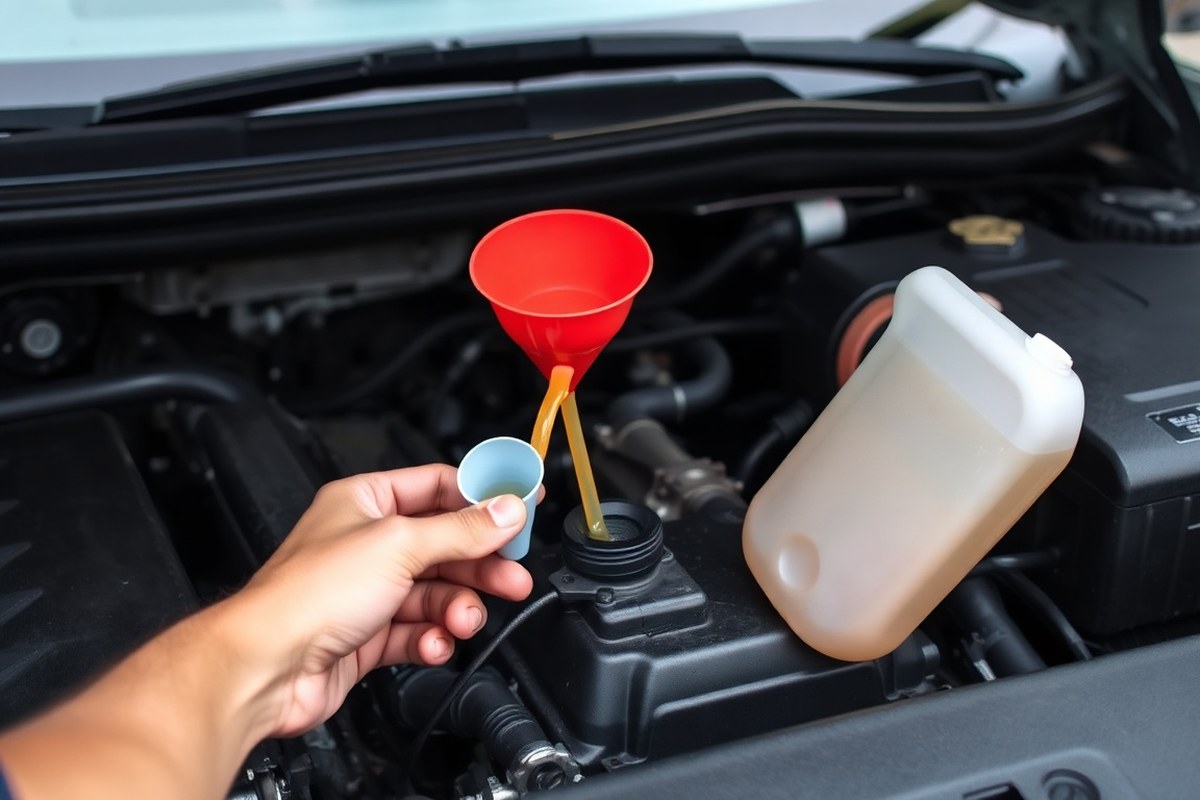
Do You Leave the Car Running When Adding Transmission Fluid? A Complete Guide
Keep the engine on while adding transmission fluid. The heat from the engine warms the transmission, which helps you measure the correct fluid level. This ensures more accurate filling.
Cold fluid gives a false reading. So you might add too much or too little.
Start the car and let it idle for 5 to 10 minutes. Slowly shift through the gears to move fluid inside the transmission. Keep the engine running and the gear in park or neutral while adding fluid.
This helps the fluid expand and circulate fully for a more accurate level. It matches normal operating conditions and prevents overfilling or underfilling. Overfilling can cause leaks or damage, while underfilling reduces performance.
Make sure your car is on level ground during the process to avoid errors. Checking fluid on a tilt can lead to wrong readings. Always use the transmission fluid type recommended for your vehicle.
Key Takeaways
- Always warm the transmission before checking or adding fluid by running the engine.
- Shift through all gears slowly to circulate the transmission fluid evenly.
- Always park the car on a flat surface before checking the fluid level. This helps keep the measurement accurate. Uneven ground can cause wrong readings.
- Measure the transmission fluid while the engine runs and the car is in park or neutral. This setting ensures the level is correct.
- Warm transmission fluid is more accurate because it expands at operating temperature.
- Stop and check the fluid level frequently while adding to avoid overfilling.
Should You Leave the Car Running When Adding Transmission Fluid?
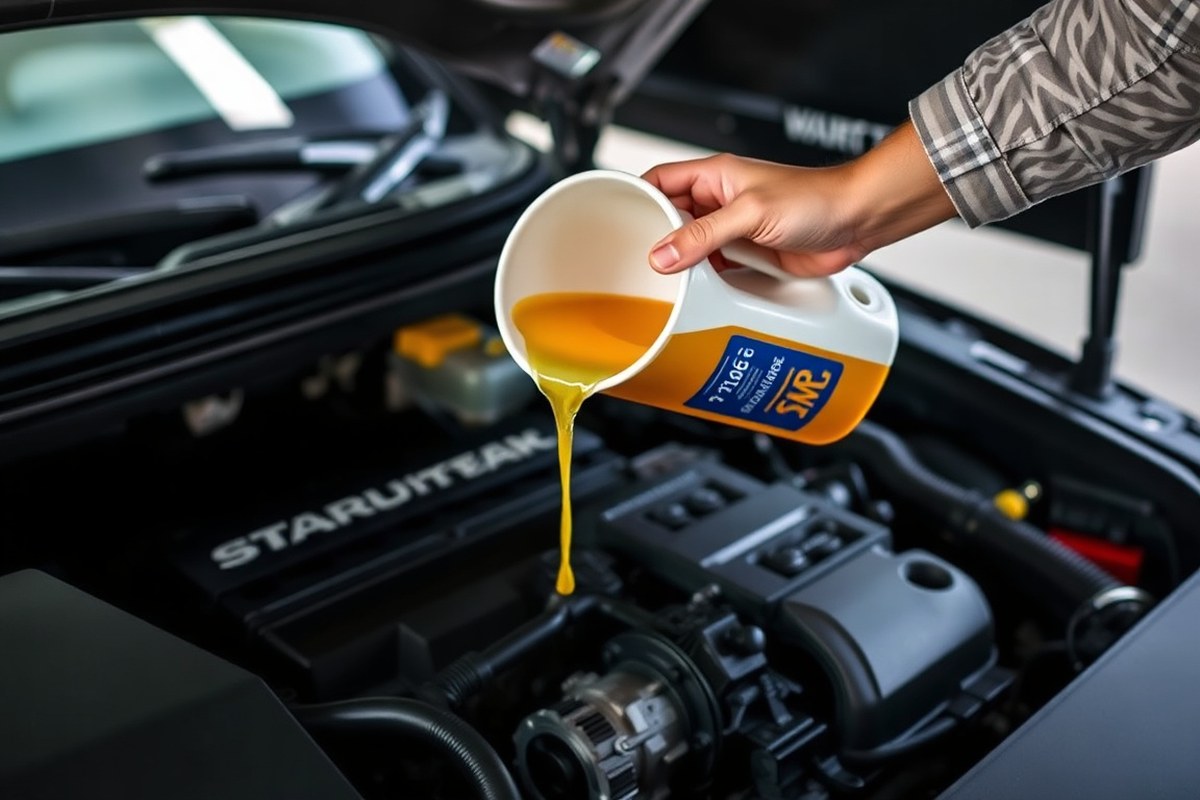
You should leave the engine running when adding transmission fluid to an automatic transmission. This keeps the fluid circulating and ensures an accurate level reading. Always set the gear to “Park” and use the parking brake for safety during the process.
The engine needs to be warm before checking fluid levels. Drive for 10 to 15 minutes or idle for several minutes. Shift gears during idling to help warm the engine evenly.
Warm fluid flows better, helping it reach all parts of the transmission. Add fluid while the engine runs to avoid mistakes.
This stops you from adding too little or too much. Overfilling can cause problems like foaming and seal wear.
For manual transmissions, the engine should be off when adding transmission fluid. The fluid level is checked with the car on level ground in neutral.
So the fluid settles evenly. Always consult your vehicle’s owner manual to follow the correct procedure for your specific transmission type.
How to Check Transmission Fluid Level for Accurate Measurement
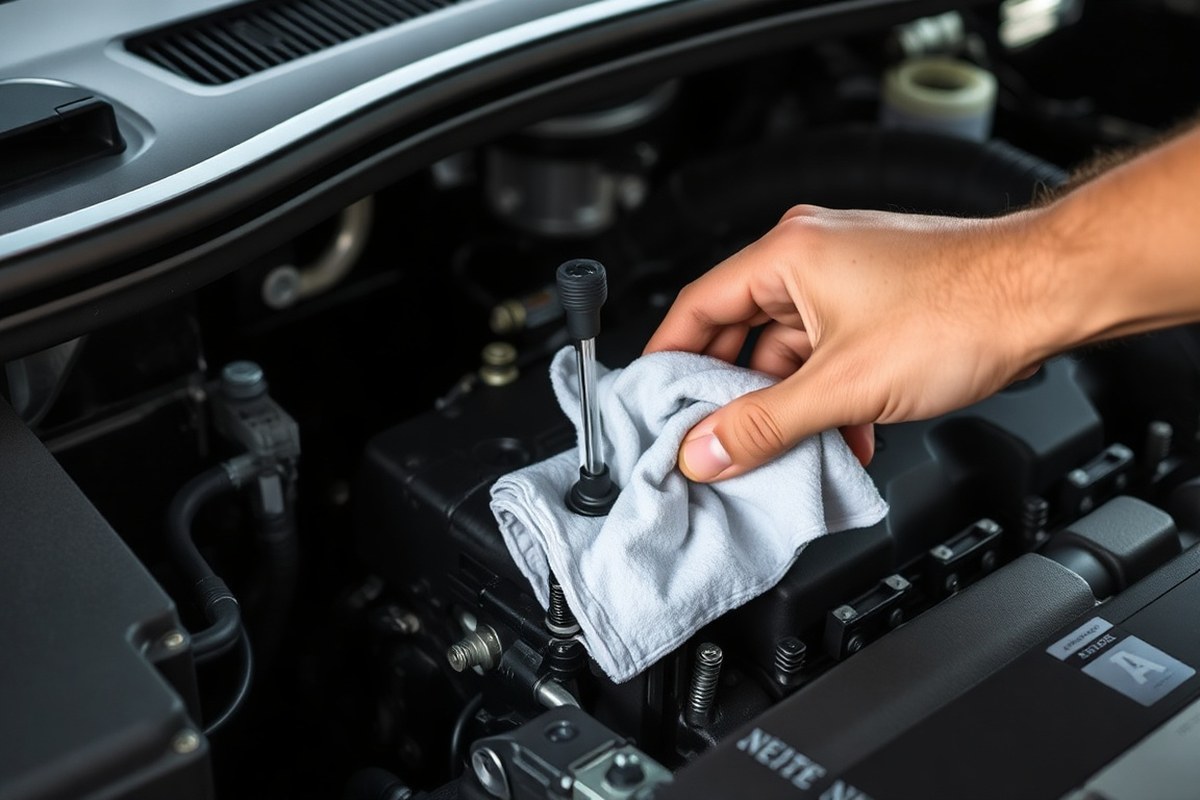
Check your transmission fluid with the engine running and warm for the best reading. The car should be parked on a level surface, in Park or Neutral. Follow a clear method to avoid mistakes before adding fluid.
Warm Up Your Vehicle Properly
Start your vehicle and let it run until the engine reaches its normal operating temperature. This usually means the engine fluid temperature hits about 180°F to 200°F. You can drive the car or let it idle for 10 to 15 minutes.
This helps the engine and transmission reach the correct temperature. It’s important for an accurate fluid check.
Park the car on a flat, level spot. This allows the transmission fluid to spread out evenly. It ensures you get the right fluid level reading.
Heating the fluid makes it expand and circulate through the transmission system. Checking while warm gives you a true fluid level and avoids overfilling.
Locate and Use the Transmission Dipstick Correctly
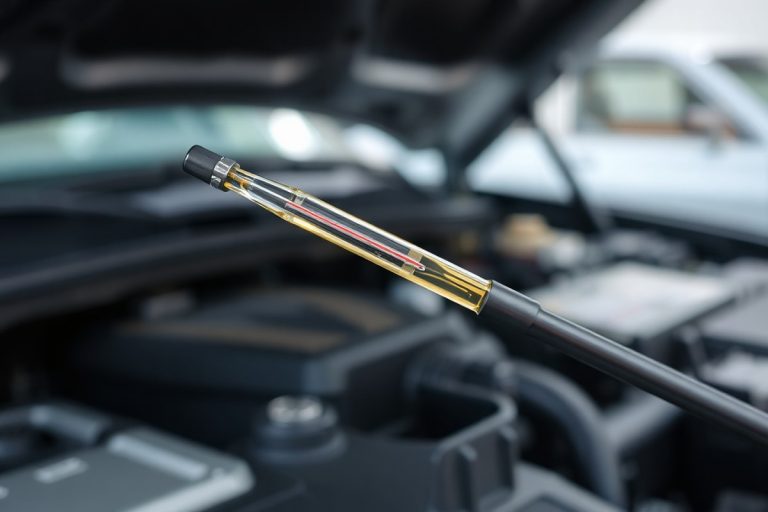
Find the transmission dipstick, which is often near the back of the engine bay and labelled. Make sure your vehicle is in Park or Neutral and the parking brake is engaged. With the engine running, pull out the dipstick carefully.
Use a lint-free cloth or paper towel to clean the dipstick. Push the dipstick all the way in, then pull it out again. Check that the fluid level shows between the marked “Full” or lines.
- Park the vehicle on level ground. Set the parking brake firmly. This prevents the car from rolling during inspection.
- Keep the engine running and warmed up during the check.
- Remove the dipstick and wipe it clean before measuring.
- Reinsert the dipstick fully before taking the reading.
- Check the fluid level against the dipstick marks.
- Note the fluid’s color and smell for condition clues.
Failing to keep the engine running or checking on a tilted spot can skew your reading. Avoid adding fluid until you confirm the true level this way.
Interpret Fluid Color and Smell Indicators
Fresh transmission fluid is usually bright red or pink and clear. Cloudy or brownish fluid suggests old or contaminated fluid that could hurt performance. Dark colors with a burnt smell indicate you need a fluid change.
Look for any gritty particles or debris on the dipstick that warn of internal wear. Clean, lightly coloured fluid is a sign your transmission is likely in good shape. This helps you decide whether topping off is enough or if further service is needed.
Always avoid adding fluid based on smell or color alone, cross-check level first.
Why Transmission Fluid Temperature Matters When Adding Fluid
Transmission fluid expands as it warms up, which changes its volume inside the system. That makes the fluid level appear higher when hot and lower when cold. Checking or adding fluid at the wrong temperature causes issues.
It can lead to overfilling or underfilling. This damages the transmission or causes shifting problems.
Most vehicle makers recommend checking transmission fluid only when it’s at normal operating temperature. Usually, that means the fluid is between 175°F and 200°F. Drive your car for 20 to 30 minutes on city roads. Or let it idle for several minutes.
This warms the transmission fluid to the right temperature. Park your car on flat ground for accurate fluid readings.
This helps the dipstick or fill tube show the true level. Avoid slopes to get the right measurement.
Warming the transmission fluid makes it flow more freely. This shows the real fluid level in the system. It avoids false readings due to thickened fluid.
Add fluid in small amounts, about 1/4 to 1/2 pint at a time. Then wait 1 to 2 minutes before rechecking levels, letting the fluid settle properly.
Keep the engine running while you add fluid. This keeps the transmission pressurised and circulating fluid for an accurate reading.
Some transmissions, like BMW ZF 8HP or Mercedes 7G-Tronic, need special steps. The engine must run at set RPMs or use a pressure gauge. Follow the vehicle’s specific instructions carefully.
Always check your vehicle’s manual for any special steps. Usually, warming up the vehicle is enough before topping off fluid.
This simple method helps you get accurate fluid levels. Be careful not to overfill.
Do not check or add fluid when the transmission is cold. Only do this if your vehicle guide specifically says to. Cold fluid levels can be misleading.
Cold fluid is thicker and may not give a true level on the dipstick. Adding fluid when cold can cause overfilling after warming. The fluid expands when warm and might leak or shift poorly.
Wait for the proper temperature to add fluid. Taking time to warm up the car is often the best way to avoid these issues.
Step-by-Step Guide to Adding Transmission Fluid Safely
Add transmission fluid carefully, following safety steps and vehicle type. For automatics, the engine usually runs while adding fluid. Manuals may vary, so check yours before starting.
Prepare Your Vehicle and Tools
Park your car on level ground and set the parking brake. Use wheel chocks if your manual recommends them for safety. Have the right transmission fluid, a clean funnel, and some rags or paper towels ready.
Wear gloves and keep loose clothing and limbs clear of moving engine parts. Avoid spills by placing a drip pan or old cloth under the filler area. Confirm the fluid type and amount from your owner’s manual to avoid costly mistakes.
Add Fluid Incrementally with Engine Running or Off (per Vehicle Type)
Start the engine only if your manual says to do so for automatic transmissions. This helps circulate the fluid and provides an accurate level. For manual transmissions, the engine should usually be off when adding fluid.
Use a small funnel to add transmission fluid slowly. Add no more than half a cup at a time to avoid overfilling. After each addition, wait a minute to let fluid settle before checking the level again.
- Start the engine (if automatic) or ensure it is off (if manual).
- Remove the transmission fluid dipstick or filler plug.
- Insert a clean funnel into the opening.
- Pour in about 1/4 to 1/2 cup of fluid gently.
- Replace the dipstick or plug securely.
- Check the fluid level following your manual’s instructions.
- Repeat adding small amounts until the fluid reaches the recommended level.
Verify Correct Fluid Level Before Finishing
Check the fluid level with the engine running or off as your manual directs. Warm up your engine and park on flat ground. Check the dipstick to see the fluid level.
Read the mark carefully to know the level. Clean the dipstick each time to get a clear reading without old fluid smears.
Look for fluid at the marked full line or within the “hot” zone on the dipstick. Avoid overfilling since that can cause transmission damage or leaks. After topping off, wipe away excess fluid and securely reinstall the dipstick or filler cap.
How Transmission Type Affects Fluid Addition and Checking
Transmission fluid checks and additions vary a lot by transmission type. Automatic transmissions often need the engine running during these tasks. This heats the fluid and gets it flowing for an accurate reading.
Manual transmissions usually require the engine off for both checking and adding fluid. Their fluid sits in the gearbox.
So it doesn’t need to circulate like in an automatic. Adding fluid with the engine off avoids spills and overfilling.
| Manufacturer | Recommended Procedure | Fluid Compatibility |
|---|---|---|
| Toyota | Check with engine off | OEM fluids only |
| Ford | Check with engine running | Approved fluids |
| Honda | Add fluid cold | Genuine fluids |
| BMW | Check at specific temperature | Certified fluids |
| Subaru | Use dipstick method | Manufacturer fluids |
Following your vehicle’s specific instructions is key. Some older or unusual models ask you to check fluid differently. They want you to do it with the engine running.
The car should be in Park or Neutral. For automatic transmissions, the engine should run 5 to 10 minutes first. Then shift through gears slowly to circulate fluid well.
Keep the engine running while checking or adding fluid. Make sure the vehicle stays in Park or Neutral. This keeps the system working properly during the check.
Manual transmissions rarely require these steps because the fluid isn’t under pressure. Add fluid only with the engine off, and don’t overfill.
Use only fluids recommended by your manufacturer for your transmission type. Mixing fluids or ignoring temperature needs can harm your transmission.
Always follow the owner’s manual exactly to avoid damaging transmission components.
Common Mistakes When Adding Transmission Fluid and How to Avoid Them
Adding transmission fluid might seem simple, but mistakes can cause serious problems. Overfilling is a common error and can lead to increased pressure inside the transmission. This may cause leaks or even damage the seals, which means costly repairs.
Checking the fluid level when the engine is cold or off can distort the reading. The fluid doesn’t circulate properly, so you might add too much or too little. That’s why it’s important to follow the right temperature and engine running steps before adding fluid.
Contamination is another issue that often occurs if the transmission area isn’t clean. Dirt or debris entering the system can reduce transmission life and make shifting rough. To avoid this, clean around the fill port thoroughly before opening it.
- Don’t overfill: add fluid slowly and check levels often.
- Make sure the engine is running and warm when checking levels.
- Clean the fill area to keep dirt out.
- Use the correct transmission fluid type recommended for your vehicle.
- Don’t skip warming up the car; it ensures accurate fluid flow.
- Avoid spills by adding fluid carefully with the right funnel.
- Check the level with the dipstick, wiping it before rechecking.
Adding fluid too fast or too cold can cause the measure to be off. Sounds easy but takes patience and some care. Following these steps and avoiding these errors helps keep your transmission running smoothly.
Signs Your Transmission Fluid Level or Quality Needs Attention
Transmission fluid keeps your gears shifting smoothly and your car running well. Low or dirty fluid can cause slipping, rough shifts, and even damage over time. You might notice these problems before a fluid check confirms they’re caused by the transmission fluid.
Fluid that’s low or dirty can cause the transmission to overheat and wear out faster. Pull out the dipstick to check the fluid color and smell.
Look closely for any dark color or strong odor. Fresh fluid is bright red, clear, and has a light smell.
- Fluid looks dark brown or black instead of red
- Fluid has a strong burnt smell
- Metal flakes or particles appear in the fluid
- Transmission slips through gears or shifts roughly
- Delayed response when shifting from park to drive
- Unusual whining or grinding noises
- Fluid level reads low even after adding fluid
Dirty or burnt-smelling fluid means the problem goes deeper. Just adding fluid won’t fix this issue.
Replacing all the transmission fluid and filter is better for long-term health. A full fluid change usually costs $150 to $250 at a shop, depending on your vehicle.
Keep in mind that checking fluid cold may not show a true low level. The transmission heats up during driving and fluid expands.
Vehicles with electric transmissions or no dipstick need special tools. A professional should check the fluid level in those cases.
How to Add Transmission Fluid in Vehicles Without a Dipstick
To check and add transmission fluid in cars without a dipstick, use special tools. Follow strict steps during the process to avoid mistakes. Always work carefully to prevent spills or damage.
Many modern cars have sealed transmissions that require monitoring fluid temperature for an accurate level check. Using the transmission overflow plug and manufacturer instructions ensures you add the right amount safely.
Using OBD2 Scan Tools for Fluid Temperature Monitoring
Many newer transmissions need fluid temperature monitoring during inspection. An OBD2 scan tool reads transmission temperature data directly from the vehicle’s computer. This lets you check the fluid at the right temperature.
Manufacturers often say 80 to 100 degrees Celsius (176 to 212 Fahrenheit). Checking at this range gives accurate fluid levels.
Drive the car for 30 minutes to warm up the fluid. Then, let the engine idle for a few minutes. This gets the fluid to the right temperature for testing.
This stabilizes the temperature for a reliable reading. Not doing this can cause inaccurate fluid level checks, risking overfill or underfill.
Locating and Using the Transmission Overflow Plug
Vehicles without dipsticks often have a transmission overflow or check plug on the transmission body. This plug limits fluid capacity; when fluid seeps out, the level is correct.
Properly draining or adding fluid through this plug prevents overfilling. You will need a jack and jack stands to safely reach the plug under most cars.
Careful cleaning around the plug prevents dirt from entering. Use a wrench to take out the plug slowly. Do this while the transmission is warm and the engine is running.
Follow the steps in the manual exactly. Adding fluid stops when it starts to drip, signaling the right level.
Following Manufacturer-Specific Filling Procedures
Vehicle makers give detailed steps in the owner’s manual or service guide. They explain how to add and check the fluid safely. Always read these instructions before starting.
These often specify using exact fluid types, temperatures, and sequences for adding fluid. Sometimes the car needs to be in neutral or park.
The engine should run at idle during the fluid fill. This helps get the system ready for service.
Special filling funnels, pumps, or hoses may be required, especially for sealed transmissions. Using the correct method avoids air pockets or contamination that harm transmission function. Always check the instructions before starting.
Follow these steps to add transmission fluid to cars without a dipstick safely:
- Drive the car for 30 minutes to heat up the transmission fluid.
- Park on a level surface and let the engine idle for several minutes.
- Use an OBD2 scan tool to confirm fluid temperature is within the recommended range.
- Raise the vehicle with a jack and secure it with jack stands.
- Clean around the transmission overflow plug thoroughly.
- Slowly remove the overflow plug while the engine idles.
- Add fluid slowly until it just starts to seep out of the plug hole.
- Reinstall the plug securely and check for leaks.
Adding fluid without temperature checks can cause damage; always confirm proper fluid temperature first.
When to Call a Professional Instead of Adding Transmission Fluid Yourself
Some transmission fluid issues need more than a DIY fix. You should watch for signs like slipping gears, harsh shifting, or delays when changing speeds. These symptoms often mean more serious problems than just low fluid.
Adding fluid yourself can be risky if the system is complex. Some transmissions are hard to access or tricky to fill. That can cause mistakes or damage.
Newer cars and some automatics require specific procedures or tools that most DIYers don’t have. Also, if the fluid looks burnt or smells off, a simple top-up won’t solve the issue.
Professionals have tools to check fluid condition and level accurately. They can spot leaks, worn parts, or other trouble beyond low fluid. Repairs might include flushing the system, replacing filters, or fixing mechanical faults.
- Transmission slipping, hard shifts, or delayed engagement
- Fluid appears brown or smells burnt
- No dipstick or complicated fill points
- More than a few ounces needed to correct fluid level
- Transmission issues persisting after fluid addition
- Vehicles with high mileage needing scheduled fluid changes
- Uncertainty about correct fluid type or amount
Finding the right transmission fluid and knowing exact levels can be confusing. Shops often charge $80 to $250 for a fluid service, depending on vehicle and labor. They can protect your transmission from damage caused by overfilling or underfilling.
Taking your car to a mechanic is usually safer with tough issues. Complex problems might need expert tools and knowledge. Don’t delay if problems don’t go away.
Step-by-Step Action Plan to Add Transmission Fluid Safely
Follow this plan to add transmission fluid correctly while protecting your vehicle. Each step helps you avoid common mistakes and check your work.
- Before you start: Drive your car for 5 to 10 minutes first. This warms up the transmission fluid to the right temperature. This helps get the most accurate fluid level reading.
- At a stop: Park your car on flat ground. Keep the engine running. Use Park or Neutral as your manual says. This keeps fluid circulating for a true level check.
- Check fluid level: Pull out the transmission dipstick, wipe it clean, then reinsert it fully. Remove again and note the fluid level and condition. Clear, pinkish fluid is normal.
- Adding fluid: Use the correct type specified in your owner’s manual. Add the transmission fluid slowly through the dipstick tube. Use a funnel and a small container or pump.
- Recheck frequently: After adding about a quarter cup, recheck the level with the dipstick. Stop adding once the fluid reaches the “Full” or “Hot” mark.
- Final check: After topping off, run the engine a few minutes, then recheck the level again. This confirms the fluid is properly settled.
- Close up: Replace and secure the dipstick firmly. Wipe up any spilled fluid to avoid burns or messes.
- Monitor performance: Over the next few days, watch for slipping gears, rough shifts, or leaks. These can signal a further problem needing a professional check.
Frequently Asked Questions
Do You Leave the Car Running When Adding Transmission Fluid?
Yes, run the car for automatic transmissions to circulate fluid. This helps achieve correct fluid levels and prevents damage from low fluid.
Can You Add Transmission Fluid If the Engine Is Cold?
No, adding fluid cold can give inaccurate readings. The fluid needs to be at operating temperature for a proper level check.
What Happens If You Add Transmission Fluid with the Engine Off?
Fluid won’t circulate properly, causing inaccurate levels. This can lead to overfilling or damage in automatic transmissions.
Is It Safe to Add Transmission Fluid with the Car in Neutral?
For automatic transmissions, keep it in Park while adding fluid. Neutral may not reflect correct fluid pressure or level.
Should You Check Transmission Fluid Before or After Warming Up the Car?
Check after warming up the engine to operating temperature. Warm fluid shows the real level and condition.
The Bottom Line
Leave your car running and in Park or Neutral during fluid level checks and additions. This keeps fluid flowing and ensures an accurate reading.
Grab your owner’s manual now. Take that next step to check or top off your transmission fluid safely.