Do Argan Oil Expire? A Complete Guide to Shelf Life, Storage & Safety
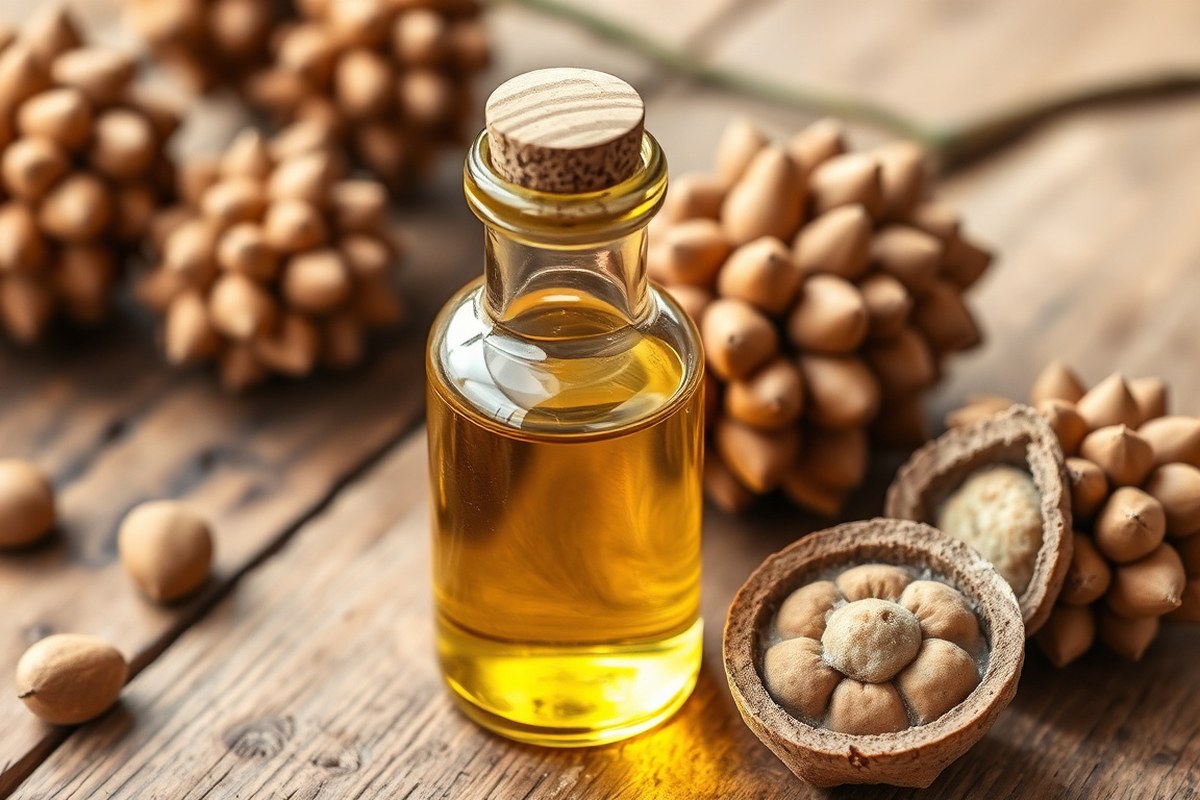
Do argan oil expire? Yes, it does, usually within one to two years.
It’s a natural oil with no chemical preservatives. Because of that, the oil’s healthy fats break down over time.
The exact shelf life depends on storage conditions and oil quality. Keep argan oil in a cool, dark place to slow down oxidation. Avoid heat and sunlight, as they speed up rancidity and spoilage.
Look for a pressing or expiration date on the bottle if it’s available. Using argan oil within 12 to 18 months ensures its freshness and potency. Proper storage also helps keep its natural scent, color, and moisturizing properties intact.
Once argan oil smells sour or looks cloudy, it’s time to discard it. Using expired oil can cause skin irritation or deliver fewer benefits. Store it properly and check for changes to get the most from your oil.
Key Takeaways
- Pure argan oil typically lasts 12 to 24 months when stored well.
- Keep argan oil in a dark, cool spot, far from heat and light.
- Unopened bottles can keep freshness up to 24 months from pressing.
- Heat exposure noticeably shortens argan oil’s quality and shelf life.
- Check the oil’s smell and color to spot if it’s gone bad.
- Blended argan oils usually spoil faster than 100% pure oil.
Does Argan Oil Expire? Understanding Its Shelf Life
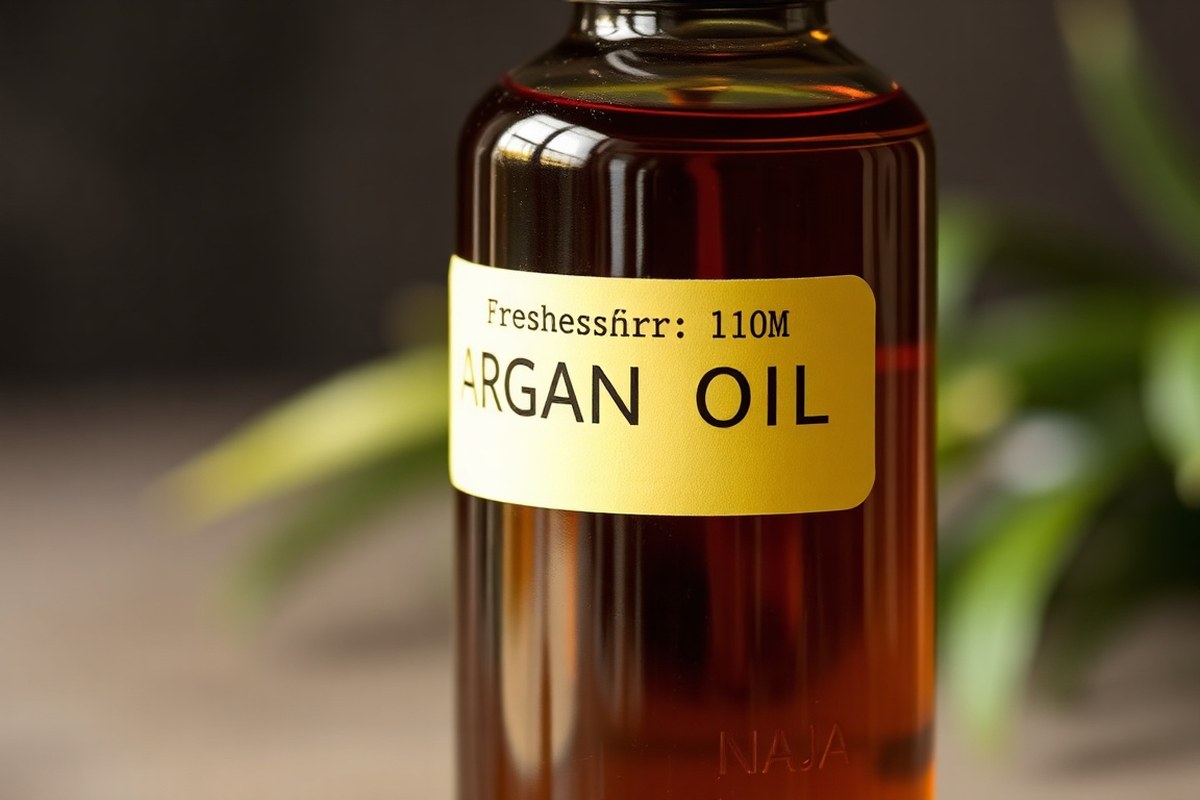
Argan oil does expire. But it usually lasts a long time compared to other oils. An unopened bottle can stay fresh for 18 to 24 months.
Amber glass helps protect it. This mainly applies to pure, cold-pressed argan oil.
Store it in a cool, dark place. A pantry or cabinet works well.
Once you open the bottle, the oil’s exposure to air starts a process called oxidation. Oxidation breaks down the oil, making it spoil faster. After opening, argan oil lasts 6 to 12 months.
Keep the cap tightly sealed. Avoid heat, light, and moisture.
The type of argan oil affects how long it lasts too. Cosmetic-grade argan oil, which is usually unroasted and cold-pressed, lasts closer to 12 months once opened. Culinary argan oil, especially roasted kinds, lasts 12 to 18 months unopened.
Roasting forms protective compounds. Still, both kinds need the right storage to reach those times.
Lower-quality argan oil in clear plastic bottles spoils faster. It can go bad in 3 to 6 months. Plastic lets in more oxygen and sunlight, speeding oxidation.
Refining or deodorizing argan oil cuts its shelf life. Natural antioxidants get removed during this process.
In short, unopened high-quality argan oil can last nearly two years. But you should aim to use it within a year after opening. Every time you open the bottle, air and light enter.
These cause the oil to break down. Keep the bottle tightly capped and in a cool, dark spot. This extends the oil’s freshness.
How Storage Conditions Influence Argan Oil Longevity
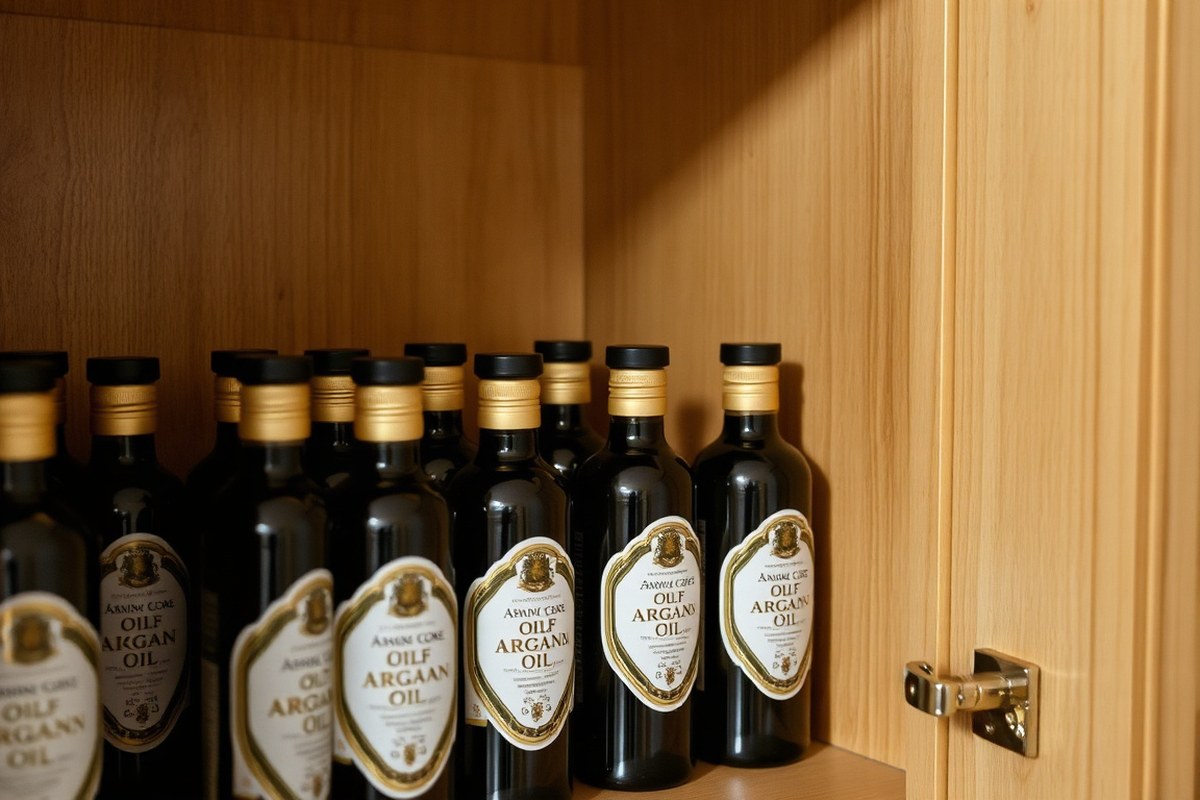
Argan oil lasts longest when stored in a cool, dark place with minimal air exposure. Heat, light, and oxygen speed up its breakdown and shorten its shelf life. Keeping argan oil away from these factors preserves its scent, color, and benefits.
How Temperature Affects Argan Oil Freshness
Heat speeds up chemical reactions that cause argan oil to go rancid. Research shows argan oil stays good for over a year. Keep it between 59°F and 77°F (15°C and 25°C).
This temperature range helps keep the oil’s quality. Storing oil above this range can cut its freshness time in half or more.
Cooler storage slows oxidation, but you don’t need to refrigerate argan oil. Temperatures around 50°F (10°C) help even more but watch for chilling that can cloud the oil. Room temperature in a shaded cabinet usually works well for most users.
Light Exposure and Its Role in Oil Deterioration
UV rays from sunlight break down argan oil’s natural compounds. This causes the oil to lose its strength. Avoid leaving the oil in direct sunlight.
Clear bottles allow light through, so darker glass or opaque containers offer better protection. Storing oil away from windows or bright indoor lights reduces this damage.
Even artificial light affects the oil over time. The vitamin E in argan oil offers some protection but can’t block all light damage. Keep the bottle in a dark place like a drawer or cupboard.
This helps the oil stay fresher for longer. Dark storage blocks damaging light.
Oxygen’s Impact on Argan Oil Shelf Life
Air exposure speeds up oxidation, which makes argan oil smell stale and taste bitter. Always screw the cap on tightly to limit oxygen contact. Using smaller bottles or transferring oil to airtight containers can help cut down air exposure.
Opening the bottle lets fresh air mix with the oil. This starts the oil breaking down faster. Try to limit how often you open it.
For heavy users, buying smaller bottles may reduce waste. Less air and fewer openings extend the oil’s life and quality.
Tips for Creating the Ideal Storage Environment
Store argan oil in a cool, dry spot away from heat. Keep it far from sunlight and heat sources like ovens. Heat speeds up oil spoilage.
A kitchen cabinet away from the stove is a better choice than the countertop. Avoid storing argan oil in the fridge door due to frequent temperature changes.
Keep the bottle tightly sealed after each use. Place the bottle upright to reduce air contact with the oil’s surface. Use the oil within 12 to 24 months after production.
Storage conditions affect how long it lasts. Cooler, darker spots help extend its life.
Always close argan oil bottles tightly and avoid leaving them open to slow oxidation.
Packaging’s Role in Preserving Argan Oil Quality
Amber or dark glass bottles are the best choice for storing argan oil. They block harmful UV light that speeds up oxidation and spoils the oil. Plastic and clear containers let in light and air, which degrade the oil faster.
Using a dark glass bottle helps keep oil fresh longer. The oil stays good for up to two years. This keeps it useful and tasty.
Besides the bottle color, the design matters too. Bottles with tight caps and droppers limit air exposure.
These features reduce oxidation by minimizing the oil’s contact with oxygen. A screw-on cap or airtight dropper helps maintain quality longer than a loose lid.
Here’s a quick comparison of packaging types against how well they protect argan oil:
| Packaging Type | Light Protection | Air Exposure | Typical Use |
|---|---|---|---|
| Amber Glass Bottle | Blocks UV and visible light well | Low with tight cap or dropper | High-quality cosmetic and culinary oil |
| Cobalt Blue or Violet Glass | Blocks UV selectively | Low with proper sealing | Cosmetic-grade argan oil |
| Clear Glass Bottle | Poor, lets in most light | Depends on cap, usually moderate | Lower-quality or decorative oil |
| Plastic Bottle (PET) | Minimal light protection | High if not sealed well | Low-grade or bulk oil |
Bottles made of amber, cobalt, or violet glass filter light rays that start chemical changes. Plastic bottles can’t block light well and may react with the oil at times. That’s why you should avoid plastic when possible, especially for long-term use.
A dropper cap stops you from opening the bottle fully. This helps the oil stay fresh longer. You only use what you need.
It also makes it easier to control the amount without contaminating the rest. Tight screw caps without spills also work well but don’t offer as precise dosing as droppers.
Dark glass bottles cost more than plastic ones. But they keep argan oil fresh for longer. This makes them worth the extra price.
Dark glass suits both cosmetic and cooking oils well. It keeps the oil’s natural scent and benefits intact. That means better quality each time.
Quality oil in dark bottles lasts 12 to 18 months at room temperature. Sometimes it can last up to two years. This depends on the packing and storage.
How to Tell If Your Argan Oil Has Gone Bad
Argan oil goes bad mainly through rancidity, which changes its smell, color, and texture. You can spot rancid argan oil by a sharp, sour smell. It may look cloudy or feel thick and greasy.
These are signs the oil went bad. Testing these signs will help you decide if the oil is still good to use.
The Smell Test: Recognizing Off Odors
Smell is the easiest way to check if argan oil has gone bad. Fresh argan oil has a mild, nutty aroma. Rancid oil may smell sour, sharp, or like crayons.
Try sniffing the oil in a quiet room. Avoid mixing smells with perfumes or nearby food scents. A bitter or unpleasant tang usually means the oil is rancid.
Common rancid smells include a sour milk scent or an oily, chemical odor. These indicate oxidation and spoilage that reduce the oil’s quality and safety.
Color Changes to Watch For
Fresh argan oil ranges in color from golden yellow to light amber. This clear, warm tone signals freshness and good quality. Cloudy or darker oil than usual often shows spoilage.
Look for uneven discoloration or a dull, murky appearance. These changes come from oxidation and mean the oil is losing its benefits. Clear color signals the oil is likely still good.
Assessing Texture and Absorption
Texture can also reveal spoilage. Good argan oil feels smooth and silky, spreading easily on your skin. Thick, sticky, or greasy oil texture often means spoilage happened.
Try rubbing a small amount between your fingers. It should absorb quickly without leaving heavy residue. An odd, heavy texture or clumps are a warning sign.
Oxidation changes the oil’s fats and texture. This makes it less stable. It also becomes harder to use.
Use this 3-step sensory test to check your argan oil:
- Smell the oil directly from the bottle or dropper in a scent-free space.
- Observe the oil’s color against a white background in natural light.
- Feel a small amount between fingers to check texture and absorption speed.
- Note any sour, crayon, or chemical odor in the smell step.
- Look for cloudy, darkened, or uneven color during the visual check.
- Identify any thick, sticky, or clumpy texture during the touch test.
- Decide not to use the oil if any of these spoilage signs appear.
- Store your argan oil properly afterward to avoid early spoilage.
Comparing Cosmetic and Culinary Argan Oil Shelf Lives
Cosmetic and culinary argan oil differ in shelf life due to their processing. Cosmetic argan oil comes from unroasted kernels, keeping its natural antioxidants intact. Culinary argan oil is made from roasted kernels, which adds flavor but reduces stability.
Roasting exposes kernels to heat, causing some antioxidants to break down. This makes culinary argan oil more prone to oxidation and a slightly shorter shelf life. Cosmetic argan oil generally lasts longer because its fatty acids oxidize slower.
| Type of Argan Oil | Processing Method | Typical Shelf Life | Oxidation Rate | Recommended Storage Temp |
|---|---|---|---|---|
| Cosmetic | Cold-pressed from unroasted kernels | 18, 24 months | Slower; rich in natural antioxidants | Below 25°C (77°F), away from light |
| Culinary | Cold-pressed from roasted kernels | 12, 18 months | Faster due to heat exposure | Below 25°C (77°F), dark place preferred |
Cosmetic argan oil is a pure botanical lipid extract without synthetic preservatives. This means it still oxidizes over time. Cooking oil antioxidants reduce during roasting, so culinary argan oil needs fresher use.
Both oils oxidize faster when exposed to air and light. Oxidation spoils the oil’s benefits and smell. Your best bet is to store argan oil in a cool, dark spot to extend freshness.
Always keep your argan oil tightly sealed after use to slow oxidation.
Best Practices for Storing Argan Oil to Maximize Freshness
Keep your argan oil in a cool, dark spot away from heat. Avoid direct sunlight.
This helps the oil stay fresh longer. A kitchen cupboard or bathroom cabinet works fine if it stays between 59°F and 77°F. Avoid places near ovens, windows, or lights that warm the oil, as heat speeds up spoilage.
You can refrigerate argan oil to make it last longer. It may stay fresh for about three years in the fridge. Let it warm a bit before use if it becomes thick or cloudy.
Freezing is another choice to keep oil fresh for years. Still, use it within two to three years to be safe.
Cleanliness matters a lot when handling argan oil. Always use a clean dropper or spoon when handling the oil. This stops bacteria from getting into the bottle.
Bacteria can spoil the oil or cause skin irritation. Avoid touching the inside of the bottle or the oil with your fingers. This prevents contamination and keeps your oil safe and effective.
- Store argan oil in a tightly sealed, dark glass bottle
- Keep away from heat sources and direct sunlight
- Use clean utensils or droppers when applying oil
- Keep the bottle upright to avoid leaks
- Refrigerate if you want longer freshness, but not required
- Use within two years for peak freshness and benefits
- Do not touch oil with bare hands to prevent contamination
Clean containers preserve your oil’s natural antioxidants and healing benefits longer. Argan oil has unsaturated fats that break down when exposed to air. Germs and oxygen cause these oils to oxidize.
This damages the quality of the oil. Proper sealing and careful handling minimize this risk.
Keeping argan oil fresh preserves its soothing and anti-inflammatory effects. Fresh oil works better for your skin.
Try not to open the bottle too often or leave it open for a long time. Oxygen and air speed up spoilage, causing argan oil to turn rancid. Store your argan oil properly to keep its smooth feel intact.
This also preserves its nutty aroma. These qualities signal good, fresh oil.
Is It Safe to Use Expired or Rancid Argan Oil?
Using expired or rancid argan oil on your skin or hair can cause irritation. Over time, oils break down and form free radicals that harm your skin barrier. These can clog pores, cause redness, and leave your hair sticky and dull instead of shiny.
Expired argan oil won’t offer the moisturizing and nourishing benefits you expect. Instead of helping, it could make your skin feel dry or your hair look less healthy. You should stop using your oil if it loses softness or shine.
Rancid argan oil also risks exposing you to potentially harmful compounds. Some studies warn that oxidized oils produce toxic substances linked to inflammation and long-term health issues.
Rubbing expired oil on your skin usually won’t cause serious illness. Avoid it to prevent skin problems or irritation.
Decide to discard your argan oil if it smells bad, sticky, or thick on your skin. The smell changes when fatty acids break down into aldehydes, giving the oil an unpleasant odor. Using oil past this point brings more risks than benefits.
For food use, rancid argan oil will taste off and might cause stomach discomfort. Only use argan oil for cooking while fresh and stored well. For skincare or hair, keep it airtight and away from heat to make it last longer.
Throw out argan oil as soon as it shows signs of rancidity or loses its efficacy. Your skin and hair deserve fresh, nourishing oil that supports their health.
Using old or oxidized oil can lead to irritation, clogged pores, and lackluster hair. So replacing it is worth the small cost.
How Purity and Additives Affect Argan Oil Shelf Life
Pure argan oil lasts longer than blends or oils with additives. Pure cold-pressed argan oil has natural compounds that break down with time. It does not have extra ingredients that speed spoilage.
Additives like essential oils can cut shelf life. They react with oxygen and light. This reaction makes the oil oxidize faster.
Refined argan oil usually lasts longer than unrefined, pure oil. The refining process removes impurities and some natural compounds that oxidize quickly. Refined oils often lose nutrients and natural aroma during processing.
This might be a downside if you want full natural effects. Still, refined oil can stay fresh for up to two years if stored well.
Pure argan oil oxidizes slower when kept in a cool, dark place and sealed tightly. The shelf life of a blend depends on the other oils in it. For example, adding essential oils like lavender or rosemary might shorten freshness by a few months.
To protect your oil, check the label. 100% pure argan oil lists only one ingredient.
Look for “100% pure argan oil” on the label. This helps avoid blends that spoil fast.
Here’s a quick guide: pick 100% pure argan oil. It offers the longest shelf life and natural benefits. Pick refined oil if you want longer storage but can accept fewer nutrients.
Go for blends only if you need specific scents or properties. But expect a shorter shelf life. Always check the label and expiry date.
Notice off smells or a sticky feel? The oil could be past its prime.
Estimating Argan Oil Usage Time for Common Bottle Sizes
A 50ml bottle of argan oil usually lasts about six months with daily use. That’s based on applying around three drops each day. Adjust your expectations if you use more or less or if you buy bigger bottles.
Measuring Daily Amount Used
Most people use between two and five drops daily for skin or hair care. Three drops equal roughly 0.12 milliliters, which spreads well without waste. Using a dropper or small measuring spoon helps keep your usage consistent.
You can estimate the drops by gently pressing the bottle. Let one drop fall onto your palm. Count drops as you apply them.
Count how many drops cover your daily needs. This simple step helps avoid using too much and running out fast.
Calculating Duration from Bottle Volume
To find how long a bottle lasts, divide the bottle size by daily usage. For example, a 50ml bottle divided by 0.12ml per day equals about 417 days. This is nearly 14 months of supply at three drops daily.
Buying a 100ml bottle doubles the time to about 28 months. This assumes you use the same daily amount. Take care not to keep the oil too long, as freshness can drop after a year.
Adjusting for Frequency and Application Area
Using argan oil twice a day or on larger areas raises your daily amount. For example, using six drops daily means a 50ml bottle lasts about seven months. Use less if you want the oil fresh and to avoid waste.
Apply only what you need to keep your supply within the oil’s one-year ideal usage window. This helps avoid wasting spoiled argan oil and keeps your skin and hair healthy. Follow these steps to estimate your argan oil usage time:
- Measure how many drops you use in one application.
- Note how many times a day you apply argan oil.
- Calculate total daily drop use by multiplying drops per use by frequency.
- Convert drops to milliliters (about 20 drops = 1 ml).
- Divide your bottle size by daily milliliters used.
- Convert days to months to understand how long your bottle lasts.
- Adjust your use if needed to finish the bottle within a year.
Step-by-Step Action Plan for Argan Oil Care
Follow these steps to keep your argan oil fresh and safe. This plan helps you protect its quality every day.
- Before You Open: Store your argan oil bottle in a cool, dark place. This prevents early spoiling and keeps it fresh.
- Day 1: Check the packaging for airtight seals and dark glass. These reduce oil exposure to air and light, keeping it stable.
- Week 1: Use a dry, clean dropper or pump. Avoid dipping fingers to stop contamination and bacteria growth.
- Month 1: Keep an eye on the scent and color. If it smells sour or looks cloudy, it might be bad.
- Month 3: Use most of the bottle by now to ensure freshness. Smaller bottles last better if used up quickly.
- Every 6 Months: Toss any oil that shows signs of rancidity or has changed smell. Safety comes first.
- After Purchase: Note the date you opened the bottle. Aim to finish it within 6 to 12 months for best results.
Frequently Asked Questions
Can I Use Argan Oil Past Its Expiration Date?
Using argan oil after its expiration date is not recommended. Old oil can smell bad and lose its benefits for skin or hair. Always check the scent and texture before use.
Does Freezing Argan Oil Extend Its Shelf Life?
Freezing argan oil is not advised because it can change its texture. Keep it in a cool, dark place instead. This helps preserve its natural properties better without risk.
Can Argan Oil Expire If It’s Mixed with Other Oils?
Yes, mixtures with other oils may expire faster than pure argan oil. The added oils might oxidize quicker, affecting the overall shelf life. Always check each oil’s expiration separately.
Is It Safe to Use Argan Oil on Skin After It Turns Cloudy?
Cloudiness usually signals argan oil has gone bad and should be discarded. Using rancid oil may irritate your skin or cause breakouts. Fresh argan oil is clear or light golden.
How Long Does Opened Argan Oil Last Compared to Unopened?
Opened argan oil lasts about 6 to 12 months if stored well. Exposure to air speeds up oxidation, unlike an unopened bottle. Seal it tightly and avoid heat or light.
Key Points to Remember
Argan oil does expire, but proper storage extends its usable life. Watch for changes in smell or color to spot spoilage. Use or replace your oil before it turns rancid to stay safe.