Does the Alternator Drain the Battery? Clear Answers & Testing Tips
Does the alternator drain the battery? Yes, it can if it’s faulty.
A bad alternator can keep draining current even when your car is off. This reverse current can empty your battery in just a few days.
The alternator’s job is to charge the battery while the engine runs. If parts like diodes or the regulator fail, it may let current leak backward. You should check the rest and charging voltage to spot this issue early.
Start by watching for warning signs like dim lights or strange smells near the alternator. You’ll notice your car’s battery may die fast or struggle to hold a charge. Testing the alternator now can save you from being stranded later.
Key Takeaways
- A faulty alternator can drain your battery in one to seven days.
- Measure rest and charging voltage to confirm alternator issues.
- Look for dim lights or burnt smell around the alternator after driving.
- A broken alternator battery lasts up to 30 minutes of drive time.
- Don’t skip the alternator isolation test when diagnosing battery drain.
- Keep your battery between 20ºC and 25ºC for best performance.
Can a Faulty Alternator Actually Drain Your Battery?
A faulty alternator may continue pulling power from your battery with the engine off. Internal components such as diodes or the voltage regulator sometimes fail. This causes a steady energy drain that often reaches hundreds of milliamps or higher.
One common issue is a shorted diode in the rectifier assembly. The diode’s job is to convert AC current to DC. But if it shorts, it allows electricity to flow backward.
This reverse current drains your battery while the car sits still. It can empty the battery in just a few days. Your car won’t start if the battery goes dead.
The voltage regulator can also cause problems by overcharging or undercharging the battery. A bad voltage regulator might let the alternator run at wrong voltages. This puts stress on the battery.
That stress can make the battery lose charge. Worn brushes or bad bearings in the alternator cause charging problems.
This stops the alternator from working well. That makes the battery drain faster.
Parasitic drains linked to alternators occur through bad grounds or corroded connectors. These create unintended paths for current leaks when you expect the system to be off. You can test by checking your car’s resting voltage first.
Then measure current draw with the engine off. These readings reveal if the battery drains too much.
A fully failed alternator will drain your battery faster than one still working partly. For example, a broken diode might pull 500 milliamps of current. Such a drain can kill a 12-volt battery in about 3 to 7 days.
This means your car may not start after a short wait. You need to test the alternator’s performance to confirm if it is causing the drain.
Driving short trips often and using accessories while off wears down the battery. It also puts extra work on the alternator. Both cause battery problems over time.
But actual internal faults are the main reason a bad alternator drains a battery. Replacing or repairing faulty parts like the diode pack or regulator usually stops the parasitic drain.
How the Alternator Charges and Supports the Battery
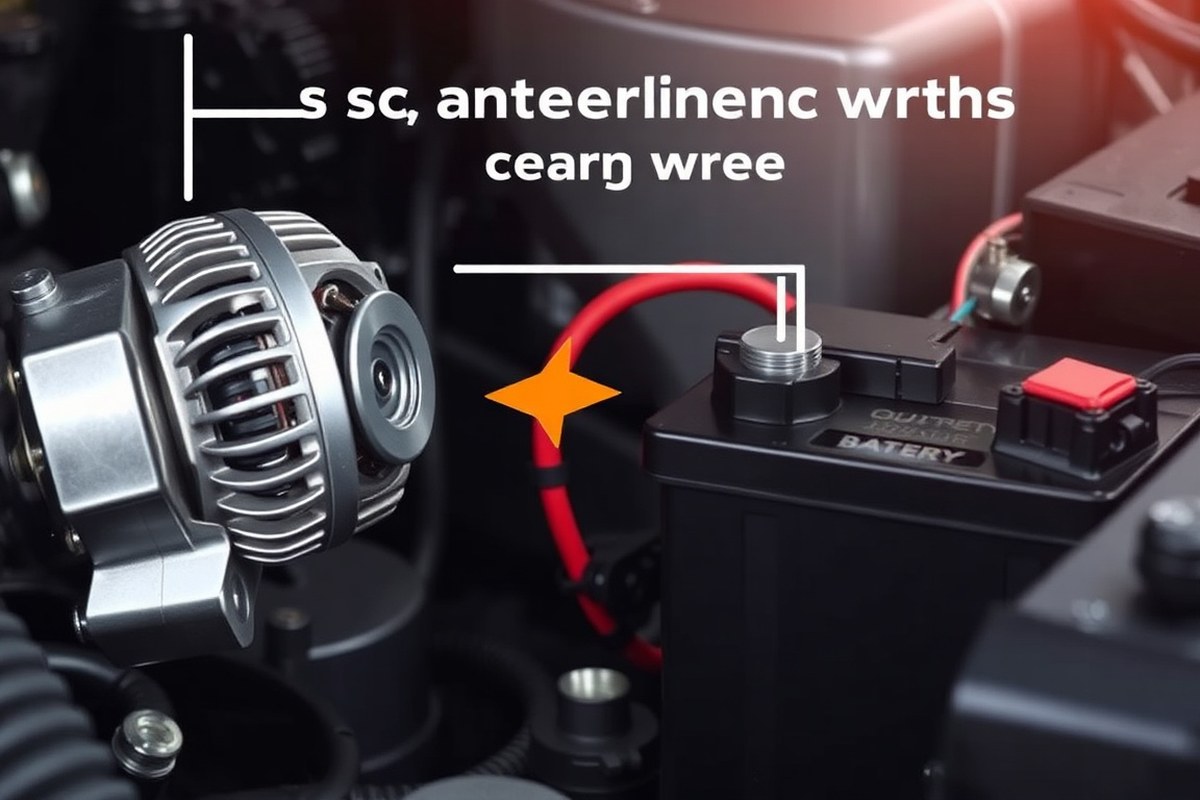
A healthy alternator charges the battery by converting engine power into electricity. It keeps the battery voltage between 13.5 and 14.8 volts while the engine runs. This steady voltage powers the car’s systems and replenishes the battery’s energy.
How the Alternator Produces Power
The alternator uses mechanical energy from the running engine. It spins a rotor inside a stator to create an electric current. This current supplies the car’s electrical needs and recharges the battery.
The engine belt turns the alternator pulley. A loose or broken belt stops the alternator from making enough power. That causes the battery to drain since it isn’t getting charged properly.
Battery and Alternator Working Together
The battery starts the engine with a high-current burst to the starter motor. After the engine runs, the alternator takes over power supply. It runs the lights, radio, and other accessories.
The battery buffers power dips from sudden electrical loads. It also supplies power when the engine is off. This teamwork keeps the car’s electrical system stable and reliable.
Expected Voltage Range from a Healthy Alternator
A good alternator maintains voltage typically between 13.5 and 14.8 volts. This level is enough to both run electrical systems and recharge the battery. Volts below this range mean an alternator may not charge fully.
Voltage much higher than 14.8 can overcharge the battery and cause damage. The voltage regulator controls the output to keep it steady. Without it, the battery and electronics face risk.
Signs of Proper Charging During Operation
The engine running should raise voltage above the battery’s 12 volts. Voltage shows the alternator is charging. Check this with a voltmeter.6 volts.
A stable reading near 13.8 volts or higher shows the alternator is charging. Voltage dropping while the engine runs means the alternator isn’t charging enough.
Regularly check voltage with a multimeter to spot charging issues early. After repairs, test voltage again to confirm the alternator is working right. This helps avoid battery drain from insufficient charging.
Make sure the alternator’s belt is tight and in good shape. A worn belt can silently stop the alternator from charging properly.
Symptoms Indicating Alternator-Related Battery Drain
Signs of alternator-related battery drain include warning lights, dim headlights, and engine issues. These symptoms mean the alternator may not charge the battery properly or is leaking current. Paying attention early can save you from getting stranded or replacing the battery too soon.
Dashboard Warning Lights to Watch
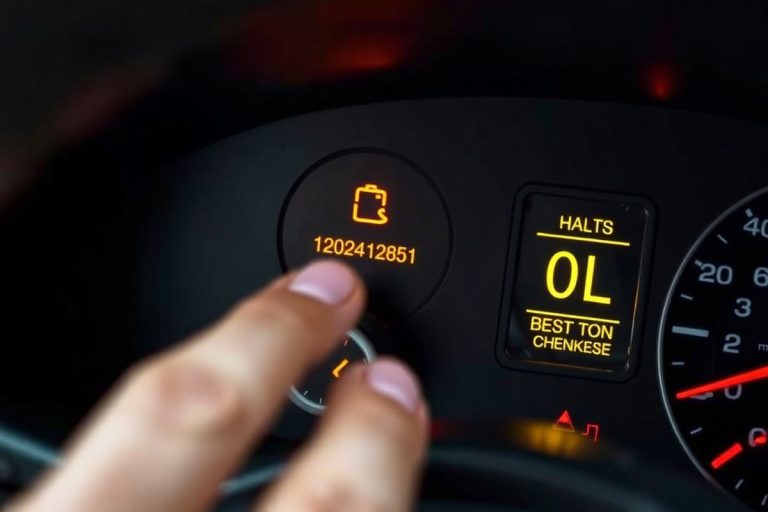
The most common alert is the battery warning light on your dashboard. This light usually looks like a battery icon or says “ALT” or “GEN.The light turns on when the alternator cannot charge the battery. It also comes on if the alternator has an internal fault.
Other lights may come on too, like the check engine light or oil pressure light. But the battery light directly links to charging system issues.
Flickering or steady light means your alternator needs a check. This is a clear sign of a problem.
Visible Signs: Lights and Accessories
Dimming or flickering headlights often show alternator problems. The alternator powers electrical components when the engine runs.
So failing ones can reduce light brightness. You might also notice dashboard lights dimming or flashing while driving.
Electrical accessories like the radio, power windows, or heated seats may work inconsistently. These warning signs happen because the alternator isn’t producing steady voltage to support them.
Battery Performance and Starting Problems
Alternator issues often cause weak battery performance. Your car may struggle to start or stall immediately after starting. This happens because the battery isn’t getting fully charged while driving.
Jump-start works but the car dies soon after. This likely means the alternator is bad.
The battery alone won’t run the engine for long without alternator help. Also, frequent dead batteries can result from poor alternator charging.
Unusual Noises and Smells to Notice
Strange whining or growling noises can come from a failing alternator bearing or rotor. These sounds grow louder as damage gets worse. A burning rubber or wire smell could mean the alternator overworks or short circuits.
Noticing these signs early helps prevent bigger electrical system damage. Check under the hood carefully for smoke or heat too.
Common Symptoms Checklist
- Battery warning light illuminated on the dashboard
- Dimming or flickering headlights and interior lights
- Difficulty starting the engine or engine stalling
- Electrical accessories working erratically or shutting off
- Strange whining or growling noises near the alternator
- Burning smell near the engine or under the hood
- Battery frequently losing charge despite replacement
Spotting one or more of these symptoms suggests your alternator is causing battery drain. Testing and inspecting the alternator soon saves you time and repair costs later.
Testing the Alternator to Detect Battery Drain Issues
You can test if your alternator drains the battery. Check the alternator’s voltage output. Run a parasitic current draw test to confirm.
Using a digital multimeter helps measure voltage and current accurately. Inspecting the alternator diodes and regulator also reveals hidden faults that can cause battery drain.
Measuring Alternator Output Voltage
Start by checking the alternator’s voltage output to see if it charges the battery properly. A healthy alternator usually outputs between 13.8 and 14.4 volts when the engine runs.
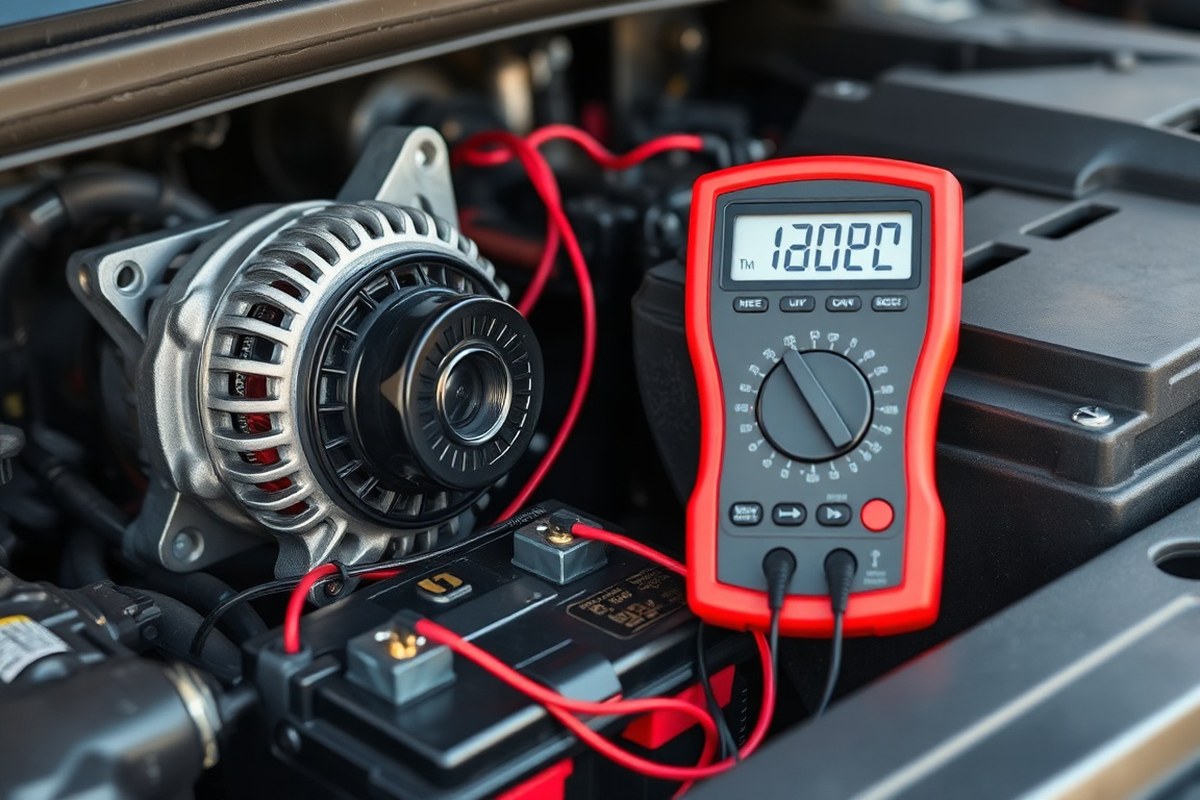
Use a digital multimeter set to DC volts and connect it to the battery terminals. Voltage stays below 13 volts on the multimeter during the test.8 volts or goes above 14.5 volts, the alternator or voltage regulator might be faulty.
- Turn off the engine and make sure the vehicle is in park or neutral.
- Set the multimeter to measure DC voltage (20V range is common).
- Attach the red probe to the battery’s positive terminal. Connect the black probe to the negative terminal.
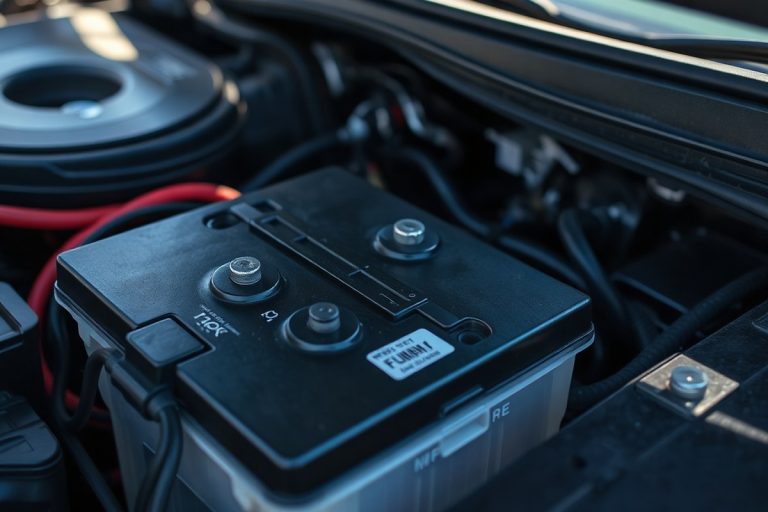
- Record the voltage with the engine off. It should be around 12.6 volts for a fully charged battery.
- Start the engine, keeping the probes connected, and watch the voltage.
- Look for a reading between 13.8 and 14.4 volts at idle. Increase engine speed to check if it remains stable.
- Voltage falls below 13 volts when you measure the alternator output.8 volts or rises above 14.5 volts, note the irregular readings.
Performing a Parasitic Current Draw Test
Parasitic current draw test checks if your alternator drains battery power. It measures current while the car is off.
A normal drain is usually under 50 milliamps (mA). But higher readings could point to alternator diode problems.
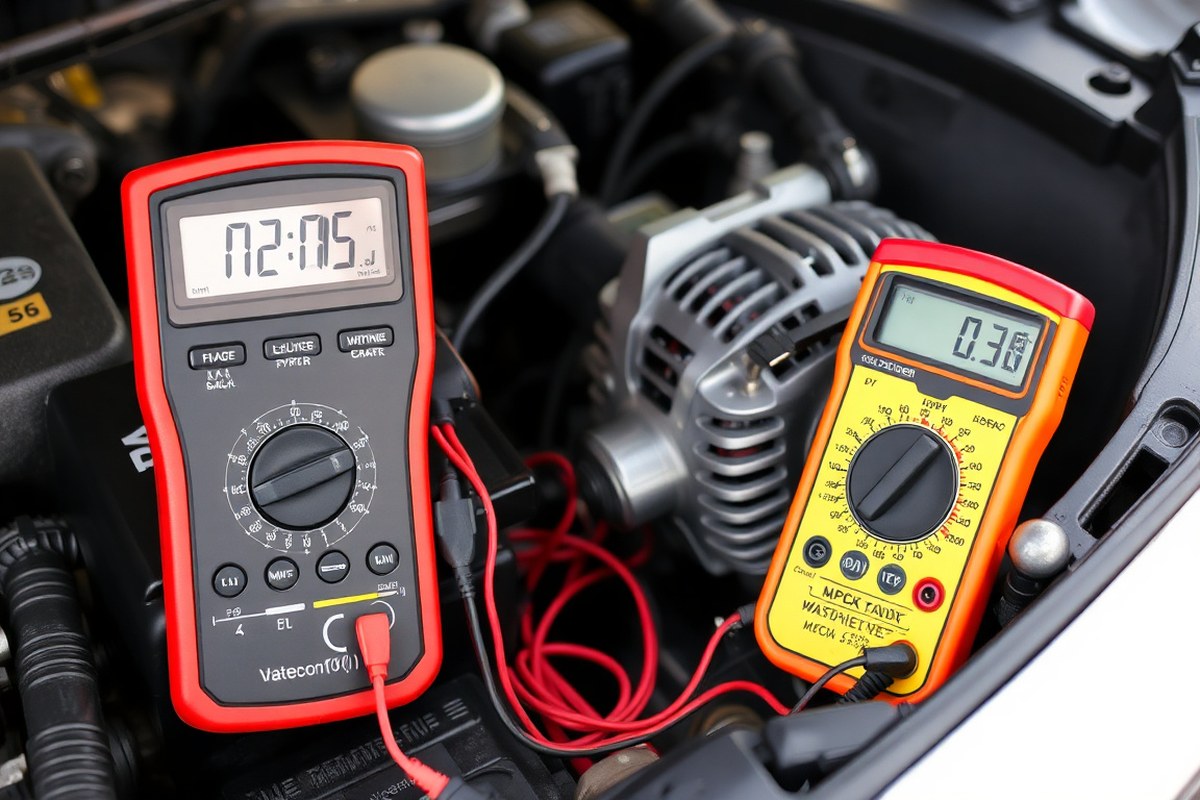
Use a multimeter with a current clamp or ammeter. Measure current on the battery’s negative cable.
Pull the alternator fuse or disconnect its regulator plug. Current dropping significantly points to the alternator causing the battery drain.
- Turn off the car and remove the key from the ignition.
- Make sure all lights and accessories are off, then open the hood.
- Disconnect the negative battery cable from the battery terminal.
- Set the multimeter to measure current (0-10 amps or suitable range).
- Connect the meter’s leads in series between the battery post and the disconnected cable.
- Watch the current draw stabilize. It should be below 50 mA after a few minutes.
- Remove the alternator fuse or unplug its regulator connector to isolate the alternator.
- Current drops over 10-20 mA likely mean the alternator’s diodes cause the drain.
Inspecting Alternator Diodes and Regulator
Bad diodes can allow current to flow backward into the battery, causing slow drain. The voltage regulator might also overcharge or undercharge the battery, which harms battery life.
Physically inspect the alternator for signs of damage like burnt wires or loose connectors. Replacing bad diodes means removing the alternator first. Costs usually range $50 to $200 for parts and labor.
Check the alternator wiring harness and ensure all connections are tight and corrosion-free. When the voltage regulator is built-in, special tools may test it. Replace it if the voltage output is unstable.
How to Differentiate Between a Failing Alternator and a Bad Battery
Battery and alternator problems often cause similar symptoms but need different fixes. A weak battery shows slow engine cranking or dim lights at startup. A failing alternator can cause a battery warning light.
It may also lead to a loss of power while driving. This happens because the alternator can’t recharge the battery well.
Testing both parts will confirm which one is bad. Start by measuring battery voltage with a multimeter.
A fully charged battery reads around 12.6 volts with the engine off. The reading is below 12 volts.4 volts, the battery likely needs replacing.
| Test | Battery Issue | Alternator Issue | What to Expect |
|---|---|---|---|
| Resting Voltage (Engine Off) | Below 12.4 V | Usually Normal | Battery may be weak or discharged |
| Charging Voltage (Engine Running) | Less than 13.5 V | Less than 13.5 V | Alternator not charging properly if low |
| Load Test | Voltage drops below 9.6 V | Usually stable voltage | Weak battery fails under load |
| Parasitic Drain Check | Low drain (50 mA or less) | Higher drain if rectifier faulty | Alternator diode failure may cause drain |
Measure the battery voltage at rest. Then start the engine and watch for an increase to 13.5, 14.5 volts. The voltage doesn’t rise after starting the engine.
You can test the battery under load. This checks if it holds voltage while drawing current. Voltage dropping below 9.6 volts during load points to a weak battery needing replacement.
Some alternators leak current due to a bad rectifier or diode. This condition drains the battery even after you turn the car off.
Checking parasitic drain with an ammeter will catch this problem. A reading above 50 milliamps is a red flag for alternator-related drain.
Test the alternator with the engine running. Charging voltage does not rise above 13 volts.5 volts, replace or repair it promptly.
Alternator problems often surface after high-mileage use or heat exposure. For example, Honda CR-V alternators may have diode failures after 60,000 miles. A failing alternator can also cause battery corrosion, which makes battery testing important.
Professionals use tools like the Midtronics GRX-5000. These check battery conductance and pinpoint electrical problems.
Common Diagnostic Mistakes and How to Avoid Them
Many technicians and car owners mistake a weak battery for alternator trouble. Sometimes, they blame the alternator when the real issue is a parasitic drain or faulty wiring. This mistake leads to unnecessary replacements and wasted time.
Owners often skip testing the alternator properly under real conditions. Checking voltage only at the alternator or with the engine off can miss intermittent charging problems. The alternator should be tested with the engine running, using a multimeter set to DC voltage.
Signs like dimming lights or slow cranking can also mislead you. These symptoms may come from a bad battery or loose connections. Short trips can also stop the alternator from fully recharging.
This causes similar issues in your car’s electrical system. Jump-starting a car repeatedly without fixing the root issue can drain the battery faster.
- Check battery voltage with engine running: should read 13.7V to 14.7V
- Test for parasitic drain by measuring current with engine off and key in RUN
- Inspect battery terminals and alternator wiring for corrosion or loose connections
- Watch for inconsistent alternator output instead of only low voltage
- Avoid assuming jumps fix charging issues; they might worsen battery life
- Note if battery dies in under 30 minutes, suggesting a major alternator or wiring fault
Performing these checks takes basic tools and about 10 to 15 minutes. Multimeters typically cost $15 to $30 for reliable models. Good results show steady voltage within the specified range and minimal parasitic draw.
Readings that fluctuate or fall outside normal ranges mean trouble. Have a technician inspect the alternator and wiring closely. You may need to fix or replace parts.
Wiring mistakes are common and cause symptoms that mimic alternator failures. Testing current draw at the battery, rather than the alternator, avoids missed problems. Following torque specs like 32 ft-lbs on mounting bolts ensures secure alternator installation after repairs.
Preventive Steps to Protect Battery from Alternator Drain
Regular checks and early fixes can keep your alternator from draining the battery. Start by testing the alternator output and battery health at least every six months. Tools like the OBDMONSTER 12V Car Battery Tester make testing quick.
This tool works with AGM, GEL, and flooded battery types. You can check your battery without trouble using this tester.
Short drives often don’t allow the alternator to fully charge the battery. Aim for longer trips or connect a charger to maintain proper battery voltage. Notice dim lights or slow starts?
Check wiring and grounds. Look for leaks or damage that cause current to flow backward and drain power.
- Check alternator output and battery voltage every 6 months
- Take drives longer than 20 minutes to recharge battery properly
- Look for loose, corroded, or damaged wiring and grounds
- Replace worn alternator parts before failure
- Update ECU firmware if your vehicle requires it after alternator swaps
Visual inspections help spot corrosion or wear that can cause problems. You can save money by swapping out bad alternator parts early. A faulty diode could let current leak back and drain your battery.
Some newer GM trucks need a calibration update after changing the alternator. This update prevents limp mode problems.
It also stops battery drain issues. Skipping this update leads to bigger problems on the road.
Good driving habits extend battery and alternator life. Don’t sit too long with the engine off, or leave lights on.
Quick fixes and regular checks can keep you from getting stranded. You also protect your battery from damage caused by the alternator.
Impact of Temperature and Environmental Factors on Charging System
Batteries lose voltage faster in cold weather because chemical reactions slow down. This means your battery holds less charge and struggles to start the car. In contrast, heat speeds up battery wear by breaking down internal components over time.
The alternator’s efficiency changes with temperature, too. Hot weather can cause the voltage regulator to fail. The diodes inside the alternator can also fail.
This leads to unstable voltage output. This unstable voltage either overcharges or undercharges the battery, which reduces battery life.
Cold weather makes your alternator work harder. Batteries need more charging current below freezing. This extra demand stresses the alternator.
That extra load sometimes reveals weak alternator parts, especially in older units. Owners in cold climates often find replacement alternators last shorter if worn parts don’t get checked.
High humidity, salt air, and dusty roads also impact charging systems. Corrosion on electrical connections from salty or moist environments causes poor ground paths. Bad grounds can confuse the alternator voltage regulator.
It may misread signals and give wrong voltage. This affects the battery’s charge.
Preventing weather-related charging problems starts with regular checks. Clean and tighten battery terminals every six months. Also do this for alternator grounds.
In ocean or snowy areas, check more often. Testing battery voltage after long cold nights helps spot early decline before the car won’t start.
In hot areas, parking in shade or a garage reduces battery heat buildup that speeds wear. Use an insulating battery blanket in cold climates. It keeps the battery warmer.
This helps prevent slow engine starts. Both small steps cost $20 to $50 but extend battery and alternator life.
Use a digital multimeter to check voltage in hot and cold. Early voltage checks spot charging problems fast. This protects your battery.
When to Seek Professional Alternator Inspection and Repair
Knowing when to call a professional for alternator issues can save you time and money. Your battery still drains after testing.
It’s time to seek expert help. Swollen or hot batteries need immediate service from a pro to avoid injury or damage.
Fixing an alternator saves you money. It can cut costs by up to 70%. Smith (2021) reports this saving.
Replacement becomes necessary only when the alternator has severe internal damage. Dimming headlights or flickering dashboard lights are warning signs.
A battery warning light can also appear. These signs mean repair or replacement might be urgent.
When you decide to get professional diagnostic services, choose shops with good reviews for electrical work. Choose a mechanic with proper testing tools. They often use the AUTDER AD-808 tester.
This helps diagnose battery and alternator issues. Skip bargain shops to avoid risks.
Broken bolts or CV axle damage can happen. These repairs may cost over $420 in labor.
- Notice if warning lights or electrical components act up frequently
- Stop DIY tests if the battery is leaking or unusually hot
- Pick a shop that offers full electrical diagnostics with proper tools
- Ask about repair versus replacement costs upfront
- Check for recent customer feedback on alternator services
- Confirm professional installers handle the job to avoid costly mishaps
Professional diagnostics help detect alternator diode failures causing battery drain. These issues can let current flow backward, draining the battery when the car is off. Skilled technicians also ensure repaired or replaced alternators match your vehicle’s electrical needs perfectly.
Hiring the right service means your charging system works reliably longer. You’ll avoid recurring battery problems and unexpected breakdowns on the road. Trained experts use the right tools.
This makes repairs safer and more thorough. It also protects your battery and alternator investment.
Step-by-Step Action Plan to Stop Battery Drain from a Faulty Alternator
Follow these steps to check your charging system and protect your battery from alternator issues.
- Day 1: Check the battery voltage with a multimeter before starting the car. It should read about 12.6 volts to confirm a full charge.
- Day 2: Start the engine and measure voltage again. It should rise to about 13.5 to 14.5 volts if the alternator is charging properly.
- Day 3: Inspect the alternator belt for wear or looseness. Replace or tighten it to prevent poor alternator performance.
- Week 1: Test the alternator’s load using a special tool. You can do this yourself or get help at an auto shop. This helps spot any early charging problems. This tells if the alternator supports your battery under stress.
- Week 2: Monitor the car’s electrical accessories while the engine runs. Dim lights or flickering can signal charging issues.
- Week 3: Check for unusual battery drain when the car is off by using an ammeter. Anything over 50 milliamps needs attention.
- After 1 month: Check your test results for steady voltage. Look for warning lights still on while driving. If issues appear, set up a professional inspection. They can confirm alternator faults or battery health.
Frequently Asked Questions
Can a Bad Alternator Cause the Battery to Drain Overnight?
Yes, a bad alternator can drain your battery overnight. Faulty diodes cause a current leak. This leak slowly uses up the battery power.
Power can flow backward from the battery. This happens when the car is off. It drains the battery over time.
Why Does a Shorted Diode in the Alternator Drain the Battery?
A shorted diode causes a current leak that draws power from the battery. This leak happens when the alternator isn’t running, slowly draining the battery over time.
Can Electrical Accessories Left on Cause Both Alternator and Battery Issues?
Yes, leaving electrical accessories on without the engine running can drain the battery. This extra load makes the alternator work harder, wearing it down faster.
How Does Driving Short Trips Affect the Alternator and Battery Health?
Short trips limit battery charging time, causing the battery to drain gradually. This puts more strain on the alternator to keep up with electrical demands.
Is It Possible for a Partially Failing Alternator to Drain the Battery?
A partially failing alternator can drain the battery but usually slower than a fully failed one. The alternator may not charge the battery well, causing slow power loss.
Final Thoughts
A faulty alternator can drain your battery if it stops charging or causes electrical drains. Acting on voltage checks helps protect your battery life. Check your car’s charging voltage next.
If the voltage is off, book a professional check. This keeps your battery and alternator working well.