What Is a Manual Transmission? A Complete Guide That Explains How It Works
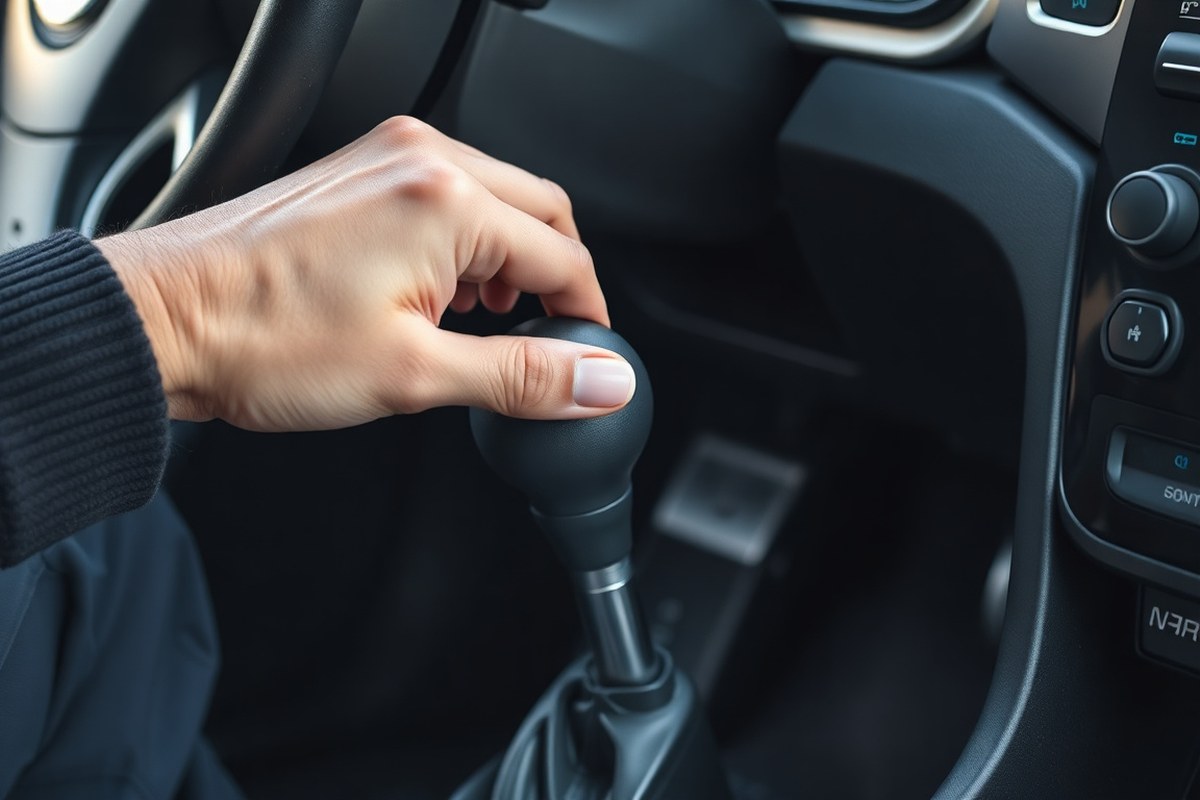
A manual transmission is a system that lets you control gear changes by hand. You operate it using a clutch pedal and a gear stick. This gives you direct control over the car’s speed and engine power.
The transmission connects the engine to the wheels through gears you select manually. Changing gears adjusts torque, helping the car handle different driving conditions. You press the clutch, move the gear lever to a new gear, then slowly release the clutch to engage it.
Most manual transmissions have 5 or 6 forward gears plus reverse. Learning the right timing for clutch and gear shifts is key to smooth driving. It can take practice to avoid common problems like stalling the engine or grinding the gears.
This system offers a simple mechanical design compared to automatics, though it requires more driver involvement. Many drivers prefer manuals for the control and connection to the car they provide.
Key Takeaways
- The clutch pedal controls power flow between the engine and transmission.
- Shift gears while the clutch pedal is pressed to avoid damage.
- Manual transmissions generally have 5 or 6 gear options.
- You control the gear ratio by choosing the right gear for speed.
- Practice clutch timing to prevent stalling or harsh gear shifts.
- Manual transmissions often last more than 120,000 miles with care.
What Is a Manual Transmission and How Does It Work?
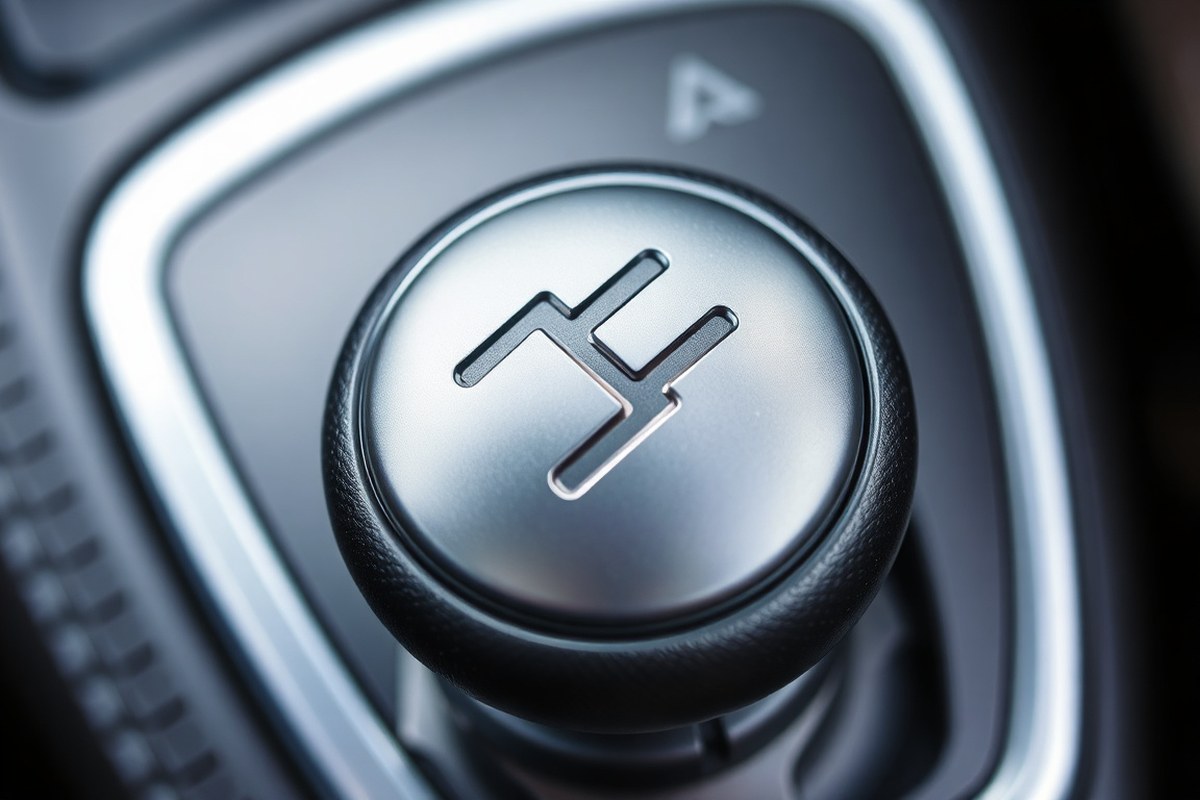
A manual transmission lets you control the car’s gears. You use a gear stick and a clutch pedal to do this. This gives you more control over the car’s speed and power.
You physically move the gear stick to select the gear you want. Pressing the clutch separates the engine from the wheels. This system allows you to decide exactly when to shift gears based on your driving needs.
Operating a manual transmission takes coordination. Press the clutch pedal all the way down first. Move the gear stick to the gear you want.
Then slowly release the clutch while giving the car gas. Doing this smoothly keeps the engine connected and avoids jerky movements or stalling. It requires focus and timing, especially when starting or stopping in traffic.
Automatic transmissions shift gears on their own using hydraulic fluid and sensors. They don’t require you to use a clutch or choose gears manually.
In contrast, manuals use gear oil for lubrication, and you do all the shifting yourself. This direct control helps drivers handle performance better but demands more skill.
Manuals usually last longer if you take good care of them. They have a simple design with fewer electronics. This makes them less likely to break.
Changing the gear oil every 30,000 to 60,000 miles is common. But aggressive driving or heavy use may require changes as often as every 15,000 miles. Despite the extra effort, many drivers prefer manuals for this precise control over the car’s power.
What Are the Main Parts of a Manual Transmission?
Core Shafts and Their Roles
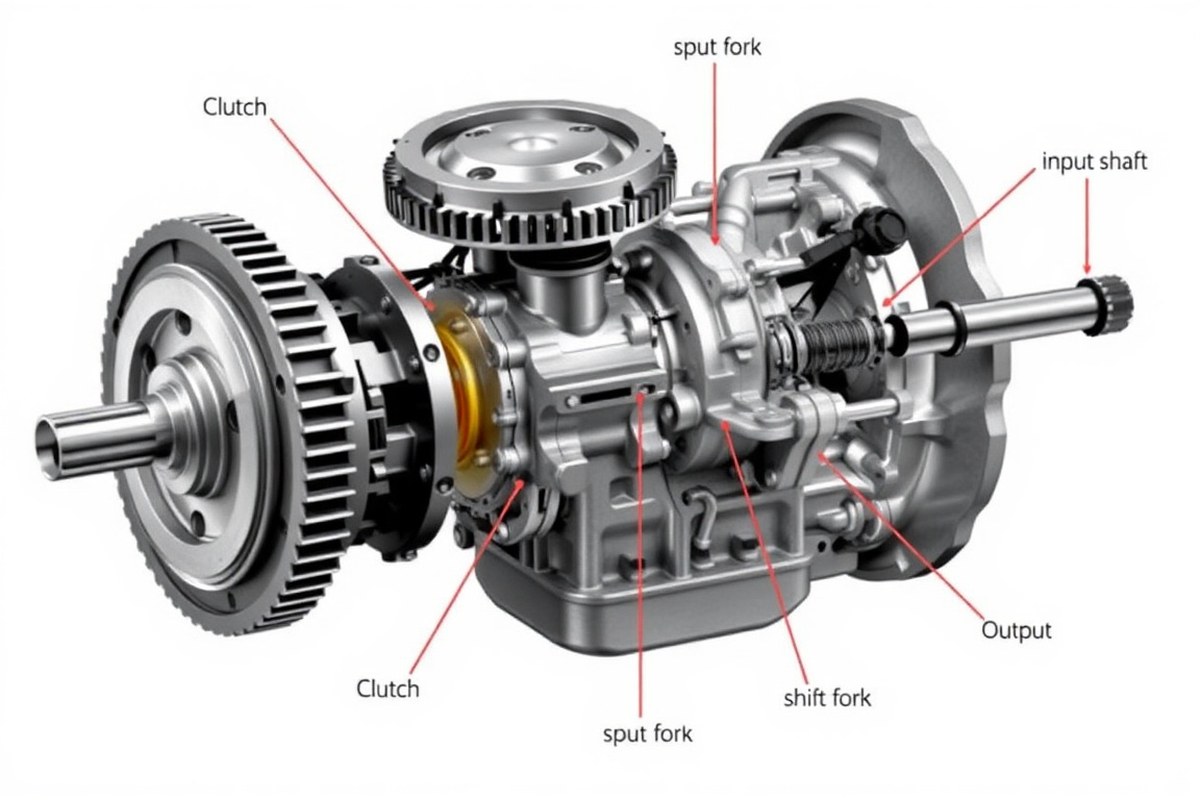
The input shaft connects directly to the engine through the clutch. It transfers the engine’s torque into the transmission system for gear selection. The output shaft sends power out to the wheels after gear engagement.
The input and output shafts work with the countershaft, or layshaft, which holds gears turning constantly. This setup keeps gears spinning to ensure smooth engagement when you shift. Each shaft plays a distinct part in transmitting power efficiently.
How Gears and Synchronizers Work Together
Gears on the input and output shafts mesh in pairs to create different gear ratios. When you shift, locking collars engage a selected gear, locking it to the output shaft. This locks power flow in the chosen ratio.
Synchronizers are little rings between gears that match gear and shaft speeds before engagement. These help prevent grinding noises and wear from clashing gears. They let you smoothly shift without needing to double-clutch or hesitate.
The Clutch Assembly and Torque Transfer
The clutch disc connects and disconnects the engine’s flywheel to the transmission. When you press the clutch pedal, the clutch disengages, interrupting power to shift gears. Releasing the clutch smoothly reconnects power flow.
The flywheel, attached to the engine, holds rotating mass and sends torque to the clutch disc. A smooth clutch action protects the gears and shafts from harsh engagement shock. Proper clutch use extends transmission life.
Shift Lever and Gear Selector Mechanism
You control gear changes with the shift lever inside the vehicle cabin. This lever moves linkage that selects which gear engages within the transmission assembly. Precise movement of the lever ensures the correct gear locks.
Gear selectors work by sliding collars to lock gears onto the output shaft. The driver’s input controls this process via the clutch and shift lever. This manual interaction is what differentiates these transmissions.
Never ride the clutch or force the gear lever, or you’ll wear parts prematurely.
What Types of Manual Transmissions Exist?
Manual transmissions come in several types, each with unique designs and uses. The main types are sliding mesh, constant mesh, and preselector transmissions. These vary in how gears engage and how the driver controls shifting.
Sliding Mesh Transmission Explained
The sliding mesh transmission is one of the oldest and simplest types. It uses gears that slide to connect with each other. This can cause grinding noise when you don’t shift at the right time.
Timing is key to avoid damage and rough shifts. This design is also called unsynchronized because it lacks mechanisms to match gear speeds automatically.
It offers high efficiency since only one gear pair is engaged at a time. But shifting requires skill to avoid gear clash and can be tough for new drivers. Sliding mesh transmissions were common in early cars before synchronized gears became widespread.
Understanding Constant Mesh Transmissions
Constant mesh transmissions keep all the gears meshed constantly. But only one gear locks to the output shaft at a time.
It uses synchronizers that match gear speeds before engagement, making shifting smoother than sliding mesh. This system is the basis for most modern manual transmissions.
Drivers find these easier to operate because shifts don’t need perfect timing. These transmissions usually have 4 to 6 forward gears. You need to change the transmission oil every 30,000 to 60,000 miles.
This keeps the transmission running smoothly. Constant mesh transmissions balance smooth operation with good durability.
Overview of Preselector Manual Transmissions
Preselector transmissions let the driver choose the next gear ahead of time using a separate control. They use vacuum or hydraulic controls to shift gears, reducing driver effort. They were common in cars from the 1930s to early 1950s.
These offer smoother shifting than unsynchronized transmissions. That makes driving less jerky and more comfortable.
These transmissions let drivers preselect gears in advance, then shift instantly. Though less common today, they show early efforts to simplify manual gear changes. Their design reduces jerkiness but adds mechanical complexity and cost.
Here’s a table comparing the main manual transmission types based on key features:
| Transmission Type | Gear Engagement | Shift Ease | Common Use Era | Maintenance Needs |
|---|---|---|---|---|
| Sliding Mesh | Gears physically slide to engage | Hard, requires skill | Early 1900s | Low, simple parts |
| Constant Mesh | All gears mesh; synchronizers engage | Smooth and easier | Modern | Oil changes every 30,000-60,000 miles |
| Preselector | Vacuum/hydraulic shifting with prechosen gear | Smoother, less driver effort | 1930s-1950s | Complex, higher cost |
Choosing a type depends on your needs and driving skill. Sliding mesh suits enthusiasts who like a pure mechanical feel.
Constant mesh works best for most drivers wanting easy shifts and long transmission life. Preselector remains a unique historical design that eased shifting early on.
How Do Gear Ratios Work in a Manual Transmission?
What Is Gear Ratio in Manual Transmissions?
Gear ratio measures the number of turns the engine makes for one turn of the wheels. It depends on the size of the gears inside the transmission. Larger gear ratios give more torque but lower speed.
This ratio helps the transmission match engine power to different driving speeds. Lower gears use higher ratios to multiply torque for starting and climbing. Higher gears use lower ratios to maintain speed with less engine effort.
How Gear Ratios Change Engine Speed and Torque
Gear ratios work by pairing gears of different sizes on the input and output shafts. When a small gear drives a larger gear, torque increases but speed drops. When a large gear turns a smaller one, wheel speed grows.
This drop in size also lowers torque. It’s the opposite of smaller driving a larger gear.
Changing gears changes the output speed and torque without changing engine RPM much. This way, the engine runs efficiently under all driving conditions. The clutch disconnects the engine while you shift gears to avoid grinding and allow smooth changes.
Why Gear Ratios Matter for Driving Performance
Low gear ratios shine when starting or driving uphill. They give the extra torque your car needs. That helps push the car along steep or tough spots.
High gear ratios let you cruise faster and save gas. They do this by lowering your engine’s RPM.
This means the engine works less hard on highways. Choosing the right gear keeps the engine in its best power range.
Using too high a gear at low speed can cause the engine to stall. Using too low a gear at high speed works the engine harder and wastes fuel. Manual transmissions let you pick the gear match for conditions, improving control and efficiency.
Worked Example: Understanding Gear Ratios in Action
Your car’s engine spins at 3,000 RPM in 1st gear. The gear ratio at this point is 3 to 1. This means the engine turns three times for each wheel turn.5:1.
This means the engine turns 3.5 times for one turn of the output shaft. The output speed is 3,000 divided by 3.5 or about 857 RPM at the wheels.
Now, shift to 4th gear with a ratio of 1:1. The engine and output shaft turn at the same speed. So output RPM is 3,000.
That lets the car move faster but with less torque than in 1st gear. The lower torque suits cruising but won’t move the car from a stop.
How Drivers Use Gear Ratios
While driving, you pick lower gears for starting, slowing, or climbing steep slopes. You shift to higher gears as speed increases on flat roads. Some manual transmissions have five or six gears, giving finer control over torque and speed.
Each gear jump changes the ratio, adjusting the balance between engine speed and wheel torque. This balance is key for efficient starts, smooth acceleration, and fuel economy during highway cruising.
How to Maintain and Care for a Manual Transmission
Manual transmissions need gear oil changes every 30,000 to 60,000 miles. This range varies with your driving habits and local conditions. Changing the oil keeps gears lubricated and prevents wear over time.
Besides oil changes, keep an eye on your clutch’s condition. Avoid riding the clutch and shifting too hard, since these habits wear down parts fast. A well-maintained clutch lasts longer and shifts smoother.
Here’s a quick checklist to keep your manual transmission in good shape:
- Change gear oil between 30,000 and 60,000 miles
- Check for leaks around the transmission housing regularly
- Use the clutch pedal properly, avoid riding the clutch
- Keep your shifts smooth and timely to reduce wear
- Have a mechanic check the transmission if shifts become noisy or rough
- Keep transmission linkage clean and lubricated when possible
Driving smoothly can lower maintenance needs. Rough shifting leads to faster wear. For example, slipping the clutch or resting your foot on the pedal drains the clutch prematurely.
Check your owner’s manual for exact oil types and change intervals. Using the wrong oil can cause transmission damage.
Regular checks and careful driving add years of life to your manual transmission. Repair costs stay low if you catch problems early. Too much delay can lead to costly gearbox or clutch replacements.
What Are the Advantages and Disadvantages of Manual Transmissions?
Manual transmissions can improve fuel economy by up to 15 percent. They avoid energy loss caused by torque converters that automatics use.
This usually matters on highway drives or steady speeds where fuel savings add up. But newer automatics are closing that gap with better tech.
Driving a manual lets you feel a direct connection to the car’s engine. You choose the torque and rpm by shifting gears yourself.
This can make driving more engaging and fun for those who like control. It’s why sports cars and off-road vehicles often offer manual options.
On the downside, manuals have a learning curve. Mastering smooth clutch use takes practice, especially on hills or in traffic jams.
Mistakes like riding the clutch can wear it out faster. Replacing a clutch costs about $1,000 to $2,500 depending on the car and labor.
Manual transmissions usually have lower upfront costs than automatics. The parts and design are simpler mechanically.
But modern manuals still include electronics that can complicate repairs. If you are handy, fixing a manual might be cheaper than an automatic’s complex system over time.
Choosing manual means accepting some daily effort to shift gears and work the clutch. It isn’t ideal if you drive mostly in stop-and-go traffic.
Some drivers also find manuals tiring or challenging in busy cities. Automatic transmissions handle these conditions easier without stalling or jarring.
What Common Driver Mistakes Affect Manual Transmission Lifespan?
Riding the clutch is a common mistake that shortens manual transmission life. It means holding the clutch pedal halfway down while driving, which causes unnecessary wear. Let the clutch fully engage or disengage to avoid slipping and overheating the clutch plate.
Improper shifting also damages the transmission gears. You should only shift gears when the engine rpm matches the proper gear speed.
Shifting without releasing the clutch fully risks grinding the gears and wearing out synchronizers. Press the clutch fully before changing gears and release it smoothly afterward.
Another issue is resting your hand on the gear shifter. This puts extra pressure on internal parts and causes faster wear. Keep your hand off the shifter except when you change gears.
- Fully press the clutch pedal before shifting
- Release the clutch smoothly after shifting
- Match engine rpm to gear speed when shifting
- Avoid riding the clutch at stops or while driving
- Do not rest your hand on the gear shifter
- Use the handbrake on hills instead of clutch slipping
- Check for transmission leaks regularly
Using the handbrake on hills helps you avoid slipping the clutch to stay stopped. This stops clutch plates from overheating and wearing out fast. Also, keeping the transmission free of leaks and well-lubricated helps gears last longer.
Driving this way may take a bit more practice. But your transmission will save thousands in repairs over time.
Learning smooth clutch control and timely shifts reduces repair costs. A slipping or grinding transmission might need repairs costing $1,000 to $3,000. Practicing gentle clutch release helps your manual transmission last longer.
Timed shifting also plays a big part in avoiding major issues. These habits keep your transmission working well for many years.
How Have Manual Transmissions Evolved in Modern Vehicles?
Manual transmissions have changed a lot since the early models. Today’s systems come with five or six gears, allowing smoother shifting and better fuel efficiency.
You often find six-speed manuals in pricier cars. Examples include the BMW M2 CS and Ford Mustang Mach 1.
Electronic aids now support manual transmissions, making them easier to use. Features like electronic assist help reduce clutch effort and improve shift timing. These changes help modern manuals work better with modern engines and respond faster to your inputs.
Manual gearboxes remain relevant even though automatic transmissions dominate the market. They still appeal to drivers who want control and enjoy a more connected driving experience. Motorsports and heavy-duty vehicles keep using manuals for their durability and simplicity.
Dual-mass flywheels are common in many newer manual cars too. They reduce vibrations and shock loads, improving comfort and protecting the transmission components. This shows how manual transmissions blend traditional design with modern tech for better performance.
Be aware that manual transmissions don’t have filters. So worn particles can cause internal damage if you delay fluid changes.
When Should You Repair or Replace a Manual Transmission?
Your manual transmission shows signs like grinding gears, slipping, or difficulty shifting. You may also hear unusual noises or feel vibrations when changing gears. Catch these early to avoid bigger problems down the road.
Repairing a manual transmission depends on the issue. Small leaks or worn clutch parts may cost a few hundred dollars to fix.
A full rebuild costs thousands. But replacement costs vary too, often between $1,500 and $3,500.
Use this simple rule to decide on transmission repair. That’s because repairs may not last long and could cost more over time.
Keeping up with regular clutch adjustments and oil changes delays serious damage. Manual transmission oil lasts longer than automatic, but it still degrades. Check your owner’s manual for service intervals, usually every 30,000 to 60,000 miles.
Driving habits affect longevity as well. Avoid resting your hand on the shifter or riding the clutch pedal. Proper use can make your transmission last hundreds of thousands of miles.
Replacement matters most when repairs don’t fix slipping gears or major noise. Also, if the gearbox itself cracks, you must replace it.
Costs may seem high. But so does the risk of breaking down on the road.
Step-by-Step Action Plan for Manual Transmission Care
Follow these simple steps to keep your manual transmission running smooth. Check your progress by how well your gears shift and how the clutch feels.
- Before driving: Check the transmission fluid level if your car allows it. Proper fluid ensures smoother gear changes.
- First week: Practice shifting with the clutch fully engaged to avoid grinding gears. Your shifts should feel firm but smooth.
- After 2 weeks: Start using the parking brake when stopping on hills. Use it together with first gear to hold your car steady. This helps prevent rolling backward. This helps reduce strain on the transmission.
- Monthly: Inspect your clutch pedal for proper tension and smoothness. A sticky or loose pedal signals adjustment is needed.
- Every 12,000 miles: Change the transmission fluid if your manual transmission requires it. Fresh fluid prevents wear and tear.
- Yearly: Have a mechanic check for any leaks or unusual noises. Early detection can save costly repairs.
- When noticing issues: Avoid forcing gear shifts and get your transmission inspected immediately. Smooth shifting means healthy transmission.
Frequently Asked Questions
What Makes a Manual Transmission Feel Different from an Automatic?
A manual transmission requires you to shift gears manually using a clutch and gear stick. This gives you more control over power and speed.
It also needs more attention while driving. Plus, it takes skill to handle well.
How Do You Know If a Manual Transmission Is Right for You?
You should choose a manual if you want more control over shifting and enjoy driving actively. Think if you can use a clutch and shift often.
It can be tiring in heavy traffic. Make sure you’re ready for that.
What Is Clutch Wear and How Does It Affect Manual Transmissions?
Clutch wear happens when the clutch disc gets thinner from friction, causing slipping. This lowers shifting performance over time.
It may need clutch replacement later. That’s important to keep manual transmission working well.
Can Manual Transmissions Improve Fuel Efficiency Compared to Automatics?
Yes, manual transmissions can use less fuel than automatics because you control gear changes. But it depends on driving habits, as improper shifting can raise fuel use instead.
Why Do Some Newer Cars Rarely Offer Manual Transmissions Anymore?
Many newer models drop manuals due to automatic transmission advancements and driver preferences. Automatics offer easier driving and improved fuel economy with little manual option left.
The Bottom Line
Manual transmissions give you control and a more connected driving feel. Pay attention to how your clutch and gears respond every time you drive. Start today by feeling how your shifts engage and take action if something feels off.