Clicking Sound When Driving: What It Means and How to Fix It Safely
A clicking sound when driving usually means a mechanical part is worn or damaged. It often happens if a CV joint, wheel bearing, or brake component has issues. Addressing the noise quickly helps prevent further damage and higher repair costs.
Start by noting when the clicking happens: during turns, acceleration, or over bumps. This info helps narrow down the cause and shows the mechanic what to check first. Watch for other signs like vibrations or grease near the wheels, which point to specific problems.
Many clicking noises come from worn CV joints or loose brake parts. Fixing a torn CV boot early can cut costs by $100 or more. Getting a professional diagnosis prevents unnecessary repairs or driving risks.
Key Takeaways
- Clicking while turning often indicates a worn CV joint needing prompt attention.
- Check for grease near your wheels to spot a torn CV boot early.
- Wheelbearing noise usually rises with speed and changes when steering slightly.
- Loose brake parts cause clicking that may happen once or repeatedly.
- Persistent clicking with vibrations during acceleration signals axle wear.
- Describe your clicking noise clearly to the mechanic for faster fixes.
What Causes a Clicking Sound When Driving?
A clicking sound while driving often comes from mechanical parts that are worn or loose. A very common cause is a worn constant velocity (CV) joint. These joints connect wheels to the driveshaft.
They let your wheels turn. They also help wheels move up and down smoothly.
You usually hear the CV joint clicking when turning sharply, especially under acceleration. The sound speeds up with your car’s movement. When the noise gets louder, the joint’s boot might be torn.
Dirt and moisture can then get inside. This causes the noise to increase. This causes fast wear and needs quick repair to avoid wheel lock or loss of control.
Wheel bearings sometimes cause clicking noises, though they more often hum or grind. Hearing clicks can mean the bearing is dry or damaged.
This clicking changes with speed and might shift when you slightly turn your steering wheel. Worn wheel bearings can be dangerous, so a mechanic should check them promptly.
Brakes also make clicking noises during driving. Loose brake parts like caliper bolts or pad clips can tap. Anti-rattle hardware may also click when parts move.
The clicking may happen once when changing direction or repeatedly if the hardware is loose. These sounds often grow louder as you slow down or brake.
Suspension parts such as struts or bushings might click, too. You’ll hear this over bumps or rough roads. A worn or broken strut click shows poor suspension damping.
This affects ride comfort and your safety. Getting a professional to inspect these parts can catch problems early.
Clicking sounds may also come from electrical system components, especially relays. This is common during starting or running accessories. But loud or rapid clicking inside the engine bay could signal electrical faults.
Quiet, regular clicking is normal for relays. But if the clicking changes, a professional should look at the system.
Clicking sounds during driving mean something’s wrong in mechanical or electrical parts. Ignoring these sounds could lead to more damage or unsafe conditions.
Have a skilled mechanic check and fix the noise. This keeps your car safe and protects you on the road.
How to Identify When Clicking Happens and What It Means
A clicking sound when driving usually matches a specific action or car part. You’ll notice how the noise changes with speed, turning, or braking. This helps you figure out which part might be causing the problem.
How Speed Changes Clicking Sounds
Clicking that grows louder or faster as you speed up often comes from rotating parts. Common culprits include a failing CV joint or worn axle. The clicking rhythm matches the wheel or engine speed exactly.
The clicking noise stays steady at any speed. This points to issues with suspension or brake parts.
These parts may not be working right. Pay attention to whether the sound aligns with the wheel turning speed or engine revs.
Why Clicking Gets Louder When Turning
Turn the wheel sharply, and you might hear the clicking really sharpen. This usually points to a CV joint or axle issue near the wheels. Those parts bear extra stress when you steer, which worsens the noise.
Clicking when turning slowly means something may be wrong. It often shows a worn or torn CV boot.
It can also mean a bad CV joint. This condition demands a quick fix or replacement to avoid bigger damage.
Clicking Sounds During Acceleration or Braking
Clicking during acceleration often means axle or CV joint wear. The noise gets faster with engine RPMs.
This is a common sign of problems there. Braking clicks usually mean loose or stuck brake calipers or brake hardware.
Listen for single or rhythmic clicks when pressing or releasing the brake pedal. Clicks that stop when you brake mean a problem.
The caliper might be loose or not lined up right. It needs a check soon.
Steps to Match Clicking with Driving Conditions
Follow these steps while driving to locate and describe your clicking noise:
- Drive slowly and listen carefully as you vary your speed up to highway pace.
- Make gentle and sharp turns at low speed, noting any clicking changes.
- Apply the brakes lightly and harder, observing if the noise changes or stops.
- Accelerate smoothly and then more aggressively, checking if clicking increases.
- Identify if the noise matches wheel speed (rotating parts) or engine RPMs.
- Look under your car in a safe spot for visible wear or damage near noisy areas.
- Write down exactly when and how the clicking happens to explain it clearly.
Test your car in a quiet area to hear clicks clearly without traffic noise.
Common Noise Locations and What They Mean
The front wheels often cause rhythmic clicking during turns due to CV joint wear. Behind the wheel, a torn CV boot leaks grease, producing a popping sound. Brake area clicks on pedal press usually mean loose hardware.
Engine bay clicks that increase with RPMs suggest valve or belt issues. Clicking noises over bumps come from suspension or heat shields.
They don’t change with speed or turning. These sounds are usually rattling clicks.
Diagnosing Common Mechanical Causes of Clicking Noises
Clicking sounds when driving often come from worn CV joints, wheel bearings, or brake parts. Each part makes a distinct noise and shows different signs you can check yourself. Knowing what to watch for helps you decide on repairs.
You can spot issues needing quick fixes or just a check soon. This saves time and money.
Signs of a Worn CV Joint or Torn Boot
CV joints transfer power from the transmission to the wheels while allowing steering movement. A worn CV joint makes a sharp click when turning.
This happens mostly at low speeds near corners. It’s a key sign of wear.
Look under the car at the rubber boots on each axle’s ends. Check boots for cracks, tears, or grease splatters.
These signs mean the joint may be losing lubrication. That causes it to fail.
- Clicking noise during turns or acceleration
- Visible cracks or tears in CV boots
- Grease spots around wheel well or axle
- Excessive play when moving the axle by hand
- Vibration while driving at steady speeds
- Damaged or missing boot clips
You can replace just a torn boot if caught early. Boots cost $20 to $40.
But a full axle or CV joint replacement runs $180 to $500 per side. Avoid hard acceleration or long drives until fixed.
Symptoms of Failing Wheel Bearings
Wheel bearings let wheels spin smoothly on the axle. Faulty bearings often cause clicking or grinding noises that grow worse with speed and road roughness.
Jack the car up and check for wheel play by grabbing the tire top and bottom. Rock it. Notice side-to-side or up-and-down movement beyond normal?
This often means the bearings are worn out. You should have it checked.
- Clicking or humming noise increasing with speed
- Wheel wiggle or abnormal play when pushed
- Rough rotation or grinding feel when spinning the wheel
- Uneven tire wear near the affected wheel
- ABS warning light if equipped and bearing fails
Repair costs range from $180 to $400 per wheel. Driving with worn bearings is only safe for short distances and a few days. A seized bearing can lock the wheel, causing serious danger.
How to Spot Brake Hardware or Pad Issues
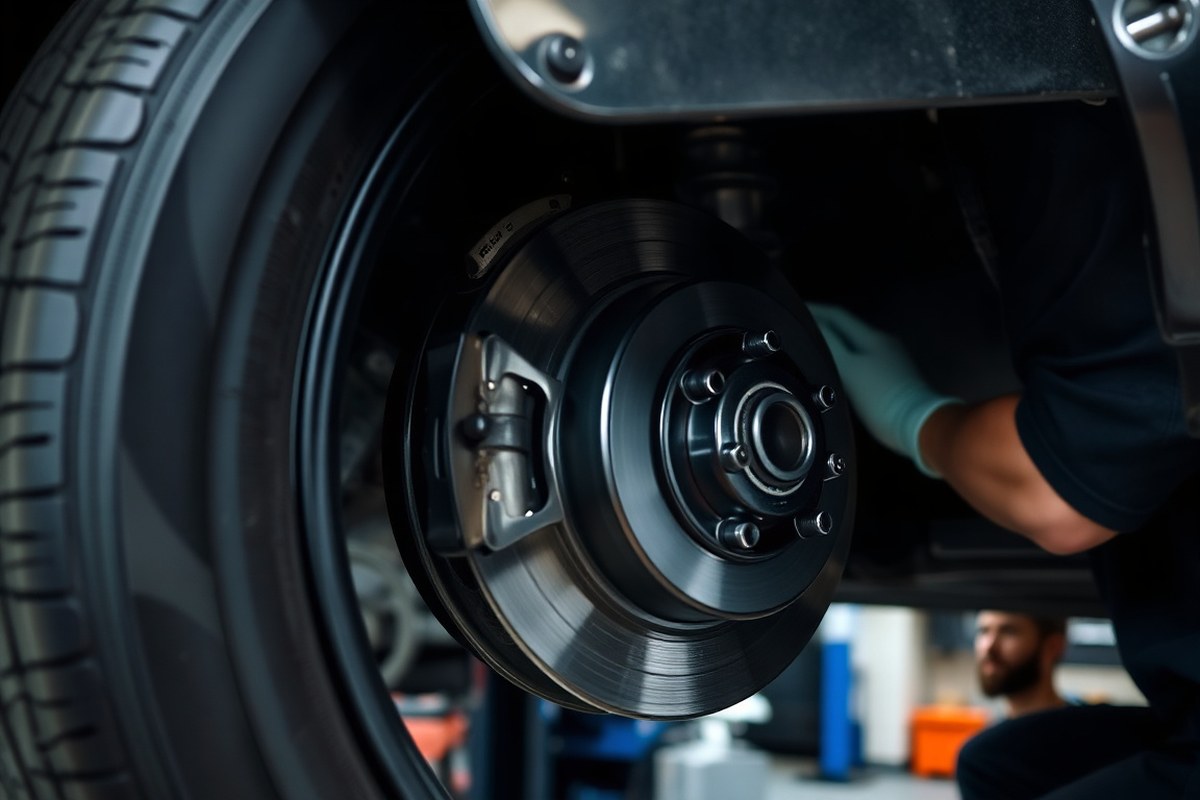
Brake components like pads, shims, and calipers can cause clicking noises when loose or worn. Pads that move or rusty springs often make clicking noises.
These clicks happen when braking or driving slowly. They point to worn parts.
Remove the wheel and check for loose hardware or stones stuck near the brakes. Inspect pad thickness; if it’s below 3 mm, it needs replacement.
- Clicking when braking or driving slowly
- Loose or missing anti-rattle clips
- Pad thickness under 3 mm showing severe wear
- Rusty, bent, or worn brake shims and springs
- Visible movement or rattling of the brake pad
- Brake pulsation or reduced braking efficiency
Replacing pads generally costs between $100 and $300 per axle. Loose calipers are unsafe and require immediate towing and repair.
When Axle or Suspension Parts Cause Clicking
Besides CV joints, other suspension parts may click. Strut mounts and control arm bushings are common culprits.
They move while driving. Worn mounts cause clicking during bumps or turns and affect handling.
Listen for clicks while pushing and releasing the car at the suspension points. Also, check for cracked or squished rubber bushings that fail to absorb shocks properly.
- Clicking sounds over bumps or when turning sharply
- Visible cracks or splits in suspension bushings
- Loose bolts or worn mounting points
- Car leans or pulls during cornering
- Excessive body roll and tire wear
Strut mount replacements cost $150 to $400 each. You can drive carefully for weeks with worn mounts. But handling will be less stable and tires may wear faster.
Engine and Electrical Causes Behind Clicking Sounds
Low engine oil can cause clicking sounds because it reduces lubrication for moving parts. Without enough oil, components like lifters may tap or click as they operate. These noises often speed up with engine RPM.
They mean you should check oil level soon. Check it immediately to avoid damage.
Dirty oil also worsens this problem by breaking down oil filters early. This can let debris harm engine parts, which makes clicking noises louder or more frequent. Measure your oil level regularly to keep it right.
Change your oil every 3,000 to 7,500 miles. This depends on your vehicle and oil type.
Fuel injectors create clicking sounds naturally by opening and closing rapidly. Dirty or clogged injectors spray fuel unevenly. The clicking noise then changes in rhythm.
It may get louder or softer. Cleaning or replacing them often costs $50 to $150. Can smooth the engine’s performance and sound.
Issues with ignition parts, like spark plugs or coils, may also cause random clicking noises. These parts create the sparks needed for combustion. So if they’re faulty, the engine may misfire and make tapping sounds.
A quick diagnostic for ignition failure costs about $50 to $100. This test helps prevent bigger engine problems. It’s worth doing early.
Inside the cabin, electrical parts can click too. You might hear this from relays, actuators, or climate control motors in the dash. These clicks often happen when switching settings on or off.
They also occur when the car runs certain systems. It’s normal for these controls. They’re normal as long as they don’t sound very loud or irregular.
To know if clicking is engine-related, listen to when it happens. Engine noise usually speeds up with the RPM or changes when you press the gas. Clicking inside the cabin that stays steady often links to electrical parts.
It usually reacts when using switches. This shows electrical components at work.
Step-by-Step Process to Locate the Clicking Noise Source
Finding the source of a clicking noise means following safe, clear steps. You want to check the wheels, axles, and brakes first, since these parts often cause clicking.
Take some tools like a jack, jack stands, a flashlight, and your owner’s manual. This process takes about 30 to 45 minutes with basic tools.
- Park the car on a flat, solid surface and engage the parking brake. Use a jack to lift one front wheel at a time. Then place jack stands to support the wheel safely.
- Spin the lifted wheel by hand and listen for clicking or rough sounds. Feel for any resistance or grinding as the wheel turns slowly.
- Push and pull the tire horizontally and vertically to check for any looseness. Loose play can mean worn bearings or CV joints.
- Look at the CV joint’s rubber boot for cracks, dirt, or grease leaks. Damage here often causes the clicking you hear while driving and turning.
- Turn your steering wheel all the way to one side. Slowly drive forward, ideally in a parking lot. This “lock-to-lock” test highlights CV joint noise due to sharp turning angles.
- Apply brakes gently while moving at low speed. Clicking that stops when braking usually means brake parts cause it. It’s less likely the axle or bearing.
- Check the wheel covers or hubcaps for tightness. Loose wheel trim can click on rough roads or while accelerating.
You want the wheel to spin smoothly without noise or play. This means the bearing is working well. Detecting cracks or grease around the CV joint signals a worn joint needing attention.
Rough spots or clicking while spinning the wheel show bearing issues. The bearing might need replacement soon.
Always support your car with jack stands before spinning or moving wheels by hand. Avoid working under a car only held by a jack.
Comparing Repair Costs and Urgency for Clicking Noise Causes
Repairing a clicking noise depends on the cause, cost, and urgency. Some fixes take a few hours and a few hundred dollars. Others need quick action to avoid bigger damage or safety risks.
CV Joint Replacement Cost Summary
Clicking sounds during turns often come from worn CV joints. Replacing one usually costs between $150 and $400, depending on your vehicle. It typically takes about 1 to 2 hours of labor to swap the joint.
You should fix a bad CV joint soon. Driving with a failing joint risks a total breakdown and loss of control. Early repair saves money and improves safety.
Wheel Bearing Repair Estimates
Wheel bearings can click when they wear out or get loose. Repair costs usually range from $120 to $300 for part and labor. This job often takes around 1 to 1.5 hours.
Ignoring a bad wheel bearing can lead to wheel damage or an accident. Get it repaired quickly but it’s slightly less urgent than CV joint failure. Listen for grinding or wobbling along with clicking.
Brake Hardware and Pad Replacement Costs
Clicking noises when braking usually come from brake parts like calipers or pads. Replacing pads and hardware generally costs between $100 and $300. The work takes about 1 to 2 hours labor.
Brakes should be fixed immediately if you hear clicking with braking. It can affect stopping power and safety. Delaying repair is risky and not recommended.
Engine-Related Clicking Repair Ranges
Clicking sounds from the engine or exhaust can come from parts like actuators or the drivetrain. Repair costs vary a lot, often $200 to $600 depending on the exact issue. Labor time can reach 2 to 3 hours or more.
Some engine clicking noises need quick attention to prevent bigger failures. Others can wait a week or two if performance stays steady. Watch for engine light or power loss signs.
| Clicking Situation | Likely Problem | Typical Cost Range | Labor Time | Urgency Level |
|---|---|---|---|---|
| Clicking during turns | CV joint wear | $150, $400 | 1, 2 hours | High |
| Clicking over bumps | Suspension looseness | Varies, often $100, $300 | 1, 2 hours | Medium |
| Dashboard clicking | Actuator failure | $200, $600 | 2, 3 hours | Medium to High |
| Clicking during acceleration | Exhaust or drivetrain issue | $200, $600+ | 2+ hours | Variable |
| Clicking with braking | Brake hardware problem | $100, $300 | 1, 2 hours | High |
This table explains typical costs and urgency for various clicking causes. Knowing your car’s clicking type helps you decide how fast to fix it. Keep repairs timely to avoid extra damage or safety issues.
When Is It Safe to Keep Driving Despite Clicking Sounds?
A clicking sound in your car isn’t always a sign to stop immediately. You can drive for a short time if the noise stays steady. Keep an eye out for shaking, warning lights, or strange smells.
If you notice these, stop driving immediately. Drive only short trips to the closest repair shop.
Avoid highways and heavy traffic to lower your risk. This helps keep you safer on the road.
Watch carefully and slow down if the clicking gets louder or changes rhythm. A repetitive clicking or popping sound when turning can come from a worn CV joint. It’s usually safe to drive slowly for a few miles.
But it will eventually fail without repair. Stop driving right away if the car pulls to one side.
Listen for loud bangs or strange brake behavior. These signs mean you should not keep driving.
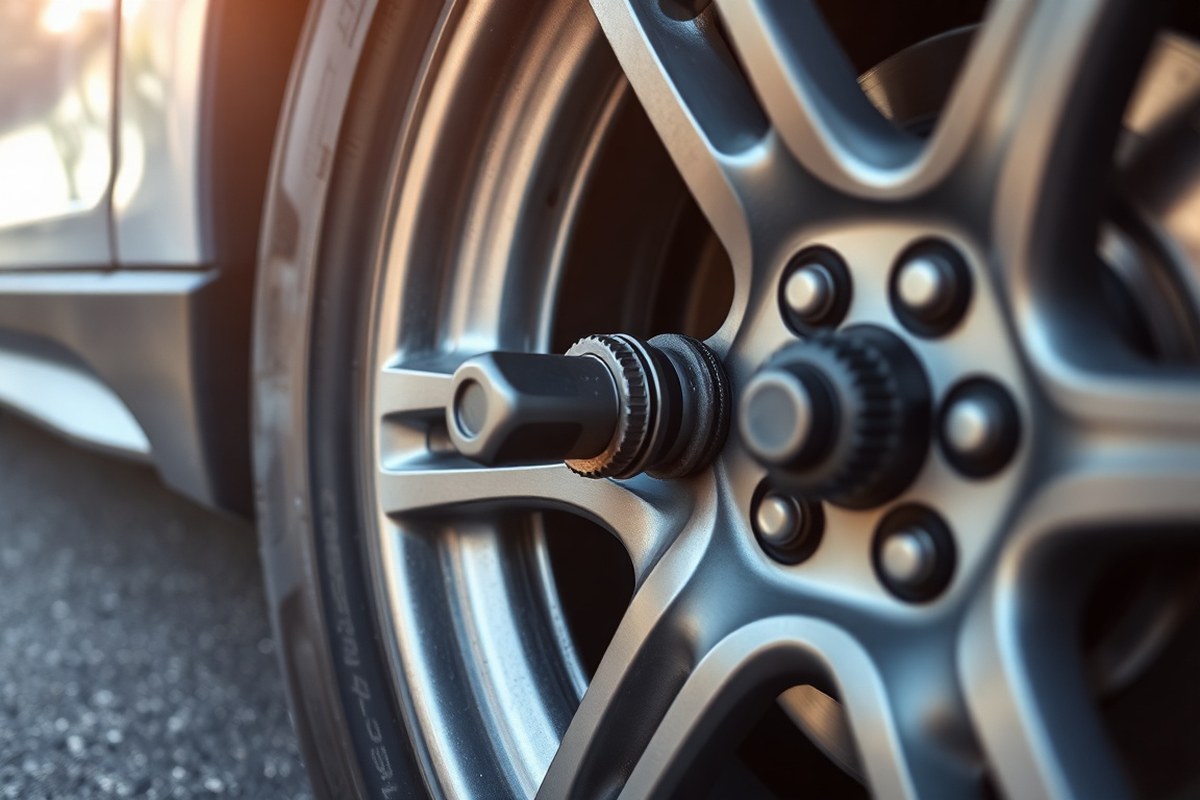
Check tires and lug nuts whenever you hear clicking. Loose lug nuts or damaged tires cause immediate danger and should never be ignored. Pull over as soon as it’s safe and inspect these first.
Don’t keep driving if your tires look uneven, flat, or strange noises come with rough handling. Slow, light clicking from brake wear is a signal to plan a brake job soon. But won’t stop you from driving immediately.
Common Diagnostic Mistakes and How to Avoid Them
Many drivers jump to conclusions when they hear a clicking noise while driving. A common mistake is blaming the CV joint right away. The noise often gets louder during turns.
Don’t jump to conclusions. This mistake can lead to expensive repairs.
The cause might be a loose brake part. Sometimes debris stuck in the wheel makes the noise.
Clicking noises also come from worn suspension parts, like struts, or damaged wheels. These sounds appear especially on rough roads. Ignoring the noise may cause more damage.
What starts simple might turn costly. Don’t assume the noise is harmless.
It helps to track exactly when you hear the clicking. Note if it happens only on turns, on bumps, or at certain speeds. This info narrows down possible causes and avoids guessing wrong.
- Listen carefully for when the clicking happens: turning, braking, or driving straight.
- Check for loose fittings or brake pads first. Look for debris around the wheels too. Don’t blame the CV joint right away.
- Watch for changes in the noise as you increase or decrease speed.
- Inspect suspension components if the noise appears on rough or uneven roads.
- Test the brakes separately to see if they cause the clicking.
- Don’t ignore new or worsening sounds; get a mechanic to check them promptly.
- Describe the noise clearly to your mechanic, noting timing and conditions.
Write down when the clicking happens. Note how you hear the noise. This helps the mechanic diagnose it faster and cheaper.
Misdiagnosing clicking sounds often leads to replacing parts that don’t need fixing. That wastes time and money. Ignoring the noise risks bigger problems.
You could end up with a broken CV joint. Worn suspension might also affect your safety.
Good results come from careful listening, noting conditions, and checking common causes before deciding. You’ll save money and avoid driving hazards when you rule out each option step by step.
How to Describe Clicking Noises Clearly to a Mechanic
Start by noting exactly when the clicking sound happens. Does it occur only during turns, or is it constant when driving straight or accelerating?
Mention if the noise changes with speed or gets louder over time. This helps the mechanic focus on common trouble spots.
Sharing details like whether the clicking is steady, intermittent, or quickening makes a big difference. Also, if the sound appeared suddenly or worsened gradually, say so. This can signal if a part is wearing down fast and needs quick attention.
Try recording the clicking sound on your phone. Even a short clip can guide a mechanic much faster than a guess. Loose interior parts clicking on rough roads could be unrelated to engine or wheel issues.
- When the noise starts and stops (e.g., during turns or acceleration)
- How often the click occurs (regular clicks or random)
- Does the clicking noise change with speed or engine load?
- Any recent changes in the noise’s volume or speed
- Road conditions when you hear the noise (smooth, rough, or bumps)
- Notice any related symptoms like vibrations or loss of performance?
- Have a short recording ready to play or send
Giving these details usually lowers your diagnostic time and may reduce repair costs. Mechanics won’t waste time chasing wrong leads if they start with solid info. That way, they can spot urgent problems faster, avoiding bigger damage and higher bills.
Step-by-Step Action Plan to Stop Clicking Sounds When Driving
Follow these clear steps to find out what causes the clicking noise. Fix it or get help before it gets worse.
- Day 1: Listen carefully during different speeds and turns. Note when the clicking happens to spot patterns.
- Day 2: Check the CV joints and axle boots for tears or grease leaks. Damaged parts should be replaced to stop the clicking noise.
- Day 3: Inspect wheel bearings by lifting the car and rocking the wheel side to side. No extra play means bearings are fine.
- Day 4: Look under the hood for loose engine components or wires tapping metal parts. Tighten or secure anything loose.
- Day 5: Drive at low speed on a safe street again. Clicking that continues may change with acceleration or braking.
- Day 6: Test the brakes for worn pads or stuck calipers. Replace or fix faulty parts to silence brake-related clicks.
- Day 7: If the clicking remains, take your car to a trusted mechanic. Describe the noise and when it happens clearly.
- After Repair: Drive daily for a week. Clicking stops means you identified and fixed the problem. The noise stays? Try the steps again or seek advice.
Frequently Asked Questions
Why Does My Car Make a Clicking Sound When I Turn?
The clicking when turning is often a worn CV joint. It gets worse the sharper you turn. You should have a mechanic check it soon to avoid breaking down.
Can Bad Brake Pads Cause a Clicking Noise While Driving?
Yes, worn or loose brake pads can click during driving. This happens especially when braking or on rough roads. Replacing brake parts quickly keeps you safe and stops the noise.
Could Low Engine Oil Cause a Clicking Sound When Driving?
Low engine oil can create tapping or clicking sounds in the engine. It’s a warning to check and top up the oil soon. Ignoring this may cause serious engine damage.
Why Does My Car Click When Accelerating?
Clicking during acceleration may come from axle or drivetrain issues. It can also mean engine or electrical parts are failing. Getting it diagnosed early helps avoid costly repairs later.
Is a Clicking Sound Normal When Driving over Bumps?
Some clicking can happen if a strut or suspension part is loose. Rough terrain makes it more likely to hear this noise. If it’s frequent, a mechanic should inspect your suspension system.
Final Thoughts
Clicking noises can mean many things, from minor to serious issues. Start by identifying when it happens and checking key parts.
Unsure? Have a mechanic listen and repair it properly.