How Do I Know If Power Steering Pump Is Bad – 9 Clear Signs and Testing Tips
You might feel tough steering or hear whining when turning your wheel. These clues often point to a failing power steering pump needing quick care.
Stiff steering can make driving unsafe and tiring. Ignoring these signs may lead to complete steering failure.
Check your steering fluid level and condition first. Low or dirty fluid often causes pump problems.
So topping it off might solve the issue. Make sure to use the correct fluid type recommended for your vehicle.
Also, watch for unusual noises like whining, groaning, or squealing when you turn the wheel. These sounds often come from a worn-out or damaged pump. Persistent noise means the pump parts might be grinding or leaking.
Look for leaks or fluid puddles under your car too. Damaged seals or hoses can cause fluid loss and pump damage. Catching these early can prevent costly repairs and keep your steering smooth.
Key Takeaways
- Hard steering that gets worse while driving often signals pump failure.
- Listen for whining or groaning noises during wheel turns.
- Check power steering fluid level regularly to prevent pump damage.
- Dirty or burnt-smelling fluid usually means the pump is struggling.
- Sudden fluid leaks under the car can come from a failing pump.
- Metal shavings in the fluid point to internal pump wear.
1. How to Tell If Your Power Steering Pump Is Failing

Difficulty turning the steering wheel is usually the first sign of a bad power steering pump. Your wheel might feel heavy or stiff, especially at low speeds or when parking. This happens because the failing pump can’t create enough hydraulic pressure for smooth steering.
You might hear a whining or groaning noise when turning the wheel. This noise means the pump is having trouble moving fluid through the system. A noisy sound during sharp turns often points to the power steering pump.
Another sign is leaking power steering fluid, often reddish or pinkish in color. Check under your vehicle after it’s parked to spot any puddles or wet spots. Fluid leaks reduce the pump’s ability to lubricate and pressurize the system, causing steering problems.
Steering that feels rough, jerky, or uneven can also point to a bad power steering pump. These symptoms happen as the pump struggles to maintain steady pressure. Tracking when these problems occur, like during turns or at idle, helps confirm the pump’s condition.
Before blaming the pump, you should check the power steering fluid level and condition. Low or dirty fluid can cause similar symptoms. Check the fluid using the dipstick or the reservoir markings.
Make sure the fluid level is full. Also, look for dark or gritty fluid.
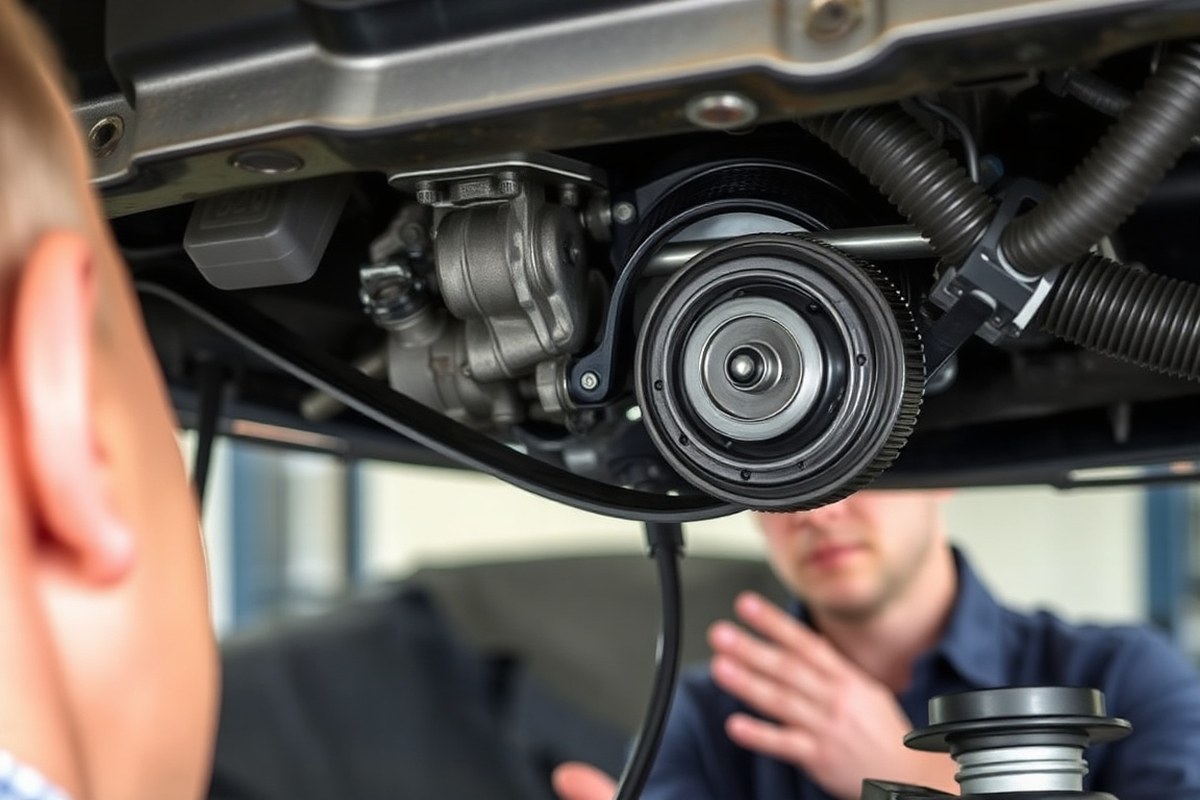
Look at the pump’s belt for cracks, looseness, or wear. A slipping or worn belt might cause poor pump performance.
This can feel the same as a pump failure. Tightening or replacing the belt can sometimes fix steering effort issues without replacing the pump.
Replacing a bad power steering pump usually costs between $300 and $700. This price includes parts and labor. The exact cost depends on your car model and location.
Fixing a failing pump quickly avoids harder steering and possible damage to other parts. Ignoring these symptoms can make your car harder to control and unsafe to drive.
2. Common Noises That Indicate a Power Steering Pump Problem
You should listen for whining, groaning, or squealing noises when steering. A high-pitched squeal often happens right at startup.
You hear a steady whine or groan when turning the wheel. This usually means the power steering pump is struggling.
The whining or groaning sound tends to get louder with engine speed during turns. The noise happens when the pump has low fluid. Air bubbles inside can cause it too.
The pump might also be wearing out. A squealing noise at startup often means the pump is worn. It can also be a loose serpentine belt driving it.
These sounds matter because they show the pump is not working smoothly. When you hear whining or groaning during turns, that indicates the pump’s fluid pressure is dropping. This can make the steering feel stiff or heavy.
A squeal at startup shows the pump’s parts might be slipping. They could also be drying out. This speeds up pump damage.
Don’t ignore whining or squealing noises. They show the pump needs attention before it fails completely.
To diagnose these sounds, turn your steering wheel while parked and listen closely. A weak pump will whine or groan sharply as the wheel moves. Check for squeals right after starting the car.
The belt driving the pump can cause noise if it looks cracked or worn. It might also make the noise worse.
Fixing a noisy pump often means getting new fluid. You might need to replace the belt. Sometimes, a new pump is required.
Parts cost between $50 and $300 depending on your vehicle’s make. Labor is usually under an hour, costing an additional $150 to $500. Early action keeps steering easy and prevents sudden pump failure.
3. How to Check Power Steering Fluid Condition and Levels
Checking the power steering fluid’s level and condition helps you spot pump problems early. Open the reservoir first. Check the fluid level next.
Then, look at its color and texture closely. These signs reveal leaks, contamination, or internal wear in the pump system.
Fluid Level Check Steps
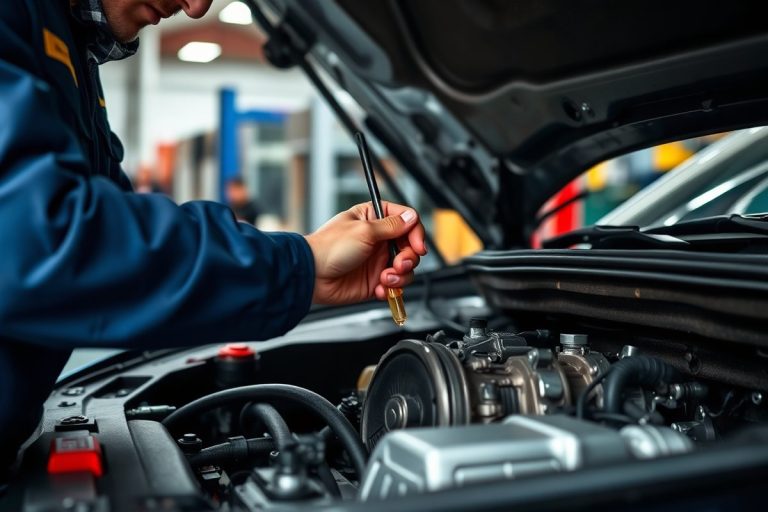
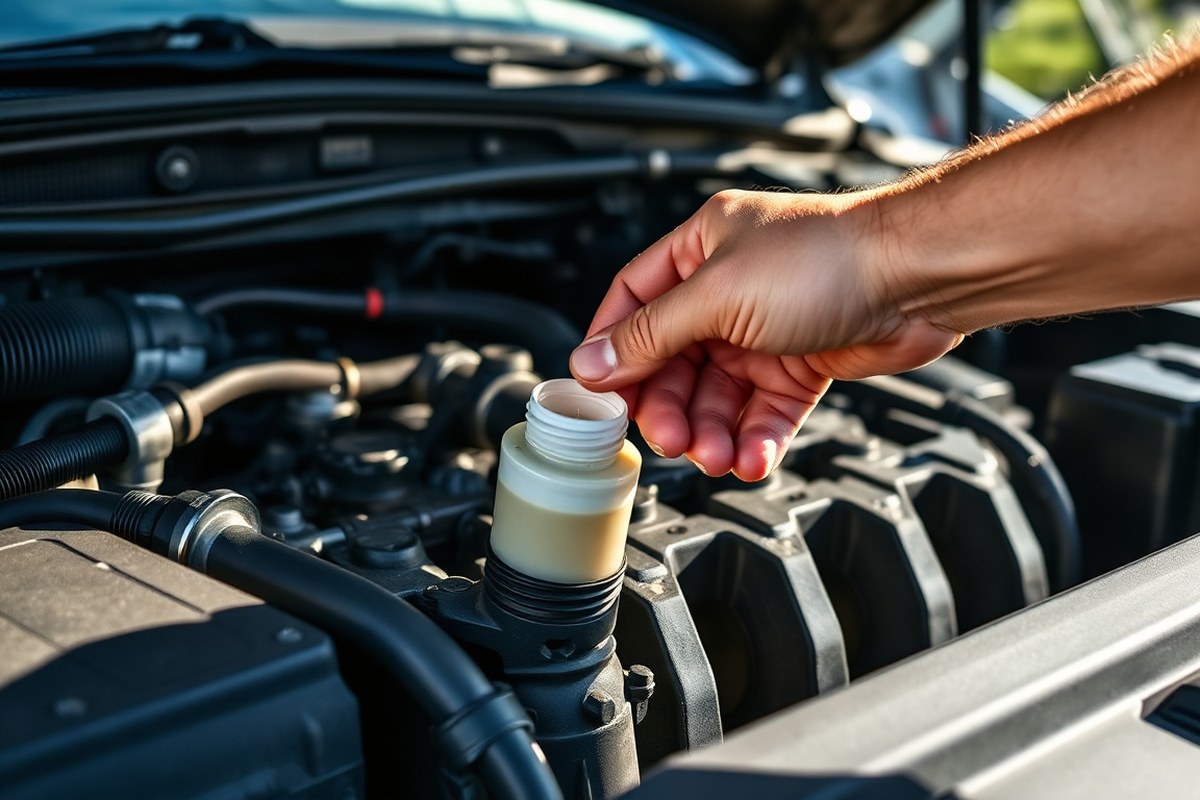
Start by locating the power steering fluid reservoir under your vehicle’s hood. Before you check, make sure the engine is off and cooled down to prevent burns. Most reservoirs have a dipstick or clear markings to show the fluid level.
Remove the reservoir cap and wipe the dipstick clean. Then, reinsert the dipstick fully and pull it out again to read the fluid level. The fluid should reach between the “Min” and “Max” marks.
Check the fluid level. Below “Min” may mean a leak or pump issue.
- Turn off engine and let the car cool for 10 minutes.
- Locate and open the power steering fluid reservoir cap.
- Clean dipstick with a rag and fully reinsert it.
- Pull dipstick out and compare fluid level to “Min” and “Max.”
- Top off fluid if it’s low, but check for leaks first.
- Use the fluid type recommended in your owner’s manual.
Checking fluid monthly helps you catch leaks early and avoid pump damage. Low fluid often means a leak in a hose, the pump, or seals.
Signs from Fluid Color and Texture
Good power steering fluid usually looks clear and light red, pink, or amber. It should smell mild and fresh, a bit like hydraulic fluid or light oil. When fluid turns dark, grey, or cloudy, it shows wear or contamination.
Foam or bubbles on the fluid show air has entered the system. Foam can occur from low fluid or leaks that suck in air. This reduces the pump’s ability to provide smooth steering assistance.
Here’s what different fluid appearances mean:
- Clear red, pink, or light amber: Fluid is healthy and working well.
- Dark brown or grey: Fluid is oxidized or contaminated, needs replacement.
- Foamy or bubbly: Air has entered the fluid, often from leaks or low levels.
- Strong burnt smell: Fluid is overheated; the system may overwork or leak.
Detecting Metal Flakes and Contamination
Metal flakes in the fluid indicate internal damage inside the power steering pump. As pump parts wear down, tiny pieces break off and mix into the fluid. Finding metal shavings means the pump is failing or already damaged.
Metal flakes cause extra wear on seals and the steering rack. Left unchecked, they increase repair costs from a pump fix to replacing the steering rack. Avoid driving with contaminated fluid to prevent further damage.
- Look into the reservoir carefully for small shiny particles.
- Use a flashlight or magnifier to check for metal shavings.
- Dark sediment combined with flakes shows pump wear.
- Replace fluid and inspect the pump if metal flakes appear.
- Metal flakes usually require prompt professional repair for the pump.
Detecting metal flakes early can save you from big repairs and steering failures. Always clean or replace fluid if contamination is present.
4. Where Is the Power Steering Pump Located in Your Vehicle
The power steering pump is usually located on the passenger side of your vehicle’s engine bay. In many engines, the pump sits near the front section. It’s connected to the drive belt system there.
This placement helps the pump operate efficiently. This location lets the pump use the engine’s rotation to pressurize the steering fluid.
Finding the pump can be tricky if you’re not familiar with your engine layout. It’s generally a round or oval metal component with a pulley connected to a belt. The pump also has hoses coming in and out carrying power steering fluid.
| Engine Type | Common Pump Location | Ease of Access |
|---|---|---|
| 4-cylinder inline | Passenger side near the front | Usually easy to reach from top or side |
| V6 or V8 | Front of the engine, passenger side | Can be harder to see, but reachable with tools |
| Front-wheel drive transverse engine | Front, often tucked below or behind belts | May require removing engine covers for access |
Many cars need you to take off engine covers first. Sometimes, removing belts is also required. This lets you inspect or fix parts properly.
Compact engines don’t have much room inside. This tight space can make pump removal tough.
You might find it hard to replace the pump alone. Larger trucks or SUVs may have more room for easier access.
Cheap fixes like replacing a power steering hose or belt cost about $15 to $50. These small repairs can save you from paying $400 to $900 for a pump replacement.
Before replacing the pump, confirm the issue by checking position and condition carefully. Identifying the pump’s exact spot helps avoid unnecessary costs and hassle.
5. DIY Methods to Test Your Power Steering Pump Effectively
To test your power steering pump, first do a visual check. Look at the belt closely. Then perform a pressure test.
You’ll need some basic tools, including a pressure gauge designed for power steering systems. This process helps you find if the pump is weak.
It also shows if it leaks pressure. You may need a replacement.
Tools Required for Pump Testing
Gather these tools before starting to test the pump. A power steering pressure gauge is key to measuring the pump’s output. You also need a flashlight to see under the hood and a wrench for hose connections.
Check for belts that are loose or cracked. These often cause steering problems.
They look like a bad pump problem. Noise from the belt area or slipping during engine start can signal a worn belt.
- Power steering pressure gauge
- Flashlight for visibility
- Wrench set for hose fittings
- Clean rags to catch fluid drips
- Gloves to keep hands clean and safe
- Safety glasses to protect your eyes
Always wear safety gear when working near moving engine parts to avoid injury.
Step-By-Step Pressure Test Procedure
First, locate the high-pressure hose that runs from the pump to the steering gear. Use a wrench to disconnect the hose from the pump. Attach the pressure gauge.
Follow the gauge kit instructions. Be ready with rags as fluid will leak when disconnecting hose fittings.
Next, start the engine and let it idle. Have a helper turn the steering wheel slowly. Turn it from lock to lock.
Watch the pressure reading carefully. Look for pressure drops or reading outside the pump manufacturer’s recommended range.
- Locate and disconnect high-pressure hose at pump
- Attach power steering pressure gauge securely
- Start engine, check for leaks at fittings
- Turn steering wheel fully side to side
- Note pressure fluctuations and max pressure
- Turn off engine and remove the gauge safely
Do not over-tighten hose fittings after testing to prevent leaks and damage.
Interpreting Test Results
Pressure readings below the specified range mean the pump lacks power. This causes hard steering. Fluctuating pressure during wheel turns signals worn pump parts or internal leaks.
High pressure or no change means a blockage. It may also mean the relief valve is stuck. This is inside the pump.
Fix or replace a loose or glazed belt. Then run the test again. Only consider the pump bad after.
A pump that passes pressure but still makes noise needs more checks. Look at hoses and the steering rack closely. Fluid loss needs attention too.
- Low pressure: pump worn or failing
- Pressure spikes/dips: internal pump leaks
- No pressure change: blocked or stuck valve
- Loose belt: replace and retest
- Normal pressure, but issues remain: check hoses or steering gear
Always get the manufacturer’s pressure specs before testing to compare readings accurately.
6. Differentiating Power Steering Pump Issues from Other Steering Problems
Steering issues can show alike symptoms but stem from different causes. The trouble could come from the power steering pump or the rack and pinion system.
Pump failures usually make steering harder and create whining sounds when turning. Rack faults tend to cause loose steering, clunking noises, or uneven vehicle response.
Your steering feeling heavy only when the engine is cold points to rack seal issues. The effort gets easier after running the engine a bit. The pump would not change performance with temperature like that.
Hearing a whining noise that grows as you turn points to pump trouble. The steering effort usually changes throughout your turn. This is a good clue the pump needs attention.
To check the problem, start the engine and turn the wheel at low speed. Then listen closely for any noises while steering. This helps identify the faulty part.
Whining that rises and falls with steering effort points to the pump. More of a clunk or sloppy feeling suggests a worn rack or pinion.
Another check is to look for leaks or damage. Pump problems can cause fluid leaks near the engine bay where the pump is mounted.
Rack and pinion leaks appear closer to the wheels, often damaging boots around the tie rods. Broken or cracked boots also hint at rack failure instead of the pump.
Here’s a rule to help you decide: changes in steering effort and noise with engine speed likely indicate pump issues. The pump reacts to how much power the engine uses. Otherwise, the problem might be elsewhere.
Steering that feels loose or uneven no matter the engine speed often means the rack and pinion is faulty. It does not depend on engine or power changes. Some vehicles might have both issues, so testing carefully matters.
Diagnostics cost varies. A mechanic could charge $100 to $150 for a proper steering system diagnosis. You can check the steering problem yourself in about 15 minutes.
Have a helper listen near the engine while you turn the wheel. This way, you detect where the noise comes from. Pump replacement typically costs $300 to $500.
Rack repairs can run $400 to $1,000, depending on vehicle model and part quality. Knowing which part fails first saves time and money.
7. What Causes Power Steering Pumps to Fail Prematurely
Power steering pumps fail early mainly due to lack of fluid or leaks. Fluid is essential because it lubricates the pump and supplies needed pressure.
Low fluid makes the pump work harder and overheat. This causes damage.
Leaks often come from worn seals and gaskets around the pump. When fluid leaks out, pressure drops quickly, making steering harder and further stressing the pump.
Check under your vehicle for any reddish or clear wet spots. Fixing leaks early can save the whole system.
Belt problems also cause pump failure. A loose or cracked belt may slip or break, stopping the pump from turning properly. This makes the pump noisy and ineffective.
Check the belt for cracks every few months. Also, check the tension. Do this especially if you drive on rough roads.
Contaminated fluid harms the pump too. Dirt or metal particles in the fluid scratch internal parts and clog valves. Flush and replace the fluid every 50,000 miles or as your vehicle manual says.
Using the wrong fluid type increases wear and risks failure. So stick to the recommended kind.
Turning the wheel fully and holding it too long overheats the pump. This wears the pump out faster.
This causes internal damage and fluid breakdown. Avoid holding the wheel at full lock when parked or during slow maneuvers.
Keep the fluid level right to avoid damage. Look for leaks often. Change power steering fluid on schedule.
Also, inspect the drive belt for wear and tightness. Avoid harsh steering habits that strain the pump. Following these steps lowers the chance of costly premature failure.
8. Is It Safe to Drive with a Bad Power Steering Pump?
You can drive your car if the power steering pump is bad. But it won’t be easy or safe for long.
The steering will feel heavy, stiff, or inconsistent, making it hard to turn the wheel smoothly. This can be dangerous, especially in tight spots or emergency situations.
Driving like this puts extra stress on other parts like the power steering rack and hoses. These parts might fail too, leading to much costlier repairs.
The pump itself won’t stop your engine or movement. But ignoring the problem makes things worse and riskier.
You must drive slowly and avoid sharp turns with a failing pump. Keep an eye on leaks and listen for groaning noises that happen even when still.
Plan to replace the pump as soon as you can. The worn drive belt can damage other parts under your hood.
Replacing the pump usually takes two to three hours depending on your car type. The sooner you fix it, the safer and cheaper it will be.
Drive carefully to prevent accidents and bigger breakdowns. See a mechanic soon.
Don’t ignore stiff steering. Slow down and park safely until you can replace the pump.
9. How Much Time and Money Does Power Steering Pump Replacement Take
Replacing a power steering pump typically costs between $300 and $700, including parts and labor. It usually takes 2 to 4 hours depending on your vehicle and mechanic skill. Doing it yourself saves money but requires tools and some mechanical know-how.
Average Costs by Vehicle Type
The price for parts and labor varies with vehicle type and pump brand. Sedans often cost less for parts and service than SUVs or trucks. Aftermarket pumps cost around $100, while OEM or luxury parts can push prices higher.
| Vehicle Type | Parts Cost | Labor Cost | Total Typical Cost |
|---|---|---|---|
| Sedan | $100 – $250 | $150 – $300 | $250 – $550 |
| SUV | $150 – $350 | $200 – $350 | $350 – $700 |
| Truck | $150 – $400 | $200 – $350 | $350 – $750 |
These costs include replacing the pump and related seals or hoses. Labor prices vary by region and shop reputation.
Labor Time Estimates
Replacing a power steering pump generally takes 2 to 4 hours. Diagnosis may add some time if you’re unsure about the problem. Removing the old pump and installing the new one requires careful belt and fluid handling.
After installation, the system needs bleeding to clear air pockets. Then, a test drive checks the steering feel and pump noise to ensure the fix worked. More complicated systems or hard-to-reach pumps take longer to service.
DIY vs Professional Pros and Cons
Replacing your power steering pump yourself lets you pay just for parts. You can save $150 to $350 on labor costs. That happens if you have tools like a wrench set.
A pulley puller also helps reduce repair charges. But this job demands mechanical skill and patience.
Professionals bring experience and gear, reducing the chance of leaks or incorrect bleeding. They diagnose problems faster and avoid replacing parts on guesswork. DIY saves money but risks incomplete fixes or damage if you lack the right tools.
Step-by-Step Action Plan to Check and Address Your Power Steering Pump Issues
Follow this plan to spot power steering pump problems and decide your next move. Each step helps confirm if the pump needs repair or replacement.
- Right now: Listen for whining or groaning sounds when you turn the wheel. If you hear these, it suggests pump trouble.
- Within an hour: Check your power steering fluid level and color. Low or dark fluid means you may have leaks or worn parts.
- Today: Inspect the pump area for leaks or damaged belts. Visible damage confirms the pump might be failing.
- Tomorrow: Try the DIY test by revving the engine while turning the wheel. Resistance or noises indicate pump weakness.
- Within two days: Compare steering feel to normal. Heavy or jerky steering often means a bad pump.
- This week: Decide if you can fix leaks and replace the fluid yourself. Know when to call a pro for pump replacement.
- Next few days: Plan your budget and time for repair or replacement. Typical jobs take 2 to 4 hours and vary in cost.
Frequently Asked Questions
How Can I Differentiate a Bad Power Steering Pump Noise from Other Engine Sounds?
Listen for a whining or groaning noise linked to steering movement. Engine noises usually don’t change when you turn the wheel.
But bad pump sounds do. This helps narrow down the issue before checking other parts.
What Should I Check First If My Steering Feels Hard Before Blaming the Pump?
Check your power steering fluid level and condition first. Low or old fluid can cause stiff steering, mimicking pump problems. Refilling or flushing the fluid can sometimes fix the issue without replacing the pump.
Why Does My Steering Pump Noise Get Louder Only After Driving Some Miles?
The pump might overheat or wear, making noise grow with use. Heat can thin the fluid or damage seals, worsening the sound after driving. Let the car cool and check fluid to avoid bigger damage.
Can a Failing Power Steering Pump Cause Uneven Tire Wear?
Not directly, but it can lead to poor steering control. Hard steering or jerky turns from a bad pump might make you miss alignment cues. Check steering parts and tire wear together for a full diagnosis.
Is It Normal for a Power Steering Pump to Leak Fluid Around the Reservoir?
Some seepage may happen due to heat and pressure over time. However, active leaks often signal seal or hose failure. Look for wet spots or puddles and get it checked soon to avoid pump damage.
Final Thoughts
Power steering pump problems show clear signs you can check yourself. Acting fast helps avoid bigger issues or unsafe driving. Start by checking your fluid today and go from there.